

How to Get Rid of Stress Hives: 8 Proven Ways for Fast Relief and Prevention
To get rid of stress hives, reduce your stress levels and soothe the affected skin using proven treatments. Simple steps like practicing breathing exercises, using over-the-counter antihistamines, and applying natural remedies such as baking soda or nettle tea can provide fast relief. Managing stress consistently, including aiming for 7 to 9 hours of sleep, helps prevent stress hives from recurring.
This is for adults who notice hives linked to stress and want quick relief along with long-term solutions. You’ll learn how to recognize stress hives, identify your personal triggers, use safe treatments and home remedies, avoid common mistakes, and know when to see a doctor to protect your skin and health.
Key Takeaways
- Recognize stress hives by raised, itchy welts that typically disappear within 24 hours but can last up to a few weeks.
- Identify and reduce personal stress triggers to prevent hives, since stress directly prompts their sudden appearance.
- Stress hives lasting beyond six weeks may indicate chronic urticaria and require medical evaluation for proper treatment.
- Use non-drowsy antihistamines like Allegra, Claritin, or Zyrtec and 1% hydrocortisone cream for effective over-the-counter relief.
- Apply cold compresses or drink nettle tea (one teaspoon steeped for 5-10 minutes) to soothe hives naturally at home.
- Aim for 7-9 hours of consistent nightly sleep to significantly reduce frequency of stress-induced hives.
1. What Are Stress Hives and How to Recognize Them
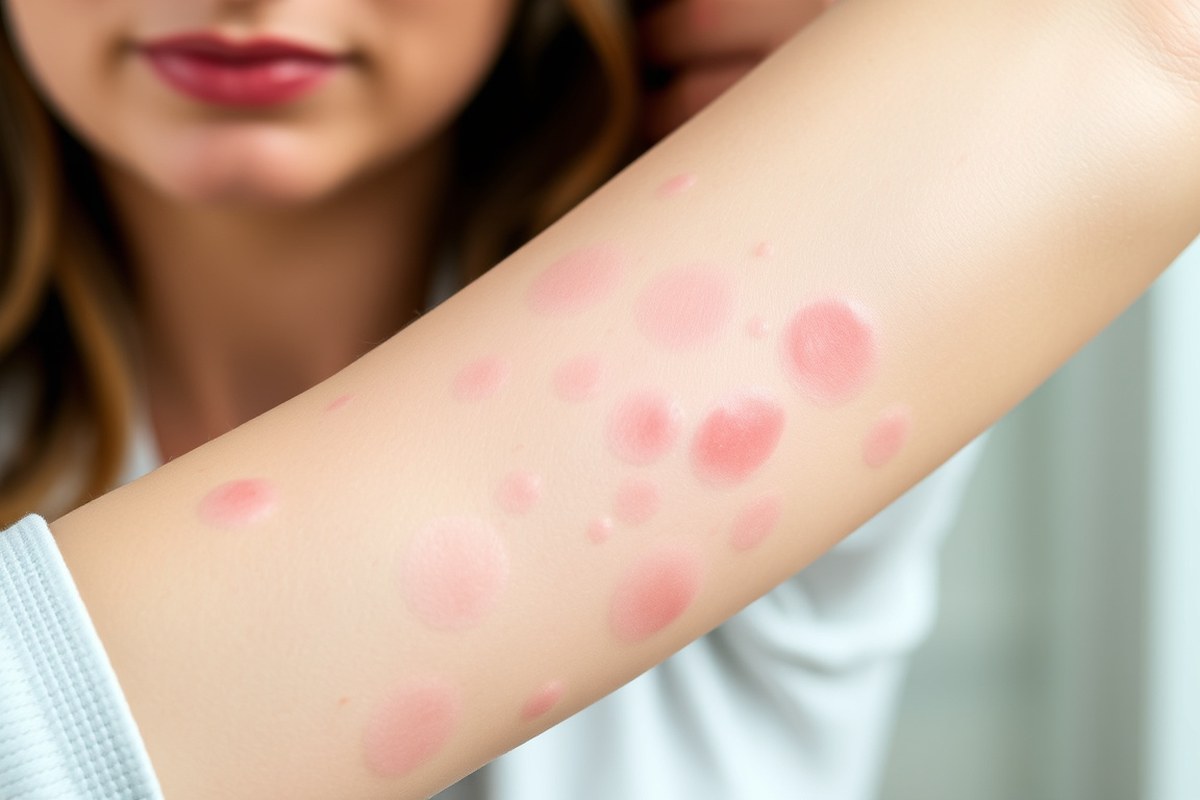
Stress hives, medically called stress-induced urticaria, are red, raised, itchy welts that the body develops as a reaction to physical or emotional stress. They occur because the body releases histamine, a chemical that causes blood vessels to expand and the skin to swell. This reaction produces the classic red bumps or welts with varying sizes that appear suddenly on the skin’s surface. Unlike some other skin issues, stress hives do not always have a predictable trigger like an allergen; instead, they come and go often around times of high stress.
Stress hives can look very similar to allergic hives since both involve histamine release and present as red, raised welts. However, allergic hives typically follow exposure to a specific substance, such as food, medication, or pollen, while stress hives appear without direct external triggers. Another difference is that stress hives may appear in various areas of the body without any obvious pattern. They can affect the face, neck, hands, arms, and torso. That broad distribution contrasts with some contact dermatitis cases, where rashes appear only on parts of the skin exposed to an irritant.
It’s important to distinguish stress hives from other similar skin conditions like heat rash, eczema, or contact dermatitis. Heat rash forms tiny clustered bumps caused by blocked sweat glands, often under tight clothing or in hot, humid environments, and it usually feels prickly rather than itchy. Eczema and contact dermatitis, on the other hand, often cause dry, scaly patches, redness, and sometimes blisters, but they tend to develop over time rather than suddenly like hives. Stress hives usually result in welts that fade within hours to a day, whereas eczema and dermatitis can persist much longer without proper treatment.
The look of stress hives can vary slightly depending on skin tone; on lighter skin, they are often bright red, while on darker skin tones, they may appear more pinkish or dull red. Stress hives also typically cause an intense itching or burning sensation, different from the mild discomfort reported with heat rash. Another noticeable sign is the changing pattern, new hives may appear and old ones fade within hours, which is not typical for eczema or dermatitis. Stress hives commonly last less than 24 hours, but new spots can continue emerging during stressful periods for several days to weeks.
Differentiating stress hives from other skin problems matters because the treatments differ. While antihistamines can relieve hives regardless of their cause, soothing a heat rash requires keeping the skin cool and dry, and eczema often needs moisturizers and anti-inflammatory creams. Recognizing that your welts are stress-induced guides you to focus also on managing stress and identifying personal emotional triggers alongside using medication or topical remedies. This combined approach not only soothes the skin quickly but helps prevent frequent flare-ups.
2. How Stress Triggers Hives and Identifying Personal Causes

Stress causes hives by triggering your body’s release of histamines, chemicals responsible for allergic reactions. When you’re under stress, your immune system reacts as if there’s an allergen, even when there isn’t one. This reaction causes itchy, raised welts on your skin. People with chronic anxiety or heightened sensitivity to stress often experience these flare-ups more frequently.
Individual triggers vary widely. Common stress-related causes include poor sleep, caffeine intake, specific stressful events, and even unnoticed pressure on the skin. Some medications like aspirin, NSAIDs, or ACE inhibitors can worsen outbreaks, while underlying conditions such as thyroid autoimmunity may also contribute to the problem. Stress hives often develop due to a combination of factors rather than one single cause.
To identify your personal triggers, keeping a detailed journal is essential. Write down when hives appear and note your activities, diet, emotions, and environmental conditions preceding flare-ups. Look for patterns over several weeks to spot potential causes. This process lets you take informed steps to avoid or address specific triggers that worsen your hives.
- Record the date and time each flare-up begins
- Note your stress level, sleep quality, and diet that day
- List any new medications or skincare products used
- Track exposure to heat, cold, tight clothing, or pressure on the skin
- Include any stressful events or emotional changes
By reviewing your journal weekly, you can classify triggers into common categories and unique personal ones. Avoid known triggers like caffeine or sleep deprivation where possible. Practicing calming exercises and using cognitive-behavioral therapy techniques to manage anxiety and stress responses can reduce the release of histamines. Keeping the skin cool and loose-fitting clothing can prevent additional irritation.
Tracking your hives in a journal for at least two weeks is necessary to uncover hidden triggers and develop effective avoidance strategies.
Certain people may be more prone to stress hives due to genetic sensitivity or immune system variations. Women in their 30s to 50s often report these symptoms, possibly related to hormonal and lifestyle factors. Identifying your personal stress and physical triggers helps you better prevent and manage flare-ups, improving your overall skin health and quality of life.
3. How Long Stress Hives Last and When They Become Chronic
Stress hives typically last from a few hours up to several days, often resolving in under 24 hours. In some cases, they may persist up to six weeks, especially if the stressor continues or recurs. These short-term outbreaks, known as acute stress hives, usually appear suddenly during or shortly after a stressful event. You can expect new hives to form as old ones fade, with symptoms easing once stress levels decrease and antihistamines are used.
Hives that last longer than six weeks indicate a different condition called chronic spontaneous urticaria. This form of hives often has no clear trigger and can come and go unpredictably over months or even years. Chronic urticaria requires medical evaluation and long-term management, sometimes involving prescription medications and mental health support due to its strong association with improve anxiety and depression rates. Unlike acute cases, chronic stress hives don’t simply disappear when stress subsides, making them harder to control.
Knowing how long your hives have lasted helps you decide when to seek professional care. Acute hives triggered by known stress typically respond well to over-the-counter antihistamines and stress reduction strategies, with visible signs improving within days. Persistent hives beyond six weeks can signal chronic urticaria, which may severely impact your quality of life through relentless itching and skin irritation. If left untreated, chronic hives can lead to sleep disturbances, emotional distress, and increased risk of infections from frequent scratching.
Watch for warning signs like hives that persist longer than six weeks, severe itching that interferes with daily activities, or new symptoms such as fever or joint pain. These symptoms require prompt medical attention. A healthcare provider can diagnose whether your hives are acute or chronic and tailor treatment accordingly. Early intervention is important to prevent complications and improve long-term outcomes, especially if anxiety or depression coexists with your skin condition.
The timeline for stress hives has practical implications: acute hives usually resolve on their own within hours to days, while chronic hives need ongoing care. Monitoring the duration and pattern of your hives allows you to respond effectively. For example, if you notice your hives lasting beyond six weeks despite standard measures, scheduling an appointment with a dermatologist or allergist ensures you receive the appropriate treatment to manage symptoms and address underlying causes.
4. Over-the-Counter Treatments for Stress Hives: What Works Best
Over-the-counter antihistamines and topical treatments are your first line of defense against stress hives. Antihistamines work by blocking the histamine your body releases during an allergic or stress response. This can reduce the redness, itching, and swelling associated with hives. Long-acting antihistamines such as cetirizine (Zyrtec), loratadine (Claritin), and fexofenadine (Allegra) are preferred because they offer relief for 24 hours and cause less drowsiness compared to older options like diphenhydramine (Benadryl).
Topical treatments mainly soothe the skin and reduce inflammation. Hydrocortisone cream, a mild corticosteroid, can calm irritated skin if you apply it carefully and limit usage to no more than twice daily for up to two weeks. Aloe vera gel is a gentle, natural alternative that helps with inflammation and moisturizes without heavy side effects. Cold compresses and oatmeal baths also provide relief by cooling the skin and easing itchiness.
| Treatment | How It Works | Typical Use | Precautions | Cost Range |
|---|---|---|---|---|
| Cetirizine (Zyrtec) | Blocks histamine to reduce itch and swelling | 10 mg once daily | May cause mild drowsiness in some people | $15-$25 for 30 tablets |
| Loratadine (Claritin) | Non-drowsy antihistamine that blocks histamine | 10 mg once daily | Safe for daily use; few side effects | $15-$25 for 30 tablets |
| Fexofenadine (Allegra) | Long-lasting antihistamine with minimal sedation | 60 mg twice daily or 180 mg once daily | Avoid fruit juices close to dosing to ensure absorption | $20-$30 for 30 tablets |
| Diphenhydramine (Benadryl) | Fast-acting antihistamine, reduces itch rapidly | 25-50 mg every 6-8 hours | Causes drowsiness; not recommended for long-term use | $10-$20 for 24 tablets |
| Hydrocortisone Cream 1% | Reduces inflammation and calms irritated skin | Apply thin layer twice daily for max 2 weeks | Avoid on broken skin; prolonged use can thin skin | $5-$10 per tube |
| Aloe Vera Gel | Soothes and moisturizes inflamed skin | Apply as needed to affected areas | Choose pure aloe gel; may cause irritation in rare cases | $5-$15 per bottle |
To use antihistamines correctly, start with a recommended dose in the evening to see how your body reacts, since some cause drowsiness. For long-lasting hives relief, non-drowsy options like Zyrtec or Claritin are best taken once daily. Diphenhydramine should be saved for short-term or nighttime relief due to its sedative effect. Use hydrocortisone cream only on small patches of skin for up to two weeks to avoid skin thinning. Aloe vera is safe to apply frequently, but make sure you’re using a pure gel without added alcohol or fragrances that can irritate sensitive skin.
Cold compresses made from a clean towel soaked in cool water can be applied for 15 to 20 minutes as needed to reduce itching. Oatmeal baths also relieve inflammation and itching, especially if you add colloidal oatmeal to lukewarm bathwater and soak for 10 to 15 minutes. Combining these topical options with an appropriate antihistamine offers better symptom control while you work on reducing your stress triggers.
5. Natural and Home Remedies to Soothe Stress Hives
Natural and home remedies can provide gentle relief for stress hives by soothing irritated skin and calming inflammation. Cold compresses reduce swelling and itching quickly, while oatmeal baths hydrate and protect the skin barrier. Aloe vera and nettle tea offer additional calming effects and support skin healing. Using these remedies correctly can lessen discomfort and promote faster recovery from stress-induced hives.
Using an Oatmeal Bath Safely
An oatmeal bath helps soothe the itch and irritation caused by stress hives by reducing inflammation and moisturizing the skin. Colloidal oatmeal in particular forms a protective barrier on the skin, which eases discomfort and prevents further irritation. To prepare, use plain rolled oats rather than instant or flavored varieties to avoid added chemicals or fragrances. Follow these steps to take an effective oatmeal bath:
- Fill your bathtub with lukewarm water, avoiding hot water that can worsen itching.
- Place 1 cup of rolled oats inside a clean nylon knee-high sock or a fine mesh bag to prevent oatmeal residue in the tub.
- Submerge the sock in the bathwater and let it steep for about 10 minutes to release soothing components.
- Soak in the bath for 15 to 20 minutes, gently patting your skin if it feels itchy.
- After soaking, rinse off with cool water to remove oatmeal residue.
- Pat your skin dry with a soft towel, avoiding rubbing.
- Apply a fragrance-free moisturizer to lock in hydration immediately after drying.
Adjust the water temperature if you have sensitive skin; cooler baths tend to soothe hives better than warm or hot ones.
Applying Aloe Vera and Other Topicals
Aloe vera gel is widely used to reduce skin inflammation and promote healing. It contains natural anti-inflammatory compounds that help calm the redness and irritation associated with stress hives. Use pure aloe vera gel directly from the plant or choose a product with minimal additives and no alcohol, which can dry the skin.
Apply aloe vera gently to affected areas up to three times per day. It may cool the skin and provide temporary relief from itching. Other topical options include fragrance-free, hypoallergenic lotions or creams specifically formulated for sensitive skin to maintain moisture and protect against further irritation.
Preparing Nettle Tea for Skin Health
Nettle tea offers natural antihistamine and anti-inflammatory properties that may support skin health and reduce histamine responses linked to hives. Drinking nettle tea regularly could complement topical treatments and stress management strategies, though it should not replace medication if prescribed. To prepare nettle tea:
- Bring 1 cup of water to a boil.
- Add 1 to 2 teaspoons of dried nettle leaves to a tea infuser or teapot.
- Pour the hot water over the leaves and cover to steep for 5 to 10 minutes.
- Strain the leaves and allow the tea to cool slightly before drinking.
- Consume 1 to 2 cups per day for potential benefits.
Consult your healthcare provider before adding nettle tea, especially if you take blood thinners or have allergies, as nettle can interact with some medications.
Cold Compress Application Tips
Using a cold compress is one of the fastest ways to reduce swelling and relieve itching caused by stress hives. The cold temperature constricts blood vessels, which helps lower histamine-induced swelling and calms skin irritation. To apply a cold compress effectively:
- Wrap ice cubes or a cold gel pack in a clean, damp cloth, avoid placing ice directly on the skin to prevent frostbite.
- Apply the compress to the irritated spot and keep it there for 10 to 15 minutes before removing it.
- Remove the compress for at least 20 minutes before reapplying if more relief is needed.
- Repeat several times a day as necessary to control itching and redness.
- Wear loose, breathable clothing over the treated skin to avoid irritation.
Avoid applying cold compresses for longer than 15 minutes to prevent skin damage from excessive cold exposure.
6. Stress Management Techniques That Reduce Hives Frequency
Reducing stress through consistent lifestyle changes is key to lowering the frequency of stress hives. Building habits around relaxation, sleep, diet, and exercise helps regulate the body’s stress response and supports skin health. These steps take time and commitment, but they effectively prevent hives from reappearing.
Mindfulness and Relaxation Practices
Techniques that calm your mind and body reduce the stress that triggers hives. Mindfulness meditation, deep breathing, and progressive muscle relaxation can lower stress hormones and calm your nervous system. Aim for at least 10 minutes a day of focused relaxation where you sit quietly, breathe slowly, and bring attention to the present moment. Yoga can combine these relaxation benefits with gentle movement, further reducing stress.
If stress hives flare during your workday or evenings, pause for three to five minutes of deep breathing: Inhale for four seconds, hold for seven, then exhale for eight. Repeat this cycle three times. This simple exercise reduces physiological stress markers instantly.
- Practice mindfulness meditation daily for 10-20 minutes
- Use deep breathing exercises during stress spikes
- Try guided relaxation recordings or apps for consistent practice
- Integrate yoga two to three times per week focusing on gentle stretches
- Consider professional counseling if chronic stress is overwhelming
Consistent relaxation helps lower your baseline stress, reducing the chance of hive outbreaks.
Ideal Sleep and Hydration Habits
Quality sleep supports your skin’s ability to recover and manage inflammation tied to stress. Aim for 7 to 9 hours of uninterrupted sleep each night. Keeping a regular bedtime and wake time helps regulate your hormones, including stress-related ones like cortisol. Poor sleep can make hives worse by increasing stress sensitivity.
Hydration also plays a role in healthy skin and stress regulation. Drink at least 64 ounces (about 2 liters) of water daily unless advised otherwise by a doctor. Dehydration can stress your body and skin, potentially worsening hive flare-ups.
- Stick to a consistent sleep schedule, even on weekends
- Avoid caffeine and electronics at least an hour before bedtime
- Maintain 64 ounces of water intake daily
- Use a humidifier if dry air irritates your skin
Good sleep and hydration strengthen your body’s resilience to stress and hives.
Dietary Recommendations to Support Skin
Eating a balanced diet rich in antioxidants and anti-inflammatory nutrients supports skin health and reduces stress effects. Focus on whole foods like fruits, vegetables, lean proteins, and healthy fats such as omega-3s found in fish or flaxseed. Limiting processed foods, excessive sugar, and caffeine helps prevent inflammation that can worsen hives.
Some people notice specific foods trigger or worsen their hives along with stress. Keep a food diary for two weeks to track any flare correlations with diet. Avoid identified triggers and consider consulting a dietitian or allergist if you suspect food sensitivities.
- Include berries, leafy greens, and nuts rich in antioxidants
- Choose omega-3 sources like salmon, walnuts, or chia seeds
- Limit processed snacks, sugary drinks, and caffeine
- Monitor for any personal food triggers and avoid them
- Eat smaller, regular meals to stabilize blood sugar and reduce stress impact
These dietary steps improve your skin’s ability to resist stress-related hives.
Exercise Guidelines with Stress Hives
Regular exercise lowers overall stress levels and improves immune health, helping prevent hives. Moderate aerobic exercise like walking, cycling, or swimming for 30 minutes at least five days a week is recommended. Avoid overly intense or hot workouts as they can sometimes trigger or worsen hives through body heat and sweating.
When hives appear, opt for gentle movement such as stretching or yoga rather than high-impact exercise. Listen to your body: stop activity if hives worsen during exercise. Cooling down properly and showering soon after helps remove sweat that might irritate skin.
- Aim for moderate exercise 150 minutes weekly in sessions of 30 minutes
- Choose low-impact activities when hives flare
- Wear breathable, loose-fitting clothing during workouts
- Cool down and shower promptly after exercise
- Stop exercising if hives or itching increase during activity
Exercise helps manage stress, but must be balanced carefully with your skin’s reaction during flare-ups.
7. Common Treatment Mistakes and How to Avoid Them
One of the most frequent mistakes in treating stress hives is overusing topical or oral steroids. Steroids can reduce inflammation quickly, but prolonged use may thin the skin, cause rebound flare-ups, or suppress your immune system. Use steroids only as recommended by a healthcare provider, typically limiting application to 1-2 weeks. Always follow label instructions or doctor directions to avoid complications.
Another common error is ignoring or overlooking the triggers that cause your hives. Treating just the visible rash without addressing the underlying stress or environmental factors can lead to repeated outbreaks. It matters because managing triggers reduces flare-up frequency and limits the need for medications. Track your stress levels and note any patterns in activities, foods, or exposures that precede hives so you can avoid them or prepare better.
Many people misunderstand the cause of their symptoms, assuming hives always stem from allergies. In stress-induced cases, hives come from your body’s response to emotional or physical stress, not allergens. Confusing the two can lead to unnecessary allergy tests or ineffective treatments. You can clarify this by working with a healthcare provider to review your history and symptoms and possibly keep a journal of when your hives occur.
- Use steroid creams only as prescribed, typically no longer than two weeks
- Identify and avoid personal stress triggers through journaling and reflection
- Don’t rely solely on antihistamines if stress is the root cause
- Consult a healthcare provider to differentiate between stress hives and allergic hives
- Incorporate stress management techniques rather than just treating symptoms
- Avoid scratching to prevent skin damage and infection
- Use moisturizers to support skin healing and reduce irritation
Addressing the root causes of stress hives, rather than only the symptoms, matters because it leads to longer-lasting relief and fewer flare-ups. Relying solely on medication treats the visible rash temporarily but does not stop your body’s stress response from triggering new hives. By managing stress and lifestyle factors, you reduce the immune system activation that causes these skin reactions.
The time and effort it takes to identify personal triggers can feel challenging, but the payoff is fewer hives and improved quality of life. Good results look like shorter flare-ups, less intense itching, and fewer visits to the doctor or pharmacy. Neglecting the underlying causes often means persistent or worsening symptoms despite treatment, cycling back to emergency use of steroids or medications.
8. When to See a Doctor About Stress Hives and Red Flags
Seek medical care for stress hives when they persist beyond six weeks, worsen despite home treatment, or appear with alarming symptoms like swelling of the face or difficulty breathing. Chronic hives or sudden severe reactions can indicate underlying allergies, infections, or more serious health issues that require professional diagnosis and treatment.
Recognizing Serious Symptoms
Stress hives that last longer than six weeks fall into the category of chronic urticaria, which often needs evaluation by a healthcare provider, such as a dermatologist. Persistent hives may not respond well to typical home remedies and over-the-counter medications, signaling the need for a more detailed medical assessment. Watch for urgent signs like swelling of your lips, tongue, or throat, tightness in your chest, or difficulty breathing, these can be symptoms of a severe allergic reaction requiring immediate emergency care.
Distinguishing between hives caused by stress and those from allergies or infections is important. Allergy-related hives frequently come with other systemic symptoms like sneezing, runny nose, or a sudden drop in blood pressure. If your hives come with these symptoms, a thorough allergy evaluation is necessary to rule out anaphylaxis or other dangerous conditions.
Questions to Ask Your Doctor
When consulting a healthcare provider about your stress hives, clearly describe your symptoms and their timeline. Ask whether allergy testing, blood work, or skin biopsies are appropriate to exclude infections or allergic triggers. Clarifying the cause can guide targeted treatment and reduce flare-ups. It’s also important to discuss how prescription medications may help if over-the-counter options have not worked or if your hives are chronic.
Request advice on managing stress as part of your treatment plan, since stress often plays a role in triggering hives. Understanding the difference between stress-induced and allergy hives will help you follow the right prevention and treatment strategies. Don’t hesitate to mention any other symptoms you notice, even if they seem unrelated at first, as this helps your provider build a full picture.
Steps to Prepare for Your Appointment
Keep a detailed symptom diary including when your hives appear, duration, triggers you suspect, treatment tried, and results. Bringing this information allows your healthcare provider to better evaluate patterns and possible causes. Include notes on any associated symptoms like itching severity, swelling, or respiratory issues.
Use the following script to explain your situation: “I’ve been experiencing red, itchy bumps on my skin that seem linked to stress. They’ve lasted for [insert duration] and haven’t improved with over-the-counter antihistamines. I’m concerned whether this could be an allergy or another condition. Could you help determine the cause and recommend treatment?”
Check your insurance coverage for allergy or specialist consultations before your visit, as testing and dermatologist appointments can vary in cost. Early evaluation often prevents more expensive emergency care and improves long-term management.
Seek immediate medical help if your hives come with swelling of your mouth or difficulty breathing, as these could signal life-threatening allergic reactions.
Step-by-Step Action Plan for Managing Stress Hives
This plan helps you identify, treat, and reduce stress hives with clear steps to follow at home and know when to get professional help.
- Day 1: Identify Your Hives and Triggers – Check your skin for raised, itchy welts appearing after stressful events. Note any recent stressors to spot personal causes. You’ll know it worked if you recognize the pattern linking your hives to stress.
- Day 2: Start an Over-the-Counter Antihistamine – Use an OTC antihistamine like loratadine or cetirizine as directed to reduce itching and swelling. Improvement in your hives’ appearance or relief from itching means it’s effective.
- Within the First Week: Try Natural Remedies – Apply cool compresses or take an oatmeal bath to soothe your skin. Relief from redness or less discomfort shows these methods help calm your hives.
- Week 1: Begin Stress Management Practices – Incorporate relaxation techniques such as deep breathing or gentle yoga daily. Fewer or less intense flare-ups indicate better stress control.
- After 2 Weeks: Avoid Common Mistakes – Stop scratching, avoid hot showers, and refrain from using harsh soaps to prevent worsening irritation. Noticing less spreading or irritation shows you’re protecting your skin properly.
- After 3 Weeks: Track Your Progress – Keep a journal of hives frequency, your stress levels, and treatments used. A downward trend in flare-ups over time confirms that your strategy is working.
- If Hives Persist Beyond 6 Weeks or Worsen – Schedule a visit with your doctor to rule out chronic urticaria or other conditions. Seek immediate care if you develop difficulty breathing or swelling of the face or throat.
Frequently Asked Questions
What Lifestyle Changes Help Get Rid of Stress Hives?
Adopting a consistent sleep schedule and practicing stress-reduction techniques like breathing exercises help calm your body and reduce stress hives. Aim for 7-9 hours of sleep and consider daily positive affirmations to ease stress further.
Can Diet Affect How to Get Rid of Stress Hives?
Yes, avoiding known food triggers and eating anti-inflammatory foods may help soothe your skin. Hydration and limiting caffeine can also reduce flare-ups linked to stress.
Are Antihistamines Effective for Quick Relief from Stress Hives?
Over-the-counter antihistamines can reduce itching and swelling quickly. Taking them early may prevent hives from worsening during stressful times.
Is Exercise Beneficial or Harmful for Stress Hives?
Moderate exercise can reduce stress and improve immune function, which may help clear hives. Avoid intense workouts that cause excessive sweating, as this might irritate your skin.
Can Stress Hives Be Prevented with Daily Self-Care Routines?
Regular stress management, skincare, and healthy habits together reduce the chance of stress hives. Consistent routines lower your overall stress levels and keep your skin calm.
Does Moisturizing Help in Getting Rid of Stress Hives Faster?
Moisturizing soothes irritated skin and prevents dryness, easing discomfort from hives. Use fragrance-free, gentle moisturizers to avoid further irritation.
Before You Go
Stress hives often fade with proper care and managing your stress levels, but early action speeds relief. Start by trying a simple over-the-counter antihistamine today to reduce itching and inflammation. Keep track of your stress triggers and skin’s reaction to spot patterns that can help you prevent flare-ups over time.




One Comment