How to Get Rid of Lie Bumps: 8 Steps for Fast Relief and Prevention
Lie bumps usually clear up on their own within 1 to 3 days, and most people see improvement without any treatment. To get rid of lie bumps faster, focusing on proper oral hygiene, avoiding irritants, and using gentle home remedies can help reduce discomfort and speed healing. Knowing when to seek professional care also plays a role in managing more persistent cases.
This article is for anyone dealing with these common tongue irritations and wanting quick relief. You’ll learn what lie bumps are, what triggers them, how to spot them, effective home treatments, dietary and hygiene tips, and when to contact a dentist or use over-the-counter options safely.
Key Takeaways
- Lie bumps usually clear up on their own within 1 to 3 days, often without any treatment needed.
- Maintaining good oral hygiene and avoiding irritating foods can help speed recovery and reduce discomfort from lie bumps.
- You can recognize lie bumps by their small, swollen, red or white appearance, which differs from other tongue issues.
- Avoid spicy, acidic, or rough-textured foods that may aggravate lie bumps during the healing period.
- Use gentle brushing and saltwater rinses as effective home remedies to ease pain and promote healing.
- See a dentist if lie bumps persist longer than 10 to 14 days or frequently return to rule out infections or deficiencies.
1. What Are Lie Bumps and Why Do They Appear?

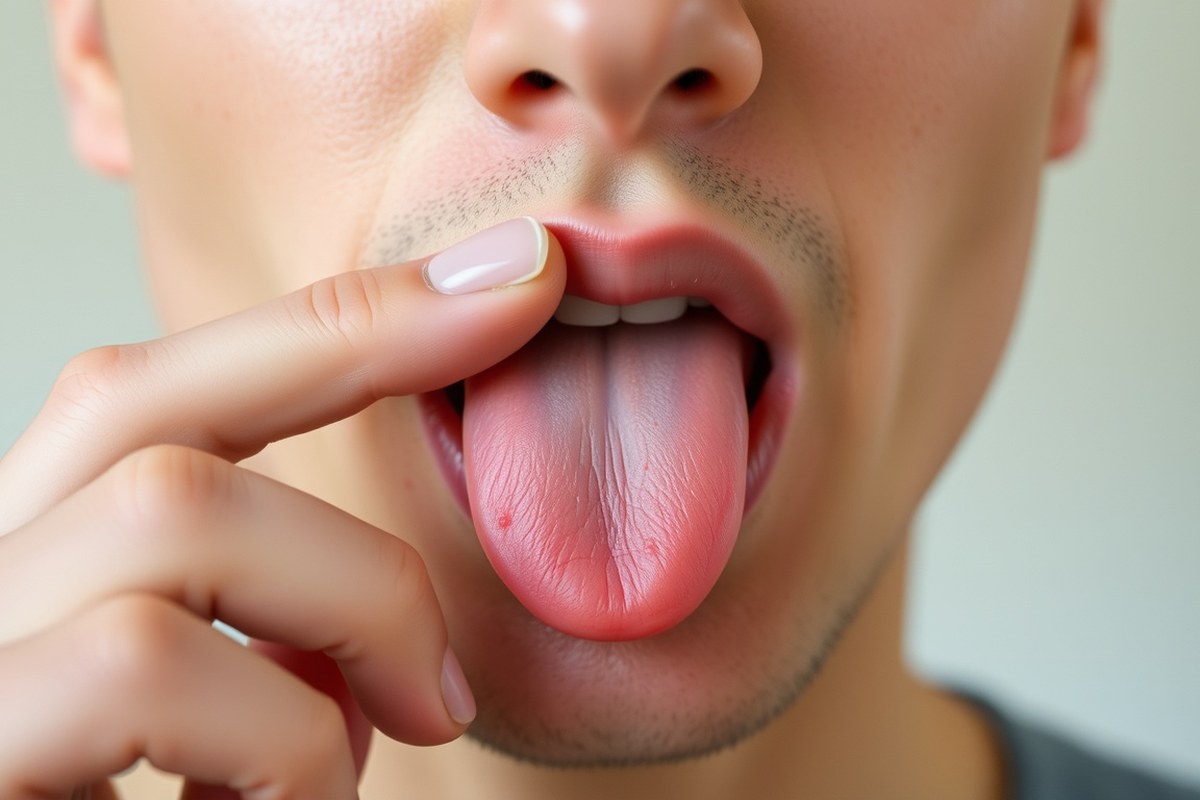
Lie bumps, medically called transient lingual papillitis, are small, painful bumps that show up suddenly on the surface of your tongue. These bumps form when your fungiform papillae, the tiny, mushroom-shaped taste buds on the top of your tongue, become inflamed or irritated. The name “lie bumps” comes from a common myth that these bumps appear when someone tells a lie, but in reality, their cause is unrelated to honesty. The term stuck because these bumps often come on suddenly, making people notice them after a stressful or uncomfortable situation.
These bumps usually look like small, red or white spots. They tend to be raised and noticeable, mainly appearing on the top and sometimes near the tip of the tongue. Most people experience pain or tenderness around them. The discomfort can vary from mild irritation to sharp pain, especially when eating acidic, spicy, or hot foods. Lie bumps are visible and can be uncomfortable to touch, but they usually don’t last long.
It typically takes between one and seven days for lie bumps to heal. During this time, you might notice a sudden onset of these bumps, often triggered by eating acidic or irritating foods like citrus fruits or hot sauces. The bumps mainly show as individual small raised spots, which distinguishes them from other tongue issues like canker sores or oral thrush. They’re usually not a sign of infection and don’t spread to others.
Since these bumps are essentially inflamed taste buds, they don’t require expensive treatment or invasive procedures. Good oral hygiene combined with avoiding irritants can help reduce discomfort and support quick healing. It’s important to watch your symptoms and keep your mouth clean, but lie bumps generally improve on their own within about a week. If you notice the bumps lasting longer than that or spreading widely, a healthcare professional can check to rule out other causes.
2. Common Causes and Risk Factors Behind Lie Bumps
Lie bumps, or transient lingual papillitis, most often develop due to irritation and inflammation of the tiny papillae on your tongue’s surface. Several triggers including lifestyle habits, stress, certain foods, and underlying health issues can raise your risk. Understanding these causes helps you target prevention and relief methods effectively.
Irritants Triggering Lie Bump Formation
Lie bumps are frequently caused by physical irritation to the tongue’s small papillae. This irritation may come from biting your tongue accidentally, rubbing against sharp teeth or dental appliances like braces, or exposure to hot temperatures from foods or drinks. Chemical irritants such as strongly flavored dental products or acidic substances can also inflame the papillae. Smoking and alcohol intake contribute by drying out or irritating oral tissues, making you more prone to developing these bumps.
Minor injuries from biting or abrasive chewing can cause localized inflammation that triggers the raised red or white bumps typical of lie bumps. Persistent irritation can worsen the condition or prolong healing, which generally takes about 3 to 7 days if the tongue is protected from further trauma.
Avoid chewing gum or foods that cause repeated friction on your tongue, especially if you notice lie bumps starting to form.
Impact of Emotional Stress Levels
Emotional stress and hormonal changes are linked to lie bumps, though the relationship isn’t fully understood. Stress may weaken your immune responses or increase sensitivity in the mouth’s tissues, making the tongue more reactive to minor irritations. Hormonal fluctuations, such as those occurring during menstrual cycles, may make some people more prone to these bumps temporarily.
Managing stress through relaxation techniques and adequate sleep can lower the frequency of flare-ups. You might notice bumps appearing more often during particularly stressful or sleepless periods, which supports the role stress plays in their development.
Foods Associated with Mouth Bumps
Spicy, acidic, or highly flavorful foods often trigger or worsen lie bumps by irritating the tongue’s surface. Items like hot peppers, citrus fruits, cinnamon-flavored candies or gums, and sour candies can provoke inflammation. Food allergies or sensitivities may also cause a reaction that looks like lie bumps.
Keeping a diary of the foods you eat and when you experience lie bumps helps identify any specific triggers. Avoiding known irritants or allergens reduces the chances of developing or worsening these bumps. Hydration and gentle rinsing after meals can rinse away irritating residues.
Oral Hygiene Practices Influencing Occurrence
Poor oral hygiene may increase the risk of lie bumps by allowing bacterial buildup or plaque to irritate the tongue. Brushing your teeth and tongue gently twice a day and flossing daily lowers irritation risk. Using alcohol-free mouthwash reduces chemical dryness and irritation. Improper cleaning or rough toothbrushes can exacerbate tongue sensitivity.
Regular dental visits help catch issues like sharp teeth edges or poorly fitting dental appliances that could repeatedly injure your tongue. These professional checks strengthen your ability to prevent and manage lie bumps effectively.
Switch to a soft-bristled toothbrush and avoid harsh mouthwashes while experiencing tongue bumps to prevent further irritation.
Vitamin Deficiencies and Systemic Links
Deficiencies in vitamins such as B12 and minerals like iron have associations with tongue issues, including the development of bumps. These nutrients are important for maintaining healthy oral mucosa and supporting immune function. If lie bumps appear frequently or persistently, deficiencies may underlie the problem.
Addressing systemic causes through a balanced diet or supplementation, as recommended by a healthcare provider, can improve both tongue health and overall well-being. In rare cases, persistent bumps may signal other oral conditions requiring medical evaluation.
3. How to Identify Lie Bumps: Differentiating Them from Other Tongue Issues
Lie bumps, or transient lingual papillitis, are tiny swollen spots on the tongue that typically resolve without treatment in a few days. They differ from canker sores, cold sores, oral thrush, and oral cancer. You can distinguish them by checking their appearance, location, duration, and pain type. Since some tongue bumps can signal more serious issues, understanding these distinctions can guide you on whether to seek medical attention.
Visual Differences Between Common Tongue Lesions
Start by examining the appearance and location of the bumps or sores. Lie bumps show up as small, raised, red or white bumps usually on the top surface of the tongue, often near the taste buds. They look like tiny blisters but have no fluid inside. Canker sores are deeper ulcers with a white or gray base and a red border, typically found on the tongue’s edges or inside the cheeks, not on the taste buds. Cold sores are fluid-filled blisters that mostly appear on the lips or tongue tip and are contagious. Oral thrush is identified by creamy white patches that can be scraped off, revealing a red base underneath, and often spreads widely across the tongue and palate. Here is a quick visual checklist:
- Lie bumps: Small red/white raised bumps on top of the tongue, no fluid
- Canker sores: Gray/white ulcers with red border, on edges of tongue or cheeks
- Cold sores: Fluid-filled blisters near lips or tongue tip, contagious
- Oral thrush: Creamy white removable patches on tongue and palate
- Oral cancer: Persistent lumps or sores, often on the side of the tongue
Comparing these traits helps you distinguish lie bumps from other lesions that require different treatments.
Pain and Duration Indicators for Accurate ID
Lie bumps usually cause mild to moderate discomfort or a burning sensation and clear up within 1 to 3 days without treatment. Canker sores hurt more, sometimes severely, and last about one to two weeks. Cold sores cause moderate pain and typically heal within 7 to 10 days but are contagious during this period. Oral thrush pain varies but is generally mild to moderate, and patches might remain as long as the infection persists without treatment. Persistent bumps or sores lasting longer than two weeks might signal more serious conditions like oral cancer or another infection. Use these timing and pain cues in your self-check:
- Mild/moderate pain, resolves within 1, 3 days: likely lie bumps
- Moderate to severe pain, lasting 1, 2 weeks: possibly canker sores
- Pain with blister fluid, 7, 10 days, contagious: suspect cold sores
- Mild/moderate discomfort, persistent patches: consider oral thrush
- Any sore or lump lasting over 14 days: needs medical evaluation for cancer or other diseases
Tracking how long symptoms last and the pain level helps fine-tune what the bump might be and guides whether home care or doctor visits are needed.
Risk Factors Suggesting Urgent Medical Evaluation
Certain symptoms and personal risk factors call for prompt medical attention. Persistent lumps or ulcers on the side of the tongue lasting more than two weeks should be checked to rule out oral cancer. Risk increases if you use tobacco heavily, drink alcohol regularly, or have a family history of oral cancer. Fever accompanying tongue sores, swollen lymph nodes, trouble swallowing or breathing, or sudden bleeding without injury may indicate infections like oral herpes, syphilis, scarlet fever, or other serious conditions needing professional diagnosis and treatment. Also consider STD-related causes if you have new sexual partners or suspect exposure. A checklist for urgent signs includes:
- Sores or lumps lasting > 2 weeks
- Bleeding from tongue without injury
- Swollen lymph nodes in neck
- Difficulty swallowing, breathing, or speaking
- High risk lifestyle: tobacco, alcohol, family history
- Systemic symptoms like fever or rash
Follow local healthcare guidelines and see a licensed professional if these signs appear, as early diagnosis improves outcomes.
4. How Long Do Lie Bumps Last and When to Expect Improvement
Lie bumps usually last between a few hours and three days, with most disappearing within one to two days. These small, inflamed bumps on the tongue often resolve on their own without treatment, typically within three to seven days at most. The short duration means you can expect noticeable improvement fairly quickly, usually within a day or two after the bump appears.
When a bump lasts longer than two weeks, seeing a dentist or healthcare provider is important. Bumps that persist beyond this timeframe, grow in size, or interfere with swallowing, speaking, or breathing aren’t typical lie bumps. A professional can examine the area, and if needed, perform a biopsy to rule out other conditions. Prompt evaluation helps catch rare but more serious problems early.
Lie bumps can come back, especially if you encounter the same triggers again. Common causes include irritation from dental appliances, minor trauma, stress, or certain spicy or acidic foods. Recurrence isn’t unusual and can happen weeks, months, or even years after the first episode. Keeping track of your triggers and avoiding them can help reduce the frequency.
Knowing the timeline helps you monitor these tongue bumps properly. You’ll generally see a bump form suddenly and then fade within a few days. When it’s gone after a day or two, no further action is needed aside from normal oral hygiene. Persistent lumps are not only uncomfortable but could indicate conditions needing medical attention. Regularly inspect your tongue and note any bumps that refuse to heal after two weeks or that worsen.
In rare cases, bumps may take longer if they are related to other oral issues like canker sores, which can last from one to two weeks or longer in severe cases. Lie bumps specifically tend to be short-lived and mild, so longer-lasting or spreading bumps require a dental professional’s input. Routine dental visits and open communication about tongue changes also make managing your oral health easier and safer over time.
5. Effective Home Remedies Compared: What Works Best for Lie Bumps
To get rid of lie bumps quickly, certain home remedies can soothe irritation and speed healing. Rinses with saltwater or baking soda both calm inflammation and keep the area clean, while mouthwashes reduce bacteria but should be chosen carefully to avoid stinging. Using these methods properly helps promote comfort and healing within a few days.
| Type | What It Does | How to Use | Pros | Cons | Safety Notes | Expected Time to Relief |
|---|---|---|---|---|---|---|
| Saltwater Rinse | Soothes tongue and cleans area | Stir 1 tsp salt in 1 cup warm water; swish 30 seconds; spit out; repeat 2-3 times/day | Easy, inexpensive, safe for most people including pregnant women | May be less effective if water is too hot or cold | Avoid swallowing; do not overuse to prevent dryness | Relief in 1-3 days |
| Baking Soda Paste or Rinse | Reduces pain and swelling; balances pH in mouth | Mix 1 tsp baking soda with ½ cup water for rinse or make a paste with minimal water, apply gently to bump | Safe, gentle; helpful for mild pain and swelling | Can irritate if used excessively or applied roughly | Use sparingly and avoid if you have sodium restrictions | Relief within 2-3 days |
| Alcohol-Free Antiseptic/Oxygenating Mouthwash | Keeps mouth clean, reduces bacteria and irritation | Use as directed on label, usually swish 30 seconds once or twice daily | Non-stinging; maintains hygiene; helps prevent infection | Some products may cause mild discomfort if not alcohol-free | Choose alcohol-free versions to avoid stinging and dryness | Improvement often noticeable within 2-3 days |
Using a saltwater rinse is a reliable first step because it is simple, safe, and well tolerated by almost everyone. Baking soda treatments add an extra option for reducing pain and swelling but should be used gently. Mouthwashes help maintain oral hygiene, which supports healing, but selecting an alcohol-free type avoids additional irritation.
Tip: Swish saltwater or baking soda rinses gently and avoid swallowing the liquid to minimize any irritation and dryness.
6. Do’s and Don’ts for Diet, Oral Hygiene, and Lifestyle with Lie Bumps
To soothe lie bumps and reduce their chance of coming back, focus on what you eat, how you care for your mouth, and lifestyle habits. Avoiding spicy and acidic foods is important since these can irritate the bumps and slow healing. Citrus fruits, hot sauces, vinegar, and very salty or crunchy snacks may trigger discomfort or inflammation. Instead, stick to bland, soft foods like yogurt, cooked vegetables, and mild-flavored soups. Drinking plenty of water helps keep your mouth moist and supports natural healing.
Poor oral hygiene might not directly cause lie bumps, but it can worsen them by allowing bacteria to irritate the tongue further. Brushing your teeth twice daily and gently cleaning your tongue with a soft brush or tongue scraper helps remove bacteria and prevents secondary infections that can increase pain. Using a saltwater rinse three times a day, dissolve half a teaspoon of salt in 8 ounces of warm water, can reduce swelling and speed up recovery without needing expensive treatments.
Smoking and excessive alcohol can irritate your tongue and delay healing. Smoking introduces harmful chemicals that dry out and inflame oral tissues. Alcohol, especially in higher amounts, can cause dryness and weaken your immune response in the mouth. Cutting back or quitting these habits can significantly reduce the frequency of outbreaks and improve your oral health overall.
- Avoid spicy, acidic, or crunchy foods while bumps heal
- Drink cool or room-temperature non-acidic fluids to soothe irritation
- Brush teeth and clean the tongue gently twice a day
- Use saltwater rinses up to three times daily for inflammation
- Limit or avoid smoking and alcohol consumption during flare-ups
- Choose soft, mild foods if you notice sensitivity or allergies
For best results, maintain these practices until your lie bumps disappear, typically within a few days. If you find that dietary changes or oral care doesn’t improve the condition, or if you experience increasing pain or spreading irritation, it’s wise to consult a dental professional. With consistent care, you can manage symptoms effectively and reduce the chance of painful outbreaks.
7. When to Seek Professional Care and What to Communicate
Seek professional evaluation if your lie bumps last more than two weeks, worsen, or come with fever, pain, swelling, or bleeding. A healthcare provider can diagnose lie bumps by examining your tongue and guide you on treatment or further tests if needed.
Warning Signs Indicating Urgent Medical Attention
Lie bumps usually go away quickly and cause only mild discomfort. However, you should see a doctor or dentist promptly if you notice any of the following:
- Bumps lasting longer than 10 to 14 days without improvement
- Severe or increasing pain
- Bleeding or a hard texture to the bumps
- Additional symptoms such as fever, swollen lymph nodes, or fatigue
- Rapid growth or changes in the appearance of bumps
These signs could indicate infection, underlying health problems, or more serious conditions that require medical intervention.
Essential History and Symptom Details to Share
Preparing to discuss your tongue bumps with a healthcare professional can help them diagnose your condition efficiently. Be ready to provide clear and specific information about your symptoms.
- Describe how long the bumps have been present and whether they appeared suddenly or gradually.
- Report any pain, bleeding, or changes in size and texture of the bumps.
- Note if you have experienced related symptoms such as fever, swollen glands, or fatigue.
- Mention any history of allergies, recent oral injuries, or new oral products you have used.
- List any home remedies or over-the-counter treatments you have tried and their effects.
- Share your dental hygiene routine and any recent changes in diet or lifestyle.
- Inform your provider of any chronic medical conditions or medications.
Providing this information gives your healthcare provider a complete view of your oral health and aids in ruling out other causes.
Common Diagnostic Tests and Treatment Options
The diagnosis of lie bumps is usually made through a visual examination of the tongue by a dentist or doctor. In certain cases, additional tests may be necessary, especially if the bumps persist or have unusual features.
- Visual Exam: The provider checks size, number, color, and location of the bumps.
- Swab or Biopsy: If infection or other conditions are suspected, a small tissue sample might be taken.
- Blood Tests: These may be ordered to detect deficiencies or systemic causes if bumps persist.
Treatment depends on the diagnosis. For typical lie bumps, home care and time are usually sufficient. Persistent or painful bumps might require prescription mouth rinses, topical steroids, or other medications. Failing to seek care for persistent or worsening symptoms can allow infections or other oral diseases to progress, which might complicate treatment and affect overall health.
8. Safe Use of Over-The-Counter and Topical Treatments for Lie Bumps
Using over-the-counter (OTC) treatments like topical steroids or antiseptic mouthwashes can be safe for managing lie bumps when done correctly. Topical steroids may reduce inflammation and pain if the bumps are particularly bothersome, but they should be used in small amounts and for no longer than seven days without a doctor’s guidance to avoid thinning the thin mucosal tissue of the tongue. Apply a pea-sized amount directly to the affected area two to three times a day. Proper application involves using a clean cotton swab or fingertip, and avoiding swallowing the medication immediately helps increase contact time.
Antiseptic mouthwashes can help reduce bacteria in the mouth, but alcohol-based varieties can irritate sensitive tongue tissues and potentially worsen lie bumps. Select alcohol-free rinses with antiseptic agents like chlorhexidine or cetylpyridinium chloride. Dilute concentrated antiseptics with equal parts water to reduce sting and rinsing frequency to once or twice daily, especially if you experience burning sensations. Spit out the mouthwash; avoid swallowing to prevent mucosal irritation or systemic effects. Using mouthwash too often or aggressively rinsing for long periods can damage tissue and prolong healing.
Common mistakes include overusing topical steroids, applying them indiscriminately without prescription, or using them for extended periods. Another frequent error is relying on harsh, alcohol-based mouthwashes or rinsing excessively, which can dry out the tongue and exacerbate inflammation. Some people also fail to dilute antiseptic rinses or use them more than thrice daily, increasing irritation risk. Avoid scrubbing or poking the bumps with your tongue or other objects, as this can delay healing and lead to secondary infections.
For sensitive individuals prone to irritation, consider gentler antiseptic options such as saline rinses made from mixing half a teaspoon of salt in 8 ounces of warm water. This simple mouth rinse can be used three times daily to soothe inflamed papillae without harsh chemicals. Keep mouthwash temperatures at room level; extremely cold or hot rinses may increase discomfort for already tender tissues.
In situations involving mild discomfort, start with saline rinses and only add OTC topical steroids if pain disrupts eating or speaking. Avoid combining multiple OTC treatments simultaneously to prevent interactions or multiplied irritation effects. Monitor your symptoms carefully, and discontinue use if you notice worsening redness, swelling, or new sores within a week. Persistent or worsening symptoms should prompt consultation with a dental or medical professional before continuing any topical treatment.
Always follow product instructions carefully, dilute antiseptic rinses when recommended, and never use topical steroids for more than a week without professional advice to avoid tissue damage and delayed healing.
Step-by-Step Action Plan to Get Rid of Lie Bumps
Follow these practical steps to identify, treat, and prevent lie bumps, while knowing when to seek professional help.
- Day 1: Identify the Bumps, Check your tongue for small, painful bumps that come and go quickly. Confirm they don’t look like ulcers or infections. Proper identification helps avoid unnecessary worry and treatment.
- Days 1, 3: Start Simple Home Care, Rinse your mouth with warm salt water twice daily and avoid spicy or acidic foods. Improvement shows as decreased pain and smaller bumps by day 3.
- Days 3, 7: Adjust Oral Hygiene and Diet, Use a soft toothbrush and non-irritating toothpaste; cut back on caffeine and avoid tobacco. Pain relief and reduction in bump size suggest these changes are effective.
- Week 2: Try Approved Over-The-Counter Options, Apply a topical oral gel made for mouth sores as directed. Relief from discomfort and faster healing indicate the treatment is working.
- After 2 Weeks: Assess Healing, If bumps persist beyond two weeks or worsen, schedule a dental or medical appointment. Persistent symptoms might require professional evaluation.
- Ongoing: Prevent Recurrence, Maintain gentle oral care routines and avoid known triggers like stress and certain foods. No new bumps after treatment means prevention is working.
Frequently Asked Questions
What STD Causes Lie Bumps?
Lie bumps are not caused by any sexually transmitted disease; they result from irritation or minor trauma on the tongue. The appearance of lie bumps is unrelated to STDs, so no STD testing is typically needed for them.
Is It Okay to Pop Lie Bumps?
You should not pop lie bumps as this can cause more irritation or infection. These bumps heal on their own within a few days without the need to break or squeeze them.
How Many Days Do Lie Bumps Last?
Lie bumps usually last from a few hours up to 3 days, sometimes up to a week in severe cases. Most disappear within 1 to 3 days without treatment.
What Does a Lie Bump Look Like?
Lie bumps are small, white or red bumps that appear suddenly on the top of the tongue. They often follow irritation, such as from acidic foods, and usually resolve quickly.
Can Lie Bumps Be Contagious?
Lie bumps are not contagious since they do not result from infections like viruses or bacteria.
Does Drinking Water Help with Lie Bumps?
Staying hydrated can soothe your tongue and support healing, but water alone won’t speed up lie bump disappearance.
Wrapping Up
Lie bumps usually clear up on their own within a week without any need for medical treatment. Applying simple home remedies like saltwater rinses or using over-the-counter topical gels can speed up relief and reduce discomfort. Keep an eye on any changes and if the bumps worsen or persist beyond two weeks, make an appointment with your dentist to rule out other conditions. Today, try gentle saltwater rinses twice daily to soothe your tongue and support healing.