How to Get Rid of Yeast Infection in Dogs: A Complete Guide for Fast Recovery
To get rid of yeast infection in dogs, you need to identify the symptoms early, use appropriate antifungal treatments, and maintain proper hygiene and diet to support healing. Addressing the infection promptly and following safe home care steps helps your dog recover faster and prevents the infection from worsening or spreading. Consistent monitoring and environmental care are key to stopping recurrence.
This information is for dog owners who want practical advice on recognizing yeast infection signs, understanding treatment options, and preventing future cases. You will learn about common symptoms, diagnosis methods, safe home remedies, and prevention strategies tailored to your dog’s specific needs and surroundings.
Key Takeaways
- Recognize yeast infections by symptoms like itching, redness, odor, and affected areas such as ears, paws, and skin folds.
- Diagnose yeast infections accurately through veterinary skin cytology, culture, or PCR testing for effective treatment plans.
- Use antifungal shampoos, creams, or oral medications prescribed by a vet, considering severity and dog size for proper dosing.
- Follow a step-by-step home treatment regimen, including cleaning, medicating, and monitoring your dog’s response closely.
- Support healing with diet adjustments, maintaining hygiene, and cleaning your dog’s living environment to reduce yeast growth.
- Consult your veterinarian promptly if symptoms worsen or do not improve after 7, 10 days of home treatment.
What Is a Yeast Infection in Dogs and What Causes It?
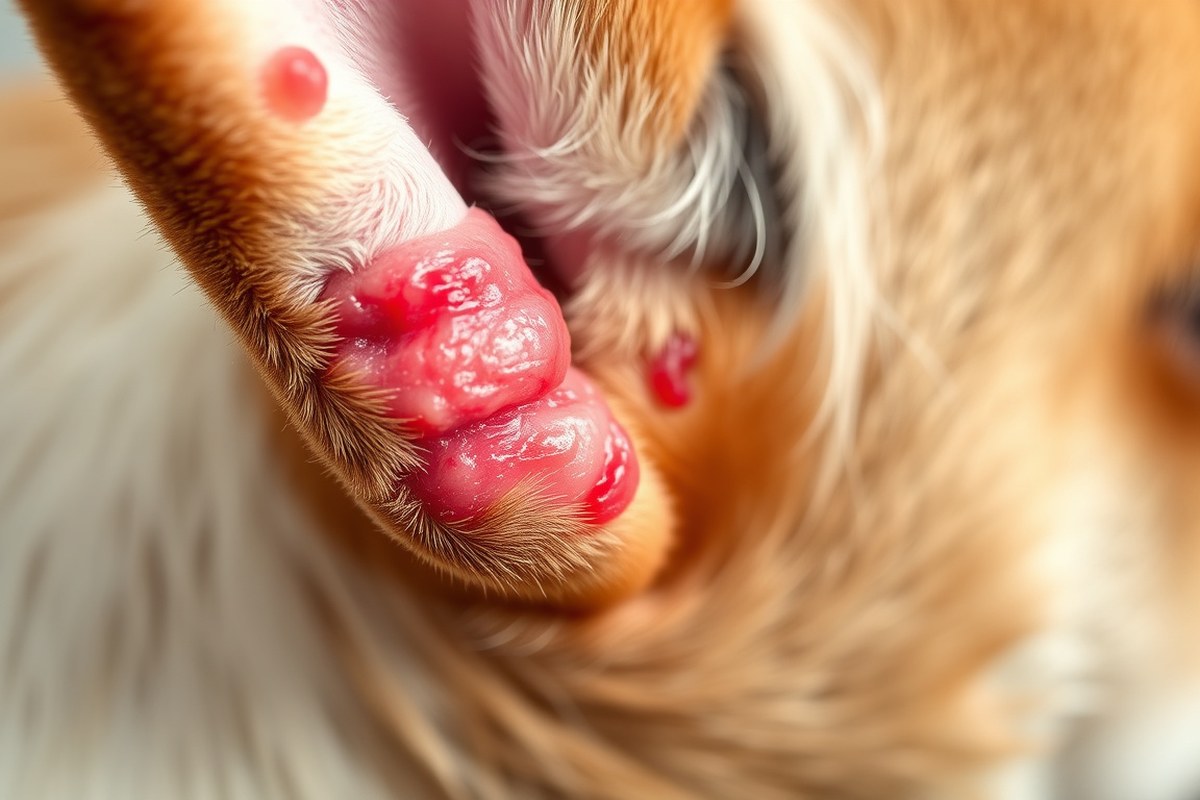
A yeast infection in dogs results from an overgrowth of yeast, a type of fungus normally found in small amounts on your dog’s skin, ears, and other moist areas. This overgrowth disrupts the natural balance and causes inflammation, irritation, and discomfort. Common yeast involved include Malassezia species, which thrive in warm, damp environments. These infections are not usually contagious but can become persistent and painful if untreated.
Yeast infections develop when the natural defenses of your dog’s skin are compromised or when the environment favors yeast growth. Factors that cause this imbalance include allergies, a weakened immune system, excessive moisture, poor grooming, or antibiotic use that disrupts normal bacteria. For example, dogs who swim regularly or live in humid climates are more prone because moisture accumulates in their skin folds or ears. Underlying conditions like hypothyroidism or diabetes can also increase the risk by reducing immune response and changing skin conditions.
Some dog breeds show a greater tendency toward yeast infections, especially those with skin folds, pendulous ears, or dense coats. Breeds like Cocker Spaniels, Basset Hounds, and Bulldogs often face more problems due to trapped moisture and less air circulation. Younger puppies with immature immune systems and older dogs with weakened immunity also face higher risks. It’s important to monitor these groups closely, as untreated infections can lead to more serious skin problems and chronic discomfort.
Understanding what causes yeast infections helps you act more effectively to prevent or treat them. Keeping your dog’s skin clean and dry is key. Regular grooming that includes drying skin folds and ears thoroughly after baths or swims limits yeast growth. Avoid products that disrupt the skin’s natural flora, and address any allergies or underlying health issues with your veterinarian. An accurate diagnosis may require a vet’s exam and skin scrapings or ear swabs to identify yeast and confirm treatment needs.
How to Recognize Yeast Infection Symptoms and Affected Areas
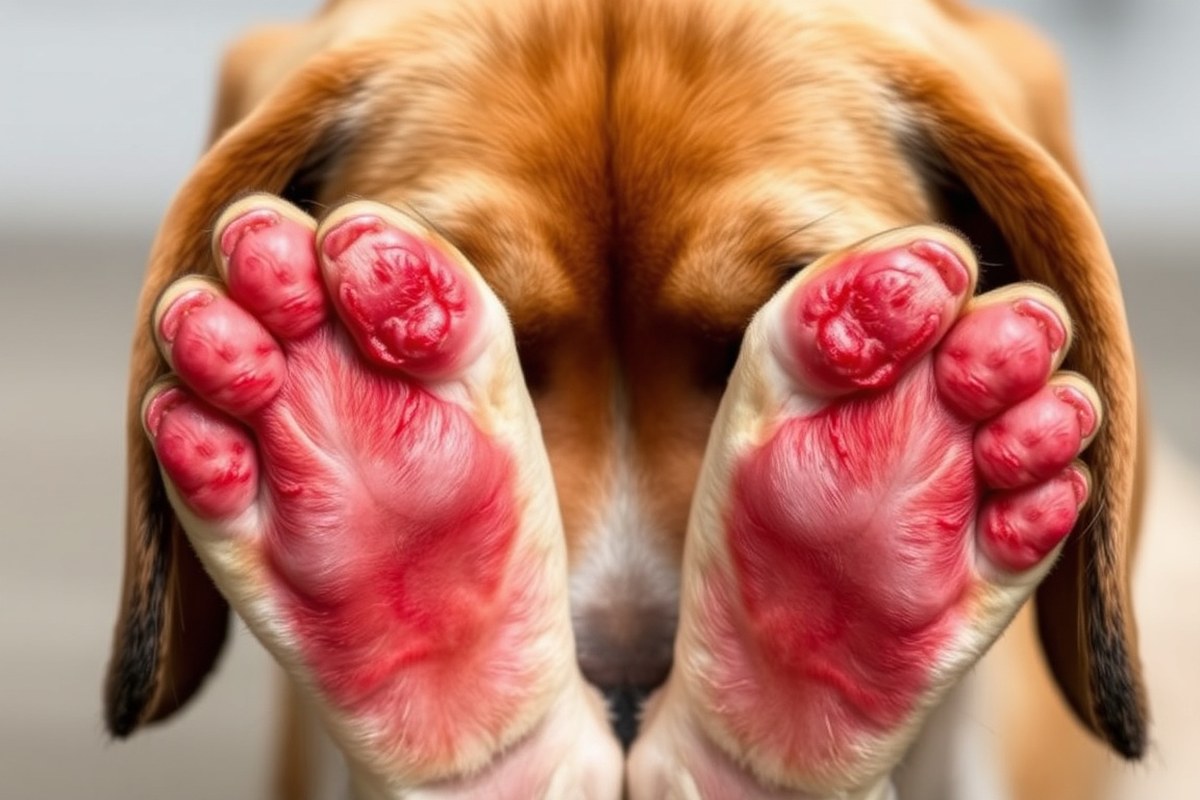
Yeast infections in dogs often show distinctive symptoms that help you identify the issue early. Most commonly, affected dogs exhibit intense itching, redness, and a strong, musty odor coming from the skin or ears. The infection causes your dog’s skin to become inflamed, thickened, and sometimes scaly. Patches of hair loss may also appear where the yeast thrives.
Typical areas where yeast infections develop include the ears, paws, skin folds, under the tail, and around the anal area. The ears are frequently affected due to their warm, moist environment, which yeast favors. Your dog’s paws might look swollen or red, and your dog might lick or chew them excessively. Skin folds provide the perfect environment for yeast overgrowth, especially in breeds with droopy skin. Distinguishing a yeast infection from other skin problems like allergies or bacterial infections requires careful observation. Common yeast infection signs include:
- Persistent itching and scratching, especially around ears and paws
- Red, greasy, or scaly patches of skin
- Unpleasant, musty or yeasty smell
- Thickened or darkened skin in chronic cases
- Hair loss in localized spots
- Discharge or wax buildup inside the ears
- Repeated licking or chewing of affected areas
Repeated bouts of itching combined with the distinctive smell and appearance usually point toward a yeast infection rather than other skin issues. Still, other problems like allergies or mites can mimic these symptoms, so pinpointing yeast as the cause involves noting the classic greasy or smelly skin and ear discharge.
Check your dog’s ears and skin folds often, especially if your pet is licking or scratching frequently, to spot yeast infections early before they worsen.
Yeast infections often cause visible changes in the skin’s texture and color. Your dog may have a reddish or brownish tint in affected areas and feel oily or moist to the touch. Chronic infections can lead to thickened skin that feels rough compared to healthy skin. Monitoring these changes every few days can help you catch infections before they cause deeper discomfort or secondary bacterial infections.
Diagnostic Methods Veterinarians Use for Yeast Infections
Veterinarians diagnose yeast infections in dogs through a combination of physical exams and laboratory tests to ensure an accurate diagnosis. Identifying the infection correctly prevents misdiagnosis, which can lead to ineffective treatment and prolonged discomfort. While a yeast infection itself is not usually contagious to humans, it can sometimes spread between pets, especially in multi-animal households.
Physical Examination and History
The first diagnostic step involves a thorough physical exam where the vet checks common areas prone to yeast infections, such as the ears, paws, skin folds, and under the tail. During this exam, the vet looks for redness, swelling, odor, and discharge typical of yeast overgrowth. Gathering the dog’s medical history, including allergies, diet, medication, and recent bathing or exposure to irritants, helps rule out other causes.
Understanding your dog’s environment and lifestyle helps the vet identify any potential triggers or recurring issues. It also narrows down whether the infection might be secondary to another condition, like allergies or hormonal imbalances.
Microscopic Skin and Ear Cytology
Microscopic examination of skin scrapings, swabs from affected areas, or ear discharge is a standard lab test to confirm a yeast infection. A small sample is collected using a cotton swab or scalpel blade, then examined under a microscope after a staining process to highlight yeast cells.
This test is quick, usually done in the veterinary clinic, and can identify the shape and number of yeast organisms present, which helps differentiate an infection from normal flora or other microbes. An accurate cytology test guides treatment choices and avoids unnecessary antifungal use.
Culture and Sensitivity Tests
Culture and sensitivity testing is done if cytology results are unclear or infections recur despite treatment. A sample from the affected area is placed on a special growth medium to allow yeast to multiply.
This process takes several days but identifies the specific yeast species and determines which antifungal drugs are most effective. It is especially important for cases resistant to common treatments or complicated by secondary infections.
Culture tests might cost between $30 and $100 depending on the lab and location. Results help tailor therapy and reduce the risk of resistance.
- Collect a detailed history of your dog’s symptoms and environmental factors.
- Conduct a physical examination focusing on red or irritated skin, ears, paws, and folds.
- Take skin scrapings or swabs from suspicious areas for microscopic cytology.
- Review cytology results to identify yeast presence and density.
- If needed, send samples for culture to specify yeast type and drug sensitivities.
- Discuss findings and treatment options based on test outcomes with your veterinarian.
Comparing Common Antifungal Treatments for Dogs
Both topical and oral antifungal treatments are effective for addressing yeast infections in dogs. The choice depends on infection severity, affected areas, cost, and how easy it is to apply the treatment. Often, topical treatments target mild cases, while oral medications help with deeper or widespread infections.
Topical Antifungal Creams and Shampoos
Topical antifungal creams, sprays, and shampoos fight yeast infections directly on the skin. Applying these treatments is straightforward: clean the affected area, then gently apply the medication. Shampoos typically require lathering and leaving the product on for 5 to 10 minutes before rinsing. Treatment usually continues daily or every other day for 2 to 4 weeks.
Topical treatments usually cost between $10 and $40 per bottle and may include ingredients like miconazole, clotrimazole, or chlorhexidine. They work well for localized infections or mild symptoms. However, they might not reach yeast growing deep inside folds, ears, or under thick fur.
Oral Antifungal Medications
Oral antifungal drugs, such as ketoconazole, fluconazole, or itraconazole, treat yeast infections from inside the body. These medications are prescribed when infections are severe, widespread, or resistant to topical treatment. Oral antifungals require a veterinarian’s prescription and monitoring due to possible side effects like liver stress.
Dosages vary by dog’s weight and drug type but commonly span 2 to 6 weeks of daily doses. The cost ranges from $40 to over $100 for a complete course depending on the medication and treatment length. Oral medications often improve symptoms faster for severe cases, but they demand strict adherence to the vet’s instructions and follow-up exams.
Combination Therapy Considerations
Some dogs benefit from using both topical and oral antifungal treatments simultaneously. This approach can shorten recovery time by attacking yeast infections on multiple fronts. It’s typical for vets to prescribe a shampoo or cream alongside oral medication, especially for stubborn infections or those involving multiple areas.
Applying topical treatment daily while giving oral drugs as directed requires a consistent routine. Costs increase due to purchasing multiple products and vet visits. Careful observation for side effects like skin irritation or digestive upset is important to adjust treatment promptly.
| Treatment Type | Common Medications | Application Method | Typical Duration | Cost Range (USD) | Best Use Case |
|---|---|---|---|---|---|
| Topical Creams/Shampoos | Miconazole, Clotrimazole, Chlorhexidine | Apply to skin or bathe affected areas | 2 to 4 weeks, daily or every other day | $10, $40 per bottle | Localized or mild infections |
| Oral Medications | Ketoconazole, Fluconazole, Itraconazole | Daily oral doses per vet prescription | 2 to 6 weeks continuous | $40, $100+ per course | Severe, widespread, or resistant infections |
| Combination Therapy | Topical + Oral drugs | Topical applied daily + oral medication | 2 to 6 weeks or more, vet directed | $50, $140+ | Stubborn or multi-area infections |
Using the right treatment depends on the dog’s specific situation. For mild or localized infections, topical antifungals often suffice. Oral medications are necessary for severe cases and usually need veterinary supervision. Combining both treatments improves results but increases cost and requires careful management.
Step-by-Step Guide to Treating a Yeast Infection at Home Safely
You can often start treating a mild yeast infection at home with good hygiene and topical care, but more severe or persistent cases require veterinary-prescribed medication. Improvement usually appears within one to two weeks, though full recovery may take 4 to 6 weeks. Monitoring your dog’s response and adjusting treatment as needed is key.
Initial Cleaning and Hygiene Measures
Begin by gently cleaning the affected areas to remove yeast and debris. Use a mild, vet-approved antifungal shampoo or cleanser specifically formulated for dogs. Bathing your dog two to three times a week helps reduce yeast build-up and restores the skin’s balance. Avoid harsh soaps or human products, which can irritate your dog’s skin further.
Also, keep the infected sites dry, as yeast thrives in warm, moist environments. After bathing, thoroughly dry ears, paws, or skin folds with a clean towel. Check your dog’s bedding and wash it regularly in hot water above 130°F to lower yeast spores in the environment.
Administering Medication Correctly
Your veterinarian may prescribe topical antifungal creams, sprays, or oral medications depending on the infection’s severity. Use topical treatments exactly as directed, applying them to clean, dry skin once or twice daily. Oral medication courses often last from 2 to 4 weeks.
Follow the full course of medication even if symptoms improve earlier. Early discontinuation can cause the infection to return or worsen. Some topical treatments cost around $10 to $30 for a tube, while oral antifungals may cost $50 to $150 depending on the dosage and brand.
For ears, cleaning with veterinarian-recommended ear drops before applying medication can help clear yeast and wax. Avoid home remedies without vet approval, as they can delay healing or cause adverse reactions.
Monitoring Progress and When to Seek Vet Help
Improvement is typically noticed within 7 to 14 days, with reduced redness, itching, and discharge. Continue treatment as directed until the infection clears fully, which may take up to 4 to 6 weeks for stubborn cases. If symptoms worsen, spread, or fail to improve after two weeks of treatment, contact your veterinarian for reassessment.
Watch for signs of secondary bacterial infection such as swelling, pus, or a foul smell. These may require additional antibiotics. Regularly inspect your dog’s skin and ears during treatment and note any new symptoms. Prompt veterinary consults prevent complications and long-term damage.
Treating Environmental Factors
Eliminating environmental sources of yeast is important to avoid reinfection. Wash your dog’s bedding, toys, and blankets frequently in hot water and use pet-safe disinfectants on floor surfaces. Humid or damp living areas should have improved ventilation to reduce yeast-favouring conditions.
Limit your dog’s exposure to wet or dirty environments, including mud, puddles, or heavily soiled grass. During recovery, keep paws and skin folds clean and dry, especially after walks or playtime. Address any underlying allergies or health issues your vet identifies, as these can fuel recurring yeast infections.
- Clean affected areas gently with an antifungal shampoo or cleanser 2, 3 times weekly.
- Dry thoroughly after each bath and keep skin folds and ears dry daily.
- Apply topical antifungal medication as prescribed, usually once or twice a day.
- Complete the full course of oral medication if prescribed, even if symptoms improve early.
- Wash bedding and clean your dog’s environment weekly with hot water and pet-safe cleaners.
- Monitor your dog’s symptom progress; note improvements within 1, 2 weeks.
- Contact your veterinarian if there is no improvement after 14 days or if symptoms worsen.
- Maintain proper hygiene and environmental measures until full recovery, which may take 4, 6 weeks.
Do not stop treatment early just because your dog seems better; incomplete treatment can cause the yeast infection to return and become harder to cure.
Diet, Hygiene, and Environmental Care to Support Healing
Adjusting your dog’s diet can help support the healing process of a yeast infection, but it’s not a cure on its own. Yeast thrives on sugars and carbohydrates, so reducing these in your dog’s meals may limit the food source for the yeast. Opt for high-protein, low-carbohydrate diets with limited treats. Avoid feeding table scraps, especially sugary or starchy foods, as they can worsen the infection. Some dogs respond well to grain-free or limited-ingredient diets, but consult your veterinarian before making changes to ensure balanced nutrition.
Hygiene plays a key role in managing a yeast infection. Keeping affected areas clean and dry reduces yeast overgrowth. Regularly wash your dog’s paws, ears, and skin folds where moisture can accumulate. Use vet-recommended shampoos containing antifungal agents like chlorhexidine or ketoconazole. Avoid overbathing, since too much bathing can irritate the skin and disrupt the natural protective oils, possibly making infections worse.
Environmental factors such as humidity and cleanliness can influence yeast growth. Yeast favors warm, moist environments, so keep your dog’s bedding and surroundings clean and dry. Wash bedding at least once a week in hot water (130°F or above) to kill yeast spores. Dry your dog thoroughly after baths or swimming, especially between toes and in skin folds, to prevent moisture build-up.
- Switch to a low-carbohydrate, high-protein diet with few treats
- Bath your dog weekly with antifungal shampoo recommended by your vet
- Keep affected areas clean and dry, gently wiping after exercise or swimming
- Wash bedding and blankets weekly in hot water (130°F or higher)
- Dry ears and skin folds carefully to prevent moisture
- Avoid humid or damp environments; use air conditioning or dehumidifiers if needed
Proper diet and hygiene together create an environment less hospitable to yeast, speeding recovery and reducing the chance of recurrence. Ignoring these factors or relying solely on medication may result in persistent infections. Cost-wise, special diets might be slightly more expensive than standard food, and antifungal shampoos can range from $10 to $25 per bottle. Washing bedding regularly and drying your dog thoroughly take minimal extra effort but add significant benefits to your dog’s comfort and health during treatment.
When to Consult Your Veterinarian and Avoid Common Owner Mistakes
You should consult your veterinarian if your dog’s yeast infection shows no improvement within 7 to 10 days of starting treatment. The vet can assess whether the infection is resistant or if there is an underlying condition causing persistent symptoms. Follow-up visits are essential especially if your dog’s skin worsens, develops new lesions, or the itching and redness increase despite strict home care. Your vet might need to repeat diagnostic tests or adjust the medication for better results.
One common mistake dog owners make is stopping treatment too soon. Even when symptoms improve quickly, it is important to finish the entire prescribed course to prevent the infection from returning. Skipping doses or applying antifungal sprays inconsistently can also reduce treatment effectiveness. Avoid using over-the-counter products without veterinary approval because some can irritate your dog’s skin or may not be strong enough for the infection.
Another error is neglecting environmental factors. Yeast thrives in warm, moist areas, so failing to keep your dog’s bedding and living spaces clean and dry can allow the infection to persist. Regularly washing and thoroughly drying areas your dog frequents will support healing. Also, feeding a diet high in sugar or carbohydrates may worsen yeast growth, so discuss dietary recommendations with your vet.
Pay attention to signs that the infection is worsening or resistant to self-care. These include increased redness, swelling, or oozing, noticeable discomfort like frequent scratching or licking, and spreading of lesions to new areas. A foul smell is often a sign of a severe yeast infection. If symptoms progress despite treatment, request veterinary re-evaluation within one week.
Decision rules for vet visits include acting promptly for severe symptoms like deep skin ulcers, fever, lethargy, or if your dog’s behavior changes significantly. In mild cases, schedule a follow-up call or visit at about 10 days to confirm the infection is clearing up as expected. Keep detailed notes of treatment start dates, products used, and any changes in symptoms to share with your veterinarian, helping them understand your dog’s response and decide on next steps. This approach avoids unnecessary visits while ensuring timely professional care when needed.
Prevention Strategies Tailored to Your Dog’s Needs and Environment
Preventing yeast infections in dogs requires adjusting your care to fit your dog’s breed, climate, allergies, and immune health. Some breeds like Basset Hounds, Cocker Spaniels, and Bulldogs have folds or ears that trap moisture, making them more prone to yeast infections. For these breeds, regularly checking and cleaning ears and skin folds with vet-approved cleansers every few days can reduce yeast buildup. Drying these areas thoroughly after baths or swimming is a must to keep yeast from growing.
Climate plays a key role, too. Hot and humid weather creates a perfect environment for yeast to multiply. In warmer climates or during summer, bathe your dog no more than once a week with mild antifungal shampoos, and make sure your dog has plenty of shade and air circulation. For colder or drier climates, avoid over-bathing, which can dry out skin and lower its natural defenses against yeast. Adjusting bathing frequency based on humidity and temperature helps maintain skin balance.
Dogs with allergies or weakened immune systems need extra care since they are more prone to repeated yeast infections. Managing food allergies by feeding limited ingredient diets or hypoallergenic food, prescribed by your vet, can reduce inflammation that encourages yeast growth. For immune-compromised dogs, regular vet visits to monitor overall health and skin condition are important. Your vet may recommend supplements or medications to support the immune system. Specific tips to tailor prevention include:
- Clean ears and skin folds in prone breeds weekly with a vet-recommended cleaner.
- Adjust bath frequency to climate: limit to once a week in humid weather, reduce in dry climates.
- Manage food allergies by switching to vet-recommended hypoallergenic diets.
- Keep your dog’s bedding dry and change it weekly to prevent yeast growth.
- Provide a balanced diet rich in omega fatty acids, which support skin health.
- Monitor and treat allergies promptly to avoid skin irritation that invites yeast.
- Consult your vet about immune support supplements if your dog has chronic infections.
Keeping areas prone to yeast infections dry and clean is the most effective step. Always dry your dog’s ears and skin folds after grooming or swimming, even if it takes 10 to 15 minutes with a soft towel and a gentle blower on the lowest heat setting. This simple practice cuts down yeast growth by removing moisture yeast needs.
Never use harsh human soaps or wipes on your dog’s skin folds or ears, as these can disrupt natural oils and increase yeast problems.
Costs vary depending on breed and environmental needs. Specialized cleaners range from $10 to $20, while hypoallergenic food may cost $50 to $80 monthly. Investing in these preventive steps often reduces expensive vet visits and treatment for severe yeast infections, which can run hundreds of dollars if left unchecked.
Step-by-Step Action Plan to Manage and Prevent Yeast Infections in Dogs
Follow this plan to quickly tackle a yeast infection in your dog and keep it from coming back. Each step includes what to do and how to check if it’s working.
- Before you start: Identify symptoms like itching, redness, or a strong odor around ears, paws, or skin folds. Confirm through your veterinarian’s recommended diagnostic methods, this ensures you’re treating yeast and not another issue.
- Day 1: Begin the prescribed antifungal treatment we discussed, such as medicated shampoos or oral medication. Improvement in itchiness or less redness within 3 to 5 days shows it’s working.
- Week 1: Maintain strict hygiene by cleaning affected areas daily and keeping your dog dry. Notice if scratching or odor decreases; this supports healing.
- Week 2: Adjust your dog’s diet to reduce sugar and add supplements if recommended. Check for overall coat health and energy improvements as signs of better internal balance.
- After treatment ends (typically 2-4 weeks): Monitor for any return of symptoms. Continued absence of redness, itching, and odor means the infection cleared well.
- Ongoing: Prevent future infections by keeping your dog’s environment clean and dry, maintaining a yeast-conscious diet, and regularly checking common problem spots. Less frequent itching or odor over time indicates successful prevention.
- Anytime: If symptoms persist or worsen at any point, consult your veterinarian immediately to avoid complications or incorrect treatment.
Frequently Asked Questions
Can I Use Human Antifungal Creams to Treat My Dog’s Yeast Infection?
Human antifungal creams are not recommended for dogs as they may contain ingredients harmful to pets. Always use products specifically formulated for dogs or those approved by your veterinarian to avoid adverse reactions and ensure effective treatment.
How Long Does It Typically Take to Clear Up a Yeast Infection in Dogs?
Yeast infections in dogs usually take two to four weeks to clear with proper treatment, but duration depends on severity and timely care. Consistent medication and hygiene help speed recovery and prevent relapse.
Is a Dog Yeast Infection Contagious to Other Pets or Humans?
Yeast infections in dogs are not considered contagious to other pets or humans. The condition is usually caused by an overgrowth of yeast naturally present on the dog’s skin, not an infectious agent transmitted between individuals.
Can Yeast Infections Cause Long-Term Health Problems in My Dog?
Untreated yeast infections may lead to chronic skin irritation and secondary bacterial infections, potentially causing discomfort or more serious issues. Prompt treatment helps avoid complications and preserves your dog’s skin and coat health.
Does Bathing Frequency Affect My Dog’s Likelihood of Getting Yeast Infections?
Overbathing can strip protective oils, worsening yeast infections, while too little bathing may allow yeast to thrive. Bathe your dog with vet-recommended shampoos as needed, balancing cleanliness and skin health to reduce infection risk.
Are There Natural Remedies Safe to Use Alongside Conventional Treatments for Yeast Infections?
Some natural remedies like coconut oil may soothe the skin but should complement, not replace, veterinary treatments. Consult your vet before using any natural products to ensure they are safe and effective for your dog’s condition.
Final Thoughts
Successfully treating a yeast infection in your dog involves careful attention to symptoms, proper diagnosis, and consistent use of appropriate antifungal treatments. Start by checking your dog’s skin for signs of redness or itching and schedule a vet visit to confirm the diagnosis. Early action can prevent discomfort and more serious issues down the line.