How to Store Pest Control Products Safely: A Complete Guide for Effective and Secure Storage
How to store pest control products safely starts with choosing a cool, dry, and well-ventilated area away from children and pets. Use locked cabinets or storage rooms with proper containment to prevent accidental access or spills. Organize products by type, keep original labels intact, and separate incompatible chemicals to maintain stability and reduce risks.
This information is for homeowners, pest control professionals, facility managers, and agricultural workers handling pesticides. You’ll learn about the best environmental conditions, safe containers, labeling, shelf life, legal requirements, emergency actions, proper disposal, and security practices to manage pest control products effectively and securely.
Key Takeaways
- Store pesticides in a cool, dry place between 40-90 °F, avoiding temperatures above 100 °F to maintain product stability.
- Keep pesticides in original, tightly sealed containers with clear labels to prevent misuse and ensure safe identification.
- Designate a secure storage area away from children, pets, food, and water sources, using locks if needed for restricted access.
- Do not use pesticides beyond two years from purchase, as many products degrade and lose effectiveness after that period.
- Immediately contain and clean any spills using protective gear, and have emergency contact numbers like Poison Control readily available.
- Dispose of expired or unusable pesticides according to local hazardous waste guidelines to prevent environmental contamination.
Best Environmental Conditions for Storing Pesticides

For stable and effective storage of pest control products, maintaining a moderate temperature, controlled humidity between 30% and 50%, and proper ventilation is essential. Extreme heat, cold, or moisture accelerates product degradation, reducing their efficacy and potentially causing safety hazards.
Optimal Temperature Range for Pesticides
The ideal temperature to store most pesticides ranges from 40°F to 85°F. Keeping storage areas within this range prevents chemical breakdown and maintains product potency. Temperatures above 85°F can cause certain pesticides to volatilize or degrade, while freezing temperatures risk product crystallization or container damage.
If your storage site is in a region where temperatures frequently exceed or drop below these limits, consider using insulated cabinets or climate-controlled rooms. For small quantities, a cool basement or interior closet away from heat sources works well. Avoid locations like garages or sheds exposed to direct sunlight or unregulated temperature swings.
Recommended Humidity and Ventilation Levels
Humidity plays a key role in pesticide longevity. Aim for relative humidity between 30% and 50% to prevent moisture absorption that can cause clumping, caking, or chemical changes. High humidity also encourages mold growth on some formulations, especially powders and granules.
Good ventilation helps control humidity and temperature and reduces buildup of potentially harmful fumes. A well-ventilated storage area has vents or exhaust fans that exchange air without exposing pesticides to outdoor contaminants. Avoid drafty locations that could introduce dust or pests while still maintaining airflow.
Impact of Seasonal and Regional Climate
Seasonal shifts and regional climate strongly influence pesticide storage conditions. In humid summer months or tropical areas, moisture control becomes critical to avoid product spoilage. Using dehumidifiers or moisture absorbers like silica gel packets can improve shelf life in damp environments.
Conversely, in cold climates, protect pesticides from freezing. Freezing can alter chemical composition and compromise container integrity. For example, emulsifiable concentrates may separate or break down if frozen. Adjust your storage method seasonally by relocating products to warmer indoor areas during winter.
Effects of Temperature Extremes on Different Formulations
Liquid pesticides such as emulsifiable concentrates and solutions are particularly sensitive to high temperatures, which can cause separation, thinning, or evaporation. Powders and granules risk clumping when exposed to humidity or temperature fluctuations, making them harder to measure and apply.
Dry formulations, like wettable powders, benefit from drier, cooler conditions but tolerate some temperature variation better than liquids. Fumigants and gas-based products require especially careful temperature control to prevent pressure build-up or container rupture. Knowing your product type helps you tailor storage conditions for optimal safety and effectiveness.
Organizing a Safe and Efficient Pesticide Storage Area

Arrange pesticides in a dedicated, lockable storage area away from food and household chemicals to maximize safety. Segregate products by type and compatibility to prevent chemical reactions and contamination. Organize shelves so labels face forward for easy access and inventory checks.
Separating Pesticides from Food and Household Items
Store pesticides at least 25 feet away from food, pet supplies, and anything that contacts hands or mouths to avoid accidental contamination. Never keep pesticides under the kitchen sink where food prep materials and cleaning supplies often reside. Pesticides contain chemicals that could be harmful if ingested or transferred to food surfaces. Keep them out of areas accessed by children and pets to reduce risk of exposure. Lockable cabinets in garages or garden sheds work well for separating these products from daily household items.
It’s best to avoid storing pesticides near sponges, dish towels, reusable bags, or pet bowls since cross-contamination can easily occur. If limited space forces you to keep pesticides indoors, use a locked, clearly marked container to isolate all pest control products from other household chemicals. This reduces the chance of mixing incompatible materials and accidental contact with food-related objects.
Never store pesticides where kids or pets can reach them, such as under the kitchen sink or in unsecured cabinets.
Grouping Pesticides by Chemical Compatibility
Segregate pesticides based on their chemical classes or modes of action to prevent dangerous reactions. For example, keep insecticides separate from herbicides and fungicides. Grouping by type also aids quick identification and reduces the risk of accidental mixing during use. Follow product labels and manufacturer instructions for guidance on which chemicals must not be stored together.
Federal guidelines recommend storing incompatible pesticides at least 25 feet apart or separated by a one-hour fire-resistant barrier. This is particularly critical in commercial or larger storage setups. At a smaller scale, using dedicated shelves or bins for each pesticide type can achieve similar safety. Label each group clearly and keep an inventory of all products in your storage area.
Sorting pesticides by their form, liquid, dust, granular, helps avoid leaks and spills, as well. Use trays or containment bins under liquids and dusts to catch any leaks and simplify cleanup. Regularly inspect containers for damage or leaks and replace or dispose of compromised products promptly to maintain a safe environment.
Using Lockable Cabinets and Dedicated Shelving
Use a lockable cabinet or storage closet dedicated exclusively to pesticides and pest control equipment. This prevents unauthorized access and protects vulnerable household members, especially in homes with children or pets. A sturdy, lockable metal or heavy-duty plastic cabinet designed for chemical storage is ideal. Ensure the cabinet is well-ventilated but protected from weather elements.
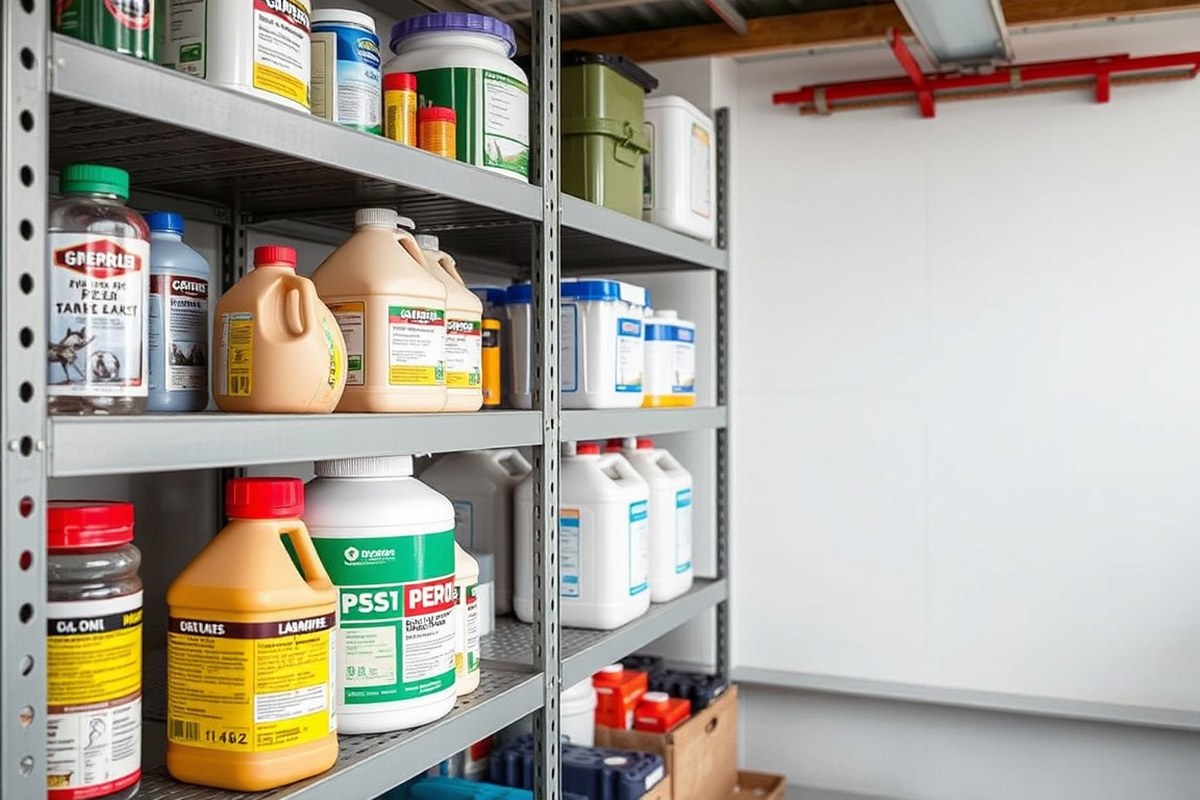
Inside the cabinet, organize pesticides on shelves according to type and compatibility. Keep containers upright with labels visible and nothing stacked on top of them to minimize damage. Consider clear plastic bins or trays to segregate products and catch spills. Maintain an up-to-date inventory log taped to the inside of the cabinet door for quick reference and to track expiry dates or quantities.
In commercial settings, store pesticide products on dedicated shelving away from high-traffic areas. Shelves should support the weight of product containers and allow for easy cleaning. Avoid storing pesticides in high humidity or locations prone to temperature extremes, which can reduce product stability and increase risk.
Storage Location Options and Restrictions
The best pesticide storage locations are locked garden sheds, well-ventilated utility rooms, or garages isolated from food preparation and storage areas. Avoid basements prone to flooding or dampness, which degrade products. Choose spots where accidental spills won’t contaminate water sources or soil that feeds into household water.
At home, store pesticides in a place inaccessible and unknown to children and pets, avoiding common living spaces. In commercial facilities, pesticide storage rooms should be clearly marked, secure, and designed to contain leaks or spills safely. Follow local and federal regulations for minimum distance from incompatible materials, such as cleaning agents or flammables, and install appropriate containment measures.
Make sure storage areas have good, non-hazardous lighting and are free of clutter to allow quick access in emergencies and routine inspections. Keep fire extinguishers rated for chemical fires nearby but separate from the pesticides themselves to reduce hazards.
Safe Containers and Proper Labeling for Pesticide Storage
Safe pesticide storage requires keeping products in their original containers with intact labels. This prevents confusion and ensures you have all critical information on handling, application, and disposal. Proper labeling and documentation protects against accidents and helps maintain compliance with safety regulations.
Importance of Using Original Containers
Pesticides should always be stored in their original containers because these are specifically designed to maintain the product’s stability and prevent leaks. Original packaging includes safety features such as child-resistant caps and materials compatible with the product’s chemical composition. Using the original container preserves essential information like the ingredient list, pest control product registration number, and emergency instructions that are not present on generic containers.
Keeping pesticides in their original containers also helps you verify you are using the right product for your target pest and treatment site. Each label details approved uses and restrictions that ensure effectiveness and safety. The label is a legal document mandated by regulatory agencies, and transferring product to another container can violate regulations and increase liabilities.
Risks of Transferring Pesticides to Other Containers
Transferring pesticides into food or drink containers, or unlabeled vessels, is unsafe because it raises the risk of accidental ingestion or misuse. Containers such as soda bottles or mayonnaise jars look familiar and can be mistaken by children, pets, or other household members. This mistake can cause serious poisonings and emergency responses.
Using unlabeled containers also creates confusion about the product inside. Without a clear label, it’s difficult to know handling precautions, the exact chemical formulation, or the expiry date. This lack of information can lead to incorrect application, ineffective pest control, or dangerous exposure to toxic ingredients.
Also, some pesticide chemicals can react with materials in household containers causing leaks or container deterioration. This degradation compromises container integrity and can lead to spills or environmental contamination. The safest approach is to never decant pesticides from their original packaging.
Labeling Best Practices and Information to Include
You should always keep the pesticide container’s original label intact and fully legible. If the label becomes damaged or partially removed, contact the manufacturer or supplier for a replacement label or guidance on ensuring safe use. Do not attempt to rewrite or create your own labels unless you clearly include all regulatory and safety information.
A proper pesticide label includes the product name, active ingredients, registration number (“Reg.” followed by a number), directions for use, pest targets, application sites, storage instructions, and emergency contact information. Labels also show precautionary statements that highlight risks to humans, pets, and the environment. Employers must make sure handlers read and understand these label details or are informed clearly otherwise.
Keep an accurate written or digital inventory of pesticides stored, including product names, quantities, the date purchased, and expiration dates. Documentation can be a simple spreadsheet, receipt records, or photos of containers stored. This record helps match physical products to inventory and track when disposal or replacement is necessary.
Interpreting Storage Instructions on Product Labels
Pesticide labels provide specific advice for the best storage conditions to preserve product quality and reduce risks. Common instructions direct storing products in a cool, dry place away from direct sunlight and sources of heat. The label usually warns against storing near food, feed, or drinking water to avoid contamination.
Some products require additional protective measures such as keeping away from children and pets or storing in locked cabinets. The label’s “Precautionary Statements” section offers further environmental hazard information, such as risks to aquatic life or beneficial insects. You should follow these storage and handling directions precisely to prevent accidental exposure or environmental damage.
Always review label directions before purchasing pesticides to ensure the product fits your storage capacity and conditions. Misreading or ignoring label storage instructions can shorten shelf life, reduce effectiveness, and increase the chance of accidental leaks or spills. Conservative storage practices based on label guidance prevent costly losses and health hazards.
Shelf Life, Stability, and Expiration of Pesticide Products
Pesticide effectiveness varies by type and storage conditions, but most products maintain effectiveness for about two years when kept unopened at recommended temperatures. Improper storage accelerates degradation, leading to reduced pest control and potentially increased toxicity. Paying attention to shelf life, visible signs of breakdown, and storage form will help you know when to replace or dispose of products safely.
Typical Shelf Lives by Pesticide Form
Liquid concentrates often have a shelf life around two to three years if kept sealed in their original containers between 40°F and 85°F. Granular pesticides may last slightly longer, sometimes up to three years, because they are less sensitive to temperature changes and moisture. Aerosol sprays usually remain effective for about two years, but their propellants can degrade over time, reducing spray pressure and coverage.
The exact length depends on the active ingredients and formulation; for example, pyrethrin-based aerosols at concentrations of 0.1% to 0.25% degrade faster than synthetic pyrethroids. Check the manufacturer’s website or product label for specific recommendations. Staying within the recommended temperature range and avoiding exposure to light helps preserve the chemical stability and efficacy.
Use this as a decision rule: if a pesticide is kept unopened and stored properly, expect up to two years of effective use; if opened or improperly stored, reduce that estimate by half or more. This rule helps prevent using a degraded product that fails to control pests or causes unpredictable environmental effects.
Signs of Degradation or Reduced Effectiveness
Visual changes like separation of liquids, clumping of granules, or color changes often signal that a pesticide is no longer at its full strength. Sediments may form in liquids, and aerosols might lose pressure or produce inconsistent sprays. These physical signs suggest the active ingredient is breaking down or the formula is unstable.
Sometimes, expired pesticides still appear normal but will not control pests effectively. Testing on a small area or consulting product instructions can confirm if it still works. Using degraded products wastes money and might allow pests to develop resistance, making future control harder.
Degraded pesticides may also become more toxic. Chemical changes in the product can create byproducts that pose greater risks to humans, pets, or the environment. This is why labeling and storage instructions must be followed strictly, and any product showing signs of breakdown should be handled cautiously and disposed of properly.
Handling of Pre-Mixed Versus Concentrate Products
Pre-mixed or ready-to-use pesticides generally have a shorter shelf life than concentrates because their diluted form is more reactive and less stable over time. They often lose effectiveness within one year of purchase, even if unopened. Use these products relatively quickly to ensure control efficacy.
Concentrate products remain more stable when stored properly since they contain a higher concentration of active ingredients and fewer solvents or diluents. You can extend their effectiveness by keeping the container tightly sealed and avoiding temperature extremes. Always mix concentrates fresh before application to get consistent results.
Separate pre-mixed from concentrates during storage to avoid confusion and improper use. Misapplication can happen if you mistakenly use a concentrate as a ready-to-use spray or vice versa. Label storage shelves clearly, and rotate stock to use older items first.
When to Dispose of Expired or Compromised Products
Dispose of pesticides that have reached their expiration date or show physical signs of degradation, such as separation, sediment, or loss of spray pressure. Do not rely solely on the date printed; product condition and storage history matter greatly in determining usability. If uncertain, err on the side of disposal to reduce health and environmental risks.
Proper disposal involves following local regulations and guidelines provided on the product label or from state agricultural agencies. Many areas have designated hazardous waste collection sites or specific programs for pesticide disposal. Avoid pouring leftover pesticides down drains, onto soil, or into water sources, as this contaminates the environment.
Good results after disposal mean no visible residues, no damage to containers, and confirmation that the site is safe from chemical contamination. Keep records of disposal actions, especially for commercial or professional users, to meet regulatory requirements and maintain safety.
Regulatory and Safety Requirements for Pesticide Storage
Storing pesticides safely requires following OSHA and EPA rules along with local laws to protect people and pets. Security measures must block unauthorized access, especially by children, while emergency information should be clearly posted at the storage site. This section outlines legal requirements and practical steps for compliant, secure pesticide storage in homes and commercial facilities.
Overview of OSHA and EPA Pesticide Storage Rules
OSHA and EPA set federal standards to reduce risks from pesticide storage. EPA mandates that pesticides be stored in their original labeled containers, in a location isolated from food and out of reach of children and pets. OSHA enforces workplace safety by requiring employers to provide secure storage areas that prevent exposure or accidental contact with hazardous pesticides. Both agencies emphasize adequate ventilation and protection against spills or leaks.
Compliance requires storing pesticides in a cool, dry place as described on product labels, which supports chemical stability and reduces accident risks. Facilities must be inspected regularly to ensure containers remain intact and no contamination spreads to other materials or surfaces. Noncompliance can lead to fines and increased liability, especially in commercial settings.
Designing Storage for Restricted Access and Security
Creating secure pesticide storage begins with physical barriers such as locked cabinets or rooms that are inaccessible to children, pets, and unauthorized personnel. Keys or security codes should be limited to trained staff only. In homes, placing pesticides in a lockable box or cabinet high above reach is important if permanent lockable rooms aren’t available.
Security also includes clear, visible signage indicating the presence of hazardous materials inside. Using original containers and secondary containment bins reduces spill risks and contamination. Commercial facilities often install alarmed access points and conduct frequent inspections to maintain security. This lowers the chance of accidental exposure and complies with OSHA’s access control recommendations.
Store pesticides locked away in original containers and keep keys only with trained, authorized adults to reduce poisoning risks.
Emergency Contact Posting and Documentation Requirements
Emergency preparedness for pesticide storage means posting contact information for poison control centers, local emergency responders, and the company responsible for pesticide management at the storage site. This information must be easy to find and read in case of spills, exposure, or ingestion incidents.
Documentation should include a Safety Data Sheet (SDS) for each pesticide product stored, along with written spill response plans and employee training records if applicable. Regularly updating this documentation and posting evacuation instructions helps meet OSHA and EPA standards and improve response effectiveness during emergencies.
Differences in Residential Versus Commercial Storage Compliance
Residential storage tends to focus on restricting access to children and pets, using lockable boxes or cabinets and storing pesticides in low-humidity, cool areas like garages or utility rooms. Homeowners must follow label instructions closely and keep emergency contacts posted to comply with local regulations and ensure safety.
Commercial storage must follow stricter OSHA workplace rules including formal training for handlers, complete labeling, and frequent inspections. Storage areas often require controlled ventilation, secondary containment, and detailed recordkeeping to track pesticide types and quantities. Costs for meeting these requirements vary but may include expense for secure cabinets, signage, and training programs.
Handling Damaged Containers, Spills, and Emergency Procedures
Handling damaged pesticide containers or spills requires quick, careful action to reduce exposure risks and environmental harm. Immediate containment and cleanup must follow specific safety steps using proper protective gear and emergency measures. Knowing how to act helps prevent injury and legal consequences.
Immediate Actions for Damaged or Leaking Containers
Stop using the pesticide container right away if you notice damage or leakage, and move it to a well-ventilated, isolated area away from sources of heat or ignition. Tighten any loose lids if possible without causing further spills. Significant leakage calls for placing the container inside a larger, sealable, and non-absorbent container to prevent the liquid from spreading.
Minimize your exposure by wearing gloves and, if recommended on the label, protective clothing and eye protection. Avoid touching your face or other surfaces until you can wash your hands thoroughly. Label the damaged container clearly as a hazard and keep others away until disposal or repair is arranged.
Spill Cleanup Procedures and PPE Requirements
Wear the proper personal protective equipment before attempting any cleanup: gloves made of chemical-resistant materials, goggles, and long-sleeved clothing are essential. Follow the pesticide label’s specific PPE instructions exactly. Having a supply of absorbent materials like kitty litter, sand, or commercial spill kits helps contain and absorb liquid pesticides promptly.
Start the cleanup by surrounding the spill to keep it from spreading, then carefully apply absorbents to soak up the liquid. Scoop the soaked material into a sealable plastic or metal container marked for hazardous waste. Never use water directly on the spill unless the product label specifically allows it, as this can spread contamination.
Dispose of all cleanup materials according to state regulations for hazardous waste, often requiring contact with a licensed disposal service. Clean the affected area with soap and water afterward. Remove and wash your PPE separately to avoid cross-contamination.
First Aid Steps for Common Exposure Types
For skin contact, immediately wash the affected area with plenty of water and non-abrasive soap, removing contaminated clothing carefully to avoid spreading the chemical. For eye exposure, flush the eyes continuously with clean water for at least 15 minutes while holding the eyelids open. Do not rub or apply any chemicals to the eyes.
Inhaling pesticide requires moving the person to fresh air immediately. Difficulty breathing, dizziness, or unconsciousness signals the need to call emergency services promptly. Do not induce vomiting if the pesticide was swallowed; instead, rinse the mouth with water and follow the label’s first aid instructions or await medical help.
Contacting Poison Control and Emergency Services
Keep emergency numbers, like the Poison Control Center at 1-800-222-1222, easily accessible wherever you store or handle pesticides. In any spill, exposure, or suspected poisoning situation, contact poison control for guidance on treatment and next steps.
Call 911 or local emergency services first if a person is unconscious, having difficulty breathing, or convulsing. Provide responders with the name of the pesticide involved, the amount and type of exposure, and any first aid already administered. Prompt communication accelerates the correct medical response and reduces risks of serious outcomes.
Disposing of Expired, Excess, or Unusable Pesticides Properly
Disposing of expired, excess, or unusable pesticides requires following strict guidelines to prevent environmental contamination and human exposure. The recommended process involves identifying the pesticides, preparing containers safely, and then taking products and rinsate to a hazardous waste disposal site or using state-approved collection programs. Different pesticide forms may need specific handling to ensure legal and safe disposal.
Identifying Pesticides for Disposal
Before disposal, start by sorting your pesticides based on expiration date, damaged packaging, or if they are no longer effective. Check the product label for expiration or shelf life information, since using outdated pesticides can lead to poor pest control and environmental hazards. Confirm which products are full, partially used, or empty because each requires different handling protocols.
This step also includes distinguishing between household and commercial pesticides. Homeowners typically can use local household hazardous waste (HHW) programs, while commercial users such as farmers often must follow different rules and cannot rely on these programs. Consulting your state pesticide regulatory office or local Cooperative Extension can clarify allowable options for your specific pesticide types.
Safe Preparation of Containers for Disposal
Empty pesticide containers need triple rinsing before disposal to remove residue, which prevents hazardous waste classification and eases acceptance at many waste facilities. Fill the spray tank or container one-quarter full with water, shake or agitate for 30 seconds, and pour the rinsate into the application equipment to use as part of the spray solution. Repeat rinsing three times for containers smaller than 5 gallons.
Never pour leftover rinsate down household drains or onto the ground as it remains hazardous waste. Collect it for disposal at a hazardous waste site. Following rinsing, puncture or crush plastic containers to prevent reuse, then store them in a sealed bag until you transport them. Paper or cardboard pesticide packaging should be disposed of in regular trash unless contaminated.
Disposal Options: Hazardous Waste Facilities and Programs
The only legal disposal method for unused or excess pesticides and rinsate is through local household hazardous waste collection events or permanent hazardous waste facilities. Contact your local waste management agency or visit websites like Earth911.com to locate the nearest facility. These programs are often free for residents but may require appointments or limits on the quantity taken.
Farmers and commercial applicators usually need to handle pesticide disposal differently. Large volumes or specific chemicals may require licensed hazardous waste transporters or special handling agreements. Check state Department of Agriculture regulations for commercial disposal requirements, which may include on-farm disposal options or manufacturer take-back programs.
Special Disposal Instructions for Aerosols, Powders, and Biocontrols
Aerosol pesticide cans must be completely empty before disposal and should never be punctured or flattened at home due to explosion risk. Arrange to take these to hazardous waste facilities equipped to handle pressurized containers safely. Powders and dry formulations that have clumped or degraded should be sealed in their original packaging or sealed bags to minimize dust and transported to appropriate disposal sites.
Biological pesticides often require different disposal methods as they include living organisms or natural materials. Check the product label or manufacturer guidelines, and in many cases, they can be composted or disposed of with regular waste if inactive. When uncertain, contact your local extension office or hazardous waste program for correct procedures.
Personal Protective Equipment and Security Practices for Storage Access
You need specific personal protective equipment (PPE) every time you access pesticide storage to reduce exposure risk. Using proper PPE also supports spill response and limits contamination. Controlling access with locks, signs, and restricted entry prevents accidental or unauthorized contact with these hazardous products.
Essential PPE for Handling and Accessing Storage
Wear chemical-resistant gloves made from nitrile or neoprene when entering pesticide storage areas to protect your hands from vapors and spills. Suitable gloves reduce the risk of absorption and skin damage. Eye protection is critical; use safety glasses with brow and side shields or chemical splash goggles to defend against splashes or fumes, as required by California’s pesticide regulations. Respiratory protection depends on the pesticide type and ventilation; a properly fitted NIOSH-approved respirator may be necessary for areas with poor airflow or label instructions specifying inhalation hazards.
Coveralls or long-sleeve clothing prevent skin contact, while waterproof boots protect your feet if spills occur. Always check the pesticide label for specific PPE directions, as some products need more stringent measures. Keep a spill kit nearby, stocked with extra gloves, absorbent pads, protective eyewear, and disposal bags, ready for immediate containment. Training on PPE use is necessary to ensure you can don, doff, and inspect gear correctly each time you enter storage.
Security Measures to Protect Children, Pets, and Unauthorized Persons
Locked doors or cabinets compliant with local rules for restricted-use pesticides are required to secure pesticide storage spaces physically. It is essential to prevent children, animals, and anyone lacking proper training from entering these areas. Display signs reading “Caution, Hazardous Pesticide Storage Area Unauthorized Persons Keep Out” clearly at the entry point. These signs must be readable from approximately 50 feet away and able to withstand exposure to weather or indoor lighting conditions.
Position storage away from living areas, play zones, and food preparation spaces to reduce accidental exposure. Use a separate, dedicated storage room or ventilated cabinet indoors, or a locked, weatherproof container if outdoors, to improve security. Control key or code access strictly via designated staff members who understand safety protocols. Restrict overnight storage to properly labeled, contained pesticides only, avoiding temporary or unapproved sites that lack adequate security and ventilation.
Temporary Storage Risks and Best Practices
Storing pesticides overnight in temporary or non-permanent locations increases risk of spills, exposure, and unauthorized access. These locations often lack secure locks, proper signage, ventilation, or spill response equipment. Even short-term storage requires a sealed container, locked enclosure, and temperature control as per the product label to prevent degradation or accidental release.
If you must use a temporary site, schedule and limit time strictly, keep the area off main thoroughfares, and notify responsible personnel. Store pesticides away from food, water sources, and sensitive environments. Always transfer pesticides from temporary to permanent storage as soon as feasible, ensuring proper PPE and spill kits travel with the material. Temporary storage that does not meet security and safety standards exposes everyone to hazards and potential regulatory violations.
Indoor Versus Outdoor Pesticide Storage Safety Differences
Indoor pesticide storage generally offers better control over temperature, humidity, and security but requires proper ventilation to prevent buildup of harmful fumes. Use exhaust fans or open windows to circulate air in storage rooms, avoiding enclosed spaces where vapors can accumulate. Indoor storage must also protect pesticides from accidental contact with food, pets, or children through location choice and access control.
Outdoor pesticide storage areas need weatherproof, lockable cabinets or sheds to protect products from moisture, sun degradation, and temperature extremes. Shelters must prevent unauthorized entry and runoff that could contaminate soil or water. Outdoor sites require additional label and signage durability and more frequent inspections to detect leaks or damage caused by weather or animals.
Both indoor and outdoor storage require spill kits and appropriate PPE on hand for emergencies. Follow label instructions for storage conditions strictly to maintain pesticide effectiveness and safety. Choosing indoor or outdoor storage depends on the volume of pesticides, space availability, and climate factors affecting product stability and exposure risks.
Store pesticides only in locked, labeled containers with spill response gear close by; never leave them unsecured or accessible to untrained persons.
Step-by-Step Action Plan for Safe Pest Control Product Storage
Start by creating a storage setup that protects product integrity, keeps people safe, and meets legal standards. Follow these steps carefully to build a dependable pesticide storage system.
- Before you start: Choose a storage location that stays cool, dry, and well-ventilated, away from direct sunlight and moisture sources. Confirm the space can be locked to prevent unauthorized access and is separate from food or water supplies.
- Day 1: Use heavy-duty, sealed containers appropriate for pesticide types; transfer products only if original packaging is damaged. Label all containers clearly with product name, active ingredients, hazard info, and purchase date to ensure easy identification and safe handling.
- Within the first week: Organize products by type and use frequency, placing those used most often in the most accessible spots. This keeps storage efficient and lowers handling time, reducing spill risks.
- Week 2: Check each pesticide’s expiration date and shelf life information, removing any expired or unstable products for proper disposal. Note such products for safe disposal, as expired pesticides can lose effectiveness or become hazardous.
- Monthly: Inspect the storage area for leaks, damaged containers, spills, or signs of pests. Address any issues immediately by wearing proper personal protective equipment (PPE) and following spill cleanup protocols to prevent contamination or exposure.
- Every 3 months: Review local regulatory requirements and update your storage setup or documentation as needed. Maintaining compliance avoids fines and ensures your methods follow safety standards.
- Ongoing: Limit access strictly to trained personnel and keep a log of who enters the storage area and when. This practice minimizes the risk of accidents and unauthorized pesticide handling.
- When disposing pesticides: Follow label instructions and local hazardous waste rules precisely. Use designated collection sites or professional services to prevent environmental harm and health risks.
Frequently Asked Questions
How Should Pest Control Products Be Stored to Maintain Their Effectiveness?
Store pest control products in a cool, dry place away from direct sunlight and moisture to preserve their chemical stability. Keep them in original containers with labels intact to ensure proper identification and safety instructions are always accessible.
What Is the Best Way to Prevent Accidental Pesticide Exposure at Home?
Keep pesticides out of reach of children and pets by using locked cabinets or storage rooms. Avoid storing them under kitchen sinks if pets can access the area, as this increases the risk of accidental exposure.
How Long Do Pesticides Remain Hazardous to Humans and the Environment?
Pesticides can remain toxic in the environment for days to years depending on the chemical and conditions, but they generally break down after about two years when stored properly. Using older pesticides risks reduced effectiveness and increased environmental harm.
What Specific OSHA Requirements Must Workplaces Follow for Pesticide Storage?
OSHA mandates that pesticides be stored in a secure, well-ventilated area with signs warning of hazardous chemicals. Containers must be labeled, and spill control equipment and personal protective gear must be readily available to protect workers’ health.
Does Insecticide Lose Potency or Go Bad over Time?
Insecticides often lose potency after two years due to chemical breakdown, so do not rely on old stock for pest control. Proper storage slows this process but does not stop it completely, so check expiration dates and replace older products.
Can Pesticides Be Stored Safely in a Garage or Shed?
Pesticides can be stored safely in a garage or shed if these areas stay dry, cool, and secure from children and animals. Avoid places prone to temperature extremes or flooding, which can degrade chemicals or cause dangerous leaks.
Final Thoughts
Storing pest control products safely means controlling temperature and humidity, securing containers, and following regulations to prevent accidents, contamination, and wasted chemicals. Take a moment today to check your storage area’s ventilation and temperature; maintaining a cool, dry spot between 40°F and 85°F helps preserve product effectiveness and reduces risks. Replace damaged or unlabeled containers promptly, and keep emergency supplies like spill kits and personal protective equipment within reach to respond quickly if needed.