Why Become a Pest Control Professional: A Complete Guide for Beginners
Choosing why become a pest control professional often comes down to job stability and a clear path to advancement. The role has a steady demand since managing pests is essential for public health and property maintenance. You must get licensed, especially if you handle rodenticides, because this builds trust and fulfills legal requirements. This career suits people ready to learn practical skills and apply them daily in diverse environments, from residential homes to commercial sites.
This introduction targets those considering the pest control field, whether changing careers or starting fresh. It covers what your daily work might look like, the training and licensing you’ll need, and the safety measures you must follow. You will also see the financial prospects, including which roles pay more, and how evolving technology changes the job without replacing the need for skilled professionals.
Key Takeaways
- Pest control careers offer economic resilience with steady demand and expected industry growth exceeding $22 billion by 2026.
- Technicians perform inspection, treatment, and customer service in various environments, including homes, commercial sites, and outdoors.
- The RSPH Level 2 Award in Pest Management is the recognized entry qualification, often completed within 18 months on the job.
- Average pest control technician salary is around $37,950 annually, with higher earnings possible in supervisory or business ownership roles.
- Strict safety protocols and proper chemical handling are essential for protecting technicians and clients from health risks.
- Success requires practical skills, attention to detail, and avoiding common mistakes like improper pesticide application or poor communication.
Why Choose a Career as a Pest Control Professional?

Pursuing a career as a pest control professional offers stability and steady demand, which comes from the ongoing need to manage pests in residential and commercial properties. The pest control industry tends to be less affected by economic downturns because pest problems do not stop during recessions. This means you can expect more consistent work compared to jobs tied closely to fluctuating markets.
Licensing is required in many places, including California, to work with pest control chemicals safely and legally. Obtaining this license is a key step that demonstrates your professional responsibility and builds public trust. The process typically involves passing an exam after completing specific training, which may vary by state, and maintaining your credential with continuing education.
Income potential in pest control depends on your location, experience, and the position you hold. For example, in California, the average pest control applicator earns about $38,800 annually, with chances to increase this through specialized skills or supervisory roles. Moving beyond entry-level technician jobs, you can advance into consultant or managerial positions or even start your own pest control business, which offers higher earnings but requires more knowledge of licensing and regulations.
The job satisfaction in pest control comes from helping people maintain safe and healthy environments by solving real problems. This role requires a mix of technical knowledge, problem-solving, and customer service skills. Gaining on-the-job experience is essential because practical skills like identifying pest species and safely applying treatments develop over time.
The future of pest control looks positive, with steady industry growth driven by increasing awareness of pest-related health risks and evolving pest challenges. Joining professional associations such as the National Pest Management Association or the British Pest Control Association can keep you current on training and regulations. Access to these resources supports your ongoing professional development and helps keep your practice both effective and compliant.
Day-to-Day Duties and Work Environment of Pest Control Technicians
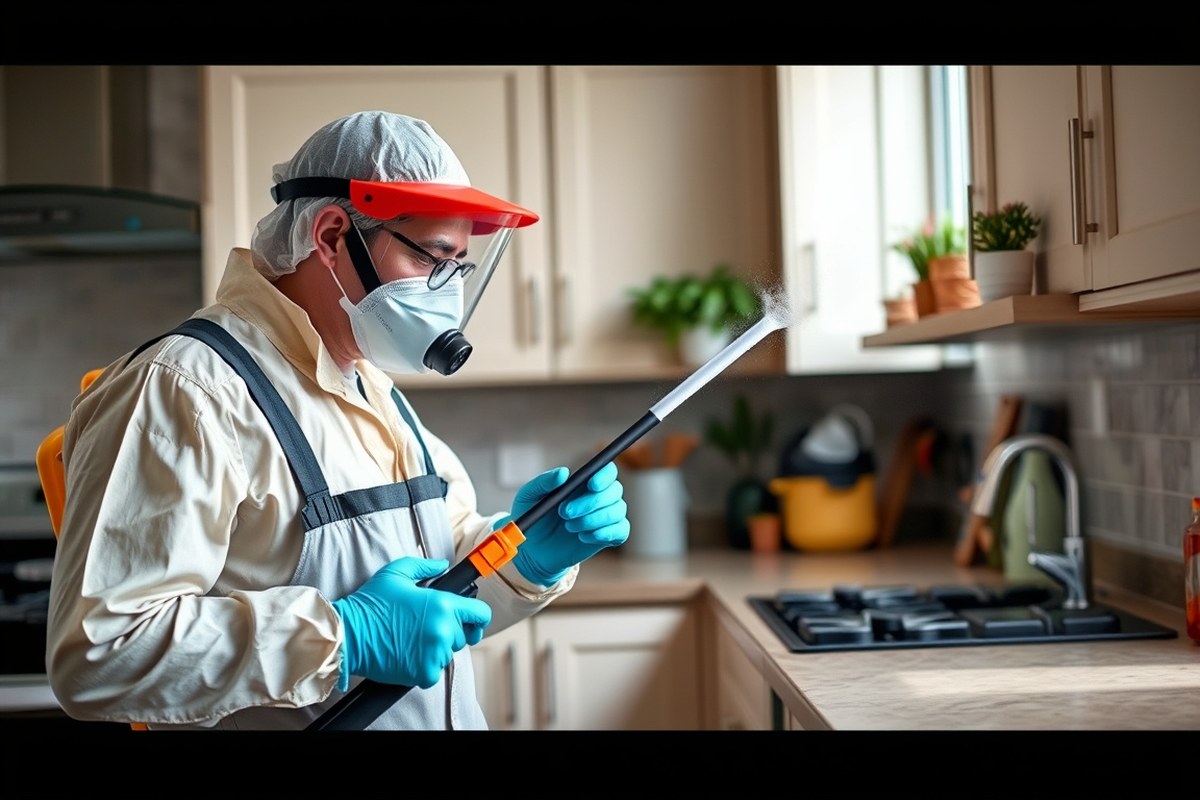
Pest control technicians spend their days inspecting properties, evaluating pest problems, applying treatments, and advising clients on prevention. Their work involves physical activity, direct customer contact, and attention to safety regulations. Schedules often change with seasons and client demand.
Typical Job Tasks and Client Services
Technicians begin their day reviewing appointment schedules and preparing equipment such as sprayers, bait stations, protective gear, and inspection tools. They conduct thorough inspections to identify pest types and infestation levels. Clear communication with clients follows, where technicians explain findings and recommend treatment plans tailored to the property’s needs. Applying pesticides or traps requires precise adherence to label instructions and safety protocols to ensure effective pest control without harming people or pets.
Technicians often implement exclusion practices, sealing entry points and advising on sanitation to discourage return infestations. They maintain detailed records of the work performed, products applied, and client communications for regulatory compliance and follow-up services. Pest control also involves monitoring active bait systems and adjusting treatments over multiple visits if necessary.
Clients depend on technicians not just for pest removal but for education on minimizing future pest issues. Successful technicians combine technical skill with interpersonal communication to build trust and ensure customer satisfaction.
Common Work Environments Beyond Residential
Pest control professionals work in a variety of settings including private homes, commercial buildings, restaurants, warehouses, and agricultural sites. Each environment presents unique challenges: restaurants require strict adherence to food safety standards, warehouses often need large-scale treatments, and farms involve management of pests affecting crops or livestock. Knowledge of specific regulations and treatment products appropriate to each setting is essential.
Many technicians also handle outdoor environments, including landscaping and building exteriors, which demand the physical ability to climb ladders and navigate confined spaces. The diversity of environments keeps the job physically varied but requires careful planning and adaptability to different client needs and regulations.
Daily Workflow and Timing Patterns
Typical days start early with route planning and gathering materials. A morning might include two or three site visits lasting between 30 minutes to 2 hours each, depending on pest severity and property size. Common routines involve inspection, treatment application, customer consultation, and documentation before moving to the next location.
Late afternoons may consist of follow-up visits or handling administrative tasks such as ordering supplies, updating customer records, and scheduling future appointments. Time between jobs includes travel and preparation for the next site. Work hours tend to be standard daytime shifts but may extend during pest emergencies or commercial client schedules. A sample day could be: 7:30 AM, gather supplies and check schedule; 8:30 AM, inspect and treat a residential home for termites; 10:30 AM, visit a restaurant for routine rodent control; 1:00 PM, lunch and paperwork; 2:00 PM, inspect a warehouse for insect activity; 4:00 PM, schedule next week’s appointments and update client reports.
Seasonal and Regional Work Variations
Pest control work fluctuates with pest life cycles and climate. Spring and summer often bring higher demand for insect control, such as ants, mosquitoes, and termites, requiring more frequent visits and treatments. Fall may shift focus to rodents seeking indoor shelter. Winter months can be slower but may still involve preventative and monitoring services.
Regions with milder climates might see year-round activity, while colder northern areas experience pronounced seasonal downtimes. Understanding local pest behaviors and weather patterns helps technicians plan resources and manage workload effectively.
Keep in mind that pesticide labels may have seasonal restrictions or application limits, always check these before scheduling treatments to stay compliant and effective.
Training, Education, and Licensing Requirements Explained
Starting a career in pest control requires meeting specific educational and licensing criteria that vary by location. You’ll need at least a high school diploma or equivalent, complete training programs that often last up to eight weeks, pass state or local licensing exams, and follow ongoing certification renewal processes. These steps ensure you handle pest control substances safely and comply with regional laws.
Basic Educational Requirements and Credentials
You generally need a high school diploma or a GED to enter pest control training programs. This baseline ensures you have essential reading and math skills necessary for understanding pesticide labels, safety guidelines, and technical procedures. Some positions, such as pest control advisors or specialized technicians, might require additional postsecondary credentials or certifications.
Credentials vary depending on the services you plan to provide. Entry-level roles typically require a basic pesticide applicator certification, while advanced certifications cover structural, agricultural, or fumigation control. Employers often look for candidates who have completed recognized training programs or have passed preliminary certification tests to qualify for hands-on work.
Training Programs and Typical Duration
Pest control training mostly focuses on pesticide application methods, pest biology, integrated pest management (IPM), safety protocols, and record-keeping. Most state programs expect you to complete classroom theory combined with practical field experience. Training periods usually last between 4 to 8 weeks, depending on the intensity and state requirements. Training commonly includes:
- Understanding pest species and behavior
- Learning to read and apply pesticide labels properly
- Practicing equipment handling and calibration
- Studying safety measures and personal protective equipment (PPE)
- Record keeping and legal compliance
- Waste disposal and environmental protection
- Customer communication and problem-solving strategies
Employers sometimes provide paid on-the-job training after or alongside formal programs. In some cases, these programs offer preparation for state exams required to obtain full licensing.
Licensing Processes by State and Country
Licensing is mandatory in every US state for pest control applicators, but specific requirements differ widely. States use their pesticide regulatory agencies or departments of agriculture to manage exams and issue licenses. The Environmental Protection Agency (EPA) sets minimum training and certification standards, but states often impose stricter guidelines. To become licensed, you usually must:
- Meet eligibility criteria, often including age (commonly 18 years or older) and education.
- Complete state-approved training in pesticide use and safety.
- Pass a licensing exam that tests knowledge of laws, pest identification, and safe application.
- Submit an application along with required fees ranging from $50 to $500 for the license, and $10 to $250 per exam attempt.
License types may include categories such as structural pest control, fumigation, or landscape pest management. In some states, distinct licenses are required for commercial versus residential pest control services.
| Cost Component | Description | Typical Cost Range | Payment Frequency |
|---|---|---|---|
| Application Fees | Initial fee for applying for a pest control license | $50, $500 | One-time |
| Exam Fees | Fees charged per exam attempt | $10, $250 | Per exam attempt |
| Renewal Fees | License renewal costs to maintain active status | $20, $380 | Annually or per renewal period |
| Continuing Education Costs | Costs for mandatory ongoing training to keep license valid | Varies | Annually or as required |
Maintaining Certification and Continuing Education
Licenses require periodic renewal with continuing education to keep skills current and follow updated regulations. California, for example, mandates annual continuing education units (CEUs) for all licensed applicators. These training courses cover topics such as new pesticide products, environmental safety laws, and advanced pest control techniques.
Falling behind on education or renewal payments risks license suspension or fines. Maintaining certification also helps you stay competitive in the job market by demonstrating current expertise to employers and clients. Continuing education often involves attending workshops, webinars, or completing approved online courses. Check your state’s pesticide regulatory agency website for specific renewal timelines, fee amounts, and course providers.
Salary Expectations and Highest Paying Pest Control Roles
Pest control technicians can expect entry-level salaries in the range of $39,000 to $44,000 annually, with factors like location, specialization, and experience influencing pay. The highest paying positions often involve specialized skills or leadership roles. The job outlook remains positive, with steady growth across various regions offering solid career opportunities.
Average Salaries Nationwide and by State
The average annual salary for pest control technicians in the United States is approximately $43,805, based on recent job postings. Salaries can vary by state due to differences in cost of living, demand for pest control services, and local regulations. For example, in North Carolina, the average salary is around $42,887, close to the national average. California tends to offer higher wages, especially in urban areas, reflecting increased demand and living costs.
Entry-level positions typically start at $39,000 or a little below, with about 25% of posted salaries falling under that mark nationwide. Pay tends to increase with experience and additional certifications. Employers may offer higher wages for those who demonstrate expertise with specialized treatments or in management roles.
Top Paying Specializations and Roles
Some roles within pest control command higher salaries due to their complexity or responsibility. Specialized technicians handling termite control, fumigation, or commercial accounts typically earn more than general pest control workers. Supervisors, regional managers, and roles involved in sales and marketing within pest management companies also see higher compensation.
Transitioning from a technician to a specialist or leadership position requires building skills such as pest biology knowledge, client relationship management, and regulatory compliance. Certifications beyond the basic license, such as those for termite inspection or fumigation, can unlock these better-paying opportunities.
Long-Term Career Earnings and Growth
Career earnings in pest control improve with experience, skill diversification, and advancement into management or technical specialist roles. Technicians who invest in ongoing education and pursue certifications often see higher earnings over time. Companies frequently promote internally, meaning starting as a field technician can lead to supervisory or sales positions within a few years.
Steady industry growth and evolving pest control technologies contribute to a stable earnings trajectory. Innovations improve efficiency, allowing technicians to serve more clients or handle more complex jobs that offer premium pay. Staying current with training on these technologies supports continued professional development and income growth.
Industry Employment Projections
The U.S. Bureau of Labor Statistics estimates that jobs for pest control workers will increase by 10 percent between 2020 and 2030, leading to about 13,000 new roles each year. A separate forecast predicts a 3 percent rise from 2023 to 2032, maintaining consistent need for qualified professionals. This rate surpasses the general growth for all jobs, pointing to solid employment opportunities. Regional employment growth varies, often reflecting local economic conditions and climate. Below is a table showing job openings and average employment growth in certain areas:
| Region | Job Openings | Avg. Annual Employment Growth |
|---|---|---|
| Cariboo | Not available | Not available |
| Kootenay | 0 | -1.0% |
| Mainland/Southwest | 130 | 1.0% |
| North Coast and Nechako | Not available | Not available |
| Northeast | Not available | Not available |
| Thompson-Okanagan | 30 | -0.1% |
| Vancouver Island/Coast | 50 | 1.9% |
The higher number of openings and positive growth in regions like Mainland/Southwest and Vancouver Island/Coast suggest these areas have stronger demand for pest control services. Declining or stable numbers elsewhere indicate slower growth or replacement hiring, typical in mature markets. This information helps prioritize where job seekers might find the best opportunities.
Safety Precautions and Handling Chemicals Responsibly
Pest control involves working with chemicals that can be hazardous if mishandled, so safety and responsibility are essential parts of the job. Professionals must follow strict procedures to protect themselves, their clients, and the environment. Handling pesticides properly, using protective gear, and complying with legal regulations are key to minimizing risks in this work.
Common Work Hazards and Risk Factors
The job includes exposure to toxic chemicals that affect the skin, lungs, and eyes through contact, inhalation, or ingestion. These chemicals vary by pest and treatment type, which means each job can present different hazards. Technicians also risk injury from physical tasks like climbing ladders or working in tight spaces, where falls or strains may occur.
Understanding the specific risks for each situation helps you prepare. For example, treating a termite infestation inside a crawl space requires different precautions than applying outdoor mosquito control sprays. Following company safety protocols reduces the chance of accidents and chemical exposure. Workers should always be alert to signs of chemical spills, unusual odors, or symptoms such as dizziness to act quickly.
Proper Use and Storage of Pesticides
Reading and following pesticide labels is mandatory since those instructions detail safe application rates, mixing methods, and legal restrictions. Incorrect mixing or overuse can harm non-target species and cause health issues. Pest control pros should measure chemicals accurately using designated equipment and avoid shortcuts.
Storing pesticides in locked, well-ventilated areas away from children and pets prevents accidental poisonings. Containers must be sealed tightly and kept separated from food, drink, and animal feed. Proper disposal involves triple-rinsing empty containers and following local regulations on hazardous waste collection. If a spill occurs, isolate the area, wear protective gear, and use absorbents or sand to contain the liquid, then report the incident as required.
Environmental and Legal Compliance
Responsibility extends to protecting ecosystems by avoiding pesticide runoff into waterways and using targeted treatments that reduce chemical volume. Applying pesticides at recommended times and conditions, such as avoiding windy days, ensures chemicals stay where intended. Licensed pest control professionals must comply with federal and state pesticide regulations, which mandate specific procedures and recordkeeping.
Failure to follow laws can result in fines or loss of certification. Keeping up with changes in pesticide regulations is necessary for maintaining safe and legal operations. Many states require ongoing education to reinforce compliance and advance worker knowledge. Respecting clients’ property and local wildlife reduces potential conflicts and environmental damage.
Personal Protective Equipment Essentials
Pest control workers need appropriate personal protective equipment (PPE) such as gloves, respirators, goggles, and protective clothing to reduce chemical exposure. Selecting PPE depends on the pesticide used, application method, and environmental conditions. For example, fumigation requires full-face respirators, while low-risk spot treatments may only need chemical-resistant gloves.
Proper training on how to wear and maintain PPE is important. Wearing contaminated clothing or damaged equipment negates the protection and increases risk. After each use, PPE should be cleaned or disposed of following company guidelines. Keeping extra PPE on hand allows quick replacement if gear is compromised during a job.
Always check pesticide labels for specific personal protective equipment requirements before handling or applying chemicals to avoid inadequate protection.
Skills, Traits, and Common Mistakes New Technicians Make
Pest control professionals must develop specific skills and traits to handle the job’s demands successfully. These include strong communication, problem-solving, attention to detail, and technical knowledge about pests. New technicians often struggle with overlooking details or miscommunicating, but practical training and focused strategies can help them overcome these early challenges.
Essential Communication and Problem-Solving Skills
Clear communication is important for explaining treatment plans, safety precautions, and follow-up instructions to customers. Misunderstandings here can cause dissatisfaction or even safety risks. Being able to listen carefully and adapt explanations to different customers ensures the information is understood.
Problem-solving skills help a technician assess situations beyond routine procedures. Each pest issue can vary; you might identify new signs of infestation or find that standard treatments don’t work. Quickly analyzing these variables lets you adjust your methods effectively, which is critical for maintaining client trust and success.
Develop these skills by practicing customer interactions with supervisors or mentors and reviewing case studies of pest problems. Role-playing different customer concerns can prepare you for real situations where non-technical issues require tact and clarity.
Attention to Detail and Technical Aptitude
Success in pest control depends on your ability to spot subtle signs of pest activity, such as droppings, damage patterns, or entry points, which many new technicians initially miss. These clues are essential for accurate diagnosis and effective treatment plans tailored to each pest and environment.
Technical aptitude means understanding pest biology and habitats thoroughly. Knowing how a pest behaves helps predict where treatments should be applied and when follow-ups are needed. This knowledge reduces wasted time and materials.
To improve attention to detail, carry checklists on inspections and use photographic records. Consistent use trains you to become more observant. For technical skills, you can enroll in specialty courses beyond base certification, these often cover pests in residential, commercial, or agricultural settings and refine your expertise.
Typical Early-Career Mistakes
New technicians commonly make errors such as misidentifying pests or selecting incorrect treatment options, resulting in ineffective service. Another frequent mistake is inadequate documentation, which complicates follow-up visits and customer communication.
Inexperience in managing time efficiently can also lead to rushed jobs, which increase risks of missing details or improperly applying chemicals. Some also struggle with balancing technology use, relying too much on devices without cross-checking observations can cause oversights.
- Mistaking harmless insects for pests or vice versa
- Over-or under-applying pesticides due to misunderstanding instructions
- Failing to explain safety precautions clearly to customers
- Skipping follow-up visits or missing scheduled inspections
- Neglecting to wear proper protective gear consistently
- Ignoring feedback or advice from more experienced colleagues
These mistakes can damage your reputation and customer trust. They increase the chance of pest recurrence or create regulatory problems if chemicals aren’t applied correctly. Knowing these pitfalls helps you anticipate and avoid them.
Solutions and Improvement Strategies
Use a decision checklist during inspections: confirm pest identification, treatment choices, safety steps, and customer instructions before you leave the site. This reduces mistakes caused by rushing or distractions. A simple form you fill out on your smartphone or tablet can serve this purpose.
Seek feedback regularly from supervisors and experienced peers. They can identify blind spots you might not notice in your work. Learning from their insights accelerates skill development.
Allocate time after each job for a brief review. Note what went well and what can improve. Over time, this practice builds a personal knowledge base you can refer to during challenging situations.
Enroll in ongoing education and specialization courses. These courses, often provided by industry groups, cover new pests, legal changes, and advanced treatment techniques. While some cost a few hundred dollars, they pay off by increasing your confidence and effectiveness.
Career Advancement and Future Trends in Pest Control
The pest control field offers diverse opportunities for career growth, ranging from acquiring specialized certifications to advancing into management or entrepreneurship. Emerging technologies including artificial intelligence are reshaping how pest control services are delivered, requiring ongoing learning and adaptation. This evolving environment supports both upward mobility and a variety of long-term career paths.
Specializations and Certification Paths
Advancing in pest control often involves earning additional certifications that deepen your expertise in specific pest categories or treatment methods. For example, gaining certifications in termite control, rodent management, or fumigation allows you to handle more complex jobs and command higher pay. State licensing boards usually require continuing education credits every few years, often 15 hours for technical updates alongside laws, safety, and industry professionalism. Completing courses like the BPCA Foundation Certificate in Pest Management provides a solid base for new technicians and helps you qualify for specialized roles.
Certifications also signal to employers and customers that you follow current best practices. They often involve formal classes or online training, followed by examinations. Budget for course fees that can range from $200 to $700 depending on the specialty and provider. Setting a plan to earn specialized certifications every 1 to 3 years helps stay competitive as treatment methods and regulations change.
Management and Business Ownership Options
Many pest control professionals move into supervisory or management roles that oversee technicians, scheduling, and client relations. These positions require skills beyond pest treatment, such as leadership, budgeting, and regulatory compliance. Employers may provide on-the-job management training or expect you to complete business management courses to prepare. The pest control industry often recognizes management education with continuing education credits, so consider classes that carry those credits.
Entrepreneurship is another common path. Starting your own pest control business involves obtaining the proper licenses, securing insurance, investing in equipment, and learning marketing basics. Costs to launch a small operation can include $5,000 to $20,000 or more depending on your service area and initial inventory. Building a customer base requires networking with local businesses and residential clients, possibly through joining professional associations or offering introductory discounts. Success means combining technical skill with sound business practices.
Technological Innovations and Tools
Technology in pest control has grown significantly, including digital inspection tools, remote monitoring devices, and software for route planning and customer management. Smartphones and tablets are standard for recording data, scheduling, and compliance documentation. Embracing these tools increases efficiency and accuracy in inspections and treatments.
Artificial intelligence assists by analyzing sensor data to predict pest activity patterns and optimize treatment timing. Automation handles repetitive tasks like spraying or baiting in certain environments, but it does not replace the technician’s expertise in identifying pests, customizing treatments, and managing client relationships. Keeping current with technology means regularly reviewing updates, attending training offered by manufacturers, and possibly learning basic data skills to interpret AI-generated reports.
Future Challenges and Opportunities
The pest control industry will likely face stricter regulations and demand for environmentally safer methods. Professionals who invest in learning about integrated pest management (IPM) and sustainable practices will have an advantage. Embracing data-driven decision making will become more important as clients expect evidence-based results.
Career growth depends on continuously upgrading your skill set, including non-technical skills like communication and customer service. Failures to adapt to new technology or management expectations can stall advancement. To keep moving ahead, set a schedule for ongoing education, review any new state requirements regularly, and seek mentorship from supervisors or industry veterans. Remaining flexible and proactive positions you well as industry priorities shift toward smarter, more efficient pest control solutions.
How to Start and Choose the Right Pest Control Employer
Starting a career in pest control involves finding proper training, selecting a reputable employer, obtaining necessary licenses, and engaging with professional groups for ongoing learning. Each step ensures you enter the field with the right skills and legal credentials while building connections for job security and advancement.
Finding Training and Apprenticeship Programs
Begin by researching pest control training opportunities that fit your schedule and location. Formal programs vary; some last a few weeks while others are longer apprenticeships that combine on-the-job experience with classroom instruction. The RNPC Vocational Training Academy in California offers a four-week complete program with job placement help, verified by state and federal agencies, which improve your chances of quick employment.
Apprenticeships provide hands-on knowledge, but availability differs by region. For example, apprenticeships in England appear scarce at the moment. In regions without apprenticeships, look for state-approved licensing courses or training through pesticide manufacturers or pest control associations to build both skills and credentials.
- Identify licensed training programs recognized by state departments or the EPA
- Check for course duration, costs, and included job placement or career services
- Consider programs offering safety and chemical handling certifications
- Review hands-on opportunities and instructor experience
- Find programs with flexible scheduling if you work or study
- Ask local pest control companies about preferred training providers
- Research financial aid or payment plans if tuition is a concern
Training without a recognized certification often limits your job options and may delay your eligibility to apply pesticides legally.
Evaluating Employers and Company Culture
Choosing a pest control company should follow the same careful process as selecting any professional service. Focus on their reputation, licensure, and service quality. You want to work for a company that values safety, provides proper training, and follows all legal requirements. Confirm that the company holds a valid business license and complies with state regulations, which ensures they operate legally and ethically.
Review online feedback, request interviews, and ask about the company’s approach to customer service and employee development. Compare benefits like health insurance, uniforms, equipment provided, and continuing education support. When possible, speak to current or former employees for insights into management style and workplace realities.
- Verify business licenses with state regulatory offices
- Assess online reviews focusing on employee experiences
- Check company memberships in recognized pest control associations
- Request information on safety protocols and chemical handling training
- Look for clear career paths and internal promotion opportunities
- Consider company size and whether you prefer a small or large team
- Discuss employer expectations during interviews to ensure a fit
Navigating Licensing and Certification Steps
Pest control licensing is mandatory in many states and protects both you and the customers. Start by identifying the licensing authority in your state, usually the Department of Agriculture or a similar agency. Licensing requirements often include passing written exams that cover pesticide safety, application techniques, and pest biology, plus meeting age and training prerequisites.
Costs for licenses vary by region but expect fees for exams, applications, and sometimes renewals annually or every few years. Some states require continuing education credits to keep your license valid. Companies may also hold business licenses, which separate your role as a technician from the company’s legal obligations.
- Contact your state’s pesticide regulatory agency for state-specific requirements
- Complete pre-licensing training or approved courses before applying for exams
- Schedule and pass the licensing exam, including any required practical tests
- Apply for your license with all required documentation and fees
- Maintain licensure by meeting continuing education or re-certification rules
- Check for additional certifications if you want to specialize (e.g., termite control)
- Understand the employer’s role in maintaining its business license and compliance
Joining Professional Groups and Continuing Education
Professional associations like the National Pest Management Association (NPMA) or state-specific groups offer resources that boost your credibility and job prospects. Joining these groups gives you access to updated regulations, best practices, safety seminars, and networking opportunities with other pest control professionals.
Continuing education is important since pesticide technology and safety standards change regularly. Many associations also provide webinars, certification renewals, and specialized training to keep your knowledge current. Membership fees vary but generally provide good value through education and industry connections.
Failing to engage in continuing education can result in license expiration and falling behind on safety protocols, which increase risks on the job.
Your Step-by-Step Plan to Start a Career in Pest Control
This plan guides you through the essential steps to launch your pest control career confidently. Follow each phase to cover training, licensing, skill-building, and job searching with clarity and focus.
- Before You Begin: Research state-specific licensing requirements and available training programs. This lets you understand exactly what certifications you need and what local regulations apply, so you avoid wasted time and expenses.
- Week 1: Enroll in a reputable pest control training course, focusing on both pesticide application and safety protocols. Successful completion means you’re ready to handle chemicals responsibly and follow safety rules on the job.
- Week 3: Apply for your state applicator license by submitting your training records and passing the licensing exam. Having this license is mandatory to work as a professional and signals your qualifications to employers.
- Month 1: Seek entry-level positions with pest control companies that offer on-the-job training and mentorship. Choose employers known for structured training, so you can sharpen your technical skills and learn customer service routines.
- After 2 Months: Practice daily safety habits like wearing personal protective equipment and following chemical label instructions precisely. Regular adherence reduces risk of accidents and builds your reputation for professionalism.
- Month 3: Begin tracking your work hours and types of pests treated to identify your strengths and learning gaps. This helps you focus on improving skills that employers in higher-paying niches, like termite control, value most.
- Month 4 and Beyond: Consider obtaining additional certifications for specialty pest control services or management roles. This advancement expands your job options and earning potential by qualifying you for more complex tasks.
- Ongoing: Stay updated on industry trends, new chemicals, and safety regulations by attending workshops or joining professional associations. Continuously learning protects your license and keeps you competitive in the job market.
Frequently Asked Questions
Why Become a Pest Control Professional?
Pest control offers a stable and growing career with various advancement paths that fit different interests, from fieldwork to management. It also carries a sense of responsibility since you protect public health and properties, which not all jobs provide.
Is Pest Control Worth It as a Career?
Pest control remains in demand and less vulnerable to economic downturns because pest problems persist across industries and seasons. It pays reasonably well and offers hands-on work plus opportunities for growth into higher-paying roles like technician supervisors or consultants.
What Are the Three C’s of Pest Control?
The three C’s refer to careful inspection, correct chemical application, and consistent follow-up. These elements work together to ensure effective pest management, making sure you identify the problem, treat it properly, and verify results to prevent reinfestation.
Will Pest Control Be Replaced by AI?
AI may assist with data analysis and route planning, but it won’t replace the hands-on work and judgment needed from technicians. Pest control depends on navigating complex, changing environments and direct customer interaction that requires human expertise and problem-solving.
What Is the Highest Paying Pest Control Job?
Technical managers, consultants, and business owners typically earn the highest wages in pest control due to their advanced knowledge, certifications, and leadership roles. Salary also depends on location and company size, with niche sectors like termite inspection often paying more.
Is Pest Control the Right Career Path for You?
This career suits those who don’t mind physical work, enjoy problem-solving, and value precision in handling chemicals safely. Meeting licensing requirements and ongoing training are necessary, so be prepared for continuous learning and taking responsibility seriously.
The Bottom Line
Becoming a pest control professional offers steady work with clear paths for advancement and the chance to develop practical skills that employers value. Start by researching local licensing requirements and signing up for a training program approved by your state’s regulatory agency, since proper education ensures you handle chemicals safely and comply with health standards. You can also contact established pest control companies to inquire about entry-level positions or apprenticeships that provide hands-on experience. Taking these steps today places you ahead in starting a career that meets growing demand and pays competitively.