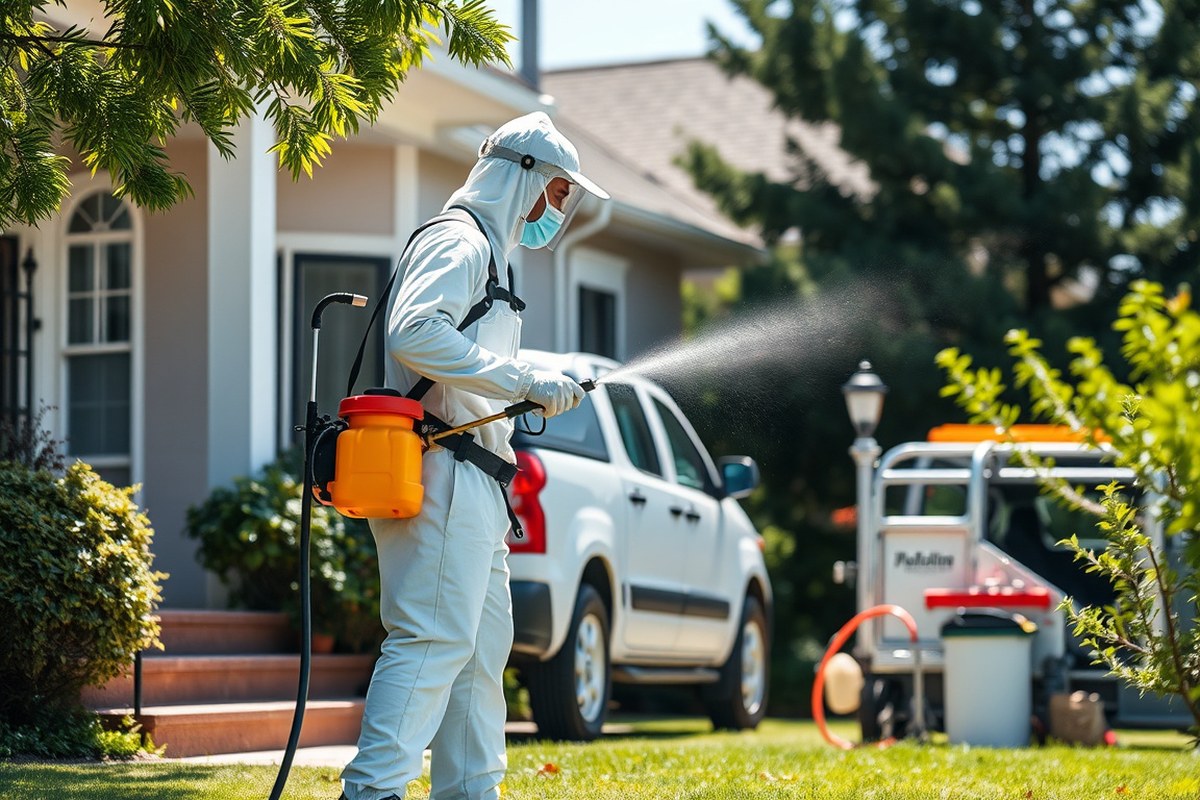
How Profitable Is Pest Control Business: A Complete Guide to Earnings and Costs
The pest control business can be quite profitable because chemicals cost relatively little compared to the fees you can charge clients. How profitable is pest control business depends largely on factors like location, specialization, business size, and your ability to manage costs effectively. You can expect to acquire enough customers to be profitable within your first year if you focus on operational efficiency and competitive pricing.
Startup and ongoing costs vary, but keeping direct and indirect expenses low improves margins. Choosing the right business model and marketing strategy also influences your revenue streams. Running a pest control company is often more stable and recession-resistant than lawn care, HVAC, or plumbing, but success requires careful planning, pricing, risk management, and avoiding common mistakes that cut into profit.
Key Takeaways
- Established pest control businesses average $401,900 in annual revenue with 10-15% net profit margins influencing overall profitability.
- Startup costs vary greatly, typically between $10,000 and $50,000, driven by equipment, vehicles, certifications, and staffing needs.
- Marketing success relies on optimizing Google Business Profiles and targeted SEO strategies to increase local visibility and customer acquisition.
- Personnel costs, around $150,000 annually for multiple full-time employees, constitute a major ongoing expense affecting profit margins.
- Choosing a business model with recurring contracts, such as termite inspection agreements, boosts revenue stability and company valuation.
- Operational challenges grow beyond 40-50 client accounts, requiring strong scheduling and documentation systems to maintain profitability.
How Profitable Is the Pest Control Business Today

The typical pest control business nets a profit margin of about 10 to 15 percent for established companies, making it a moderately profitable industry. This margin reflects the difference between revenue and all operating expenses, including office rent, marketing, and administrative costs. The average annual revenue for a pest control company hovers around $400,000, though this varies widely depending on the company’s location, specialization, and customer base.
From this revenue, business owners usually take a salary equal to 30 to 50 percent of the net profit. This means if your pest control business nets $80,000 in profit, your take-home salary could range from $24,000 to $40,000. Data from Glassdoor shows pest control business owners typically earn between $61,000 and $104,000 per year, with a median of roughly $82,000. These figures account for variations in business scale and regional factors.
Profit margins can sometimes reach 20 to 30 percent, particularly for businesses that efficiently manage operating costs and build a solid client base. Tracking key financial indicators such as revenue, operating expenses, and net profit enables you to identify areas where your business might be leaking money. Regular financial monitoring and adopting software tools designed for pest control companies can boost margins by streamlining scheduling, customer management, and billing processes.
Keep in mind that startup and ongoing costs play a significant role in your net profit. For example, states like Indiana offer a lower cost of living and lower business expenses, which can improve profitability. Starting costs in Indiana can range from $8,600 to just over $100,000, with the median around $34,400. Your salary depends on how effectively you control these expenses while growing your revenue.
Calculating your exact salary requires deducting all business expenses from revenue first, including taxes and indirect costs not directly tied to service delivery. Only what’s left after these deductions, the net income, can be paid out as your salary. Careful cost management often makes the difference between a modest and a comfortable income from your pest control business.
Key Factors That Impact Pest Control Profitability
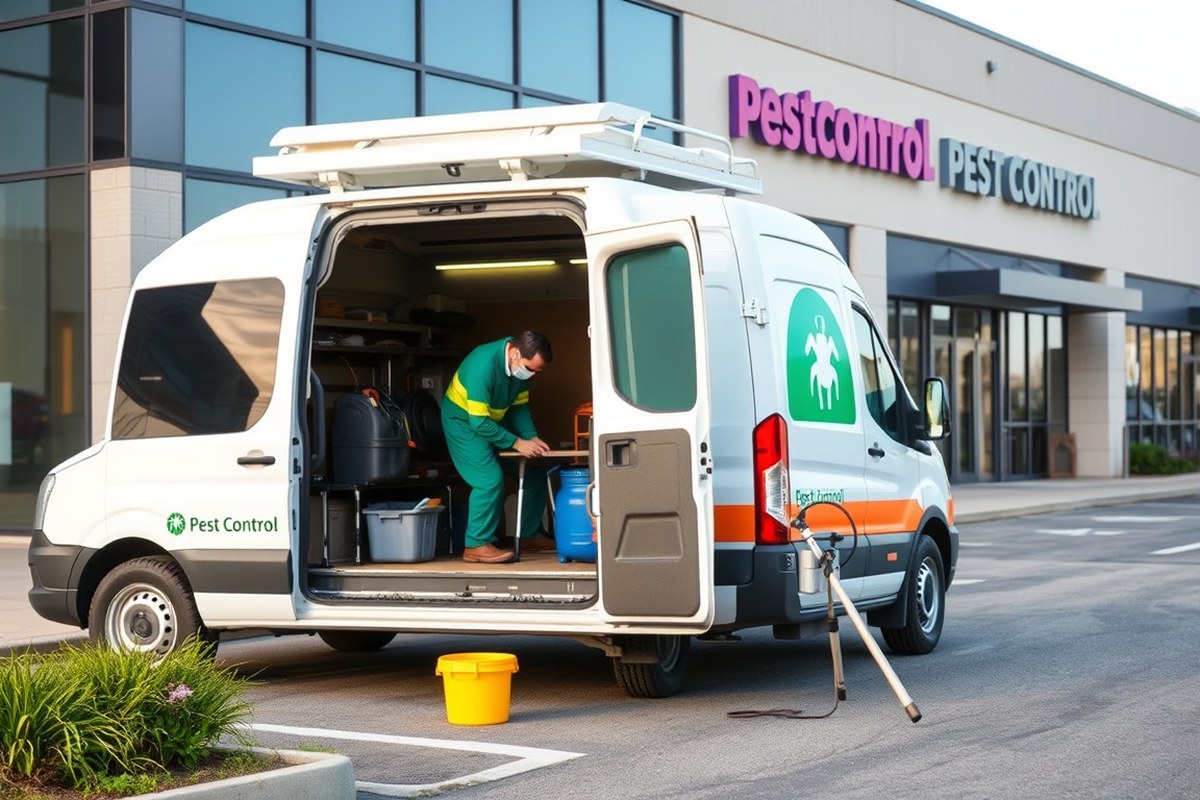
Profitability in a pest control business depends on several factors including the geographical area you serve, your mix of services, managing labor costs, your pricing approach, and how you secure client contracts. Seasonal and regional variations also influence demand and operational expenses, directly affecting your bottom line.
Location and Market Demand
Your business location shapes your access to customers and the types of pests common in the area. Urban areas often offer a larger client base but come with more competition and higher operating costs like rent. Rural locations might have less competition but also fewer customers.
Market demand fluctuates based on regional pest issues and climate. For example, termite treatments may be more sought after in warmer southern states, while rodent control might peak in northern states during colder months. Understanding local pest problems helps you tailor your services and marketing to meet those specific needs.
Seasonal changes create predictable patterns in demand. Spring and summer typically see spikes due to increased pest activity, which means your revenue can increase substantially during these periods. Conversely, winter might slow business, so you’ll want to manage your cash flow to cover slower months.
Service Types and Specialization
The range and specialization of services you offer directly impact profits. Broad service offerings may attract more customers but increase your costs for equipment, chemicals, and specialized training. Specializing in high-demand or complex treatments like termite control, bed bugs, or eco-friendly pest management can command higher prices and better margins.
Additional services such as lawn care or termite inspections add value and diversify your revenue streams. These services also can lock customers into longer-term contracts, improving your predictable income and smoothing out seasonal dips in regular pest control work.
- One-time treatments for acute infestations
- Recurring pest management contracts
- Specialized treatments (termites, bed bugs, rodents)
- Ancillary services like lawn care and termite inspections
- Eco-friendly or organic pest control options
- Emergency pest removal services
- Commercial vs. Residential service lines
The mix of these offerings affects profitability by influencing labor, chemical use, and equipment needs, so consider focusing on services that are profitable in your area and align with the expertise of your staff.
Labor and Staffing Costs
Labor expenses form a significant part of operating costs in pest control. Wages, benefits, training, and overtime pay add up quickly, especially since technicians need licensing and safety training. Efficient scheduling and cross-training staff on multiple services can reduce overhead.
Owner-operators can increase profits by handling some of the service work themselves, cutting payroll expenses. However, this might limit the business’s growth potential. Larger businesses must carefully balance hiring enough staff to handle demand without overstaffing during slow periods. High turnover is common in pest control and can hurt profits due to recruitment and training costs, so retaining experienced staff improves service quality and operational efficiency.
Pricing Strategies and Contracts
Your pricing approach fundamentally shapes profit margins. Competitive pricing draws customers but risks eroding your bottom line if costs aren’t tightly controlled. Strategic pricing involves calculating all direct and indirect costs to ensure each job contributes to profit, including labor, materials, vehicle costs, and administrative expenses.
Securing recurring service contracts is one of the most effective ways to stabilize income. Recurring revenue reduces sales expenses and provides steady cash flow, essential to maintain consistent staffing and cover fixed costs.
Untimely or poorly structured contracts may bind you with low-margin work, so review pricing and contract terms carefully before committing.
Offering service packages or discounts on recurring contracts can increase customer retention and revenue stability. Monitoring local market rates and adjusting your fees based on the complexity of service and competitive landscape helps maintain profitability while remaining attractive to customers.
Startup and Ongoing Costs of Running a Pest Control Company
Starting your own pest control business involves a diverse range of expenses. These include upfront investments in equipment and vehicles, fees for licenses and insurance, ongoing training for staff, and regular marketing and administrative costs. Planning your budget carefully for these will help you predict profitability and manage cash flow effectively.
Equipment and Vehicle Expenses
Buying the right equipment is a key step in starting a pest control business. Basic supplies like sprayers, baits, protective gear, and chemical storage units add up quickly. Choosing a reliable service vehicle is also important since it transports both your team and equipment to job sites. The size of your business and the types of pests you treat will influence what and how much equipment you need.
Vehicle costs can vary widely. You might spend anywhere from a few thousand dollars for a used van up to $35,000 or more for a newer, fully equipped truck. Operating vehicles also brings recurring costs like fuel, maintenance, and insurance that you should factor into your budget.
| Startup Expense | Typical Cost Range |
|---|---|
| Equipment (without vehicle) | $5,000 – $17,000 |
| Used service vehicle | $15,000 – $35,000 |
| Total startup cost (with vehicle) | $20,000 – $35,000 |
| Total startup cost (without vehicle) | $5,000 – $17,000 |
These estimates vary by region and your selection of equipment quality. For example, costs tend to be lower in Indiana compared to Michigan, which reflects local market differences in vehicle and insurance expenses.
Licensing and Insurance Costs
Licensing requirements differ by state and are mandatory before you can legally offer pest control services. This can involve passing exams and paying application fees. An LLC is commonly selected as the business structure to properly align your license, contracts, and insurance under the same entity.
Insurance protects your business from liabilities related to accidents, chemical use, and property damage. Premiums depend on coverage types you choose and your location. It’s wise to budget several thousand dollars annually to cover insurance and keep your license current.
Personnel and Training Expenses
Hiring qualified technicians is important but also a significant cost factor. Salaries can vary by experience and local labor markets. You should also allocate funds for ongoing training to ensure compliance with safety regulations and effective pest control techniques.
Training helps reduce mistakes and improve service quality, which impacts your reputation and customer retention. Consider initial training costs and periodic refreshers, which may include attending certified courses or manufacturer safety sessions.
Marketing and Administrative Fees
Effective marketing will help you build a stable customer base and secure recurring contracts, which are key to steady revenue. Budgeting for website development, online advertising, local promotions, and brand materials is necessary. These costs can range from a few hundred to a few thousand dollars monthly depending on your approach.
Administrative fees include office rent, utilities, phone service, software subscriptions, and bookkeeping. These indirect expenses contribute to the overall cost of business operations and should be carefully tracked for accurate profitability forecasting.
How Pest Control Businesses Generate Revenue
Pest control businesses generate revenue primarily through residential and commercial services, termite management contracts, and specialized add-on offerings. Each stream has different profit potentials and requires distinct operational approaches to grow revenue. Expanding contract agreements and diversifying service portfolios enables steady cash flow and higher business valuation.
Residential Pest Control Services
Residential services usually form the foundation of a pest control business’s revenue stream. Homeowners pay for one-time treatments or recurring pest maintenance, including termite inspections, general pest removal, and rodent control. These services provide reliable income, especially in areas with consistent pest challenges. Residential work often has lower contract values but broader customer reach, making it important to retain clients through quality service and renewal incentives.
Pricing varies based on the property’s size and pest type, with average treatment fees ranging from $100 to $300. Frequent repeat business comes from quarterly or annual service agreements. The challenge lies in competition and customer acquisition costs, so many businesses focus on referral programs and local marketing.
Commercial Pest Control Contracts
Commercial contracts bring higher revenue and greater stability than many residential accounts. This customer segment includes offices, hotels, restaurants, warehouses, and other facilities, each with specific pest management needs. Companies require regular inspections, treatments, and compliance documentation, often engaging pest control providers on long-term contracts.
The consistent demand from commercial clients allows pest control businesses to project predictable income. Contracts commonly cover multiple locations and ongoing service visits, driving annual revenues into six figures per account. Commercial pest control businesses with a solid contract book tend to sell for 3 to 4.5 times their EBITDA, reflecting the desirability of this revenue type in the marketplace.
Termite and Structural Pest Management
Termite contracts are a lucrative revenue source due to the high cost and specialized nature of treatments. Businesses generating 40% or more of their revenue from termite inspections and management typically secure better resale values. Termite programs often include annual inspections and can involve products like Termidor barrier treatments, which command premium pricing.
Residential and commercial clients both require termite protection because of the costly damage termites cause. Established termite contracts usually feature signed agreements and renewal histories that ensure ongoing income. This segment often yields a revenue premium up to double what general pest control commands, making it a key area to expand for higher profit margins.
Add-On and Specialty Services
Specialty services such as lawn pest control, wildlife removal, sanitation, and customized treatment plans provide additional revenue beyond traditional pest control. These offerings allow businesses to upsell existing clients and attract niche markets. They also help differentiate your company in a competitive environment.
Many pest control businesses add services like mosquito abatement, bed bug treatments, or fumigation. Some incorporate lawn care treatments targeting pests, which increases revenue per customer. Offering inspections, sanitation services, or building maintenance consultations builds closer client relationships and incentivizes longer contracts.
Choosing a Profitable Pest Control Business Model
Choosing the right business model affects your startup costs, operational control, and profit potential in the pest control industry. Each model offers different advantages and drawbacks depending on your goals for growth, customer base, and resource management.
Independent Owner-Operator
Operating as an independent owner-operator means you own and manage every aspect of the business yourself. This model keeps startup costs lower, often between $5,000 and $17,000 if you don’t buy a service vehicle. You have full control over pricing, customer service, and business strategies.
Profitability depends heavily on how many customers you can acquire and retain. Recurring contracts make revenue relatively predictable once you establish a base, but you will likely spend significant time in the field providing services personally. That limits your ability to grow beyond your own work hours unless you start hiring technicians. Marketing and business growth fall squarely on your shoulders, requiring focused effort on local visibility with tools like a fully optimized Google Business Profile.
Franchise Pest Control Business
Franchises operate under a larger brand with a structured business model that offers significant support, including marketing, operational processes, and training. The upfront investment tends to be higher due to franchise fees and royalty payments, but the model provides a proven system to follow and reduces some business risks.
Franchisees benefit from brand recognition and often have access to proprietary software like PestPac to streamline operations and improve customer service. This can drive profitability by improving efficiency and customer retention. Franchises also typically emphasize recurring contracts, which provide steady revenue streams and reduce the unpredictability common in service businesses.
Commercial-Only Pest Control
Focusing exclusively on commercial clients narrows your market but can lead to higher-value contracts and potentially longer recurring agreements. Commercial clients often require more specialized services and compliance with industry standards but provide steadier workloads and larger-scale contracts.
This business model may reduce the volume of customers you need, as commercial contracts tend to be more lucrative and stable. However, it can require more upfront investment in training, equipment, and certifications. Profits hinge on maintaining high service quality and meeting the strict requirements of business and industrial clients.
Hybrid Residential-Commercial Model
Combining residential and commercial pest control services can diversify your customer base and balance income streams. This model allows you to capitalize on the steady demand from homeowners alongside the larger contracts offered by commercial clients.
The challenge lies in managing the varying service expectations and operational requirements of both markets. Effective scheduling and resource allocation are important to maintain profitability. Recurring contracts in both segments contribute to predictable revenue, but the hybrid approach demands versatile marketing and skilled technicians capable of handling diverse pest control needs. Here is a summary of key differences among the models, focusing on startup costs, operational demands, and profit factors:
| Business Model | Typical Startup Cost | Operational Control | Profitability Drivers | Customer Focus |
|---|---|---|---|---|
| Independent Owner-Operator | $5,000, $17,000 (without vehicle) | Full control, personally managing operations and services | Customer acquisition, recurring contracts, efficient fieldwork | Residential and small commercial clients |
| Franchise Pest Control Business | Higher (franchise fees + typical startup) | Structured system, brand guidelines, operational support | Brand recognition, software tools, recurring contracts | Varies; often residential and commercial |
| Commercial-Only Pest Control | Moderate to high, specialized equipment and training | Focused service delivery, compliance with standards | Large contracts, long-term agreements | Commercial facilities and properties |
| Hybrid Residential-Commercial | Varies depending on market reach and equipment | Flexible operations, managing diverse customers | Diversified income, recurring contracts in both segments | Both residential and commercial clients |
Choosing the right model depends on your resources and business goals. Lower startup costs and direct control suit some entrepreneurs, while others find franchising’s support and brand easier to handle. Commercial models offer higher-value contracts but require specialization, and hybrids need versatile management strategies.
Keep in mind that recurring contracts build steady income and grow business value over time, regardless of the model you choose.
Marketing and Customer Acquisition Strategies for Growth
Attracting and keeping customers is essential for pest control business growth. Using digital marketing, local SEO, referral incentives, and smart contract bidding helps build a steady client base and raise revenue. Each method plays a specific role in reaching new customers and maintaining long-term relationships.
Optimizing Google Business Profile
Your Google Business Profile acts as a primary way for local customers to find and trust your pest control service. Make sure your profile lists all accurate service categories and the ZIP codes you serve. Including clear photos of your trucks, technicians, and completed work adds credibility and encourages clicks.
Regularly update your profile with new customer reviews. Positive reviews improve your search ranking and influence potential clients. Responding professionally to reviews, both positive and negative, shows you care about customer satisfaction and helps build trust.
Local SEO and Online Marketing
Local SEO improves your visibility on search engines when people search for pest control near them. Start by creating keyword-rich website content that matches the services and locations you cover. Use clear, simple language to describe your pest control options.
Register your business on multiple online directories like Yelp for Business, Bing Places, and other local listings. This expands your reach and creates backlinks that help SEO rankings. Maintaining consistency in name, address, and phone number (NAP) across all platforms is important for SEO effectiveness.
Use social media platforms targeted to your local audience. Post helpful tips on pest prevention and updates about your services to engage followers and attract new leads. Paid local ads on Google or Facebook can also generate quick inquiries, especially when paired with geographic targeting.
Building Referral and Repeat Business
Repeat customers and local referrals form the foundation of many pest control businesses. Create a referral program that rewards customers who bring new clients, such as discounts or free inspections. This incentivizes word-of-mouth marketing, which is often more trusted than direct advertising.
Offer maintenance or recurring service plans to encourage repeat business. Contractual agreements for termite inspections or monthly pest control can secure steady income and reduce customer churn. Documentation of renewal history and inspection records makes these contracts more valuable for potential buyers or investors.
- Offer referral discounts or gift cards
- Provide service bundles or maintenance plans
- Maintain clear communication and follow-ups
- Ask satisfied customers for online reviews
- Use email or text reminders for recurring services
- Reward long-term clients with loyalty perks
Keeping customers satisfied is critical since pest control often requires repeat visits. Consistency and professionalism in every interaction help turn first-time clients into regulars who also generate referrals.
Effective Contract and Bidding Tactics
Winning contracts with commercial clients or property managers involves competitive but profitable pricing. Analyze the scope of work carefully and include all necessary treatments, follow-ups, and documentation in your bids. Underpricing can erode profit margins while overpricing risks losing the contract.
Emphasize the quality and reliability of your service in bids. Highlight any warranties, certifications, or local expertise to differentiate from competitors. Providing detailed reports and inspection records as part of service agreements instills confidence and supports contract renewals.
Focus on building ongoing service relationships rather than one-time jobs. Contracts that cover scheduled inspections, ongoing pest management, and quick response to issues tend to be more valuable over time. Keep track of contract renewals and maintain communication with clients to secure continuous business.
Common Challenges and Mistakes That Reduce Profitability
Operational missteps can significantly reduce your pest control business’s profitability. Missing the mark on pricing, ignoring contracts, running lean on staff, and mismanaging cash flow all chip away at potential earnings and business stability.
Underpricing Services
Setting prices too low is a common pitfall that eats into profit margins directly. Pest control chemicals tend to be low cost, yet many operators fail to charge enough to cover overhead and labor adequately. You need to factor in not just your direct costs like chemicals and vehicle fuel, but also indirect costs such as insurance, licensing, office expenses, and time spent on scheduling and reporting.
Underpricing typically happens when you try to compete solely on price without considering the full scope of expenses or the value your expertise adds. It can lead to steady work but minimal cash left after bills. Pricing should reflect the nature of each service, differentiate between one-time treatments versus recurring contracts, and adjust for commercial versus residential accounts. Tracking detailed cost data helps avoid this mistake by highlighting where margins are razor-thin or negative.
Neglecting Recurring Contracts
A pest control business that relies mainly on one-time treatments faces unpredictable cash flow and limited long-term profitability. Recurring contracts, on the other hand, secure a steady income stream and improve operational efficiency by smoothing out seasonal demand swings. Building a book of ongoing service agreements is important for stable, predictable profits.
Focusing too much on quick bookings rather than locking in long-term contracts can leave you scrambling for new customers constantly. Growing from around 40 to 50 accounts presents an organizational challenge, but having a systematic approach to contract management pays off with more consistent revenue. Many high-performing pest control businesses boost valuations to 3 to 4.5 times EBITDA thanks to a substantial base of recurring contracts.
Inefficient Scheduling and Routes
Understaffing or poor route planning can quickly erode profitability by inflating labor hours and fuel expenses. Handling too many accounts without adequate personnel forces overtime or rushed visits, which hurts service quality and employee morale. Maximizing productivity depends on careful scheduling based on geography, treatment time, and client needs.
Technology tools like PestPac can improve route efficiency and documentation, which becomes essential as your business grows past several dozen clients. Failure to integrate these operational solutions results in wasted time and increased costs that undercut profits. Regularly reviewing routes and workloads allows you to balance staff levels, minimize empty travel, and reduce wear on vehicles.
- Plan routes geographically to reduce driving times
- Match technician skills with specific pest issues for faster service
- Track time spent per client to spot inefficiencies
- Use scheduling software to automate and optimize appointments
- Limit last-minute rescheduling to keep routes stable
- Consider subcontractors only for overflow capacity
- Maintain backup vehicles to avoid downtime
Applying these steps helps control costs linked to labor and fuel, preserving your margin as your client base scales.
Ignoring Cash Flow and Reserves
Poor cash flow management and lack of reserve funds frequently cause operational difficulties even in profitable pest control businesses. Timely billing and collections ensure you have enough working capital to cover costs like payroll, supplies, and insurance. Falling behind on payments can force borrowing at costly interest rates or disrupt service delivery.
Many operators underestimate how seasonal fluctuations or delayed contract payments affect their cash position. Establishing a cash reserve equivalent to at least three months of operating expenses provides a buffer to manage unexpected costs or slow periods. Regularly reviewing financial statements and forecasting cash needs helps anticipate gaps before they become critical.
Strategies to Increase Profit Margins in Pest Control
Increasing profit margins in a pest control business involves improving operational efficiency, upselling services, applying technology, and negotiating better terms with suppliers. These strategies can push net margins to between 20 and 30 percent by reducing costs and maximizing revenue per customer.
Streamlining Operations with Software
Using specialized pest control management software improves efficiency by automating scheduling, invoicing, and route planning. Software like FieldRoutes and PestPac helps track operating costs and revenues more accurately, which clarifies where to cut waste and streamline processes. This clarity directly impacts net profit, as better scheduling means fewer missed appointments and reduced overtime labor.
With digital customer management, your team can reduce time spent on paperwork and improve communication with clients about service needs and payments. Tracking individual route stop labor and chemical use through software ensures you’re not overspending on materials or staff hours, which accounts for a significant part of your operating expenses.
Upselling and Cross-Selling Services
Upselling additional treatments or cross-selling complementary services can significantly boost revenue without proportional increases in costs. For example, offering termite inspections along with regular pest control treatments increases per-customer revenue and spreads out fixed costs over more services. Dynamic pricing models help tailor offers to customer demand and increase margins.
Train your technicians to identify when a customer could benefit from added services such as preventive maintenance or seasonal treatments. This approach turns routine visits into opportunities for expanding each contract’s value rather than only maintaining existing agreements. Knowing the local pest challenges will help you offer targeted, higher-margin options.
- Offer bundled service packages instead of single treatments
- Introduce optional quarterly inspections with routine plans
- Promote eco-friendly or specialty treatments with higher price points
- Train staff to identify upsell timing during service calls
- Use customer data to personalize offers
Upselling provides a direct path to improving net profit without increasing overhead, as the cost of an extra service is often minimal compared to additional revenue it brings.
Negotiating Supplier and Vendor Costs
Lowering the cost of chemicals, equipment, and other supplies through better negotiation with vendors improves overall profitability. Buying in bulk or locking in fixed prices with suppliers can reduce fluctuating expenses and make your margins more predictable. This requires assessing your current contracts regularly to ensure you receive competitive pricing.
Consider consolidating purchases to fewer suppliers to gain volume discounts, but keep options open to negotiate terms like payment schedules or free shipping. Review technology and software subscriptions for unnecessary features or better alternatives to cut recurring costs. Regular vendor evaluations can reveal savings opportunities that increase your bottom line.
Check supplier contracts annually and renegotiate terms based on your purchase volume and payment history.
Expanding High-Margin Service Lines
Adding services with higher profit margins, such as wildlife control or specialized commercial pest management, allows you to capture more revenue from fewer customers. These services often require specialized training or equipment but justify higher price points, improving your net margin. Expanding these lines also helps diversify income streams and reduce dependence on basic general pest control.
Focus on industries or customer segments with greater demand and willingness to pay for premium or customized services. Marketing to commercial clients or property management companies often yields contracts with larger scope and longer terms. By developing expertise in these areas, you create competitive advantages that support 20-30% net margins.
Frequently Asked Questions
How Profitable Is Pest Control Business?
The pest control business can be quite profitable due to relatively low chemical costs and steady demand. Profit depends on location, pricing, and operational efficiency, so managing these factors is essential for good returns.
Can You Make Good Money Selling Pest Control?
Yes, selling pest control services can generate good income if you build a customer base and maintain recurring contracts. Consistent service quality and effective marketing help increase customer retention and revenue.
How Much Money Can You Make Owning a Pest Control Company?
Owners can earn significant revenue, with average annual figures around $400,000 depending on market size and specializations. Profits vary based on cost control, pricing strategies, and customer base growth.
Can You Make 100k in Pest Control?
Making $100K in pest control is achievable, especially with recurring service agreements and efficient operations. Success typically requires a mix of residential and commercial clients to stabilize income.
Is Pest Control Business Worth It?
Pest control is worth it if you plan carefully and adapt to market rules, since demand for pest solutions is steady. The key lies in managing risks, licenses, and maintaining operational efficiency.
What Licenses Are Required to Start a Pest Control Business?
You’ll need operator licenses and business registrations specific to your state, which regulate the use of pesticides and business activities. Securing these early ensures legal compliance and smooth operations.
Before You Go
The pest control business can be profitable when you manage costs carefully and focus on steady customer acquisition. Startup expenses like licensing, equipment, and initial marketing typically range from $10,000 to $50,000, so controlling these against your pricing and service efficiency impacts your margins directly. Choosing a business model with recurring revenue, like residential contracts, helps stabilize cash flow and spreads marketing costs over time.
Consistently refining your marketing, avoiding common mistakes like underpricing or poor service follow-up, and tracking key performance metrics can boost profit margins. Start by evaluating your current pricing and customer retention strategies to identify where you can cut costs or increase revenue without sacrificing quality. This practical approach makes the difference in sustaining profitability over the long run.