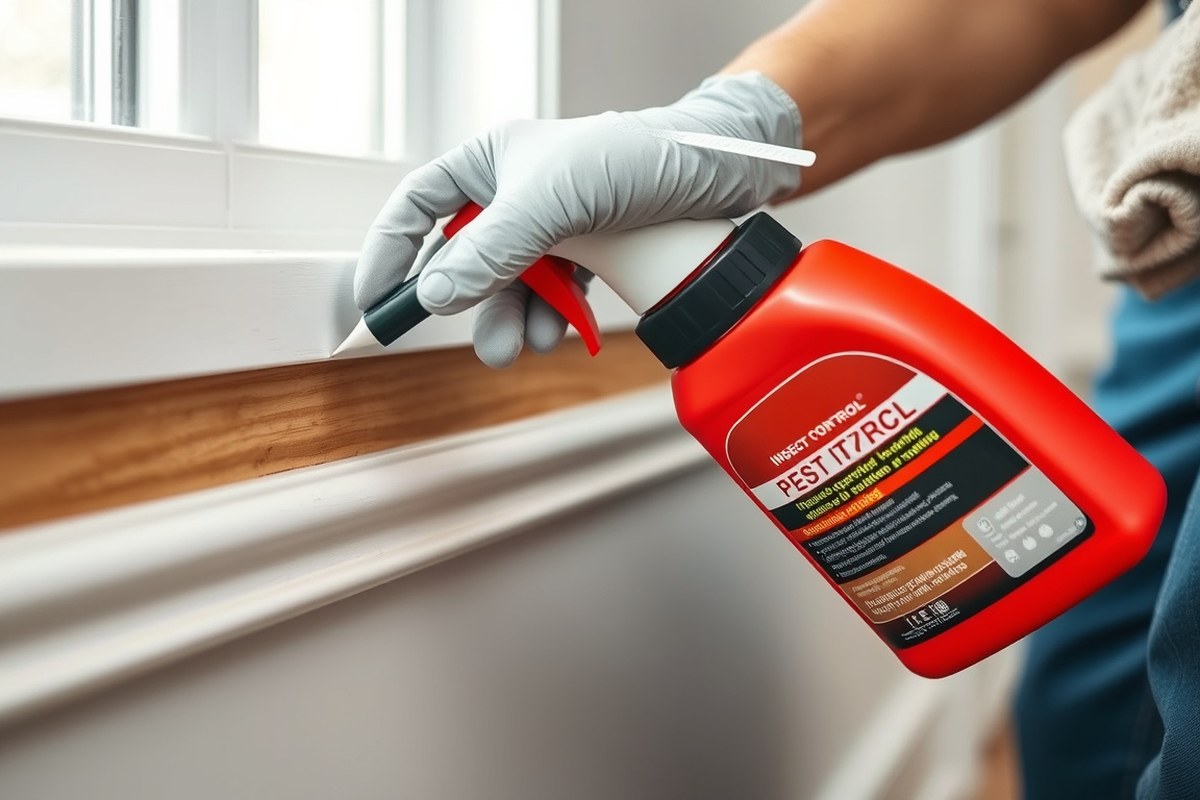
What Is IGR in Pest Control? A Complete Guide with Proven Tips
Insect Growth Regulators (IGRs) are specialized pest control products that interfere with insect development, preventing pests from reaching maturity or reproducing. They work by disrupting hormone systems or chitin production, offering a long-term solution rather than immediate kill. Knowing what is IGR in pest control helps you target specific stages of pests like larvae or eggs, reducing infestations effectively while minimizing chemical use.
This information suits homeowners, pest management professionals, and anyone facing persistent insect problems. You’ll find clear explanations of different IGR types, application tips, safety considerations, and how to combine IGRs with other methods for better results. Understanding these factors helps you optimize pest control with fewer callbacks and lower environmental impact.
Key Takeaways
- Insect Growth Regulators disrupt insect development by targeting eggs and larvae, preventing maturation to adulthood rather than killing adults quickly.
- Methoprene and pyriproxyfen are common IGRs effective against mosquito larvae and approved by WHO for water treatment.
- IGRs work best on immature pest stages, such as eggs and larvae, but offer limited control over adult insects.
- Expect a slower kill time of 3 to 12 days with IGRs, requiring patience and follow-up monitoring for results.
- Apply IGRs carefully following label directions, targeting breeding sites and known pest habitats to maximize effectiveness.
- IGRs integrate well with biological controls and cause less environmental impact thanks to low mammalian toxicity.
What Is an Insect Growth Regulator and How It Works

An Insect Growth Regulator (IGR) is a specialized type of pesticide designed to disrupt the life cycle of insects rather than killing them instantly. Unlike traditional insecticides that primarily target adult insects, IGRs interfere with the development stages of pests such as eggs, larvae, or pupae. By interrupting growth and reproduction, IGRs reduce pest populations over time and help prevent future infestations.
IGRs work by mimicking or blocking the hormones that control insect development. One mechanism involves imitating the insect’s natural growth hormones, causing immature insects to prematurely develop into adult forms that are sterile or nonviable. Another common method blocks the production of chitin, the essential component of an insect’s exoskeleton. Without proper exoskeleton formation, insects fail to molt successfully and die before reaching maturity.
Using IGRs involves treating areas where immature pests live, such as cracks, crevices, or breeding sites, because the product targets early life stages. Applying IGRs requires patience, since effects build gradually; it can take several weeks to see noticeable population declines. This approach is most effective in combination with adult-targeting insecticides, providing both immediate and lasting control. The cost of IGR products varies, but their long-lasting residual activity and safety profile often justify the investment, especially in situations where pests hide in hard-to-reach places.
Good results happen when the IGR application matches the pest biology and environment. For example, fly control in animal production facilities benefits from IGRs like NyGuard, which disrupts immature stages in manure or bedding. Stored product pests also can be managed by targeting larvae before infestation becomes severe. Monitoring pest life stages helps determine the ideal timing and frequency of IGR treatments, ensuring they interrupt reproduction and prevent new pests from developing.
Problems arise if IGRs are applied incorrectly or without integrating other control methods. For instance, applying IGRs only once or targeting the wrong life stage may delay pest reduction and frustrate homeowners or pest managers. Also, since IGRs do not kill adults immediately, you might see adult insects present for some time after treatment. Maintaining realistic expectations about the action speed and combining IGRs with standard insecticides results in more reliable pest control outcomes.
Types of IGRs and Differences in Their Modes of Action

There are two main types of insect growth regulators (IGRs): juvenile hormone analogs and chitin synthesis inhibitors. These IGRs differ in their modes of action and the stages of insect development they affect. Understanding these differences helps you choose the right product for targeting specific pests and their life stages.
Juvenile Hormone Analogs Explained
Juvenile hormone analogs, also called juvenile hormone mimics or juvenoids, imitate the natural juvenile hormone in insects. This hormone is important for controlling metamorphosis and moulting. By mimicking this hormone, these IGRs disrupt the normal moulting process, which prevents insects from developing into fertile adults.
Because of this interference, juvenile hormone analogs limit reproduction and slow the population growth of pests. They mainly affect immature insects before they reach adulthood, so the treated population gradually declines as new generations fail to mature. This mode of action is especially effective for long-term pest control, as it stops reinfestation at the source.
Chitin Synthesis Inhibitors and Their Role
Chitin synthesis inhibitors work differently by preventing insects from forming chitin, a key component of their exoskeleton. Without proper chitin production, insects cannot complete moulting, which results in death during the transition between life stages.
The main group of chitin synthesis inhibitors is benzoylureas (BPUs), such as diflubenzuron, introduced in the 1970s. These chemicals directly disrupt the structural development of immature insects rather than affecting hormones or reproduction. As a result, the insects fail to progress to the next stage and die before becoming adults.
Comparing Target Stages and Pests Controlled
The choice between juvenile hormone analogs and chitin synthesis inhibitors depends on the type of pest, the life stages you want to target, and the treatment goals. Below is a table summarizing their differences and typical uses.
| IGR Type | Mode of Action | Primary Effect | Typical Insects Targeted | Stage Targeted | Speed of Kill |
|---|---|---|---|---|---|
| Juvenile Hormone Analogs (Juvenoids) | Mimic juvenile hormone to disrupt moulting and metamorphosis | Blocks adult development and reproduction | Fleas, cockroaches, mosquitoes | Immature stages (larvae, nymphs) | Slow (gradual population decline) |
| Chitin Synthesis Inhibitors (BPUs) | Inhibit chitin formation, preventing exoskeleton formation | Kills during moulting stage | Fleas, mosquito larvae, other immature insects | Immature stages (larvae, nymphs) | Moderate (kills on moulting) |
Using the right IGR according to the pest species and life stage ensures better long-term control. Juvenile hormone analogs are preferred when you want to suppress reproduction over time, while chitin synthesis inhibitors provide quicker mortality by disrupting exoskeleton development.
Tip: Combine IGRs with approved adulticides to tackle adult insects while controlling immature stages for more effective pest management indoors and outdoors.
Pests and Life Stages Effectively Targeted by IGRs
Insect growth regulators target immature stages of various insect pests rather than the adults. These compounds disrupt the insects’ normal development, preventing larvae or pupae from maturing into reproductive adults. Because of this mode of action, IGRs do not kill adult insects quickly or directly. Instead, they reduce pest populations gradually by stopping new generations from emerging.
Many IGR products are designed to be used alongside adulticides, which kill adult insects. Using these two types together ensures immediate knockdown of adults and long-term prevention of reinfestation by immature stages. Applying an IGR alone can slow down population growth, but combining it with an adulticide provides more complete control. Common pests controlled by IGRs include those that pose problems during their immature stages such as larvae or nymphs. Below is a list of examples illustrating which pests and life stages respond well to IGR treatment:
- Fleas, target eggs, larvae, and pupae to stop adult flea emergence
- Cockroaches, disrupt molting in nymph stages before they become adults
- Mosquitoes, interfere with larvae maturation in standing water
- Houseflies, prevent pupae from developing into flying adults
- Stored product pests, stop immature beetles or moth larvae from developing
- Termites, halt development of immature castes, preventing colony growth
Using IGRs effectively means focusing treatment in areas where immature insects live and develop, such as cracks, crevices, or standing water sources. Since IGRs do not provide immediate kills, you will not see quick pest drop-offs like with adulticides. Instead, expect a reduction in pest numbers over days or weeks as immature insects fail to mature and reproduce.
Applying more IGR than recommended does not increase effectiveness and will not kill adult pests. The key is to maintain proper, consistent applications targeting immature stages. Combining IGRs with adulticides is important if you need to reduce active adult pest populations quickly while preventing future outbreaks.
Using IGRs: Application Guidelines and Best Practices
Applying insect growth regulators effectively requires careful preparation, accurate application, and often combining them with adulticides to control both immature and adult pest stages. Target typical infestation sites like cracks, crevices, and breeding areas to interrupt pest development and reduce populations over time.
Preparing the Area for Treatment
Clear the site of clutter and debris to access hidden pest habitats where IGRs will be most effective. Focus on areas where pests lay eggs or develop, such as baseboards, sinks, drains, and under appliances. Remove pets temporarily from the treatment zone to avoid contact with chemicals and prevent contamination of pet bedding or food.
Ensure thorough cleaning of floors and surfaces to eliminate food residues that attract pests. Dry the treated areas if labeled instructions specify treating dry surfaces. Read the product label carefully to confirm any specific preparation requirements that improve product performance.
Applying IGR Products Correctly
Follow these steps to apply IGRs properly and maximize pest control impact. Precision and coverage of breeding and resting sites drive the success of these treatments.
- Read the entire product label to understand application rates, target pests, and safety guidelines.
- Choose the appropriate formulation (spray, bait, or dust) based on the pest and treatment location.
- Apply the IGR concentrate or ready-to-use product to cracks, crevices, baseboards, and other pest harborages where immature stages develop.
- Focus on areas like drains, garbage disposals, and animal resting places for pests like flies or cockroaches.
- Avoid over-application that can increase costs and create unwanted residues; stick to label rate recommendations.
- Allow treated surfaces to dry fully before allowing people or pets to return to the area.
- Repeat applications according to the label schedule to break the pest lifecycle and build cumulative control.
Cost varies with home size and infestation, and professional application may improve thoroughness for larger or heavily infested premises. Some products, such as feed-through IGRs used in livestock pest control, require administration through animal feed to disrupt larval stages.
Combining IGRs with Adulticides for Maximum Effectiveness
Using IGRs alone slows pest population growth but does not immediately reduce adult insects. For faster, more complete control, apply an adulticide simultaneously with the IGR. This approach kills adults on contact while preventing the development of new larvae, pupae, or eggs.
Many pest control companies pair IGRs with contact insecticides, especially when treating cockroaches, flies, fleas, or bed bugs. Proper mixing and following product compatibility guidelines are essential to avoid reducing the efficacy of either product.
Consult product labels or a professional to select adulticides that complement the IGR’s mode of action for your specific pest problem. This combination addresses both immediate pest pressure and long-term population control.
Safety Precautions During Application
Always wear appropriate personal protective equipment according to label instructions, such as gloves, masks, and eye protection. Avoid breathing in sprays or dusts and minimize skin contact. Keep children, pets, and food items away from treated areas during and immediately after application.
Ventilate enclosed spaces well if treatments are indoors. Do not eat, drink, or smoke while applying any pesticide product. Dispose of empty containers or leftover materials safely, following local regulations and label directions.
Because IGRs can persist and affect non-target insects if misused, use only in recommended areas and amounts. Seek professional assistance or advice when uncertain about safe application practices, especially in homes with vulnerable individuals or sensitive environments.
Effectiveness Timeline and Residual Activity of IGRs
Insect growth regulators do not kill insects immediately but interrupt their development, so results take longer to appear than with traditional pesticides. You can expect to notice effects within days or weeks, depending on the pest species and the life stages involved. For example, juvenile mimics often require several weeks to show a reduction in populations as immature pests fail to mature or reproduce. Achieving full control with IGRs alone may take months because you are preventing new generations rather than eliminating existing adults.
The residual effectiveness of IGRs typically lasts up to four months indoors. These products have good residual activity since they are non-repellant and stay active on treated surfaces for an extended period. This means you do not need to reapply as frequently as conventional insecticides. However, the exact duration depends on factors like surface type, cleaning frequency, and pest pressure. Persistent reinfestations or visible signs of pest activity may indicate the need for retreatment.
Retreatment timing should be based on monitoring pest populations and the strength of residual activity. Many pest management professionals recommend reapplication every three to four months for ongoing control. If you observe about 80 percent of trapped pests showing deformities caused by IGR exposure, such as twisted wings in cockroaches, retreatment is usually unnecessary at that time. Monitoring is key to avoid unnecessary treatments and to ensure you maintain control over pest populations.
Using IGRs is often more effective when combined with faster-acting methods, as relying solely on IGRs can delay noticeable results. Hiring a pest control professional to identify pest presence and assess control progress can save time and ensure proper timing for reapplication. Effective use requires patience since IGRs interrupt life cycles rather than killing pests outright. For long-term success, apply IGRs according to label instructions and your local pest biology.
Consistently monitor your pest traps for signs of IGR effects before deciding to retreat; an 80% incidence of growth deformities often signals effective control without immediate reapplication.
Safety, Environmental Impact, and Toxicity of IGRs
Insect growth regulators (IGRs) generally have low toxicity to people, pets, and other non-target animals compared to traditional insecticides. This advantage stems from their mode of action, which targets specific hormonal systems involved in insect development, processes that mammals, birds, and fish do not share. Because IGRs disrupt insect metamorphosis rather than causing outright death, they minimize direct risks to humans and animals in the treated environment.
IGRs can be safely applied near food preparation areas, hospitals, nursing homes, and daycare centers. Their reduced risk label by the EPA reflects their relatively benign profile when used according to label instructions. However, usage requires adherence to guidelines to avoid contamination or unintended exposure. For instance, you should avoid applying IGRs directly on food and always follow product-specific waiting times before entering treated areas. When pets are present, keeping them away from application zones until residues dry can help mitigate any minor risks.
Compared to conventional pesticides, IGRs have a smaller environmental footprint. Traditional insecticides often kill a broad range of insects and can harm beneficial species, including pollinators and natural predators. IGRs selectively interfere with pest insect growth, reducing the likelihood of harming non-target organisms. Also, their low mammalian and environmental toxicity reduces the risk of contaminating soil and water. This property supports the decreasing trend in pesticide use driven by environmental and safety restrictions.
When applying IGRs, keep in mind that many products have residual activity lasting weeks or months, which helps prevent reinfestation with fewer treatments. It’s important to integrate IGRs into your pest management plan carefully rather than relying on them alone. Combining them with targeted mechanical controls or reduced-risk insecticides can optimize pest control while maintaining safety and environmental protection.
Potential drawbacks include varying toxicity levels across different IGR classes and individual compounds. For example, benzoylureas exhibit low mammalian toxicity but vary in environmental persistence. Assessing the specific IGR product’s label and safety data sheet is essential to understand any unique hazards.
Overall, IGRs offer a safer alternative to conventional insecticides where human and pet safety or environmental impact is a concern. Proper application, compliance with labeled instructions, and consideration of site-specific factors will help you capitalize on these benefits while effectively managing pest populations.
Common Mistakes with IGR Use and How to Avoid Them
Expecting immediate kills when using insect growth regulators (IGRs) is a common mistake. Unlike traditional insecticides, IGRs work by disrupting the pest’s development cycle, which means you won’t see dead insects right away. This delayed effect stresses the importance of patience and monitoring immature stages rather than adult pests.
Another frequent error is applying IGRs in the wrong locations. Most pest infestations concentrate within 8 feet of where people sleep or spend the most time. Successful treatment requires targeting these hotspots, such as cracks, crevices, mattress seams, and baseboards. Neglecting these key hiding spots reduces the effectiveness of the IGR and allows the pest population to persist.
Skipping scheduled retreatments also undermines control efforts. IGRs need time to impact multiple pest generations, so following up every few weeks according to label instructions is important. Missing retreatments allows newly hatched pests to mature and reproduce.
- Apply IGRs along baseboards, bed frames, and furniture seams within 8 feet of sleeping areas
- Combine IGRs with a fast-acting insecticide to reduce visible adults quickly
- Follow label directions for retreatment intervals, usually every 2-4 weeks
- Look for decreased numbers of nymphs or larvae rather than immediate dead adults
- Keep monitoring treated areas for live pests or signs of new infestations
- Consider professional heat treatment as a complement for heavy infestations
You can tell if an IGR treatment is working by tracking pest life stages over time. A drop in the number of nymphs or larvae signals the IGR’s disruption of the growth cycle. Adults may still be present for several days or weeks because the treatment doesn’t kill them outright. Consistent reduction in new immature pests after retreatments confirms progress. If the population remains stable or grows, revisit your application sites to improve coverage or consider adding other control methods.
Careful application, realistic expectations, and persistence in retreatments are key. Incorrect application or impatience often leads to poor results despite using an effective product. By focusing treatment where pests hide, understanding the delayed action of IGRs, and maintaining regular follow-ups, you improve your chance of successfully managing infestations with minimal repeated exposure to harsher insecticides.
Integrating IGRs into complete Pest Management Plans
Integrating insect growth regulators (IGRs) into your pest control plan improve effectiveness when combined with other methods like biological agents and adulticides. This approach aligns well with integrated pest management (IPM), which emphasizes using multiple tactics tailored to pest biology, seasonal patterns, and regional conditions. Properly combining these tools limits resistance development and maximizes long-term control.
Combining IGRs with Biological and Chemical Controls
IGRs target immature insects by disrupting their development, but they don’t kill adult pests directly. Pairing IGRs with adulticides or biological controls helps achieve rapid knockdown while preventing new generations from emerging. Biological controls such as predatory insects or parasites can complement IGRs by naturally reducing pest populations without chemical residues.
Choosing the right adulticide is critical; it should be compatible and applied to minimize negative effects on beneficial organisms if using biological controls. Combination products containing both IGRs and adulticides offer convenience but may require careful timing to maintain efficacy. For example, applying an IGR in a cockroach infestation with a fast-acting adulticide shortens the time to population decline and reduces reinfestation risks.
Managing Resistance Risks
Insects can develop resistance to IGRs, especially with repeated use of the same chemical class. To manage this, rotate IGRs with different modes of action and integrate them into a package of control measures instead of relying solely on them. Monitoring pest populations for signs of resistance is important and should inform adjustments to your treatment plan.
Using IGRs alongside non-chemical controls reduces selection pressure and extends product effectiveness. For instance, combining IGRs with sanitation efforts and exclusion reduces pest breeding sites and slows resistance buildup. Educating customers that IGRs work over weeks, not immediately, sets realistic expectations and encourages patience to see results.
Seasonal and Regional Application Tips
Season and location influence both pest activity and treatment success. In warmer climates or seasons, pests develop faster, shortening the time between generations. This can make IGR treatments more effective since they interrupt rapid life cycles but may require more frequent applications to cover continuous breeding.
In colder or temperate regions during low pest activity periods, IGR applications may have slower visible effects and might be timed to precede peak seasons. Regional pest species also differ in susceptibility to certain IGRs, so knowing local pest biology helps select the appropriate active ingredients and application schedules.
Integrating IGRs into IPM Strategies
IPM focuses on combining cultural, biological, and chemical tactics to manage pests sustainably. Adding IGRs helps reduce reliance on broad-spectrum adulticides and supports longer-term population suppression through reproductive disruption. Prioritize prevention through sanitation and exclusion, then apply IGRs targeted at immature stages linked with spot treatments of adulticides as needed.
A decision checklist for integrating IGRs into your IPM plan includes assessing pest species and life stages present, choosing compatible adulticides or biological agents, scheduling applications to match pest cycles, and monitoring treatment effectiveness regularly to adapt tactics. This complete approach increases control success while reducing environmental impact and resistance risks.
Explain to customers that after applying IGRs, they may still see adult pests for several weeks before population declines become noticeable.
Step-by-Step Action Plan for Using IGRs in Pest Control
Follow this plan to apply insect growth regulators effectively and safely in your pest control efforts. Each step helps you build confidence and see results.
- Before you start: Choose the right IGR product based on the pest type and life stage you want to control. Check the product label for target insects and application instructions to ensure proper use.
- Day 1: Prepare the treatment area by cleaning surfaces to remove debris and pests’ hiding spots. Apply the IGR according to label directions, focusing on areas where immature pests develop, like cracks or breeding sites.
- Within 1 week: Monitor the treated area for a decrease in immature insects such as larvae or nymphs. This shows the IGR is disrupting pest development as intended.
- After 2 weeks: Inspect for a drop in newly emerging adult pests. Effective IGR use results in fewer appearances of mature insects due to interrupted growth cycles.
- Week 3 to 4: Reapply the IGR if label guidelines suggest and if immature stages persist. Continuous treatment may be necessary due to the IGR’s mode of action and residual activity lasting from weeks to months.
- Throughout treatment: Use IGRs as part of a complete pest management plan including sanitation, exclusion, and conventional insecticides if needed. This integrated approach improves effectiveness and reduces resistance risk.
- Ongoing safety check: Avoid applying IGRs in a way that contaminates food, water, or non-target organisms. Follow all safety precautions on the label, and wear protective gear to minimize exposure.
- After 1 month: Evaluate overall pest levels. If pest populations remain high or rebound, reconsider your product choice, application method, or consult a professional for integrated strategies.
Frequently Asked Questions
Is IGR Toxic to Humans?
IGRs generally have low toxicity to humans as they target insect development processes. Still, use them according to label instructions to avoid irritation or accidental exposure.
What Are the Downsides of Using Insect Growth Regulators?
IGRs work slowly because they disrupt insect development over time, so immediate pest removal is unlikely. Combining them with other treatments improves overall effectiveness.
Does IGR Really Work?
Yes, IGRs effectively control pest populations by preventing insects from maturing and reproducing. Consistent application across the pest lifecycle is key for success.
What Products Are IGR?
Common IGR products include benzoylureas like diflubenzuron and flufenoxuron, used in treatments against fleas, flies, and other pests. Check labels for active ingredients.
Quick Solutions: What Are Insect Growth Regulators?
IGRs are chemicals that interfere with insect growth stages to stop reproduction and reduce infestation over time.
Can I Use IGRs Alone for Pest Control?
IGRs are best combined with other methods for immediate and lasting pest management results.
The Bottom Line
Insect Growth Regulators offer a targeted way to control pests by disrupting their development, making them a valuable part of your pest management toolkit. To make the most of IGRs, start by identifying the specific pest and its life stage you want to manage before choosing the right product. Applying an IGR according to label instructions today can help prevent infestations from becoming a bigger problem tomorrow.