What Do Pest Control Companies Use for Bed Bugs? 8 Proven Methods Explained
Pest control companies use a mix of chemical treatments, heat treatments, steam, and sometimes freezing methods to tackle bed bugs effectively. They combine these approaches with thorough inspections and follow-up services to ensure the pests are fully eliminated. These proven methods vary in cost, duration, and application depending on the severity of the infestation and the property type.
This information is useful for homeowners, renters, property managers, and hospitality professionals seeking clear answers about professional bed bug control. You will learn the common techniques experts use, safety precautions for children and pets, how to prepare your space, and what to expect after treatment. Understanding these factors helps you make informed decisions when addressing bed bug problems.
Key Takeaways
- Pest control companies use integrated treatments including chemical insecticides, heat treatments, and steam to effectively eliminate bed bugs.
- Professionals carefully select treatments to minimize risks to children, pets, and homeowners, following safety guidelines and label instructions.
- Preparing your home by decluttering, laundering bedding, and vacuuming improves treatment effectiveness and speeds up bed bug elimination.
- Heat treatments often cost more but provide faster results, while chemical treatments vary in price and may require multiple sessions.
- Technicians conduct thorough inspections using visual checks and detection tools to confirm bed bug presence before starting treatment.
- After treatment, look for fewer bites and live bugs; persistent signs may require follow-up or alternative strategies.
1. What Methods and Products Do Pest Control Companies Use for Bed Bugs?
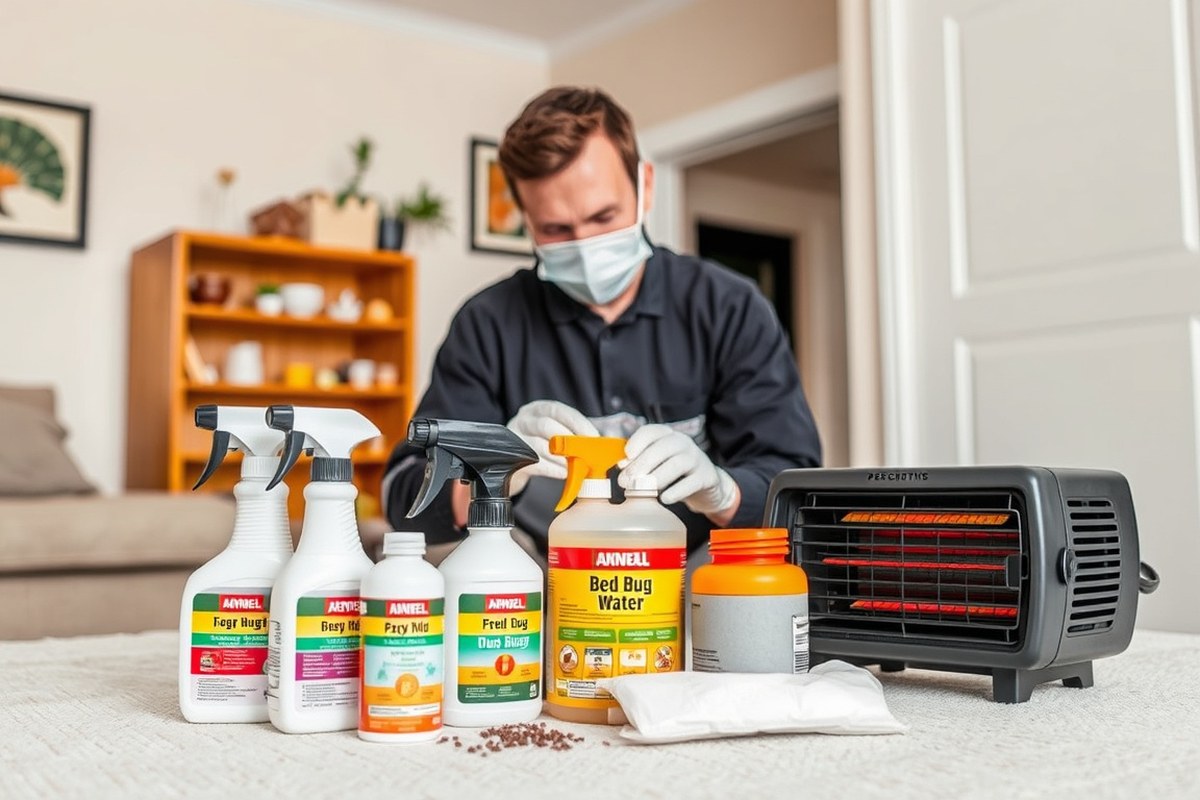
Pest control companies commonly use a mix of chemical and non-chemical methods to treat bed bug infestations. Chemical treatments typically involve insecticides, while non-chemical options include heat, steam, and freezing techniques. Technicians bring specialized equipment tailored to these various approaches to ensure effective control of bed bugs.
Chemical treatments often rely on insecticides such as pyrethroids, neonicotinoids, and desiccants. Pyrethroids disrupt the nervous system of bed bugs, making these products common but sometimes less effective where bed bugs have developed resistance. Neonicotinoids target the bugs’ nicotinic acetylcholine receptors, offering a different mode of action to address resistant populations. Desiccants like silica gel or diatomaceous earth work by damaging the waxy outer layer of bed bugs, causing dehydration and death. Applying these insecticides requires careful precision to avoid gaps where bed bugs can hide and to minimize exposure to people and pets.
Non-chemical methods help reduce insecticide use, especially in sensitive environments like hotels or homes with children or pets. Heat treatment is widely used; pest control specialists raise room temperatures to 120°F to 135°F and maintain it for several hours to kill all life stages of bed bugs. Steam treatment applies hot steam directly to infested areas such as mattress seams, bed frames, and furniture, rapidly killing bugs on contact. Freezing treatments, though less common in professional settings, involve exposing items to temperatures below 0°F for multiple days to destroy bed bugs and their eggs. Technicians typically bring several tools and devices, including:
- Liquid insecticide sprayers and dust applicators
- Portable heaters and temperature monitors for heat treatment
- High-pressure steamers
- Detection tools such as interception devices or bed bug sniffing dogs (used in inspection stages)
Here is a step-by-step outline of a typical bed bug treatment process that pest control companies follow, indicating both chemical and non-chemical applications:
- Inspect and identify, Locate infestation hotspots to target treatment accurately, focusing on beds, furniture, and cracks.
- Prepare the site, Remove clutter, wash bedding, and vacuum to reduce bed bug populations and expose hiding spots.
- Apply chemical treatments, Use appropriate insecticides, selecting products based on infestation severity and resistance patterns.
- Use heat or steam treatments, Treat infested areas by heating rooms or steaming furniture and mattresses to kill bed bugs without chemicals.
- Vacuum immediately after steam or insecticide application, Remove dead bugs and eggs to prevent reinfestation.
- Deploy interceptors or monitors, Place traps under bed legs or furniture to detect and reduce residual bed bug activity.
- Schedule follow-up visits, Inspect treated areas after one to two weeks, retreating if live bed bugs remain.
| Method | Description | Typical Equipment | Advantages | Limitations |
|---|---|---|---|---|
| Chemical Treatments | Insecticide sprays, dusts, and residual treatments targeting bed bugs | Sprayers, dust applicators | Effective in many settings; can reach hidden areas when applied correctly | Potential resistance and health concerns if misapplied |
| Heat Treatment | Raising room or space temperature to lethal levels for bugs | Portable heaters, temperature sensors | Kills all bed bug life stages; chemical-free | Costly and requires vacating premises during treatment |
| Steam Treatment | Applying hot steam directly to infested surfaces | High-pressure steamers | Immediate kill on contact; useful for targeted areas | Labor-intensive and less effective on large or hidden infestations |
| Freezing | Exposing items to freezing temperatures below 0°F | Freezers or dry ice containers (less common) | Non-toxic and safe for personal items | Limited to small items; long exposure times required |
2. Safety and Health Concerns for Children, Pets, and Homeowners

Using pesticides for bed bug control raises valid concerns about safety, especially in homes with children and pets. Professionals choose products approved for indoor residential use and apply them precisely to minimize exposure. These pesticides often have low toxicity when used correctly, but you should expect a restricted period before reentry to avoid inhaling residues or touch contact with treated surfaces.
Pest control companies follow steps to protect everyone during and after treatment. Before applying any chemical, they inspect and target specific bed bug hiding spots to reduce pesticide use and limit spread. Technicians advise removing or covering toys, pet dishes, and food items. After treatment, you should stay out of the home for the time recommended on the product label, usually between 2 and 24 hours depending on the chemical used. Ventilating the space thoroughly upon return further lowers any residual risk.
Here’s a safety checklist to follow around pesticide-based bed bug treatments: keep children and pets away from the property during treatment; remove or cover bedding, stuffed animals, and pet areas; wash all bedding and clothing in hot water soon after treatment; ensure good ventilation when re-entering; and avoid direct skin contact with treated surfaces for several days afterward. This routine helps prevent accidental pesticide ingestion or skin irritation.
Costs generally involve time and effort rather than extra fees, as these precautions are part of standard professional practice. You might need to arrange temporary housing or pet care if your landlord or pest control company advises staying away longer than a day. The goal is to keep your living environment healthy and prevent unintended pesticide exposure.
Problems arise if instructions are not followed closely. Early reentry or contact with untreated clothing and bedding left in the home can cause pesticide reactions in sensitive individuals or pets. In poorly ventilated homes, certain chemicals might linger longer, creating higher exposure risks. Always ask your pest control provider about specific products and safety measures they use so you can prepare properly.
Keep children and pets completely out of the treated area until your pest control professional confirms it’s safe to return, even if that means arranging a temporary place to stay.
3. How to Prepare Your Home for Professional Bed Bug Treatment
Getting your home ready for professional bed bug treatment involves several practical steps that make the process more effective and safer. Proper preparation supports thorough pest control by exposing bed bugs hiding in furniture, luggage, and clothing, while protecting your belongings. The specific prep varies by treatment type but typically includes cleaning, decluttering, and strategic item handling.
Preparing for Chemical Treatments
Chemical treatments depend on direct contact with bed bugs and infested areas, so reducing clutter gives pest control experts clear access to surfaces and cracks where bed bugs hide. You’ll need to focus on laundering fabrics and carefully moving furniture to reveal sleeping areas. Also, limiting access to fragile items or electronics prevents damage.
- Vacuum floors, mattresses, and furniture thoroughly before treatment
- Wash bed linens, curtains, and clothing in hot water and dry on high heat
- Empty and declutter mattresses, box springs, bed frames, and nightstands
- Move beds away from walls and ensure they are accessible on all sides
- Seal non-washable items in plastic bags to prevent contamination or retreatment delays
- Keep pets and children away from the treatment area during and after application as directed
- Remove or cover food, dishes, and utensils to avoid chemical contamination
Completing these steps takes several hours and may require multiple trips to wash and dry fabric items. Your pest control technician can advise on specific restrictions for your products. Proper preparation improves treatment reach and reduces the need for repeat visits.
Preparing for Heat and Steam Treatments
Heat treatments target all life stages of bed bugs by raising room temperature to lethal levels, which demands more open access and the removal of heat-sensitive items. Before treatment, clear furniture arrangement and minimize clutter in bedrooms and the surrounding rooms. The process usually requires being out of the home for a period during heating.
- Remove all pets, plants, and people from the building during heating
- Take out heat-sensitive electronic devices or wrap them carefully
- Clear floors and furniture surfaces to allow heat circulation
- Launder or bag clothing and bedding separately to avoid heat damage
- Empty closets and drawers to expose all hiding spots
- Use bed bug-proof mattress covers after treatment as recommended
Heat treatments generally last several hours, and you should plan around the time technicians give you for reentry. Decluttering and relocating belongings beforehand helps technicians focus on eliminating bed bugs without placing items at risk.
Special Preparation for Fumigation
Fumigation involves sealing the entire structure and filling it with a gas that permeates all rooms and cracks. It requires significant preparation since your home must be completely sealed and vacated for the duration of treatment. You’ll need to remove or protect items that could absorb gas or cause harm during the process.
- Vacate all residents, pets, and plants for the fumigation period (usually 24 to 72 hours)
- Remove food, medications, and any items that could react with fumigants
- Seal or store valuables, electronics, and porous materials per technician instructions
- Turn off pilot lights and gas appliances as needed
- Notify neighbors if recommended, according to local regulations
- Arrange for someone to monitor home reentry times and ventilation completion
Fumigation requires more coordination and may cost more due to preparation demands, but it kills bed bugs in a single treatment cycle. Skipping steps can result in ineffective treatment or safety hazards. Following pest control professionals’ detailed instructions ensures compliance and results.
4. Comparing Effectiveness, Cost, and Duration of Bed Bug Treatments
Heat treatments and chemical sprays each have distinct advantages when it comes to eliminating bed bugs, impacting their effectiveness, cost, and treatment duration. Heat treatments kill bed bugs by raising room temperatures between 120°F and 135°F, causing the bugs to die at all life stages quickly, often in a single session. Chemical sprays typically require multiple applications over several weeks as they target insects through direct contact or residual action, often necessitating repeat visits to ensure full eradication.
| Treatment Method | Effectiveness | Typical Number of Treatments | Duration per Treatment | Cost Range (USD) | Pros | Cons |
|---|---|---|---|---|---|---|
| Heat Treatment | High, kills all life stages | 1 usually; occasionally 2 | 6-12 hours | $1,500 – $4,000 | Fast, chemical-free, no residue | Costly, requires vacating home, sensitive items can be damaged |
| Chemical Sprays | Moderate to High, depends on insecticide and resistance | 2-4 or more | 30 minutes to 1 hour per visit | $200 – $800 per treatment | Less expensive upfront, convenient scheduling | Repeated treatments needed, potential chemical exposure, resistance issues |
Heat treatments provide thorough eradication by exposing all bed bugs to lethal temperatures, which is critical for large or heavy infestations. This method is particularly effective because it penetrates furniture and cracks where sprays may fail. However, heat requires careful preparation, residents typically must vacate during treatment, and sensitive belongings like electronics or plants may require removal or protection.
Chemical sprays are often chosen for smaller infestations or when heat treatment is not practical. The insecticides work best combined with repeated visits to catch newly hatched bugs and those not exposed initially. Costs per treatment are lower, but the total can increase if multiple visits are required. Resistance to some chemicals can reduce effectiveness, so pest control companies may rotate products or combine sprays with other strategies.
The length of the entire treatment timeline varies. Heat treatments often conclude in one day, while chemical programs can span several weeks. Effective monitoring after treatments is key to confirm bed bugs are eliminated and to avoid reinfestation.
5. How Do Pest Control Companies Inspect and Confirm Bed Bug Infestations?
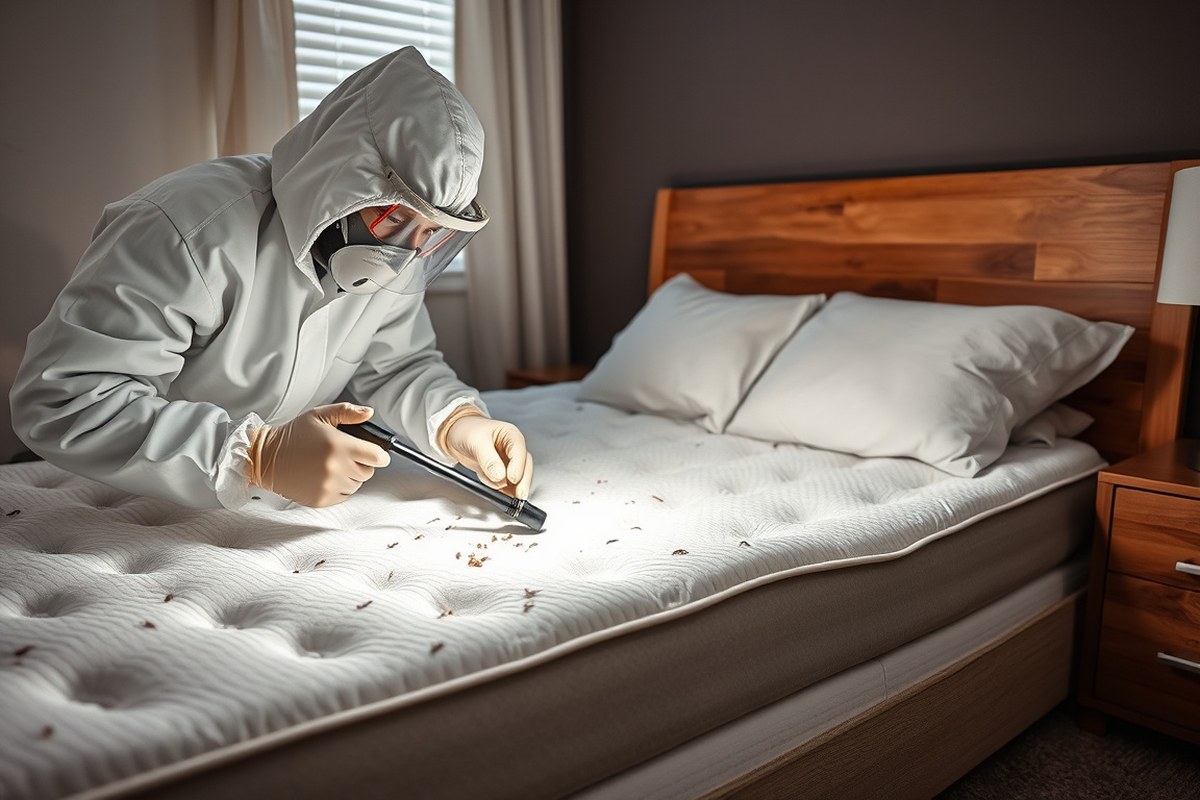
Before beginning any treatment for bed bugs, pest control companies carry out a thorough inspection to accurately identify the presence and scale of the infestation. This inspection is important because mistaking other insects or household signs for bed bugs can lead to unnecessary or ineffective treatments. Experienced technicians use a combination of visual checks and specialized tools to confirm the problem.
The process usually starts by interviewing you about where you have noticed bites or bed bugs, and the history of the problem. Technicians then carefully examine common bed bug hiding spots such as mattress seams, box springs, bed frames, headboards, baseboards, cracks in walls, and furniture joints. They look for live bugs, shed skins, eggs, and dark spots of bed bug feces. These signs confirm both current and past infestation levels.
To aid detection, many companies use tools like a flashlights and magnifying glasses to spot small evidence in hard-to-see places. Canines trained to detect bed bug scent are sometimes brought in for larger or harder-to-inspect properties. These dogs can improve detection accuracy but come at higher cost and may not be necessary for small-scale inspections.
The inspection typically takes between 30 minutes to two hours, depending on the size of the area and how cluttered it is. A complete inspection reports the infestation’s extent and location. This guides the treatment plan and helps technicians focus treatment efforts precisely where needed, which reduces wasted time and chemicals.
After inspection, technicians prepare a detailed report for you, often including photos or samples of evidence. If the inspection fails to find live bed bugs but some signs exist, they may set up interceptors, small traps placed under bed legs, to monitor for future activity. This ongoing monitoring ensures that hidden bugs are not missed.
Proper inspection also prevents common problems like failure to locate all infested areas, leading to re-infestation after treatment. In cases of heavy infestation or multi-unit buildings, inspectors might suggest inspecting adjoining rooms or units to check if bed bugs have spread. This step varies based on property type and client concerns.
Allow inspectors full access to bedrooms, living areas, and closets during the initial visit, restricted access can result in missed signs and delayed treatment.
6. Recognizing Success or Failure: Signs After Bed Bug Treatment
Signs that a bed bug treatment is working include a noticeable decrease in live bed bugs and fewer fresh bite marks on skin. You should start seeing fewer bugs within one to two weeks after the treatment, as it may take this long for the pesticides or heat treatment to eliminate the existing population. Dead bugs or shed skins found during inspections or cleaning are common early indicators that the control efforts are having an effect.
Failure signs include continued sightings of live bed bugs or fresh bites after two weeks. If bed bugs remain visible or if more bites appear, it may mean treatment did not fully reach all the hiding spots, or that the bugs have developed resistance. In these cases, follow-up action is necessary to prevent a larger infestation.
Follow-up inspections usually happen about one to two weeks after the initial treatment, depending on the treatment type used. Pest control professionals often schedule a second visit around this time to check for surviving bugs and to apply additional measures if needed. Heat treatments might require fewer follow-ups, while pesticide treatments often need multiple visits spaced weeks apart to catch late hatching bugs.
In situations where infestations are heavy or have been present for several months, expect to need more than one round of treatment. Property owners should keep beds away from walls and reduce clutter to make inspections more effective and help pest control professionals detect treatment success more easily. Regular monitoring with interceptors under bed legs or trap devices can catch any remaining bugs between visits.
Continued signs of bugs or bites beyond the typical two- to three-week window after treatment usually mean that additional pest control steps are needed. At this stage, consult your pest control provider about next steps, which could include repeating treatments, using a different method, or improving home preparation to make treatments more effective. Avoid delaying follow-ups, as unchecked bed bugs can rapidly repopulate.
Monitoring your progress also includes inspecting common bed bug hiding spots such as mattress seams, box springs, bed frames, and nearby furniture. Use a flashlight and a stiff card to check cracks and crevices for bugs or blood spots. Document your findings and share them with your pest control company to help tailor follow-up actions. This active involvement can improve treatment outcomes and help return your living space to bed bug-free faster.
7. How Pest Control Companies Address Bed Bug Resistance and Advanced Strategies
Pest control companies face challenges with bed bugs developing resistance to many common pesticides. To address this, professionals combine multiple tactics including integrated pest management and newer technologies. These strategies aim to improve treatment outcomes where traditional chemicals fall short.
Understanding Bed Bug Resistance
Bed bugs have developed resistance to several widely used pesticides, especially pyrethroids, which were once highly effective. Resistance occurs when genetic mutations in bed bugs reduce the toxic effects of chemicals, allowing some to survive and reproduce. This resistance forces pest control companies to adjust their treatment plans by rotating chemicals or using different modes of action to avoid repeated exposure to the same pesticide.
Resistance matters because repeated failures can lead to larger infestations and increased treatment costs. Professionals typically perform thorough inspections to assess severity and past treatment history before selecting products. They may combine insecticides with physical controls, like heat or steam, to reduce reliance on chemicals alone.
Integrated Pest Management (IPM) Approaches
Integrated pest management blends chemical, physical, and preventive methods for bed bug control. It starts with detailed inspection and monitoring to identify infestation spots and population levels. This data guides targeted treatment applications rather than blanket pesticide use.
Typical IPM steps include vacuuming, steam treatment, mattress encasements, and use of silica gel or diatomaceous earth dust along with selective pesticides. Professionals also educate residents on reducing clutter and sealing cracks to limit bed bug hiding spots. IPM reduces pesticide resistance risks by not relying on chemicals alone and helps ensure sustainable long-term control.
The cost of IPM varies but tends to be higher initially due to complete inspections and multiple techniques. However, its success rate is higher in persistent infestations compared to single-method approaches. Good results show no live bugs after follow-up inspections and minimal reinfestation. Poor results commonly happen when homeowners fail to comply with prep instructions or maintain clutter that shelters bugs.
Emerging Technologies in Bed Bug Control
Advanced technologies offer new options beyond traditional sprays. Heat treatments using specialized heaters raise room temperatures to levels lethal to all bed bug life stages, usually above 120°F (49°C), in a few hours. This chemical-free method overcomes resistance but requires sealing the structure and can cost $1,000 or more depending on property size.
Another option is cold treatment or cryonite, which uses carbon dioxide snow to freeze bed bugs on contact. This process is chemical-free and safe around electronics but works best in low-clutter, easily accessible areas. Monitoring devices such as electronic bed bug detectors improve early detection and reduce dependence on visual signs.
Combination protocols often pair these technologies with spot chemical treatments as part of complete pest management. Decision-making depends on infestation extent, property features, budget, and occupant health concerns. New methods show promise but are usually more expensive and require trained technicians to implement properly, so customers should weigh these factors when choosing professional services.
8. Guarantees, Follow-Up, and Additional Services from Pest Control Companies
Many pest control companies offer guarantees to back their bed bug treatments, but the terms vary widely. These guarantees often require specific preparation steps and may include scheduled follow-up visits to ensure lasting results. Asking the right questions before hiring helps you understand the scope, limitations, costs, and your role in the process.
Typical Guarantees and Their Conditions
Guarantees generally promise to eliminate bed bugs within a set timeframe, such as 30 to 90 days, with multiple treatments included if necessary. However, these warranties often depend on strict client compliance with preparation instructions and follow-up appointments. Some companies offer a money-back clause if the infestation persists after all agreed visits, while others extend free retreatments only.
Guarantees may be limited by factors such as the level of infestation, the type of treatment used, or the presence of untreated adjoining units in multi-family buildings. Companies usually require proof of ongoing cooperation, like laundering bedding or reducing clutter, to keep the guarantee valid.
Common Follow-Up Treatment Services
Follow-up treatments are important since bed bugs can hide in hard-to-reach spots and may require multiple applications to fully eradicate. Pest control providers typically schedule these after the initial treatment, often within 2 to 3 weeks, to catch any bed bugs that survived or hatched after the first round.
Ongoing prevention services might include routine inspections, monitoring with bed bug interceptors, or targeted spot treatments if signs reappear. These steps help detect re-infestations early and reduce the need for more extensive treatments later. Some companies offer maintenance contracts that include scheduled visits, giving property managers or homeowners peace of mind.
Key Questions to Ask Your Pest Control Provider
Knowing exactly what to ask ensures you select a service tailored to your needs. Here’s a checklist of questions to cover during your initial consultation or phone call:
- What does your bed bug treatment guarantee cover, and how long does it last?
- What preparation will you require from me before treatment?
- How many treatments do you usually recommend, and are follow-ups included?
- What are my responsibilities to maintain the guarantee (e.g., cleaning, laundering, clutter removal)?
- What is the total expected cost, including any fees for retreatments or follow-ups?
- Do you provide written documentation of treatment dates, chemicals used, and safety instructions?
- Can you provide references or reviews from previous customers?
These questions help you understand not only the upfront cost but also the long-term commitment required. Clarity upfront avoids surprises and helps you evaluate if the company’s approach fits your situation and budget.
Make sure any guarantee is detailed in writing, specifying what conditions you must meet and what happens if the infestation continues.
Step-by-Step Action Plan for Bed Bug Treatment
Follow this plan to handle bed bug infestations effectively by knowing what to expect and how to prepare for professional treatment.
- Before You Start: Inspect your living spaces carefully or hire a professional to confirm bed bug presence. Look for bite marks, shed skins, or live bugs near beds and furniture.
- 1 to 2 Days Before Treatment: Prepare your home by washing bedding and clothing in hot water and vacuuming all floors and furniture. This reduces clutter and improves treatment reach.
- Treatment Day: Allow the pest control company to apply their chosen methods, like heat treatments or approved insecticides, while following safety measures for children and pets. Avoid re-entering treated areas until advised.
- 1 Week After Treatment: Check bedrooms and living areas for any signs of bed bugs, such as new bites or spotting. Communicate promptly with the company if you notice any continued activity.
- 2 to 4 Weeks Post Treatment: If the infestation persists, arrange for follow-up treatments under any guarantees offered. Use mattress encasements and continue preventive cleaning.
- Ongoing Prevention: Monitor your home regularly to catch new infestations early. Keep clutter low and inspect used furniture or travel items to avoid future bed bug problems.
Frequently Asked Questions
What Chemicals Do Pest Control Companies Avoid When Treating Bed Bugs?
Pest control companies typically avoid chemicals harmful to children and pets, using EPA-approved insecticides with lower toxicity. They also prefer products with effective residual action to reduce repeated exposure needs.
How Often Do Pest Control Companies Retreat Homes for Bed Bugs?
Retreatments usually occur 7 to 14 days after the initial treatment to target newly hatched bed bugs not affected initially. Follow-up treatments depend on infestation severity and product used.
Can Pest Control Companies Treat Bed Bugs Without Pesticides?
Yes, many use heat treatments or steam, which kill bed bugs and eggs by raising the temperature above 120°F. Non-chemical methods reduce chemical exposure risks and can complement insecticides.
What Training and Certification Do Pest Control Technicians Have for Bed Bug Treatment?
Technicians typically complete state-required licensing and specialized training in bed bug biology and control techniques. Certification ensures safe and effective application and adherence to local regulations.
Do Pest Control Companies Offer Bed Bug Prevention Services?
Some companies provide monitoring devices and education on preventing infestations, including sealant applications and advice on reducing bed bug introduction risks. Prevention services help reduce future treatments.
How Do Companies Handle Bed Bug Infestations in Multi-Unit Buildings?
Professionals coordinate treatments building-wide to prevent reinfestation, often inspecting and treating multiple units simultaneously. They communicate with property managers for effective management.
Before You Go
Pest control companies use a variety of targeted methods and products designed to effectively eliminate bed bugs while considering health and safety. Scheduling a professional inspection can be your best first step to identify the extent of an infestation and get a treatment plan tailored to your situation. Acting quickly helps minimize the spread and improves the chances of successful eradication.