Does Pest Guard Really Work? What Science and Users Say About Its Effectiveness
Does Pest Guard really work? It can reduce certain pests by emitting high-frequency sounds that disrupt their behavior, but its effectiveness depends on the pest type, device placement, and home environment. Users often report mixed results, with some noticing fewer insects or rodents after a week, while others see little change. This device suits homeowners or renters seeking a chemical-free option and willing to combine it with other control methods for better results.
You’ll learn how Pest Guard’s technology targets specific pests like mosquitoes, cockroaches, and mice, what safety measures it follows for children and pets, and realistic timelines for results. Understanding common reasons why it might not work as expected will help you troubleshoot. You’ll also get a clear comparison with traditional and electronic pest control methods plus advice on costs, maintenance, and when to call a professional.
Key Takeaways
- Pest Guard uses ultrasonic waves to repel rodents and insects by disrupting their nervous systems, showing varied effectiveness by species.
- Effectiveness is highest against mice and rats, moderate for spiders and cockroaches, and limited for ants and bed bugs.
- Keep Pest Guard devices away from obstacles and walls for clear ultrasonic signal transmission to maximize pest deterrence.
- Pest Guard is generally safe for children, pets, and the environment, lacking chemicals or poisons commonly found in pesticides.
- Users typically see pest reduction within two to four weeks, with results depending on infestation severity and device placement.
- Common failure causes include device obstruction, targeting resistant pests, or severe infestations needing professional intervention.
Does Pest Guard Really Repel Pests Effectively? Evidence and User Insights
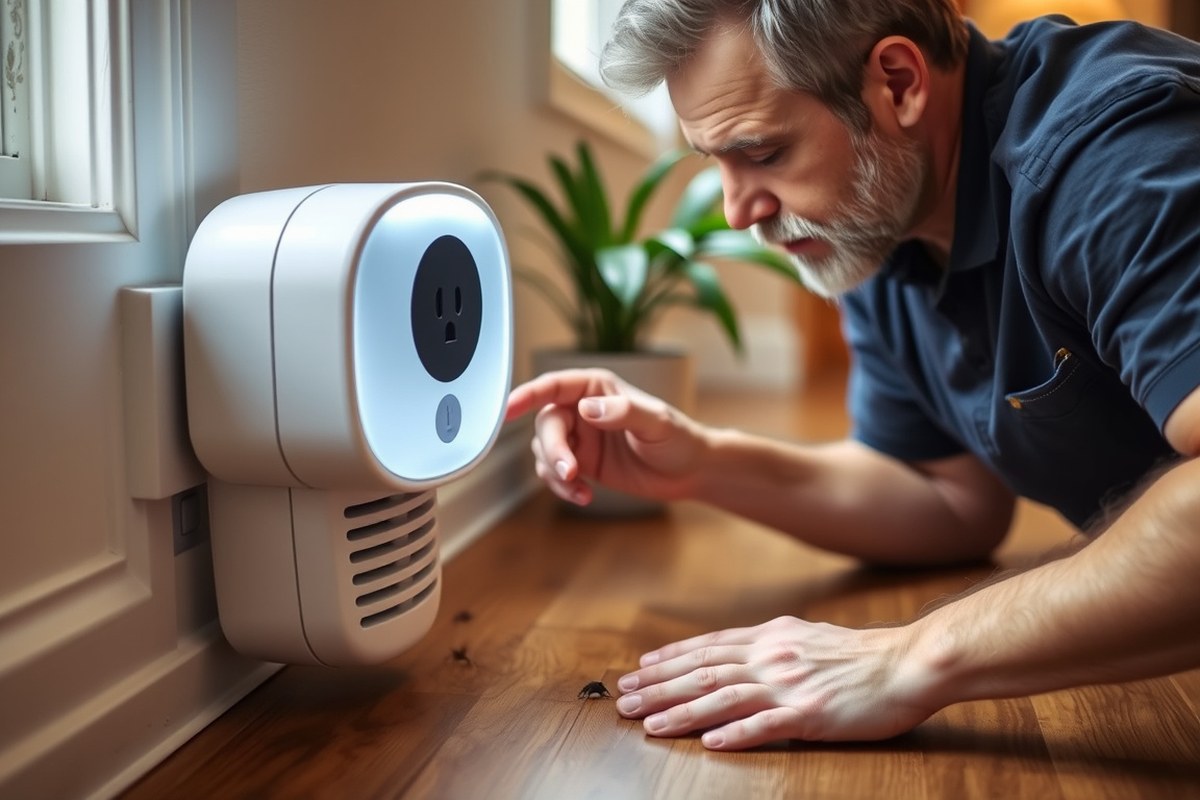
Pest Guard’s effectiveness in repelling pests is mixed based on scientific testing and user reports. Laboratory studies on electronic pest repellers similar to Pest Guard show inconsistent results, often depending on the pest species, device frequency range, and the environment where the device operates. Such studies frequently find that ultrasonic frequencies do not significantly reduce pest activity in controlled settings. This lack of consistent proof means that Pest Guard may not reliably prevent pests by itself in all situations.
User testimonials on Pest Guard vary widely. Some homeowners report fewer sightings of rodents or insects after using the unit continuously for several weeks, suggesting it may provide some level of deterrence. On the other hand, many users find no noticeable change, especially when facing heavier infestations or structural entry points that ultrasonic waves cannot reach. Verified reviews often mention that effectiveness improves when Pest Guard is part of a broader pest management plan, such as sealing cracks and keeping the area clean.
Experts generally caution that electronic repellents like Pest Guard should not be the sole method relied upon for pest control. Entomologists and pest control professionals advise using these devices as a supplementary measure rather than a replacement for traditional control techniques. They highlight that factors like room layout, furniture, and walls can block ultrasonic waves, reducing coverage area. Experts recommend consistent placement guidelines, such as plugging the device into uncovered outlets in common pest areas, running it 24/7 for weeks, and combining it with physical barriers or traps for better results.
Testing costs for devices like Pest Guard typically fall in a moderate range. The upfront price is reasonable compared to frequent chemical treatments, but users should expect to invest time monitoring pest activity and making adjustments. Realistic good results look like a gradual decrease in pest sightings over at least two to four weeks of continuous use. Poor results often stem from incorrect placement, pests already established deeply inside walls, or usage in large open or cluttered spaces where the ultrasonic signal cannot penetrate effectively.
The bottom line is that Pest Guard sometimes repels certain pests under ideal conditions but will not work equally well for all bugs or rodents. Its performance depends on how carefully you follow instructions, the specific pest issue, and environmental factors in your home. Users combining Pest Guard with standard cleanliness and prevention measures typically experience better outcomes than those relying on it alone.
How Pest Guard Technology Works to Deter Pests

Pest Guard uses ultrasonic and electromagnetic technology to deter pests by emitting signals that disrupt their normal behavior. These signals are designed to irritate or disorient pests, encouraging them to leave the area. Understanding how ultrasonic waves and electromagnetic signals work helps explain why these devices may or may not be effective in different settings.
Ultrasonic Waves: How They Affect Pests
Ultrasonic pest repellents emit sound waves at frequencies above 20,000 Hz, which humans cannot hear but can affect many pests like rodents and insects. The principle is that these high-frequency waves create an uncomfortable environment for pests, causing them to avoid the space covered by the device. Ultrasonic waves produce rapid pressure changes that can irritate the sensory organs of pests, disrupting communication, navigation, or feeding.
The effectiveness of ultrasonic waves depends largely on direct line-of-sight coverage. These waves do not pass well through walls, furniture, or other solid objects, limiting the area they influence. For example, a typical ultrasonic device might cover a room about 800 to 1,200 square feet if placed properly, but coverage can shrink drastically if furniture or walls block the sound. The waves also lose intensity with distance, so placing the device in a central location with few obstructions matters.
To maximize ultrasonic coverage, place the Pest Guard unit at a height of 3 to 6 feet away from large furniture and point it toward open spaces where pests are active.
Ultrasonic waves can cause pests to alter their activity patterns or leave, but results vary depending on species and environment. Pests can sometimes become accustomed to constant frequencies, so some devices use variable pulses or multiple frequencies to reduce habituation.
Electromagnetic Signals and Pest Behavior
Electromagnetic pest repellents operate by sending signals through a building’s electrical wiring. These signals generate changes in the electromagnetic field around wires that some pests find disturbing. Rodents, for instance, rely on environmental cues for navigation and shelter selection, which can be disrupted by fluctuating electromagnetic fields.
The signals travel through the wiring and can theoretically reach behind walls and inside cavities where pests hide. This penetration sets electromagnetic devices apart from purely ultrasonic models, which require more open space. However, the effectiveness depends on the wiring layout and the presence of pests in wired areas, pests outside the wiring system may not be affected.
Signal frequency and pattern play a role in disturbing pests. Many devices emit pulses intended to simulate warning signals or stressful stimuli that encourage pests to leave. Electromagnetic repellers work continuously as electricity runs through the wires but show mixed results depending on pest type and infestation extent.
Limitations of Electronic Pest Repellent Technology
Electronic repellents often face challenges that can reduce their effectiveness. Ultrasonic waves cannot penetrate solid barriers, so rooms separated by walls or dense objects may remain unaffected. This limitation requires multiple devices for larger or compartmentalized homes to create adequate coverage.
Electromagnetic devices rely on the building’s wiring configuration, which varies. In older or poorly grounded electrical systems, signals may weaken or fail to reach pest hiding spots. Also, pests that do not depend heavily on auditory or electromagnetic cues, such as ants or fleas, might ignore these signals.
Proper placement and realistic expectations are essential. These devices are best suited for mild infestations or as a preventive measure. Persistent infestations often require additional control methods. The cost of devices can range from $20 to $60 per unit, and buying multiple units to cover a large home can add up.
Do not expect electronic repellents to work well through thick walls or over multiple floors without additional units; physical barriers and pest species will affect their reach.
Which Pests Does Pest Guard Target and How Effective Is It for Each?
Pest Guard is designed to repel a variety of common household pests, including rodents, cockroaches, ants, spiders, and some other insects. Its effectiveness varies depending on the pest species and environmental conditions. Understanding how it performs against each pest helps you decide if it’s suitable for your situation and how to get the best results.
Rodents: Response to Pest Guard Signals
Pest Guard targets rodents like mice and rats by emitting ultrasonic signals meant to discomfort their hearing and nervous system. Rodents often react by avoiding areas within the signal range. However, effectiveness depends on factors like room layout, obstacles, and the severity of the infestation. Devices usually cover one room or 800 to 1,200 square feet in open spaces, so placement near entry points or suspected activity is important.
Users report mixed results with rodents. In small or early-stage infestations, effectiveness tends to be higher, especially if Pest Guard units are combined with sealing entry points and removing food sources. In larger infestations or multi-room situations without multiple units, rodents may ignore or become habituated to ultrasonic signals over time. The best practice is to use Pest Guard as one part of a complete control strategy, not as the only intervention.
Insects Including Cockroaches and Ants
Pest Guard claims to repel crawling insects such as cockroaches and ants by disturbing their sensory systems with the ultrasonic pulses. Cockroaches are less sensitive to ultrasonic devices than rodents, possibly because they rely heavily on chemical cues for navigation. Ant response can vary widely by species; some are deterred, while others show little reaction.
Effectiveness also depends on where the device is placed relative to insect hiding places. Pest Guard works best in dry, clutter-free areas that allow the signal to travel without many obstacles. Kitchens and bathrooms, common cockroach sites, often have hiding spots that block signals. For ants, keeping outdoor nests in view and placing devices near trails can help but likely requires complementary measures like baiting or physical removal.
Spiders and Other Common Household Pests
Spiders are included among the pests Pest Guard targets with ultrasonic signals that may stress or disorient them. However, scientific and user feedback suggests spiders are among the least affected pests by these devices. They often do not leave an area permanently because their behavior depends largely on prey availability rather than sound signals.
Other pests such as silverfish or earwigs are unlikely to be strongly influenced by ultrasonic pest control. Their navigation and behavior rely less on hearing and more on environmental factors like humidity and food sources. Pest Guard can help reduce some insect nuisance in small or isolated spaces, but it should not be the sole control method for persistent or severe infestations.
Safety of Pest Guard for Children, Pets, and the Environment
Pest Guard is generally safe for children, pets, and the environment because it relies on ultrasonic sound waves rather than chemicals or harmful radiation. It does not produce any toxic substances, so it avoids risks common to chemical pesticides. To use Pest Guard safely, you need to follow manufacturer guidelines, especially on placement and exposure time.
Human Safety and Radiation Concerns
Pest Guard emits ultrasonic sound waves well above the hearing range of humans, typically above 20 kHz, meaning it causes no direct harm to people. It does not emit ionizing radiation or electromagnetic fields strong enough to pose health risks. Devices like Pest Guard usually carry certifications from regulatory bodies such as the FCC, which ensures they meet safety and emissions standards for electronic devices.
This differs significantly from chemical pest control, where exposure to insecticides or rodenticides can affect human health through skin contact, inhalation, or ingestion. In contrast, Pest Guard avoids these chemical risks altogether. Still, placing the device where young children cannot tamper with it is a good precaution, as with any plugged-in electronic device, to avoid shocks or choking hazards.
Impact on Pets and Non-Target Animals
Pest Guard ultrasonic frequencies can be heard by some pets, especially dogs and cats, who might find the sound irritating or stressful. Small pets like rodents, hamsters, and gerbils can be particularly sensitive to these frequencies. Testing the device for a short period and observing your pets’ reactions is important. If you notice discomfort or unusual behavior, relocate the device or discontinue use around those animals.
Unlike chemical pest control methods, Pest Guard does not introduce poisons that pets might ingest or contact. Chemical treatments risk accidental poisoning, especially in curious or roaming pets. Ultrasonic devices avoid this but require attentiveness to your pet’s well-being to prevent unintended distress. Wildlife such as birds or beneficial insects are generally unaffected, as ultrasonic waves dissipate quickly and don’t penetrate walls well.
Environmental Considerations
Pest Guard poses fewer environmental risks than chemical pesticides because it uses no toxins, does not contaminate soil or water, and doesn’t produce bioaccumulative compounds. This makes it a safer option for those concerned about polluting their yard or garden. Since it operates electrically, ongoing use adds a small but steady power consumption, roughly in the range of a few watts, which is minimal compared to other household devices.
Using Pest Guard does not require disposing of hazardous materials or dealing with pesticide runoff into drains or waterways. However, it’s important to recycle or properly dispose of the device at the end of its life, as electronic waste can contain metals and components that should not be thrown in the regular trash. Following manufacturer instructions also means situating the device where it won’t be exposed to water or extreme weather, which could cause malfunction and potential environmental issues due to short circuits or damage.
How to Use Pest Guard Correctly for Best Results
To get the best results from Pest Guard, install it at the right height and in open spaces free from obstructions. Each device covers a limited area, so you might need multiple units for larger rooms. Correct placement is essential to maximize the device’s pest-repellent effect.
Installation Steps and Device Placement
Start by selecting outlets in areas where pests are most active, such as near entry points, kitchens, basements, and garages. Avoid plugging Pest Guard into power strips or outlets behind furniture as walls and objects block its ultrasonic signals.
Keep the device at least 6 to 12 inches off the floor, closer to the pest pathways, typically between 1 to 3 feet high. This height targets crawling and flying insects more effectively while allowing the signal to spread with fewer interruptions. Follow these installation steps:
- Unpack the device and check for any visible damage before use.
- Choose an outlet in an open area away from curtains, furniture, or large appliances.
- Plug in the device directly into the wall socket, not an extension cord or power strip.
- Switch on the device according to the manual, ensuring indicator lights confirm it is working.
- Test different placements if initial results are weak, prioritizing pest activity zones.
Do not place Pest Guard behind furniture or curtains, as this reduces its ultrasonic reach and effectiveness.
Recommended Coverage and Room Size Limits
Each Pest Guard device typically covers around 800 to 1,200 square feet in ideal conditions. This range depends on room shape, wall and furniture density, and ceiling height. Open floor plans allow better coverage compared to cluttered or segmented rooms.
For an average rectangular room, one unit sits comfortably for areas up to 1,000 square feet with standard 8-foot ceilings. In spaces with multiple rooms or many walls, coverage drops significantly because ultrasonic waves do not pass through solid materials. Here is a basic coverage chart to help you gauge the right number of devices:
| Room Type | Approximate Coverage per Device |
|---|---|
| Open living room or kitchen | Up to 1,200 sq ft |
| Multiple small rooms separated by walls | 400, 600 sq ft |
| Basements or garages with shelving | 600, 800 sq ft |
Adjust your expectations if your space has concrete walls or thick paneling. In those cases, plan on more units to ensure signals reach pest hiding spots effectively.
Using Multiple Devices for Large Spaces
For areas exceeding the effective range of a single Pest Guard unit, installing multiple devices is necessary. Space them out evenly, placing units no closer than 15 feet apart to avoid overlapping frequencies interfering with each other.
Cover each section or room directly without relying on signals to pass through walls. For multi-level homes, place devices on every floor near pest entry points. Always use one device per room rather than placing several in one spot. Here are practical tips for combining devices:
- Measure the square footage of each room to calculate the needed number of devices.
- Plug each device in a central outlet within the target area to maximize coverage.
- Avoid clustering devices closely; maintain at least 15 feet distance between units.
- Monitor pest activity for one week before deciding if another device is necessary.
- Consider covering the perimeter near doors and windows with devices for better barrier protection.
Do not double up devices in one room expecting stronger effect; this can cause signal interference and reduce overall performance.
How Long Does Pest Guard Take to Show Results? Typical Timelines and Expectations
Pest Guard typically starts showing signs of pest reduction within 1 to 2 weeks after installation. This timeline varies because electronic pest repellents rely on disrupting pest behavior rather than killing them immediately. The pests need time to encounter the repellent effects enough to alter their habits or leave the treated area.
To accurately track Pest Guard’s effectiveness, note pest activity before you install the device. For example, count the number of pests seen each day in specific areas like the kitchen or basement. After installing Pest Guard, continue observing these spots daily. Decreased sightings or fewer signs like droppings or nests after 7 to 14 days indicate the device is working as expected.
No noticeable change after two weeks usually means that Pest Guard might not be placed correctly. It requires minimal obstructions such as walls or furniture between it and the pest-prone area to function properly. You might reposition it or add another unit for larger spaces. Monitor pest activity for another 1 to 2 weeks after adjustments to give the device another chance to impact pests.
Persistent pest issues after 3 to 4 weeks generally mean Pest Guard alone isn’t sufficient. At that point, assess if other pest control methods are needed. For example, combine Pest Guard with traps or sanitation measures targeting food sources. When you see no improvement despite these efforts, consider consulting a pest control professional for targeted treatment options.
Your home environment impacts the timeline. In a heavily infested area, results might take longer to appear since existing pests survive but alter behavior gradually. In less infested or preventive setups, Pest Guard may have quicker deterrent effects. Larger homes or multi-room infestations often require multiple units to cover all entry points and pest habitats effectively.
Remember to keep monitoring throughout the process. Documenting pest sightings weekly helps you decide if Pest Guard works or if other steps are needed. Changes in temperature, humidity, or pest seasons can also affect pest activity and your timeline for seeing results. Regular checks ensure you respond promptly rather than waiting indefinitely.
Common Reasons Pest Guard Might Not Work and How to Fix Them
Pest Guard may not work well if it is placed incorrectly, used in severe infestations, or if users have unrealistic expectations or make usage mistakes. Understanding these factors helps improve performance and avoid disappointment. Troubleshooting common problems involves adjusting placement, recognizing the device’s limits, and following precise usage guidelines.
Poor Placement and Signal Blockage
Pest Guard relies on ultrasonic or electromagnetic signals that spread through the air or walls. Placing the device behind furniture, curtains, or inside cabinets can block or weaken these signals. The signals travel best in open areas and empty spaces, so cluttered rooms reduce effectiveness.
Another issue is installing Pest Guard near electronic equipment or metal objects that interfere with the signal. Walls made of dense materials like concrete or brick also limit signal range. It matters because the device’s reach is only a few hundred square feet under ideal conditions; obstacles reduce this substantially.
To improve results, place Pest Guard at a height of about 3 to 5 feet off the floor in a central location of the target room. Remove objects that could block the signal path, like bookcases or appliances. Avoid corners or behind doors where pests rarely travel.
Severe Infestations Beyond Its Capacity
Pest Guard works best for preventing minor to moderate pest activity, not for controlling large infestations. If you see many pests, dozens or hundreds, or signs like droppings and damage, the device alone won’t solve the problem quickly. Ultrasonic repellents don’t kill pests or remove food and nesting sites that attract them.
When infestation is serious, using Pest Guard alongside traps, bait stations, or professional pest control is necessary. Relying solely on electronic repellents wastes time and prolongs the problem. The device takes weeks to impact pest behavior and effectiveness depends on pests responding to the frequencies.
To fix this, inspect and clean areas to remove food, water, and shelter that sustain pests. Follow up with additional control methods until the population drops to a level the device can manage. Restart Pest Guard after this cleanup for ongoing prevention instead of rapid removal.
Incorrect Expectations and Usage Errors
Many people expect Pest Guard to kill pests immediately or work on all pest types equally. Some don’t keep the device plugged in continuously, reducing its effect since pests can return quickly. Others place multiple devices in the same room without spacing, or use the product outdoors where signals dissipate quickly.
- Not running Pest Guard 24/7 throughout pest activity seasons
- Using it outdoors or in garages with open walls
- Placing more than one unit very close together in the same room
- Expecting immediate results within a few days
- Assuming it will repel all pest types equally
- Ignoring sanitation and exclusion efforts around the home
To get better results, run Pest Guard continuously, especially at night when rodents and insects are most active. Use one device per room or every 800 to 1,200 square feet indoors. Combine with sealing entry points and proper cleaning to reduce attractants. Understand that results usually take 2 to 4 weeks as pests adjust or leave the treated area.
Comparing Pest Guard with Traditional and Other Electronic Pest Control Methods
Pest Guard offers an electronic pest deterrent approach that contrasts sharply with traditional methods like chemical sprays and traps. Its technology uses ultrasonic or electromagnetic waves aimed at disrupting pest behavior without chemicals. This matters because it reduces exposure to toxic substances and often requires less hands-on effort. However, effectiveness can vary depending on the pest type and room layout. Understanding how Pest Guard compares to sprays, traps, and professional services helps you choose the right tool for your needs.
| Method | Technology | Cost (Setup + Maintenance) | Safety | Effectiveness | Maintenance |
|---|---|---|---|---|---|
| Pest Guard | Ultrasonic/electromagnetic waves | Initial $25, $50; minimal ongoing | Safe for humans, pets (except some rodents) | Moderate; varies by pest and space | Unplug periodically; avoid blockage |
| Chemical Sprays | Pesticide application | $10, $50 per treatment; repeated purchases | Potential toxic exposure; safety gear recommended | High immediate knockdown; residues persist | Reapply every few weeks; careful storage |
| Traps (Glue, Snap, Live) | Mechanical capture or kill | $5, $20 per unit; replace after use | Generally safe; disposal needed | Effective for limited infestations | Check and dispose daily/weekly |
| Professional Services | Integrated pest management, chemicals, traps | $250, $500+ per visit; contracts vary | Handled by pros; reduces personal exposure | Very high with follow-up visits | Scheduled treatments; ongoing monitoring |
Choosing Pest Guard makes sense when you want a low-maintenance, chemical-free approach that covers multiple rooms continuously. Expect slower results than sprays and possibly uneven coverage in large or cluttered areas. Sprays provide quick knockdown but require reapplication and pose health risks, especially indoors with children or pets. Traps work best for small, localized problems. Hiring professionals fits severe infestations or when you want a tested combination of methods handled by experts.
Place Pest Guard devices in open areas away from furniture or curtains blocking the signal to maximize coverage and effectiveness.
Decide by pest type and environment: electronic repellents suit prevention or mild problems with pests sensitive to sound waves. For persistent, heavy infestations, combine electronic devices with traditional methods or call professionals. Monitor results over several weeks and switch tactics if pests persist despite consistent use.
When to Use Pest Guard Alone, Combine with Other Methods, or Call a Professional
Pest Guard can serve as an effective standalone option for preventing minor pest problems or for early-stage infestations. It emits ultrasonic frequencies that deter certain pests without chemicals, providing a non-toxic, maintenance-light solution. However, its effectiveness varies by pest species and infestation severity. When pests have already established nests or colonies inside your home, the device alone may not be enough to eliminate them.
Severe infestations require more than just Pest Guard. You should consider professional pest control services if you observe multiple signs like persistent pest sightings over several weeks, damage to structures or food stores, or if you are dealing with pests known for resistance to repellents such as termites or bedbugs. Professionals can apply targeted treatments that physically remove pests or disrupt their life cycle, which electronic repellents cannot accomplish.
The best approach often combines Pest Guard with other control methods in an integrated pest management plan. This means using mechanical controls like sealing entry points, proper sanitation to eliminate food and water sources, and chemical treatments only when necessary. Using Pest Guard alongside these steps can reduce the frequency and intensity of chemical applications while helping keep residences pest-free.
- Use Pest Guard as a first line of defense in low-level pest presence or as a preventive measure.
- Inspect your home regularly for pest activity and signs of nests or damage.
- Seal cracks, gaps, and entry points physically to complement electronic repelling.
- Maintain cleanliness to reduce attractants that encourage pests.
- Call a professional if pests persist for more than two weeks despite Pest Guard and other non-chemical controls.
- Consider professional help immediately for pests like termites, bedbugs, or rodents in large numbers.
- Apply insecticides or baits according to label instructions and local regulations only if non-chemical measures fall short.
Use this decision rule checklist as a guide. Start by assessing the infestation level and pest type, then apply Pest Guard as part of a wider prevention strategy for minor issues. If pest activity continues or escalates, schedule a professional inspection to avoid further damage and health risks. Combining strategies helps manage costs by reducing repeated chemical treatments while improving long-term pest control outcomes.
Warranty, Cost, and Maintenance Requirements for Pest Guard
The upfront cost of Pest Guard devices generally falls between $25 and $40, depending on the retailer and the model. This price covers a single unit designed for an average room size of about 800 to 1,000 square feet. You may need multiple units for larger homes or areas with serious pest issues, which increases your initial investment. Beyond that, Pest Guard requires no subscription or ongoing fees, making it a low-maintenance option cost-wise after purchase.
Pest Guard products typically include a limited manufacturer warranty that lasts for 6 to 12 months from the purchase date. This warranty covers defects in materials and workmanship but does not cover pest infestation results or damage caused by improper use. Some sellers offer a 30-day money-back guarantee, allowing you to return the device if it doesn’t meet expectations within that timeframe. It’s essential to keep the receipt and original packaging to facilitate returns or warranty claims.
Maintenance for Pest Guard devices is minimal. They mostly run on household AC power and do not have consumable parts such as cartridges or chemicals that need regular replacement. You should check the device every few months to ensure it’s plugged in and the indicator lights (if present) are functioning. Dust buildup on the unit can impair its signal, so wiping it down with a dry cloth about twice a year helps maintain performance. There is no set replacement schedule, but manufacturers suggest replacing the device every 3 to 5 years to ensure optimal electronic component function and effectiveness.
Multiple factors influence whether you need to replace or service your Pest Guard unit, including how dusty your environment is, how often it’s moved, and power fluctuations. If you notice pests returning or no change in pest activity after several months, testing a new device or adding units might be necessary. Always follow the manufacturer’s instructions regarding cleaning and placement to avoid damaging the unit. Here is a straightforward breakdown of the costs, warranty, and maintenance schedule for a Pest Guard device:
| Aspect | Details |
|---|---|
| Initial Cost | $25 to $40 per unit |
| Ongoing Cost | None, no recurring fees or replacements needed |
| Warranty Period | 6 to 12 months limited manufacturer warranty |
| Return/Refund Policy | Typically 30-day money-back guarantee |
| Maintenance | Wipe dust off twice a year, check power and indicators |
| Replacement Frequency | Recommended every 3 to 5 years |
Following these guidelines helps you manage your Pest Guard unit efficiently and avoid unnecessary expenses. Regular checks and basic upkeep can extend the device’s useful life, while understanding the warranty terms protects you financially if the product is defective. Keep in mind that signs of continued pest activity may mean repair or replacement is needed sooner than usual, or additional pest control methods should be considered.
Step-by-Step Action Plan for Using Pest Guard Effectively
Pest Guard can reduce pest activity, but its effectiveness varies by pest type and usage. This plan helps you decide if it fits your situation and sets it up correctly for the best chance of success.
- Before You Start: Identify the main pests causing trouble in your home. Pest Guard works best against rodents, spiders, and cockroaches but is less effective on bed bugs and ants. Confirm pest types so you can set realistic expectations and consider complementary methods for tougher pests.
- Day 1: Install Pest Guard Properly. Plug Pest Guard units into outlets in pest-prone rooms, placing them where pests enter or hide. Avoid placing units behind furniture or blocked by walls, as ultrasonic waves need direct line of sight to work. Proper placement is important because blocked signals reduce effectiveness drastically.
- Week 1: Monitor Pest Activity. Check for pest signs like droppings, damage, or sightings daily. Note any reduction, which usually starts within 1 to 2 weeks but can take longer depending on infestation size. Lack of change after two weeks means you should verify unit placement or consider additional control methods.
- Week 2 to 3: Troubleshoot Non-Response. If pests persist, move units to new locations closer to pest entry points or nesting areas. Clear away clutter and seal obvious entry points to improve results. Remember, ultrasonic repellents rarely eliminate pests alone and work best as part of a broader pest management plan.
- Month 1: Evaluate Combined Measures. Combine Pest Guard with traps or targeted pesticide use if pest pressure remains high, especially for pests less affected by ultrasonic waves. Using Pest Guard alongside traditional methods can reduce chemical reliance and improve overall control.
- Ongoing Maintenance: Keep units plugged in continuously and dust-free. Replace units every 3 to 5 years as performance can decline. Regular maintenance ensures consistent output and sustained pest deterrence.
- Safety Check: Confirm unit placement avoids direct exposure to children or pets to prevent disturbances or curiosity-driven tampering. Pest Guard is safe for humans and pets as it uses ultrasonic waves, but secure installation ensures no unintended issues.
- After 1 Month: Decide on Continuation. Based on observed pest reduction and your comfort with the device’s cost and maintenance, decide to keep using Pest Guard alone, continue with combined methods, or consult a pest control professional for severe infestations.
Frequently Asked Questions
Can Pest Guard Prevent Infestations Before They Start?
Pest Guard can reduce the chance of pests entering your home but does not guarantee full prevention. It works best as part of a layered approach that includes sealing entry points and maintaining cleanliness to eliminate food and water sources that attract pests.
Is Pest Guard Effective in Outdoor Environments?
Pest Guard generally works indoors because electronic signals lose strength outdoors and obstacles reduce effectiveness. For outdoor use, physical barriers and professional treatments are typically more reliable for controlling pests.
Can Pest Guard Be Used in Multi-Unit Buildings or Apartments?
Pest Guard may have limited impact in multi-unit buildings because pests can travel between units unaffected by one device. Coordinated pest control measures and landlord involvement often offer better results in shared living spaces.
Does Pest Guard Work on Bed Bugs?
Pest Guard is unlikely to control bed bugs effectively since they live inside mattresses and furniture and respond poorly to ultrasonic signals. A professional pest control treatment targeting bed bugs is usually necessary.
Can Pest Guard Damage Electronic Devices or Appliances?
Pest Guard’s ultrasonic technology is designed to be safe and should not interfere with common household electronics. Avoid placing it directly next to sensitive equipment to prevent any rare signal interference.
Is Pest Guard Safe for People with Hearing Aids or Medical Implants?
Pest Guard is generally safe but people with hearing aids or medical implants should consult their device manufacturer or doctor. Some devices might detect or be affected by ultrasonic frequencies, so caution is advised.
Before You Go
Pest Guard can reduce pest activity when used according to the manufacturer’s instructions, mainly by emitting ultrasonic frequencies that annoy common pests like rodents and insects. Expect to wait at least two weeks before seeing noticeable changes, since pests need time to avoid the area. Start by placing the units in rooms where pests appear frequently, away from furniture or curtains that block the sound waves. If results aren’t satisfactory after the adjustment period, consider combining Pest Guard with targeted traps or sealing entry points before calling a professional.