

How to Get Rid of Lower Back Pain: 8 Proven Strategies for Lasting Relief
To get rid of lower back pain, use a combination of immediate home remedies, gentle exercises, and posture adjustments. Balancing rest with activity and making lifestyle changes can also provide lasting relief. If pain persists beyond a few weeks, professional treatment such as physical therapy may be needed to improve symptoms and recovery. Tracking your progress helps tailor your approach for the best results.
This advice is for adults dealing with both sudden and chronic lower back pain, those recovering from injury, or anyone wanting to avoid surgery or medication. You’ll find practical strategies to relieve pain now and steps to support your long-term back health safely and effectively.
Key Takeaways
- Apply ice within the first 24-72 hours after a lower back injury to reduce pain and swelling effectively.
- Start with 5-10 minutes of daily walking, gradually increasing to 30 minutes most days to ease and prevent back pain.
- Balance rest with gentle activity, avoiding prolonged bed rest to support healing and maintain mobility in your lower back.
- Maintain good posture and use ergonomic furniture to reduce strain and prevent recurring lower back pain.
- Incorporate lifestyle changes like regular exercise, healthy weight management, and smoking cessation to support long-term back health.
- Get medical help if intense back pain lasts more than two days or if you see no improvement after four to six weeks of self-care.
1. How to Relieve Lower Back Pain Immediately at Home

For fast relief from lower back pain at home, pick ice or heat depending on your condition. Apply ice during the first one to three days of a new injury to lower swelling and numb soreness. Use an ice pack wrapped in a cloth for 15 to 20 minutes every two to three hours, but don’t leave it on too long to avoid skin harm. After that, or for ongoing pain without recent injury, heat helps loosen stiff muscles and boosts circulation. Use a heating pad or warm towel for 15 to 20 minutes several times daily. Pick the option that feels best, but never fall asleep while using heat or ice directly on your skin.
Over-the-counter pain medications can be effective and safe when used properly. Nonsteroidal anti-inflammatory drugs (NSAIDs) like ibuprofen or naproxen reduce both pain and swelling and are often the first choice for lower back pain relief. Take the recommended dose on the label or as advised by a healthcare provider, usually every 6 to 8 hours as needed. Avoid exceeding the daily limit to reduce risks of stomach upset or other side effects. Acetaminophen is also an option if NSAIDs aren’t suitable, but it mainly relieves pain without reducing inflammation. Using these medications briefly, typically just a few days to a week, is best to avoid dependence or side effects.
Along with ice, heat, and medications, gentle self-care steps can improve your comfort fast. Try using a foam roller on your lower back and nearby muscles for a few minutes, moving slowly to release tension. Gentle knee-to-chest stretches can elongate muscles and relieve pressure; lie on your back and slowly pull one knee toward your chest for 20 to 30 seconds, then switch sides. Rest as needed but avoid complete immobility, which can stiffen muscles. Using pillows or rolled towels to support your lower back while lying down can also reduce strain.
These remedies usually help reduce lower back pain within hours to days. If your pain worsens, lasts more than four to six weeks, or comes with symptoms like numbness, weakness, or bowel and bladder changes, seek medical care promptly. For typical muscle strain or mild pain, consistent use of ice or heat, safe doses of over-the-counter pain relievers, and careful stretching and movement can provide fast, effective relief at home without special equipment or cost. A basic ice pack can be made from frozen peas, and heating pads often cost between $15 and $30 retail. Medications are widely available at pharmacies and supermarkets, typically costing under $20 for a supply.
2. Safe and Effective Exercises to Ease Lower Back Pain

The best exercises for easing lower back pain focus on gentle stretching and gradual strengthening of supporting muscles. Start with simple movements like knee-to-chest stretches and cat stretches to relieve tension. Progress to strengthening exercises such as the bridge and bird dog to build stability and avoid future injury. Begin exercising as soon as you can tolerate gentle movement after pain onset, typically within a few days, but avoid pushing into sharp pain.
Knee-to-Chest Stretch Instructions
This stretch helps release tightness in your lower back and hips, improving flexibility and reducing discomfort. It’s a gentle way to loosen muscles without stressing the spine and can be safely done daily. Keep your movements slow to avoid irritation.
- Lie on your back on a flat, firm surface with your knees bent and feet flat on the floor.
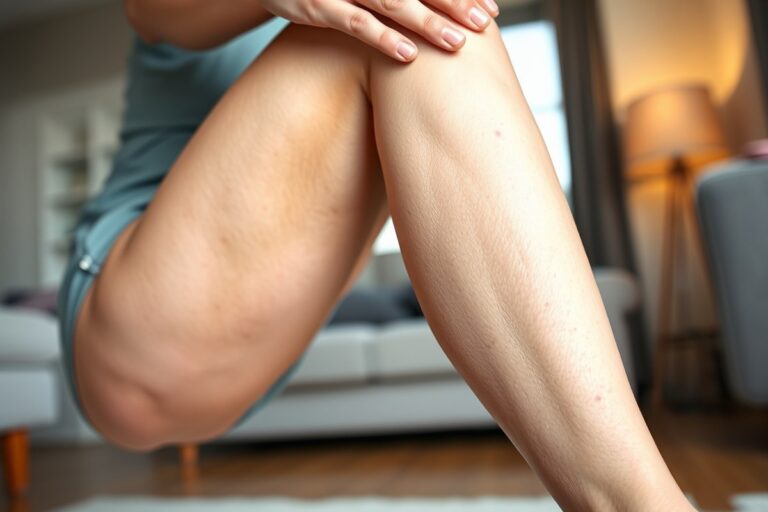
- Slowly bring one knee toward your chest, holding behind your thigh with both hands.
- Keep the other leg bent with the foot flat or extend it straight on the floor if comfortable.
- Hold the stretch for 20 to 30 seconds while breathing deeply.
- Lower your leg back to the start position with control.
- Repeat with the other leg.
- Perform 2 to 3 repetitions per side, increasing after comfort improves.
Do not pull your knee forcefully; ease into the stretch to prevent further strain on low back muscles.
Performing the Cat Stretch Safely
The cat stretch increases spinal mobility and relieves stiffness in the lumbar region. It’s effective at promoting gentle flexion and extension of the back, reducing muscle tightness. Avoid bending too far if you feel pain, and keep movements smooth and controlled.
- Start on your hands and knees with wrists directly under shoulders and knees under hips.
- Breathe in deeply as you curve your spine, lifting your head and tailbone upward toward the ceiling in a cow stretch.
- Exhale as you round your back toward the ceiling while tucking your chin and pelvis in (cat position).
- Repeat this flow slowly for 10 to 15 rounds, coordinating breath with movement.
- Focus on moving from your lower spine, not just the neck or upper back.
- Stop immediately if sharp pain or numbness occurs.
Maintain a neutral wrist position and avoid locking elbows to protect your joints during this stretch.
Strengthening Exercises: Bridge and Bird Dog
Building strength in your core and lower back muscles supports spinal alignment and reduces pain recurrence. The bridge and bird dog exercises improve muscle endurance and control, helping you withstand daily twisting and bending forces. Begin with 1 to 2 sets of 8 to 10 repetitions and increase as tolerated.
- Bridge: Lie on your back with knees bent, feet hip-width apart and flat on the floor.
- Engage your abdominal muscles and squeeze your glutes to lift your hips off the floor until your body forms a straight line from shoulders to knees.
- Hold for 5 seconds, then lower slowly back down.
- Repeat for 8 to 10 reps, resting as needed between sets.
- Bird Dog: Begin on hands and knees, keeping your back neutral.
- Slowly extend your right arm forward and left leg backward, maintaining balance and a straight line from hand to foot.
- Hold for 5 seconds, then return to start and repeat with opposite arm and leg.
- Complete 8 to 10 reps per side, focusing on controlled movement without twisting the torso.
Avoid overarching your lower back during these exercises; the goal is stability, not hyperextension.
3. How to Balance Rest and Activity for Healing Lower Back Pain
Balancing rest and activity is critical for healing lower back pain. Rest should be brief and targeted, typically no longer than two to three days following acute pain onset. After this, gradually resuming gentle movement helps reduce stiffness and supports recovery. Adjust activity based on pain severity and type, avoiding any motion that significantly increases discomfort.
Optimal Rest Duration for Acute Pain
For acute lower back pain, limit rest to one or two days at most, except in cases of severe injury. Prolonged bed rest can weaken muscles and delay recovery. Short-term rest allows initial inflammation or muscle spasms to settle, but moving gently soon afterward improves blood flow and nutrient delivery to soft tissues, accelerating healing. Avoid total inactivity beyond 48 to 72 hours, as this may lead to stiffness and worsen overall function.
Chronic lower back pain often requires less rest and more consistent, mild activity. Inflammation tends to be less prominent, so staying active within pain limits is more beneficial than extensive rest. The goal is to maintain flexibility and prevent muscle weakness without causing additional pain or injury.
Signs to Increase or Decrease Activity
Use pain as a guide to adjust your activity. Increase movement if pain decreases or remains mild during and after exercise. Good progress often includes less stiffness in the morning, improved mobility, and reduced reliance on pain medication. When pain worsens significantly during or after activity, reduce intensity, frequency, or duration. Sharp, shooting, or radiating pain signals that you should stop and rest.
Also watch for symptoms like numbness, muscle weakness, or bowel and bladder control changes. These require immediate medical evaluation and cessation of exercise. For typical lower back pain, gradual progression from stretching and gentle aerobic activity to more targeted strengthening exercises follows pain improvement over days or weeks.
Adapting Movement to Pain Intensity
Modify your activity by pain type and severity. With dull or moderate aching, low-impact movements such as walking or swimming are safe and supportive. Avoid high-impact activities or heavy lifting until pain significantly improves. Gentle stretching and core stability exercises can reduce tension and support spine alignment without causing further strain.
Should you experience sharp or sudden pain during movement, pause and switch to gentler options or rest briefly. Use a decision rule: if pain increases more than two points on a 10-point scale during activity, scale back until pain remains stable or decreases. Keeping pain below a moderate level (around 3-4 out of 10) during exercises promotes healing without risking reinjury.
Recommended Gentle Exercises to Support Healing
Start with simple activities like walking for five to 10 minutes, gradually increasing as pain allows. Incorporate slow, controlled stretching targeting the lower back and hips, holding each stretch for 20 to 30 seconds. Core strengthening exercises such as pelvic tilts, gentle bridges, and modified planks help stabilize the spine and reduce strain. Programs including yoga or Pilates improve posture and muscle balance while addressing mental stress linked to chronic pain.
Aerobic activities like cycling on a stationary bike can improve blood flow without aggravating lower back discomfort. Avoid twisting or bending exercises that provoke sharp pain. Use heat therapy before activity to loosen tight muscles and consider supportive footwear to improve stability and reduce strain during movement.
4. Posture and Ergonomic Tips to Prevent and Reduce Lower Back Pain
Maintaining good posture and creating an ergonomic workspace are essential steps to prevent and reduce lower back pain. These practices minimize stress on your spine, improve muscle balance, and promote proper alignment, decreasing strain on your lower back throughout the day. You can begin by adjusting your sitting habits and workstation setup to support your lower back effectively.
Correct Sitting Positions for Lower Back Support
Sitting correctly helps keep your spine aligned and reduces pressure on the lower back muscles and discs. Avoid slouching or leaning forward, since poor sitting posture can worsen existing pain or cause new problems. Sit with your back straight, shoulders relaxed, and hips positioned as far back as possible in your chair.
Keep your feet flat on the floor or on a footrest if your feet do not reach the ground. Your knees should be about level with your hips or slightly lower, creating a 90 to 110-degree angle at your hips and knees. A small, rolled towel or lumbar pillow placed in the curve of your lower back helps maintain its natural inward curve, providing essential support throughout long sitting periods.
Ergonomic Chair and Desk Adjustments
Choosing an ergonomic chair with adjustable features can significantly reduce lower back pain. Look for chairs with firm lumbar support, adjustable seat height, and a seat depth that allows you to sit with your back against the chair while leaving a few inches between the back of your knees and the seat edge. A chair price can range from $100 to $400 depending on features and quality, but it’s an investment in long-term spinal health.
Your desk setup also impacts your posture. Position your computer monitor so the top of the screen is at or just below eye level, about 20 to 30 inches away from your face. Your keyboard and mouse should be close enough to avoid reaching forward, keeping your elbows at roughly a 90-degree angle and your wrists straight.
Daily Habits to Maintain Spinal Alignment
Small posture corrections throughout your day make a big impact in preventing lower back pain. Avoid crossing your legs or sitting on one foot, which can cause pelvic misalignment. Stand and walk with your shoulders back and your head aligned over your spine rather than jutting forward. Also, break up long sitting sessions by standing or walking for at least 5 minutes every hour.
- Keep shoulders relaxed and square, not rounded forward
- Engage your core muscles lightly while sitting and standing
- Avoid slumping or leaning on one side when standing
- Use reminders to check your posture during the day
- Lift objects by bending knees, not by twisting your back
- Sleep on a medium-firm mattress to support spinal alignment
Maintaining these habits can prevent lower back stiffness and reduce the risk of chronic pain development, especially for those with desk jobs or sedentary lifestyles.
Using Supportive Accessories at Workstation
Incorporating supportive accessories helps improve your workspace ergonomics at a relatively low cost. A lumbar support cushion or a seat wedge can maintain your back’s natural curve where your chair lacks support. Ergonomic footrests keep your feet flat and help prevent lower back strain caused by dangling feet.
Using a sit-stand desk or adjustable standing station allows you to alternate between sitting and standing, reducing the stress on your lower back caused by prolonged sitting. These desks vary in price but can start at around $200. Also, anti-fatigue mats provide cushioning when standing, reducing foot and back fatigue.
5. Lifestyle Changes to Support Long-Term Back Health
Losing weight can make a significant difference in relieving lower back pain. Excess body weight adds strain to the spine, increasing pressure on the lower back muscles and joints. Shedding even 5 to 10 pounds can reduce this strain and improve pain levels. Maintaining a healthy weight supports your spine and helps prevent future episodes of discomfort. To manage your weight effectively, focus on a balanced diet rich in fruits, vegetables, lean proteins, and whole grains. Avoid processed foods high in sugar and unhealthy fats, which can contribute to inflammation and worsen pain.
Quitting smoking also plays a key role in back pain recovery. Smoking reduces blood flow to spinal tissues, delaying healing and increasing the risk of disc degeneration. Stopping smoking improves circulation and oxygen delivery, which helps your spine repair itself. To quit, seek support through counseling, nicotine replacement therapy, or smoking cessation programs. These options can improve your chances of success and help you avoid relapse.
Mindfulness meditation and deep breathing exercises can be valuable tools for managing chronic lower back pain. These practices help reduce stress and muscle tension, which in turn reduces your pain perception. Starting with just 5 to 10 minutes of guided meditation daily can help you develop this skill. Use apps or online videos designed for beginners focusing on pain relief. Over time, mindfulness helps you manage pain without relying solely on medication, making it easier to cope with ongoing discomfort.
Regular, moderate exercise like walking also supports long-term back health. Aim for 30 to 60 minutes of brisk walking every other day. This activity strengthens back muscles, improves flexibility, and encourages weight management. When walking outdoors isn’t feasible, try indoor walking or low-impact alternatives such as using a stationary bike. Consistency matters more than intensity; the goal is to stay active without overstraining your back.
Start small by adding a 10-minute walk or meditation session daily, then gradually increase as your comfort and stamina improve.
Adjusting lifestyle habits depends on your current condition and pain level. For example, acute pain calls for gentle walking and hydration first, avoiding strenuous exercise until the pain subsides. Chronic pain responds well to a multi-pronged approach combining weight management, quitting smoking, and mindfulness, which addresses muscle tension, inflammation, and overall spinal health simultaneously. Regularly tracking your progress, such as noting how your pain responds to diet or exercise changes, helps you adjust your lifestyle plan effectively.
6. When to Seek Medical Help for Your Lower Back Pain
Seek medical help for lower back pain if you experience symptoms that raise concern or if your pain persists beyond six weeks despite home treatment. Red flags include severe pain after a fall or injury, numbness or weakness in your legs, unexplained weight loss, fever, loss of bladder or bowel control, or pain that worsens at night. These signs could indicate serious conditions such as nerve damage, infections, or fractures, requiring urgent care.
Chronic lower back pain that limits your daily activities or doesn’t improve with initial self-care methods also warrants an evaluation by a healthcare professional. Physical therapists and doctors often recommend starting with conservative treatment, such as NSAIDs and targeted exercises, for at least six weeks before imaging diagnostics are considered due to insurance policies. During your medical visit, expect a thorough assessment of your symptoms and medical history to determine the underlying cause and develop a personalized treatment plan.
If you have osteoporosis or arthritis, a healthcare provider can modify your treatment approach to accommodate these conditions. For example, heat therapy often helps reduce arthritis-related stiffness by increasing blood flow and relaxing muscles. Osteoporosis, which weakens bones, may require gentler exercises to avoid fractures and protect your spine. A physical therapist can tailor an exercise program specifically for you, monitor your progress, and adjust activities to prevent further injury.
In case of emergencies, such as sudden loss of leg strength or bladder control, go to the emergency room immediately. These symptoms can signal nerve compression or damage that needs prompt medical intervention. For less urgent concerns but ongoing symptoms, schedule a visit with a physical therapist to participate in an 8-week supervised program that encourages safe movement and strengthening, which frequently leads to significant improvement. Sometimes, physical therapy is combined with other treatments like massage or chiropractic care for improve relief.
Use this quick decision rule: if your lower back pain is worsening despite rest and home remedies, or if it’s accompanied by neurological symptoms (numbness, weakness, incontinence), seek professional help right away. Costs vary depending on insurance, but many plans cover physical therapy after initial conservative treatment. Early intervention helps prevent chronic pain and reduces the need for surgery or stronger medications, leading to better long-term outcomes.
7. How Physical Therapy and Professional Treatments Help Chronic Pain
Physical therapy plays a central role in treating chronic lower back pain by focusing on exercises and techniques that strengthen muscles around the spine and improve joint function. Unlike simply resting or relying on medication, physical therapy offers active treatment that targets the root causes of pain and helps restore mobility. This approach typically involves guided therapeutic exercises designed to condition spinal tissues and increase flexibility, which can reduce pain over weeks to months.
Massage therapy has benefits but is not advised as a primary treatment for chronic lower back pain according to experts. While weekly massage over 10 weeks showed pain and functional improvements lasting about six months, exercise-based physical therapy remains more effective for long-term management. On the other hand, acupuncture has been shown to provide short-term improvements in pain and function and may be combined with physical therapy.
Supplements and alternative remedies have less consistent scientific support. Some may offer symptom relief, but none replace the benefits of exercise and professional physical therapy. Laser therapy, electrical nerve stimulation, and biofeedback are additional noninvasive options that may complement physical therapy.
Patients often start physical therapy soon after diagnosis, with sessions typically lasting 30 to 60 minutes. Treatment plans usually last from four to twelve weeks depending on severity. Good results include decreased pain, improved mobility, and ability to engage in daily activities while avoiding surgery or reliance on long-term medication. Poor outcomes can result from lack of adherence to therapy or underlying conditions that might require medical intervention, such as injections or surgery. Here is a table summarizing common treatments for chronic lower back pain and their main characteristics:
| Treatment | Effectiveness | Duration/Session | Typical Use | Notes |
|---|---|---|---|---|
| Physical therapy (exercise-based) | High, foundation of chronic pain treatment | 30-60 minutes, 4-12 weeks | Main conservative treatment | Targets muscle strength, flexibility, function |
| Massage therapy | Moderate short-term relief | Weekly for 10 weeks | Supplementary for relaxation | Not recommended as primary treatment |
| Acupuncture | Short-term pain and function improvement | Varies; often weekly | Adjunct treatment | Noninvasive, may help alongside PT |
| Electrical nerve stimulation | Variable; adjunct use | Short sessions | Supplementary | Noninvasive, may reduce pain |
| Cortisone injections | Temporary relief | One or few injections | For severe inflammation | Usually used with PT |
| Surgery | Reserved for specific cases | Single procedure | When conservative fails | Last resort |
Starting with a physical therapy program that includes guided exercises is recommended for most chronic lower back pain situations. The therapy might be combined with other non-surgical treatments such as acupuncture or nerve stimulation to improve overall results. Treatments like cortisone injections may be introduced if inflammation is significant, but surgery is typically considered only if these options do not provide lasting relief or if structural problems require correction. Being consistent with therapy and following your provider’s instructions can maximize your chances of reducing pain and regaining normal movement.
8. Tracking Progress and Adapting Your Lower Back Pain Routine
Tracking your recovery progress from lower back pain requires a simple but consistent approach. Keep a daily log of your pain levels, mobility, and any exercises or lifestyle changes you follow. Use a scale from 0 (no pain) to 10 (worst pain imaginable) to rate your discomfort each day. Record how long and how often you perform exercises, noting any improvement in your range of motion or ability to complete daily activities without discomfort. This helps you see patterns over weeks, showing whether your routine is effective or if adjustments are needed.
Common mistakes that slow healing include pushing through severe pain, inconsistent exercise, neglecting proper posture, or ignoring new symptoms like numbness or tingling. Avoid these by sticking to gentle, controlled movements, using reminders or alarms to maintain your routine, and regularly checking your technique. Experiencing pain that worsens or remains unchanged for more than two weeks can signal that your current approach isn’t right or that a medical evaluation is needed.
To adapt your routine, reduce the intensity or frequency of exercises if pain spikes after activity. Add gentle stretching or low-impact activities like walking to keep mobility without overstressing your back. The appearance of new symptoms such as sharp pain, weakness, or numbness warrants stopping exercises and consulting a healthcare provider immediately, as these signs may indicate nerve involvement. Gradually reintroduce movements only after symptoms improve. Use a simple checklist each day to track these essentials:
- Record daily pain level (0-10 scale) and location
- Note types and duration of exercises performed
- Log activities that cause increased or decreased pain
- Track sleep quality and positions used
- Mark days when pain limits normal activity
- List any new or worsening symptoms
This checklist can be kept in a notebook, a spreadsheet, or smartphone app for easy review. Looking back over a month, any downward trend in pain or improved movement signals progress. Persistent high pain scores or no change in function over time should prompt you to modify your exercise routine or consult a physical therapist for tailored adjustments.
Practical tip: Avoid increasing exercise intensity too quickly; small, gradual progressions reduce the risk of setbacks and ensure safer healing.
Step-by-Step Action Plan to Reduce Lower Back Pain
Follow this plan to start relieving your lower back pain safely at home while supporting long-term healing and knowing when to get professional help.
- Day 1: Use cold or heat packs on your lower back for 15-20 minutes to ease pain and inflammation. You’ll notice reduced soreness or stiffness after this initial treatment.
- Day 2 to 7: Begin gentle stretches and low-impact exercises like pelvic tilts or knee-to-chest stretches, doing each 2-3 times daily. Improvement shows if you can move more comfortably and with less pain.
- Week 2: Balance rest with light activity by avoiding long bed rest and gradually increasing daily walking or gentle movement. You’ll feel stronger and notice that pain decreases during daily tasks.
- Week 2 onwards: Apply posture and ergonomic adjustments at work and home, use lumbar support, sit with feet flat, and avoid slouching. Check if your back feels less strained after sitting or standing.
- Week 3: Make lifestyle changes like losing excess weight, quitting smoking, and improving sleep on a firm mattress to support back health. Positive signs include fewer pain flare-ups and more restful sleep.
- After 4 weeks: Track your pain and activity levels daily to identify what helps or worsens symptoms. Adjust exercises and habits based on your progress.
- Immediately: Contact a healthcare provider if you experience severe pain, numbness, weakness, or loss of bladder control. Timely medical evaluation is essential to prevent complications.
- As needed: Consider physical therapy or professional treatments if pain persists beyond a month or worsens. You’ll know these help if your mobility improves and pain lessens steadily.
Frequently Asked Questions
How Do You Relieve Lower Back Pain Immediately?
Applying an ice pack or heat and using a foam roller can provide fast relief. These methods help ease inflammation and release muscle tension effectively.
What Is the Cause of Low Back Pain?
Low back pain can stem from muscle strain, poor posture, disc problems, or joint issues like lumbar facet joint dysfunction. Identifying the cause helps guide the right treatment.
How to Release Back Tension?
Gentle stretches like the knee-to-chest stretch or foam rolling can help release tension in your lower back. These reduce tightness and improve mobility safely at home.
What Are Some Home Remedies for Back Pain That Can Be Drank?
Herbal teas such as ginger or turmeric tea may reduce inflammation and soothe mild back pain. Stay hydrated and avoid caffeine to support recovery.
Can Sitting Too Long Cause Lower Back Pain?
Yes, prolonged sitting can strain your lower back muscles and discs. Taking breaks to stand and stretch helps prevent pain.
Is It Safe to Exercise with Lower Back Pain?
Light, controlled exercises are usually safe and can promote healing. Avoid high-impact activities until pain subsides and consult a professional if unsure.
Wrapping Up
Lower back pain often improves with consistent care that includes targeted exercises, good posture, and lifestyle adjustments. Start today by setting a reminder to do gentle stretching or mobility exercises to ease stiffness and build strength. Taking this simple step can help reduce discomfort and lay the foundation for lasting relief.




One Comment