
How to Get Rid of Ants Fast: 8 Proven Methods That Work Permanently
To get rid of ants fast, start by identifying the ant species and locating their nests. Use targeted sprays, natural remedies like vinegar or soapy water, and chemical baits containing borax or boric acid to eliminate both worker ants and queens. Seal entry points around doors and windows, and maintain a clean environment to prevent future infestations.
This advice suits homeowners, renters, and DIY enthusiasts facing ant problems in and around their homes. You will learn how to spot ant nests, block their access, apply effective treatments, and choose when to call a professional to keep your home ant-free long term.
Key Takeaways
- Identify ants by observing their size, color, and trail patterns to locate nests inside walls or near foundations.
- Seal entry points around windows, doors, pipes, and cracks to block ants from entering your home effectively.
- Use sprays, boiling water, or soap solutions for immediate ant control, focusing on visible trails and nests.
- Employ natural controls like beneficial nematodes, which kill ants in 24-48 hours by infecting their digestive tracts.
- Chemical baits with hydramethylnon or borate-based sugar water can eliminate colonies within 2 to 10 days inside bait stations.
- Maintain cleanliness by removing food residues, sealing garbage, and reducing moist habitats to prevent infestations.
1. How to Identify Ants and Locate Their Nests
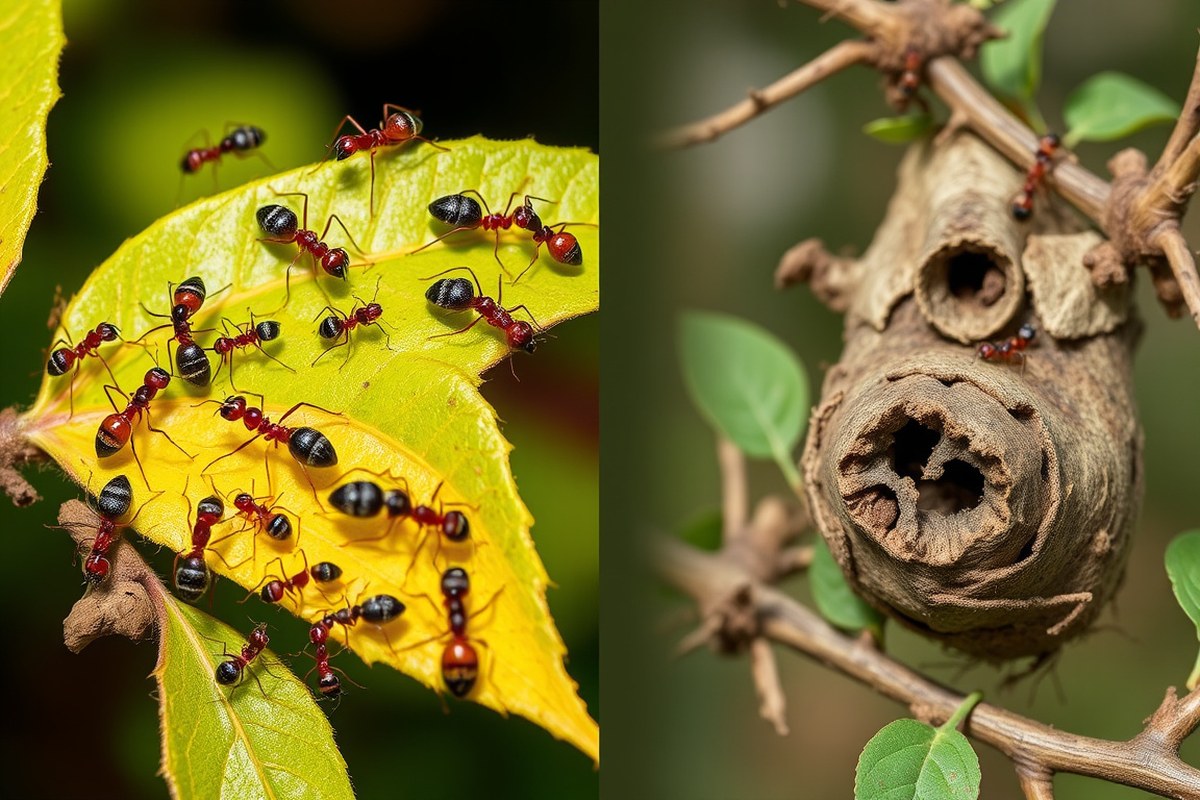
To identify ants and locate their nests, start by observing the ants’ size, colour, and behaviour. Different species have distinct traits and preferences for indoor or outdoor nesting. Finding where ants live helps target their colonies directly, which is necessary to stop large infestations.
Common Ant Species Found Indoors
Black house ants and white-footed house ants are among the most common species inside homes, especially in areas like kitchens. Black house ants are small and dark, usually under 1/8 inch long, and tend to form large colonies. White-footed house ants look similar but have lighter legs and often prefer sweet food.
Argentine ants create extensive networks with multiple nests, frequently moving between outdoor and indoor locations. Odorous house ants have a strong, distinct smell when crushed and often invade homes searching for sugary items.
Typical Ant Nest Locations
Ant nests might be hidden indoors behind walls, under floorboards, or inside wall voids near kitchens or bathrooms. Outdoors, check under patios, near foundations, inside plant vegetation close to the house, and under stones or mulch. Variations depend on ant species, but nests usually stay close to food and moisture sources.
Large outdoor colonies may have several nest openings spaced 10 to 20 feet apart. If you spot trails entering the home, follow them carefully outside to locate the source nests.
Signs of Active Ant Colonies
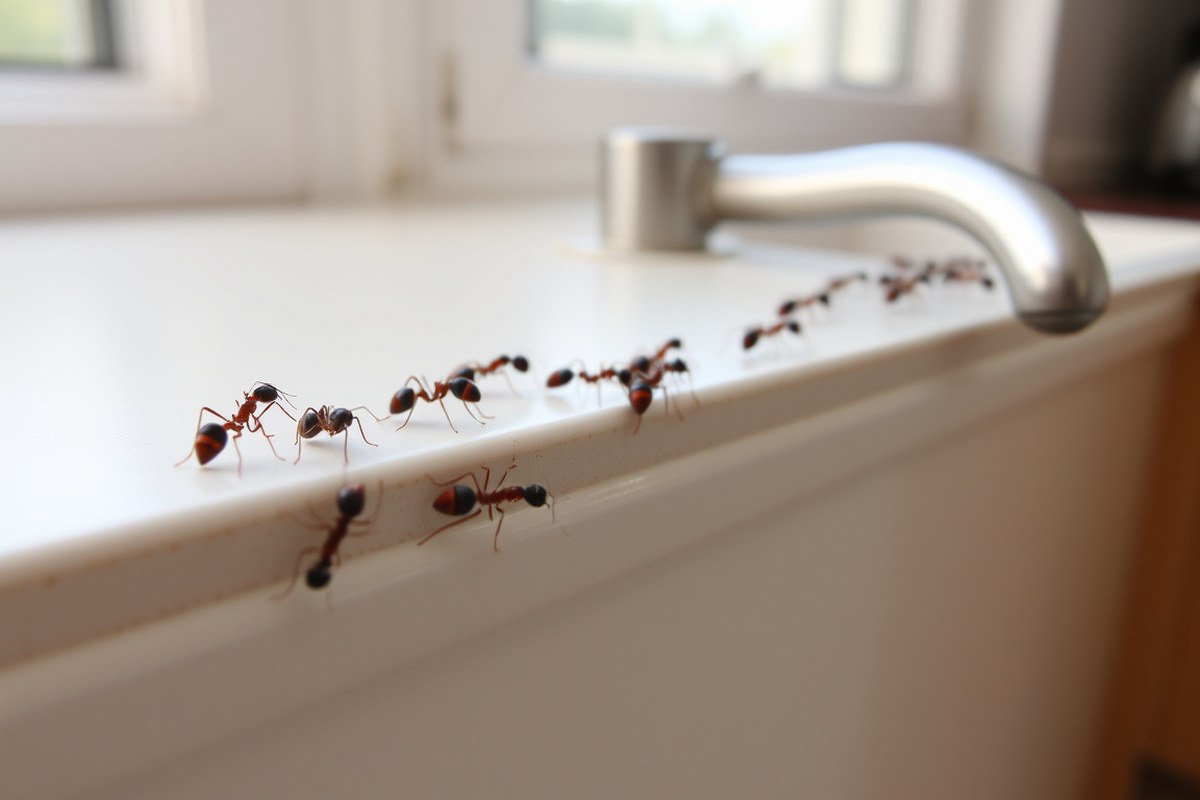
Visible ant trails indoors, appearing regularly in different rooms, indicate multiple active colonies nearby. Trails usually follow consistent paths along baseboards or countertops. Seeing many ants in one area, especially near food or water, also signals a nearby nest or colony. Other signs include small piles of soil or sawdust near baseboards, tiny holes in walls or flooring, and increased ant activity at dawn or dusk when workers are most active. Take these steps to identify ants and find their nests:
- Observe and collect samples: Use a magnifying glass to note ant size, colour, and behaviour. Capture a few ants in a clear container for closer inspection or comparison with online identification keys.
- Follow ant trails: Trace indoor ants back to their entry points, then continue outside to find the nest location, looking near foundations and vegetation.
- Inspect suspected areas: Check behind baseboards, inside cabinets, under appliances, and near plumbing indoors. Outside, look around patios, mulch, and garden beds.
- Look for environmental clues: Note any soil mounds, wall cracks, or moisture sources that could shelter nests. Pay special attention to areas with food crumbs or spills.
- Use bait stations: Place sweet or protein baits near trails to confirm ant species and activity zones. Observe ant response over several hours to locate nests.
- Document findings: Take photos or notes of trail locations, nest entrances, and ant types for reference during treatment.
- Repeat inspections: Check multiple times during the day and after rain, since ants may change activity patterns.
2. How Ants Enter Your Home and Where to Seal Entry Points

Ants often get inside your home through tiny openings, sometimes as small as 1/16 of an inch. They commonly squeeze through cracks around door and window frames, the edges of sliding glass doors, foundation fissures, and openings where plumbing or electrical wires go through walls. Trees, shrubs, or other plants touching your house can also serve as bridges for ants to reach these entry points.
Sealing these gaps is key to preventing ants from coming inside. Caulking and weatherstripping around windows, doors, and the foundation can block their paths. Inspect the exterior regularly, especially older homes where foundation cracks tend to expand with seasonal temperature changes. Also check indoors around cabinets, appliances, and behind sinks for small openings where ants can enter from inside wall or floor voids. Here’s a checklist to guide your sealing efforts:
- Caulk cracks and crevices around windows, doors, and the foundation
- Apply weatherstripping to doors that don’t close tightly
- Seal gaps around plumbing pipes and electrical conduits entering walls
- Trim back tree limbs and plants touching the house to remove ant bridges
- Fill cracks and holes in exterior walls with appropriate patching materials
- Spray insect barrier treatments along the perimeter after sealing
- Inspect and reseal periodically, especially after weather changes
Using silicone or acrylic latex caulk typically costs under $10 for a standard tube and lasts for several years outdoors. Proper sealing combined with an insect barrier spray forms a two-pronged defense. Regular inspections are necessary because ants are persistent and may find new routes over time.
Don’t rely on sealing alone; use it with other control measures since ants can exploit tiny entry points you might miss.
Remember, ants follow structural lines like wires and pipes to move inside. Placing bait along trails can help identify hidden entry spots by tracking improve ant activity. Keep in mind that for extensive foundation damage or hard-to-reach cracks, consulting a professional for repairs and treatment might be more effective than DIY sealing alone.
3. Immediate Ant Control: Sprays, Boiling Water, and Soap Solutions
Getting rid of ants instantly inside your home is doable with household items like dish soap and boiling water. Dish soap works by breaking down the ants’ protective outer layer, causing them to die quickly on contact. Boiling water can kill ants and their nests outdoors when poured directly on them, although it can harm nearby plants or grass. These methods provide immediate results but only affect ants you can see, so further treatments or sealing entry points will be needed to prevent a full reinfestation.
Dawn dish soap is a popular choice for killing ants fast because it disrupts their exoskeleton. A simple mix with water in a spray bottle lets you target ants on counters, baseboards, or points of entry. The soap clings to the ants and suffocates them, offering an instant kill with no chemical residue.
Using boiling water is effective mainly for outdoor ant mounds. Pouring water at 212°F directly onto a nest can kill a large number of ants inside by heat, but it won’t reach ants hidden deeper underground. It’s best used only for visible mounds and in areas without delicate plants.
- Mix dish soap spray. Combine 1 teaspoon of liquid dish soap with 1 quart of water in a spray bottle. Optionally, add 1 teaspoon of cooking oil to help the mixture stick to surfaces and ants better.
- Spot-treat ants inside. Spray visible ants directly indoors on counters, floors, and along baseboards. Avoid over-saturating surfaces to prevent residue or slipperiness.
- Treat entry points. Lightly spray around doorways, windowsills, and any gaps where ants enter to kill workers and disrupt scent trails.
- Locate outdoor ant nests. Identify visible ant hills outside your home, especially near foundations or pathways where ants travel.
- Pour boiling water carefully. Using a pot or sturdy container, slowly pour boiling water directly onto the ant mound, saturating it as much as possible while avoiding nearby plants and grass.
- Repeat as needed. Both soap spray and boiling water only kill ants on contact and do not solve deeper colony issues. Reapply soap spray daily where you still see ants and repeat boiling water treatment on the mound after a few days if ants persist.
- Use caution with boiling water. Protect yourself with gloves and shoes, and avoid pouring water on flammable or delicate surfaces.
Expect to see ants die instantly where you spray, and a reduction in outdoor activity after treating the mound. These methods are low-cost, dish soap costs a few dollars per bottle, and boiling water simply uses your kitchen supply. Instant kills provide quick relief but usually need follow-up treatments to prevent ants from coming back. For severe infestations, professional advice is best to fully eliminate the colony.
4. Using Natural and Biological Controls to Eliminate Ants
Natural remedies can help reduce ant numbers and sometimes remove entire colonies, but their effectiveness varies. Diatomaceous earth kills ants on contact but only if they cross it. Essential oils and vinegar repel ants mainly by smell but don’t usually kill many. Homemade borax baits can eliminate colonies within days by poisoning them. Beneficial nematodes act as living insecticides outdoors by attacking ants underground.
Diatomaceous Earth and Its Mode of Action
Diatomaceous earth (DE) is a powder made from fossilized algae with tiny, sharp particles. These particles damage the ants’ exoskeletons, causing them to dehydrate and die after contact. DE does not kill ants by poison but physically.
You can use food-grade diatomaceous earth safely both indoors and outdoors. Sprinkle a thin layer where ants walk, such as along baseboards, window sills, or near nest entrances. Reapply after rain or cleaning since moisture reduces its effectiveness. Expect to see results in a few days as ants walk through the powder. It won’t work if ants avoid it, so combine it with baits or repellents for best results.
Effective Essential Oils and Application Methods
Ants dislike strong scents, making essential oils useful repellents. Peppermint oil is the most effective natural ant deterrent, followed by lemon and cinnamon oils. Vinegar and lemon juice also repel ants with their strong scents and can clean away scent trails ants use to navigate.
To use, mix about 10 to 20 drops of peppermint or other essential oils with 2 cups of water in a spray bottle. Spray around entry points, trails, and areas where ants gather indoors. Vinegar or lemon juice can be applied similarly but avoid on natural stone surfaces as it may damage them. These sprays discourage ants but usually don’t kill large numbers.
Although oils repel ants temporarily, frequent applications are needed. They work best combined with other control methods like baits or diatomaceous earth.
Making Homemade Borax and Sugar Baits
Borax-based baits are effective for killing entire ant colonies because ants carry the toxic bait back to their nests. Borax is a mineral salt that disrupts ants’ digestion and eventually kills them.
A common recipe mixes borax and sugar in a 1 to 3 ratio (for example, 1 tablespoon borax to 3 tablespoons sugar). Dissolve the mixture in just enough warm water to create a syrupy bait. Place small drops or cotton balls soaked with this bait near ant trails but out of reach of children and pets. Ants are attracted to the sugar, consume the bait, and share it with the colony.
Results typically appear within 7 days, with fewer ants seen and nests disappearing. Borax baits cost only a few dollars for materials and work well indoors and outdoors. Avoid mixing too much water or the bait will get too runny and fail to attract ants properly. Below is a table summarizing types of ant bait products containing borate:
| Active Ingredient | Example Product Name | Formulation | Application | Bait Type |
|---|---|---|---|---|
| Borate-based | Drax SF Ant Gel | Gel | Cracks | Sugar |
| Borate-based | Grants Kills Ants Liquid Ant Bait | Liquid | Bait Station | Sugar |
| Borate-based | Terro Ant Killer II Liquid Ant Baits | Liquid | Bait Containers | Sugar |
These borate-based products offer convenient alternatives to homemade borax baits and may improve results in severe infestations.
Using Beneficial Nematodes Safely
Beneficial nematodes are tiny worms living in the soil that attack insects like ant larvae. They enter the ants’ bodies and introduce bacteria that kill them. This natural control method poses no harm to humans, pets, or plants.
Use nematodes outdoors where ant nests or trails are visible. They come packaged in a moist carrier and must be applied on moist soil in temperatures between 50°F and 85°F for best survival. You can purchase them online or at garden centers, typically costing $15 to $30 per package treating up to 500 square feet.
Apply nematodes by mixing them with water according to package directions, then irrigate the soil where ants are active. Results take 7 to 14 days as nematodes infect and kill ant colonies underground. Avoid applying nematodes during direct sunlight or drought, and keep soil moist for several days after application to ensure effectiveness.
5. Chemical Ant Baits and Treatments: How They Work and Timeline
Chemical ant baits work by attracting worker ants with a food source mixed with a toxin. The ants carry the bait back to their colony, feeding the poison to other members, including the queen. This method targets the colony at its source, making it more effective than spraying visible ants alone. It normally takes about 5 to 10 days after placing the bait to see a noticeable reduction in ant activity. Complete colony eradication, including the queen, may take up to three weeks depending on the species and bait type.
Effectiveness varies with ant species. For example, sweet baits often attract carpenter and pavement ants, while protein or greasy baits may suit thief ants and Pharaoh ants better. Because some ants have specific dietary preferences, choosing the right bait is important. Ants ignoring the bait can indicate the wrong formula or that an alternative food source is preferred at that time. In warm climates like Florida or Southern California, preventing ants 100 percent is especially challenging due to the abundance of species and continuous activity.
Safety is important when using chemical ant baits. Most baits contain low-toxicity substances such as boric acid, which require ingestion to be effective and are less hazardous than sprays. Keep bait stations out of reach of pets and children. For example, a 35-pound dog would have to consume 600 small bait stations to reach a harmful dose, but accidental ingestion should still be avoided. Follow manufacturer instructions carefully, and never place baits near food preparation areas or where food is stored. Using tamper-resistant bait stations reduces the risk of unintended exposure.
To use baits effectively, first clean surfaces to remove food residues that attract ants, then place bait stations along ant trails, near nests if known, or where ants enter your home. Avoid spraying insecticides on or near bait stations because repellents may cause ants to avoid them, reducing bait consumption. When the ant bait fails to reduce ants within two weeks, try switching to a different bait formulation targeted for the species or consult a pest control professional. Non-repellent sprays can be used alongside baits to control ants without triggering avoidance behavior.
Do not place insecticide sprays near bait stations, as ants may detect and avoid chemical repellents, rendering the bait ineffective.
Pay attention to results: fewer ants visible around bait stations after a week is a good sign; if numbers remain steady or increase, reassess bait placement or type. Remember that while baits can reduce or eliminate colonies, they don’t instantly stop ants from entering your home. It’s often necessary to combine baiting with sealing entry points and good sanitation practices for lasting control.
6. Preventing Ant Infestations: Cleaning, Food Removal, and Habitat Control
Ants are primarily drawn indoors by accessible food and water. Common attractants in your home include crumbs, sticky spills, open pet food containers, and even moisture from leaks or damp areas. Removing these sources effectively cuts off their reason for entering and helps discourage re-infestation. Thorough cleaning and careful storage play critical roles in keeping ants away long-term.
To stop ants from coming back after treatment, you need a consistent routine focused on hygiene and habitat control. Start by wiping down all kitchen surfaces daily with a diluted vinegar solution or a mild cleaner, which disrupts the scent trails ants use to navigate. Clean up spills immediately and vacuum floors regularly to remove crumbs and eggs. Store all food, especially sweets and proteins, in airtight containers made of glass or thick plastic. Avoid leaving pet food out for more than 20 minutes at a time, especially overnight.
- Clean counters, stovetops, and dining areas twice a day to remove residues.
- Wash dishes promptly after meals and never leave dirty dishes overnight.
- Fix leaking faucets and pipes to reduce water sources inside the home.
- Seal garbage cans with tight-fitting lids and empty them frequently, at least every two days.
- Remove outdoor debris, wood piles, and mulch close to your home’s foundation.
- Check and clean under appliances, inside cabinets, and behind furniture weekly.
Following ant trails back to their entry point or food source helps you find hidden attractants. You might notice ants flocking to sugary spills behind appliances or pet water bowls. Repair plumbing leaks and keep sinks dry since moisture supports ant colonies. Around the outside, removing leaf litter and keeping mulch at least 12 inches from your foundation reduces nesting areas and food sources. Depending on the severity, applying a perimeter residual spray around your home’s foundation acts as a barrier to new ants, but it does not replace cleanliness.
Maintaining food removal and cleanliness requires daily attention, but results show in days to weeks. You should see a drop in ant sightings inside your home as their food sources disappear. Relying solely on sprays without cleaning often leads to a quick return, as ants find alternative routes or food items. Continuous cleaning combined with targeted treatments offers the best chance of a lasting ant-free home environment.
7. How to Tailor Ant Control by Species, Climate, and Infestation Severity
Choosing the right ant control method depends mainly on the ant species, the climate where you live, and how severe the infestation is. Different ants need different treatments, and environmental factors affect how well those treatments work. Also, the size and location of ant colonies influence whether you can handle the problem yourself or need professional help.
Identifying Key Ant Species
Knowing the species causing the infestation determines which bait or treatment works best. For instance, black ants in kitchens are usually one of several small species attracted mostly to sweets or proteins. Fire ants, on the other hand, require yard-wide treatments instead of targeted mound treatments due to their large, spread-out populations. Carpenter ants tend to nest in wood indoors and usually need expert control. Here is a comparison of common ant species found in homes and yards, their size, food preferences, and preferred nest locations:
| Ant Species | Size | Food Preference | Nest Location |
|---|---|---|---|
| Argentine Ant | 1/8 inch, dull brown | Sweets, sometimes proteins | Outdoors in shallow mounds |
| Carpenter Ant | Measuring between 1/4 and 1/2 inch, these ants can be solid black or show two distinct colors. | Sweets | Tree stumps, firewood, hollow doors |
| Odorous House Ant | 1/8 inch, dark brown to shiny black | Sweets, sometimes proteins | Various indoor and outdoor sites |
| Fire Ant | 1/8 to 1/4 inch, reddish-brown | Proteins and sweets | Soil mounds in yards |
| Pharaoh Ant | 1/16 inch, yellow to light brown | Sweets, proteins, grease | Cracks inside walls, kitchens |
Argentine ants form interconnected colonies with many queens, making them harder to control without wide-area baiting. Carpenter ants rarely infest kitchens but need special attention because they damage wood. Fire ants require broad yard treatment costing around $150 for typical properties.
Seasonal Behavior and Treatment Timing
Ant behavior and food preferences change with seasons and climate. In warmer months, ants tend to be more active outdoors, so treatments targeting nests and trails outside your home are more effective. Cooler temperatures drive ants indoors seeking warmth and food, meaning indoor baits and sealing entry points become more important.
For example, Argentine ants nest near soil surfaces year-round but intensify kitchen raids in spring and summer. Fire ants build conspicuous mounds in warm weather, making summer an ideal time for yard-wide insecticidal treatments. Cold winters slow ant activity, but inside, infestations can persist if untreated.
Adjust your control methods seasonally to match ant activity. During dry seasons, ants might search more aggressively for water, so reducing moisture around your foundation can reduce infestations. During rainy or wet seasons, outdoor treatments may need reapplication as insecticides can wash away.
Adjusting Methods Based on Infestation Size
Small ant groups can often be eliminated with targeted baiting and cleaning. Use baits that match the species’ food preference, placed near trails but away from pets and children. Home remedies work best when you see only a few ants because they kill individuals on contact but rarely affect the colony.
Large or hidden colonies require a more complete approach. If ants return within days after cleaning and baiting, the colony might be too close or too large. Argentine ants’ interconnected nests may need area-wide baiting across your yard or property. Fire ant problems usually mean a professional whole-yard treatment for reliable control.
Carpenter ants in bathrooms or walls almost always require a licensed pest control professional, as their nests inside wood are hard to locate and dangerous to treat improperly. Costs for professional treatments vary but expect $150 or more for fire ant yard treatments and more for carpenter ants due to their complex removal.
8. Professional Ant Control: Options, Costs, and When to Call Experts
Professional ant control services become necessary when DIY methods fail to eliminate persistent infestations or when ants cause structural damage. If you notice increasing ant trails, large swarms, or signs that ants are nesting inside your home, professional treatment is the best way to effectively manage the problem. Professionals start with a thorough inspection of both interior activity and exterior nesting sites to determine the scope of the infestation and the best treatment approach.
Two main types of services are offered by pest control companies: baiting and liquid treatments. Baiting uses slow-acting poison that worker ants carry back to the nest, eventually killing the colony, while liquid treatments may involve spraying insecticides on trails, nests, or entry points to kill ants on contact and prevent future infestations. Some services also include preventative measures like sealing entry points and structural repairs if nests have caused damage.
| Service Type | Description | Typical Cost Range | When to Choose |
|---|---|---|---|
| Inspection & Monitoring | Locate nests and assess infestation level | $50 to $100 | Initial step before treatment or for minor infestations |
| Baiting Treatment | Uses poisoned bait to target colony internally | $150 to $350 | When you want targeted control with less chemical use |
| Liquid Spray Treatment | Direct application of insecticide on ants and entry points | $200 to $400 | For large infestations or fast knockdown needed |
| Combination/Integrated Pest Management | Blends baiting, spraying, sealing, and repairs | $300 to $600+ | Severe infestations or nesting inside structures |
The choice to call a professional hinges on infestation size and persistence. Small ant trails might respond well to home remedies and treatments you can apply yourself. When ants continue to return despite your efforts, or if they nest inside walls or foundations, professional services are warranted. Costs vary by service type and severity, with more complex or recurring infestations requiring integrated pest management approaches that cost more upfront but reduce long-term ant problems.
Good professional results include eliminating active ants within one to two weeks and preventing new nests from forming. Be aware that improper DIY treatments, like surface sprays alone, may repel ants temporarily without destroying the colony, leading to recurring infestations. Professional applicators use methods designed to ensure worker ants carry poison to the entire colony, which is why their treatments are more effective at reducing ant populations over time.
Persistent ants inside walls or evidence of structural damage mean it’s time to call a pest control expert to prevent costly repairs and persistent infestations.
Step-by-Step Action Plan to Get Rid of Ants
Follow this plan to identify, eliminate, and prevent ants in your home quickly and effectively using both natural and chemical methods.
- Day 1, Identify Ants and Inspect Entry Points: Check the type of ants and trace their trails to find nests and entry spots such as cracks or gaps around windows and doors. Confirm success by no new ant sightings near those areas.
- Day 1, Seal Entry Points: Use caulk or weather stripping to close off cracks and gaps where ants enter. Test by observing no ants coming in within 48 hours.
- Day 2, Apply Immediate Controls: Spray infested areas with insecticidal soap or use boiling water on visible nests outside. Verify effectiveness by fewer ants wandering after 24 hours.
- Day 3, Set Up Ant Baits: Place chemical or natural baits near ant trails to target the colony. Monitor for bait consumption within 3 to 5 days and declining ant activity after one week.
- Week 2, Use Natural and Biological Methods: Apply remedies like diatomaceous earth or vinegar where ants frequent. Check that ant presence continues to drop over the next week.
- Week 3, Maintain Cleanliness and Remove Food Sources: Keep counters and floors clean, store food in sealed containers, and remove standing water. Confirm by no new ant trails or nests found after a few days.
- Ongoing, Tailor and Adjust Controls: Adapt your approach based on ant species, season, and infestation severity, including when to bring in professional pest control. Success looks like no re-infestation within 1 month.
Frequently Asked Questions
What Gets Rid of Ants Immediately?
Using soap and water or a commercial contact killer kills ants on sight, but it only works on the ants you see and doesn’t stop more from coming. Spray the ants directly along with baseboards and entry points for instant results.
What Scent Will Keep Ants Away?
Ants dislike the strong smell of citrus, vinegar, cinnamon, and essential oils because these scents mask their navigation trails. They require frequent reapplication since the scents fade quickly.
Does Dawn Dish Soap Really Kill Ants?
Yes, Dawn dish soap breaks down the ants’ outer shell, killing them on contact. Mixing a teaspoon of dish soap with water makes a simple and effective spray to target visible ants.
What Do Ants Absolutely Hate?
Ants hate acidic and strong-smelling substances like lemon juice and vinegar, which disrupt their scent trails and confuse them. However, these need to be reapplied regularly to remain effective.
Can Ants Be Controlled with Boiling Water?
Yes, pouring boiling water over ant nests outdoors can kill ants instantly, but it may not eliminate the entire colony. This method works best for accessible nests and should be done carefully to avoid damage.
Will Sealing Cracks Stop Ant Infestations?
Sealing cracks blocks ant entry points and reduces new ants inside. However, sealing alone won’t remove existing ants, so combine it with cleaning and treatment for best results.
Final Thoughts
Getting rid of ants takes a mix of careful identification, targeted treatments, and ongoing prevention efforts. Start by inspecting your kitchen and sealing any small cracks or gaps where ants could enter. Taking this quick step today can significantly reduce the chance of an infestation growing inside your home.


3 Comments