

How to Get Rid of Back Pain: 8 Proven Ways to Find Fast, Lasting Relief
To get rid of back pain quickly, apply ice packs for 20 minutes during the first few days after injury and try simple home remedies to ease discomfort naturally. Regular exercises, correct posture, and using over-the-counter treatments can also provide fast, lasting relief. Managing stress and improving sleep quality help reduce pain, while diet and weight play a role in prevention.
This advice suits anyone dealing with occasional or chronic back pain who wants natural or immediate relief before considering medical care. You’ll find proven methods for quick relief, ways to prevent recurring pain, and guidance on when to seek professional help to protect your back health.
Key Takeaways
- Apply ice packs to your back for 10 to 20 minutes every hour during the first 48 hours to reduce acute back pain and swelling.
- Incorporate regular stretches and strengthening exercises to relieve current pain and prevent future low back pain episodes.
- Maintain proper posture and ergonomic setups at work and home to minimize strain on your lower back throughout the day.
- Use over-the-counter pain relievers and topical treatments cautiously, following label instructions and consulting a professional if needed.
- Adopt sleep positions that support spinal alignment and improve sleep quality to aid back pain recovery.
- Consider weekly massage therapy and mindfulness techniques to reduce chronic back pain and manage stress effectively.
1. Effective Home Remedies for Immediate Back Pain Relief
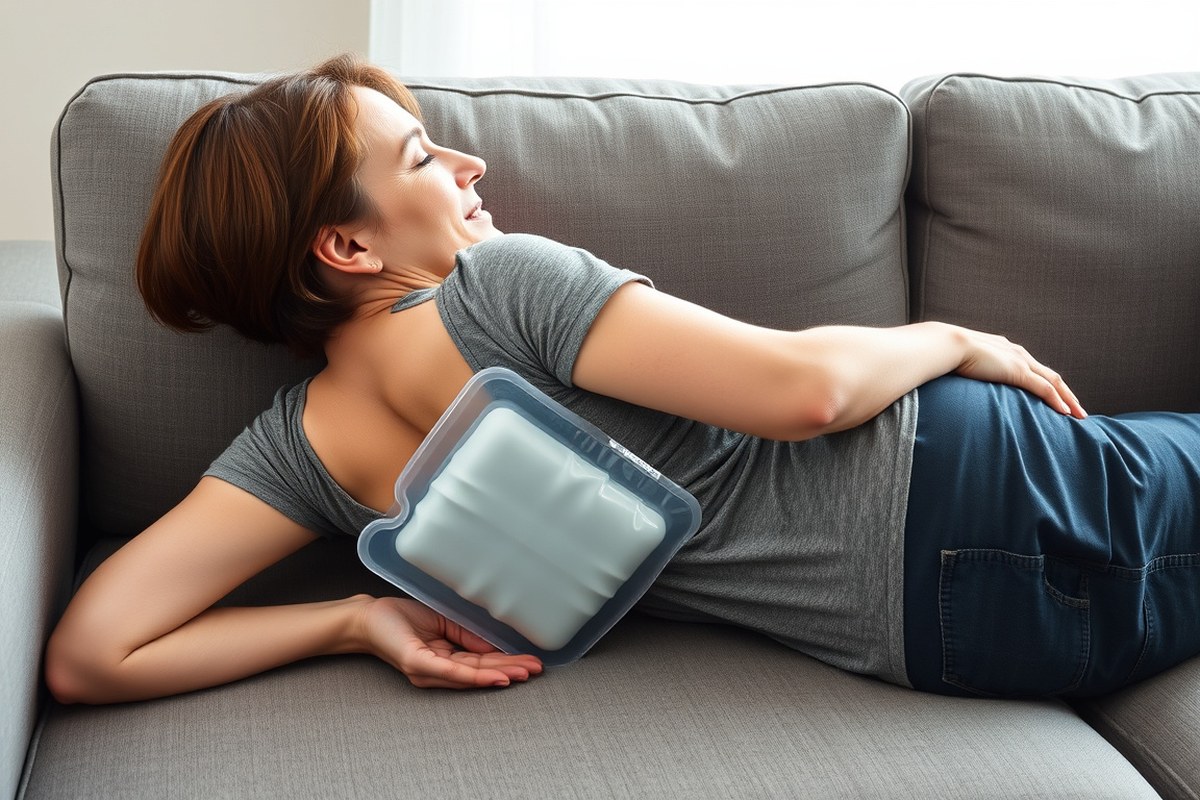
Effective home remedies for quick relief from back pain mainly involve using ice and heat therapy appropriately. Ice reduces inflammation and numbs soreness soon after an injury, while heat relaxes muscles and improves blood flow, which suits longer-term or chronic pain. Applying these treatments in the right timing and duration can significantly ease your discomfort.
Ice therapy is most suitable during the first 24 to 72 hours after an acute back injury or sudden pain. It helps reduce swelling and inflammation caused by muscle or ligament strain. Use cold packs like ice packs, a bag of frozen vegetables, or a frozen towel wrapped in a thin cloth to avoid skin damage. Apply ice for 20 minutes at a time, allowing at least 40 minutes between sessions to prevent frostbite and skin irritation.
Heat therapy works better when your back pain is more chronic or if stiffness and muscle tightness develop after the initial inflammation has eased. Moist heat, such as a microwaved herbal bag infused with relaxing aromatherapy, or a warm shower can soothe muscles and increase flexibility. Apply heat for 15 to 20 minutes at a time, and like ice therapy, repeat several times a day as needed. Here are detailed steps to apply ice and heat therapy for back pain relief:
- Identify the type and timing of your pain. Use ice if your pain started within the last 72 hours and you see swelling or inflammation.
- Prepare your ice source. Use an ice pack, frozen vegetables, or a frozen towel wrapped in a thin cloth to protect your skin.
- Apply ice on your back where it hurts. Keep it on for 20 minutes without pressing too hard.
- Remove ice and let your skin rest. Wait at least 40 minutes before applying ice again to avoid skin damage.
- Switch to heat therapy after 3 days if pain becomes stiff or chronic. Use a moist heat pack, microwaved herbal bag, or take a warm shower for 15 to 20 minutes.
- Repeat heat therapy multiple times per day as needed. Be cautious not to use heat on swollen, inflamed, or injured skin.
- Monitor how your back responds to each treatment. Stop immediately if pain worsens, or if skin irritation occurs, and consult a healthcare professional.
Costs for these home remedies are minimal. Ice can come from your freezer, and you can make warm packs at home using herbal bags or hot towels. These treatments can offer noticeable relief within days, but combining them with movement and other remedies will improve results. Avoid heat after fresh injuries to prevent worsening inflammation, and do not use ice for chronic pain beyond the first few days.
2. Exercises and Stretches to Relieve and Prevent Back Pain

Exercises like squats, planks, and gentle stretches can safely relieve back pain and strengthen muscles, reducing the chance of future issues. Stretching targeted areas, especially the lower back, helps keep muscles flexible. Yoga and water therapy offer low-impact options that improve strength and mobility but may require modifications depending on your pain type.
Safe Exercises for Acute and Chronic Pain
Start with low-impact exercises that build core and back strength without straining your muscles. Squats help engage the legs and hips while supporting the lower back. Planks strengthen the entire torso, providing stability to spinal structures. Always check with your doctor or physical therapist to ensure these exercises suit your condition. Follow these steps to safely perform basic strengthening exercises:
- Warm up with 5 minutes of light activity, such as walking or marching in place.
- Stand with feet hip-width apart, squat by bending your knees and pushing hips back as if sitting in a chair, then slowly rise back up. Repeat 8 to 12 times.
- Get down on your hands and knees to check your posture; then lower your forearms to the floor and hold a plank position while keeping your back straight for 10 to 30 seconds.
- Rest for 30 seconds between plank holds and repeat 3 to 5 times.
- Include gentle seated or lying leg raises to activate lower back muscles without direct strain.
- Cool down with walking and light stretching.
Tip: Stop any exercise that causes sharp or increased pain, and consult your healthcare provider before continuing.
Recommended Lower Back Stretches
Gentle stretches maintain muscle flexibility and reduce tension that contributes to back pain. Stretch while lying on the floor for better support and control. Focus on slow, controlled movements that do not cause discomfort. Try this common lower back stretch routine to relieve tightness:
- Lie on your back with knees bent and feet flat on the floor.
- Slowly bring one knee toward your chest while keeping the other foot planted.
- Hold the stretch for 20 to 30 seconds, then switch legs.
- Next, lie flat and gently twist your knees to one side while keeping shoulders on the ground to stretch the lower back and hips.
- Hold the twist for 20 seconds, then repeat on the opposite side.
- Finish with a pelvic tilt: tighten your abdominal muscles to press your lower back into the floor, hold for 5 seconds, and relax. Repeat 10 times.
Warning: Avoid stretches that cause pain or numbness in your legs or down your back nerves.
When to Consider Yoga or Water Therapy
Yoga and water therapy provide gentle ways to improve back strength and flexibility with less risk of aggravating pain. Yoga incorporates specific poses and breathing techniques that promote relaxation and muscular control. Modifying poses to your comfort level helps prevent strain.
Water therapy uses buoyancy to reduce weight on the spine, allowing freer movement and less pain during exercise. It suits people with chronic back pain who find land-based exercises difficult.
Choose yoga or water therapy if you seek low-impact activity that also improves posture and core strength. Always inform instructors about your back condition so exercises can be adapted. Begin with classes or sessions designed for beginners or those with back issues.
Tip: Avoid yoga poses that involve deep backbends or twisting if they worsen your pain, and consult your doctor before starting water therapy to rule out contraindications.
3. Posture and Ergonomics: How to Reduce Back Pain at Work and Home
Making better posture a habit can lower back pain, particularly when you consistently adjust how you sit and work. Slouching or bad posture puts added pressure on your spine and muscles, which can cause pain and increase injury risk over time. According to the Occupational Safety and Health Administration, improving your workstation setup is an effective method to both prevent and relieve back pain.
Start by checking your workstation setup. Your chair should support the natural curve of your lower back, ideally with adjustable lumbar support. Sit with your feet flat on the floor or on a footrest, and keep your knees at about the same height or slightly lower than your hips. Position your monitor directly in front of you at eye level to avoid tilting your head forward or backward. Your keyboard and mouse should be easy to reach without stretching; elbows should rest comfortably near your sides at about a 90-degree angle. Here is a step-by-step script to improve your posture during work or daily routines:
1. Sit back fully in your chair with your lumbar support touching the curve of your lower back.
2. Plant your feet flat on the floor or use a footrest.
3. Adjust the seat height so your knees are level with or slightly below your hips.
4. Position your computer screen so the top of the monitor is at eye level, about 20 to 30 inches away.
5. Keep your shoulders relaxed and elbows bent near your sides.
6. Take short breaks every 30 to 60 minutes to stand, stretch, or walk around for a few minutes.
Maintaining good posture outside of work matters, too. Avoid slouching when sitting on the couch or in a car. Try to keep your back straight and shoulders back during daily activities like cooking or using your phone. Switching from high heels to shoes with good arch support can also reduce unnecessary strain on your lower back while standing or walking.
Costs for ergonomic adjustments can vary. Basic changes like repositioning your monitor or adding a footrest often cost under $50. Investing in an adjustable chair with built-in lumbar support may range from $100 to $300. These expenses can be worthwhile, considering the impact on reducing pain and potentially avoiding lost workdays; up to 10% of workers change jobs or stop working due to lower back pain, according to the CDC.
Good results include reduced stiffness, less frequent pain episodes, and increased ability to sit or stand for longer periods without discomfort. Problems arise when posture corrections are ignored or only partially applied. For example, using a supportive chair but keeping the monitor too low still causes forward head posture and neck strain.
Adjustments should be personalized. People with certain conditions like scoliosis or chronic back injuries might need professional advice for ergonomic setups. Consulting a physical therapist or occupational therapist can save time and help customize changes for best outcomes. Simple self-assessments and making small, deliberate changes in how you sit, stand, and move can decrease the likelihood that your back pain worsens due to poor posture.
4. Safe Use of Over-the-Counter Medications and Topical Treatments
You can safely use several over-the-counter (OTC) medications and topical treatments to relieve back pain. The two main types of oral pain relievers are nonsteroidal anti-inflammatory drugs (NSAIDs) like ibuprofen and acetaminophen. NSAIDs reduce inflammation and pain, which makes them a good first choice for muscle strains or minor injury-related back pain. Acetaminophen works mainly by blocking pain signals and can be used if NSAIDs are unsuitable due to stomach or kidney concerns. Avoid combining NSAIDs with muscle relaxants such as cyclobenzaprine unless directed by a healthcare provider.
Topical creams and ointments provide targeted relief by applying medication directly to the painful area. Many OTC creams include analgesics or anti-inflammatory ingredients, and some products use natural compounds like cannabidiol (CBD) or arnica. Scientific evidence shows that CBD creams helped reduce symptoms of back pain after spinal surgery, making them an option for post-surgical pain management. Arnica has shown some benefit when combined with acupuncture and massage for osteoarthritis pain, but its effectiveness for back pain alone is less certain. Here is a comparison of common OTC options with approximate costs and typical use instructions:
| Medication or Cream | Type | How It Works | Cost Range (USD) | Use Instructions |
|---|---|---|---|---|
| Ibuprofen (e.g., Advil) | NSAID | Reduces inflammation and pain | $10, $15 for 100 tablets | 200-400 mg every 4-6 hours; do not exceed 1200 mg/day OTC |
| Acetaminophen (Tylenol) | Analgesic | Blocks pain signals in the brain | $8, $12 for 100 tablets | 500-1000 mg every 6 hours; max 3000 mg/day |
| Topical NSAID cream (e.g., diclofenac gel) | Anti-inflammatory | Reduces localized inflammation and pain | $20, $40 per tube | Apply 2-4 g to affected area 3-4 times daily |
| CBD cream | Natural analgesic | May reduce inflammation and pain perception | $20, $50 per jar | Apply to painful area up to 3 times daily |
| Arnica ointment | Natural anti-inflammatory | May reduce pain and swelling | $10, $25 per tube | Use topically up to 3 times daily with caution |
Apply topical creams for about 15 to 20 minutes per session and avoid combining topical treatments with heat or cold packs on the same area. Use oral OTC medications only as directed on the label and do not exceed recommended doses to prevent side effects such as stomach irritation or liver damage. Natural remedies like turmeric, often taken as a supplement or in food, have anti-inflammatory properties that may help reduce back pain over time, but they require consistent use and are best used alongside other treatments.
For immediate pain relief, NSAIDs often act within 30 to 60 minutes. Expect noticeable improvement in pain within a few days when using properly, but persistent or worsening symptoms mean you should consult a healthcare professional. Topical agents may provide more localized relief and fewer systemic side effects, making them a good option for people who cannot tolerate oral NSAIDs. Always check for allergies or sensitivities before trying new topical products.
5. Sleep Positions and Quality Sleep for Back Pain Improvement
How you position yourself during sleep greatly influences back pain by helping the spine stay naturally aligned and lessening pressure on the joints of your back. Sleeping on your side curled like in the fetal position or lying on your back with a pillow supporting your legs helps reduce stress on your lower back. This maintains the spine’s natural curve, easing discomfort and avoiding additional strain. Sleeping on your stomach or with a twisted posture can increase uneven pressure on your muscles and discs, worsening back pain.
Quality sleep also matters for back pain relief. Research shows that chronic poor sleep can increase the risk of long-term back pain, partly because poor sleep impairs the body’s ability to repair itself and can heighten pain sensitivity. Therefore, improving both position and sleep quality can break the cycle of pain and sleep disturbance.
To optimize your sleep posture, start by choosing the right mattress. A mattress that is too soft may cause your spine to sag, while one that is too firm can create pressure points. Medium-firm mattresses often offer a good balance of support and cushioning for many people with back pain.
To improve your sleep posture, start by placing a pillow between your knees when lying on your side; this keeps your hips aligned and eases the load on your lower back. If you sleep on your back, putting a pillow beneath your knees can slightly bend them, decreasing pressure on your lumbar spine. Avoid stomach sleeping, as it twists your neck and strains your lower back muscles.
Establishing a bedtime routine that promotes good sleep hygiene also supports back pain improvement. Maintain a consistent sleep schedule, avoid screens 30 to 60 minutes before bedtime, and create a dark, quiet, and cool bedroom environment to improve sleep quality.
Good results from these changes include waking up with less stiffness, reduced pain levels during the day, and feeling more rested. When back pain persists despite these adjustments, it could indicate underlying issues that need professional evaluation.
Using a pillow between your knees while sleeping on your side or placing one beneath your knees while lying on your back helps reduce strain on the lower back and improve comfort during sleep.
6. Massage Therapy and Stress Management Techniques for Back Pain
Massage therapy can provide short-term relief for both acute and chronic back pain, especially when muscle tension is involved. Stress reduction techniques also play a key role in easing pain naturally by calming the nervous system and reducing muscle tightness. Combining these approaches often helps manage back pain more effectively than using either alone.
Benefits of Massage for Different Pain Types
Massage may help relieve back pain caused by tense or overworked muscles, offering relaxation and improved circulation that can reduce stiffness. For acute back pain, massage often brings temporary comfort but is less likely to address the root cause unless paired with other treatments. Chronic back pain, especially non-specific types without a clear medical cause, can respond well to regular massage, which helps break the cycle of muscle tightness and discomfort.
The benefits also depend on the pain’s origin. Muscle-related back pain tends to respond better to massage compared to pain from structural issues like herniated discs. While massage may not cure these underlying problems, it can reduce the muscle spasm and pain secondary to them. Clinical studies suggest massage offers short-term relief for lower back pain, helping reduce pain intensity for a few days to weeks after a session.
Recommended Massage Frequency and Techniques
To achieve lasting benefits, schedule massage sessions weekly or every two weeks initially. This frequency allows consistent muscle relaxation and stress reduction without overwhelming your schedule or wallet. Professional therapeutic massage typically costs between $50 and $120 per session depending on location and therapist expertise. If regular sessions are not feasible, even monthly treatments can help maintain some relief.
Focus on gentle Swedish massage or deep tissue massage based on your pain level and sensitivity. Swedish massage uses long, flowing strokes to relax muscles, while deep tissue targets specific tight bands to ease knots. Self-massage tools like foam rollers or handheld massagers can supplement professional work by promoting blood flow and flexibility at home. Avoid aggressive or painful massage techniques that worsen discomfort and consult a licensed massage therapist familiar with back pain conditions.
Simple Stress-Management Exercises
Stress often increases muscle tension, which worsens back pain. Managing stress helps interrupt this painful feedback loop. Breathing exercises such as diaphragmatic breathing or box breathing are easy ways to calm the nervous system in minutes. Practice by inhaling slowly for four seconds, holding for four, exhaling for four, and pausing for four before repeating.
Yoga also offers stress relief combined with gentle stretching, making it effective for chronic back pain. Choose beginner-friendly classes focused on relaxation and mindful movement to protect your back. Progressive muscle relaxation, where you systematically tense and release different muscle groups, can decrease both physical tension and mental stress. These techniques require only 10 to 20 minutes daily and can be done at home or during breaks at work.
7. Diet, Supplements, and Weight Considerations in Back Pain
Changing your diet and managing your weight can play a significant role in reducing back pain. Certain foods have anti-inflammatory properties that may help decrease inflammation in your body, which often contributes to back pain. Including daily drinks like green tea, tart cherry juice, or beverages rich in antioxidants can gradually build up anti-inflammatory agents in your bloodstream, potentially easing chronic pain over time.
Supplements such as turmeric, omega-3 fatty acids from fish oil, and ginger are popular for their natural anti-inflammatory effects. These have some scientific support for reducing inflammation, but their impact on back pain varies among individuals. It’s best to consult a healthcare provider before starting any supplement to avoid interactions with medications or other health issues.
For people who are overweight or obese, losing weight can significantly reduce the mechanical pressure on the spine. Excess body weight, especially around the midsection, increases the load on your back, which can worsen pain and inflammation. Weight loss achieved through a balanced diet rich in fruits, vegetables, lean proteins, and whole grains combined with regular exercise helps lessen this strain. Health experts often recommend aiming for gradual weight loss of about 1 to 2 pounds per week to improve back health while maintaining muscle strength.
Maintaining a healthy weight also supports overall wellness, lowering the risk of other conditions that can contribute to back pain, such as diabetes or cardiovascular issues. People with obesity-related back pain may notice improvement only after losing a noticeable amount of weight, often in the range of 10% of their body weight.
When supplements or diet changes are new to you, begin by adding one anti-inflammatory drink each day, such as a cup of green tea after breakfast. Monitor your pain levels and any side effects over a few weeks. For weight loss, focus on replacing high-calorie snacks with nutrient-dense foods and increasing daily physical activity, like walking 30 minutes five days a week. Tracking your progress with a journal or app helps maintain motivation.
Costs for these approaches vary. Green tea and common supplements like turmeric or fish oil pills generally cost between $10 and $30 for a month’s supply. Weight management mainly costs time and effort but may involve expenses like healthier groceries or gym memberships.
Results from dietary and weight changes take time, commonly several weeks to months, to become noticeable. When back pain persists or worsens despite these efforts, it’s important to seek medical advice. Some back pain is related to structural issues that diet or weight alone may not resolve.
8. When to Seek Medical Care: Warning Signs and Monitoring Progress
Back pain usually improves with home care within a few days to weeks, but certain signs mean you should see a doctor. Monitoring your pain daily helps determine if your treatment is working or if medical advice is needed.
Key Warning Signs for Urgent Care
Severe back pain that does not get better with rest or worsens quickly needs prompt medical attention. Also, any new numbness, tingling, or weakness in your arms or legs can indicate nerve involvement requiring immediate evaluation. High fever combined with back pain suggests an infection, which is a medical emergency.
Other urgent symptoms include sudden loss of bladder or bowel control and unexplained rapid weight loss. These signs may indicate serious spinal or systemic issues and must not be ignored.
- Severe pain not improving with rest
- Numbness or tingling in limbs
- Weakness in arms or legs
- Loss of bladder or bowel control
- High fever with back pain
- Sudden unexplained weight loss
- Back pain after trauma or injury
Don’t wait to seek care if you develop weakness or bladder problems alongside back pain, as they could signal serious nerve damage.
Tracking and Measuring Pain Improvement
Track your back pain by rating its intensity daily on a scale from 1 to 10. Record how the pain affects your ability to do daily tasks and sleep. Improvement means a steady decrease in pain scores and better function over a few days to 2 weeks.
Use a journal or app to log your pain levels, activities, and treatments tried. Notice if certain movements or stretches increase pain by more than 2 points on the scale, then stop or adjust them. If no improvement occurs in about 3 to 5 days, or pain worsens, consult a healthcare professional. Monitoring progress also helps identify if you may be overdoing activities or exercises, which can delay healing.
Indicators of Underlying Medical Conditions
Back pain can sometimes stem from issues unrelated to muscles or discs, such as kidney problems or inflammatory diseases. Pay attention to symptoms like fever, unexplained weight change, or weakness outside the back area. Persistent pain that does not improve with rest or home remedies could signal these underlying conditions.
Other factors like menopause, pregnancy, or hormonal imbalances can contribute to back discomfort. These often require specialist evaluation to tailor a proper treatment plan. Always mention accompanying symptoms to your healthcare provider for a complete diagnosis.
Step-by-Step Action Plan to Relieve and Prevent Back Pain
Follow this plan to get quick relief from your back pain and build habits that protect your back over time. Track your progress and adjust based on how your pain responds.
- Day 1: Apply Home Remedies. Use a cold pack on the painful area for 15, 20 minutes every two hours during the first 48 hours, then switch to heat if needed. Notice if the pain lessens or feels less sharp.
- Day 2, 3: Start Gentle Stretches. Perform simple stretches like knee-to-chest and pelvic tilts twice daily, holding each for 15, 30 seconds. Improvement shows if your stiffness reduces and range of motion increases without more pain.
- Day 4, 7: Adjust Your Posture and Workspace. Set up your chair and desk to support an upright posture, feet flat, back supported, and screen at eye level. Check if your back feels less strained during and after work.
- Week 2: Use Over-the-Counter Pain Relief Safely. Take NSAIDs or apply topical analgesics as directed on the label for short-term pain relief. You should feel noticeable pain reduction within a few days without side effects.
- Week 2, 3: Optimize Your Sleep Position. Try sleeping on your side with a pillow between your knees or on your back with a pillow under your knees. Improved sleep quality and less morning back stiffness indicate success.
- Week 3: Incorporate Massage and Stress Reduction. Schedule a massage or practice relaxation techniques like deep breathing daily to reduce muscle tension. You’ll notice decreased muscle tightness and better overall comfort.
- Week 4: Review Diet and Weight. Maintain a balanced diet and consider weight management if overweight, as this reduces pressure on your back. Look for improved energy and less back discomfort as signs it’s working.
- Ongoing: Monitor Your Condition and Seek Medical Help. Watch for worsening pain, leg weakness, numbness, or bladder problems. Consult a healthcare professional immediately if these occur or if your pain doesn’t improve after 4, 6 weeks.
Frequently Asked Questions
Can Applying Ice Help Get Rid of Back Pain Immediately?
Yes, applying ice for 20 minutes during the first 24 to 48 hours reduces inflammation and pain. Use a cold pack or frozen vegetables wrapped in a towel.
Is Massage Therapy Effective for Chronic Back Pain?
Massage therapy once a week for 10 weeks can reduce pain and improve function. It may be a good natural option alongside other treatments.
Can Improving Physical Fitness Reduce Back Pain Frequency?
Yes, staying physically fit lowers the chance of developing back pain. Exercises that strengthen your core and back muscles support your spine better.
Is Acupuncture a Reliable Method to Relieve Back Pain?
Evidence is mixed, but many people report relief from chronic back pain with acupuncture. It can be considered as a complementary treatment option.
How Soon Should I Switch from Ice to Heat Therapy for Back Pain?
Typically, use ice packs during the first 48 hours, then switch to heat like heating pads to relax muscles. Alternate treatments if pain persists.
Should I Avoid All Medication for Back Pain Relief?
Not necessarily; over-the-counter meds can be safe and helpful if used as directed. Combine them with home remedies for best results.
Key Points to Remember
Taking small steps today can make a real difference in reducing your back pain and improving your quality of life. Try adjusting your workstation to support better posture or incorporating a gentle stretch into your daily routine. If your pain persists or worsens, keep track of your symptoms and consult a healthcare professional for personalized care. Consistent attention to your back health helps prevent discomfort from becoming a larger issue down the road.





One Comment