

How to Get Rid of Stretch Marks: 8 Proven Treatments and Prevention Tips
How to get rid of stretch marks depends on their age, color, and your skin type, but complete removal is only possible through surgery. Most treatments, like laser therapy, microneedling, and topical products, focus on improving their appearance rather than eliminating them. Home remedies offer limited results and lack strong scientific proof.
This information is for anyone dealing with stretch marks from pregnancy, puberty, or weight changes and seeking effective options. You’ll find clear explanations of treatments, prevention tips, realistic expectations, and how to choose what fits your skin and goals best.
Key Takeaways
- Stretch marks develop from skin stretching and collagen disruption, transitioning from reddish-purple to white scars over 1 to 2 years, rarely disappearing fully.
- Rapid growth during puberty, pregnancy, or weight changes causes skin to stretch too fast, triggering stretch mark formation in up to 90% of pregnant women.
- Prescription tretinoin creams used daily for 12 to 24 weeks can reduce stretch marks’ appearance by up to 80%, but may cause redness or itching.
- Laser therapies like Er:YAG and microneedling significantly improve stretch mark volume and texture within six months by stimulating skin regeneration.
- Visible improvement from treatments may take several months; consult a dermatologist if marks worsen or cause skin irritation.
- Maintaining skin hydration, gradual weight changes, and balanced nutrition can help minimize the risk of developing stretch marks.
1. How Do Stretch Marks Form and Can They Be Removed Completely?
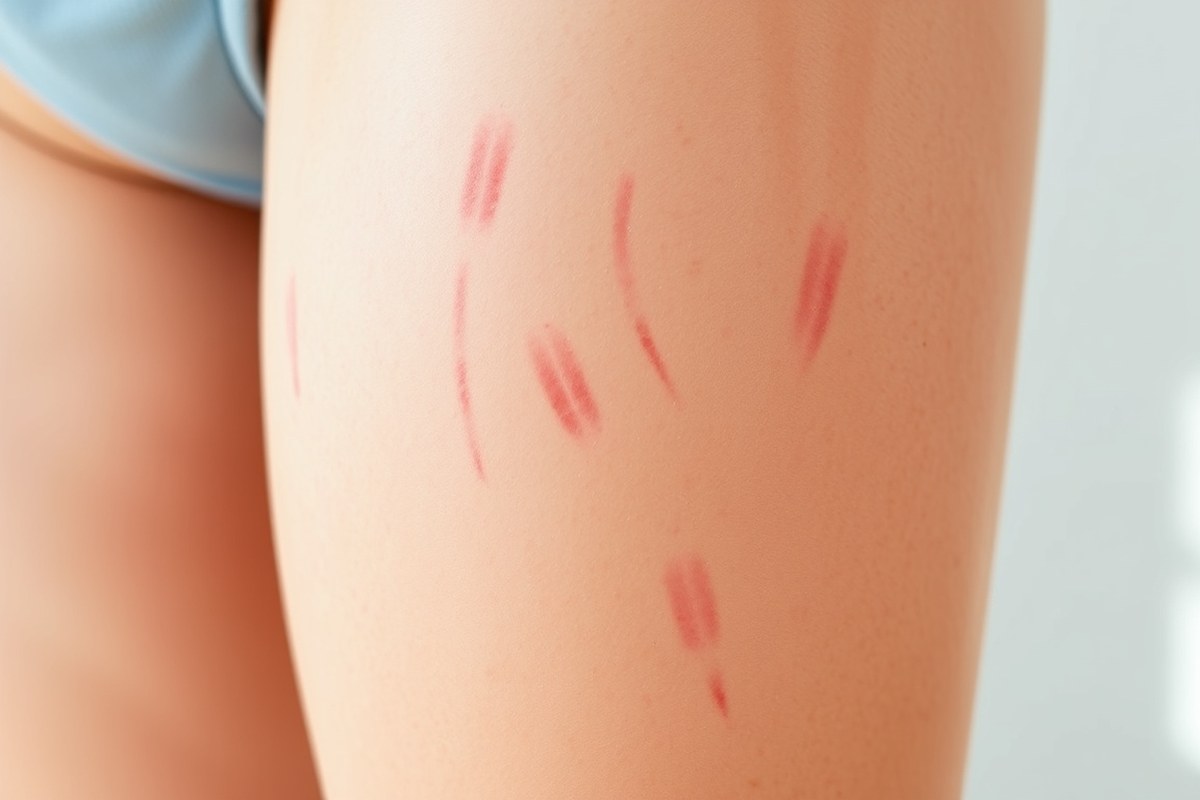
Stretch marks are a type of scar that develops when your skin stretches or shrinks quickly. This rapid change causes the collagen and elastin fibers in your skin to break. These fibers are what keep your skin strong and flexible. When they break, the skin becomes thin and the marks appear. Typically, stretch marks start as pink, red, or purple lines due to blood vessels showing through. Over time, they fade to a white or silvery color as the blood vessels contract and the skin heals.
The formation of stretch marks happens most commonly during pregnancy, puberty, or any rapid weight gain or loss. The marks tend to occur where skin stretches the most, like the abdomen, thighs, hips, breasts, and upper arms. They are a natural, harmless skin change, but that does not mean they are easy to get rid of.
Completely removing stretch marks is very difficult. Once formed, they rarely disappear fully, even with treatment. Many people hope to erase them entirely, but the truth is that stretch marks usually only fade over time. This fading process can take months or even years without any treatment. For instance, red or purple stretch marks that are newer respond better to treatments like vascular lasers, which target the blood vessels and can reduce the color intensity. These lasers include 595-nm pulsed-dye or 1064-nm Nd:YAG types and are typically more effective on younger marks.
Older stretch marks that have turned white or silvery are much harder to treat because the skin has lost much of its original pigment and blood flow. Treatments such as creams or microneedling may improve their texture or color slightly but won’t make them vanish completely. Even surgical options, which physically remove the affected skin, are the only methods that can potentially eliminate stretch marks fully. However, surgery is invasive, expensive, and comes with risks, so it is usually reserved for extreme cases.
Choosing the right treatment depends on the age, color, and location of your stretch marks. Red or purple marks are easier to treat and more likely to respond well to laser or light-based therapies. White marks, especially those older than a year, are more resistant and may only show modest improvement with topical or medical treatments. Patience is essential since fading naturally or through treatment requires several months, and results vary from person to person.
2. Why Do Stretch Marks Appear During Puberty, Pregnancy, or Weight Changes?

Stretch marks develop when the skin stretches too quickly for the collagen and elastin fibers to keep up. This rapid stretching causes tiny tears beneath the surface, showing up as streaks or lines, often on the belly, thighs, breasts, or upper arms. Puberty, pregnancy, and sudden weight changes are typical triggers because they cause fast growth or expansion of body tissues.
During puberty, your body grows quickly, and hormone changes can reduce skin elasticity, making stretch marks common for both boys and girls. Research from “The Journal of Pediatrics” shows about 40 percent of boys get stretch marks during puberty, often around the lower back and flanks. Pregnancy adds more stretch by expanding the belly, breasts, and hips, combined with hormonal shifts that soften skin’s connective tissue. Rapid weight gain or loss, whether from lifestyle changes or bodybuilding, stretches and sometimes damages the skin similarly.
Men and women share many risk factors, but because women tend to experience pregnancy and hormonal shifts that affect skin quality, they often see stretch marks more frequently. Men developing stretch marks usually relate to puberty, fast muscle growth, or weight fluctuations. Treatment options generally remain similar, although identifying the exact cause helps tailor prevention and care.
- Rapid physical growth during puberty causes skin to stretch too fast
- Hormonal changes affect skin elasticity and collagen production
- Pregnancy causes both stretching and hormonal skin changes
- Weight gain or bodybuilding can rapidly increase skin surface area
- Corticosteroid use weakens skin fibers, raising risk
- Genetics may make some people more prone to stretch marks
- Men are affected too, especially during puberty and muscle growth
Knowing these triggers lets you take steps to protect your skin. For pregnancy, keeping weight gain gradual and moisturizing daily supports skin resilience. Teens should understand that stretch marks can be part of normal growth, and staying hydrated helps. For weight changes, losing or gaining pounds steadily reduces sudden stretching stress.
Gradual weight changes and consistent skin hydration are key to reducing stretch mark risks in many situations.
3. Home Remedies and Topical Treatments: What Actually Works?
Some home remedies and over-the-counter creams can help reduce the appearance of stretch marks, especially when they are new. Among these, tretinoin cream and hyaluronic acid show the most promise scientifically, while natural ingredients like aloe vera and vitamin E have limited evidence supporting their effectiveness.
Popular Home Remedies and Their Evidence
Many people turn to natural options such as aloe vera, vitamin E oil, cocoa butter, and almond oil to treat stretch marks. These substances are often used because they hydrate the skin and may improve skin texture, but research has not found strong evidence that they actually reduce stretch marks. Aloe vera is soothing and safe, but it mainly eases skin irritation rather than fading stretch marks directly. Vitamin E and cocoa butter, while widely promoted, have not consistently been shown to improve stretch marks in clinical studies. Using these oils or creams regularly can maintain skin moisture, which helps with skin elasticity, but they are unlikely to produce dramatic results.
Self-tanning products can temporarily camouflage stretch marks by evening out skin tone. This approach doesn’t remove stretch marks but can make them less noticeable, especially on visible areas like legs or arms. Camouflage is a quick way to improve appearance when waiting for other treatments to show effect or when stronger treatments are not suitable.
Topical Medical Creams: Retinoids and Hyaluronic Acid
Retinoid prescriptions like tretinoin creams at 0.05% or 0.1% strength can improve stretch marks by boosting collagen growth and speeding up skin renewal. These treatments work best on newer stretch marks and may lessen their size. One study showed that using tretinoin 0.1% cream every day for 12 weeks reduced pregnancy stretch marks length by 20%. Tretinoin rebuilds skin support but needs regular use over weeks or months before results appear.
Hyaluronic acid, often found in prescription creams and gels, hydrates the skin and supports collagen synthesis. It may improve the skin’s elasticity and improve the appearance of stretch marks when used regularly. Unlike tretinoin, hyaluronic acid products are generally safe for most users, including those who are pregnant, making them a preferable option if tretinoin is contraindicated.
Retinol, a milder vitamin A derivative available in some over-the-counter products, can offer similar benefits to tretinoin but usually in a less potent form. These may be suitable for sensitive skin or as a maintenance treatment after prescription retinoids.
Safety and Side Effects of Cream Treatments
Tretinoin creams can cause side effects such as skin redness, dryness, and itching, especially during the first few weeks of use. These effects occur because tretinoin increases skin cell turnover and may irritate sensitive skin. To reduce side effects, start with a lower concentration, apply the cream every other night, and use a moisturizer to soothe the skin. Avoid sun exposure or use sunscreen diligently, as tretinoin increases photosensitivity.
Pregnant or breastfeeding women should avoid tretinoin creams due to potential risks to the baby. Hyaluronic acid and other moisturizing creams are safer alternatives during pregnancy. Always consult your healthcare provider before using any medical creams, especially if you have sensitive skin or underlying health conditions.
Over-the-counter creams that claim to remove stretch marks without active medical ingredients may not deliver results but are generally safe to try as supportive skincare. Expect gradual improvement with any topical treatment and combine it with other measures for better results.
4. Laser Therapy, Microneedling, and Advanced Medical Treatments Explained
Professional treatments for stretch marks like laser therapy, microneedling, chemical peels, and microdermabrasion offer faster and more noticeable improvements than most home remedies. These procedures vary in how they work, number of sessions needed, side effects, and suitability for different skin types. Combining some treatments, such as laser with platelet-rich plasma (PRP), can improve results.
Laser Treatment Types and Their Effects
Laser therapy uses focused light to stimulate collagen production and remodel the skin, improving stretch mark texture and color. Fractional CO2 lasers are ablative and work well on early-stage red stretch marks (striae rubra). They typically require 3 to 5 sessions and suit lighter skin tones (Fitzpatrick I-III). Side effects include redness, itching, and risk of post-inflammatory hyperpigmentation (PIH). Er:YAG lasers are also ablative but slightly safer for darker skin tones (up to Fitzpatrick IV-V), treating both new and mature white stretch marks (striae alba) in 2 to 4 sessions. Nonablative lasers like the 1550-nm erbium-doped fractional laser are less aggressive with lower downtime but may need more sessions for visible improvement.
Pulse dye lasers (such as Vbeam®) target redness and blood vessels to reduce inflammation in newer stretch marks. Patients often see at least 50% improvement after about two sessions, with some achieving over 75%. Laser treatments tend to be higher in cost but deliver more dramatic results faster than other methods. Combining lasers with platelet-rich plasma injections further boosts collagen remodeling and healing, leading to better satisfaction.
Microneedling and PRP Therapy Benefits
Microneedling uses fine needles to create tiny skin punctures, which triggers natural healing and collagen production, smoothing the skin surface. This treatment is suitable for most skin types, including darker tones, and usually requires 3 to 6 sessions spaced 4 to 6 weeks apart for noticeable stretch mark reduction. Microneedling is well-tolerated with minimal side effects like mild redness. Adding platelet-rich plasma (PRP) therapy involves injecting concentrated platelets from your own blood to promote faster healing and improved skin texture. Studies show PRP outperforms tretinoin for stretch marks and improve microneedling effects.
Combining microneedling with PRP can speed up results and may reduce the number of needed visits. This duo is less expensive and invasive compared to ablative laser treatments but may produce subtler improvements. It’s especially helpful for those with sensitive skin or concerns about laser side effects.
Chemical Peels and Microdermabrasion Overview
Chemical peels use acids like glycolic acid to exfoliate the top skin layers and stimulate collagen. They can lighten discoloration and slightly improve stretch mark texture but generally offer modest results alone. Multiple peel sessions, typically 4 to 6 spaced a few weeks apart, are necessary. Peels are more affordable and available in salons or dermatology clinics but don’t provide as dramatic changes as lasers or microneedling.
Microdermabrasion mechanically exfoliates the skin with fine crystals or diamond tips, improving skin tone and texture. It’s safe for most skin types but tends to have limited impact on deep or mature stretch marks. This treatment usually requires multiple sessions with maintenance treatments over time. Microdermabrasion is more accessible and can be combined with other therapies for better results but won’t significantly erase stretch marks by itself.
5. Realistic Expectations: Timelines, Results, and When to Seek Help
Stretch marks naturally fade over time, but this process often takes months or even years depending on factors like your skin type, age, and how long you’ve had the marks. Early, reddish stretch marks usually lighten within 6 to 12 months, while older, white lines may persist much longer and rarely disappear entirely without treatment. Most treatments require multiple sessions spaced weeks apart, with noticeable improvements after three to four treatments, although full results could take up to six months or even longer as collagen rebuilds and skin texture improves.
Knowing when to see a dermatologist is key to avoiding wasted time and expense on ineffective self-treatments. Schedule a consultation if your stretch marks are extensive, dark, or causing distress, or if home remedies and over-the-counter products show little to no improvement after 2 to 3 months of consistent use. A board-certified dermatologist or plastic surgeon can assess your skin and recommend options tailored to your specific needs, such as laser therapy, microneedling, or prescription-strength retinoids, that you cannot get reliably at home.
To determine whether a treatment is working, track your stretch marks regularly with photos taken under consistent lighting and skin conditions. Look for gradual fading of color, smoother texture, and reduced width or depth of marks as signs of progress. Keep in mind that full improvement usually requires four to eight treatment sessions spaced 4 to 6 weeks apart. If you see no change after 3 months of treatment, or if irritation or increased redness occurs, pause the treatment and consult your dermatologist to adjust your plan.
During your dermatologist visit, prepare a checklist of your stretch marks’ history, how long you’ve had them, how rapidly they appeared, any previous treatments undertaken, and your goals for improvement. Also ask about treatment risks, side effects, expected timelines for seeing results, and costs involved, which can range from $200 to $500 per laser or microneedling session. Knowing these details helps set realistic expectations and ensures you commit to a course of action likely to yield noticeable benefits within months rather than weeks.
Document your stretch marks with photos every two weeks to objectively track treatment progress and share these images with your dermatologist to fine-tune your plan.
6. Preventing Stretch Marks: Daily Habits and Lifestyle Tips
Maintaining skin health through daily habits can help reduce the risk of developing new stretch marks. Proper hydration and a diet rich in vitamins and minerals support skin elasticity by promoting collagen production. Drinking at least 8 cups of water daily and eating foods high in vitamin C, E, zinc, and protein, such as citrus fruits, nuts, lean meats, and leafy greens, can boost your skin’s resilience against rapid stretching.
Moisturizing your skin regularly may not fully prevent stretch marks, but it keeps your skin supple and less prone to tearing. Products containing shea butter or Centella Asiatica extract may improve skin texture and prevent existing marks from worsening. Applying a thick moisturizer twice daily after showering helps lock in moisture. Retinoid creams can increase collagen and cell turnover, but they should be avoided during pregnancy and breastfeeding. Always consult your healthcare provider before using any topical treatment during these times.
Keeping your weight stable by avoiding rapid gains or losses plays a significant role in preventing new stretch marks. Regular exercise promotes healthy circulation, which supports skin repair and elasticity. Gentle strength training or low-impact cardio, three to five times a week, can help maintain muscle tone and skin health without overstressing the skin.
- Drink at least 64 ounces of water daily to stay hydrated
- Eat a balanced diet with plenty of fruits, vegetables, lean proteins, and healthy fats
- Apply moisturizing creams containing shea butter or Centella Asiatica twice daily
- Avoid retinoid creams if you are pregnant or breastfeeding; consult a doctor first
- Maintain steady weight through regular exercise and healthy eating
- Wear comfortable clothing to reduce skin irritation and stretching
- Avoid harsh soaps that dry out the skin
During pregnancy, it’s safest to rely on gentle skin care and hydration rather than strong topical treatments. Many over-the-counter creams lack strong evidence for prevention but can ease itching and improve skin comfort. After childbirth, retinoid-based products may be reintroduced carefully to support skin renewal under your healthcare provider’s supervision.
7. Side Effects, Risks, and Safety Tips for Stretch Mark Treatments
Treatments for stretch marks carry varying risks and side effects depending on the method used. Laser therapies, including pulsed dye laser and fractional laser treatments, can cause temporary redness, swelling, and mild discomfort. More rarely, these treatments may lead to hyperpigmentation or hypopigmentation, especially in those with darker skin tones, making a careful skin assessment important before treatment. Microneedling may result in minor bleeding, redness, and irritation, which usually subside within a few days. Topical treatments like tretinoin stimulate collagen but can cause skin irritation, redness, and increased sun sensitivity, requiring diligent sun protection.
Seasonal and skin type considerations significantly affect treatment safety and outcomes. Procedures involving lasers and chemical peels should generally be avoided or postponed during intense sun exposure months to reduce risks of pigmentation changes. People with darker skin types may need modified laser settings or alternative treatments to minimize post-inflammatory pigmentation problems. A board-certified dermatologist can help determine the safest and most effective approach based on your skin’s characteristics and the type of stretch marks you have.
Before treatment, a thorough skin evaluation by a dermatologist will guide the choice of therapy and settings. It’s critical to follow pre-treatment instructions such as avoiding sun exposure and discontinuing certain medications or topical products that could increase skin sensitivity. After treatment, protecting your skin is essential: apply broad-spectrum sunscreen with at least SPF 30 daily, avoid hot baths or vigorous exercise that could irritate the treated area, and use any prescribed soothing creams as directed. Adhering to these steps helps prevent complications and promotes optimal healing. Here is a checklist to maximize safety and improve your results:
- Consult a dermatologist who evaluates your skin type and stretch mark severity.
- Avoid sun exposure at least 2 weeks before and after laser or chemical treatments.
- Use broad-spectrum sunscreen with SPF 30 or higher daily during treatment periods.
- Disclose all medications and skincare products to your provider to prevent adverse reactions.
- Follow your provider’s instructions on skincare routines before and after procedures.
- Report any unusual symptoms immediately, such as excessive redness, pain, swelling, or discoloration.
- Plan for multiple sessions if necessary, as visible improvement typically requires several treatments spaced weeks apart.
Costs of professional stretch mark treatments vary widely, generally ranging from $200 to over $1,000 per session depending on the method, session length, and number of areas treated. Good outcomes include reduced visibility of stretch marks, improved skin texture, and even skin tone without lasting side effects. Potential downsides include incomplete results, temporary discomfort, and the need for repeat treatments. Treatments aimed at newer, red or purple stretch marks often respond better and with fewer risks than those targeting older, white stretch marks, which may require more aggressive or combination approaches.
8. Choosing the Right Treatment: A Guide Based on Mark Type, Skin, and Goals
Choosing the right treatment for stretch marks depends on your skin type, how old the marks are, where they appear on your body, costs, and how sensitive your skin is. Newer marks (red or purple) respond better to certain treatments, while older white marks need different approaches. Consider these factors carefully to pick a treatment that matches your goals and skin condition.
Factors Influencing Treatment Choice
The age of your stretch marks affects which treatments work best. Red or purple marks formed recently usually respond well to microneedling or laser therapy, which reduce redness and improve texture. White or silver stretch marks, older and more set-in, may require more intensive treatments like fractional laser or professional microneedling for noticeable improvement.
Your skin type and sensitivity also matter. People with sensitive or darker skin should avoid aggressive laser treatments that risk discoloration. Microneedling is safer for many skin types and locations, like the abdomen, thighs, hips, and breasts. Topical treatments can complement professional therapies but usually work best on mild marks or as maintenance.
Consulting a skincare professional will help match the treatment method to your exact skin condition and sensitivity. This prevents side effects like irritation or uneven tone, especially on delicate areas like breasts and inner thighs.
Cost and Time Commitment Comparison
Different treatments carry varying cost and time commitments, which may affect your choice. Professional treatments tend to be pricier but often deliver quicker, more visible results compared to home remedies or topical creams.
| Treatment | Ideal Mark Type | Body Areas | Average Cost per Session | Typical Sessions Needed |
|---|---|---|---|---|
| Microneedling | Mild to moderate, red or white marks | Abdomen, thighs, hips, breasts | $200, $700 | 3 to 6 sessions |
| Laser Therapy | Red, purple marks; some white marks | Stomach, breasts, upper arms | $300, $1,000 | 3 to 5 sessions |
| Topical Treatments | Mild marks, early stage | Any visible area | $10, $50 (per product) | Daily, for several months |
| Body Makeup | Any stretch mark | Visible areas for camouflage | $15, $40 (per product) | Applied daily as needed |
Planning your appointments and budget ahead can help you stay consistent. Treatments like microneedling and laser can yield good results after several sessions spaced weeks apart. Topical creams take longer and require ongoing use for effect.
Body Location and Skin Tone Considerations
Stretch marks appear on various body parts such as the abdomen, breasts, hips, thighs, buttocks, and upper arms. Treatment effectiveness and safety vary depending on the location. For example, thinner skin areas like the breasts require gentler approaches to avoid irritation or damage.
Darker skin tones need careful treatment selection to lower risks of pigmentation changes. Microneedling is often safer for diverse skin tones, while aggressive lasers could lead to discoloration. Some treatments can be customized by location to improve safety and results, such as adjusting laser intensity on sensitive areas.
Always perform a patch test or consult a dermatologist before starting any treatment, especially on sensitive or darker skin, to avoid adverse reactions.
Step-by-Step Action Plan to Reduce Stretch Marks
Follow this practical timeline to start treating and preventing stretch marks effectively, with clear milestones to track your progress.
- Before You Start: Identify your stretch mark type (new red/purple or older white/silver) and skin type. This helps you choose the right treatment and set realistic goals.
- Week 1: Begin applying a proven topical treatment like a retinoid cream or hyaluronic acid twice daily on new stretch marks. You’ll know it’s working if the stretch marks start to fade in color or feel smoother after 3 to 4 weeks.
- Week 2 to 4: Add daily moisturizing with products containing cocoa butter or shea butter to improve skin elasticity. Notice less itching or tightness, indicating better hydration.
- After 1 Month: Evaluate your progress. If marks remain prominent and you have moderate to severe stretch marks, consider consulting a dermatologist to discuss laser therapy or microneedling options.
- Week 6: If undergoing medical treatments, follow the provider’s schedule, typically spaced several weeks apart. Track improvements in texture and color after each session.
- Ongoing: Maintain a healthy weight, eat nutrient-rich foods, and stay hydrated daily to prevent new stretch marks. Check your skin regularly for any changes.
- Every 3 Months: Reassess your treatment plan with a professional if results stall or if side effects occur, ensuring your approach remains safe and effective.
- Daily Habit: Protect treated skin from sun exposure using sunscreen to avoid pigmentation changes. Confirm protection by noting less discoloration around stretch marks when exposed to sunlight.
Frequently Asked Questions
Why Does My 15 Year Old Have Stretch Marks?
Stretch marks during puberty often result from rapid growth and hormonal changes. Teenagers’ skin stretches quickly, causing these marks even without weight gain. Staying hydrated and using moisturizers can help improve skin elasticity.
Can You 100% Get Rid of Stretch Marks?
No, stretch marks cannot be completely removed without surgery. Treatments like lasers and microneedling can reduce their appearance, but they usually don’t disappear entirely. Realistic expectations are key when choosing a treatment.
How to Fade Away Stretch Marks Naturally?
Stretch marks can fade over time through natural skin healing and using moisturizers or oils. Natural remedies have limited scientific support but can improve skin hydration and elasticity. Consistency is important for noticeable fading.
Do Stretch Marks Go Away?
Stretch marks often lighten and fade as your skin repairs itself, but they rarely go away fully. Color changes from red or purple to a lighter shade usually happen over months to years. Early treatment may help with fading speed.
Can Diet Impact Stretch Mark Formation?
Yes, a balanced diet with vitamins C, E, and zinc supports skin health and resilience. Good nutrition may reduce the risk or severity of stretch marks during growth or weight changes.
Is Exercise Effective for Reducing Stretch Marks?
Exercise doesn’t remove stretch marks but can improve skin tone and overall appearance. Strength training and maintaining a stable weight may prevent worsening stretch marks.
Wrapping Up
Getting rid of stretch marks takes patience and choosing treatments suited to your skin and goals. You can start by applying a reliable topical product with proven ingredients like retinoids or hyaluronic acid, which can improve the appearance over time. Monitor how your skin responds and consider consulting a dermatologist if you want to explore more advanced options safely and effectively.




One Comment