Do Ultrasonic Pest Repellers Work on Rats? What Actually Works and How to Use Them
Ultrasonic pest repellers often do not work reliably on rats because these devices emit high-frequency sounds that rats can sometimes ignore or quickly get used to. These devices may temporarily disturb a few rats near the device, but they usually do not provide a lasting solution for rat infestations. If you want to reduce rat activity using ultrasonic repellers, you need to understand their proper use, limitations, and what alternatives to consider.
This article explains how ultrasonic pest repellers work to repel rats, the best ways to use them, and their effectiveness compared to traditional rat control methods. You will also learn safety considerations for family members and pets, and what to do if ultrasonic repellers don’t solve your rat problem. Practical advice on selecting reputable devices and user feedback guides you toward informed decisions on managing rats with electronic tools.
Key Takeaways
- Ultrasonic pest repellers emit sound waves that irritate rats’ hearing, encouraging them to avoid treated areas but results vary.
- Place ultrasonic repellers in open spaces with minimal furniture to maximize sound wave coverage and reduce hiding spots for rats.
- Ultrasonic devices struggle to penetrate walls or furniture, limiting effectiveness in multi-room or cluttered environments.
- Ultrasonic repellers are generally safe for humans and most pets but may disturb small rodents, hamsters, or sensitive animals.
- Traditional control methods like traps and bait remain more reliable for persistent rat infestations than ultrasonic repellers alone.
- If ultrasonic repellers do not reduce rat activity, combine them with sealing entry points and removing food sources for better control.
Do Ultrasonic Pest Repellers Actually Work on Rats?
Ultrasonic pest repellers have limited success when it comes to rats, with mixed evidence from scientific studies and user reports. Several controlled studies have tested ultrasonic devices, finding that rats often become habituated to the high-frequency sounds over time, which reduces their effectiveness. Rats’ ability to adapt limits the long-term impact of these devices on rat activity in indoor environments.
User reviews reflect a similar pattern. Many people notice a temporary decrease in rat sightings shortly after deploying ultrasonic repellers, but this effect tends to fade within days or weeks. Some users report little to no change in rat behavior, especially in areas with established infestations or high food availability. For these reasons, relying on ultrasonic repellers as the sole rat control method rarely produces consistent, lasting results.
Effectiveness depends heavily on device placement and environmental conditions. Ultrasonic waves are blocked by walls, furniture, and other objects, so placing the units strategically in open spaces where rats are active is necessary. One device typically covers about 800 to 1,200 square feet of unobstructed space. Larger or cluttered areas require multiple units to achieve any noticeable impact. Continuous operation is also critical because rats may return when devices are turned off or if fresh food and shelter attract them.
Some brands offer devices that sweep frequencies or emit mixed ultrasonic and electromagnetic signals, which might delay rodent habituation. However, these technologies do not guarantee eradication; they only create a less comfortable environment for rats. These devices typically cost between $30 and $80 but should not replace regular cleaning, sealing entry points, and trapping.
Ultrasonic repellers can reduce rat activity temporarily in limited settings but often fail to provide a reliable or thorough solution. Combining their use with physical barriers, sanitation, and trapping improves the chances of controlling a rat problem. Ignoring these traditional methods may prolong your rat problem despite the use of electronic devices.
How Ultrasonic Pest Repellers Work to Repel Rats
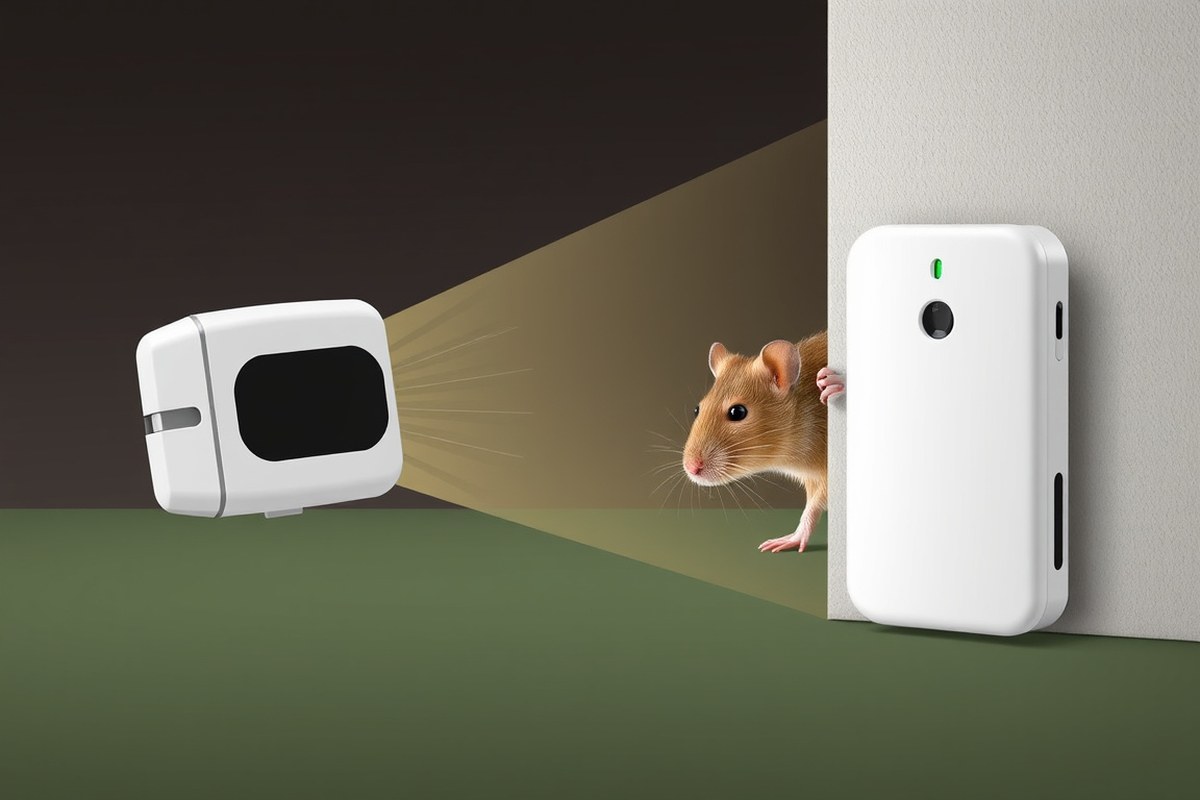
Ultrasonic pest repellers repel rats by emitting high-frequency sound waves that interfere with their hearing and nervous system, causing discomfort. These sound waves fall in ranges humans cannot hear but rats can detect, making ultrasonic devices a non-chemical way to encourage rats to avoid treated areas.
Frequencies Used and Their Effect on Rats
Typical ultrasonic pest repellers emit sound waves between 20 kHz and 65 kHz, which are above the upper limit of human hearing (about 20 kHz). Rats are sensitive to frequencies in this range because their hearing extends into ultrasonic frequencies. The sound causes irritation by overstimulating their auditory system and disturbing their communication, prompting them to leave the vicinity.
The exact frequency matters because rats vary in their sensitivity, and some ultrasonic signals may be less effective if the frequency is too low or too high. Devices often use variable or sweeping frequencies to prevent rats from becoming accustomed to a single tone, which can reduce the repeller’s effectiveness over time.
Typical Coverage Area and Limitations
Most commercial ultrasonic pest repellers cover an area of 800 to 1,200 square feet, depending on the device’s power and design. This coverage size suits single rooms or localized spaces but may fall short in larger or multi-room areas. Physical obstructions, such as walls, furniture, and stored items, can reduce effective coverage by blocking or absorbing ultrasonic waves.
Ultrasonic waves travel in straight lines and do not penetrate solid objects well, so devices may need placement in several key locations within a building to cover all problem areas. Users should consider the shape and size of the area to be treated and might require multiple units for full coverage in complex spaces.
Best Environmental Conditions for Ultrasonic Effectiveness
Ultrasonic pest repellers work best in dry, indoor environments where sound waves can propagate clearly without interference. Open windows or strong air currents can dissipate the sound waves, weakening their effect. Materials like soft fabrics, carpets, or foam can absorb ultrasonic waves and reduce their range, so placement near reflective surfaces such as bare walls or floors often yields better results.
Avoid placing the devices behind objects or inside cabinets, since blocking the sound path limits the device’s reach. Consistent power supply to the device also matters to maintain continuous emission without interruptions, which improves the chance that rats find the environment unpleasant enough to leave.
Differences Between Open and Enclosed Space Performance
Ultrasonic repellers are more effective in enclosed spaces than in open areas. In open spaces, sound waves dissipate quickly into the air, drastically reducing the intensity rats receive. Outdoors or in open garages, the ultrasonic waves spread out and lose energy, making it unlikely rats will be deterred.
The enclosed environment contains and reflects these sound waves, raising their concentration and making it more uncomfortable for rats. This characteristic means confined areas such as basements, attics, storage rooms, or enclosed sheds provide better conditions for ultrasonic pest repellers to work.
Place ultrasonic devices in direct line of sight in small to medium-sized rooms for the best chances of repelling rats effectively; avoid open outdoor areas where the sound disperses too quickly.
How to Properly Use Ultrasonic Repellers for Best Results
To maximize the effectiveness of ultrasonic repellers against rats, position the devices strategically near known entry points and rat activity areas. Use enough units to cover both open spaces and obstructed zones, running them continuously for several weeks to encourage rats to leave or avoid the area. Avoid common setup mistakes like placing devices behind furniture or exposing them to moisture.
Placement Tips to Block Rat Entry Points
Place each ultrasonic repeller in close proximity to where rats enter or frequently travel, such as holes in walls, gaps around doors, or along ceilings and baseboards. The sound waves do not travel through solid objects well, so positioning devices behind furniture, inside cupboards, or across a thick wall reduces their effectiveness. Mount devices at rat height or slightly above floor level to target their typical pathways.
Electrical outlets near these areas commonly provide power for ultrasonic devices. Avoid extension cords if possible because vibrations and power fluctuations can affect performance. Also, keep the units away from curtains and plants that could block or absorb the sound waves.
Recommended Number and Positioning of Devices
The coverage area of ultrasonic pest repellers varies by model, but a general guideline is that one device handles around 800 to 1,200 square feet in open rooms. For irregular floor plans or cluttered areas, more units are needed because sound cannot pass through walls or large objects effectively. Place additional devices in adjoining rooms or hallways where rats might move between spaces.
For large basements or commercial kitchens, install at least one device per 500 square feet near entry points and in corners where rats nest. Monitor areas for reduced rat activity, and consider repositioning devices every 7 to 10 days to cover overlooked zones.
- Use one device per 800, 1,200 square feet of open space.
- Add extra units in rooms separated by walls or heavy furniture.
- Position units near entry holes, cracks, and rat runways.
- Place devices 2 to 6 feet above the floor where rats travel.
- Plug devices directly into wall outlets for stable power.
- For multiple-story buildings, place devices on each floor.
- Replace or reposition units after a few weeks if rats persist.
These placement steps ensure that ultrasonic waves reach the rats’ living and travel zones to disrupt their behavior effectively.
Usage Duration: Continuous vs Intermittent Operation
Ultrasonic repellers typically work best when run continuously rather than intermittently. Running the device 24/7 ensures that rats do not become acclimated to the sound and that any rodents entering at different times experience the deterrent effect. It usually takes several days up to four weeks before significant results are noticed.
Some devices have a built-in pulse or frequency variation feature meant to prevent habituation, but operating them nonstop increases coverage because rats are active at various hours. Turning the repeller off or changing usage patterns can give rats time to return or settle back into the area.
If you must use the devices intermittently due to power concerns or local restrictions, plan to run them during peak rat activity times, typically evening through early morning hours. Still, expect slower results than with continuous operation.
Common User Mistakes and How to Avoid Them
One frequent mistake is placing ultrasonic repellers behind furniture, inside cabinets, or near curtains that block the sound waves. This dramatically limits the device’s effectiveness since ultrasonic waves travel in straight lines and cannot penetrate solid objects or thick fabrics well. Always check that nothing obstructs the frontline of the device toward rat pathways.
Another error is underestimating how many devices are needed. Users often install one unit for an entire home or basement without considering walls or furniture, which breaks up the sound coverage. This leaves gaps rats can exploit to avoid the signal. Also, running devices only during the day or sporadically reduces their disruptive impact on rat behavior.
Finally, some users expect immediate results and give up too soon. Ultrasonic repellents usually require consistent use over two to four weeks to show noticeable changes in rat activity. Combine repellers with basic sanitation and exclusion methods for the best outcome.
Limitations and Challenges of Using Ultrasonic Pest Repellers on Rats
Rats often get used to ultrasonic sounds over time, which reduces the effectiveness of these devices. This habituation happens because rodents learn to ignore the constant noise when they realize it poses no real threat. To counter this, some repellents alternate frequencies or include random pulses, but even these may lose impact after a few weeks if not combined with other control methods.
Ultrasonic pest repellers can push rats to hide deeper rather than drive them out completely. Loud or constant noises make rats seek quieter, more concealed spots in walls, attics, or basements. This behavior means you might still face a rat problem that is harder to detect and reach. Monitoring for signs like droppings or gnawed materials remains essential during use.
There is no evidence that ultrasonic devices attract rats. The sounds lie beyond the range rats find appealing; instead, they cause discomfort or confusion. Still, improper placement or overlapping coverage zones can create silent spots where rats feel safe, potentially creating concentrated nesting areas. Placing units according to manufacturer guidelines to cover open paths and entry points improves effectiveness.
Ultrasonic repellers generally lose performance in large or complex areas where sound waves don’t reach every corner. Sound can be blocked by furniture, walls, or other obstructions, meaning rats can avoid exposure. For spaces over 1,000 square feet or multi-room situations, multiple units must be strategically installed to cover all critical zones.
Seasonal and climatic conditions also affect how well ultrasonic repellers work on rats. Cold weather may drive rats indoors where sound bounces differently, while high humidity can dampen ultrasound transmission. Similarly, outdoor use during rain reduces sound penetration, limiting device success. Using these devices indoors during dry periods offers better results.
The cost of running ultrasonic devices is low, mostly powered by standard outlets or batteries. However, replacing batteries every few months can add to maintenance time and expenses. Effective use requires ongoing checks to ensure the devices remain on and unobstructed, avoiding false impressions that they’re effective when rats continue to breed.
Safety for Humans, Pets, and Considerations for Children
Ultrasonic pest repellers emit high-frequency sound waves that humans cannot hear because these frequencies are typically above 20,000 Hz. This makes the devices generally safe for people since the human ear registers sounds only up to this threshold. The ultrasonic waves are designed to target rodents like rats, which can hear frequencies up to 70,000 Hz or higher, affecting their comfort and behavior without impacting human hearing. However, some children, especially infants, might hear very high-pitched sounds slightly above adult hearing ranges, which could cause mild annoyance or discomfort.
Pets vary widely in their sensitivity to ultrasonic frequencies. Dogs and cats can hear ultrasonic sounds, often up to 45,000 to 65,000 Hz, so they might react to these devices. Small pet rodents such as hamsters, guinea pigs, and mice are especially vulnerable since their hearing range overlaps significantly with the frequencies emitted. This means that using ultrasonic repellers in homes with pet rodents risks disturbing or stressing the animals, which can lead to changes in behavior, reduced appetite, or other health concerns. Birds may also detect these frequencies in some cases.
To use ultrasonic pest repellers without harming pets or children, place the device in areas where pets do not spend much time, and avoid rooms with sleeping infants or very young children. Turning off the device during nighttime hours can reduce exposure. Check your pet’s behavior when the device is first installed; signs of restlessness, vocalization, or avoidance can indicate discomfort. Moving the repeller farther from pet areas or adjusting its direction helps lessen those effects. Owners of pet rodents should avoid ultrasonic devices altogether or consult a veterinarian before use.
Test pet reactions carefully when you first use an ultrasonic repeller, and remove or relocate the device if you notice stress in animals or children, especially in rooms where they rest or spend prolonged time.
Proper placement also matters for effectiveness and safety. Ultrasonic waves do not pass well through walls or furniture, so limiting exposure to intended pest zones while minimizing impact on non-target species is important. Ultrasonic repellers generally draw low power, costing a few dollars per year in electricity, but the investment is practical only after ensuring no harm to family members or pets. Using these devices in multi-room setups requires extra caution since sound waves can travel unpredictably.
People with sensitive hearing or young children should observe for any signs of discomfort, like headaches or restlessness, during initial use. If any symptoms arise, turning off the repeller and checking alternative pest controls is advisable. Ultrasonic devices are not regulated medically or for animal safety, so no formal guidelines exist, which means personal judgment and monitoring are essential. In homes with diverse pets or children, combining ultrasonic repellers with physical barriers or traps might provide safer control while avoiding stress.
Comparing Ultrasonic Repellers with Traditional Rat Control Methods
Comparing ultrasonic repellers with traditional rat control methods highlights different strengths and limitations in cost, safety, effectiveness, and time to results. Ultrasonic devices emit high-frequency sound that aims to repel rats without killing them. Meanwhile, traps physically capture or kill rodents, poisons use toxins to eliminate them, and sealing stops access points to prevent entry. Each method works differently and suits different situations, so understanding their tradeoffs helps you choose the right approach for your home or business.
| Method | Cost | Safety | Effectiveness | Time to Results |
|---|---|---|---|---|
| Ultrasonic Repellers | $20, $60 per device; multiple units may be needed for larger areas | Generally safe for humans; pets like hamsters and guinea pigs may be affected | Varies; may deter rats temporarily but rarely fully eliminates infestations | Weeks to notice behavioral changes; may require prolonged use |
| Traps (Snap or Live) | $5, $20 per trap; inexpensive and reusable | Risk of injury to humans and pets if improperly placed; live traps require humane handling | Immediate removal on capture; requires frequent checking and proper baiting | Results visible within 1, 3 days after placement |
| Poison (Rodenticides) | $10, $30 per bait station or pack | High risk to children, pets, and non-target wildlife; follow label instructions strictly | Effective in reducing rat populations if properly applied; may cause secondary poisoning risks | Several days to a week for rats to consume bait and die |
| Sealing Entry Points | Cost varies by materials; $1, $5 per foot of sealing material | Safe; no toxins or hazards | Highly effective long-term by preventing new rats from entering | Immediate impact; maintenance needed to check new gaps over time |
The initial cost of ultrasonic devices is moderate, but covering an entire home may require multiple units placed strategically in rat-prone areas like basements and kitchens. These devices do not kill rats but interfere with their behavior, which may only lead to temporary avoidance. Many users notice limited effectiveness if other food or shelter sources remain. Ultrasonic sound waves do not pass through walls, so installation locations matter.
Traps have a low upfront cost and offer immediate results by physically capturing rats. You must place them along walls or known runways and rebait regularly. Snap traps kill quickly, but improper setup can injure non-target animals or people. Live traps require you to release caught rats far from your home, and local regulations may govern this. This method works best in small infestations.
Poison is effective at reducing rats but carries significant safety risks. Bait stations must be secured and placed where children and pets cannot access them. Following the label instructions precisely, wearing gloves, and monitoring bait consumption is critical. Poison may also lead to dead rats in hidden places, creating odor problems. Many homeowners avoid poisons for these reasons.
Sealing involves identifying all holes, cracks, and gaps larger than 1/4 inch and closing them with steel wool, metal flashing, or concrete. This method does not reduce existing rats but prevents new ones from entering. It pairs well with traps or ultrasonic devices. Sealing is often the safest and most cost-effective long-term control method, especially combined with cleanup of food sources.
What to Do If Ultrasonic Repellers Don’t Work on Rats
If ultrasonic pest repellers fail to deter rats, review device setup for common mistakes, combine repellers with other control methods, and consider professional pest control if the infestation persists. Taking a step-by-step approach guides you through solving the problem effectively.
Troubleshooting Ultrasonic Device Performance
Confirm that the repeller is working by listening for a faint buzzing sound or using a smartphone app that detects ultrasonic frequencies. If no sound is detected, test the outlet or try a different unit. Replace batteries or devices showing no activity. Also, avoid covering the repeller or placing it behind curtains, which can block the ultrasonic waves. Reposition units every few weeks if rats show continued presence to prevent habituation. Common mistakes include: Placing repellers in enclosed spaces or behind furniture Not directing the device toward known rat pathways Using a single device to cover large, multiple-story areas Failing to verify that the device is functioning properly Expecting immediate results despite gradual adaptation periods Check your specific model’s instructions to confirm proper height above the floor and distance between units. You may need multiple units for larger or multi-room infestations. When to Add Other Control Methods Ultrasonic repellers work best combined with physical and sanitation measures. Integrated pest management, which involves multiple strategies, tends to control rat populations more effectively. Block all rat entry points by sealing holes larger than ¼ inch using wire mesh, steel wool, or expanding foam treated with rodent deterrents. Set traps strategically along walls where rats travel. Snap traps are preferred for quick kills; place bait with peanut butter or dried fruit to attract rats. Check traps daily and replace bait as needed. Keeping garbage secured and removing food waste can significantly reduce attractants, reinforcing the repeller’s deterrent effect. Here is a practical checklist for adding control elements: Seal holes and cracks along the building foundation and walls Set multiple traps near suspected rat activity zones Remove food sources such as pet food bowls left out overnight Maintain cleanliness in basements, garages, and storage areas Inspect frequently and adjust traps or sealing as needed Combining these measures limits the rats’ options and increases pressure on their population, improving overall control results. Signs It’s Time to Call a Professional Call a licensed pest control professional if you notice increased rat activity despite thorough repeller use and combined control efforts. Professionals provide advanced solutions like bait stations, rodenticides used safely, and more extensive exclusion work. Infestations that spread to multiple buildings or involve large colonies require expert intervention. Additional signs to consider professional help include hearing persistent scratching noises at night, spotting multiple droppings regularly, visible damage to wiring or insulation, or failing to reduce sightings after two to three weeks of combined control efforts. A technician will conduct a thorough inspection to identify entry points, population size, and the best course of action. Although professional treatment costs vary widely by region and infestation size, expect charges ranging from $150 to $500 or more for initial service. Regular follow-ups may be necessary. Hiring pros reduces risk of improper use of poisons and provides targeted results when DIY methods stall.
Recommended Ultrasonic Pest Repellers and User Ratings for Rats
Several ultrasonic pest repellers have earned a reputation for targeting rats specifically. Consumer ratings vary but tend to favor devices that offer adjustable frequencies and multiple units for larger areas. Some models work better for common Norway rats, while others claim broader rodent range coverage.
Top Ultrasonic Repeller Brands for Rats
Ultrasonic repellers designed for rat control come from established pest product manufacturers and specialized brands. The Pest Soldier Ultrasonic Rodent Repeller is recognized for targeting rats with frequencies between 20 kHz and 65 kHz, which align closely with the hearing range of Norway and roof rats. Another option, the Victor PestChaser, focuses on a higher frequency spectrum and includes motion detection to activate bursts, reportedly improving effectiveness in areas with intermittent rat activity.
The TBI Pro Ultrasonic Pest Repeller offers a multi-frequency setting to address different rodent species. Some users have found it helpful in targeting both Norway rats and smaller rat species due to its layered signal approach. The Aspectek Electric Ultrasonic Pest Repeller often appears in user reviews as affordable and easy to deploy, but it may require multiple units for larger indoor or outdoor spaces.
User Ratings and Feedback Summaries
User reviews generally indicate mixed success with ultrasonic repellers for rats. Devices with adjustable or multiple frequency options typically receive higher ratings because rats show varied sensitivity to different signals. Actual effectiveness depends heavily on placement, customers who position units directly where rats run or nest tend to see better results.
Several users report that the Pest Soldier and Victor PestChaser devices achieve moderate reductions in rat activity within 2 to 4 weeks. However, occasional complaints note that rats become acclimated over time or that ultrasonic waves do not penetrate wood or furniture effectively. Some find improved results when combining these devices with other pest control tactics.
Ratings reflect that a single repeller rarely covers large areas, so buyers often purchase sets of two or more units. Products with motion sensors score better as they activate only when rodents approach, preserving power and potentially increasing repellent impact.
Features to Look for When Buying
Choosing an ultrasonic repeller for rats means focusing on several key features that influence success. Look for devices that allow frequency adjustment across 20 kHz to 65 kHz; rats are sensitive to sounds in this range, but different species may react more strongly to specific frequencies.
Motion sensor activation helps target rats only when they pass nearby, which may reduce rodents adapting to continuous signals. Multiple units increase coverage, especially for larger rooms, basements, or yards. Select products with plug-in power for continuous operation, as battery-only models often lack sufficient duration and strength for lasting effect.
- Frequency range adjustable between 20 kHz and 65 kHz
- Motion sensor or automatic activation features
- Multiple units sold in packs for larger space coverage
- Plug-in power source for constant operation
- Compact design to place close to rat entry points
- Durability for indoor and some outdoor use
- Clear manufacturer guidelines on placement and maintenance
Proper placement near rat travel routes increases repellent exposure, improving efficacy. Some units also offer ultraviolet light or flashing LEDs, which may add mild deterrence, but these should not replace ultrasonic features.
Place ultrasonic devices about 2 to 3 feet off the ground near rat entryways and avoid obstruction by furniture or walls to maximize signal reach.
Step-by-Step Action Plan for Using Ultrasonic Pest Repellers on Rats
Ultrasonic pest repellers can be part of your approach to managing rats but rarely solve infestations alone. This plan helps you set realistic expectations, use devices effectively, and combine methods responsibly.
- Before You Start: Inspect your property for entry points, food sources, and signs of rats like droppings or gnaw marks. Seal openings larger than ¼ inch and remove accessible food to reduce attractants. You’ll know this worked if rat activity signs reduce or stop before using the repeller.
- Day 1: Install an ultrasonic pest repeller in a rat-prone area such as basements, garages, or near entry points. Make sure the device faces the open area and isn’t blocked by furniture or walls, since ultrasonic waves don’t pass through solid objects. Rat avoidance of the area or fewer droppings after 1 to 2 weeks indicates the repeller is functioning as intended.
- Week 1: Monitor the treated area daily for rat activity changes. Rats may take several days to respond. Keep the repeller on continuously since rats are nocturnal and may be active when you aren’t around.
- After 2 Weeks: Reassess. Continued rat signs call for supplementing with other traps like snap traps or bait stations following label instructions to avoid risks to children and pets. Ultrasonic repellers have limitations, and combining methods typically improves control.
- Week 3: Continue sealing any new possible entry points discovered during monitoring. Clean up any remaining food debris and maintain sanitation to prevent reinfestation. Successful ongoing prevention means rat activity remains low or absent.
- Ongoing: Use ultrasonic repellers as a preventive tool after initial control, especially in low-infestation areas. Replace devices every 6 to 12 months or per manufacturer recommendations to maintain effectiveness.
- If Problems Persist: Reach out to a licensed pest control professional experienced in integrated rodent management. Persistent infestations often require expertise beyond electronic repellents and DIY steps.
Frequently Asked Questions
Can Ultrasonic Pest Repellers Drive Rats Away from Wall Voids or Hidden Areas?
Ultrasonic pest repellers struggle to reach rats hidden inside walls or behind objects because ultrasonic waves don’t pass through solid barriers. Rats in concealed spaces may not hear the sound, so physical barriers or traps might be needed for these locations.
Will Ultrasonic Pest Repellers Affect the Behavior of Rats Long Term?
Rats tend to get used to ultrasonic sounds after a few days or weeks, reducing the device’s effectiveness. Continuous use without varying frequency or supplementing with other control methods may make them ignore the repeller.
Do Ultrasonic Pest Repellers Increase Rats’ Stress Enough to Limit Breeding?
There is no solid evidence that ultrasonic repellers raise rat stress levels enough to reduce their breeding rate. Rat populations reproduce quickly, so relying on repellers alone will not control their numbers effectively.
Can Ultrasonic Pest Repellers Cause Rats to Relocate to Neighboring Properties?
Rats may move away from ultrasonic devices but usually relocate nearby rather than far away. This can cause a problem for neighbors, so discuss pest management plans if you share property lines.
Are Ultrasonic Pest Repellers Suitable for Outdoor Use Against Rats?
Most ultrasonic pest repellers are designed for indoor use because outdoor factors like wind and obstacles reduce sound waves’ reach. For outdoor rat control, consider bait stations or traps more suited to weather exposure.
How Often Should Ultrasonic Pest Repellers Be Moved Around a Room to Stay Effective?
Moving ultrasonic pest repellers every few days may prevent rats from becoming accustomed to the sound. Changing the device’s position exposes rats to the ultrasonic waves in new areas and may improve results short term.
The Bottom Line
Ultrasonic pest repellers can affect rat behavior but often won’t provide full control when used alone because rats may get used to the sounds or find quiet hiding spots. You should combine repellers with sealing entry points and removing food sources for the best chance at success. Start today by placing an ultrasonic device in a known rat hotspot and watch for signs of activity over two weeks, adjusting placement as necessary to cover open areas without obstacles blocking the waves.