
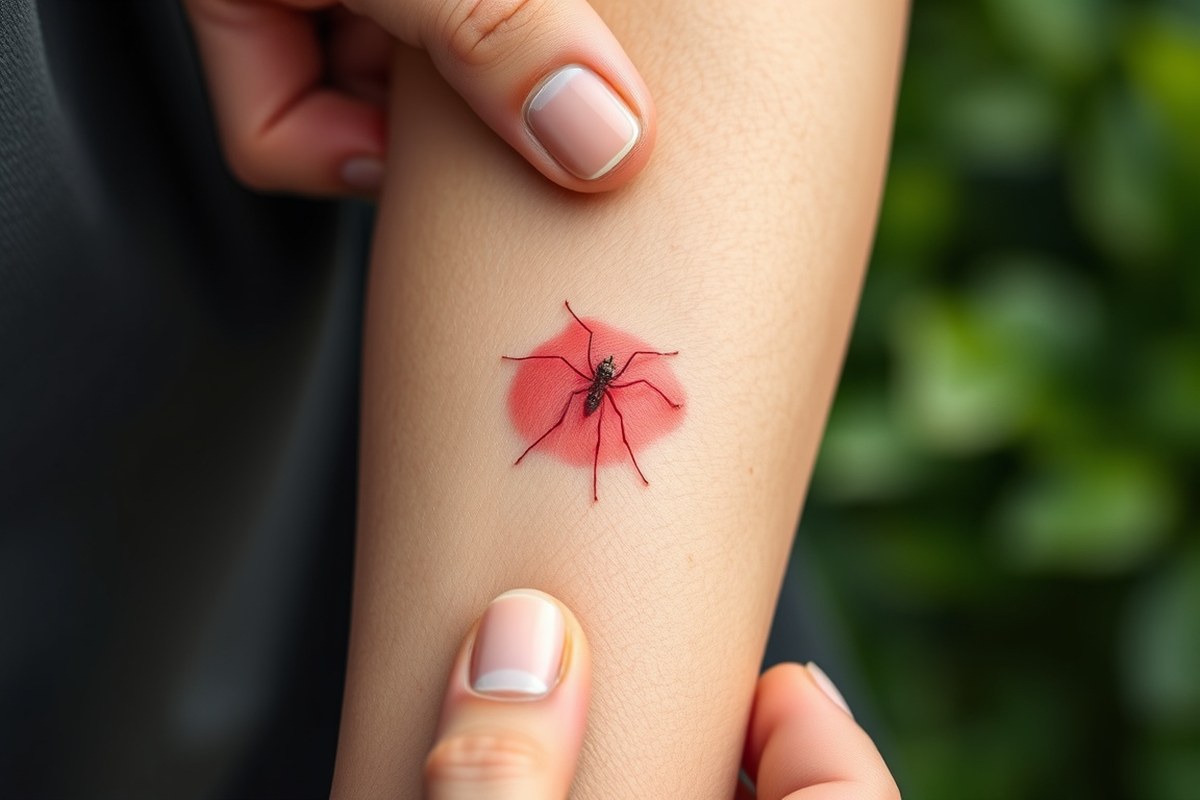
How to Get Rid of Mosquito Bites: 8 Proven Methods for Fast Relief
The fastest way to get rid of mosquito bites is to stop the itching quickly and reduce swelling with proven treatments like antihistamines, steroid creams, or soothing home remedies. Proper cleaning and avoiding scratching can prevent infections and speed up healing. Mosquito repellent with at least 20% DEET is also essential to avoid future bites.
This information is designed for anyone dealing with mosquito bites, especially parents of young children or people sensitive to bites. You’ll find easy-to-follow methods for relief, safe treatment tips, prevention strategies, and advice for recognizing when bites need medical care.
Key Takeaways
- Ice packs applied for 10 minutes can reduce pain and swelling from mosquito bites immediately.
- Use 1% hydrocortisone cream twice daily for quick relief from itching and inflammation.
- Witch hazel’s tannins may lessen itchiness, but scientific support remains limited.
- Clean bites gently to avoid infection; resist scratching to prevent redness and warmth.
- Oral antihistamines and steroids help severe reactions but require doctor guidance, especially for children.
- Apply insect repellent with at least 20% DEET for effective mosquito bite prevention, avoiding it on infants under 2 months.
1. What Causes Mosquito Bites to Itch and How to Relieve It Immediately
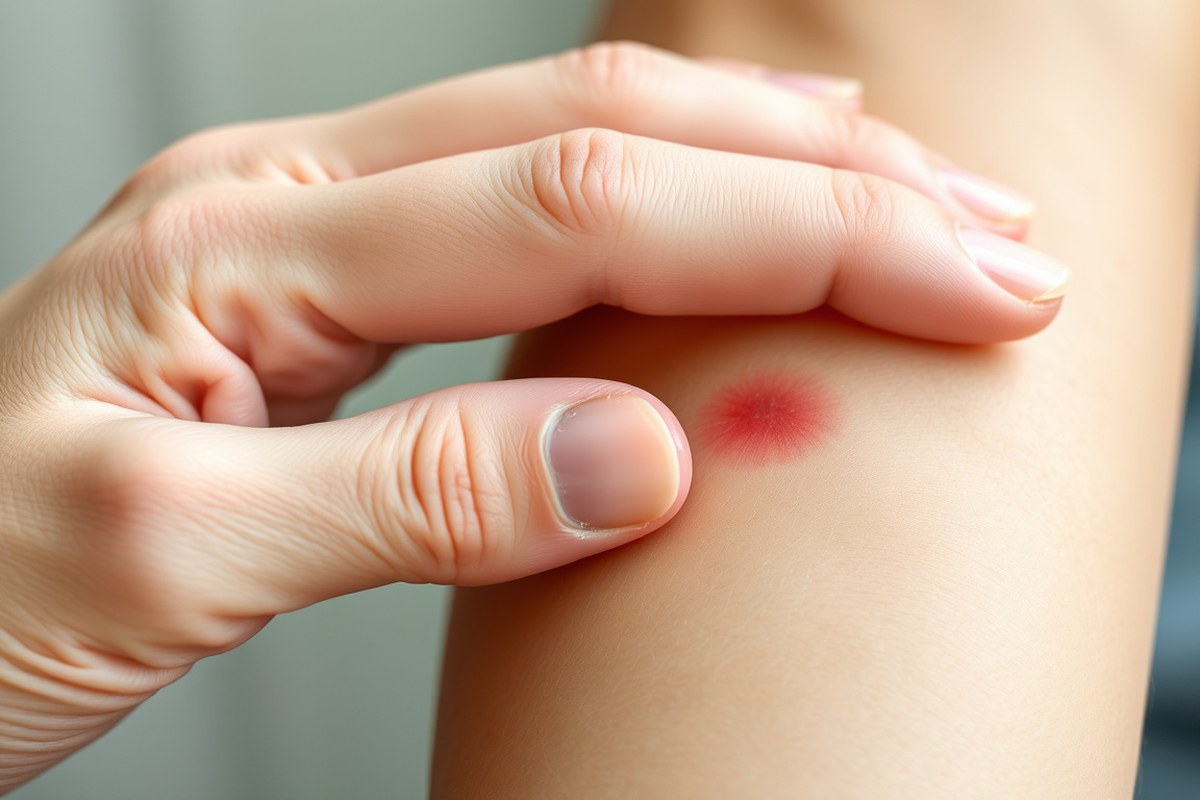
Mosquito bites itch because when a mosquito bites, it injects saliva that triggers your immune system to release histamine. Histamine causes swelling, redness, and the intense itching sensation. Stopping the itch quickly prevents you from scratching, which can lead to infections and slower healing.
Applying cold works better than heat for immediate relief. A cold compress reduces inflammation and numbs the area, calming the itch. Heat can sometimes help by breaking down proteins in the mosquito saliva, but it should be used carefully and only a few minutes at a time to avoid burning the skin. Right after you get bitten, your main goals are to reduce itching, prevent scratching, and clean the area to avoid infection. Here’s a simple checklist for immediate post-bite care that can help stop itching fast:
- Clean the area gently with mild soap and water to remove any irritants and reduce infection risk.
- Apply a cold compress or ice pack wrapped in a cloth to the bite for 5 to 10 minutes. Do this several times a day as needed to reduce itching and swelling.
- Use a baking soda paste made from baking soda and water, spread it on the bite and leave for 10 minutes. This can soothe the skin and lessen itchiness.
- Apply rubbing alcohol or calamine lotion to the bite. Alcohol kills bacteria and calamine soothes the skin, both helping reduce itching.
- Avoid scratching as much as possible to prevent worsening irritation or infection. Keep nails trimmed short, especially for children.
- Consider taking an oral antihistamine such as diphenhydramine if itching is severe and you have no contraindications. Follow label directions carefully.
- Soak in a cool oatmeal bath for additional soothing if multiple bites are causing discomfort.
Heat application can be used as an alternative by warming a spoon in hot water (about 120°F) and briefly pressing it on the bite for a few seconds. This may reduce itch by denaturing the mosquito’s proteins. Do not keep the heat on too long to avoid burns.
2. Comparing Over-the-Counter Treatments and Popular Home Remedies
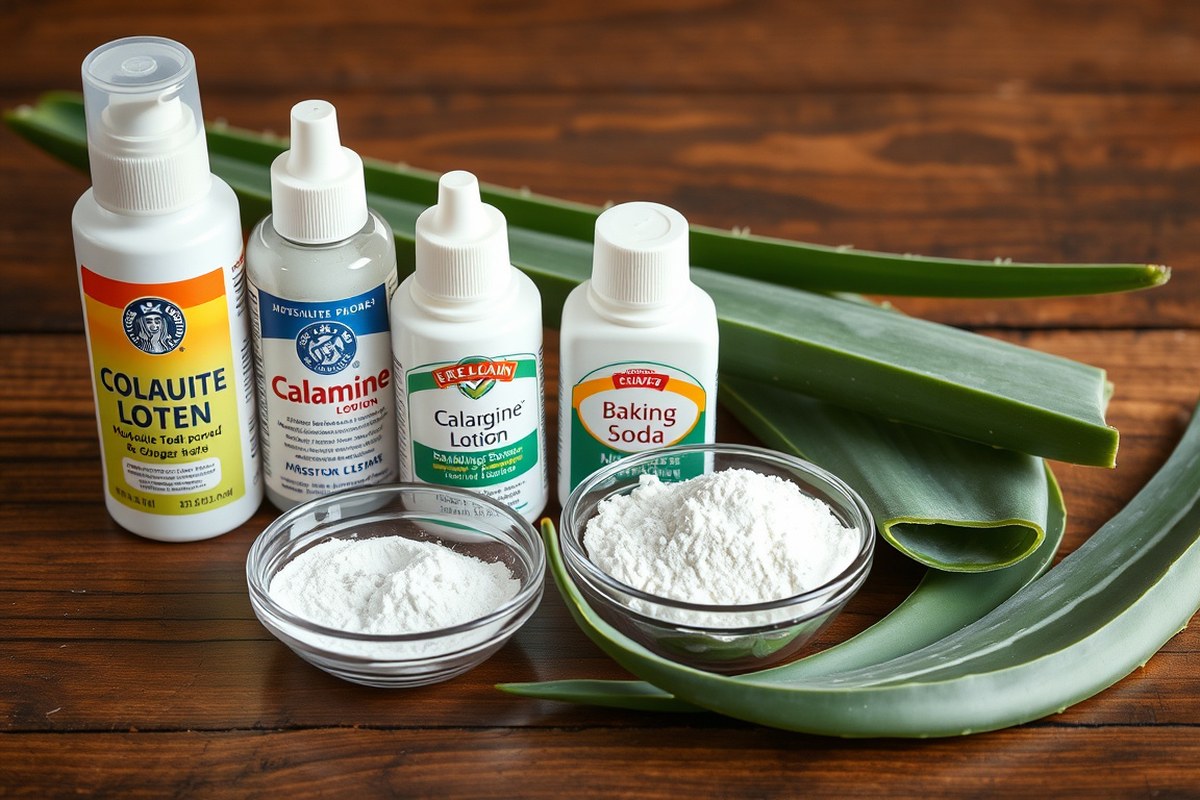
For fast relief from mosquito bites, over-the-counter (OTC) anti-itch creams generally provide more reliable results compared to home remedies. The best OTC treatments usually contain ingredients like hydrocortisone, calamine, or diphenhydramine (Benadryl), which help reduce itching, inflammation, and redness quickly. Including pramoxine hydrochloride or menthol adds a cooling sensation that helps ease the urge to scratch, especially on sensitive areas like the face.
Home remedies like baking soda, oatmeal, aloe vera, witch hazel, and honey can help soothe bites but often work more slowly and with variable effectiveness. Aloe vera, for example, acts as a natural antiseptic that calms the sting and itch, especially when chilled and applied directly. Witch hazel’s tannins may reduce inflammation, but studies are limited, making it less dependable as a primary treatment. Baking soda paste and oatmeal baths also provide mild relief by reducing irritation and soothing the skin barrier.
Usage guidelines matter a lot. OTC creams should be applied in a thin layer to clean, dry skin up to three times a day for 3 to 7 days, following package directions. Home remedies like aloe vera gel or witch hazel can be dabbed on several times daily, but avoid overuse of essential oils or neem oil, which can irritate sensitive skin. Always test home remedies on a small area to check for reactions, especially for children or sensitive skin. Here’s a comparison of common OTC treatments and popular home remedies:
| Treatment | Main Ingredients | Effectiveness | Usage | Cost (approx.) |
|---|---|---|---|---|
| Hydrocortisone Cream | 1% Hydrocortisone | High; reduces inflammation & itch | Apply thin layer 1-3x/day, max 7 days | $5-$10 per tube |
| Calamine Lotion | Zinc oxide, iron oxide | Moderate; calms itching and soothes skin | Dab on affected area as needed | $4-$8 per bottle |
| Diphenhydramine (Benadryl) Cream | Diphenhydramine hydrochloride | High; relieves itching & allergic reactions | Apply up to 3x daily | $6-$12 per tube |
| Aloe Vera Gel | Aloe barbadensis extract | Moderate; soothes and cools skin | Apply liberally, repeat 3-4x/day | $5-$15 per bottle |
| Witch Hazel | Hamamelis virginiana extract | Low to moderate; possible anti-inflammatory | Dab onto bites 2-3x daily | $4-$10 per bottle |
| Baking Soda Paste | Baking soda mixed with water | Low to moderate; neutralizes skin pH, eases itch | Apply paste for 10 minutes, rinse off | Minimal; cost of baking soda |
| Colloidal Oatmeal Bath | Finely ground oats | Moderate; soothing, reduces irritation | Soak 10-15 minutes in warm water | $8-$15 per packet |
When you need rapid relief, an OTC cream with hydrocortisone or diphenhydramine usually works best, especially for multiple or sensitive-area bites. Home remedies can complement these treatments to boost comfort and skin healing but shouldn’t replace OTC options when symptoms are intense. Overuse of home remedies like baking soda or witch hazel could dry out skin or cause irritation, so use them cautiously and avoid applying acidic home products like lemon juice, which may worsen irritation.
Always test any topical product on a small skin area before full application to avoid allergic reactions or worsening irritation.
3. Proper Cleaning and Infection Prevention for Mosquito Bites
Cleaning mosquito bites properly helps prevent infection and speeds up healing. Begin by gently washing the bite and the surrounding skin with soap and cool water as soon as possible. Use mild soap and avoid harsh scrubbing to prevent further irritation. When you have many bites, taking a cool shower can cleanse your entire body and reduce itchiness. After washing, pat the area dry with a clean towel and consider covering the bite with a sterile bandage or wearing clothes with long sleeves or pants to stop you from scratching or picking at the skin.
Scratching or squeezing mosquito bites increases the risk of infection. Our skin forms an itchy reaction due to the mosquito’s saliva, but scratching tears the skin and allows bacteria to enter, potentially causing redness, swelling, pain, or warmth at the bite site. The release of more histamines from squeezing can also worsen the itch. When the urge to scratch arises, apply a cold compress or ice pack for about 10 minutes to numb the area and reduce inflammation.
Watch carefully for signs that a bite might be infected. These include increased redness spreading beyond the bite, swelling, severe pain, warmth to the touch, and the appearance of pus or fluid. Sometimes, you might notice red streaks spreading from the bite or swelling of nearby lymph nodes. Development of fever, severe headache, or body aches along with these symptoms requires immediate medical care, as these can signal a more serious infection or an illness transmitted by mosquitoes.
To protect your skin and reduce infection risk, use an over-the-counter antiseptic ointment or natural remedies with antibacterial properties on clean bites. Some people find that applying aloe vera or honey helps soothe irritation and minimizes infection chances. Avoid home remedies that involve scratching or applying irritants that could damage the skin further.
Preventing infection mainly depends on keeping the area clean, resisting the temptation to scratch, and protecting bites from external bacteria. Covering bites when possible and maintaining good personal hygiene during mosquito season make a big difference. In cases where bites become increasingly painful or show signs of infection despite home care, consult a healthcare professional for appropriate antibiotic treatment or other medical advice.
4. When and How to Use Oral Antihistamines and Steroids Safely
Oral antihistamines can be safe and effective for reducing itching and swelling caused by mosquito bites, especially when topical treatments are not enough. These medications block the histamine reaction that leads to itchiness. Over-the-counter options like diphenhydramine (Benadryl) or loratadine (Claritin) are common choices. For adults, typical doses range from 10 to 25 mg of diphenhydramine every 6 to 8 hours or 10 mg of loratadine once daily. Always follow the package instructions and avoid exceeding the recommended dose to prevent side effects such as drowsiness or dry mouth. Children’s dosages vary and should be checked with a healthcare provider or labeled instructions.
Oral steroids are generally not necessary for routine mosquito bites and should only be used under a doctor’s supervision. Prednisone and similar corticosteroids help reduce severe inflammation but carry risks like weakened immunity if overused. Doctors may prescribe a short course for intense allergic reactions or large areas of swelling that do not improve with antihistamines or topical steroids. Never self-medicate with oral steroids for mosquito bites without professional advice.
Topical hydrocortisone creams are a practical choice for mild to moderate itch and inflammation. Applying a low-potency hydrocortisone cream two to three times a day to the bite area is safe and effective. After applying the cream, wash your hands and avoid covering the bite with tight bandages to let the skin breathe. Continue treatment until itching and swelling decrease, usually within a few days. Do not exceed three applications daily or use hydrocortisone creams for more than one week on the same spot to prevent skin thinning or irritation.
You should consider seeing a doctor if your mosquito bite develops signs of infection, such as increased redness, warmth, pus, or red streaks spreading from the bite. Seek medical care for severe allergic reactions including difficulty breathing, swelling of the face or throat, or widespread rash. Also consult a healthcare provider if the bite causes intense or persistent swelling, or if you have numerous bites that lead to systemic symptoms like fever or fatigue. For young children or infants, contact a pediatrician before giving any oral antihistamines or steroids, as their doses and safety profiles differ.
Following these guidelines helps you manage mosquito bite symptoms effectively while avoiding unnecessary risks. Using oral antihistamines as directed controls itching, topical steroids reduce local inflammation safely if limited to a few days, and medical attention becomes important for complications or severe reactions.
5. Special Care and Treatment Strategies for Children and Infants
Children and infants require gentler care and specific prevention strategies for mosquito bites due to sensitive skin and higher risks of complications. Treatments must avoid harsh chemicals while still managing itching and preventing infection. Selecting the right insect repellent and monitoring reactions closely are key for safe bite care.
Safe Topical Options for Children
For young children, avoid strong corticosteroids and adult-strength anti-itch creams. Use mild, child-safe hydrocortisone creams (usually 0.5% to 1%) only under pediatric guidance. Calamine lotion can soothe itching without harsh ingredients. Applying a cool compress also helps reduce swelling and discomfort.
Avoid products containing ingredients that may irritate sensitive skin, such as menthol or camphor, often found in adult preparations. For infants, simply cleaning the area with water and patting it dry is best, combined with keeping nails trimmed to prevent scratching. Checklist for preventing and treating bites in children:
- Clean bite area gently with mild soap and water
- Use a cool compress for 10 to 15 minutes to ease itching
- Apply pediatric-strength hydrocortisone cream sparingly and not more than twice a day
- Use calamine lotion if tolerated for itch relief
- Keep fingernails short and consider cotton gloves for infants at night
- Monitor for signs of infection or allergic reaction
- Consult a pediatrician before using any topical medication
Never apply adult-strength steroid creams or products containing fragrances to children’s skin without medical advice.
Choosing Insect Repellents for Infants
Infants under 2 months should avoid insect repellents altogether, focusing instead on physical barriers like mosquito nets, screens, and protective clothing. For children over 2 months, EPA-registered repellents containing up to 10% DEET or approved alternatives like IR3535 or picaridin are considered safe when applied properly.
Apply repellent only on exposed skin or clothing, avoiding hands, eyes, and mouth to prevent accidental ingestion. Do not spray repellent under clothing. Use just enough to cover exposed areas; excessive application doesn’t improve protection and raises safety concerns. Reapply according to product directions, typically no more than every 3 to 4 hours.
Managing Multiple Bites in Young Kids
Multiple mosquito bites increase the risk of swelling, infection, and severe itching in children. Gentle cleaning and careful monitoring become even more important. Use cool baths with baking soda or oatmeal added to soothe widespread itching. Avoid creams that might clog pores over large areas.
Distraction techniques and comfort measures such as hydration and rest help children cope. For persistent or severe reactions (significant swelling, fever, spreading redness), seek pediatric care promptly, as these could signal infection or allergic response. Prevent scratching with mittens or soft bandages on affected areas when necessary. Tips for controlling multiple bites:
- Clean all bite sites gently with mild soap and water
- Use cool compresses on inflamed areas several times daily
- Avoid thick creams over large areas; choose lotions or light applications
- Keep fingernails short and consider nighttime gloves to prevent scratching
- Offer fluids to keep the child hydrated and comfortable
- Observe for signs of infection like pus, increasing redness, or fever
- Consult a healthcare provider for worsening symptoms or concerns
6. How Long Do Mosquito Bites Take to Heal and What Affects Recovery
Mosquito bites usually heal within about one week, though the exact time depends on several factors. Typically, the itchy, red bump appears within minutes after being bitten and can remain inflamed for several days. Most bites start to fade around three to four days but complete healing, where the skin returns to normal without discoloration or scabbing, can take up to seven days. Avoiding scratching helps speed up this process and reduces the risk of infection, which can delay healing.
The severity and healing time of a mosquito bite can vary depending on the mosquito species involved. Certain species inject more irritating saliva proteins, causing stronger allergic reactions and swelling. For example, bites from the Aedes aegypti mosquito, common in tropical and subtropical regions, often cause more intense itching and larger bumps than bites from other types. If you experience unusually large, painful, or persistent swelling, this could indicate a stronger reaction to a specific mosquito species.
The location of the bite on your body also influences recovery. Areas with thinner or more sensitive skin, such as the face, neck, or inner arms, often react more strongly and take longer to heal. Bites on hands or feet might also be more prone to irritation, as you’re more likely to move or touch those areas, which can prolong inflammation. To encourage faster healing, keep the bite clean by gently washing with soap and water twice a day. Avoid tight clothing or friction over the bite area to reduce irritation.
Supporting faster recovery involves both protecting the bite and calming inflammation. Applying a cold compress or ice pack wrapped in a cloth for 10 minutes at a time can reduce swelling and itching. Over-the-counter hydrocortisone creams or calamine lotion can be applied up to three times daily to soothe the skin. Use these products as directed and discontinue if irritation increases. Maintaining hydration and avoiding scratching are important since repeated trauma from scratching invites bacteria and can cause infections that extend healing time beyond a week.
People who experience large or severe reactions to mosquito bites might consider taking a nonprescription antihistamine before exposure to mosquitoes, as a preventative measure. This can reduce the body’s allergic response and may lessen the size and discomfort of any future bites. Always follow label directions and consult a healthcare provider if you have questions about using antihistamines, especially for children.
7. Effective Mosquito Bite Prevention: Repellents, Clothing, and Supplements
You can prevent mosquito bites by using effective insect repellents, wearing protective clothing, and considering some dietary supplements. Choosing a repellent with the right DEET level, applying it correctly, and wearing long sleeves can greatly reduce your chances of getting bitten. While supplements like vitamin B1 have limited scientific support, some natural oils show modest effects as repellents.
Choosing Insect Repellents Safely
Use insect repellents containing 20 to 30 percent DEET for safe and effective protection against mosquitoes. This concentration provides reliable repellency without posing significant health risks when used as directed. Apply repellent to exposed skin and clothing, but avoid contact with eyes and mouth. If you apply sunscreen as well, put sunscreen on first and wait about 20 minutes before applying insect repellent.
Reapply insect repellent every 4 to 8 hours depending on your activity and product instructions. For example, sweating, swimming, or towel drying can wear off the repellent sooner. The Centers for Disease Control and Prevention (CDC) also recommends alternatives to DEET like oil of lemon eucalyptus for those who prefer natural options, but expect shorter protection times compared to DEET-based products.
Protective Clothing Tips
Wearing protective clothing is key for preventing bites, especially during peak mosquito hours around dawn and dusk. Choose lightweight, long-sleeved shirts and long pants to cover most of your skin. Breathable fabrics can help you stay comfortable in hot weather while reducing exposed skin. Additional prevention strategies include:
- Picking breezy spots for outdoor activities, as mosquitoes struggle in wind
- Wearing socks and closed shoes instead of sandals
- Using permethrin-treated clothing or spraying permethrin on clothing and gear
- Avoiding scented lotions or perfumes that attract mosquitoes
- Keeping window and door screens in good condition to prevent indoor mosquito entry
These measures make it much harder for mosquitoes to reach your skin, lowering bite risk dramatically.
Role of Dietary Supplements
Some people take vitamin B1 supplements hoping to repel mosquitoes naturally. However, clinical evidence supporting vitamin B1’s effectiveness as a mosquito repellent is limited and inconsistent. There is no established dose or clear guideline suggesting it works well for bite prevention.
More promising are some essential oils like oil of lemon eucalyptus and thyme oil, which laboratory studies show may repel mosquitoes comparably to low DEET levels. Catnip oil also demonstrated strong effects in lab conditions. These natural options could be used as supplementary repellents but should not replace proven DEET-based products, especially in areas with high mosquito activity or disease risk.
8. Recognizing Severe Reactions and When to Seek Medical Care
Mosquito bites usually cause mild itching and redness, but some reactions signal the need for medical care. Seek urgent attention for severe allergic symptoms like swelling, difficulty breathing, or high fever. Knowing when and how to explain your symptoms to a healthcare provider can help you get prompt treatment.
Symptoms That Require Medical Attention
Most mosquito bites cause minor irritation and clear up in a few days, but certain signs indicate a serious reaction or infection. Should you notice severe swelling, widespread hives, difficulty breathing, wheezing, or a tight or swollen throat, these require immediate medical care. High fever (above 101°F), spreading redness, severe pain, or pus around the bite could mean infection or a mosquito-borne illness like Zika, dengue, or chikungunya. Allergic reactions differ from typical itching by their rapid onset and intensity.
Monitor for symptoms lasting more than a week or worsening despite home treatment. Worsening symptoms and systemic signs such as body aches, rash, or persistent fever are red flags calling for a doctor’s evaluation.
Preparing for Your Healthcare Visit
When you contact or visit a healthcare provider, clearly describe your bite and symptoms to get the right care fast. Write down details like:
- Date and location of the bite
- Description of the bite’s appearance and size
Use this script as a template to explain your condition:
“I was bitten by a mosquito on [date]. It became very swollen and itchy, and now I have [describe symptoms like rash, fever, or breathing issues]. I tried [list treatments], but it did not improve. I’m concerned about possible allergic reaction or infection.”
Be ready to answer questions about other symptoms and exposure risks. Calling ahead can help your provider prepare or direct you to emergency care if needed.
Preventing Complications from Severe Bites
Follow instructions from your healthcare provider to avoid worsening symptoms or infection. When prescribed antihistamines, corticosteroids, or antibiotics, complete the full course exactly as directed. Avoid scratching or breaking the skin to reduce infection risk.
Keep the bite area clean and use cool compresses to manage swelling. In severe allergic cases, carrying an epinephrine auto-injector might be recommended by your doctor. Watch for any new or worsening signs and seek immediate care if breathing difficulty or swelling around the throat occurs.
Step-by-Step Action Plan to Get Rid of Mosquito Bites
Follow these steps to quickly relieve itching, reduce swelling, prevent infection, and speed healing of mosquito bites at home. Know when to seek medical help if symptoms worsen.
- Right after the bite: Clean the area gently with soap and water to remove bacteria and reduce infection risk. Effective cleaning is shown by no increased redness or warmth around the bite.
- Within the first hour: Apply an over-the-counter anti-itch cream containing hydrocortisone or calamine lotion to reduce itching and swelling. You’ll know it’s working if itching and redness start to fade within 30 minutes.
- If itching persists and swelling is significant: Take an oral antihistamine according to the package instructions, but follow age-appropriate dosing, especially for children. Relief of itching within a few hours signals the medication is effective.
- Throughout the first few days: Avoid scratching the bite to prevent infection; keep nails trimmed and consider covering the bite with a breathable bandage if needed. Proper prevention is confirmed if no signs of infection such as pus or extreme redness develop.
- For children and infants: Use mild, recommended topical treatments and consult a pediatrician before giving oral medications. Improvement without unusual fussiness or worsening redness indicates safe care.
- Days 3 to 7: Continue monitoring the bite until it heals; apply moisturizers or aloe vera gel to soothe the skin and promote faster recovery. Healing progresses if swelling and itchiness resolve and skin returns to normal.
- Immediately after noticing severe symptoms: Seek medical care if you see spreading redness, fever, difficulty breathing, or signs of an allergic reaction to prevent complications.
- Before going outdoors again: Prevent future bites by applying EPA-registered insect repellents, wearing long sleeves and pants, and considering vitamin B supplements after consulting a healthcare provider.
Frequently Asked Questions
How Do I Get Rid of Mosquito Bites on My Face?
Clean the area gently with soap and water, then apply a soothing anti-itch cream or lotion. Avoid scratching to prevent irritation and potential infection, especially on sensitive facial skin.
Can Mosquito Bites Cause Lasting Scars?
Most mosquito bites heal without scarring if you avoid scratching. Persistent irritation or infection can increase the risk of scars, so proper care is key.
Are There Foods or Supplements That Help Reduce Mosquito Bite Reactions?
Some people find vitamin B1 or black pepper supplements may reduce bite reactions, but evidence is limited. A balanced diet supports your immune system to heal bites faster.
Can Humidity or Weather Affect Mosquito Bite Severity?
Yes, higher humidity and warm weather increase mosquito activity and bite severity. Dry environments may lessen swelling and itching but don’t prevent bites.
What Home Environment Changes Reduce Mosquito Presence?
Remove standing water sources, use window screens, and keep doors closed to limit mosquitoes inside your home. This reduces bite chances significantly.
How Does Scratching a Mosquito Bite Worsen the Situation?
Scratching can break skin, increasing infection risk and prolonging itching. Try cold compresses or topical treatments to ease discomfort without scratching.
The Bottom Line
Getting rid of mosquito bites quickly comes down to managing the itch and preventing infection. Apply a soothing treatment like hydrocortisone cream or a cold compress as soon as you notice a bite. Keep your skin clean and avoid scratching to reduce irritation and speed healing, especially for children and sensitive skin. Today, check your home for standing water and clear it to lower mosquito presence and protect yourself from future bites.




One Comment