

How to Get Rid of Canker Sores Fast: 8 Proven Ways for Quick Relief
To get rid of canker sores fast, use a combination of gentle home remedies like saltwater rinses and over-the-counter numbing gels to reduce pain and speed healing. Avoid irritating foods and consider supplements like lysine to help the sores heal more quickly. Quick relief also comes from choosing the right treatments based on the sore’s size, location, and severity.
This advice suits anyone dealing with painful canker sores who wants fast, natural relief and lasting prevention. You’ll learn safe ways to ease discomfort, common mistakes to avoid, and a clear 3-day plan to help your mouth feel better sooner.
Key Takeaways
- Use benzocaine 20% gel for fastest pain relief while saltwater rinses and honey can gently speed healing safely at home.
- Apply home remedies like honey or coconut oil 3, 4 times daily, avoiding alcohol-based mouthwashes that sting open sores.
- Over-the-counter healing pastes with steroids or Peroxyl hydrogen peroxide rinses help reduce pain without harsh alcohol irritation.
- Maintain a balanced diet, avoid trigger foods like acidic or spicy items, and consider supplements like vitamin B12 to prevent sores.
- Seek medical advice if sores persist beyond 4 days, worsen, or appear in unusual patterns to rule out other conditions.
- Avoid common mistakes like overusing numbing gels, neglecting oral hygiene, or ignoring severe pain that might need professional care.
1. What Really Works to Get Rid of Canker Sores Fast

Canker sores usually take one to two weeks to heal completely, but you can reduce the pain quickly and help speed up recovery with some proven methods. Pain relief starts with keeping the sore clean and reducing exposure to irritants. Rinsing your mouth with a saltwater solution dries out the sore, limits bacterial growth, and lessens discomfort. Use about half a teaspoon of salt dissolved in a cup of warm water, swish gently for 30 seconds, and spit it out. Repeat this three to four times daily for best results.
Over-the-counter products containing hydrogen peroxide can also reduce bacteria around the sore, promoting healing while preventing infection. Look for mouthwashes with 1.5% to 3% hydrogen peroxide and rinse as directed, typically twice a day. Milk of magnesia is another useful product; dabbing a small amount directly onto the sore three to four times daily can soothe pain and help recovery by neutralizing acids and providing a protective coating. It’s rare to fully heal a canker sore within a single day, but following these methods can ease the pain considerably within 24 to 48 hours and promote quicker recovery.
- Rinse your mouth with saltwater 3, 4 times a day to dry out the sore and prevent infection.
- Use hydrogen peroxide-infused mouthwash twice daily to reduce bacterial growth.
- Apply milk of magnesia to the sore 3, 4 times daily for pain relief and healing aid.
- Limit acidic, spicy, or rough-textured foods that irritate the sore.
- Keep hydrated and avoid mouth trauma from sharp teeth or dental work.
Some people apply honey or coconut oil for their anti-inflammatory and antimicrobial properties, though scientific evidence is limited. These natural substances may help ease discomfort but should be applied sparingly to avoid irritating the sore further. Avoid harsh treatments like baking soda paste directly on the sore, which can worsen pain for some. Consistency matters: follow the regimen daily to see noticeable improvement in pain and healing speed within two to three days.
Reducing pain fast mainly means cleansing the area, protecting it, and avoiding further irritation. OTC options help, but no remedy will erase a canker sore instantly. Results improve when you combine these treatments and adjust based on your sore’s location and sensitivity. Taking these immediate steps can make the healing period more comfortable and get you back to normal activities sooner.
2. How to Use Effective Home Remedies Safely and Properly
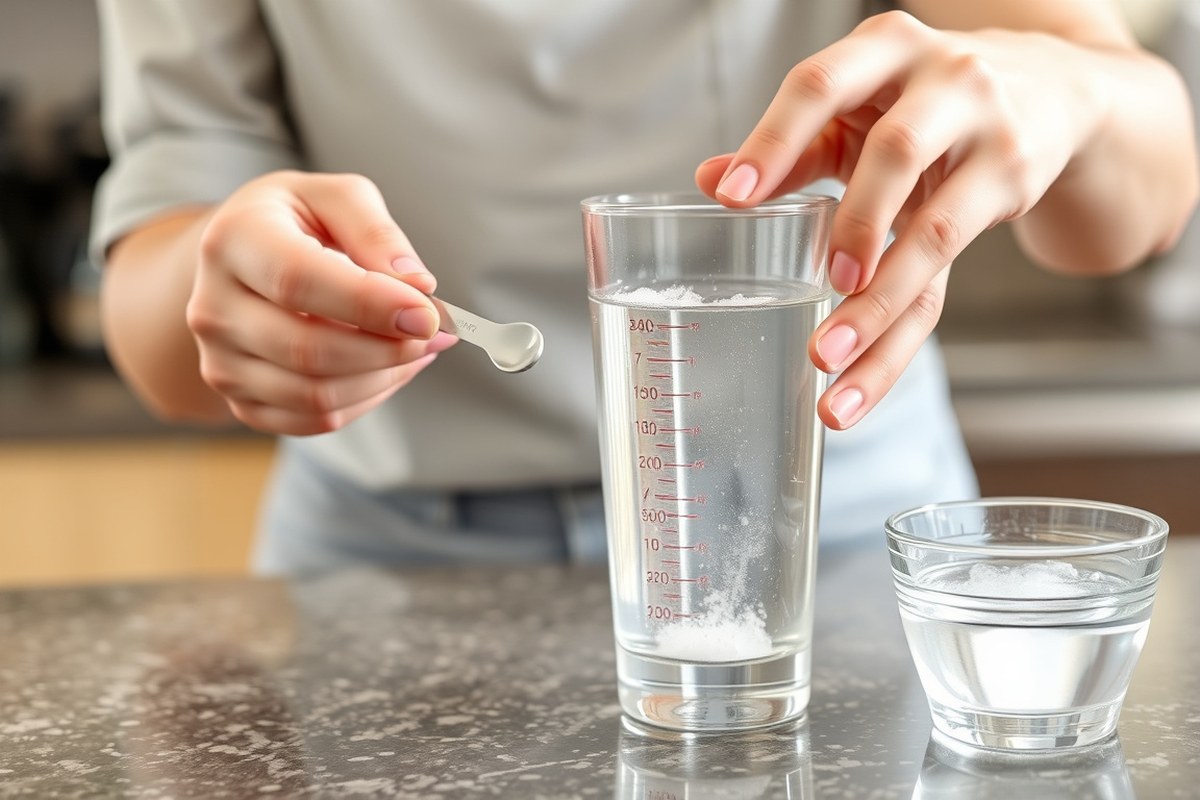
Effective home remedies can help reduce pain and speed healing of canker sores when used correctly. Saltwater rinses, honey, coconut oil, and hydrogen peroxide all offer benefits but require specific steps and precautions to avoid irritation or delay in healing.
Preparing and Using Saltwater Rinses
Saltwater rinses are one of the simplest and safest ways to ease canker sore discomfort and promote healing. Salt acts as a natural antiseptic that reduces bacteria in the mouth, helping to keep the sore clean. Follow these steps to prepare and use an effective saltwater rinse:
- Measure 1/2 teaspoon of table salt.
- Mix the salt into 8 ounces (1 cup) of warm water until fully dissolved.
- Take a sip and swish the solution gently around your mouth for 15 to 30 seconds, concentrating near the sore.
- Spit out the rinse; do not swallow it.
- Repeat this rinsing 2 to 3 times daily, especially after meals and before bedtime.
Overuse of saltwater rinses is uncommon but swishing too vigorously or using very hot water can irritate a sore. Stick to gentle rinses with lukewarm water for best results.
Use no more than 3 saltwater rinses per day to avoid drying or irritating sensitive mouth tissues.
Applying Honey and Coconut Oil Safely
Honey has been shown to reduce redness, pain, and size of canker sores. Its natural antibacterial and anti-inflammatory properties help soothe the affected area. Coconut oil also offers antimicrobial and anti-inflammatory effects without harsh chemicals. To use honey or coconut oil:
- Wash your hands thoroughly before application to avoid introducing bacteria.
- Use a clean cotton swab or fingertip to dab a small amount of honey or coconut oil directly onto the canker sore.
- Allow the substance to remain on the sore without rinsing for at least 10 minutes.
- Repeat this 3 to 4 times daily, especially after meals and before bed.
- Store honey at room temperature and unopened coconut oil in a cool, dry place.
Both honey and coconut oil taste mild and are generally safe to ingest in small amounts. However, avoid honey for children under 1 year old due to potential botulism risk.
Hydrogen Peroxide: Dilution and Application Guidelines
Hydrogen peroxide is an antiseptic that can clean canker sores and reduce mouth bacteria. Use a 3% over-the-counter hydrogen peroxide solution diluted 1:1 with water to lower the concentration and avoid stinging or tissue irritation. Use the following steps for a safe application:
- Mix equal parts 3% hydrogen peroxide and water (e.g., 1 teaspoon each).
- Dip a cotton swab into the diluted solution.
- Apply the solution gently to the surface of the canker sore.
- Allow the liquid to sit on the sore for about 1 minute.
- Rinse your mouth thoroughly with water afterward to remove any residual peroxide.
- Perform this treatment once or twice daily, not more often.
Avoid swallowing hydrogen peroxide and do not use stronger solutions or concentrate it further. Using a brand like Peroxyl with 1.5% hydrogen peroxide and no alcohol minimizes stinging sensations.
Warnings on Overuse and Concentration
Overusing home remedies or applying them incorrectly can cause more harm than good. Hydrogen peroxide at full strength or alcohol-based mouthwashes can burn your mouth and delay healing. Saltwater rinses used too frequently can dry the mouth and worsen irritation. Baking soda rinses, while effective, also must be used carefully since baking soda is alkaline and can disturb the natural pH balance of the mouth if overused.
Do not apply hydrogen peroxide or any home remedy more than twice daily to avoid damaging healthy tissue around the sore.
Consult a healthcare professional if you experience increased pain, swelling, or if the canker sore lasts longer than two weeks despite home treatment.
3. Over-the-Counter Options: Numbing Gels and Healing Pastes
Over-the-counter topical gels with numbing agents like benzocaine offer quick pain relief for canker sores, helping you eat and talk more comfortably. For larger sores or when OTC gels don’t suffice, prescription steroid pastes reduce inflammation and speed healing. Understanding how to use these safely and what to expect can improve your treatment outcomes.
Benzocaine and Other Numbing Agents
Benzocaine gels, typically at a 20% concentration, are the fastest over-the-counter option to numb canker sore pain. You can apply a small amount directly to the sore up to four times daily, especially before meals to reduce discomfort while eating. These gels create a local numbing effect that lasts around 15 to 30 minutes, which helps manage pain without systemic effects.
Lidocaine-containing gels also provide similar numbing benefits but are less commonly found OTC. Use these gels sparingly and avoid swallowing the product to reduce the risk of side effects like numbness spreading beyond the sore area. Applying a thin layer with a clean cotton swab limits the spread of the gel and improves safety.
Steroid Pastes: When and How to Use Them
Prescription corticosteroid dental pastes, such as triamcinolone acetonide, reduce inflammation more effectively than over-the-counter numbing gels, especially for large or persistent canker sores. These pastes can lead to faster healing and pain relief, often showing improvement within 3 to 6 days of use.
Your dentist will prescribe a specific dosage and application schedule, which usually involves applying a small amount directly onto the sore two to four times daily. Make sure to keep your mouth dry before application to help the paste adhere better and avoid eating or drinking for at least 30 minutes afterward to maximize contact time. Overuse or prolonged use without dental advice may increase risk of side effects such as oral thrush or irritation.
Zinc Lozenges and Oral Supplements
In addition to topical treatments, zinc lozenges or oral supplements may support canker sore healing by boosting immune function, though this approach works best when combined with topical therapies. Zinc can reduce the severity and duration of sores, but you should not rely on it alone for pain control.
Dosing varies by product, but commonly available zinc lozenges often contain 10 to 15 mg per lozenge, with recommendations to use two to three times daily for short periods. Excessive zinc intake can cause side effects like nausea or headaches, so follow package directions or consult with a healthcare provider before starting supplements.
| Option | Purpose | How to Use | Onset of Relief | Common Side Effects |
|---|---|---|---|---|
| Benzocaine Gel (20%) | Topical pain relief | Apply small amount 3-4 times/day, especially before meals | Within minutes, lasts 15-30 minutes | Local numbness, avoid swallowing |
| Lidocaine Gel | Topical pain relief | Apply with cotton swab; avoid excessive use | Within minutes | Local numbness, possible irritation |
| Triamcinolone Steroid Paste | Reduce inflammation and speed healing | Apply 2-4 times/day; keep mouth dry before use; no eating/drinking 30 min after | Improvement in 3-6 days | Oral thrush, irritation with prolonged use |
| Zinc Lozenges | Support immune function and healing | 2-3 lozenges/day during flare-ups | Days to weeks (supportive) | Nausea, headaches if overused |
Choosing the right treatment depends on your sore’s size, location, and pain level. Start with a numbing gel for immediate relief, particularly before eating or brushing teeth. For stubborn or large sores, prescription steroid pastes offer faster healing and reduce discomfort more effectively but require dental consultation. Zinc supplements act as a helpful addition, not a substitute for direct topical treatments.
4. Diet, Supplements, and Lifestyle Changes to Prevent and Heal Faster
Vitamin supplements like B12 and zinc can reduce the frequency of canker sores, especially if your diet is low in these nutrients. Clinical studies show that low levels of vitamin B12, folate, iron, and zinc are more common in people who get canker sores. Taking a vitamin B12 supplement might decrease outbreaks, even if you do not have a diagnosed deficiency. Getting a blood test to check these levels can help determine if supplementation is right for you.
Diet has a strong impact on healing and preventing new canker sores. Acidic foods such as citrus fruits, tomatoes, and certain juices often increase irritation and slow healing. Avoiding spicy, salty, or acidic foods while a sore is present lowers pain and speeds recovery. Maintaining a balanced diet with sufficient vitamins and minerals supports your immune system and oral tissue repair.
Stress can cause recurrent canker sores by affecting your immune response. Managing stress with relaxation techniques like meditation, soothing baths, or light exercise may reduce the chance of flare-ups. Chronic medical conditions such as celiac disease, lupus, or inflammatory bowel disease also raise the risk of recurrent sores, so addressing underlying health issues is essential if you have frequent outbreaks.
- Avoid acidic and spicy foods like orange juice, tomatoes, and hot sauces while sores are active
- Use a toothpaste free of sodium lauryl sulfate (SLS) to reduce irritation and recurrence risk
- Consider a blood panel to check for low vitamin B12, iron, folate, or zinc if canker sores recur
- Take oral vitamin B12 or zinc supplements if deficiencies are found or suspected
- Practice daily stress reduction techniques such as deep breathing or warm baths
- Use a soft-bristled toothbrush to prevent mouth injuries that can trigger sores
You can support your oral healing by avoiding triggers and ensuring you get enough essential nutrients. Costs vary: vitamin supplements usually range from $10 to $30 per month, while blood tests may cost between $50 and $150 depending on your provider. Early improvements include less pain and faster healing times. If you don’t see fewer sores or faster recovery despite these steps, consult a healthcare professional to investigate possible medical causes or to explore prescription options.
5. How to Know If Your Canker Sore Is Healing or Needs Medical Attention
Knowing if your canker sore is healing properly or requires medical attention depends mainly on timing, size, pain level, and any additional symptoms. Most minor canker sores heal on their own within 7 to 14 days without scarring. You should monitor the sore daily, watching for any changes in appearance or pain intensity. A healing sore will gradually shrink, become less painful, and form a scab or light-colored layer before disappearing. Check your canker sore against these signs to decide if you need professional care:
- The sore lasts longer than 14 days without improvement.
- The sore is unusually large, over 1 centimeter in diameter.
- Multiple sores appear at once or new sores keep developing.
- You experience severe pain that over-the-counter remedies do not relieve.
- A fever or sores appear elsewhere on your body.
- The sore is irregular, spreading, or merging with other sores.
- The sore is caused by a sharp or broken tooth or dental appliance.
Large or complex canker sores tend to last longer, sometimes up to 6 weeks, and may leave a scar. These sores often demand treatment beyond home care, such as prescription corticosteroids or protective pastes. Seeking medical advice also applies if you have frequent outbreaks, which could be related to underlying conditions like celiac disease or Crohn’s disease.
Keep track of your sore’s size and pain level daily; use a calendar or notes to notice any lack of progress or worsening symptoms.
A simple decision rule: allow a minor canker sore up to two weeks to heal naturally with home treatment. Seek a doctor or dentist if it fails to improve or causes extreme pain. Medical professionals can prescribe treatments like 0.1% triamcinolone steroid paste or medicated mouthwashes that relieve pain and speed recovery. Early intervention can prevent complications, especially for larger or persistent sores that do not respond to standard care.
6. Common Treatment Mistakes and How to Avoid Them
Misusing home remedies or over-the-counter products can slow healing or worsen your canker sore. For example, hydrogen peroxide rinses are often recommended, but using them undiluted or too frequently can irritate the sore and surrounding tissue, leading to more pain. A safe method is to dilute one part hydrogen peroxide with one part water, swish gently for 30 seconds, and rinse with plain water; limit this to twice daily.
Rinsing with baking soda helps neutralize mouth acidity and soothe inflammation, yet using too much can dry the sore and slow the healing process. Mix about half a teaspoon of baking soda into half a cup of warm water and rinse gently once or twice daily. Brushing or rubbing the sore area too hard often irritates it and can spread bacteria.
Many people continue using toothpaste with sodium lauryl sulfate (SLS), a foaming agent linked to canker sore outbreaks or slower healing in sensitive individuals. Switching to an SLS-free toothpaste can reduce frequency and improve recovery time. Checking ingredient labels before buying is a practical fix that is easy to implement.
- Avoid sharp or abrasive foods like chips while sores heal to prevent irritation.
- Do not apply toothpaste or gels directly in large amounts; follow the package directions carefully.
- Limit acidic or spicy foods that may worsen pain or delay healing.
- Try milk of magnesia applied gently with a cotton swab to coat and protect the sore.
- Apply topical numbing gels like benzocaine sparingly to reduce pain without overdosing.
- Rinse gently to avoid breaking the sore open through vigorous swishing or brushing.
- Be patient, overuse of treatments thinking they will speed up healing can backfire.
Some home remedies may cause side effects. Hydrogen peroxide, if swallowed, can irritate your stomach and cause nausea. Baking soda overuse could alter your mouth’s natural bacteria and lead to dryness or soreness elsewhere. If you experience increased discomfort or bleeding, stop the treatment and consult a healthcare provider. Staying aware of triggers like SLS in toothpaste or acidic foods can prevent new sores and improve healing.
Practical steps to avoid these mistakes include reading product labels, starting treatments with low frequency and concentration, and protecting your sore from physical and chemical irritation. Adjust treatments based on your pain level and how your sore responds day to day. This careful, informed approach promotes faster healing and reduces the risk of complications.
7. Tailoring Canker Sore Treatment by Type, Location, and Severity
The way you treat canker sores depends a lot on the size, type, location, and your overall health. Minor canker sores, which are small and shallow, usually heal on their own within 4 to 14 days. They respond well to simple home treatments like saltwater rinses or over-the-counter numbing gels. Large or major sores can last a month or more, often causing more pain and sometimes scarring. These require stronger treatments, such as prescription topical medications or mouth rinses containing corticosteroids.
Herpetiform canker sores are less common and appear as clusters of tiny ulcers, sometimes 10 to 100 of them. This pattern means they cause more discomfort and take longer to heal. Treating them often involves a combination of numbing gels, anti-inflammatory rinses, and careful oral hygiene to prevent additional irritation.
The location of the sore changes how you manage it. Sores on the soft inside of the cheeks or lips might get rubbed by teeth or irritated by certain foods, so avoiding spicy or acidic items helps. Sores on the tongue or near the throat may make eating and swallowing painful, so softer, bland foods are better. Using a straw or rinsing to remove food particles can reduce irritation in these sensitive areas.
Underlying health problems influence treatment plans. Conditions like celiac disease or inflammatory bowel disease are linked to recurring or hard-to-heal canker sores because they impair nutrient absorption. Addressing these root causes with a healthcare provider is essential. If you have weakened immunity or take medications that affect healing, your doctor might prescribe stronger treatments or monitor you more closely.
- Minor sores: saltwater rinses, numbing gels, avoid irritants
- Major sores: prescription corticosteroid gels or rinses, longer healing time
- Herpetiform sores: combination therapy, anti-inflammatory rinses
- Sore location: adjust food choices; rinse mouth after eating
- Underlying health issues: consult a healthcare provider for tailored care
Age also matters since canker sores that begin for the first time or worsen significantly after age 30 need medical evaluation to exclude other conditions. Regular follow-up is important if sores don’t heal within three weeks or worsen, as this can signal underlying problems or infection. Tailoring treatment based on these factors helps you manage pain effectively and promotes faster healing.
8. A 3-Day Step-by-Step Plan to Maximize Canker Sore Healing Speed
Use a focused three-day regimen aimed at reducing pain, promoting healing, and preventing future canker sores to get relief fast. Stick to daily steps addressing oral hygiene, gentle rinses, topical treatments, and diet adjustments that support tissue repair and comfort. You can maintain your usual cleaning routine but avoid harsh scrubbing near the sore.
Day 1: Immediate Pain Relief and Gentle Care
On the first day, focus on managing pain quickly and protecting the sore from further irritation. Avoid spicy, acidic, or crunchy foods that can worsen discomfort. Use over-the-counter numbing gels or pads up to four times daily to ease sharp pain.
- Rinse your mouth gently with a premade mouthwash designed for pain and inflammation relief, four times today.
- Apply a numbing gel to the canker sore before meals and as needed for pain.
- Eat soft, bland foods like yogurt, mashed potatoes, and smoothies to prevent irritation.
- Use a soft-bristled toothbrush and brush lightly around the sore to keep your mouth clean.
- Stay hydrated with water to keep your mouth moist and support healing.
Be careful not to overuse numbing gels, as they can cause numbness that makes chewing or swallowing difficult.
Day 2: Continued Healing with Rinses and Topicals
On day two, focus on healing through safe rinses and topical treatments. A baking soda paste is a proven remedy that speeds healing by neutralizing acids and reducing inflammation. Use a mixture of one teaspoon baking soda with a few drops of water to make a paste and apply it directly to the sore 7-8 times throughout the day.
- Repeat gentle rinses with an anti-inflammatory mouthwash 2-4 times daily, avoiding alcohol-based options that can sting.
- Apply baking soda paste to the sore multiple times per day, especially after meals.
- Continue using pain relief gels as needed but try to reduce frequency if pain improves.
- Maintain soft foods and avoid hot or salty meals that could irritate the area.
- Brush teeth carefully with a soft brush, rinsing your mouth afterward to remove any toothpaste residue.
Applying the baking soda paste consistently can speed healing but avoid swallowing it to prevent stomach upset.
Day 3: Preventing Recurrence and Supporting Recovery
By day three, the sore should begin to shrink and pain decrease. Shift attention to preventing new sores and supporting your mouth’s recovery. Continue with mild rinses and maintain an anti-inflammatory diet rich in vitamins C and B12.
- Use anti-inflammatory rinses once or twice daily to keep your mouth clean and reduce swelling.
- Apply topical protective pastes that form a barrier and shield the sore from irritants.
- Incorporate foods high in vitamin C and zinc such as citrus fruits and leafy greens to promote tissue repair.
- Avoid known trigger foods like nuts, acidic fruits, and rough bread.
- Keep brushing gently around the sore and floss properly to maintain overall oral hygiene.
Stopping irritants early helps prevent new canker sores and encourages faster recovery of existing ones.
Step-by-Step Action Plan to Get Rid of Canker Sores Fast
Follow this clear action plan to reduce pain quickly and help your canker sore heal. Each step guides you through proven treatments and what to watch for as you heal.
- Day 1 – Start Immediate Relief: Apply an over-the-counter numbing gel directly to the sore up to four times daily to reduce pain. You’ll know it’s working if the burning sensation eases within minutes after application.
- Day 1 – Use Safe Home Remedies: Rinse your mouth 2-3 times daily with a saltwater solution (1 teaspoon salt in 8 ounces warm water). This helps clean the sore and promotes healing. Healing signs include less redness and swelling after 24 hours.
- Days 1-3 – Manage Diet and Lifestyle: Avoid spicy, acidic, and rough-textured foods that irritate the sore. Drink plenty of water and consider taking a daily vitamin B complex supplement. When pain lessens and the sore looks smaller by day 3, you’re on track.
- Day 2 – Apply Healing Paste: Use a protective paste containing ingredients like benzocaine or hydrogen peroxide to shield the sore and boost healing. A noticeable reduction in discomfort and fewer flare-ups means it’s effective.
- Day 3 – Monitor Progress: Check the sore for shrinking size and decreased pain. Should the sore fail to improve or worsen, reconsider treatments or consult a healthcare provider.
- After 3 Days – Prevent Recurrences: Maintain good oral hygiene without harsh brushing near the sore. Avoid known triggers like stress or certain foods. Fewer new sores and longer sore-free periods show success in prevention.
- After 1 Week – Seek Medical Advice if Needed: If the canker sore persists beyond two weeks, grows larger, or is unusually painful despite treatment, contact a medical professional for further evaluation.
Frequently Asked Questions
Can Canker Sores Disappear Overnight?
Some natural remedies may speed healing, but complete overnight disappearance is rare. Saltwater rinses can reduce pain quickly and promote faster recovery.
Does Stress Cause Canker Sores to Heal Slower?
Yes, stress can slow healing by affecting your immune response. Managing stress with relaxation techniques may help improve recovery time.
Are Spicy Foods Bad for Healing Canker Sores?
Spicy foods can irritate sores and delay healing. It’s best to avoid them until the sore fully heals.
Can Drinking Water Help Get Rid of Canker Sores Faster?
Staying hydrated supports overall healing but won’t directly speed canker sore recovery. Drinking water prevents dryness and irritation.
Is It Safe to Use Hydrogen Peroxide on Canker Sores?
Hydrogen peroxide can irritate your mouth and worsen pain if used excessively. Use diluted solutions sparingly and follow product instructions carefully.
Can Quitting Smoking Improve Canker Sore Healing?
Yes, smoking irritates mouth tissue and slows healing. Quitting helps your mouth recover faster and reduces future sore risk.
Key Points to Remember
Speeding up canker sore healing comes down to consistently using proven treatments like proper oral hygiene, effective home remedies, and targeted over-the-counter options while avoiding common mistakes. You can start today by applying a protective paste directly to your sore after meals to reduce irritation and speed healing. Paying close attention to how your sore changes will help you decide if you need to adjust your approach or seek professional care.


