How to Get Rid of Fleas on Humans: A Complete Guide for Fast, Lasting Relief
To get rid of fleas on humans quickly and keep them from coming back, you need a combination of thorough cleaning, effective treatments, and follow-up care. Fleas don’t live on humans permanently, but they do bite and can hitch a ride, so addressing both your skin and your environment is key. By targeting fleas on your body, pets, bedding, and home surfaces, you can stop the infestation and relieve itching fast.
This information is for anyone dealing with flea bites or an infestation and wanting fast, lasting relief. You’ll learn how to recognize flea bites, remove fleas from skin and living spaces, treat pets together with humans, and avoid common mistakes. Taking all these steps helps break the flea life cycle and keeps you flea-free longer.
Key Takeaways
- Fleas can bite humans but rarely live on them; remove fleas quickly by showering and using fine-toothed combs to catch adults.
- Recognize flea bites by small, red, itchy bumps often around ankles, then reduce itching with 1% hydrocortisone cream.
- Wash all bedding and clothes in water at least 130°F to kill fleas and eggs at every life stage.
- Vacuum floors, furniture, and pet areas regularly, then discard bags to disrupt the flea life cycle effectively.
- Use flea treatments on pets year-round for at least three months during infestations to reduce adult fleas living about 90 days.
- Expect two or more follow-up flea treatments within 5 to 10 days to kill fleas at all stages and prevent reinfestation.
Do Fleas Live on Humans and How to Remove Them Quickly
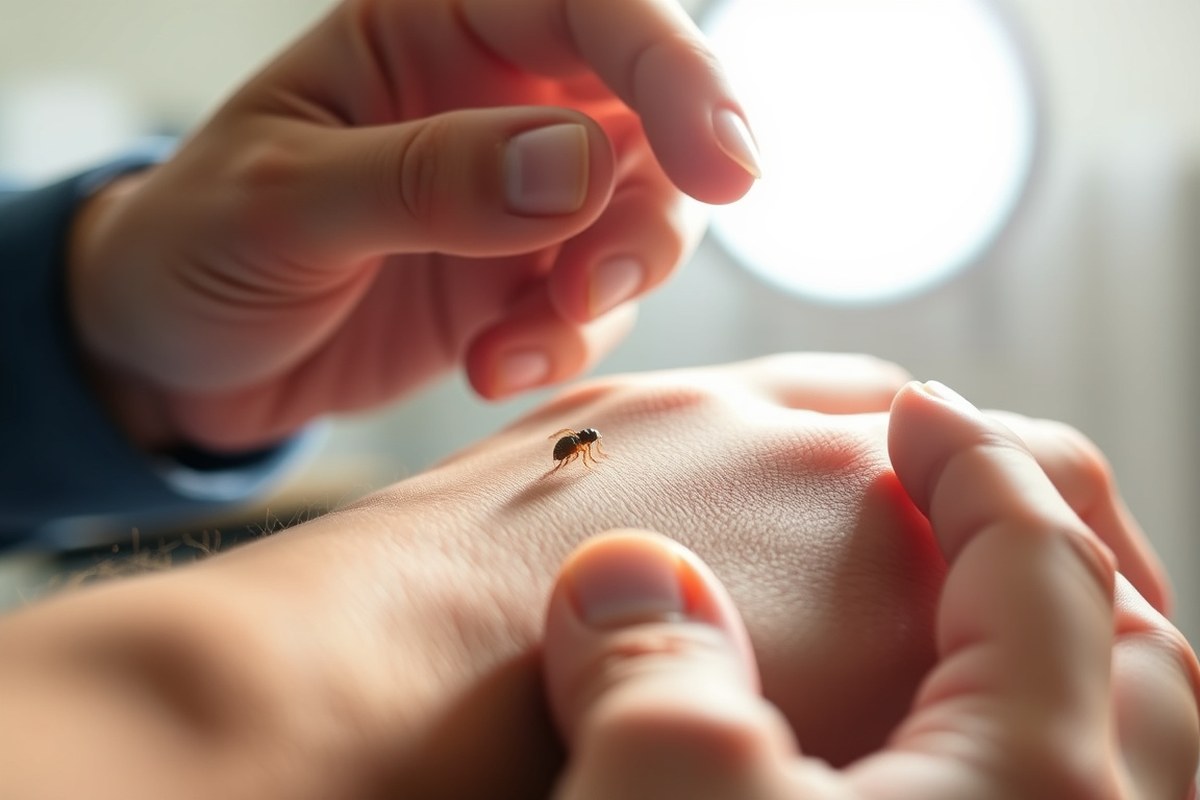
Fleas do not live or reproduce directly on humans because our skin lacks the dense fur or feathers they need for protection and breeding. Fleas prefer pets such as cats and dogs, where they find the environment suitable for laying eggs and completing their life cycle. However, fleas may temporarily jump on your skin or into your hair, especially if you have close contact with infested pets or are near flea-infested furniture or carpets. These pests can bite humans but will not establish a lasting infestation on your body.
Since fleas cannot fully live on humans, removing them quickly from your skin and hair is mainly about stopping the bites and preventing further contact. Fleas generally hop onto you when you bend down near pets or sit on furniture where fleas live. To remove fleas effectively, act promptly with personal hygiene and environmental cleaning, focusing on where fleas hide and reproduce. Here is a clear step-by-step approach to get rid of fleas on your skin and hair fast:
- Wash your body thoroughly. Use warm water with soap or a mild shampoo. This helps wash off fleas and soothe itching. Pay close attention to areas with bites or where your hair is thickest.
- Comb your hair with a fine-toothed flea comb. Wet your hair first. Comb carefully from the scalp outward to remove fleas and eggs trapped in hair strands. Wipe the comb with a wet paper towel or rinse it in soapy water after each pass.
- Take a warm bath or shower regularly. Bathing in warm water with dish soap or flea-specific shampoo reduces fleas on skin. Avoid hot water over 104°F (40°C), which dries out skin and irritates bites.
- Change clothes and wash them immediately. Put worn clothes directly in a washing machine on the highest heat setting safe for the fabrics, above 130°F (54°C), to kill fleas and eggs.
- Avoid scratching flea bites to prevent infection. Use over-the-counter anti-itch creams or calamine lotion to reduce discomfort.
- Minimize contact with pets until they are treated. Fleas often jump from pets to humans. Treat pets with veterinarian-recommended flea control products to stop new infestations.
- Vacuum your home thoroughly daily. Focus on carpets, sofas, and pet bedding to remove flea eggs and larvae. Dispose of vacuum bags or empty canisters outside your home immediately to prevent flea spread.
- Consider using flea sprays or powders inside the home if infestation is severe. Follow label instructions carefully and use in well-ventilated areas. Multiple treatments spaced 5 to 10 days apart improve effectiveness.
Removing fleas quickly from your skin relies on hygiene, combing, and stopping further bites. Fleas jump from infested environments or pets but cannot survive long on people. Proper treatment of your pets and home environment is necessary to prevent fleas from reappearing on you.
Recognizing Flea Bites and Managing Skin Symptoms Effectively
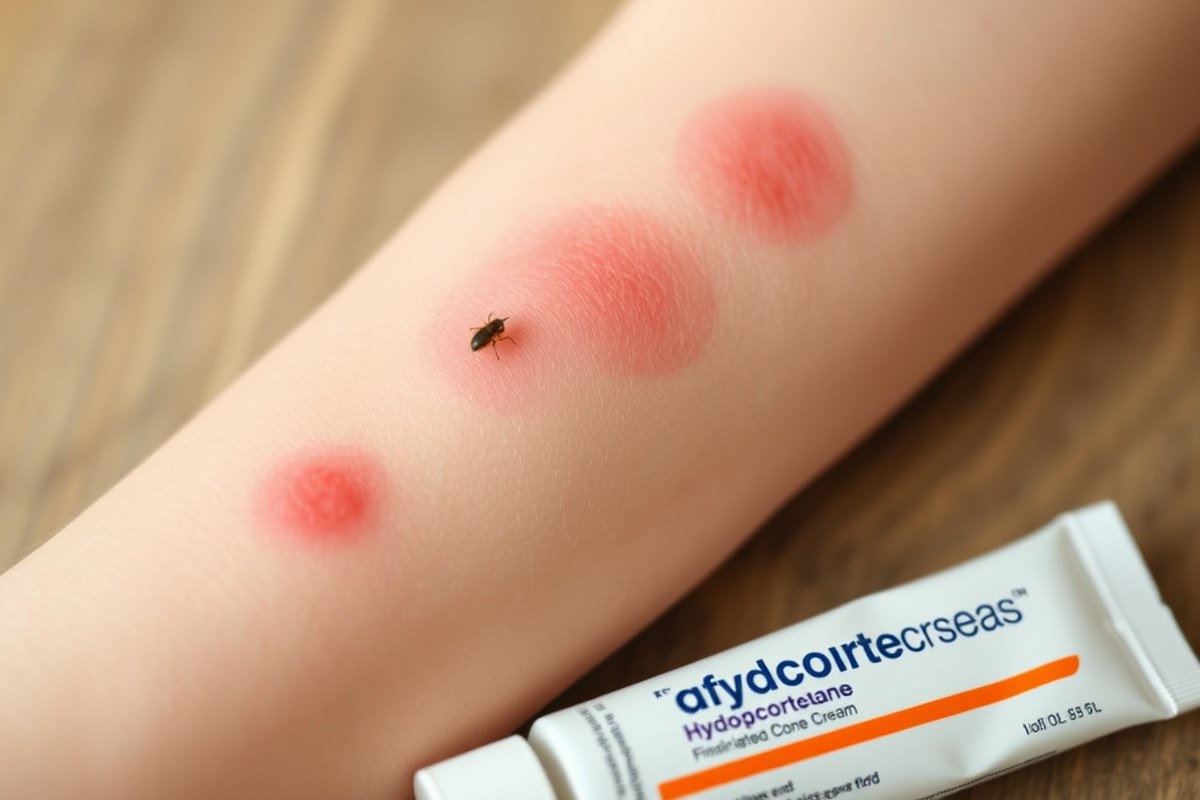
Flea bites typically appear as small, red, itchy bumps, often around the ankles or lower legs. These bites can cause mild to severe itching and skin irritation, sometimes leading to allergic reactions. Effective treatment combines recognizing these signs early and using topical or oral remedies to relieve itching and prevent infection.
Common Visual Indicators of Flea Bites
Flea bites usually show up as small, clustered red spots surrounded by a red halo. They often occur on the lower legs, ankles, and feet because fleas tend to jump onto the lowest exposed skin. The bites can be intensely itchy and are frequently grouped in lines or clusters of three to five. Additional signs include:
- Pinpoint-sized puncture marks at the center of the bumps
- Small blisters or hives around the bite area
- Presence of flea dirt or actual flea sightings nearby
- Worsening redness or swelling with excessive scratching
- Itching that intensifies at night when fleas are most active
Recognizing these indicators early helps you treat bites quickly, reducing discomfort and the risk of secondary infections caused by scratching.
Differences Between Flea Bites and Other Insect Reactions
Flea bites usually cluster around your lower legs and cause tiny red bumps often arranged in a line or group. Mosquito bites tend to be larger, more random, and appear on exposed skin areas. Bed bug bites also appear in clusters but are usually larger and may develop into painful, swollen welts.
Flea bites are often accompanied by intense itching and are smaller than many other insect bites. Unlike ticks, fleas do not burrow into the skin, so you won’t find a tick embedded. Identifying whether bites come from fleas can prevent misapplying treatments that won’t be effective for other pests.
Recommended Creams and Ointments for Relief
To ease itching and inflammation, use over-the-counter hydrocortisone cream or calamine lotion applied directly to the affected areas. These help reduce swelling and soothe irritation. Anti-itch creams containing pramoxine or diphenhydramine are also effective. Apply these treatments two to three times daily, following label instructions.
For more severe reactions, topical antihistamine creams may help control allergic responses. If you prefer natural options, aloe vera gel can soothe irritated skin but may not reduce itching as effectively as medicated creams.
- Hydrocortisone cream 1%, reduces itching and swelling
- Calamine lotion, relieves dryness and soothes skin
- Pramoxine-based anti-itch lotions, numbs the skin for relief
- Topical antihistamines, controls mild allergic reaction
- Aloe vera gel, natural soothing agent with mild effect
Applying a cold compress for 10 to 15 minutes before putting on creams can help calm the skin and reduce itchiness.
Oral Medications to Alleviate Itching
Oral antihistamines such as diphenhydramine (Benadryl) or loratadine (Claritin) can significantly reduce itching and allergic reactions. Take the dose recommended on the packaging to avoid side effects like drowsiness with diphenhydramine. These medications are ideal when itching is widespread or when topical creams don’t fully control symptoms.
Nonsteroidal anti-inflammatory drugs (NSAIDs) such as ibuprofen may also help reduce swelling and discomfort. Avoid taking oral steroids unless specifically directed by a healthcare provider, as side effects can be significant without proper oversight.
When to Seek Medical Attention for Skin Issues
See a healthcare provider if flea bites cause an allergic reaction such as severe swelling, difficulty breathing, or hives. Also, seek care if bites become infected, which shows up as increasing redness, warmth, pus, or severe pain around the bite sites.
Contact a doctor when itching and swelling persist beyond several days despite treatment or if you develop a fever. Fleas can transmit diseases, making prompt medical evaluation important if you experience unusual symptoms after flea bites.
Persistent scratching that breaks the skin increases the risk of bacterial infection, so treat symptoms quickly and avoid scratching when possible.
How to Wash Bedding and Clothes to Kill Fleas and Their Eggs
Using hot water and high heat drying are essential to kill fleas, their eggs, and larvae in bedding and clothes. Fleas at all life stages cannot survive water temperatures below 130°F (54°C). Washing items at this temperature or higher with detergent breaks down flea bodies and clears eggs and larvae. Drying on the hottest setting finishes the job by killing any survivors and preventing reinfestation.
Regular washing disrupts the flea life cycle. Bedding and clothing should be washed at least once a week during an infestation, or more often if you have pets or have been bitten recently. Items that your pets use require the same hot water treatment to stop fleas from hopping back onto you or your furniture. Fabrics that can’t handle high heat can be treated with a steam cleaner, which kills fleas and eggs effectively without using chemicals. Follow these steps to ensure full flea elimination from your fabrics:
- Gather all washable bedding, clothing, and pet fabrics. Focus on sheets, pillowcases, blankets, throws, pet beds, and frequently worn clothes.
- Check care labels and set the washing machine. Use the hottest water the fabric can handle, aiming for at least 130°F (54°C). Use a normal cycle with your usual detergent.
- Run a full wash cycle. Make sure the washer fills completely and agitates well to wash off flea eggs, larvae, and adults.
- Transfer items immediately to the dryer. Dry on the highest heat setting safe for the fabric. The heat inside the dryer kills any remaining fleas or eggs that survived washing.
- Clean the lint filter after drying. Flea debris can collect here, so dispose of the lint properly outside the living area.
- Use a steam cleaner on non-washable fabrics. Curtains, upholstery, and carpets can be treated this way since steam kills fleas at all stages.
- Repeat washing weekly during an infestation. Continuous treatment is necessary because flea eggs can hatch up to two weeks after being laid.
Washing at lower temperatures or skipping the dryer reduces effectiveness and can leave eggs or larvae alive, causing the flea problem to continue. While hot water washing typically costs just the price of laundry detergent and energy, steam cleaning devices may require a rental or purchase. Nevertheless, combining these cleaning methods with other controls will significantly reduce flea presence on your bedding and clothes over time.
Vacuuming and Home Cleaning Steps to Break the Flea Life Cycle
Vacuuming every day for at least 10 days is critical to disrupting the flea life cycle. Fleas lay eggs in carpets, upholstery, mattresses, floor cracks, and along baseboards where they hide in different life stages. Most flea eggs, larvae, and pupae, about 95 percent, live in your home environment, not on your pet. Vacuuming removes these immature fleas before they mature and jump onto hosts again. Failing to vacuum enough allows flea eggs and pupae to survive, causing reinfestation.
Use a vacuum cleaner with a removable, disposable bag for easy disposal of fleas, eggs, and larvae. Focus on all carpeted areas, rugs, upholstered furniture, and cracks in wooden floors. Vacuum edges and corners where flea eggs gather. Pay special attention to places your pets use, such as pet beds and resting spots.
- Vacuum all carpets, rugs, and upholstered furniture daily for 10 days.
- Vacuum along walls, baseboards, and cracks in the floor thoroughly.
- Dispose of vacuum bags immediately after each use outside your home.
- Use a vacuum with strong suction and a removable bag, if possible.
- Mop hard floors with hot, soapy water after vacuuming.
- Wash pet bedding, blankets, and soft furniture covers in hot water (above 120°F) weekly.
- Keep your lawn mowed and yard free of debris to reduce outdoor flea populations.
Cleaning using a vacuum works because it physically removes eggs, larvae, and adult fleas, which are often resistant to some insecticides at various life stages. Vacuuming disrupts the life cycle by removing the majority of immature fleas before they hatch. Following vacuuming, applying insect growth regulators or flea sprays designed for your home will boost effectiveness, but mechanical removal is the first essential step.
Fleas can survive cold winter temperatures outdoors in their pupal stage inside cocoons, remaining dormant until warmer weather arrives. This survival means that flea infestations can restart once it warms up, making consistent cleaning and treatment important year-round. Maintaining clean indoor environments and treating pets helps prevent dormant fleas from developing into a new infestation inside your home.
Comparing Flea Treatments: Natural, Chemical, and When to Call Professionals
You have options for treating fleas on yourself and in your home using natural or chemical methods, plus the choice to bring in professionals for heavier infestations. Natural treatments tend to be safer around children and pets but can take longer and work best as part of a wider cleaning routine. Chemical products offer faster results but need careful handling to avoid risks. Professional pest control is a reliable solution when fleas persist despite your efforts.
Natural Flea Treatments: Effectiveness and Safety
Natural remedies like diatomaceous earth and baking soda work by drying out fleas and their eggs, aiming to break their life cycle gradually. These treatments are generally safe to use around kids and pets, but they often need repeated application over weeks to see results. Using a flea comb on pets and yourself helps remove fleas manually without chemicals.
Applying diatomaceous earth involves lightly dusting carpets, pet bedding, and other flea-prone areas and then vacuuming thoroughly after 48 hours. Baking soda can be sprinkled on carpets and then vacuumed up after a few hours. Natural essential oils such as eucalyptus or lavender may repel fleas but won’t eliminate an infestation alone.
| Natural Remedy | How It Works | Safety | Effectiveness | Typical Use |
|---|---|---|---|---|
| Diatomaceous Earth | Dries out fleas and eggs | Safe if food-grade; avoid inhalation | Moderate, slow; part of multi-step plan | Dust surfaces, leave 48 hours, vacuum |
| Baking Soda | Dehydrates flea eggs | Generally safe, non-toxic | Moderate, repeat treatments needed | Sprinkle on carpets, vacuum after hours |
| Flea Combs | Physically removes fleas | Safe for humans and pets | Low alone; good supplemental tool | Comb pets/hair daily during infestation |
| Essential Oils (e.g., eucalyptus) | Repels fleas | Safe when diluted; watch for allergies | Limited; not stand-alone treatment | Use in sprays or diffusers as deterrent |
Natural treatments matter because they avoid harsh chemicals, making them preferable for homes with young children or multiple pets. However, without thorough home cleaning and pet treatment, natural methods rarely eliminate fleas overnight or during heavy infestations.
Chemical Flea Control Products: Usage and Precautions
Chemical flea treatments typically include sprays, insect growth regulators (IGRs), and spot-on pet products that kill adult fleas and prevent new eggs from hatching. These work faster and more reliably than natural approaches, often requiring 2-3 treatments spaced over weeks to break the flea life cycle.
It’s important to follow all label instructions carefully and keep children and pets out of treated rooms until sprays or powders fully dry. Spot treatments on pets require dosing based on weight and species, and some products are meant only for dogs or cats. Use chemical treatments in combination with cleaning tasks like vacuuming and washing bedding for best results.
These products cost anywhere from $10 to $50 depending on size and brand, with professional-grade insecticides typically more expensive. Overuse or misuse increases the risk of toxic exposure or developing resistant flea populations.
When to Escalate to Professional Pest Control
Call a professional pest control service when you’ve treated your home and pets but still face a persistent flea infestation. Heavy infestations may require licensed experts who can inspect your home and yard to recommend effective insecticides and treatments.
Professionals use products unavailable to consumers and combine treatments that target adult fleas and eggs. They know how to apply these safely while minimizing risk to family and pets. Services often cost several hundred dollars but can save time and reduce repeated treatment frustration.
Monthly flea prevention on pets for at least three months is also recommended by professionals to fully break the flea life cycle and prevent reinfestation. If you notice flea bites despite your efforts or spot-checks show fleas still present after home treatments, contact a pest control company for inspection and treatment plans.
Keep children and pets away from treated areas until sprays are fully dry to avoid chemical exposure.
Treating Pets Alongside Humans: Essential Steps to Stop Fleas
Treating your pets is essential to eliminate fleas from your home and body. Fleas live mainly on pets, especially cats and dogs, so controlling them there interrupts their life cycle. Using veterinarian-recommended treatments on your pets at the same time you clean your home maximizes the chance of full flea eradication.
Common Flea Treatments for Dogs and Cats
Pets require effective flea control products that are proven safe and reliable. Your veterinarian can recommend topical treatments, oral medications, or flea collars tailored to your pet’s species and size. Avoid using plant-based oils like tea tree or peppermint directly on pets, as studies have linked these to serious side effects. Typical flea treatments include:
- Topical spot-on treatments applied monthly
- Oral chewable tablets that kill fleas and prevent re-infestation
- Flea collars providing protection for several months
- Shampoos formulated to kill fleas on contact
- Cleaning and replacing pet bedding regularly
Vet-recommended products often cost between $10 and $30 per dose, depending on the brand and pet size, but investing here helps avoid ongoing infestations. Stopping treatments prematurely, especially during cold months, is a common cause of recurring fleas.
Timing and Coordination with Home Cleaning
Begin flea treatments on your pets the same day you start deep cleaning your home. Fleas lay eggs throughout your living space, so cleaning carpets, washing bedding in hot water (at least 130°F), and vacuuming frequently help remove eggs and larvae. Treating pets and cleaning the environment simultaneously interrupts the flea life cycle. A clear timeline looks like this:
- Day 1: Administer flea treatment to pets and start washing pet bedding and household fabrics
- Day 1, 3: Vacuum floors, upholstery, and pet resting areas daily, disposing of vacuum bags immediately
- Day 7 and 14: Repeat pet treatments if required by product instructions
- Continuous: Maintain thorough cleaning routines and monitor pet and home for new flea activity
Skipping either pet treatment or home cleaning delays progress. Pets often reintroduce fleas if only the environment is treated. Conversely, treating only pets without cleaning home areas allows eggs and larvae to mature and reinfest.
Year-Round Flea Prevention Strategies for Pets
Fleas can survive indoors throughout the year in heated homes, so maintaining year-round prevention is important. Flea products should be given continuously, not only during warm months. Regular treatments are the best way to prevent infestations and protect both pets and people from bites. To support ongoing control:
- Set monthly reminders for flea medication
- Keep pet bedding and resting zones clean and dry
- Inspect pets regularly for fleas, especially after outdoor activity
- Consult your vet annually to update flea control methods
- Avoid flea collars with concerning safety records unless advised by your veterinarian
Continuous prevention reduces the need for intense cleaning and decreases the chance of flea-related skin issues for humans. Failure to maintain treatment often leads to new infestations and repeated skin irritation.
Timeline and Follow-Up: How Long to Eradicate Fleas Completely
Completely eradicating fleas from humans and your home typically takes several weeks because of the flea life cycle. Fleas progress through egg, larva, pupa, and adult stages, with the duration varying based on temperature and humidity. Eggs can hatch in 2 to 14 days, but pupae may remain dormant for months before emerging as adults if conditions are unfavorable. Treating only adult fleas won’t solve the problem since eggs and larvae can stay hidden in carpets, bedding, and cracks.
Follow-up treatments are essential to break the flea life cycle and prevent re-infestation. After an initial treatment that kills adults, larvae, and eggs, repeat treatments usually occur in 7 to 14 days. This timing targets newly hatched fleas before they mature and lay more eggs. For persistent infestations, a third treatment might be necessary around 21 to 28 days. Skipping follow-ups allows surviving fleas to repopulate and extend the infestation.
Monitoring flea presence throughout your treatment is critical to assess progress and adjust tactics. Use flea traps with a light and glue board placed near sleeping areas or pet spots to catch adult fleas. Check these traps daily during the first two weeks and then weekly after to measure if flea numbers are dropping. You should also watch for continued bites or visible fleas on your skin and clothes. Consistent bites or new flea sightings after two to three weeks of treatment indicate the need for additional cleaning, treatment, or professional help.
A practical timeline for flea eradication sets expectations and keeps treatment on track. Start with deep cleaning and vacuuming your home, including carpets and furniture. Treat all people, pets, and environments with appropriate insecticides or natural options. Repeat treatments 7 to 14 days later, and monitor flea traps daily for at least three weeks. During this period, wash all bedding, clothing, and linens in hot water (130°F or higher) to kill eggs and larvae. Note that some chemical treatments require you to leave the home for several hours or days, which might add to the overall timeline.
Good results show a steady decline in flea numbers on traps and an absence of new bites within three to four weeks. Poor results often come from missing follow-up treatments, failing to treat pets or contaminated areas, or choosing ineffective products. Summarizing, complete flea control requires patience, repeated actions based on the flea life cycle, and close observation of your home and body for signs of fleas.
Common Flea Treatment Mistakes and How to Fix Them Quickly
One common mistake that causes flea treatments to fail is focusing only on humans or only on pets, not both. Fleas easily move between hosts and your environment, so treating just one part leaves other flea populations untouched. This lets fleas reinfest quickly. Both you and your pets need flea control to break the cycle.
Another frequent error is insufficient cleaning of your home, especially bedding and carpets. Fleas lay eggs that survive in fabrics and floors. Skipping thorough vacuuming or washing items at the correct settings lets eggs and larvae continue developing. Washing bedding, pet bedding, and clothes in hot water at 130°F or higher kills fleas and their eggs effectively.
Improper washing temperatures can also reduce effectiveness. Using cold or lukewarm water won’t kill flea eggs or larvae. Washing bedding weekly with hot water combined with using a dryer on high heat for at least 20 minutes ensures all life stages die. Steam cleaning floors and upholstery adds extra protection by reaching deep into fibers.
- Treat pets with vet-approved flea medications to stop fleas at their source.
- Wash yourself immediately after suspected flea exposure using warm, soapy water.
- Vacuum carpets, rugs, and furniture thoroughly at least twice a week.
- Wash all bedding and pet bedding weekly in water heated to 130°F or above.
- Use insecticides according to label directions, keeping pets and children safe.
- Repeat insecticide treatments as recommended to kill newly hatched fleas.
- Limit pets’ access to untreated areas where fleas may thrive.
Keep pets and children away from flea insecticides while applying them to avoid toxicity or skin reactions.
Ignoring the need to repeat treatments also leads to failure. Flea eggs hatch days after the first insecticide application, so multiple treatments spaced a week apart are usually necessary. Not doing so lets new fleas survive and restart the infestation. Following label instructions carefully is important for safety and effectiveness.
Preventing fleas from coming back depends on maintaining a regular cleaning and treatment routine. Treating pets with veterinarian-recommended flea control products stops reinfestation at its source. Weekly washing of bedding plus regular vacuuming removes eggs before they hatch. Avoiding contact with untreated outdoor or communal areas can reduce exposure risk. These combined steps form a complete approach that works faster and prevents recurring problems.
Step-by-Step Action Plan to Get Rid of Fleas on Humans and in Your Home
Follow these steps to eliminate fleas quickly from your body, pets, and living space while controlling bite symptoms and preventing re-infestation.
- Day 1, Immediate Flea Removal: Take a thorough shower using soap and shampoo to remove fleas from your skin and hair. Use a fine-toothed comb to check for any remaining fleas. You’ll know it worked when you stop feeling new bites and see no live fleas on your body.
- Day 1, Clean Bedding and Clothes: Wash all bedding, clothing, and pet fabrics in hot water (at least 130°F) and dry on high heat for 30 minutes to kill fleas and eggs. Successful cleaning means no live fleas or larvae in your fabrics afterward.
- Day 1, Home Vacuuming and Cleaning: Vacuum carpets, rugs, floors, and furniture thoroughly, focusing on areas pets frequent. Dispose of vacuum bags or clean canisters promptly. Regular cleaning that stops new flea appearances shows this step worked.
- Day 2, Treat Pets: Apply veterinarian-approved flea treatments on all pets living in your home to stop flea reproduction. Flea control on pets is effective when they stop scratching and no fleas are found on their fur after a few days.
- Week 1, Manage Skin Symptoms: Apply topical remedies like antihistamine creams or hydrocortisone to flea bites to reduce itching and inflammation. Improvement in bite discomfort signals this step is effective.
- Week 2, Continue Home Maintenance: Repeat vacuuming and cleaning of your home and wash your bedding again. Fleas have a life cycle of about two weeks, so persistence ensures you catch newly hatched fleas before they spread.
- Week 3, Evaluate and Escalate Treatment: If fleas persist, consider using safe chemical treatments in your home or call a pest control professional. Effectiveness shows when flea activity stops entirely on humans, pets, and in your environment.
- Ongoing, Prevent Re-Infestation: Maintain regular cleaning routines, treat pets monthly, and inspect for fleas routinely. Absence of new bites or fleas over a month confirms you have prevented re-infestation.
Frequently Asked Questions
What Immediate Steps Should You Take If You Find Fleas on Your Skin?
Use a fine-toothed comb to remove fleas, then wash your body with warm soapy water to kill and rinse off fleas quickly. Treating your environment at the same time prevents re-infestation.
Are There Specific Shampoos Designed to Remove Fleas from Humans?
Medicated shampoos containing pyrethrins or permethrin can help eliminate fleas on humans temporarily. They should be used with caution and not as the sole flea control method.
Can Flea Bites Lead to Serious Health Problems in People?
Flea bites may cause itching and allergic reactions but rarely lead to serious health issues. Still, avoiding scratching helps prevent infections.
How Can You Prevent Fleas from Returning After Initial Treatment?
Regularly wash bedding and clothes, vacuum frequently, and treat pets to stop fleas from coming back. Consistency over weeks is important.
Is It Safe to Use Pet Flea Treatments on Humans?
Pet flea treatments are not safe for human use and can cause skin irritation or toxicity. Only use products labeled safe for humans.
What Home Remedies Can Soothe Flea Bite Irritation on Skin?
Applying calamine lotion or hydrocortisone cream reduces itching and swelling effectively. Keeping the bitten area clean helps too.
Final Thoughts
Fleas rarely live on humans permanently, but they can cause uncomfortable bites that need quick attention. Today, focus on washing your bedding and clothes in hot water to kill fleas and their eggs, which helps stop reinfestation. Taking this step now starts breaking the flea life cycle and gives you a cleaner, itch-free environment. Stay consistent with cleaning and treating pets to ensure effective flea removal.