How to Get Rid of Eczema: A Complete Guide for Lasting Relief
Getting rid of eczema involves identifying your personal triggers, maintaining proper skin hydration, and following a tailored skincare routine. Combining these steps with lifestyle and dietary changes can provide lasting relief from flare-ups and irritation. Understanding how to get rid of eczema flare-ups requires tracking allergens, managing stress, and choosing appropriate treatments, from home remedies to medical options.
This guide is for adults and parents of children with eczema seeking effective ways to ease symptoms and prevent future outbreaks. You’ll learn how to recognize causes, adopt the best daily skincare practices, explore topical treatments, and implement environmental and dietary strategies that support healthier skin over time.
Key Takeaways
- Choose 100% cotton clothes to reduce irritation and allow your skin to breathe when managing eczema symptoms.
- Use daily fragrance-free moisturizers with ceramides, like CeraVe Moisturizing Cream, to soothe and prevent eczema flare-ups.
- Add 10, 15 minutes of sun exposure during eczema flares to help relieve symptoms and possibly speed healing safely.
- Regularly soak in a warm bath with 2 cups of vinegar for 15-20 minutes for gentle skin relief suggested by the National Eczema Association.
- Incorporate fish into your diet early in childhood to significantly reduce eczema risk, supported by research from Norway.
- Apply topical corticosteroids or PDE4 inhibitors as directed, and consider wet wrap therapy for substantial symptom improvement in severe eczema.
What Causes Eczema and How to Identify Your Triggers

Eczema, also known as atopic dermatitis, is a common skin condition characterized by red, itchy, and inflamed patches of skin. It usually results from a mix of genetic, immune system, and environmental factors. When your skin’s natural barrier weakens, it loses moisture and becomes more vulnerable to irritants and allergens, which leads to flare-ups. Recognizing what sparks these flare-ups is key to managing and reducing eczema symptoms effectively.
Tracking your personal triggers is one of the best ways to get a handle on eczema flare-ups. Triggers can vary widely from person to person and may include irritants like soaps, fabrics, and pollen, as well as lifestyle factors like stress or diet. Keeping a symptom journal helps you spot patterns. For example, note what you ate, the products you used on your skin, your daily activities, stress levels, and the weather conditions each time your eczema worsens. Over weeks, this record can reveal connections you might miss otherwise.
Environmental factors play a big role in eczema flare-ups. Dry air, extreme temperatures, dust, smoke, and allergens can all trigger symptoms. For instance, low humidity tends to dry out the skin, making flare-ups more likely. Wearing 100% cotton clothes can reduce irritation because cotton is soft and breathable, whereas rough fabrics like wool may exacerbate eczema. Staying indoors on high-pollen days or avoiding exposure to cigarette smoke can also help keep your skin calm.
Stress is another major trigger that can worsen eczema. It triggers inflammation and may increase itchiness. Noticing flare-ups during or after stressful events should prompt trying methods to reduce stress such as deep breathing exercises, regular physical activity, or even professional support like counseling. Brainstorm ways to lighten your stress load, whether that means adjusting your work schedule or carving out daily time for relaxation.
To identify triggers clearly, develop a checklist you can update regularly: note new skin care products, changes in detergent, diet shifts, and stress levels alongside eczema symptoms. Certain foods, like dairy, eggs, or nuts, sometimes coincide with flare-ups. Consider avoiding these for two to four weeks to see if your condition improves. Consult a healthcare professional before making major dietary changes.
By understanding causes and carefully tracking your unique triggers, you gain control over how often and how severely eczema flares up. This approach takes time and attention but can reduce frustration and help keep your skin healthier. Adjustments like choosing gentle clothing, managing stress, and avoiding irritants may not cure eczema, but they can significantly lower the frequency and intensity of flare-ups.
The Best Daily Skincare Routine to Soothe and Prevent Eczema
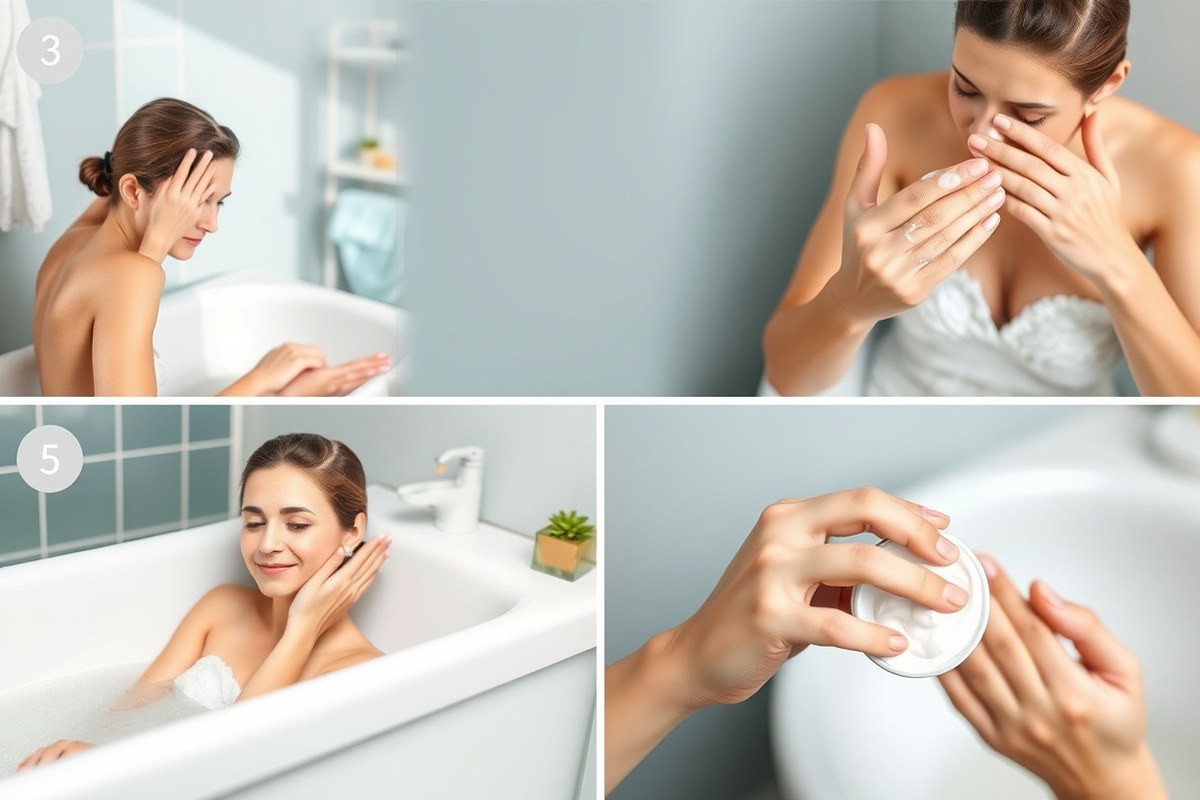
Maintaining a daily skincare routine tailored for eczema helps soothe irritated skin and prevent flare-ups. Focus on gentle bathing, consistent moisturizing, and choosing skin-friendly clothing to protect your sensitive skin every day.
Bathing Tips for Eczema-Prone Skin
Limit baths or showers to 5-10 minutes using lukewarm water, around 90°F (32°C). Hot water can strip your skin of natural oils, causing dryness and worsening eczema symptoms. Use mild, fragrance-free, non-irritating cleansers designed for sensitive skin to avoid triggering flare-ups.
Avoid over-bathing. More than once a day may dry out your skin further. After bathing, pat your skin dry gently with a soft towel instead of rubbing.
- Use lukewarm water to prevent excessive dryness and irritation.
- Choose fragrance-free, gentle cleansers labeled for sensitive skin.
- Limit bath or shower time to no more than 10 minutes.
- Pat your skin dry instead of rubbing to avoid irritation.
- Apply moisturizer immediately to lock in moisture while skin is still damp.
- Avoid harsh scrubbing or exfoliation that can damage sensitive skin.
Stay away from soaps and cleansers labeled “unscented” as they may still contain hidden fragrances that irritate your eczema.
Choosing and Applying Moisturizers
Use thick, ointment-based or cream moisturizers rather than lotions, as they provide a better barrier to protect and hydrate eczema-prone skin. Look for products labeled “fragrance-free” and “for sensitive skin.” Ingredients like ceramides, petrolatum, or licorice extract can help soothe inflammation and restore the skin’s natural barrier.
Apply moisturizer at least twice daily, right after bathing and before bed, and more often during dry or cold weather. Consistent moisturizing reduces dryness and the urge to scratch. Test new products on a small skin area for 7 to 10 days to check for reactions before applying widely.
- Select a thick, fragrance-free cream or ointment suitable for sensitive skin.
- Apply moisturizer immediately after bathing while skin is still damp.
- Reapply moisturizer at bedtime and any time your skin feels dry.
- Patch-test new products on a small skin spot daily for 7-10 days.
- Consider products with added anti-inflammatory ingredients like licorice extract.
Coconut oil’s antibacterial properties may help reduce skin infections connected to eczema, but avoid essential oils unless recommended by your doctor.
Clothing and Fabric Choices for Sensitive Skin
Wear loose, breathable clothing made from 100% cotton to avoid irritation and overheating. Avoid wool, polyester, or synthetic fabrics, which commonly aggravate eczema symptoms through friction and heat retention.
Choose laundry detergents free of fragrances and dyes. Even “unscented” detergents may contain masking fragrances, so look specifically for those labeled “fragrance-free” and “hypoallergenic.” Rinse clothes thoroughly to remove detergent residues that could irritate your skin.
Home Remedies That Help Eczema: What Works and What to Avoid
Several home remedies can help soothe eczema symptoms safely. Coconut oil, colloidal oatmeal, aloe vera, bleach baths, and witch hazel each have benefits backed by research or long-term use. Using them correctly matters for both effectiveness and avoiding irritation.
Using Coconut Oil Safely for Eczema
Coconut oil contains fatty acids that add moisture to dry skin, which is common with eczema. Virgin coconut oil, which is minimally processed and not heated or bleached, is the best choice because it retains more of the natural nutrients and antioxidants. Applying it regularly on affected areas can improve skin hydration and may reduce flare-ups.
To use, apply a thin layer of virgin coconut oil such as Nutiva Organic Virgin Coconut Oil directly to clean, dry skin. Do this once or twice a day, especially after bathing, to lock in moisture. Avoid scented or refined versions as they may irritate sensitive skin. Stop use if redness or increased irritation occurs.
Preparing and Applying Colloidal Oatmeal Baths or Creams
Colloidal oatmeal contains anti-inflammatory and anti-itch compounds that can soothe eczema flare-ups. Adding colloidal oatmeal powder to a warm bath allows it to coat the skin and relieve irritation effectively. The water temperature should be warm, not hot, to avoid further drying out skin or worsening itch.
To prepare, add about 1 cup (approximately 100 grams) of colloidal oatmeal powder to a bathtub filled with warm water. Soak the affected skin for 10 to 15 minutes, keeping water away from your eyes. After the bath, gently pat your skin dry with a towel and apply an emollient moisturizer immediately to retain moisture. For targeted relief, you can also find creams that contain colloidal oatmeal for direct application on eczema patches.
Safe Bleach Bath Guidelines and Precautions
Bleach baths are recognized by many dermatologists as an effective method to reduce bacterial skin colonization, which can worsen eczema and itch. They also have mild anti-inflammatory effects. Using a dilute bleach solution in bathwater can provide relief, but it must be done with care to avoid skin burns or irritation.
To prepare a bleach bath, fill a bathtub with about 40 gallons of warm water and add 1/2 cup (approximately 120 mL) of regular household bleach containing 6% sodium hypochlorite. Soak in the bath for 10 minutes, no more than twice a week. Avoid scrubbing the skin during the bath and rinse off gently afterward with fresh water if desired. Do not use bleach baths on open or weeping eczema wounds without doctor’s advice, and discontinue if stinging or irritation increases.
Comparing Topical Treatments: Corticosteroids, PDE4 & Calcineurin Inhibitors
Topical treatments remain the first step in managing eczema, with options ranging from mild over-the-counter corticosteroids to prescription medicines including steroid-free alternatives like PDE4 and calcineurin inhibitors. Corticosteroids are effective in reducing inflammation and clearing flare-ups but should be used carefully. Use mild corticosteroids for sensitive areas like the face or skin folds. Apply a thin layer once or twice daily, typically for 1 to 2 weeks during flare-ups, followed by a break to avoid skin thinning. For moderate or severe eczema, stronger prescription corticosteroids may be prescribed by your doctor.
Steroid-free options such as PDE4 inhibitors and calcineurin inhibitors offer alternatives, especially for long-term use or sensitive skin areas. PDE4 inhibitors block specific enzymes involved in the inflammatory process and have been strongly recommended by the American Academy of Dermatology for atopic dermatitis. Calcineurin inhibitors are prescription ointments that suppress the immune response in the skin, helpful for areas where steroids cause side effects. However, calcineurin inhibitors carry rare risks, such as lymphoma, so they are usually reserved for cases where corticosteroids cannot be used safely. Here is a comparison table of common topical eczema treatments showing their benefits, risks, costs, and usage notes:
| Topical Treatment | Use & Strength | Benefits | Risks & Safety Notes | Typical Cost |
|---|---|---|---|---|
| Corticosteroids (OTC mild to prescription strong) | Mild for face; strong for body; short-term use 1-2 weeks | Reduces inflammation, clears flare-ups quickly | Skin thinning with prolonged use; avoid long-term daily use | $10, $50 depending on strength and brand |
| PDE4 Inhibitors (prescription cream) | Twice daily to affected areas; longer-term use possible | Targets inflammation without steroids; approved for atopic dermatitis | May cause mild irritation; generally safe with fewer side effects | Prescription cost varies, typically moderate |
| Calcineurin Inhibitors (prescription ointment) | Applied twice daily; suitable for sensitive areas | Effective steroid alternative; good for delicate skin | Rare lymphoma risk; not recommended for long-term uninterrupted use | Prescription cost varies, often higher than corticosteroids |
To decide between these options, start with OTC mild corticosteroids for mild eczema or as advised by your healthcare provider. Use strong prescription steroids only during flare-ups and limit use to a couple of weeks to prevent side effects. For sensitive areas or longer-term treatment, discuss steroid-free alternatives like PDE4 or calcineurin inhibitors with your doctor. Avoid overusing any topical medication and always follow your healthcare provider’s instructions carefully to balance effectiveness and safety.
Lifestyle and Environmental Changes to Prevent and Manage Eczema
Changing your lifestyle and environment can play a major role in managing eczema and reducing flare-ups. Stress, clothing choices, irritants, and environmental factors often trigger symptoms, so controlling these can help keep your skin calmer and prevent irritation.
Stress is a well-known trigger for eczema flare-ups. Managing stress lowers your cortisol levels, which helps reduce skin inflammation. Techniques like deep breathing exercises, mindfulness meditation, and setting aside 10 to 20 minutes daily for relaxation can make a measurable difference. For some, regular physical activity or yoga also helps reduce stress and improve skin health. Planning stress management into your daily schedule is key.
Clothing choices matter because fabrics that irritate your skin can worsen eczema. Wear soft, breathable materials such as cotton or bamboo. Avoid wool and synthetic fabrics like polyester or nylon directly on your skin. These materials can cause itching and trap heat and sweat, which may aggravate eczema. When shopping, look for tagless options or remove tags to prevent rubbing. Washing new clothes before wearing them helps eliminate chemical residues.
Environmental controls help reduce exposure to irritants and allergens. Keep your home dust-free by vacuuming regularly with a HEPA filter vacuum and using allergen-proof bedding covers. Maintain indoor humidity between 40% and 50% to prevent your skin from drying out; use a humidifier during dry months if needed. Also, avoid rapid temperature changes since both extreme heat and cold can trigger flares. Bath water should be lukewarm, around 90°F to 95°F, as hot water strips skin oils and cold water may cause discomfort.
- Choose loose-fitting, 100% cotton clothing and wash with fragrance-free detergent
- Practice daily stress reduction routines like meditation or gentle exercise
- Keep indoor humidity comfortable with a humidifier or dehumidifier
- Wash bedding weekly in hot water to reduce dust mites
- Avoid harsh soaps and household cleaning products with strong scents
- Minimize exposure to smoke, pet dander, and pollen by closing windows during peak allergy seasons
- Use a cold compress on irritated areas to reduce itching without scratching
Avoiding common irritants in your lifestyle is essential too. These include harsh detergents, fragranced lotions, and heavily chlorinated water. These substances can damage your skin barrier and promote flares. Wearing gloves during household chores and choosing mild, unscented products can reduce this risk. Also, supplementing with vitamin D through diet or sun exposure may help prevent eczema flares, particularly in children and adolescents.
Keep bathwater warm, not hot, and limit your bath or shower time to 10 minutes to protect your skin’s natural oils and prevent eczema flare-ups.
Dietary Approaches: Foods to Eat, Avoid, and Supplement for Eczema
Changing your diet can influence eczema symptoms, though results vary widely. About half of people who try elimination diets experience meaningful improvement in their eczema, compared to fewer than half without any dietary changes. This approach mainly helps if you have food allergies that trigger flare-ups. Common foods linked to worsening eczema include dairy, eggs, nuts, soy, and wheat. When narrowing down triggers doesn’t clear your symptoms, removing high-histamine foods like aged cheeses, processed meats, and fermented products might help since they can increase inflammation.
Eating more foods rich in essential fatty acids, such as wild-caught fish and flaxseed oil, may reduce inflammation and soothe eczema-prone skin. Diets high in fruits and vegetables are also associated with a lower risk of eczema flares, while processed foods tend to increase flare frequency. Beyond these, simple avoidance of certain natural oils is unlikely to help except for sunflower seed oil and virgin coconut oil, which have shown some benefit in moisturizing and calming the skin.
- Eliminate common allergens like dairy, eggs, and nuts if you suspect a food allergy.
- Should symptoms persist, remove high-histamine foods to reduce inflammation.
- Add omega-3 rich foods such as salmon or flaxseed oil daily.
- Focus on a diet rich in fresh fruits and vegetables.
- Avoid processed and fast foods to reduce eczema flare-ups.
- Consider sunflower seed oil or virgin coconut oil for skin hydration.
Vitamin D supplements have shown promise in improving eczema symptoms, especially in people with a deficiency. A 2024 study highlighted benefits in reducing itching and calming flares. Taking vitamin D along with vitamin B12 may further curb symptoms. Still, you should discuss with your healthcare provider before starting supplements to check dosages and avoid excess intake. Supplements aren’t a replacement for medicines or other treatments but can complement your eczema management plan.
Trying an elimination diet requires patience and often a doctor or dietitian’s guidance to avoid nutritional gaps and reintroduce foods safely. Track your symptoms closely and give each diet phase several weeks to notice changes. For many, small tweaks such as cutting processed foods, adding fatty fish, and taking vitamin D supplements offer noticeable relief without major restrictions.
When and How to Use Wet Wraps and When to See a Doctor
Wet wraps can soothe severe eczema flare-ups by locking in moisture and topical medications. Use them after moisturizing and applying prescribed ointments to improve treatment effects. Seeing a doctor matters if your eczema worsens, spreads, or fails to improve with home care.
Step-By-Step Wet Wrap Application
Applying wet wraps involves layering wet and dry fabrics to seal in moisture and medication, which reduces itching and inflammation. Choose lightweight cotton or gauze for best results. Follow these steps carefully for safe and effective use.
- Prepare a warm bath or clean water at lukewarm temperature (about 90°F to 100°F) to gently hydrate your skin for 5 to 10 minutes.
- Pat your skin dry lightly, leaving it slightly damp.
- Apply a corticosteroid ointment or prescribed medication to the eczema spots, following your doctor’s directions.
- Wet a clean piece of gauze or cotton cloth with warm water and wring out excess moisture so it is damp but not dripping.
- Wrap the damp cloth snugly around the affected areas, covering all eczema patches.
- Layer a dry cotton gauze or soft cloth over the wet wrap to keep moisture sealed in.
- Leave the wet wrap on for 1 to 2 hours or overnight if advised by your doctor, then remove gently.
- Repeat the process daily or as your healthcare provider recommends, monitoring your skin closely.
Signs When Professional Care Is Needed
Contact a healthcare professional if your eczema shows no improvement after consistent home care for two weeks or more. Seek care if your skin develops signs of infection such as increased redness, warmth, swelling, oozing, or pain.
Advanced symptoms like widespread rash, intense itching disrupting sleep, or thickened, cracked skin require evaluation by a dermatologist. A doctor may adjust treatment, prescribe stronger medication, or investigate allergy triggers.
Monitoring Eczema Treatment Effectiveness
Track changes in your skin daily to determine if your treatment is working. Improvement usually appears as less redness, reduced itching, and fading dryness or scaling within a week to two weeks of starting care.
Worsening symptoms or new flares during treatment suggest a need to re-evaluate your regimen with your healthcare provider. Keep a simple journal noting your skin’s appearance, itch level, treatments used, and any triggers you’ve identified.
Advanced Treatments and Safety for Severe or Persistent Eczema
Severe or persistent eczema often requires treatments beyond creams and moisturizers. Biologics like dupilumab (Dupixent) and tralokinumab (Adbry) target specific parts of the immune system to reduce inflammation. These injectable medications are designed for moderate to severe cases that do not respond well to topical treatments or light therapy. Clinical use has shown they can significantly reduce flare-ups and itching by modulating immune signals. However, these biologics come with considerations such as cost, often ranging from several thousand dollars per month without insurance, and the need for ongoing injections under a doctor’s supervision.
Systemic treatments, including immune-suppressing drugs taken orally or by injection, are another option for severe eczema. Drugs like cyclosporine, methotrexate, or azathioprine have long safety records when carefully monitored by a healthcare provider. These can be effective but carry risks such as increased infection chance and possible liver or kidney issues. Regular blood tests and doctor visits are essential to safely use these medications.
For people looking to avoid steroids, biologics and certain newer drugs offer steroid-free prescription options. These alternatives minimize the risks of skin thinning and other side effects linked to prolonged steroid use. That said, steroid creams still play a role in managing flare-ups due to their rapid action but should be used exactly as prescribed to avoid common misuse.
Mistakes like using high-potency steroids for too long, skipping follow-up appointments, or abruptly stopping treatments can worsen eczema or trigger rebound flares. Another frequent error is ignoring safety instructions for systemic treatments, skipping lab monitoring or mixing these medications with other drugs without medical advice increases risks. To avoid worsening your eczema, follow your dermatologist’s directions closely, asking specific questions about how long to use each medicine, safe application methods, and any symptoms that need urgent attention.
Light therapy, especially narrow-band UVB, is another advanced treatment commonly used before systemic drugs. It requires about two to three sessions per week over several months, with each session lasting just minutes. This treatment helps reduce inflammation with less risk than systemic medications but may not be suitable for everyone, particularly those with a history of skin cancer. Its cost and accessibility depend on your location and insurance coverage.
Always consult your dermatologist before starting or stopping any systemic or biologic treatment, and never use high-potency steroids longer than prescribed to prevent worsening your eczema.
Step-by-Step Action Plan to Manage and Reduce Eczema
Follow this plan to identify your eczema triggers, establish a soothing skincare routine, and introduce lifestyle changes that help control flare-ups effectively.
- Before You Start: Track your daily activities, skincare products, diet, and environment for one week to spot possible eczema triggers. Look for patterns where symptoms worsen after specific exposures.
- Day 1: Begin a gentle daily skincare routine using fragrance-free cleansers and moisturizers designed for eczema. You’ll notice less dry, itchy skin within a few days if this helps.
- Day 3: Introduce safe home remedies such as applying a cool compress or colloidal oatmeal baths once daily to calm your skin. Relief from itching and redness shows these methods are effective.
- Week 1: Start eliminating common dietary triggers like dairy, eggs, or nuts one at a time, while adding anti-inflammatory foods like oily fish and fresh vegetables. Improvement in flare intensity signals a likely food trigger.
- Week 2: Apply prescribed topical treatments like corticosteroids or non-steroidal creams as directed. Reduced flare severity and fewer new patches confirm treatment success.
- After 2 Weeks: Use wet wraps overnight for persistent patches to boost treatment absorption and skin hydration. Clearer skin and less itching indicate this step is helpful.
- After 3 Weeks: Make lifestyle adjustments by controlling indoor humidity, avoiding harsh detergents, and wearing soft, breathable fabrics. Fewer flare-ups show positive effects.
- Ongoing: Schedule a follow-up with your doctor if symptoms persist or worsen despite these steps. Professional evaluation is essential for severe eczema or if advanced treatments might be necessary.
Frequently Asked Questions
Can Stress Cause Eczema Flare-Ups?
Yes, stress can worsen eczema symptoms, so reducing stress through relaxation techniques or therapy may help manage flare-ups more effectively.
Is Sun Exposure Helpful for Eczema?
Moderate sun exposure, around 10-15 minutes daily, can relieve eczema and speed healing, but avoid sunburn to prevent skin damage.
Does Wearing Certain Fabrics Impact Eczema?
Clothes made from 100% cotton are best as they are soft and breathable, helping prevent irritation and eczema flares.
Can Keeping a Symptom Journal Improve Eczema Management?
Yes, tracking symptoms and potential triggers helps identify patterns and tailor treatments more precisely for your skin.
Does Adding Fish to a Child’s Diet Reduce Eczema Risk?
Introducing fish by 9 months and eating it weekly may lower eczema risk, based on research from Norwegian University of Science and Technology.
Is Vinegar Bath Treatment Effective for Eczema?
Soaking in a warm bath with 2 cups of vinegar for 15-20 minutes may soothe eczema, as recommended by the National Eczema Association.
Final Thoughts
Getting a handle on eczema involves understanding your skin and carefully choosing practices that reduce flare-ups. Start by tracking your daily skincare and environment to spot what might trigger your symptoms the most. Taking this step today can help you make informed decisions on managing your eczema more effectively moving forward.