

How to Get Rid of Body Lice: A Complete Guide for Effective Treatment and Prevention
To get rid of body lice effectively, start by thoroughly washing clothing and bedding in hot water and drying them on high heat. Use over-the-counter lotions containing 1% permethrin or pyrethrin to kill lice and their eggs. Natural remedies like neem, tea-tree oil, and coconut oil mixtures can also help soothe irritation while eliminating lice. Consistent hygiene and decontamination of personal items prevent reinfestation.
This information is designed for people dealing with body lice infestations, including caregivers and those in challenging living conditions. You’ll learn to identify body lice, treat infestations safely, manage symptoms, and avoid common mistakes to stop lice from returning. The steps cover cleaning, medications, natural options, and when to seek medical help.
Key Takeaways
- Wash all clothing and bedding at 130°F or higher to effectively kill body lice and their eggs.
- Use over-the-counter 1% permethrin or pyrethrin lotions if lice persist after initial cleaning and hygiene efforts.
- Store unwashed items in sealed plastic bags for 14 days to eliminate lice when washing is unavailable.
- Apply natural remedies like neem, turmeric, yogurt, and lavender for their antiseptic properties and mild insect repellence.
- Control itching and skin irritation with gentle care, and seek medical help if symptoms worsen or infections develop.
- Recognize body lice by size (2.3, 3.6 mm) and distinct infestation areas to differentiate from head or pubic lice.
How to Identify and Treat Body Lice Infestations Effectively

Body lice are tiny, wingless insects that live on clothing and bedding, moving to the skin only to feed. They measure about 2 to 3 millimeters and are light gray or tan, becoming redder after feeding. Unlike head lice, which cling to scalp hair, body lice cling to fabric seams. You may recognize infestation by persistent itching, small red bumps, and visible lice or eggs in clothes, especially around seams.
Treating body lice focuses first on improving personal hygiene and decontaminating clothing and bedding, since lice live off the body in these environments. Soap and warm water baths help remove lice from the skin. Cleaning clothes and bedding in hot water above 130°F (54°C) for at least 10 minutes kills both lice and their eggs. When these steps don’t fully resolve the infestation, over-the-counter lotions containing 1% permethrin or pyrethrin may be used.
Tracking treatment effectiveness means looking for a reduction in itching and visible lice within a week. Full eradication often takes two weeks because nits (eggs) can hatch after initial treatments. Should you see no improvement or symptoms worsen, consult a healthcare provider promptly. Follow this step-by-step checklist to identify and treat body lice carefully:
- Inspect clothing seams and skin. Look for lice or eggs along the seams of clothing and any itching or rash on your skin, especially around the waist, armpits, and groin. Use a bright light and magnifying glass if needed.
- Take a thorough bath daily. Use soap and warm water to wash your entire body, focusing on areas where lice feed. This removes lice on the skin and soothes itching.
- Wash all clothes and bedding in hot water. Use water at 130°F (54°C) or hotter, and dry on high heat for at least 10 minutes. This kills lice and eggs lodging in fabrics, which is essential to full treatment.
- Repeat washing and bathing daily. Continue daily hygiene and laundering during the treatment period, usually two weeks, to prevent reinfestation from surviving eggs.
- Apply over-the-counter lice treatment if needed. Should lice persist after hygiene measures, use a 1% permethrin or pyrethrin lotion according to package directions. Avoid applying these products to the scalp unless specified.
- Monitor for symptoms and lice presence. Watch for a decrease in itching and visible lice. When two weeks have passed and you still have signs of infestation, seek medical advice for alternative treatments.
Differences Between Body Lice, Head Lice, and Pubic Lice
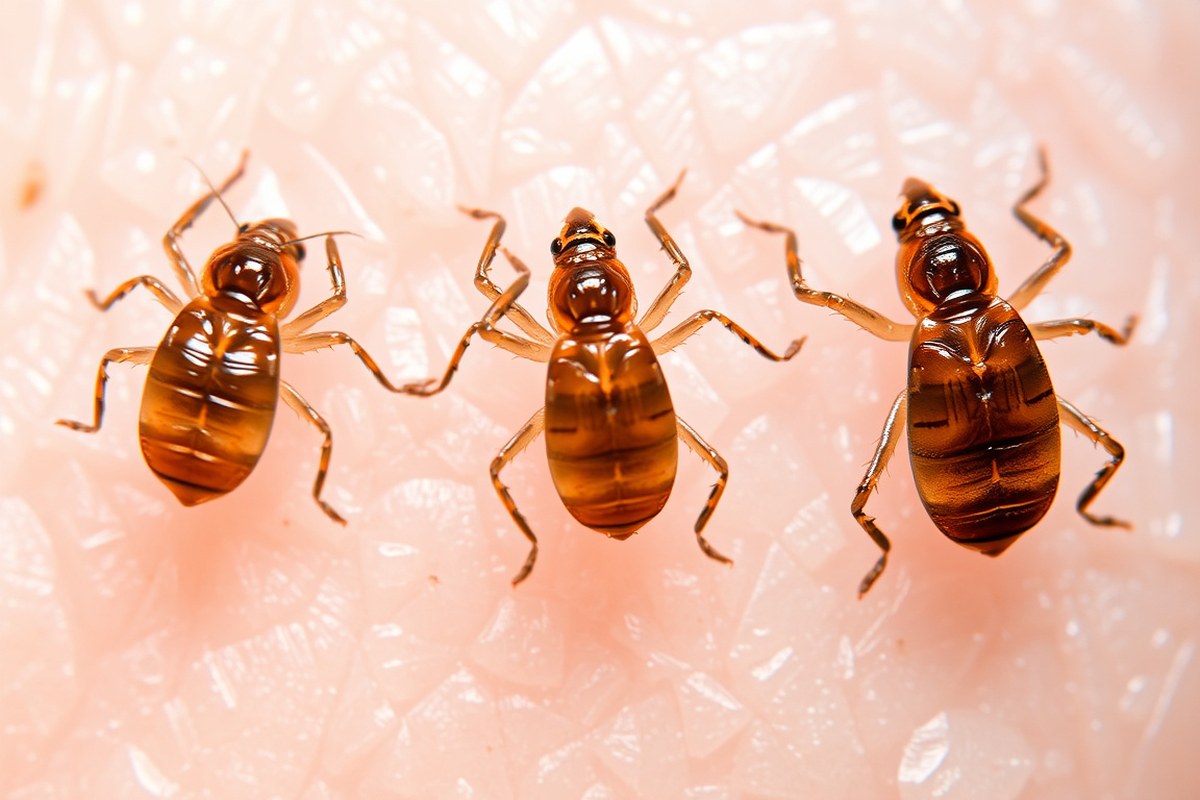
Body lice, head lice, and pubic lice each have distinct biological traits and behaviors that affect their habitats, transmission methods, and treatment approaches. Understanding these differences helps you target infestations effectively and prevent reinfestation. Body lice live primarily in the seams of clothing and bedding, laying eggs there rather than on the skin or hair. These lice feed on your body by moving to your skin to bite but spend most of their time on fabric. In contrast, head lice live and lay eggs only on scalp hair, while pubic lice mostly reside in coarse hair of the pubic region.
Body lice are unique because they can survive longer away from your body heat and are known to spread diseases, unlike head or pubic lice. A typical body lice infestation involves about 20 adult females on the person, each capable of laying 10 to 15 eggs per day, mostly attached to fabric fibers. Their eggs (nits) are glued to clothing fibers, particularly in seams, not hair shafts. This difference makes frequent washing of clothes and bedding in hot water important for treatment because killing eggs on fabric disrupts their life cycle.
| Feature | Body Lice | Head Lice | Pubic Lice |
|---|---|---|---|
| Scientific Name | Pediculus humanus corporis | Pediculus humanus capitis | Pthirus pubis |
| Habitat | Seams of clothing and bedding | Scalp hair | Coarse hair of pubic area |
| Egg-Laying Site | Clothing fabric, mainly seams | Hair shafts on scalp | Hair shafts in pubic region |
| Feeding Location | On skin; lives on clothing | On scalp hair and skin | On pubic hair and skin |
| Transmission Mode | Clothes-sharing, close body contact | Head-to-head contact | Sexual contact, close body contact |
| Disease Vector | Yes (can spread illnesses) | No | No |
| Survival Away From Host | Longer periods (days) | Shorter periods (hours) | Shorter periods (hours) |
Treating body lice focuses on washing clothes and bedding in water heated to at least 130°F (54°C) to ensure killing both lice and eggs. Items that can’t be washed can be sealed in plastic bags for 14 days to kill lice without chemicals. Permethrin is effective for body lice, unlike pyrethrins, which are better suited for head lice. Because body lice live in clothing, simply cleaning the body without washing clothes won’t clear the infestation. The risk of spreading to others means shared clothing or bedding should be cleaned simultaneously, with sexual partners and household members treated if needed.
Tip: Change into clean clothes after bathing and wash infested clothes in hot water immediately to stop body lice from returning.
Symptoms, Signs, and Health Risks of Body Lice Infestation
Body lice infestation typically presents with intense itching caused by an allergic reaction to lice bites. This itching, also called pruritus, often leads to a rash and small red bumps on the skin. The bites usually appear on areas where clothing seams touch the skin, such as the abdomen, waist, and underarms. You may notice irritated patches with scratch marks or tiny sores from persistent scratching.
Body lice feed on your blood and their bites inject saliva that triggers the allergic reaction. The histamine in this saliva causes the characteristic itching sensation. While the rash and bumps can be uncomfortable, they also increase the risk of secondary skin infections if you scratch too much or break the skin barrier. Regular bathing with anti-bacterial soaps and applying moisturizers or calamine lotion can help maintain skin health and reduce irritation, but these measures alone do not eliminate the lice infestation.
Though body lice can be treated at home with proper hygiene and washing methods, the bites themselves carry potential health risks. Body lice are capable of spreading infectious diseases, such as rickettsial typhus, which can cause fever, headache, and body aches if left untreated. In some cases, body lice infestations have even caused outbreaks, particularly where living conditions are crowded, and hygiene is compromised.
- Itchy red bumps or rash along clothing seams
- Scabs or sores from scratching
- Unpleasant sensation of crawling on the skin
- Presence of lice or nits on clothing or body hair
- Signs of skin infection such as redness, swelling, or pus
- Flu-like symptoms if disease transmission occurs
Consult a healthcare provider if your bites become infected or if you develop symptoms indicating a possible lice-borne illness. These symptoms can include fever, body aches, severe rash, or swollen lymph nodes. Infections may require antibiotics, and healthcare professionals can confirm infestation by examining your skin and clothing. If you cannot control the infestation through hygiene and washing alone, your provider may recommend additional treatments or prescription medications.
Proper Washing, Cleaning, and Decontamination to Kill Lice and Eggs
To kill body lice and their eggs effectively, wash clothes, bedding, and towels in water heated to at least 130°F and dry them using the highest heat setting for at least 20 minutes. This method destroys lice and nits thoroughly. Items that cannot be washed immediately or machine dried should be vacuumed, sealed, or frozen to prevent reinfestation.
Washing and Drying at Effective Temperatures
Washing fabric items used by anyone with body lice requires hot water of at least 130°F (54.4°C). This temperature is necessary to kill both live lice and their eggs. After washing, use the dryer’s highest heat setting and dry the items for a minimum of 20 minutes. Low heat or air drying won’t fully eliminate the pests or their eggs.
Do this weekly until no lice or eggs are detected on clothes or bedding. Hot washing and drying are the most cost-effective and reliable steps for decontamination. Avoid sharing clothing, towels, or bedding with others until all items are disinfected.
Vacuuming and Sealing Non-Washable Items
Items such as mattresses, upholstered furniture, carpets, and stuffed toys may hold lice but usually do not harbour large numbers. Vacuum thoroughly, focusing on seams and crevices where lice or eggs could hide. Immediately discard vacuum bags or empty canisters outside to prevent reinfestation.
If vacuuming is not possible, seal these items in plastic bags for at least 72 hours since lice die without feeding in this period. Do not use insecticide sprays on furniture or mattresses unless advised by a licensed pest control professional because chemicals can be harmful and are not the primary method for body lice.
Freezing Techniques for Lice Elimination
Freezing can kill lice and their eggs on items that cannot be washed or dried. Place these items in a sealed plastic bag and store them in a freezer at 0°F (-18°C) or lower. Leave the items frozen for at least 12 hours to ensure effective lice elimination.
This method works well for shoes, hats, or delicate fabrics that are otherwise difficult to disinfect. Freezing is a safe alternative when cleaning in hot water or machine drying is not possible immediately. After freezing, allow the items to thaw before use or washing.
Temporary Clothing and Bedding Management
If unable to wash clothes and bedding right away, isolate contaminated items by placing them in sealed plastic bags. Change into clean clothing daily to reduce the risk of spreading lice or reinfestation. Maintain regular baths or showers during this period to remove lice from your body.
Plan to launder all contaminated fabrics within 48 hours using the hot water and drying method described earlier. Wearing fresh clothes daily and keeping bedding clean help break the lice lifecycle. At a minimum, avoid reusing unwashed clothing and do not share towels or bedding with others until lice are eradicated.
- Gather all clothing, bedding, towels, and fabric items that may have been exposed to body lice within the previous 2 days.
- Wash these items in the hottest water setting available (at least 130°F) using regular laundry detergent.
- Dry washed items on the highest heat setting for a minimum of 20 minutes to ensure lice and eggs are killed.
- Vacuum mattresses, carpets, upholstered furniture, and other non-washable areas thoroughly.
- Seal non-washable items that cannot be vacuumed in plastic bags for at least 72 hours to starve lice.
- Freeze delicate or non-washable items, like shoes or hats, at 0°F (-18°C) for at least 12 hours if washing is not possible.
- Change into clean clothes daily and avoid sharing clothing, towels, or bedding during treatment and cleaning.
- Repeat laundering of clothing and bedding weekly until body lice infestation is fully resolved.
Using Permethrin, Pyrethrin, and Safe Natural Remedies for Body Lice
Using medicated treatments like permethrin or pyrethrin for body lice requires careful application according to label instructions or your healthcare provider’s advice. These treatments kill lice on contact but should be used only on clean skin and clothing. Avoid applying multiple treatments simultaneously, as this can cause skin irritation without speeding up lice elimination. Prescription pediculicides may be necessary if over-the-counter options fail or for severe infestations. Consult a doctor before treating children, pregnant women, or those with sensitive skin.
Natural remedies do not reliably kill body lice but can soothe itching and support skin healing. Tea tree oil combined with yogurt offers antibacterial and anti-fungal benefits that may reduce irritation. Oils like rosemary and eucalyptus have shown repellency effects lasting several days but should be diluted and never applied to broken skin. Traditional methods like mayonnaise or vinegar applied overnight often do not work and can be messy. Using home remedies alongside proper washing and cleaning improve comfort but will not replace effective lice-killing medications.
| Treatment Type | How It Works | Pros | Cons | Safety & Usage |
|---|---|---|---|---|
| Permethrin or Pyrethrin (Medicated Pediculicides) | Kills lice on skin by disrupting nerve function | Effective at killing lice; widely available OTC or by prescription | May cause skin irritation; should not be overused; resistance may occur | Use on clean skin/clothing; follow dosage exactly; seek medical advice for children/sensitive skin |
| Tea Tree Oil with Yogurt | Anti-bacterial and anti-fungal effects soothe skin; may reduce lice activity | Natural, helps heal skin; minimal side effects if diluted | Does not kill all lice; risk of allergic reaction if undiluted; must be diluted | Dilute tea tree oil before application; test small skin area first; do not apply on broken skin |
| Essential Oils (Rosemary, Eucalyptus) | Physically clogs lice breathing pores, repels lice | Repellents last days; can reduce itching | Not a standalone treatment; can irritate sensitive skin; must be diluted | Dilute before use; avoid applying to broken or scratched skin |
| Mayonnaise/Vinegar (Home Remedies) | Intended to suffocate lice by coating them | Low cost; uses common household items | Messy, time-consuming; inconsistent results; does not effectively kill lice | Not recommended as sole treatment; focus on proper washing and medicated products |
Using a medicated lice treatment properly means applying it exactly as described. For permethrin, apply to clean, dry skin and wait the recommended time before washing off. Repeat treatments might be needed after 7 to 10 days to catch newly hatched lice. Avoid overlap of different chemical treatments as this can worsen irritation and does not increase effectiveness. For natural products, always dilute essential oils, generally 5 drops of oil per tablespoon of carrier like yogurt or olive oil, to reduce risk of skin reactions. Stop use immediately if redness, swelling, or rash worsens and seek medical advice. You should request a prescription from your healthcare provider if over-the-counter products fail or if you experience persistent or severe infestation symptoms.
Never apply undiluted essential oils directly to your skin, especially on broken or irritated areas, to avoid worsening discomfort or causing allergic reactions.
Personal Hygiene and Lifestyle Changes to Prevent Reinfestation
To stop body lice from coming back, make sure to shower every day and switch to clean clothes at least weekly. Keeping a steady hygiene routine and ensuring your clothes and bedding stay clean helps reduce the chance of getting lice again. Adjust your habits based on where you live to interrupt the lice life cycle and control their numbers.
Effective Bathing Routines and Skin Care
Daily bathing or showering is essential to create an environment where body lice cannot survive. Lice only crawl onto your skin to feed and prefer unclean bodies. Washing with warm water and soap removes sweat, oils, and dirt that attract lice. When daily showering isn’t possible, wash affected areas with soap and water as often as you can.
Skin care also plays a role in prevention. Use a gentle moisturizer to soothe irritated skin after treating lice bites, but avoid heavy creams that could trap lice near the skin. Check your body daily for signs of itching or redness and wash immediately if found.
Clothing and Laundry Habits
Because body lice live in fabric seams, changing and laundering clothes regularly stops them from multiplying. Aim to switch into clean clothes at least once per week during treatment and prevention. Wash all clothes, bedding, and towels at a minimum of 130°F (54°C) to kill lice and their eggs. Drying on high heat for at least 20 minutes further ensures removal.
When laundry machines are unavailable, seal items in plastic bags for two weeks to starve lice. Avoid sharing clothing or bedding to reduce spread among household contacts. Educate everyone in your environment about these habits to protect yourself and others.
- Remove all worn clothes and put them directly into a laundry basket or sealed bag.
- Wash clothes, bedding, and towels in hot water (at least 130°F).
- Dry items on the highest heat setting for at least 20 minutes.
- Store clean clothes in a sealed container or bag to avoid contamination.
- Avoid sharing or borrowing clothes and bedding from others.
- Repeat this washing routine at least once per week during and after infestation.
Hygiene Practices Tailored for Temporary Housing or Homelessness
People without stable housing may face challenges bathing and laundering clothes regularly. Establish a daily hygiene routine involving at least washing up with soap and water using portable wipes, a sink, or public showers when available. Keep a supply of clean clothes or rotate items frequently if laundering options are limited.
Use natural repellents like tea tree oil or lavender oil diluted in water, sprayed on clothing to discourage lice. Encourage use of shelters or community facilities that provide hygiene resources. Avoid close body contact and do not share bedding or clothes, since body lice spread easily in crowded conditions.
Taking small steps daily can reduce lice reinfestation risk despite limited resources. Support from healthcare or social services may help access clean water and laundry facilities. Even minimal routines improve your chances of breaking the lice cycle.
Managing Itching, Skin Irritation, and When to Seek Medical Care
Managing itching and irritation from body lice bites is essential to avoid further complications like skin infections. The bites usually cause red, itchy bumps and dark spots, especially where clothing seams press on your skin. Although scratching might give temporary relief, it can worsen the situation by breaking the skin and increasing the risk of infection.
To relieve itching, topical corticosteroids are commonly recommended. These medications reduce inflammation and swelling, helping to calm irritated skin. Over-the-counter 1% hydrocortisone cream applied gently to the affected areas up to three times a day can be effective. Oral antihistamines, such as diphenhydramine or cetirizine, help control itching and improve comfort, especially at night. These medications usually begin to work within hours and can be used safely for a few days unless directed otherwise by a healthcare provider.
Home remedies like cool compresses or oatmeal baths can soothe itching but should not replace medical treatments if the symptoms are severe or worsening. Avoid thick, greasy creams or ointments, which might trap heat and worsen irritation. Maintaining good skin hygiene and keeping the affected areas clean and dry supports healing and reduces bacterial growth.
- Apply 1% hydrocortisone cream up to three times daily on itchy spots
- Take oral antihistamines as directed to reduce itching and swelling
- Use cool compresses for temporary relief
- Keep skin clean and dry to prevent infections
- Avoid scratching to reduce injury and bacterial entry
- Consult a healthcare provider if secondary infection signs develop
Consult a medical professional if you notice increasing redness, warmth, swelling, or pus, which could indicate an infection requiring antibiotics. A fever, worsening pain, or spreading rash also warrants prompt medical attention. Persistent itching or skin changes lasting more than two weeks despite treatment should be evaluated professionally. People often make the mistake of ignoring severe symptoms or using harsh irritating products that aggravate the skin further. Avoid applying home remedies that are not proven or recommended by a healthcare provider, especially if you have sensitive skin or other health conditions.
Special Considerations for Different Living Situations and Common Treatment Mistakes
Treating body lice requires special care when you live in temporary housing, shelters, or are experiencing homelessness because of limited access to bathing and laundry facilities. Adjusting treatment methods to your living situation and avoiding common mistakes greatly improves your chance of success. Preventing reinfestation means controlling close contact and keeping bedding and clothes clean even in crowded or shared spaces.
Treatment Adjustments for Limited Laundry Access
Washing clothes and bedding regularly with hot water at a minimum temperature of 130°F is key to killing body lice and their eggs. If washing isn’t an option, you can place infested items in sealed plastic bags for a minimum of 72 hours to suffocate the lice. Another method is using a steamer or ironing clothes on a high heat setting since lice cannot survive temperatures above 130°F.
Daily bathing with soap and water is important, even if shower facilities are limited. Using wet wipes or sponge baths with mild soap helps reduce lice on the skin. When only limited water is accessibile, focus on washing the torso and areas where lice cluster.
Avoiding Recontamination in Shared Spaces
Body lice spread primarily by contact with infested clothes or bedding, making prevention in shelters or shared housing critical. Avoid sharing clothing, towels, and bedding. Keep belongings stored separately in sealed bags or containers if possible.
Facilities should encourage frequent laundry cycles for communal bedding and clothing, ideally washing at least once a week in hot water. When staying in shelters, changing into freshly laundered clothes daily and promptly storing used laundry properly reduces reexposure.
Avoid close physical contact with others’ clothing until everyone’s belongings have been treated or washed.
- Store clean clothes and bedding separately in sealed plastic bags
- Do not share personal items like clothes, towels, or bedding
- Change into fresh clothing daily
- Maintain personal hygiene with daily bathing or wiping
- Encourage group laundry schedules in shelters
- Inform shelter staff if body lice infestations are suspected
When group living is unavoidable, early detection and prompt hygiene measures help keep infestations from spreading among residents.
Key Mistakes Causing Treatment Failure and How to Fix
One common error is skipping washing clothes or bedding after treatment, which allows lice and eggs to survive and reinfest the body. Always combine body treatment with cleaning your personal items. Another mistake is applying insecticide treatments incorrectly or not completing the full course, reducing effectiveness.
Delaying or avoiding treatment because of embarrassment or uncertainty worsens infestations. Anyone spotting body lice should start treatment immediately and notify close contacts to prevent further spread.
- Neglecting to wash or isolate clothing and bedding
- Using understrength or inappropriate lice treatments
- Failing to bathe regularly during treatment
- Stopping treatment too soon before all lice and eggs die
- Ignoring close contacts who might need treatment too
- Continuing to use infested clothing after treatment
- Not seeking medical advice if infestation persists over 2 weeks
Correcting errors includes following label instructions carefully, maintaining hygiene, separating laundry, and contacting a healthcare provider if the infestation does not clear after two weeks of treatment. This reduces the chance of reinfestation and complications.
Step-by-Step Action Plan to Get Rid of Body Lice
Follow these clear steps to identify, treat, and prevent body lice infestations effectively at home. This plan helps you manage the problem quickly and avoid reinfestation.
- Before you start: Confirm body lice presence by checking clothing seams and skin for small moving insects and rash. Proper identification ensures correct treatment.
- Day 1: Wash all clothes, bedding, and towels in hot water (at least 130°F) and dry on high heat for 30 minutes. This kills lice and eggs on fabrics to stop spread.
- Day 1: Shower thoroughly and change into clean clothes immediately after laundry. Clean skin reduces lice habitat and prevents reinfestation.
- Day 2: Apply permethrin or pyrethrin-based lice treatment as directed on the label to body and clothing if applicable. This targets lice directly and breaks life cycle.
- Day 8: Repeat lice treatment if live lice or rash persists. A second application ensures any newly hatched lice are eliminated.
- Week 1-2: Maintain daily personal hygiene, wash clothes regularly, avoid sharing bedding or clothing. These habits help prevent reinfestation.
- Week 2: Monitor skin for itching or rash improvement. If symptoms continue or worsen, see a healthcare provider for further care.
- Ongoing: Keep living areas clean and regularly launder clothes and bedding in hot water. Preventative cleaning stops new infestations from developing.
Frequently Asked Questions
Can Body Lice Come Back After Treatment?
Yes, body lice can return if you don’t maintain good hygiene and clean your clothing regularly. Changing into clean clothes at least once a week and washing bedding helps prevent reinfestation.
Can Untreated Body Lice Cause Long-Term Health Problems?
Untreated body lice can lead to skin infections from constant scratching and increase the risk of bacterial infections. Seeking treatment early reduces complications.
Are There Effective Home Remedies for Killing Body Lice?
Some home remedies like tea-tree oil mixed with yogurt or camphor with coconut oil and milk have antiseptic properties that may help. These can be used alongside medical treatments, not as a substitute.
How Often Should Clothes and Bedding Be Washed During a Body Lice Infestation?
Wash clothes and bedding in hot water at least once a week during treatment to kill lice and their eggs. This is a key step in stopping the infestation.
Can Pets Carry or Spread Body Lice to Humans?
Body lice specifically infest humans and do not live on pets. However, good hygiene around pets is still important for overall health.
Is It Safe to Use Over-The-Counter Permethrin Lotions for Body Lice?
Yes, 1% permethrin lotions like Nix are safe and effective for treating body lice if used as directed. Avoid using treatments meant for head lice on body lice.
Before You Go
Getting rid of body lice requires consistent treatment and thorough cleaning to break their life cycle. Start by laundering your clothes and bedding in hot water today to remove lice and eggs effectively. Taking this immediate step helps reduce the risk of ongoing infestation and supports any treatment you apply to your skin or clothing.



One Comment