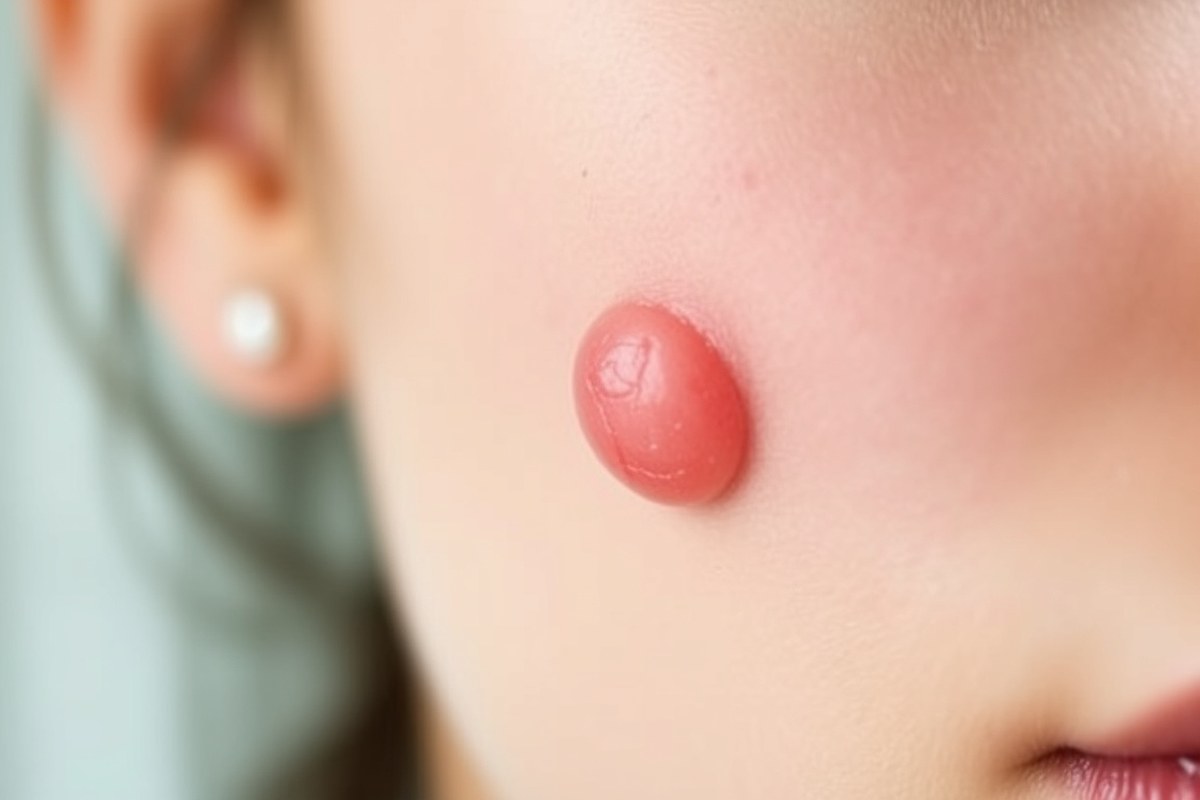
How to Get Rid of a Cystic Pimple Safely: 8 Proven Steps for Fast Relief
To get rid of a cystic pimple safely, avoid popping it and use gentle treatments like warm compresses and over-the-counter options. For fast relief, professional help such as cortisone injections can reduce swelling and redness within 24 to 48 hours. Being gentle with your skin while the pimple heals helps prevent scars and dark marks.
This advice is for anyone struggling with painful, deep cystic pimples who wants quick and effective treatment. You’ll learn what causes these pimples, how to care for them at home, when to see a dermatologist, and safe daily habits to prevent future outbreaks. This clear approach shows how to get rid of a cystic pimple with proven steps you can trust.
Key Takeaways
- A cystic pimple is a deep, painful lesion caused by trapped inflammation beneath the skin, unlike surface acne.
- Hormonal changes and certain health conditions like endometriosis can trigger cystic pimples, making prevention harder.
- Never pop or squeeze a cystic pimple to avoid worsening inflammation and increased risk of scarring.
- Apply a warm compress for 10-15 minutes, three times daily, to reduce cystic pimple swelling and bring it closer to the surface.
- Seek a dermatologist’s help if the cystic pimple is large, painful, persistent, or causing scars for fast and effective treatment.
- Professional cortisone injections can reduce cystic pimple inflammation and redness within 24-48 hours.
1. What Is a Cystic Pimple and Why Is It Different?
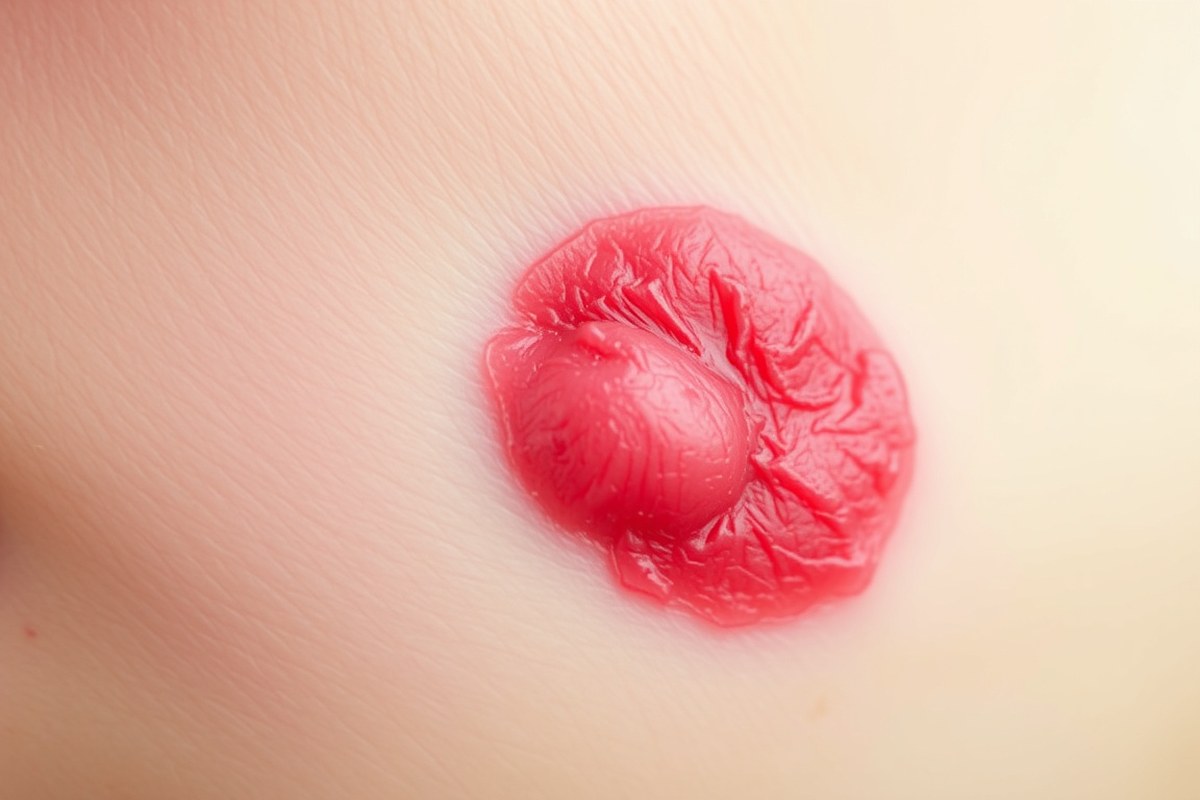
A cystic pimple is a form of acne marked by a swollen, painful lump located deep under the skin. Unlike common pimples, such as blackheads or whiteheads, which occur on the skin’s surface and have a noticeable head, cystic pimples develop inside the skin, making them difficult to see and treat. They occur when a pore is blocked by dead skin cells and bacteria, causing inflammation and infection beneath the outer layer.
The key difference between cystic pimples and regular pimples is their depth and severity. Regular pimples appear closer to the skin surface, often allowing pus or oil to escape through a visible head, which usually heals quicker. In contrast, cystic pimples are fluid-filled nodules that lie deep inside the skin, with no visible head or surface opening. Because they form beneath the skin, they can’t be easily drained or treated with typical over-the-counter options, and they can persist for several weeks without improvement.
This deep location also explains why cystic pimples are so painful. The inflammation inside the skin causes swelling that presses against nerve endings, leading to tenderness and discomfort. You may notice the affected area feels warm, swollen, and very sensitive to touch, unlike smaller pimples that are more superficial and mildly irritating. The deeper inflammation raises the risk of long-lasting scars and dark marks, especially if the cyst is squeezed or popped, which damages surrounding tissue.
Recognizing this type of pimple is important because standard treatments for common acne, such as topical cleansers or spot treatments, are often ineffective for cystic acne. These products cannot reach the infection deep within the follicle. Treating cystic pimples typically requires patience and sometimes professional care since they take longer to resolve, often several weeks, and can worsen if not handled properly. For example, if you have a cystic pimple that is large, painful, or not improving after several days, a dermatologist can provide treatments like cortisone injections that reduce inflammation rapidly within 24 to 48 hours.
Because cystic acne results from significant inflammation occurring far under the skin, it’s critical to approach treatment carefully. Avoid squeezing or trying to pop these pimples, as that can increase pain and lead to scarring. Instead, focus on gentle skincare and consult a healthcare professional if the condition worsens or doesn’t improve with at-home care. Acknowledging how cystic pimples differ from typical pimples can help you choose the right approach and avoid common pitfalls that might prolong healing or cause lasting skin damage.
2. Why Cystic Pimples Form: Causes and Triggers
Cystic pimples develop deep beneath the skin due to a combination of excess oil, bacteria, hormonal imbalances, and genetic factors. These elements cause blocked pores and trigger inflammation far below the surface, making cystic acne more severe and harder to treat than regular pimples.
Role of Excess Sebum Production
Excess sebum, or oil, is a primary cause of cystic pimples. Sebaceous glands produce this oil to protect and moisturize your skin. Overproduction often results from androgen hormone spikes, which stimulate the glands to secrete more oil than needed. This extra oil mixes with dead skin cells and clogs hair follicles, creating a thick, blocked environment where cystic pimples can form.
When the skin barrier is compromised or dehydrated, sebaceous glands can compensate by producing even more oil. This worsens pore blockages and contributes to cystic acne, particularly in areas like the jaw and chin where sebum tends to be more abundant. Keeping skin properly hydrated can help regulate oil production and reduce the risk.
Impact of Bacterial Infection
The bacteria Cutibacterium acnes, naturally found on your skin, play a significant role in cystic pimple formation. When pores become blocked with sebum and dead cells, these bacteria multiply within the trapped environment. This causes a deep infection inside the follicle, leading to painful inflammation and fluid buildup.
Because the infection is located deep in the skin, cystic pimples often look like large, red, swollen lumps rather than surface bumps. The immune response creates white blood cells to fight the infection, which form pockets of pus deep under the skin, making cystic pimples difficult to pop or treat with simple topical products.
Hormonal Fluctuations and Acne
Hormones, especially androgens, are critical triggers for cystic pimples. These hormone levels fluctuate naturally during menstrual cycles, puberty, pregnancy, and hormonal transitions like those caused by polycystic ovary syndrome (PCOS). Androgen spikes increase sebum production, causing deeper pore blockages and inflamed cystic lesions.
Managing hormonal cystic acne often involves more than just skincare. Hormone-regulating treatments such as birth control pills or medications like spironolactone can reduce androgen levels and lower sebum production over time. Stress management also helps because stress hormones can amplify oil production and inflammation.
Genetic Predisposition Factors
Your genetic makeup influences how much oil your skin produces, how sensitive your immune response is to bacteria, and your likelihood of developing cystic acne. Some people inherit sebaceous glands that are prone to overproducing oil or skin cells that shed more aggressively, increasing the chance of clogged pores and severe inflammation.
People with a family history of cystic acne often experience it more persistently and deeply. This genetic predisposition means cystic pimples can occur even if you have normal or combination skin type otherwise. Understanding this factor shows why personalized treatment plans that address your unique skin biology are often necessary.
Deep cleansing routines that remove excess oil, dead skin cells, and bacteria can help prevent future cystic pimples by reducing the conditions that cause blocked pores.
3. Why You Should Never Pop or Squeeze a Cystic Pimple
Avoid squeezing or popping a cystic pimple because pressing on it can worsen the problem. These pimples are located deep under the skin and contain pus and bacteria. Putting pressure on them pushes the infection deeper into the tissue, which can spread bacteria to nearby pores and increase inflammation. This often results in a larger, more painful, and redder bump.
Forcing a cystic pimple open causes an open wound, which takes longer to heal than the original lesion. This open wound becomes a prime entry point for new bacteria, increasing the risk of infection. The infection may worsen, leading to greater inflammation and discomfort that lasts longer than the initial breakout.
Another serious risk of popping a cystic pimple is permanent scarring. Cystic acne already has a higher chance of leaving scars compared to regular pimples. Picking or squeezing increases this risk significantly because it damages the skin’s tissue further. Scars or dark spots that result from damaged skin can persist for months or even years, often requiring professional treatment to minimize their appearance.
Also, popping can mislead you about the severity of your acne. After squeezing, the skin often reacts with more inflammation, redness, and irritation. This can be mistakenly interpreted as the acne getting worse when it’s actually the result of trauma from popping. This reaction can confuse your approach to treatment, sometimes prompting you to use harsh or drying products that worsen skin irritation.
The safest approach is to leave cystic pimples alone and focus on gentle care, such as warm compresses or over-the-counter treatments to reduce inflammation. If a cystic pimple causes severe pain, widespread outbreaks, or scarring, consulting a board-certified dermatologist is essential. Professionals use sterile equipment and techniques to drain cysts safely without increasing the risks of trauma, infection, or scarring, which is impossible to replicate at home.
Attempting to pop a cystic pimple yourself might seem like a quick fix, but it almost always leads to prolonged healing times and potential complications. Protecting your skin’s integrity by avoiding picking keeps your chances of rapid recovery and clear skin higher, while reducing the chance of scars that can last a lifetime.
4. Home Care to Speed Healing: Warm Compress, Ice, and Safe OTC Options
Speeding up healing for a cystic pimple at home involves reducing inflammation, encouraging drainage, and preventing infection. A warm compress applied correctly helps bring the pus closer to the surface, making the pimple less painful and easier to manage. Ice reduces swelling and redness by constricting blood vessels, which also helps soothe the skin. Using over-the-counter (OTC) treatments with salicylic acid or benzoyl peroxide can help dry out the pimple, unclog pores, and reduce bacteria, but choose your products carefully for effectiveness and skin tolerance.
Apply warm compresses by using a clean, soft cloth soaked in warm (not hot) water, typically about 104°F to 113°F. Avoid water that’s too hot as it can irritate the skin and worsen inflammation. Hold the compress gently against the cystic pimple for 10 to 15 minutes, repeating this process about three times a day. This encourages the pimple to come to a head naturally without popping or squeezing, which can cause scarring or infection.
Ice works by decreasing blood flow to the area, which reduces swelling and erythema. Wrap an ice cube or a packaged ice pack in a thin towel to prevent frostbite, and apply to the affected skin for no longer than 10 minutes at a time. Repeat every hour if needed during the first day or two to calm the skin.
For OTC treatments, salicylic acid and benzoyl peroxide are common options. For cystic pimples, use a salicylic acid product with 1 to 2% concentration to gently exfoliate and unclog pores without causing excessive dryness. Benzoyl peroxide at 2.5% to 5% concentration can reduce bacteria and inflammation but may irritate sensitive skin, so patch test first. After applying a warm compress or ice, gently apply your chosen spot treatment directly on the cystic pimple.
Pimple patches, usually hydrocolloid bandages, can help by absorbing fluids and protecting the pimple from external bacteria. Although more effective on surface-level pimples, they can still provide a healing environment for some cystic pimples. Apply a patch to clean, dry skin and leave it on for 6 to 12 hours or overnight. Replace the patch once it looks white or opaque from absorbed fluid.
- Cleanse your face gently with a mild cleanser to avoid irritating the skin.
- Soak a clean washcloth in warm water (104°F to 113°F) and hold it against the cystic pimple for 10 to 15 minutes.
- Repeat the warm compress 2 to 3 times daily to reduce pain and swelling.
- Apply ice wrapped in a towel to the area for up to 10 minutes if redness or swelling is prominent, repeating as needed during the first day or two.
- After compress or ice application, apply a spot treatment with 1 to 2% salicylic acid or 2.5% to 5% benzoyl peroxide directly on the pimple, unless your skin is very sensitive.
- If desired, apply a hydrocolloid pimple patch to protect the area and absorb excess fluid. Leave it in place 6 to 12 hours before replacing.
- Follow all product instructions carefully and monitor your skin for irritation; reduce frequency if your skin becomes dry or red.
- Maintain a gentle skincare routine alongside these treatments to avoid worsening the cystic pimple.
5. When to Seek Professional Help for Cystic Pimples
Stop trying home remedies and see a dermatologist if your cystic pimple is larger than 5 millimeters in diameter, very painful, or lasts more than two weeks without improvement. Cystic pimples tend to be deeper, more swollen, and less responsive to over-the-counter treatments compared to regular acne, so persistent or severe cases often need professional care. Look out for signs of infection such as increasing redness, warmth around the pimple, pus or yellowish discharge, fever, or red streaks extending from the lesion. These symptoms indicate the infection might be worsening and require prompt medical attention.
It’s important to recognize scarring risks early. Cystic pimples that do not improve or that you attempt to pop can lead to permanent scars. Dermatologists can prescribe treatments like cortisone injections that reduce inflammation quickly, often within 24 to 48 hours, and prescription medications to address underlying infection and prevent scarring. Consulting a healthcare professional is especially necessary if cystic pimples keep coming back or spread. Use this checklist to decide when to seek professional help:
- Pimple is larger than 5 millimeters or growing
- Severe pain or tenderness that worsens over days
- Lesion persists beyond two weeks without shrinking
- Signs of infection: redness, heat, pus, fever, or red streaks
- Cystic acne recurring or spreading to new areas
- Any early scarring or persistent skin discoloration
- Failure to improve with consistent home care, including cold compresses and OTC options
Avoid squeezing or popping cystic pimples to minimize scarring and infection risk; instead, keep the area clean and apply ice to reduce swelling.
Professional treatments may take 2 to 3 months to show clear improvement, so starting with a dermatologist’s advice early can save you time and reduce skin damage. The cost of seeing a dermatologist varies widely but typically ranges from $100 to $300 for a consultation without insurance. Prescription medications and cortisone shots may add to the expense but often provide faster, more effective relief than home remedies alone. Prompt professional care can reduce your pain and the chance of permanent scars significantly.
6. Professional Treatments: Cortisone Shots, Prescription Medications, and More
Dermatologists offer several professional treatments for cystic pimples, including cortisone injections and prescription medications such as oral antibiotics, hormonal therapies, and isotretinoin. These treatments target cystic acne more effectively than over-the-counter options by addressing inflammation and deep-rooted infection. Cortisone injections provide rapid relief, often within 24 to 48 hours, while other prescription treatments may take weeks to show significant improvement.
Cortisone Injections and Effectiveness
Cortisone injections involve directly injecting a small amount of corticosteroid medication into a cystic pimple. This reduces inflammation quickly and can shrink the cyst within 24 to 48 hours. It’s one of the fastest ways to get relief from painful, swollen cysts that don’t respond to topical treatments.
This procedure should only be done by a dermatologist to avoid side effects such as skin thinning or pigmentation changes. Cortisone shots are usually a single treatment per cyst, making them ideal for isolated breakouts rather than widespread acne. The injection can also help prevent scars by reducing prolonged inflammation.
Prescription Medications Overview
Prescription medications for cystic acne go beyond topical options by targeting the condition at a deeper level. Common oral treatments include antibiotics, hormonal medicines for women like birth control pills or spironolactone, and isotretinoin for severe cases.
Oral antibiotics aim to reduce inflammation and bacterial growth but may not work effectively for all cystic acne cases. Hormonal therapies help by regulating the hormones that trigger acne, mainly benefiting women with hormonal imbalances. These treatments usually take 6 to 12 weeks before noticeable improvements appear, and consistent use is often necessary to prevent new cysts.
| Treatment | Purpose | Typical Timeline for Results | Notes |
|---|---|---|---|
| Oral Antibiotics | Reduce inflammation and bacteria | 6 to 12 weeks | May not be effective for all cystic acne cases |
| Hormonal Treatments | Regulate hormone levels, reduce breakouts | 6 to 12 weeks | Only for women; includes birth control pills and spironolactone |
| Topical Retinoids | Promote skin cell turnover | Several weeks | Used alongside oral treatments for better results |
| Cortisone Injections | Reduce inflammation quickly | 1 to 2 days | Best for isolated cysts; performed by dermatologist |
| Isotretinoin | Potent vitamin A derivative to clear severe cystic acne | Several months | Requires medical supervision due to serious risks |
Skincare routines incorporating non-comedogenic products are often recommended alongside these medications to avoid clogging pores. Treating cystic acne usually demands patience and persistence, as many oral treatments take weeks or even months to show full effects.
Isotretinoin: Benefits and Risks
Isotretinoin, commonly known by the brand name Accutane, is one of the most effective treatments available for severe cystic acne. It works by shrinking oil glands in the skin, preventing clogged pores, and reducing inflammation. Many people experience permanent improvement in their acne after completing a course.
This medication has significant risks, including severe birth defects if taken during pregnancy, dry skin, and increased sensitivity. It requires close monitoring by a dermatologist through regular blood tests and strict adherence to safety guidelines. Treatment typically lasts four to six months, with visible results often appearing after several weeks.
7. Safe Daily Skincare and Lifestyle Tips to Prevent Future Cystic Pimples
Preventing future cystic pimples depends on a steady daily skincare routine, smart lifestyle choices, and protecting your skin from the sun. These habits keep your pores clear, control oil, lower inflammation, and support your skin’s natural healing. Following the right steps in the morning and at night, managing stress and diet wisely, and using sunscreen properly all play a part.
Morning Skincare Routine Steps
Start your day with simple steps designed to cleanse and protect without irritating your skin. Focus on gentle cleansing and light hydration while preparing your face for sunscreen and any treatment products. The goal is to remove overnight oil buildup and create a clean surface without stripping your skin.
- Use a gentle, non-comedogenic face wash to cleanse your skin. Choose one formulated for acne-prone or sensitive skin, avoiding harsh scrubs or scented products that can increase irritation.
- Apply a lightweight, oil-free moisturizer to maintain skin hydration. Look for ingredients like hyaluronic acid or glycerin, which hydrate without clogging pores.
- Apply any prescribed acne treatment or over-the-counter products as directed by your healthcare provider, such as benzoyl peroxide or salicylic acid. Use these sparingly to avoid dryness.
- Finish with a broad-spectrum sunscreen of at least SPF 30. This protects your skin from UV damage and prevents darkening of acne scars, which can worsen cystic pimple marks.
These steps usually take five to ten minutes and set the stage for clearer skin throughout the day. Avoid heavy makeup or oily products in the morning, as they can add to pore clogging.
Evening Care to Support Healing
At night, your skin repairs itself, so your routine should focus on gentle cleansing and supporting this recovery without disrupting natural oils excessively. Removing dirt, oil, and sunscreen is key to preventing pore blockages that lead to cystic pimples.
- Wash your face with the same gentle cleanser you use in the morning, ensuring you fully remove makeup, dirt, and sunscreen. Using lukewarm water (around 90°F) helps avoid irritation.
- Apply your prescribed or OTC acne treatment consistently. This might include topical retinoids or antibiotic creams, which help prevent clogged pores and reduce inflammation.
- Moisturize with a non-comedogenic product that suits your skin type to keep it hydrated overnight, which can reduce flaking and irritation from acne treatments.
- Avoid rubbing or picking at your skin to prevent worsening cystic pimples or scarring.
Evening routines usually take 10 to 15 minutes but provide essential support for clearing cystic acne. Cleansing correctly without over-stripping is a balance that helps reduce new lesions from forming.
Lifestyle Habits to Reduce Breakouts
How you live day to day affects your skin’s health. Stress, diet, and hygiene can influence how often cystic pimples appear and how severe they become. Changing some habits can make a meaningful difference over time.
- Stress Management: Stress boosts inflammatory chemicals in your body that can trigger or worsen breakouts. Try stress reduction techniques such as deep breathing exercises, meditation, or moderate physical activity for at least 20 minutes most days.
- Diet Choices: Eating a diet rich in fruits, vegetables, lean proteins, and whole grains supports skin health. Reduce consumption of dairy or high-glycemic foods like white bread and sugary snacks, which some studies associate with acne flare-ups.
- Hygiene Practices: Wash pillowcases and hats frequently to reduce bacteria and oil buildup. Avoid touching your face since hands transfer dirt and oils that clog pores. Shower after sweating to prevent pore blockage.
Improving these habits may take a few weeks to reflect in your skin condition but can dramatically reduce the frequency of cystic pimples when combined with your skincare routine.
Sun Protection Essentials
Applying sunscreen daily is a critical step in managing cystic acne and preventing lasting skin damage. Sun protection keeps your skin barrier strong and avoids darkening of acne scars caused by UV exposure.
Choose a broad-spectrum sunscreen with SPF 30 or higher every morning. For acne-prone skin, look for non-comedogenic formulas labeled “oil-free” or “matte finish” to minimize shiny residue or pore clogging. Reapply every two hours if you are outdoors, and more often if sweating or swimming.
Using sunscreen regularly helps your skin heal better after acne lesions by preventing new pigment changes and sensitivity. Skipping sunscreen can make scars darker and slow the fading process, making cystic pimples more visible long term.
8. Avoiding Common Mistakes and Myths About Treating Cystic Pimples
Overusing skincare products can irritate your skin and make cystic pimples worse. Aim to use no more than two to three active ingredients at once, especially if your skin is sensitive. Introduce new products one at a time to monitor how your skin reacts. Avoid picking or squeezing the pimple because it can push bacteria deeper into your skin, increase inflammation, and dramatically raise the risk of scarring.
Many people believe cystic pimples can shrink overnight with quick fixes like harsh spot treatments or excessive washing. While some treatments might reduce surface redness or swelling slightly, significant improvement usually takes several days. Medical-grade products and professional treatments provide better results but require patience. For surface cystic pimples with visible heads, hydrocolloid pimple patches can help by absorbing fluid and protecting the blemish; these typically cost around $9.50 and can be worn during the day or overnight.
Ignoring your skin’s sensitivity, especially when introducing new acne products, can cause further irritation and prolong healing. Also, tight clothing that rubs against affected areas can worsen cystic acne by increasing friction and irritation. Choosing loose-fitting clothes helps reduce this risk. Hormonal cystic acne often appears around the chin and jawline, so follow a consistent care routine and consult a dermatologist for tailored advice in these cases.
- Limit active acne ingredients to 2, 3 at a time to prevent irritation.
- Do not pick or squeeze cystic pimples to avoid infection and scarring.
- Wear loose clothing to reduce friction on affected skin.
- Use hydrocolloid patches on cystic pimples with visible heads for fluid absorption.
- Add new skincare products gradually to monitor skin tolerance.
- Avoid harsh cleansing or excessive washing that strips skin oils.
- Seek professional treatment for persistent or severe cystic acne.
Keep your hands off the pimple and resist the urge to pick; this simple step is key to preventing scars and speeding healing.
Correcting these common mistakes improves your chances of managing cystic pimples effectively and minimizing long-term skin damage. Consistency and gentle care tend to bring the best results rather than trying to eliminate cystic acne overnight.
Step-by-Step Action Plan to Get Rid of a Cystic Pimple
Follow these clear steps to treat a cystic pimple safely and reduce its size and pain quickly. Monitor your progress and know when to get professional care.
- Day 1: Start Home Care Immediately, Apply a warm compress to the cystic pimple for 10 to 15 minutes, three times a day. You’ll know it’s helping if you notice reduced swelling and pain softening within 48 hours.
- Day 2: Use an Over-the-Counter Remedy, Apply a benzoyl peroxide or salicylic acid spot treatment once a day after warm compresses. Look for less redness and shrinking size over the next several days.
- Day 3, 5: Avoid Touching or Popping, Keep your hands off the pimple to prevent more irritation or infection. The pimple should start feeling less tender and show a smaller bump after five days.
- Day 5: Add Ice for Swelling, Use a clean ice pack wrapped in a cloth and apply for 5 minutes, twice a day, to limit swelling and soothe pain. Improvement appears as reduced puffiness and discomfort.
- After 1 Week: Evaluate Your Progress, If swelling, pain, or size hasn’t decreased significantly, or if the cyst worsens, schedule a dermatologist visit to discuss cortisone shots or prescription treatments.
- Ongoing: Follow a Gentle Skincare Routine, Use mild cleansers and oil-free moisturizers daily, avoid heavy makeup, and maintain a balanced diet. Prevent new cystic pimples by keeping skin clean and avoiding triggers.
- Anytime: Recognize Warning Signs, Seek medical help immediately if your cystic pimple becomes extremely painful, shows signs of spreading infection, or affects your daily activities. Prompt professional care can prevent complications.
Frequently Asked Questions
How Long Does a Cystic Pimple Go Away?
A cystic pimple can take several days to weeks to fully heal. Healing time depends on the size and depth of the pimple and how well you care for it. Proper treatment speeds recovery and helps prevent scarring.
How Do You Get Rid of a Cystic Pimple with No Head?
You can’t force a cystic pimple without a head to come to a head or drain on its own. Using warm compresses can reduce swelling and encourage healing. Avoid squeezing to prevent worsening inflammation and scarring.
How Can I Dry Out a Cystic Pimple Quickly?
Drying out a cystic pimple quickly isn’t advised, as it’s deep and inflamed. Applying a warm compress can reduce swelling, and a dermatologist can inject cortisone to reduce inflammation fast. Over-the-counter drying agents have limited effect on cysts.
Why Can’t I Pop a Cystic Pimple?
Popping a cystic pimple pushes bacteria deeper into the skin, increasing redness and pain. It can cause more inflammation, infection, and scarring, making the problem worse instead of better. Professional treatments are safer and more effective.
Do Pimple Patches Work on Cystic Acne?
Pimple patches usually don’t work well on cystic acne because cysts are deep below the skin’s surface. They might help with surface pimples but won’t reach the deeper inflammation in cysts.
Can Stress Cause Cystic Pimples?
Yes, stress can trigger cystic pimples by increasing hormone levels that cause oil production and inflammation. Managing stress helps reduce flare-ups.
Wrapping Up
Getting rid of a cystic pimple takes careful care to avoid making it worse or causing scars. Start today by using a warm compress on the affected spot for 10 to 15 minutes, three to four times daily to reduce inflammation and speed healing. If the pimple doesn’t improve or feels painful, schedule an appointment with a dermatologist to explore professional treatments that can provide faster relief and prevent future breakouts.