How to Get Rid of Stray Cats Permanently: A Complete Guide with Humane, Effective Solutions
To get rid of stray cats permanently, you need to use humane, effective approaches that consider whether the cats are truly feral or merely strays. Methods that reduce attractants like food and shelter, combined with physical deterrents and Trap-Neuter-Return (TNR) programs, offer lasting results without harm. Scaring cats away by simulating natural predators or altering your property can also help keep them from returning.
This information is for homeowners, gardeners, and community members seeking lasting ways to manage stray and feral cats around their property. You’ll learn how to identify different types of cats, use safe trapping techniques, employ non-toxic repellents, and work with local laws and neighbors to maintain a cat-free environment humanely and effectively.
Key Takeaways
- Identify whether cats are stray or feral before choosing control methods, as approaches differ significantly between the two types.
- Use humane deterrents like fencing, plastic carpet runners, and motion-activated sprinklers to discourage stray cats from your property permanently.
- Trap stray or feral cats safely using humane traps, then follow up with appropriate actions like relocation or shelter intake.
- Implement Trap-Neuter-Return (TNR) programs to control feral cat populations humanely and reduce shelter intake and euthanasia.
- Evaluate control methods for effectiveness, cost, and humaneness to select the best approach for your community or property.
- Reduce food, water, and shelter availability to make your property less attractive and discourage stray cat visits long-term.
Identifying Stray vs Feral Cats to Choose Effective Control
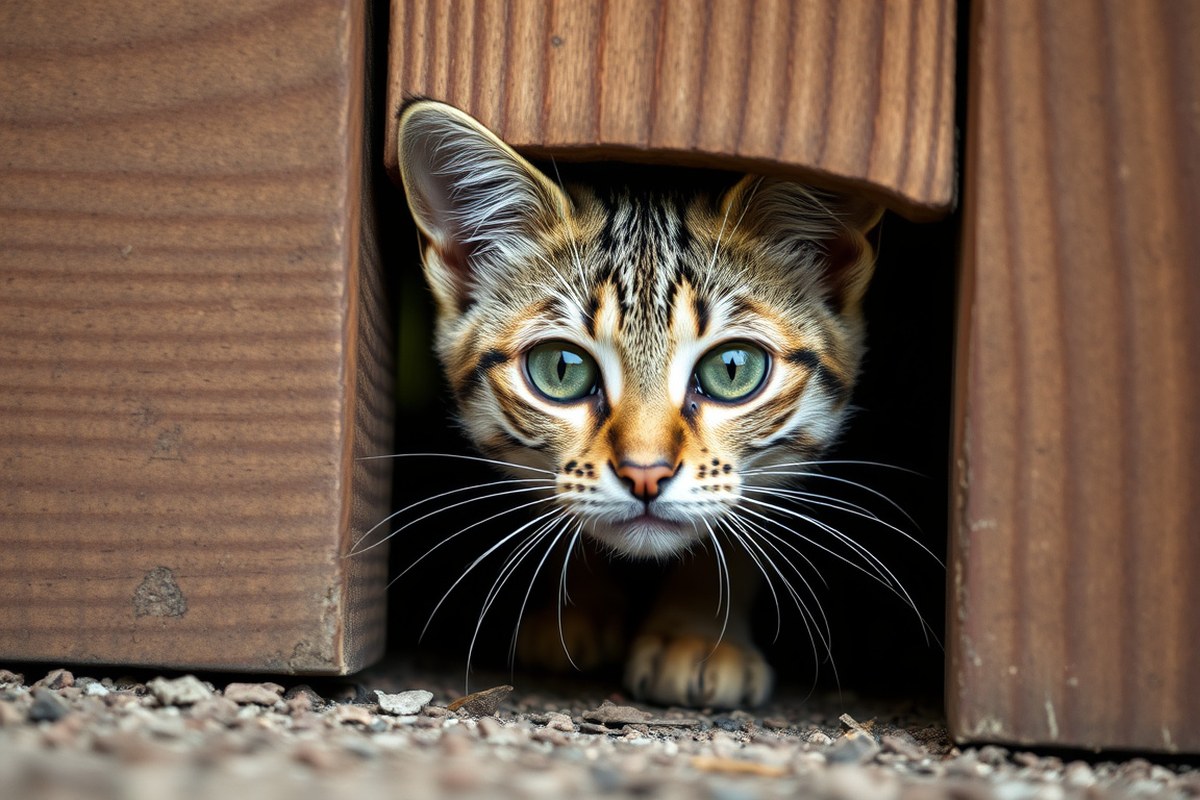
Stray cats and feral cats are not the same, and knowing the difference helps you pick the right control approach. Stray cats are lost or abandoned pets accustomed to humans, often approachable and sometimes eager for interaction. Feral cats, on the other hand, have little or no human socialization; they live outdoors, avoid people, and rely on hunting or scavenging for food.
This distinction matters because stray cats usually respond well to humane trapping and rehoming efforts. Feral cats are harder to trap, avoid bait, and are unlikely to become pets. They require different strategies, such as Trap-Neuter-Return (TNR), exclusion fencing, or specialized population control. Using a method designed for stray cats on feral ones will likely fail and waste time and resources. Identifying a cat’s socialization level is your first step in managing the problem safely and effectively. Here is a simple decision rule and checklist you can follow to tell the difference:
- Observe the cat’s behavior from a distance. Strays often approach people or come close when called, while feral cats keep their distance and hide.
- Look for physical signs. Stray cats usually look moderately groomed and may wear a collar. Feral cats often appear rougher, with matted fur or scars from outdoor living.
- Watch feeding habits. Stray cats tend to eat food left out by humans, while feral cats rely more on hunting or scavenging.
- Try a cautious approach. Move slowly and see if the cat allows tentative human interaction or flakes away quickly. Friendly tolerance suggests a stray; fleeing or aggression points to feral.
- Note vocalizations. Strays often meow or purr when near people, feral cats usually stay silent or hiss if cornered.
- Consult local shelters or animal control. If you’re uncertain, professionals can help identify and recommend proper handling.
Accurately distinguishing cat types takes some patience but avoids ineffective control attempts. It also helps protect your safety since feral cats can behave defensively. This knowledge lets you choose humane, practical, and cost-effective management that fits your local situation while minimizing stress for the cats and people involved.
Humane and Permanent Methods to Deter Stray Cats

To get rid of stray cats permanently in a humane way, combine consistent deterrents with habitat adjustments that discourage cats from settling in your yard. Using natural repellents like coffee grounds or cayenne pepper scattered around flower beds or garden edges creates an uncomfortable surface and scent that cats avoid. These substances should be reapplied every few days, especially after rain, since their effectiveness fades when washed away. Though these repellents are safe for your plants and the cats, they require regular maintenance to maintain their deterrent effect.
Physical barriers such as cat-proof fencing offer a more lasting solution. These fences typically feature inward-angled tops or fine mesh that cats cannot climb, effectively blocking access. Installing such fencing around your garden or perimeter can cost between $10 to $25 per linear foot depending on material and height. For smaller yards or targeted areas like doorways or flower beds, portable lattice fencing or motion-sensor sprinklers may also keep cats out without the expense of full fencing.
A strategic landscape design helps reduce appeal. Avoid low-lying dense shrubs that give cats cover and prefer open, bare or thorny ground covers like stone mulch or plants with prickly leaves such as lavender or rosemary. Cats dislike walking on rough textures, so placing rough mulch or pine cones around garden beds discourages digging and visiting. Removing accessible food, water, and shelter also decreases your yard’s attraction.
- Scatter coffee grounds or cayenne pepper near cat-frequented spots, renewing weekly or after rain
- Install cat-proof fencing with inward-angled tops around garden perimeters to block entry
- Use motion-activated sprinklers or ultrasonic devices by entrances or favored pathways
- Replace smooth mulch with coarse mulch or rough-textured ground covers
- Remove food scraps, secure compost bins, and cover water sources when possible
- Trim thick shrubbery or relocate it away from human activity areas
Maintaining a multi-faceted approach is key. Cats can become accustomed to a single deterrent, so combining methods provides better results. Patience is essential; it may take several weeks for stray cats to learn your yard is no longer hospitable. If stray cats persist despite these efforts, consulting a local animal control or TNR program can offer professional support aligned with humane principles.
Humane repellents require regular upkeep, remind yourself to reapply after rain or once a week to keep stray cats deterred effectively.
How to Trap Stray or Feral Cats Safely and What to Do Next
The safest way to trap stray or feral cats involves careful preparation, humane handling, and a clear plan for what happens after the cat is caught. Using the right traps, attracting cats with suitable bait, and monitoring the trap frequently are essential. Once trapped, cats can be part of a Trap-Neuter-Return program, rehomed if socialized, or taken to a shelter depending on your local options and the cat’s behavior.
Preparing the Trap and Selecting Bait
Select a well-ventilated humane cage trap designed specifically for cats, often available for rent or purchase through animal control agencies or shelters. Clean the trap before use and place it in a quiet, sheltered location where cats have been seen frequently. Use baits that appeal to cats but avoid fishy or highly scented food if they seem frightened, canned tuna, boiled chicken, or commercial cat food work well.
Use a small amount of bait to avoid spoiling the trap’s trigger mechanism. Adding familiar smells, like a cloth with catnip or the scent of other cats, can help attract a feral cat’s interest.
Safely Setting and Monitoring the Trap
Setting the trap carefully is the next critical step. Place the bait at the far end inside the trap so the cat fully enters and triggers the door. Choose a stable, flat surface to prevent the trap from tipping and cover the top with a towel or blanket to reduce the cat’s stress once captured.
Check the trap frequently, at least every two hours during daylight or early evening. Leaving a cat trapped too long causes distress and risk of injury, overheating, or dehydration. Wear gloves and take a calm approach when handling the trap to minimize stress. Never attempt to touch the animal inside.
Next Steps: TNR, Adoption, or Shelter Contacts
After trapping, contact a local TNR organization for spaying or neutering, vaccinations, and eartipping, which identifies cats that have been processed. This step is important to control the population humanely and prevent return visits from unneutered cats. Feral cats are usually returned to their outdoor homes where they can live safely without increasing nuisance problems.
If the cat is socialized and seems adoptable, reach out to shelters or rescue groups that accept strays for potential rehoming. Some agencies will pick up trapped cats, but others require you to transport them. Know your local regulations regarding stray and feral cats and your options for humane solutions.
Discuss your efforts with neighbors to encourage a community approach and reduce attractants like food or shelter elsewhere. This helps improve long-term results by discouraging new cats from settling in your yard.
- Choose a humane cage trap designed for cats.
- Place bait such as canned tuna or chicken inside the trap.
- Set the trap on a flat, stable surface in a quiet location.
- Cover the trap top partially to calm the cat once caught.
- Monitor the trap frequently, checking at least every two hours.
- Wear gloves and handle the trap calmly when you find a cat inside.
- Contact a local TNR group or shelter for the cat’s next steps.
- Inform neighbors and reduce attractants around your property.
Trap-Neuter-Return (TNR): Controlling Cat Populations Humanely
Trap-Neuter-Return (TNR) is a humane method to permanently reduce and stabilize stray and feral cat populations. It works by trapping cats, spaying or neutering them, and then returning them to their original location. Over time, TNR helps lower the number of cats by preventing new litters and reducing nuisance behaviors like spraying and yowling.
Overview of the TNR Process
TNR starts with safely trapping stray or feral cats using humane traps designed for cats. Once trapped, the cats are taken to a veterinarian for sterilization surgery, spaying females and neutering males. Vaccinations and treatments for parasites often occur at the same time. After a short recovery period, usually 24 to 48 hours, the cats are returned to the spot where they were caught. Community caretakers often monitor these cats, providing food and shelter as needed.
This approach focuses on stabilizing the population by addressing reproduction, preventing the “vacuum effect” where new cats quickly replace those removed. Because these cats are returned to their familiar environment, they defend their territory, discouraging other cats from moving in.
Expected Timeline for Population and Behavior Changes
Population reduction through TNR is gradual. Results typically become noticeable within 6 to 12 months after most cats in an area have been sterilized. The original cats no longer breed, so the number of kittens declines steadily. Over several years, you can expect the population to stabilize and eventually shrink, especially if trapping and neutering continue for new arrivals.
Nuisance behaviors also improve in the months following neutering. Male cats spray less urine to mark territory, and yowling during mating season decreases. These behavior changes often help reduce complaints from neighbors over time.
Benefits and Limitations of TNR Programs
TNR is the only method shown to sustainably control feral and stray cat populations without resorts like catch-and-kill, which cause temporary decreases but lead to rapid repopulation. Beyond population control, TNR reduces nuisance behaviors and minimizes public health risks by promoting vaccinations and parasite treatments during surgery.
Costs vary but sterilization surgeries can run between $40 and $100 per cat through low-cost clinics or TNR programs. The process requires continuous community involvement and monitoring to trap new or transient cats. Buffer zones might be necessary in small areas to prevent cats from neighboring regions moving in, especially in places with wildlife concerns.
While effective, TNR does not immediately eliminate all issues. It requires patience, cats live several years after sterilization, and some behaviors persist for a time. Successful programs involve coordination with caregivers, local authorities, and pest management to reduce attractants like unsecured food or garbage that can draw cats. This ongoing effort helps maintain the benefits gained by TNR over the long term.
Comparing All Control Methods: Effectiveness, Costs, and Humaneness
Choosing how to handle stray cats on your property involves balancing effectiveness, cost, legality, and ethics. Each method has strengths and weaknesses. For example, lethal methods often face legal and ethical restrictions and may not solve the problem permanently. Non-lethal options like fencing and repellents focus on keeping cats out without harm. Trap-Neuter-Return (TNR) offers a long-term population control solution but requires ongoing effort. Below is a detailed comparison.
| Method | What It Is | Pros | Cons | Costs | Legality & Ethics |
|---|---|---|---|---|---|
| Repellents (Commercial & Natural) | Odor or taste-based products to deter cats | Easy to apply, humane, non-lethal, commercial powders like Shake Away emit smells cats dislike | Variable effectiveness, needs reapplication after rain or watering | $10, $40 per treatment; reapplication needed often | Generally legal, ethical, safe |
| Exclusion Fencing | Physical barriers to prevent cat entry | Humane, long-term barrier, effective when installed correctly | Installation cost and labor; may require maintenance | $5, $15 per foot depending on materials; professional installation may cost more | Legal and ethical; considered a non-lethal alternative |
| Trap-Neuter-Return (TNR) | Capture, sterilize, vaccinate, and release cats | Controls population humanely, improves health, prevents reproduction | Requires ongoing monitoring and community cooperation; cats remain on or near property | $50, $150 per cat for sterilization and vet care | Legal and ethical; widely supported as humane management |
| Lethal Methods (Shooting, Baiting) | Kill cats directly through shooting or poisoned bait | Fast reduction of cat numbers | Often illegal or heavily regulated; raises ethical concerns; may not prevent new cats arriving | Varies; may require professional services | Usually illegal or severely restricted; considered inhumane in many areas |
| Trapping (without TNR) | Capture cats for relocation or surrender | Removes cats from property | Cats often euthanized at shelters; stress and injury risks; temporary solution | Trap cost $30, $100; shelter fees possible | Legal if done with permits; ethical concerns if euthanasia used |
Choosing the best approach depends on your goals and resources. Use repellents or fencing if you want to keep cats away humanely and with relatively low ongoing effort. TNR suits community or neighborhood efforts to reduce populations humanely. Lethal methods usually face restrictions and are discouraged. Trapping alone may lead to shelter euthanasia, which may not be what you want.
Maintain repellents by reapplying after rain to keep effectiveness and prevent cats from returning.
Physical and Sensory Deterrents: Fencing, Repellents, and Motion-Activated Devices
Using physical and sensory deterrents can help create a barrier that keeps stray cats out of your yard long term. Effective strategies include installing cat-proof fencing, planting certain herbs, applying scent repellents, and deploying motion-activated ultrasonic or sprinkler devices. Each method requires some upkeep and may vary in success depending on your environment and the level of cat activity.
Cat-Proof Fencing Options That Work
Cats are excellent climbers and jumpers, so standard fences often fail to keep them out. Adding features like an angled or roller-top fence extension can significantly increase effectiveness. A vertical fence with a smooth surface 6 feet or taller, topped with inward-angled mesh or rollers designed to prevent cats from gripping, is recommended.
Mesh fences with spacing smaller than 2 inches can prevent cats from squeezing through. Installing chicken wire or fine mesh around the base prevents digging in some cases, although cats can be persistent. Consider these additional tips to improve fencing performance:
- Build fence extensions that angle 45 degrees inward to block climbing
- Use roller bars or cylindrical attachments on top to stop cats from gaining a foothold
- Install solid panels or lattice with tightly spaced slats
- Bury fencing 6 to 12 inches deep to discourage digging underneath
- Regularly inspect fence integrity and fix gaps promptly
Expect to spend between $100 and $500 for basic fencing additions, depending on yard size. Proper installation is key to long-term success; otherwise, cats will find weak spots quickly.
Natural and Commercial Scent Repellents
Cats dislike certain smells that can be used as natural repellents around gardens or entry points. Planting herbs such as rue, rosemary, and pennyroyal along your yard’s perimeter creates a scent barrier cats tend to avoid. These plants also have the bonus of being non-toxic and low maintenance.
Sprinkling dried rue or placing pouches of the herb near entrances improve the effect. Some gardeners use crushed pepper or citrus peels, which irritate cats’ sensitive noses but may need frequent reapplication, especially after rain.
Check plants are not invasive in your area before planting. Avoid planting cat-friendly species such as catnip, valerian, or catmint close to your home since these attract cats instead of repelling them.
- Plant rue, rosemary, or pennyroyal along garden edges
- Apply dried rue or sprinkle pepper near gateways and flower beds
- Use citrus peels as another natural scent barrier
- Refresh natural repellents every few days or after rain
- Avoid cat-attracting plants like catnip in your yard
Commercial scent repellents often combine natural oils such as citronella or eucalyptus. These products vary in price, usually from $10 to $30 per bottle, and require reapplication every one to two weeks for effectiveness.
Using Motion-Activated Ultrasonic and Sprinkler Devices
Motion-activated deterrents can startle cats and discourage return visits. Ultrasonic devices emit high-frequency sounds inaudible to humans but unpleasant to cats. Sprinkler systems use infrared sensors to detect motion and spray a quick burst of water. Because cats dislike both sudden noises and water, these devices are useful for yards, gardens, and patios.
Ultrasonic deterrents cost between $20 and $80. Their effectiveness may decline over time as cats learn to ignore the sound, especially in outdoor environments with other noises. Position devices so their sensors cover entrances or favorite cat paths.
Motion-activated sprinklers generally cost $30 to $100. They require connection to a garden hose and placement near areas where cats frequent. Sprinklers are highly effective long term, but be mindful of weather and soil moisture to avoid overwatering plants. Regularly check for debris blocking sensors.
- Place ultrasonic devices near gates or garden beds
- Set sprinklers in action zones where cats enter your property
- Test and adjust sensor sensitivity to reduce false triggers
- Clean devices and sensors monthly to maintain function
- Remove or store devices indoors during extreme weather
Combining motion-activated devices with fencing and scent repellents increases the chance of permanently deterring stray cats from your property.
Reducing Attractants: Managing Food, Water, and Shelter to Deter Cats
Stray cats are typically attracted to areas where food, water, and shelter are easily available. Feeding stray cats can unintentionally encourage visits and lead to population growth in your vicinity. Removing or securing these attractants reduces the likelihood of cats repeatedly coming to your property.
Managing food involves eliminating both intentional and accidental sources. Many people don’t realize that leaving pet food outdoors or accessible trash bins invites stray cats. Water sources such as uncovered pet water bowls, birdbaths, or leaking outdoor taps also keep cats coming. Shelters like open sheds, under decks, woodpiles, gaps in fences, or abandoned spaces provide cats with places to hide or rest, increasing their presence near your home.
Modifying or removing shelter means sealing off access points where cats may nest or hide. This can be done by boarding holes in sheds and garages, closing spaces under porches, or positioning objects so cats cannot slip underneath. Removing clutter like woodpiles or old furniture further reduces hiding spots. Feeding stray cats is generally not recommended unless coordinated with a community trap-neuter-return program because it sustains the population and encourages cats to stay.
These steps work best when part of a coordinated effort that includes talking to neighbors and following local rules about feeding and managing cats. Completely eliminating all sources of food and shelter may be challenging, but reducing them significantly can discourage stray cats from frequenting your property.
- Remove outdoor pet food and water bowls. Feed pets indoors or bring dishes inside immediately after feeding to deny cats easy access to food and water.
- Secure trash bins in tightly closed containers or store them indoors. This prevents cats and other animals from scavenging leftover food.
- Eliminate other food attractants like bird feeders and sandboxes. Bird food can spill, drawing cats and rodents alike.
- Repair or block off gaps, holes, and openings in sheds, garages, decks, fences, and under porches. Use wood, metal flashing, or wire mesh to cover these spots so cats cannot enter or nest.
- Clear away clutter such as woodpiles, discarded furniture, and dense brush. This removes potential hiding and resting spots for cats.
- Coordinate with neighbors to agree on feeding practices and cat management. Concentrating feeding areas can help control stray cat movements and assist sterilization efforts.
- Avoid feeding stray cats unless part of a managed trap-neuter-return program. Feeding supports population growth and keeps cats coming back.
Community Cooperation, Legal Rules, and Long-Term Cat Management
Getting your neighbors involved makes a big difference when trying to manage stray cats long term. Start by talking openly but calmly about your shared concerns. For instance, say, “I’ve noticed cats in the yard and worry about property damage and their safety. Have you seen the same, and would you support using humane deterrents together?” This approach builds cooperation and avoids blame. When neighbors or caregivers feed the cats, kindly explain how leaving food out can keep cats returning, encouraging collective action to remove attractants.
Knowing local laws about stray cat management is essential before taking action. Many states and cities have regulations on trapping, relocating, or feeding feral cats, often requiring permits or adherence to Trap-Neuter-Return (TNR) programs. Check your city or county animal control office or official website for specific rules. Ignoring legal requirements can lead to fines or charges, and undermining TNR programs can worsen cat populations. When in doubt, contacting animal control or a local humane society for guidance helps you stay compliant and humane.
Some results take time. Cats may initially ignore deterrents or return after being trapped, neutered, and released. This persistence happens because cats mark favorite areas or because neighboring properties provide food or shelter. Instead of reacting by trying harsher control methods immediately, maintain the deterrents consistently and increase community communication. Repeat traps and neutering cycles, following TNRM guidelines, help reduce reproduction over months or years. When cats return repeatedly despite efforts, work with neighbors to identify new attractants or shelter spots and address them promptly.
One common mistake is acting alone without notifying neighbors or caregivers, which can lead to mixed messages, one yard using deterrents while another provides food. This lack of coordination can frustrate everyone and prevent successes. Another error is expecting immediate cat disappearance. Changing animal behavior and local populations requires patience and ongoing effort. Avoid lethal methods; they often provide only temporary relief and may violate laws or animal welfare policies.
A practical step is to create a simple letter or flyer for your neighborhood. Use clear, respectful language like: “Dear neighbor, To protect our homes and the community’s animals, we are working together to reduce stray cat visits using humane methods. Please help by not feeding outdoor cats and keeping trash secured. Contact [your name/animal control] with questions or to volunteer.” Handing these out or posting community notices builds transparency and invites participation.
Maintaining a consistent approach and keeping neighbors informed are key; inconsistent efforts or secretive actions often cause cats to return and can fracture community cooperation.
Step-by-Step Action Plan to Permanently Deter Stray Cats
Use these practical steps to identify, deter, and manage stray cats humanely while ensuring long-term results on your property or in your community.
- Before you start: Observe and identify the cats on your property to distinguish strays (socialized, possibly owned) from feral cats (unsocialized). Knowing this helps you choose the right control approach. Success is when you know which cats to target with specific methods.
- Week 1: Remove all food, water, and shelter sources outdoors to reduce attractants. This immediately discourages cats from returning. Check after one week to confirm fewer cats visit your area.
- Week 2: Install physical barriers like cat-proof fencing and set up sensory deterrents, such as motion-activated sprinklers or ultrasonic devices, focusing on high-traffic areas. Effectiveness shows if cat visits decrease noticeably during this period.
- Week 3: If cats remain, set humane traps following local laws, particularly for feral cats, and coordinate with a Trap-Neuter-Return (TNR) program for population control. Successful trapping is confirmed when targeted cats are safely caught.
- Week 4: Participate in or initiate community cooperation efforts, inform neighbors and local animal control about your humane cat management plan. Achieve measurable support or compliance in your area.
- Month 2: Monitor deterrents and cat activity continuously. Adjust barriers and repellents based on results. Success is sustained reduction or elimination of stray cat presence.
- Ongoing: Maintain reduced attractants and work with TNR programs to manage reproduction humanely. Stay informed about local legal requirements. You’ll see long-term stabilization of cat populations and fewer conflicts.
Frequently Asked Questions
What Is the Fastest Way to Get Rid of Stray Cats Naturally?
The fastest natural way to get rid of stray cats is to remove food sources and use motion-activated deterrents. Cats dislike sudden sounds and changes, so devices like Cat Stop can quickly discourage them from returning.
What Is the Deadliest Poison for Cats?
Using poison to get rid of cats is illegal and poses serious risks to pets, wildlife, and people. Always avoid poison and follow humane methods recommended by animal control or shelters.
How to Get a Stray Cat to Leave Your Property?
To get a stray cat to leave your property, remove any food, water, and shelter, and use natural repellents like vinegar or motion-activated devices. Making your yard less inviting discourages them from staying.
How Long Does Vinegar Keep Cats Away?
Vinegar’s strong smell can keep cats away for a few days, but it needs frequent reapplication, especially after rain. It’s a temporary deterrent that works best combined with other methods.
Can I Relocate a Stray Cat Found in My Yard?
Relocating stray cats is generally not recommended as it stresses the animal and may violate local laws. Contact animal control or a local rescue for advice.
Do Ultrasonic Devices Really Keep Stray Cats Away?
Ultrasonic devices can deter stray cats by emitting sounds unpleasant to them but are often less effective outdoors due to environmental noise and distance.
Final Thoughts
Successfully managing stray cats requires a combination of humane methods and consistent effort. Start by removing food sources and shelter opportunities on your property to reduce attractants. Taking this step today helps create an environment that naturally discourages stray cats from returning, making other control measures more effective over time.