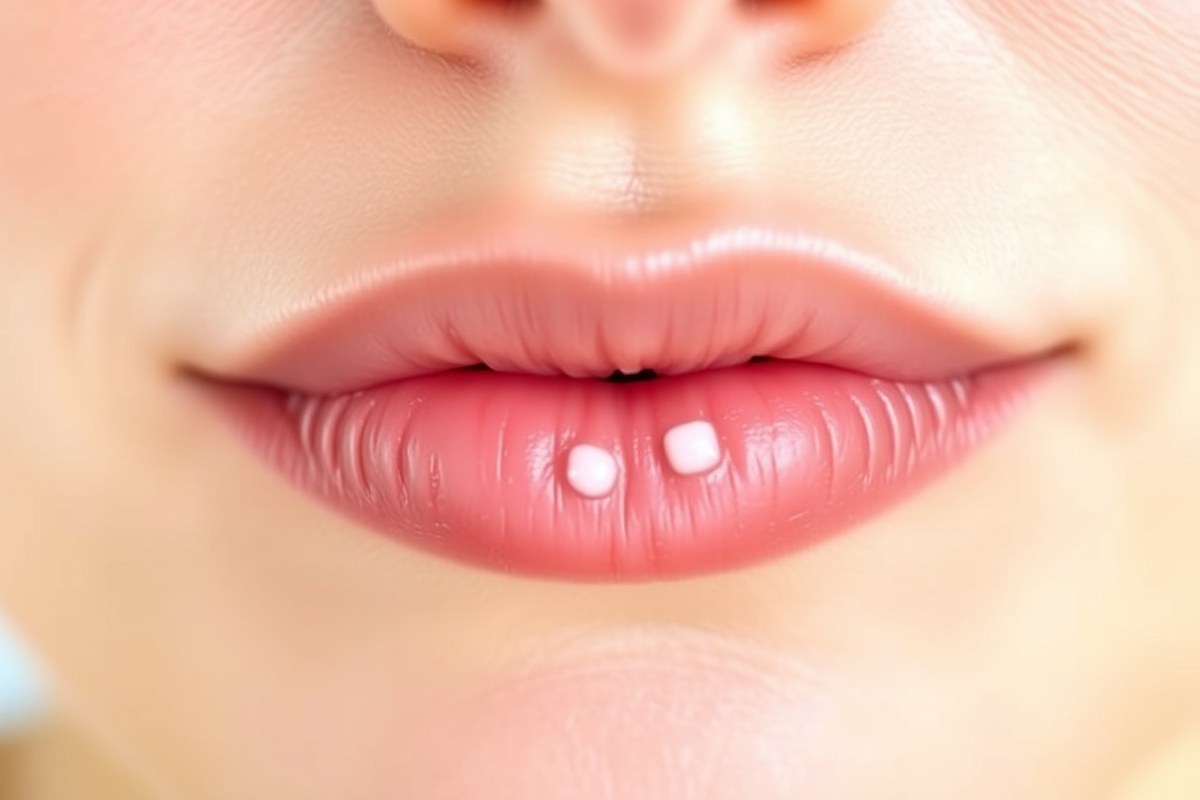
How to Get Rid of White Bumps on Under Lip: A Complete Guide with Safe Treatments
Most white bumps beneath the lip can be addressed at home using simple remedies or OTC options, especially when linked to usual causes such as mucoceles, canker sores, Fordyce spots, cold sores, or mild oral thrush. These bumps tend to resolve on their own within 7 to 14 days without needing professional care. Correctly identifying the kind of bump helps ensure you choose the right treatment and avoid errors.
This information is designed for anyone discovering small white bumps under their lip and seeking clear, safe ways to treat them. You will learn which conditions cause most white bumps, how to safely address them at home, when to see a doctor, and how to prevent new ones from forming through proper lip care and lifestyle habits.
Key Takeaways
- Most white bumps under the lip clear up on their own within 7 to 14 days and are usually harmless conditions like mucoceles or canker sores.
- Fordyce spots are common, permanent, tiny white or yellow dots on the lip border and do not require treatment.
- Cold sores start with tingling, develop into blisters on the outer lip, remain contagious, and heal in about two weeks.
- Mucocele bumps are soft, bluish, appear inside the lower lip due to bitten glands, and often resolve in 3 to 6 weeks or with removal.
- Seek medical advice if a white bump lasts longer than three weeks, changes, or comes with pain, bleeding, or unexplained symptoms.
- White bumps appearing within 72 hours after lip fillers generally come from swelling, not infection, and usually fade without treatment.
What Causes White Bumps Under the Lip? Key Conditions Explained

White bumps found under the lip often stem from common sources, each with unique characteristics for identification. Fordyce spots show up as small white or yellow dots along the lip edge, more commonly noticeable on the upper lip. These spots are harmless, permanent, feel like regular skin, do not cause discomfort, and occur in roughly 80% of adults.
Mucoceles form when a salivary gland gets blocked or injured, causing a soft, bluish-white, dome-shaped bump usually 2 to 10 millimeters wide. They typically develop on the inside of the lower lip and feel painless or only mildly uncomfortable. Mucoceles often last 3 to 6 weeks and may disappear on their own, but persistent ones might need medical attention. You can distinguish mucoceles from Fordyce spots by their softness and slight translucency compared to Fordyce spots’ firm, solid feel.
Cold sores, caused by the herpes simplex virus type 1 (HSV-1), begin as clusters of fluid-filled blisters on the outer edge of the lip or nearby skin. Before the blisters appear, you might notice tingling or burning sensations. These sores are painful, eventually break open, crust over, and heal within 7 to 14 days. Unlike Fordyce spots and mucoceles, cold sores are contagious and can be triggered by stress, illness, or sun exposure.
Canker sores differ notably as they only appear inside the lips or cheeks and never on the outer lip surface. They present as round, white or yellow ulcers surrounded by a red rim and can cause moderate to high pain, especially when eating or drinking acidic food. These sores heal within 7 to 14 days and are not contagious. Factors like stress, minor injuries, and certain toothpaste ingredients like sodium lauryl sulfate can trigger them.
Oral thrush, a mild fungal infection, can also produce white patches or bumps inside the mouth, including under the lips. These patches can be wiped off to reveal red, sometimes bleeding tissue underneath, causing discomfort or burning. Oral thrush tends to occur in people with weakened immunity or after antibiotic use and usually resolves with antifungal treatment.
To decide what type of bump you have, note where the bump is located, its appearance, pain level, and duration. For example, smooth white dots locked in place for months are likely Fordyce spots, while a soft, bluish bump that appeared after lip biting or trauma probably indicates a mucocele. Painful, fluid-filled blisters on the lip edge that crust over within two weeks point to cold sores, whereas painful ulcers inside the lip signal canker sores. White patches that can be scraped off and cause discomfort might mean oral thrush. This decision rule helps you determine the likely cause and guides whether a home remedy, over-the-counter treatment, or professional diagnosis is appropriate.
Comparing Common Bumps: Fordyce Spots, Mucoceles, Cold Sores, Canker Sores, and Thrush

White bumps under the lip come from several common causes, each differing in appearance, pain level, contagiousness, and treatment needs. Knowing the differences helps you decide if a bump is harmless, requires simple care, or calls for medical attention. Most white bumps, like Fordyce spots or canker sores, are not contagious and heal on their own. Others, such as cold sores, are contagious and benefit from early treatment.
| Cause | Typical Appearance | Pain Level | Contagious | Usual Duration | Treatment |
|---|---|---|---|---|---|
| Fordyce Spots | Small white or yellowish dots, often multiple on inner lip | None | No | Permanent; harmless | No treatment needed; cosmetic options available |
| Mucocele | Soft, clear or bluish bump inside lower lip | Usually none | No | Days to weeks; may persist or recur | Often resolves on its own; surgical or laser removal if persistent |
| Cold Sore | Cluster of small fluid-filled blisters on or near lip border | Painful or itchy | Yes | 7 to 14 days | Antiviral medication started at tingle stage; avoid sharing items |
| Canker Sore | White or yellow shallow ulcer inside lip | Moderate pain | No | 7 to 14 days | Topical pain relievers; avoid irritating foods |
| Thrush | White patches on lips or inside mouth that can be wiped off | May cause burning or soreness | No | Varies depending on treatment | Antifungal medication prescribed by a doctor |
Fordyce spots pose no health risk and do not require any treatment unless you want cosmetic removal, which can be costly and may require dermatologic procedures. Mucoceles often disappear without intervention but may need a dentist or specialist to remove if they last more than a few weeks or frequently recur. Cold sores spread easily through saliva and skin contact while they are active, so start antiviral medication at the first sign of tingling to reduce duration and contagiousness.
Canker sores heal fully within about two weeks and are not contagious, so managing pain and avoiding spicy or acidic foods helps. Thrush, caused by fungal infection, needs medical antifungal treatment, especially if symptoms persist or worsen. Typical healing varies widely: cold sores and canker sores largely resolve in one to two weeks, mucoceles and thrush depend on treatment and persistence, while Fordyce spots remain indefinitely without harm.
Practical tip: Avoid picking or squeezing bumps, especially cold sores and mucoceles, to lower infection risk and prevent scarring.
Safe Home Remedies and Topical Treatments for White Bumps on Lips
You can often manage white bumps under your lip at home using safe topical treatments and remedies that reduce discomfort and encourage healing. These home care methods focus on gentle cleansing, targeted creams, and soothing techniques, but you should stop self-treatment and see a doctor if the bumps worsen, spread, or cause severe pain.
Choosing the Right Over-the-Counter Creams
Selecting an appropriate cream depends on the bump type and its symptoms. For cold sores appearing as white bumps with tingling, docosanol cream applied five times daily until healed can reduce duration. Single tender pimples may respond well to benzoyl peroxide; apply a thin layer once daily only on the spot to avoid irritation. For clogged pores or mild ingrown bumps, salicylic acid can help by gently exfoliating; use a light swipe every other day. Avoid creams with harsh chemicals or strong fragrances that risk irritating the delicate lip skin.
Over-the-counter antiviral or antibacterial ointments can be useful if you suspect infection, but follow package instructions carefully. Avoid applying multiple different creams at once, as this may cause dryness or rash. When unsure about the bump’s nature, opt for a basic petrolatum-based ointment which helps keep lips moist without triggering allergic reaction.
How to Apply Treatments Safely
Proper application is important to avoid side effects and support healing. Clean your lips gently before applying any cream to remove dirt and oils. Use clean hands or a cotton swab to apply the product, and only treat the affected area to prevent spreading or unnecessary irritation. Limit the application frequency to what the label or a healthcare provider recommends, typically once to five times daily depending on the medication.
Avoid licking your lips or picking at the bumps, as this can worsen irritation or lead to infection. Do not share lip products with others, which can spread viral or bacterial infections. Stop treatment if worsening redness, swelling, or pain occurs, and consult a healthcare professional if you notice no improvement after 1 to 2 weeks of regular care.
Home Care Tips to Speed Healing
Supporting your lips with basic home care complements any topical treatment. Warm compresses applied for 5 to 10 minutes twice daily can ease discomfort from small cyst-like bumps or mucoceles. Hydrating your lips with plain petrolatum prevents cracking and crusting, which otherwise slow healing. Stay hydrated by drinking plenty of water and avoid lip-licking, which dries out the skin further.
When dealing with painful or irritated bumps, avoid spicy, acidic, or salty foods that may inflame sensitive areas. Using a gentle lip balm without fragrances or allergens helps maintain moisture balance and protects your lips from environmental dryness. Keep your oral hygiene routine normal but gentle, avoiding abrasive toothpaste or vigorous scrubbing near the affected site. Follow these steps to safely and effectively manage white bumps on your lips at home:
- Identify the type of bump and choose a recommended over-the-counter cream accordingly.
- Wash your hands thoroughly before touching your lips to prevent infection.
- Clean the affected area gently with lukewarm water and mild cleanser.
- Apply a small amount of cream or ointment directly on the bump using a sterile cotton swab or fingertip.
- Use any warm compress by soaking a clean cloth in warm water, wringing out excess, then applying for 5, 10 minutes twice daily.
- Keep your lips moist with a plain, fragrance-free petroleum jelly multiple times daily.
- Avoid irritating foods and lip-licking to reduce inflammation and dryness.
- Monitor the bumps for 1 to 2 weeks; stop treatment and consult a healthcare provider if there is no improvement or if symptoms worsen.
When to Seek Medical Help for White Bumps Under Your Lip
You should see a doctor if a white bump under your lip lasts longer than about three weeks, grows larger, bleeds, or causes significant pain. Some white bumps may be harmless, but persistent or changing bumps can signal more serious health issues like oral cancer. Immediate medical attention is necessary if the bump bleeds heavily, is very painful, or interferes with chewing or swallowing.
Red Flags and Urgent Signs
Most white bumps under the lip clear up within two weeks without treatment. Persistent bumps beyond three weeks deserve medical evaluation, especially if they are hard, do not heal, or keep changing in size or appearance. Bleeding bumps, those that hurt a lot, or cause difficulty eating are warning signs that require prompt attention.
Oral cancer can sometimes show as a firm, white, or hard bump on the lips that does not heal and bleeds easily. Other symptoms include sores that don’t heal and lumps or thickened areas under the skin around your mouth. Pay attention to these signs to avoid delays in diagnosis and treatment.
- Bump lasting longer than 3 weeks
- Increasing size or changing shape
- Frequent or unexplained bleeding
- Severe pain or tenderness
- Difficulty chewing, swallowing, or speaking
- Cluster of blisters or persistent ulcers
- High fever or other systemic symptoms
If you experience any of these symptoms along with the white bump, contact your healthcare provider immediately or visit urgent care.
Preparing for a Medical Appointment
Before visiting a doctor, track the bump’s progress. Note when the bump first appeared, any changes in size, color, or texture, and associated symptoms like pain or bleeding. Identifying possible triggers such as lip injury, allergic reactions, or new lip products will help your doctor assess your condition more accurately. Prepare a clear description of your symptoms. Use this script when talking to your healthcare provider:
“I have a white bump under my lip that appeared [insert time frame]. It has [grown/stayed the same], and I have noticed [bleeding/pain/change in color]. The bump makes it [difficult/easier] to [chew/swallow/talk]. I tried [home remedies or treatments] with no improvement. I am concerned about whether this could be serious.”
Bring a list of medications, recent oral care products, and any relevant medical history. This information helps the doctor pinpoint the cause more efficiently.
What to Expect from Diagnosis
Your healthcare provider will start with a physical examination of your lips and mouth. The doctor may gently press on the bump to check its texture and determine if it is solid, soft, or filled with fluid. They will ask questions about symptoms and how long the bump has been present.
If the bump raises concern for infection or malignancy, your doctor may order a biopsy or refer you to a specialist such as an oral surgeon or dermatologist. Biopsy results can take several days and will confirm the exact cause, guiding appropriate treatment.
In some cases, your provider may suggest blood tests or imaging if systemic illness or spread to surrounding tissues is suspected. Treatment plans vary widely depending on diagnosis, from topical medications for minor infections to surgery for suspicious lesions. Early diagnosis leads to better outcomes and less invasive treatments.
Understanding Less Common Causes: Pimples, Milia, Allergic Reactions, and Lip Fillers
Pimples can indeed appear along the lip line due to clogged pores or hair follicles, much like on other parts of your face. These bumps tend to be red and sometimes white-tipped if pus gathers inside. To treat pimples on your lip, cleanse the area gently twice daily using a mild soap or cleanser. Avoid popping or squeezing, which can cause infection or scarring. Over-the-counter acne spot treatments with ingredients like benzoyl peroxide or salicylic acid might help, but use them carefully near the sensitive lip area to prevent irritation.
Milia differ from Fordyce spots and mucoceles in both cause and appearance. Milia are tiny, white, hard bumps that occur when keratin becomes trapped under the skin, often near the skin surface just around the lip border. Unlike Fordyce spots, which are visible oil glands and mucoceles which are fluid-filled cysts from blocked salivary glands, milia are not oily or fluid-filled but solid keratin cysts. Milia often show up as pearly white dots along the vermilion border (the edge where lip skin meets facial skin) and are sometimes linked to irritation from lipsticks or balms. They usually resolve on their own but can be gently removed by a dermatologist if persistent.
Lip filler procedures can cause small bumps under or around the lips as a side effect. These bumps may be either tiny nodules from the injected substance or inflammatory lumps if your body reacts to the filler material. It’s important to differentiate these from infection or allergic reactions, both of which require prompt medical attention. A mild swelling or bump right after the injection is normal and can last from a few days up to two weeks. Applying ice packs can reduce swelling. If bumps persist beyond this or are painful, consult your healthcare provider, who may recommend massage, enzyme injections, or other treatments to dissolve or reduce the filler lumps.
Allergic reactions or irritation from lip products often cause white, itchy, and sometimes raised bumps on or around your lips. Common culprits include certain lipsticks, balms, or creams designed for chapped lips. The bumps may appear as clusters along the lip line or inside the mouth edge. Avoiding the offending product and taking over-the-counter antihistamines can alleviate symptoms. Persistent or severe reactions may require topical corticosteroids prescribed by a doctor to reduce inflammation. Identifying the specific allergen through patch testing can be helpful if reactions recur.
Test new lip products on a small skin area before full use to prevent allergic reactions and unexpected white bumps.
Preventing White Bumps on Your Lips Through Hygiene and Lifestyle
Maintaining good oral hygiene and making smart lifestyle choices can help prevent white bumps under your lips. White bumps such as Fordyce spots are normal, harmless, and usually permanent, but other types like mucoceles often result from lip trauma or irritation and may benefit from preventive care. Mucoceles form most often on the lower lip, about 80% of cases, because that area is more prone to biting or injury. Protecting your lips from trauma can reduce their occurrence.
Effective oral hygiene reduces irritation and mild inflammation that contribute to raised white spots on your lips. Brush your teeth twice daily with fluoride toothpaste and floss daily to minimize bacterial buildup. Using a gentle lip scrub once or twice a week can remove dead skin and prevent clogged glands. Avoid harsh or fragranced lip products that can irritate the thin skin of your lips and trigger bumps or rashes.
A balanced diet plays a role in the health of your lips and skin. Eating plenty of fruits and vegetables that provide vitamins A, C, and E supports skin repair and maintenance. Staying hydrated by drinking at least eight glasses of water a day keeps your lips from drying out, which can worsen bumps and cause cracking. Limit salty, spicy, or acidic foods that may irritate your lips, especially if you already notice sensitive or inflamed areas.
- Use a soft toothbrush and fluoride toothpaste twice daily.
- Floss daily to reduce oral bacteria contributing to inflammation.
- Apply a gentle lip scrub weekly to remove dead skin.
- Choose fragrance-free, hypoallergenic lip balms to avoid irritation.
- Stay hydrated with at least 64 ounces of water daily.
- Avoid biting or picking at your lips to prevent mucoceles.
- Eat fruits and vegetables rich in vitamins A, C, and E to support skin health.
For people with Fordyce spots, it’s important to know these white or yellowish spots are natural oil glands and not caused by infection or poor hygiene. They do not typically require treatment. Minimizing their appearance is mostly about reducing inflammation and irritation by following good hygiene practices and avoiding lip trauma. However, if their look bothers you, consult a dermatologist for options like laser therapy or topical treatments.
Preventing white bumps involves consistent care of your lips and mouth, avoiding common irritants, and protecting your lips from injury. Pay close attention to your habits around your lips, such as lip biting or licking, which can worsen bumps like mucoceles. Protect your lips from sun damage by using lip balms with SPF 15 or higher, especially if you spend extended time outdoors, as sun exposure can cause dryness and inflammation contributing to bumps.
Common Mistakes in Treating Lip Bumps and How to Avoid Them
Applying harsh treatments like strong acids, scrubs, or over-the-counter wart removers to white bumps under your lip often does more harm than good. These methods can damage the delicate skin, delay healing, and sometimes cause scarring. White bumps may look similar but result from different causes such as cold sores, Fordyce spots, or milia, so misidentifying them leads to ineffective or harmful home remedies.
For instance, cold sores caused by the herpes simplex virus require antiviral creams or medications. Using harsh chemical treatments can worsen inflammation and increase the risk of spreading the virus. When you have cold sores, avoid touching the bumps. Wash your hands frequently and avoid sharing items like lip balms, towels, or utensils to prevent infecting others.
Stress and immune health play a role in how often bumps appear and how well they heal. High stress levels and vitamin deficiencies can weaken your immune system, making you more vulnerable to outbreaks or infections on your lips. Supporting your immune system with balanced nutrition, regular sleep, and stress reduction techniques can reduce bump recurrences.
Proper lip care during healing includes keeping the area clean and moist without irritation. Use gentle moisturizing lip balms containing ingredients like petrolatum or ceramides to protect the skin barrier. Avoid licking your lips or peeling the bumps, which prolongs healing and risks infection. Apply any medicated creams exactly as directed by your healthcare provider or product instructions.
- Do not scratch or pick at bumps, which can cause infection
- Use only mild cleansers or water on the affected area
- Apply lip balm regularly to prevent dryness and cracking
- Avoid potential allergens like certain lipsticks or foods
- Keep hands clean and avoid touching your lips unnecessarily
- Follow prescribed antiviral or antifungal treatments completely
- Manage stress through relaxation techniques or counseling
Taking these steps helps your lips heal faster and lowers the chance of new bumps forming. Knowing the type of bump you have improves treatment decisions and avoids common pitfalls like using incompatible products or ignoring infection control. When in doubt, consult a healthcare professional before starting any treatment, especially if bumps persist beyond two weeks or worsen.
Healing Timelines and What to Expect from Different White Lip Bumps
White bumps under your lip can persist anywhere from a few days to several months depending on the cause. Most common bumps like canker sores and cold sores typically heal within one to two weeks, while mucoceles can last from a few weeks up to six weeks or longer. Some bumps, such as Fordyce spots, do not go away but remain harmless. Noticing worsening symptoms, persistent pain beyond typical timelines, or increased swelling can signal slow or problematic recovery requiring medical attention.
Fordyce Spots: Lifelong but Harmless
Fordyce spots appear as small, painless white or yellowish bumps that are visible on or under the lips and have no infection or inflammation. These spots are ectopic sebaceous glands and are considered a natural anatomical variation rather than a condition that needs treatment. Since they are not harmful and do not cause symptoms, Fordyce spots usually remain indefinitely once they appear.
Because Fordyce spots persist for life, no healing timeline applies. Their presence does not change over weeks or months unless affected accidentally by trauma. Cosmetic treatments exist but usually require a dermatologist and may involve laser therapy or topical agents. However, these are elective and not medically necessary.
Mucoceles: Weeks to Months Without Treatment
Mucoceles form from blocked salivary glands due to lip biting or trauma, presenting as painless, dome-shaped, bluish-white bumps beneath the lip surface. They often last anywhere from 3 to 6 weeks when left untreated, though some may persist longer if the gland remains blocked or irritated.
Healing involves natural rupture or drainage, reducing swelling over several weeks. Persistent mucoceles may need minor surgical removal by a healthcare professional to prevent recurrence. To support healing at home, avoid lip trauma and keep the area clean, although mucoceles typically do not respond well to home remedies alone.
Avoid biting or irritating the bump to prevent prolonging the mucocele’s presence and possible infection.
Cold Sores and Canker Sores: Around 1-2 Weeks Healing
Cold sores caused by the herpes simplex virus generally follow a healing timeline of about 7 to 10 days. The lesions start as small blisters, then crust over and heal without scarring. Applying antiviral creams early may reduce duration and severity, but untreated sores still usually resolve within two weeks.
Canker sores, which are not contagious, typically heal on their own in 1 to 2 weeks. They appear as white or yellow ulcers with a red border and cause pain but do not form blisters. During healing, pain decreases as the sore shrinks and new tissue covers the ulcer. Over-the-counter topical treatments can relieve pain and speed healing but are not required for recovery. Extended presence beyond two weeks, excessive swelling, uncontrolled pain, or signs of infection such as pus or spreading redness suggest a slow or problematic course needing a medical evaluation.
Step-by-Step Action Plan to Get Rid of White Bumps Under Your Lip
Use this plan to identify the cause of your white bumps, treat them safely at home, and prevent them from coming back. Follow the timeline and check your progress as you go.
- Day 1: Assess Your Bumps – Examine your white bumps and compare their appearance to common types like Fordyce spots, mucoceles, cold sores, or canker sores. This helps narrow down the cause and determine if home treatment is appropriate.
- Days 1, 3: Start Safe Home Remedies – Use gentle treatments such as applying a cool compress, keeping the area clean, and avoiding irritating foods or lip products. Notice if the bumps reduce in size or pain without new ones appearing.
- Week 1: Apply Topical Treatments if Needed – For mucoceles or cold sores, use over-the-counter antiviral or soothing ointments as directed. Improvement means the bumps are healing; no change or worsening signals a need for medical advice.
- Week 2: Maintain Good Lip Hygiene – Brush gently, avoid lip licking, and choose fragrance-free lip balm to prevent irritation. Lack of new bumps suggests your routine is effective.
- After 2 Weeks: Monitor Healing Timeline – Most bump types start improving or disappear by this point. Persistent, growing, or painful bumps require a healthcare provider’s evaluation.
- As Needed: Seek Medical Help – Contact a dermatologist if you see no improvement after two weeks, have severe pain, spreading sores, or suspect an allergic reaction or infection beyond basic bumps.
- Ongoing: Prevent Recurrence – Avoid known irritants, maintain hydration, and manage stress. Keeping good habits prevents bumps from returning.
Frequently Asked Questions
Are White Bumps on My Lip Contagious?
Most white bumps inside the lip are not contagious, including canker sores and Fordyce spots. Cold sores can spread, so avoid close contact when blistering occurs.
Can I Use Lip Balm to Prevent White Bumps?
Using a hypoallergenic lip balm can protect lips from dryness and irritation, which helps reduce some bumps caused by chapping or allergens.
Do White Bumps Inside the Lip Always Need a Doctor’s Visit?
Most white bumps inside the lip clear in 7 to 14 days and do not require medical treatment unless they persist or worsen.
Can Stress Cause White Bumps on or Under the Lip?
Stress can trigger cold sores and canker sores, which may appear as white bumps inside the lip, so managing stress helps reduce outbreaks.
How Long Do Fordyce Spots Last on the Lips?
Fordyce spots are permanent and harmless white or yellow dots that do not go away but require no treatment.
Can Certain Foods Cause White Bumps on My Lip?
Acidic or spicy foods can irritate the inside of the lip, triggering canker sores that appear as white bumps.
The Bottom Line
White bumps under your lip often result from harmless conditions like Fordyce spots or mucoceles, but tracking changes carefully matters. If you notice persistent or painful bumps, scheduling an appointment with a dermatologist or healthcare provider is a good next step to get a clear diagnosis and appropriate treatment. Meanwhile, maintaining gentle lip care and avoiding irritants can help reduce discomfort and support healing.