How to Get Rid of Bagworms: 8 Effective Methods for Healthy Trees
How to get rid of bagworms starts with spotting and removing their silk bags by hand during late fall through early spring, followed by targeted treatments like Bt or neem oil applied every 7 to 10 days. If your trees and shrubs suffer heavy infestations, chemical insecticides may be necessary. Monitoring early signs and supporting natural predators also help keep bagworm populations under control.
Gardeners, landscapers, and homeowners managing trees and shrubs will find clear methods for identifying bagworms, effective treatment timing, and safe pest control options. This covers practical handpicking, comparing insecticides, attracting beneficial insects, and advice on garden hygiene to keep your plants healthy and thriving.
Key Takeaways
- Identify bagworms early by spotting 1.5-2 inch camouflaged silk bags hanging from tree branches or shrubs.
- Start monitoring bagworms in late spring to early summer and spray Bt every 7 to 10 days until larvae disappear.
- Handpick and dispose of bagworm bags to reduce populations, but repeat treatments are required for complete control.
- Use Bt and neem oil for targeted, environmentally safe treatment; apply according to instructions and reapply after rain or new growth.
- Chemical insecticides like Orthene, Talstar, and Tempo work on newly hatched bagworms but require careful timing to avoid reduced effectiveness.
- Attract natural predators such as birds and beneficial insects by maintaining biodiversity and avoiding broad-spectrum insecticides.
1. What Are Bagworms and How Do They Harm Plants?
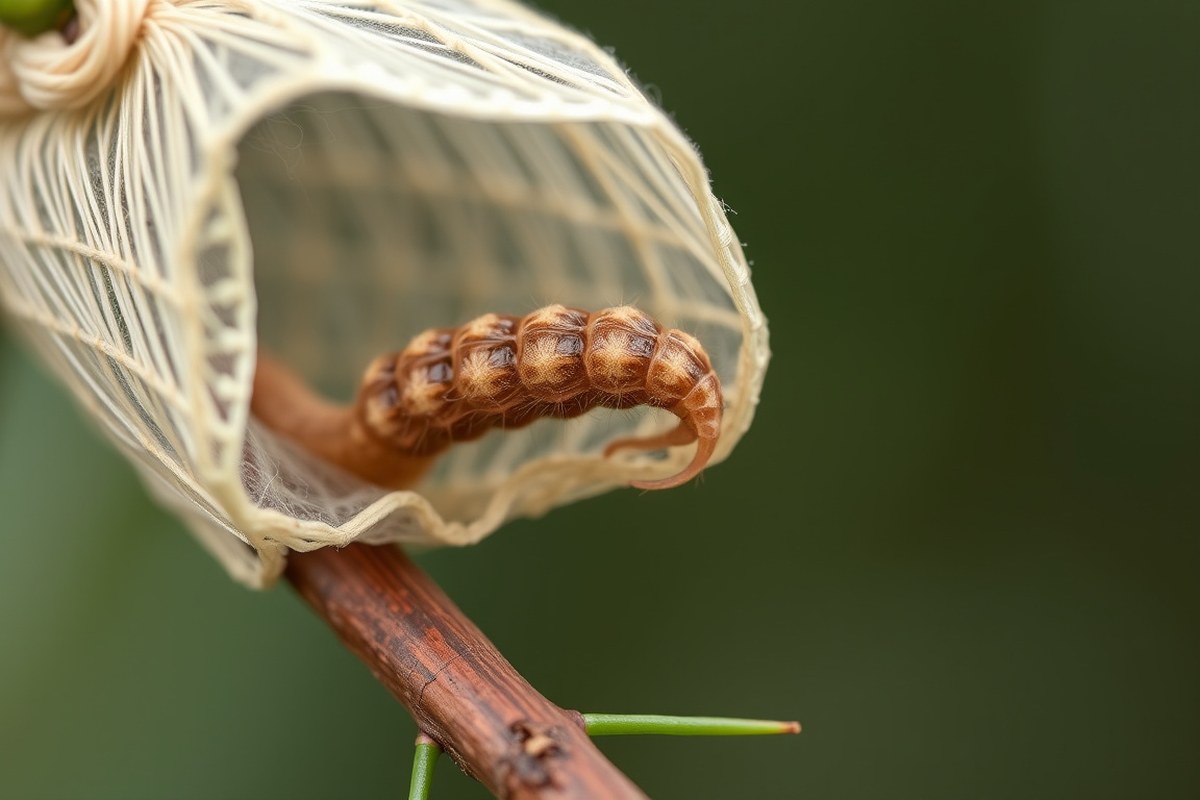
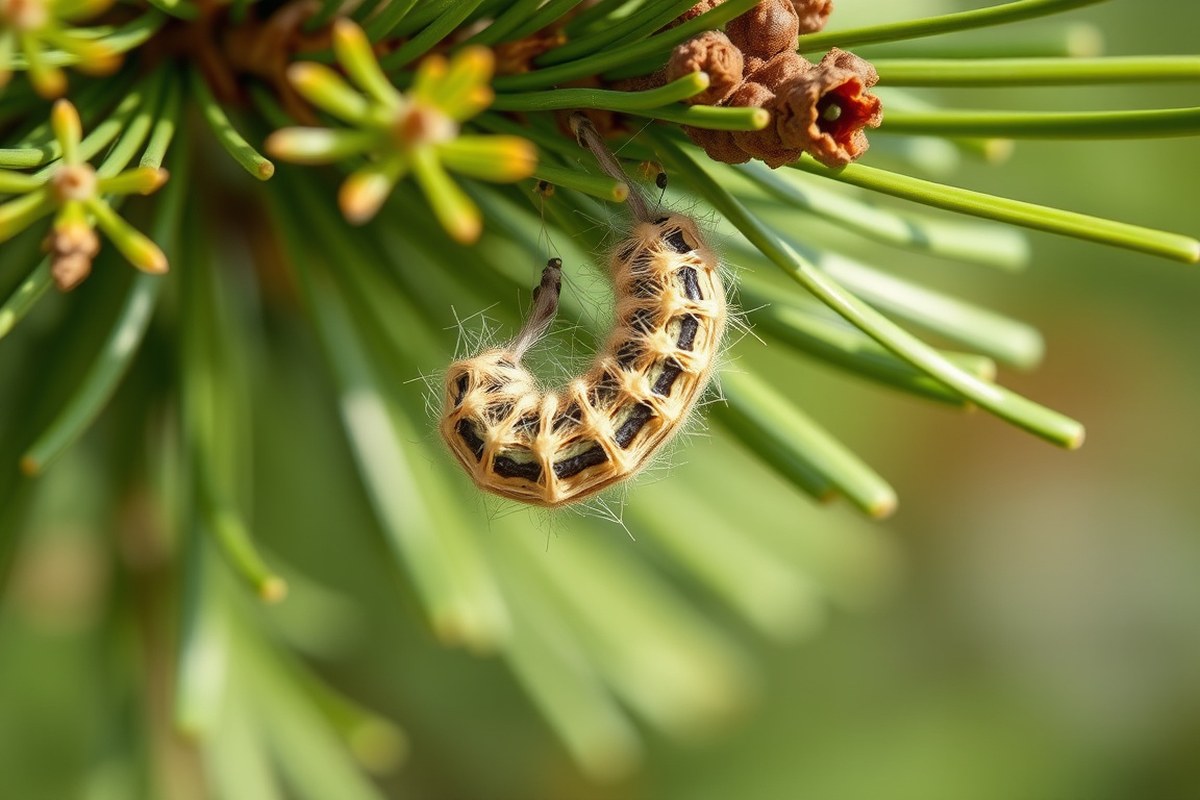
Bagworms are caterpillar pests that create distinctive silk bags covered with plant material, which they carry as they feed. They damage plants by consuming leaves and needles, leading to defoliation that weakens trees and shrubs. While they are most commonly found on evergreens such as juniper, arborvitae, pine, and spruce, bagworms also infest many deciduous trees like maple, oak, apple, birch, elm, and locust. This broad host range means they can be a threat to diverse landscapes.
The life cycle of bagworms begins as eggs laid inside the protective silk bags carried by adult females. A single female can lay between 500 and 1,000 eggs within her bag, which allows the population to grow quickly if left unmanaged. When the eggs hatch, larvae emerge and start feeding on the host plant, causing the most damage during this caterpillar feeding stage. Adult moths, particularly the females, do not feed and cannot fly, so larvae are responsible for spreading infestations between nearby trees and shrubs.
Bagworm feeding can seriously harm plants over several growing seasons. Repeated defoliation from the larvae feeding on leaves and needles reduces the plant’s ability to photosynthesize, stunts growth, and in severe cases, causes branch dieback or tree death. Evergreen trees like arborvitae and cedar are especially vulnerable because they rely on needles throughout the year. However, deciduous hosts are equally affected when leaf loss occurs, potentially reducing fruit production in apple trees or weakening shade trees such as maple and oak.
Because female bagworms produce hundreds of eggs each season, a single infestation can multiply rapidly and spread through your landscape if you don’t act early. Noticing the damage promptly and identifying bagworms during the larval stage is key to preventing serious harm. Bagworm larvae feed from spring through late summer, so timing treatment before the bags harden and larvae mature will protect your trees and shrubs from extensive defoliation. Managing bagworms on your property may require regular monitoring, especially on susceptible evergreens and deciduous species common in your area.
2. How to Identify Bagworms and Early Signs of Infestation
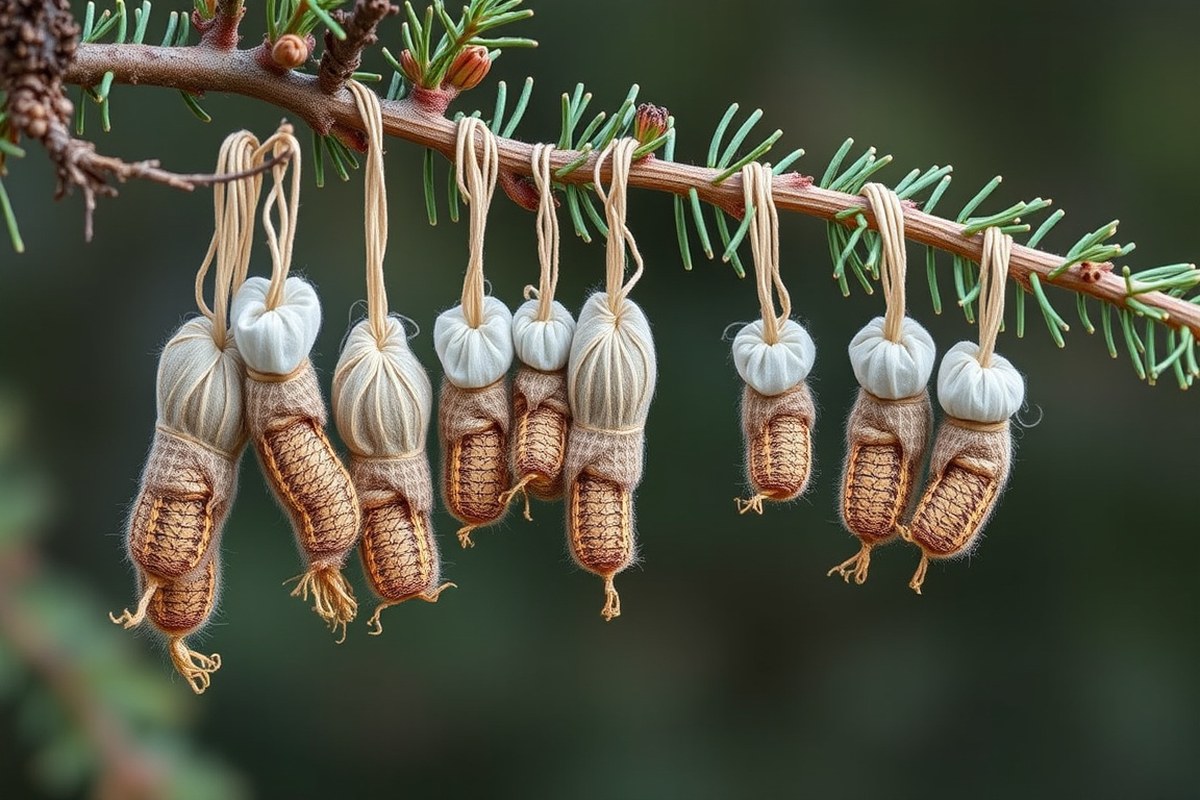
Spotting bagworms early protects your trees and shrubs from serious damage. These pests build spindle-shaped silk bags that range from 1.5 to 2 inches long. Outdoors, their bags camouflage with twigs, leaves, and other plant material. The bags hang on branches, so look carefully at your trees, especially evergreens, in late spring just before the larvae hatch. This is when monitoring is critical, as bagworm moths become active and larvae begin feeding.
The bags are distinct and often look like small cones wrapped in bits of foliage. Early in the season, you might only find a few scattered bags, which means you caught them before they spread. Look for these physical signs on your plants to identify bagworms and possible early infestations:
- Small, spindle-shaped bags attached to branches, camouflaged with twigs or leaves
- Brown or yellowing needles on evergreens indicating early defoliation
- Visible larvae when bags are open or damaged, active from late May through June
- Thinning foliage or bare spots on branches, especially by mid-summer
- Presence of frass (larvae droppings) below infested branches
Detecting these signs early lets you tackle the problem before your plants suffer significant defoliation. Moderate infestations feature about 20 to 50 bags and can cause 25% to 40% defoliation. Heavier infestations with more than 50 bags typically lead to 60% to 80% needle loss. These severe cases require urgent treatment to save your trees.
Female bagworms never leave their bags, but the mobile larvae come out to feed and enlarge their protective coverings. After hatching, larvae crawl down and feed on the needles. Checking your plants weekly during late spring through early summer helps spot larval activity before they grow and cause more damage. Handpicking bags from trees between late fall and early spring is ideal because the larvae inside are inactive and the bags are easier to remove.
Do not wait until you see widespread brown needles; early removal of even a few bags can cut down the infestation significantly.
Consistent monitoring, especially in the critical late spring window, supports quick action. Early detection also reduces your costs and limits the need for harsher chemical treatments or multiple sprays later in the season. Look closely at your plants weekly and note any changes in needle colour or the appearance of tiny silk bags. Proper early identification lets you choose the right treatment method before your trees suffer serious harm.
3. When to Start Monitoring and Treating Bagworms: A Seasonal Checklist
Bagworms hatch in late spring, usually between late May and early June. Monitoring should begin in late fall by removing old bags, followed by targeted treatments with Bacillus thuringiensis (Bt) immediately as larvae hatch. Repeat Bt applications every 7 to 10 days during early summer to control new larvae, especially after rain or new plant growth, with continued monitoring through the summer months.
Late Fall: Bag Removal Window
Remove and destroy old bagworm cases from trees and shrubs during late fall, after the leaves drop. This disrupts the life cycle by eliminating overwintering eggs inside the bags, which remain dormant throughout winter. Focus on removing bags before the new eggs hatch in spring, since the egg sacs are impervious to sprays. Repeat this cleaning in winter and early spring for the best results in reducing the upcoming bagworm population.
Handpicking bags at this time requires little equipment other than a ladder and disposal bags. Dispose of the collected bags by burning them or placing them in sealed trash bags to prevent eggs from hatching nearby the next season. This seasonal cleanup helps lower infestations before larvae emerge in late spring.
Late Spring: First Bt Application
The optimal time to apply Bacillus thuringiensis (Bt) is late May through early June, precisely when bagworm eggs hatch and larvae emerge. Bt is a bacterial spray safe for humans and pets that targets young caterpillars before they build protective bags. Applying Bt works only during this vulnerable larval stage because sprays cannot penetrate the egg sacs.
Observe larvae activity closely and avoid spraying too early, which wastes product, or too late when caterpillars have grown large and become less vulnerable. Iowa State University advises against treatments before May or after the larvae have matured into late summer. Begin spraying immediately upon detecting hatch for maximum effectiveness.
Summer Monitoring and Follow-Up Sprays
Continue monitoring trees and shrubs for bagworm presence throughout summer. Larvae feed and develop over several weeks. Repeat Bt applications every 7 to 10 days throughout late spring and early summer to control new larvae hatching and maintain effectiveness. Rainfall can wash away the bacteria, so apply again shortly after rain to preserve control.
Use visual inspections to spot new bags forming and check leaf damage. Treatments beyond early summer become less effective as larval bags harden and caterpillars mature. Heavy infestations detected late in the season call for handpicking or consulting a professional about alternative control methods. The following table summarizes key timing and actions for managing bagworms through the seasons:
| Season | Primary Action | Timing | Purpose |
|---|---|---|---|
| Late Fall | Remove and destroy old bags | November to early March | Reduce overwintering eggs |
| Late Spring | Spray Bt as eggs hatch | Late May to early June | Kill young larvae before bag formation |
| Early Summer | Repeat Bt treatments every 7-10 days | June to early July | Maintain kill rate during larval emergence |
| Summer | Monitor and handpick | July through August | Catch late infestations and prevent damage |
Following this schedule ensures treatments target bagworms during their most vulnerable stages and reduce populations effectively. Regional variations such as shorter growing seasons may shift hatch timing slightly later. Adjust spray schedules accordingly by monitoring local weather trends and plant development cues.
4. Handpicking and Proper Disposal of Bagworm Bags
Removing bagworm bags by hand is a key method to control their population safely and effectively. Because each female bagworm can hold up to 1,000 eggs inside her bag, manually removing every visible bag can drastically reduce the number of caterpillars that hatch the next spring. Simply removing 20 to 30 bags is not enough, especially for moderate to heavy infestations. You’ll need to be thorough and persistent, revisiting your plants every 7 to 10 days to catch newly formed bags until you see none left.
Handpicking requires care to avoid spreading eggs or inadvertently dropping bags where they can hatch. Once removed, the bags should never be discarded in your yard or compost because the eggs inside remain viable. Instead, follow these disposal steps:
- Wear gloves to protect your skin from irritants and to avoid contaminating other plants with bagworm eggs or threads.
- Use pruning shears or clippers to cut off bagworm bags from branches, especially those out of reach or embedded deeply in foliage. This approach prevents damage to your plants and removes any silk thread trails, which can help reduce reattachment.
- Place removed bags immediately into a bucket of soapy water, use about 1 tablespoon of liquid dish soap per gallon of water. Soaking the bags for at least 24 hours ensures that any live caterpillars or eggs are killed effectively.
- Dispose of the soaked bags with your household garbage rather than composting or yard waste bins. This prevents accidental spreading of eggs or larvae.
- Check your plants every week to 10 days after removal for new bags, repeating the removal and disposal steps until no new bags appear over two consecutive checks.
- In heavier infestations or with tall trees where manual removal is impractical, consider combining hand removal with targeted insecticide applications for better control.
Following this routine annually, especially during late fall and early spring when eggs are still inside the bags, can significantly reduce bagworm outbreaks. Expect to invest some time during your gardening routine, but this physical removal method supports a chemical-free approach and helps protect your trees and shrubs from severe damage caused by bagworm feeding.
5. Comparing Treatments: Bt, Neem Oil, Chemical Insecticides, and Biological Controls
Getting rid of bagworms often requires choosing among Bt, neem oil, chemical insecticides, and biological controls based on how severe the infestation is, plant sensitivity, and your safety preferences. Each treatment varies in effectiveness, how often you need to apply it, and risks to your plants and the environment.
Bacillus Thuringiensis (Bt) Effectiveness and Use
Bacillus thuringiensis var. Kurstaki, known as Bt, is a bacterial biological insecticide effective against young bagworm caterpillars. It works when they consume treated foliage, targeting them without harming beneficial insects or pets. Bt works best when applied early in the season, around May or June, before bagworms build their protective bags and grow larger.
Apply Bt as a spray following the product label, coating leaves thoroughly. Repeat applications every 7 to 14 days during active feeding to maintain control. Bt typically costs around $20-30 for enough concentrate to treat a small to medium garden area. It is safe for most plants and considered organic.
Neem Oil Benefits and Application
Neem oil offers a natural and organic method to combat bagworms. It works partly as a repellent and partly by disrupting insect growth. Though not as immediately effective as Bt on young caterpillars, neem oil can reduce populations when applied properly and repeatedly. Use only cold-pressed, 100% pure neem oil formulated for garden use, not cosmetic neem oil.
To apply, dilute 2 tablespoons of neem oil in 1 gallon of water with a few drops of mild insecticidal soap for better spread and adhesion. Spray on affected trees or shrubs every 7 to 10 days during early infestation stages, focusing on leaves and branches. Avoid applying neem oil on hot, sunny days to prevent leaf damage. Neem oil is safe for most plants but keep pets and children away during application.
Chemical Insecticides: Choices and Safety
Chemical insecticides provide fast results, especially in severe infestations or when plants are too tall for handpicking. Products containing active ingredients like Orthene, Talstar, or Tempo can kill newly hatched bagworms effectively. However, these chemicals can harm pollinators, pets, and beneficial insects if not applied carefully.
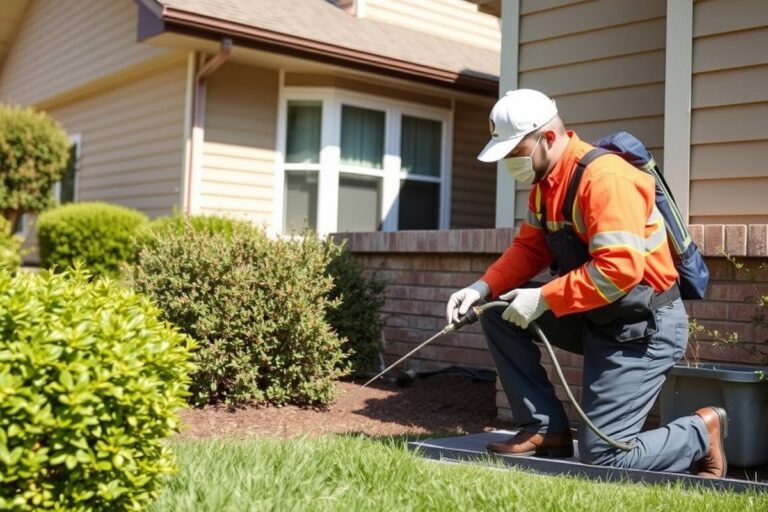
Use chemical insecticides only according to their labels, wearing protective gear such as gloves and masks. Applying in the early morning or late evening reduces risk to pollinators like bees. Repeat treatments as specified, usually every 7 to 14 days until the infestation subsides. In many cases, professional application is recommended for tall trees or heavy infestations.
Biological Controls: Predators and Parasitoids
Natural predators of bagworms include parasitic wasps and certain predatory insects. Attracting these beneficial insects to your garden can help reduce bagworm populations without chemical inputs. Planting flowers rich in nectar nearby encourages these predators to stay and feed.
Bird species that prey on bagworms can also serve as natural controls if you invite them into your landscape during their breeding season, such as in June. These methods are slower and less immediately effective but support a balanced garden ecosystem over time. Biological controls work best when combined with early detection and supplementary treatment methods. Here’s a comparison of the main treatment options:
| Treatment | Effectiveness | Application Frequency | Plant Safety | Risks and Precautions |
|---|---|---|---|---|
| Bt (Bacillus thuringiensis) | Highly effective on young caterpillars | Every 7-14 days during active feeding | Safe for most plants and beneficial insects | Minimal environmental risk; avoid ingestion |
| Neem Oil | Moderate; slows growth and repels | Every 7-10 days during infestation | Safe if diluted; avoid application in hot sun | May cause leaf damage if misused; toxic if ingested |
| Chemical Insecticides (Orthene, Talstar, Tempo) | Fast, effective on all stages | Every 7-14 days as directed | Can harm sensitive plants if misused | Harmful to pollinators, pets, and humans; use PPE |
| Biological Controls (Predators, Parasitoids) | Gradual population reduction | Ongoing habitat support | Safe and supports garden balance | Less effective for severe infestation alone |
Choosing the right treatment depends on your infestation level, plant types, and how quickly you need results. Repeated, targeted applications increase success with Bt and neem oil. Chemical insecticides offer speed but require caution. Encouraging natural predators builds long-term control with minimal risk.
Tip: Apply treatments early in the bagworm lifecycle and avoid spraying during bloom to protect pollinators.
6. How to Attract and Support Natural Bagworm Predators
Attracting natural predators like birds and parasitic wasps can significantly reduce bagworm populations in your garden. Birds such as sparrows feed on caterpillars, including bagworms, making them effective allies in pest control. Parasitic wasps, particularly Trichogramma wasps, lay their eggs inside bagworm eggs, disrupting their life cycle and preventing new infestations.
Creating a predator-friendly environment involves planting diverse vegetation that provides shelter, food, and water sources. Native trees and shrubs support insects that parasitic wasps feed on, while bird feeders and water dishes attract sparrows and other insect-eating birds. Avoid using broad-spectrum insecticides, as these can harm beneficial insects and reduce natural pest control. Here are specific steps to attract birds and parasitic wasps to your yard:
- Plant native flowering plants and shrubs to provide nectar and habitat for parasitic wasps.
- Set up bird feeders with seeds suited for sparrows, such as millet and sunflower seeds.
- Provide fresh water in shallow dishes or birdbaths, replenished daily to prevent mosquito breeding.
- Leave some leaf litter and mulch in garden beds to support insect life beneficial as prey for predators.
- Install nesting boxes or small brush piles to offer shelter for insectivorous birds.
- Limit pesticide use to products targeting bagworms specifically to avoid killing helpful insects.
- Introduce Trichogramma wasps in early May when bagworm eggs are present to interrupt their reproduction safely and naturally.
Natural predators keep bagworm numbers in check by feeding on larvae, eggs, and pupae, reducing the need for chemical treatments. Supporting biodiversity through varied plantings encourages a balanced ecosystem where predators thrive. This approach is cost-effective and sustainable but requires patience because predator populations take time to establish strong control.
Challenges may include temporary fluctuations in predator effectiveness due to weather or habitat changes. Also, presence of domestic cats or aggressive birds may scare away beneficial species. Monitoring your habitat regularly helps adjust care such as adding water sources during dry spells or replacing feeders seasonally to maintain attraction.
7. Garden Hygiene and Environmental Factors That Prevent Bagworms
Maintaining good garden hygiene is one of the most effective ways to prevent bagworm infestations from taking hold in your landscape. Bagworms often lay eggs or pupate inside plant debris and old bags that stay on your trees or shrubs over winter. Raking fallen leaves, old bags, and other plant litter from the ground regularly removes potential hiding spots for emerging larvae. Pruning out infested branches early in the season also helps by physically removing eggs or larvae attached to the twigs, reducing the next generation of bagworms.
For best results, wear garden gloves and use a small pair of clippers to carefully snip off infested branches. Collect the pruned material and old bags in a sealed trash bag and dispose of them in the garbage, not in your compost pile. This containment prevents larvae from spreading back into your garden. Depending on your yard size, expect to spend 30 to 60 minutes every few weeks during the active season on cleaning debris and pruning to keep bagworm populations low without chemical treatment.
Outdoor lighting can unintentionally increase bagworm problems by attracting adult moths during their active breeding periods. Bright porch or patio lights draw female moths along with other insects, making nearby trees and shrubs more vulnerable to egg-laying activity. To reduce this risk, turn off outdoor lights at night or switch to motion sensor lighting that activates only when needed. This limits the hours of light exposure and lowers moth attraction without sacrificing safety.
A simple nightly routine of turning off or covering patio lights can cut adult moth visits substantially. If you need lighting for safety, choose yellow “bug” lights that are less attractive to insects. Keep lights away from susceptible plants to further reduce bagworm egg deposition nearby. Taking these steps costs little but helps reduce the initial bagworm population and the effort required during peak infestation periods.
Combining garden hygiene practices and thoughtful management of outdoor lighting forms a practical, low-cost defense against heavy bagworm outbreaks. Regularly remove debris monthly from early spring through fall, and prune infested branches as soon as you spot any egg cases or bags. Keep outdoor lights off or on motion sensors at night during moth flight seasons, typically late spring to mid-summer. These habits reduce bagworm emergence by cutting off both the physical shelter they need and their chances to reproduce nearby.
8. Identifying Treatment Success and When to Call a Professional
After applying treatment for bagworms, watch for clear signs of improvement within two weeks. Consistent monitoring allows you to verify that the infestation is declining and prevents wasted effort. Know when professional pest control is necessary, especially with heavy infestations or tall trees where DIY methods fall short.
Signs Treatment Is Working
You can expect to see reduced bagworm activity about 10 to 14 days after treatment, depending on the product used. Young larvae are most vulnerable, so effective treatments kill them before they build large protective bags. Look for fewer live bags hanging from branches and a drop in new egg sacs on the ground beneath the trees.
Check leaves and needles for fresh feeding damage: ongoing damage often means treatment missed some larvae or was too late. Healthy regrowth and the absence of new bags over several weeks indicate success.
- Count live bagworm bags weekly on treated trees or shrubs
- Note any fresh frass (larva droppings) or leaf damage
- Inspect under trees for egg sacs, which appear in late summer and fall
- Observe natural predators like birds or beneficial insects increasing
- Confirm timing of treatment matches young larval stages for best effects
Tracking these signs keeps you informed about how well your effort is working or if further action is needed.
Common Treatment Mistakes to Avoid
Skipping regular monitoring leads to missed reinfestations and unnecessary tree damage. Many gardeners treat bagworms only once, too late in the season when larvae are too mature for many insecticides. Also, inconsistent spraying that leaves foliage untreated allows pockets of survival.
Using improper products or wrong dosages wastes money and harms beneficial insects. For example, applying chemical sprays during windy or rainy days reduces effectiveness and can pollute the environment. Relying solely on manual removal without supplemental treatments may only slow, not stop, an infestation.
- Treating too late, after larvae are fully grown
- Applying insecticide unevenly or missing hidden branches
- Neglecting to remove old bags and egg sacs before treatment
- Using broad-spectrum pesticides that kill natural predators
- Ignoring environmental conditions like rain or wind during application
Consistent, properly timed treatments combined with thorough physical removal produce the best long-term results.
When to Hire Professional Help
Opt for professional pest control if infestations are extensive, especially on tall or structurally sensitive trees where reaching all foliage is dangerous or impossible. Professionals can apply stronger or specialized insecticides not available for home use and have tools like lift equipment for high branches.
Heavy infestations on arborvitae, junipers, or large evergreen trees often demand intervention to prevent irreversible damage. Expect to pay between $200 and $500 for professional treatment depending on tree size and infestation severity. Professionals also help identify host trees more prone to bagworms and recommend long-term prevention.
Use this decision rule: If bagworms are found on multiple large trees, defoliation exceeds 25%, or repeated infestations occur year after year despite home treatments, call a licensed specialist. Large infestations on trees near structures or HVAC units also raise urgency for professional control.
Step-by-Step Action Plan to Eliminate Bagworms
Follow this timeline to identify, control, and remove bagworms from your plants safely and effectively.
- Early Spring (Before Bagworms Emerge): Inspect trees and shrubs for old bagworm bags from last season and remove them by hand. Proper disposal in sealed trash prevents new infestations. Success looks like fewer bags visible on plants as the season starts.
- Late Spring (When Larvae Hatch): Begin close monitoring weekly for new, small bagworms and early damage signs such as leaf browning. Early detection means treatments will be more effective.
- Early Summer (Larvae Growing): Apply Bacillus thuringiensis (Bt) or neem oil spray to infested plants when larvae are young and actively feeding. Check leaves after a week; fewer active bags and less damage show treatment worked.
- Mid to Late Summer: Continue monitoring. Remove any remaining bagworm bags by hand. Encourage natural predators by planting flowering plants and avoiding broad-spectrum insecticides that kill beneficial insects. Success is fewer visible bags and signs of natural predator activity.
- Late Summer to Early Fall: Evaluate treatment success. If infestations persist and control is inadequate, consider consulting a licensed pest control professional for targeted chemical treatments. Result will be visibly declining bagworm presence.
- Fall and Winter (Off-Season Garden Care): Maintain good garden hygiene by cleaning up fallen leaves and debris to reduce overwintering sites. Healthy, well-maintained plants resist bagworm damage better next year.
Frequently Asked Questions
Can You Use Household Items to Get Rid of Bagworms?
Yes, mixing warm water with dish soap can help remove bagworms when applied directly and rinsed off. This method works best on small infestations and needs repeated application for effectiveness.
Are Bagworms Harmful to All Types of Plants?
Bagworms mainly harm trees and shrubs by feeding on their leaves, which can weaken or kill the plants over time. They prefer evergreens but can infest various species, causing significant damage if untreated.
What Should I Do If Bagworms Hatch on My Indoor Plants?
For indoor bagworms, vacuuming, keeping humidity below 50%, sealing cracks, and cleaning webs are effective controls. Prompt removal prevents spread and limits damage to houseplants.
Does Planting Certain Types of Trees Attract Bagworms?
Some trees are more susceptible than others, but bagworms can infest a wide variety of trees and shrubs. Choosing less vulnerable species can reduce risk but does not guarantee avoidance.
Can Bagworms Become Resistant to Insecticides?
Bagworms can develop resistance if insecticides are overused or applied improperly. Rotate treatments and follow label instructions to prevent resistance and ensure effective control.
Are Adult Bagworms Still Harmful to Plants?
Adult bagworms are moths that do not feed and thus don’t harm plants directly. The damage occurs during the caterpillar stage when they consume foliage.
Key Points to Remember
Getting rid of bagworms requires consistent monitoring and timely action, especially in spring and early summer when they are most vulnerable. Start by inspecting your trees and shrubs today, focusing on the presence of distinctive bagworm cases. Removing and destroying these bags now can significantly reduce their numbers before larvae cause extensive damage.