Does PestPro Really Work? Clear Answers and Proven Pest Control Tips
Does PestPro really work? Ultrasonic pest repellers like PestPro do not work reliably for most common household pests because pests either cannot hear the ultrasound or quickly get used to it. Scientific studies over the past 30 years consistently show no lasting pest control from these devices, especially for rats, mice, cockroaches, ants, and spiders. PestPro’s claims rely on ultrasonic technology that many pests do not detect, making it ineffective compared to proven methods.
This article provides clear answers for homeowners and renters considering PestPro. You’ll get specific comparisons by pest type, learn why ultrasonic devices often fail, and find practical tips for using PestPro safely around pets and maximizing any potential benefits. If PestPro doesn’t work, the article explains reliable next steps, such as traps, baits, and professional pest control services tailored for your situation.
Key Takeaways
- PestPro emits ultrasonic waves between 22-65 kHz, aiming to repel over 14 pest species without chemicals or traps.
- Scientific studies show ultrasonic devices, including PestPro, generally fail to provide consistent pest control for insects or rodents.
- Effectiveness varies by pest; mice may show short-term avoidance, but rapid habituation limits long-term results.
- Place PestPro in open areas near pest entry points, and maintain unobstructed airflow for any potential effect.
- If pests persist after 2-3 weeks of PestPro use, switch promptly to proven methods like sealing entry points or professional help.
- Ultrasonic repellers are safe for pets but may not affect all pest species; consult product guidelines before use around animals.
Does PestPro Ultrasonic Pest Repeller Actually Work?
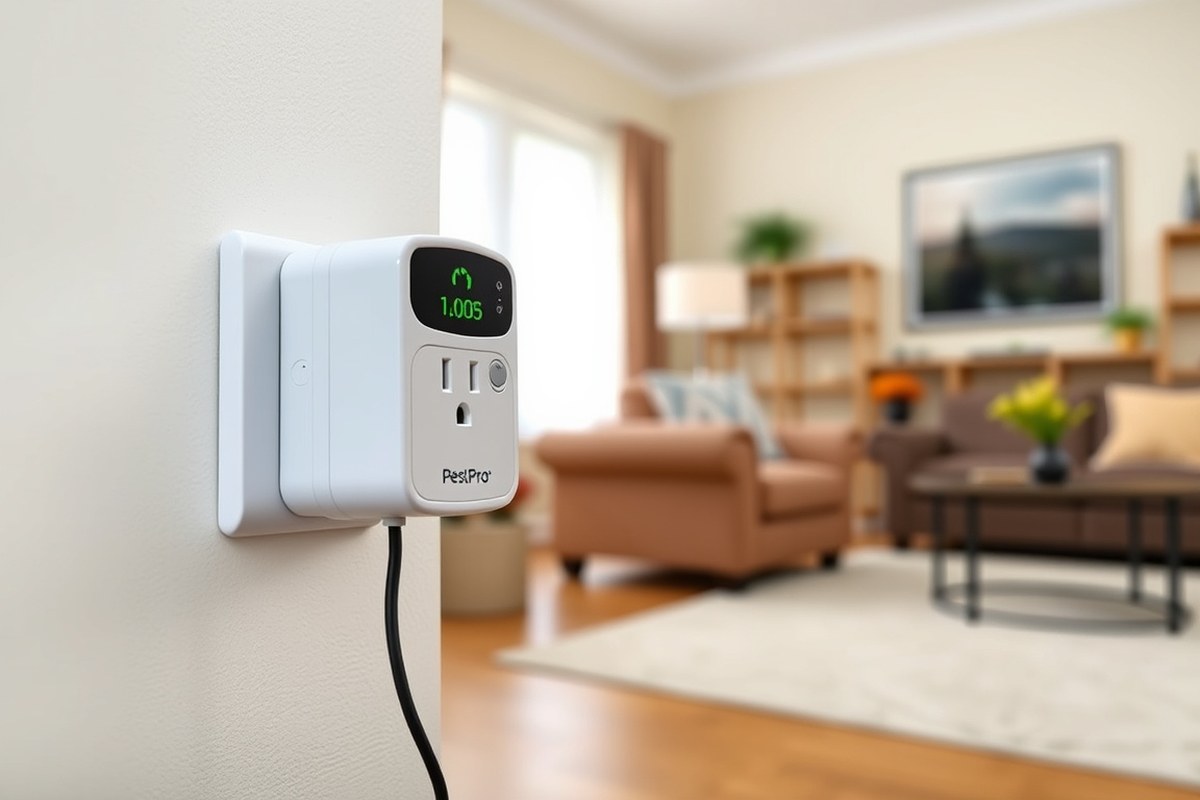
PestPro Ultrasonic Pest Repeller does not reliably work to repel or eliminate pests as claimed. Multiple sources, including consumer research and regulatory statements from the Federal Trade Commission (FTC), conclude there is no credible scientific evidence that such ultrasonic devices deliver consistent pest control. PestPro emits sound waves between 22-65 kHz designed to make the environment uncomfortable for pests. However, pests like rodents and insects either cannot hear these frequencies or rapidly become accustomed to them, reducing any initial effect.
Signs that PestPro is working would include a noticeable reduction in pest sightings, droppings, or damage within 2 to 3 weeks after plugging in the device. Careful monitoring of all common pest activity during this period involves checking traps, inspecting entry points, and noting any new droppings or damages around your living spaces. When no decline in pest presence occurs by the end of three weeks, the device is likely ineffective in your situation.
To evaluate PestPro’s effectiveness, use this checklist over the first 14 to 21 days: monitor pest activity daily, look for fewer signs of infestation such as nests or gnaw marks, and record any live pests trapped or seen around the device’s location. Ultrasonic waves do not penetrate walls or furniture well, so place PestPro in areas where pests are active and ensure the device’s sensor faces the open area. Avoid placing it behind furniture or curtains, which block sound waves. After 3 weeks, if pest activity remains the same or worsens, discontinue use and consider tried and true pest control methods.
The timeline for expected results usually spans 2 to 3 weeks but varies by pest and infestation severity. Early changes are more likely behavioral shifts due to initial exposure than lasting pest removal. Experts warn not to rely on ultrasonic devices alone, especially for established infestations. Cost-wise, PestPro typically runs between $20 and $50 per unit, but that investment risks being wasted without confirmed results. Combining chemical-free measure claims with discouraging customer reports suggests limited value as a standalone solution.
Pests often find alternative routes into your home or habituate to ultrasonic noise, making PestPro ineffective long term. When your monitoring reveals no progress within the suggested 2-3 week window, switch to more proven control strategies like traps, bait stations, or professional pest management services. Depending on your state, pest control professionals can provide inspection and targeted treatments that identify entry points and pest types requiring specific solutions.
How PestPro Claims to Repel Pests Using Ultrasonic Technology
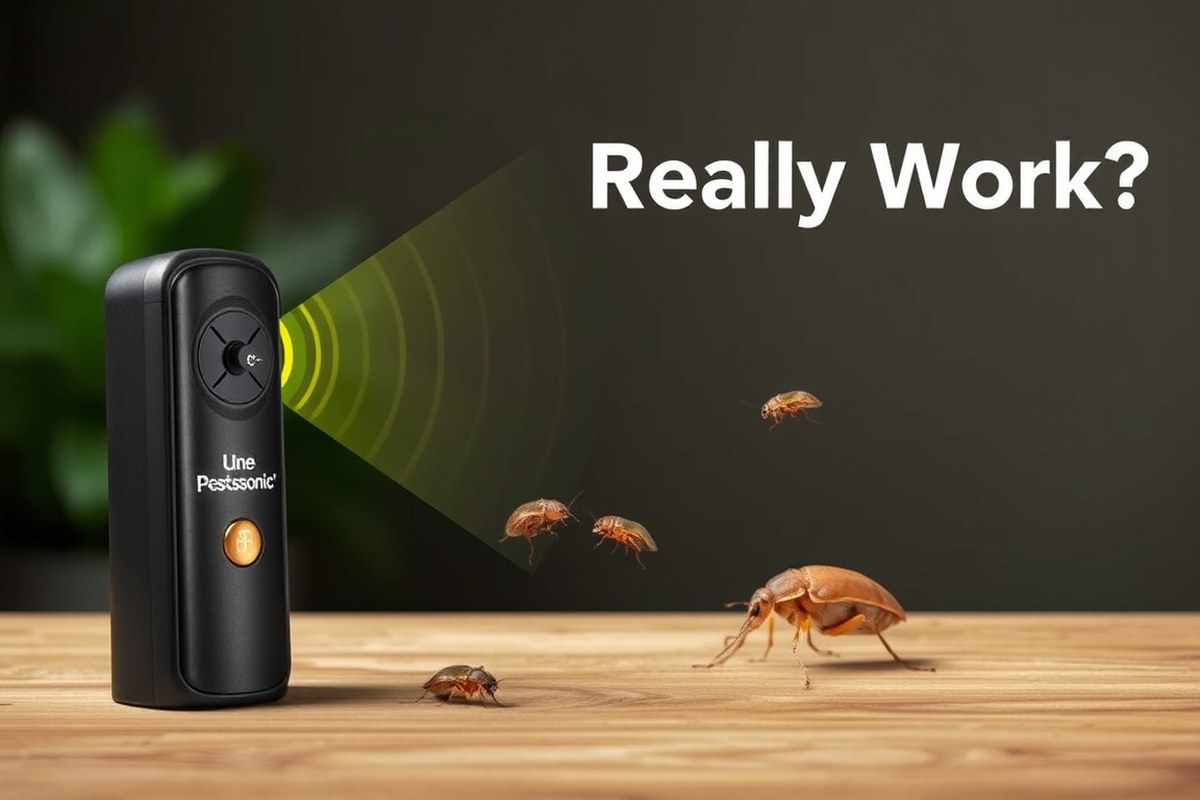
PestPro claims to repel pests by emitting ultrasonic sound waves across a changing frequency range of about 22 to 65 kilohertz. This range is meant to irritate rodents and some insects, encouraging them to leave treated areas without using chemicals or traps. The device targets common indoor pests like mice, rats, cockroaches, ants, spiders, and mosquitoes, although the effectiveness varies by species.
Ultrasonic Frequencies and How They Affect Pests
Ultrasonic pest repellers like PestPro work by producing high-frequency sound waves above the range of human hearing, generally between 20,000 and 65,000 hertz. These sounds are meant to irritate certain pests’ nervous systems, disturbing their normal activities such as feeding, nesting, or moving freely. PestPro claims its device cycles through a changing range of frequencies from 22 to 65 kHz, which is designed to reduce the chance that pests will get used to (habituate) the sound and ignore it.
The idea behind varying the frequency is to keep the pests uncomfortable because constant single-frequency tones tend to become ineffective quickly as rodents adapt within days. This changing-frequency approach addresses one common limitation of ultrasonic devices but has not been independently verified as clearly superior through controlled testing. The sound cannot be heard by most humans and many pets like dogs and cats, although some ultrasonic devices may produce tones audible to certain pets, potentially causing them distress.
Covered Pests: Rodents, Insects, and Others
PestPro’s primary target is rodents such as mice and rats, which can hear ultrasonic frequencies and are theorized to avoid areas filled with these sounds. The manufacturer states the device irritates these rodents enough to cause them to flee the treated space. For insects like cockroaches, ants, mosquitoes, and spiders, the claims are less solid because many of these pests do not detect airborne sounds, ultrasonic or otherwise. Scientific evaluations show mosquitoes and cockroaches do not consistently respond to ultrasonic waves, and spiders do not react to airborne sound waves at all.
Ants, which rely mainly on chemical signals rather than hearing, show limited responsiveness to ultrasonic repellers. Some users might see initial retreat of spiders or a reduction in ant activity, but such effects usually do not last or do not apply consistently. Given these differences, PestPro’s efficacy likely depends on the pest species present and may offer short-term avoidance for rodents more than anything tangible for insects.
Device Coverage Area and Placement Recommendations
PestPro is a plug-in device designed to cover a specific room or defined indoor area, but the brand does not specify exact square footage coverage due to variations in room layout, furniture placement, and construction materials. Ultrasonic waves spread through air like sound, but they cannot pass through walls, furniture, or other solid objects effectively, so careful placement is critical.
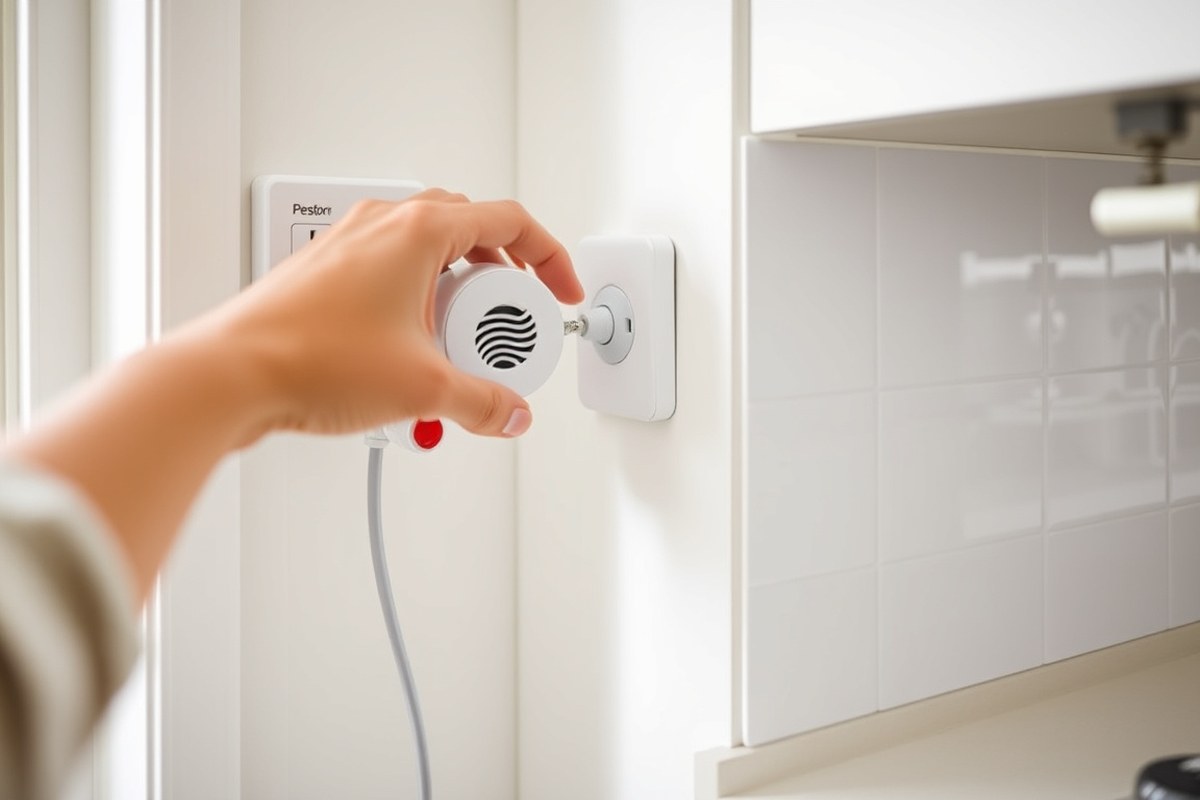
To maximize potential effectiveness, PestPro should be plugged into an outlet in a room where you’ve noticed pest activity, ideally near entry points, nests, or runways. Avoid placing the device behind furniture, curtains, or other obstructions that would block the ultrasonic waves. Although the device targets pests over a range of frequencies, you may need multiple units or placement in several key locations to cover larger or multiple rooms.
Place PestPro devices in open, pest-prone areas away from obstructions for best results; blocked ultrasonic waves significantly reduce effectiveness.
PestPro Effectiveness Compared by Pest Type with Proven Alternatives
PestPro and other ultrasonic pest repellers do not show reliable effectiveness across most common household pests based on scientific studies. Rodents such as rats and mice sometimes respond temporarily, but insects like cockroaches and ants generally ignore ultrasonic waves because they cannot hear them. Alternative pest control methods offer clearer, proven results for managing these pests.
Rodents: Rats vs. Mice Response to Ultrasonic Waves
Ultrasonic devices aim to deter rodents by emitting sound waves irritating enough to drive them away. Rats and mice hear these high-frequency sounds, but the effect tends to be short-lived. Studies show rodents may avoid the area initially, but they quickly get used to the noise and return.
The limited scope of ultrasonic waves means the device’s coverage area is small, usually one or two rooms. Rodents can also avoid direct exposure by hiding behind walls or furniture. For this reason, PestPro’s ultrasonic function may reduce rodent activity temporarily but will not eliminate infestations.
For rodents, practical options include sealing entry points with steel wool or caulk, setting snap traps or electronic traps, and using bait stations containing rodenticides when necessary. These methods target the rodents directly and have proven success rates where ultrasonic devices fall short.
Common Household Insects: Roaches, Ants, Bed Bugs, Mosquitoes
Most household insects such as cockroaches, ants, and bed bugs cannot hear ultrasonic frequencies, making PestPro ineffective against them. A 2007 review in the Journal of Economic Entomology found no evidence ultrasonic devices repel any insect pest. Similarly, a 2012 peer-reviewed study confirmed bed bugs show no avoidance to ultrasonic waves.
Mosquitoes and flying insects, listed by PestPro’s manufacturer, are also unlikely to respond because the sound waves do not affect their behavior. The company’s own Help Center notes lower effectiveness against bed bugs, fleas, and flying insects, reflecting this lack of scientific support.
Controlling these pests typically requires direct measures: cockroach baits and gels applied in cracks, ant bait stations that worker ants carry back to the colony, and professional treatments or specialized mattress encasements for bed bugs. For mosquitoes, eliminating standing water where they breed and using EPA-registered insect repellents are recommended.
| Pest | Ultrasonic Response | Scientific Evidence | Recommended Alternatives |
|---|---|---|---|
| Rats | Temporary avoidance | Short-term; no lasting effect | Sealing entry points, snap traps, bait stations |
| Mice | Temporary avoidance | Short-term; habituation occurs | Rodent-proofing, traps, rodenticides |
| Cockroaches | No response | No evidence of repellency (2007 study) | Bait gels, insect growth regulators, professional control |
| Ants | No response | No evidence of repellency (2007 study) | Bait stations with slow-acting insecticide |
| Bed Bugs | No response | 2012 study showed no repellency | Professional heat or chemical treatments, mattress encasements |
| Mosquitoes | No reliable effect | No scientific support | Remove standing water, wear repellents registered by EPA |
The table clarifies that ultrasonic devices like PestPro lack proven impact on common insects, making integrated pest management approaches necessary.
Other Pests: Spiders, Fleas, and Less Common Targets
Spiders and fleas are also poor targets for ultrasonic repellents. Spiders do not detect ultrasonic sound, so these devices do nothing to deter them. Fleas, though small, have hearing ranges that do not include ultrasonic frequencies, resulting in no reliable repellency.
PestPro’s marketing includes various pests such as wasps and moths, but scientific data does not confirm effectiveness on flying insects. The device’s electromagnetic output, another claimed feature, has not demonstrated consistent repellency either.
For spiders, routine cleaning and sealing cracks where they enter usually controls their presence. Fleas require treating pets with veterinarian-approved flea control products plus environmental insecticides or frequent vacuuming to interrupt their lifecycle.
Why Ultrasonic Repellers Like PestPro Often Fail and Scientific Insights
Scientific research on ultrasonic pest repellers like PestPro shows they are generally ineffective for long-term pest control. Pests often habituate to the ultrasonic signals, and physical factors such as walls and furniture limit the sound coverage. These limitations mean devices like PestPro rarely deliver the consistent results advertised.
Overview of Scientific Studies and Meta-Analyses
Multiple independent studies, including those referenced by the Federal Trade Commission, have tested ultrasonic pest repellers under controlled and field conditions. While some lab trials report temporary behavioral changes in pests, these effects tend to vanish quickly in real-world settings. Most research finds little to no sustained impact on populations of rodents or insects.
Regulatory reviews also note that ultrasonic devices fall under EPA’s device framework, which requires no performance approval, only establishment registration numbers. This means claims of EPA approval often do not verify actual effectiveness. The variability in test results and lack of replicated benefits in field environments further cast doubt on the reliability of ultrasonic pest repellers for lasting pest control.
Habituation and Pest Behavioral Adaptation
Rodents, insects, and other pests can quickly become accustomed to the ultrasonic frequencies emitted by devices like PestPro. Scientific evidence, including a study from the University of Arizona, shows that any initial avoidance response fades within days or weeks. This behavioral adaptation, known as habituation, allows pests to resume normal activity despite the ongoing ultrasonic signals.
Habituation is a survival mechanism where pests learn the repeated sound poses no real threat. PestPro attempts to counter this with changing frequencies, but available research suggests that these adjustments are not sufficient to prevent pests from eventually ignoring the sounds. This limits the long-term usefulness of ultrasonic repellents in typical household or commercial settings.
Impact of Walls, Furniture, and Room Size on Effectiveness
Ultrasonic sound waves do not penetrate solid barriers such as walls, furniture, or other large objects. PestPro’s own support materials recommend multiple units distributed throughout a home, typically one per major room, to compensate for these obstructions. This setup can become costly and still may not cover every area where pests reside.
Room size also affects ultrasonic coverage. In larger or irregularly shaped spaces, sound waves may dissipate quickly and fail to reach pests hiding in corners, behind furniture, or inside walls. The physical layout of your home determines whether pest-repelling sound waves reach pests effectively or are blocked entirely.
Because sound cannot pass through walls or large objects, you cannot rely on a single PestPro unit to protect an entire floor or house. Understanding these limitations is critical to avoid unrealistic expectations and wasted investment in ultrasonic repellers as a standalone solution.
Safe Use of PestPro Around Pets: What You Need to Know
PestPro uses ultrasonic frequencies that are generally safe for most pets like cats and dogs, but some small animals with sensitive hearing may experience discomfort. Understanding your pet’s hearing range and monitoring their behavior can help you avoid problems from ultrasonic sounds. Careful placement of the device improves safety and reduces stress to pets.
Pet Hearing Ranges vs. Ultrasonic Frequencies
Ultrasonic pest repellers emit sound waves usually above 20 kHz, beyond human hearing. Dogs can hear up to about 65 kHz, while cats extend higher, up to around 85 kHz. PestPro claims to operate within this ultrasonic range but mostly above what disturbs dogs and cats. This means many dogs and cats might not notice the sound, though some may be sensitive based on individual variation.
Small mammals like hamsters, guinea pigs, rabbits, and gerbils have hearing ranges that overlap strongly with ultrasonic frequencies. For instance, hamsters can hear sounds above 100 kHz, which means PestPro’s signals can fall right in their sensitive area. Birds also have overlapping hearing ranges. This sensitivity is why the PestPro manufacturer advises against placing the device near these pets or in the same room. Maintaining at least one floor’s separation between the device and such animals helps reduce risk of distress.
Behavioral Signs of Pet Distress from Ultrasound
Pets affected by ultrasonic sounds may show restlessness or anxiety, pacing and trying to hide more often. Dogs might bark or whine unusually, while cats could meow excessively or avoid certain rooms. Small rodents and rabbits may freeze, halt normal activity, or try to escape. These signs indicate that ultrasonic frequencies are causing discomfort or stress.
Because animals habituate at different rates, even if distress appears at first, your pet might adjust over a few days to weeks. However, continual signs like erratic behavior or refusal to enter certain areas suggest ongoing discomfort. Noticing such symptoms means switching off or relocating the device is necessary to protect your pet’s wellbeing.
Watch your pet closely for sudden changes in behavior after installing PestPro, especially in the first week.
Safe Placement and Usage Recommendations
Place PestPro in a room farthest from where sensitive pets live or sleep. Avoid bedrooms, cages, or enclosures for hamsters, rabbits, or birds. Ideally, at least one floor’s separation or another room works best to reduce ultrasonic sound reaching the animals. Close doors or use closed cabinets to further block sound waves.
Install PestPro on walls or counters at about 3 to 6 feet height, angled away from pet areas. This helps contain ultrasonic waves within targeted pest zones and limits exposure to pets. Do not hide the device behind curtains or furniture, as this can disrupt sound patterns and reduce effectiveness, possibly causing pets to receive uneven sound bursts.
Regularly observe your pet’s behavior during the first two weeks of use. Discomfort calls for moving the device farther away or turning it off during times when pets are most active in the room. Using PestPro only during daylight hours when pets are awake but outside the area may also help. Note that small mammals and birds should not be exposed continuously to ultrasonic signals, so avoid use in their proximity altogether.
Maximizing PestPro’s Potential: Proper Placement and Maintenance Tips
PestPro’s effectiveness depends heavily on its placement and maintenance, as ultrasonic waves have limited travel through solid objects. Avoiding blockage and regularly checking the device can improve performance. PestPro pairs best with other pest control methods like traps and exclusion to cover gaps ultrasonic waves don’t reach.
Optimal Locations for Plugging in PestPro
PestPro should be plugged into an uncovered outlet in the area where pests are most active. Ultrasonic waves travel effectively within rooms but rarely pass through walls, furniture, or large objects, severely limiting the coverage area, which is generally around 800 to 1,200 square feet in an open space.
Positioning the device at least three feet above the floor helps target common pest paths. Avoid placing PestPro behind curtains, inside cabinets, or near metal surfaces, which can block or reflect the waves. Open areas such as living rooms, kitchens, or basements without heavy furniture blocking the direct line to walls or floors work best for the device’s effectiveness.
For multi-room coverage, use multiple units since one PestPro won’t cover an entire house or pass through walls. Rooms with clutter or partitions will reduce the effective distance. Moving the device periodically to new locations can help reach areas missed initially.
Routine Device Checks and Expected Lifespan
PestPro requires minimal maintenance but regular inspections can prevent issues that reduce effectiveness. Check the device monthly to ensure it remains plugged in and the indicator light is on, signaling it is powered.
Dust and dirt buildup on the unit can interfere with ultrasonic wave emission. Wipe the surface gently with a dry cloth every 2-3 months. Avoid water or cleaning sprays as PestPro is an electronic device.
- Check power outlet compatibility and power supply stability
- Clean the unit surface to prevent dust buildup
- Verify indicator light is functioning
- Replace if the indicator light fails or performance decreases noticeably
- Expect lifespan of 2 to 4 years depending on use and electrical conditions
PestPro does not require batteries since it plugs directly into a household socket. If the device appears damaged or stops powering on, replacement is necessary as internal electronics are not user-repairable.
Combining PestPro with Exclusion, Traps, and Baiting
Using PestPro alongside traditional pest control methods improves overall results because ultrasonic waves do not solve underlying pest sources. Preventing pests from entering through sealing cracks and gaps is the most effective long-term strategy. Consider integrating these steps with PestPro:
- Seal entry points with materials like Xcluder® or steel wool
- Set traps in areas rodents or insects frequent and check them regularly
- Use bait stations safely and follow label instructions to avoid pet exposure
- Maintain good sanitation and remove food debris promptly
- Keep clutter minimized to reduce hiding places
Such combined approaches reduce pest populations directly, while PestPro can act as a supplementary deterrent in treated spaces. Avoid relying solely on PestPro if you observe persistent or severe infestations; this device does not replace professional pest control services.
What to Do If PestPro Doesn’t Work: Proven Next Steps
If PestPro doesn’t reduce or stop your pest problems within two or three weeks, you need to try more reliable control methods. Start by inspecting your home, sealing entry points, and setting traps or bait safely. Call a licensed pest professional if the issue persists or if you face a large infestation. This staged approach increases the odds of a lasting solution without overspending upfront.
Step 1: Inspection and Sealing Entry Points
Inspect your home thoroughly to identify where rodents or insects enter. Entry points may include gaps under doors, holes around pipes, or cracks in the foundation. Sealing these prevents pests from coming inside, which is a core principle of Integrated Pest Management endorsed by the EPA.
Use steel wool or metal mesh for bigger holes since pests can chew through softer materials like standard caulk. For smaller crevices, caulk or weather stripping works well. Focus on areas near kitchens, basements, and crawl spaces where pests often find food and shelter.
Step 2: Setting Traps and Using Baits Safely
Place mechanical snap traps or live traps in areas where you’ve seen droppings, gnaw marks, or pest movement. Avoid glue traps, which can cause suffering and may not control pest populations effectively. Use bait stations strategically: store-bought rodent baits or insect baits can be effective but carry risks to children and pets, so place them out of reach.
You must follow label instructions strictly with baits or rodenticides. Excessive or improper use can pose safety risks and won’t fix infestation sources without sealing entry points and sanitation. Regularly check and replace traps every few days to maintain effectiveness.
Step 3: Knowing When to Hire a Professional Exterminator
Call a licensed pest control professional if you have repeated pest sightings after 2-3 weeks of DIY efforts or if the infestation seems extensive. Professionals have access to treatments not available to the public, including rodenticides requiring certification and expertise. An inspection by companies like Orkin or Terminix costs typically between $75 and $200, which can be worthwhile to target problems accurately.
Professional services can take days to weeks to resolve depending on pest type and infestation size. They offer complete solutions including exclusion, sanitation recommendations, and follow-up visits. Expect treatment costs from $150 to over $500, depending on the property size and pest species. Larger or multiple visits increase this range. Below is a numbered list outlining key steps to take after PestPro fails to work:
- Inspect all potential pest entry points inside and outside your home, focusing on gaps, holes, and cracks.
- Seal entry points using steel wool for larger gaps and caulk/weather stripping for smaller ones.
- Remove accessible food and water sources: store food securely and fix leaks.
- Deploy mechanical snap traps or live traps in areas of active pest signs.
- Use bait stations cautiously, following all label safety instructions.
- Monitor traps daily and adjust placement if needed.
- If no improvement after 2-3 weeks, or infestation is severe, contact a licensed pest professional for inspection and treatment.
| Method | Cost Range (USD) | Typical Timeline | Effectiveness and Notes |
|---|---|---|---|
| Seal entry points | $10 – $100 (DIY materials) | 1 – 3 days | Blocks pest access; essential first step; effectiveness depends on thoroughness. |
| Trapping (mechanical snap traps) | $5 – $30 per trap | 1 – 4 weeks | Reduces pest numbers; ongoing placement and monitoring required. |
| Bait stations (rodenticides/insect baits) | $15 – $50 | 1 – 4 weeks | Effective with careful placement; safety risks exist; not stand-alone solution. |
| Professional pest control service | $150 – $500+ per treatment | Several days to weeks; follow-up visits possible | Complete; includes inspection, sealing, traps, and pesticides; best for large infestations. |
Understanding PestPro Reviews and Guarantees: What Consumers Should Know
PestPro often receives positive reviews on Amazon despite mixed reports on its effectiveness because users may experience a placebo effect or have unrelated reductions in pest activity. The company offers a 60-day money-back guarantee from the delivery date, allowing dissatisfied customers to request a refund without returning the product. Regulators like the UK Advertising Standards Authority and the US Federal Trade Commission have issued warnings about ultrasonic pest repellers making unproven claims, but no direct consumer protection cases have singled out PestPro specifically.
Common Reasons Behind Positive but Misleading Reviews
Many users post positive reviews for ultrasonic devices like PestPro due to the placebo effect, where a person believes the product works because they expect it to. This psychological effect can lead people to perceive fewer pests even when the device has little or no measurable impact. Some reviewers also report temporary pest declines that may result from unrelated reasons such as cleaning, seasonal pest behavior, or natural changes in pest populations rather than the device itself. These factors can create misleading impressions of effectiveness.
It helps to read Amazon reviews critically by focusing on detailed accounts that explain how pests changed over time and whether users took other pest control steps. Reviews stating immediate or drastic pest elimination often contradict scientific consensus, which finds little evidence that ultrasonic waves consistently repel a wide range of pests. When reviews mention return experiences or let down expectations over a longer time, it generally offers a more realistic picture.
Checking and Using PestPro’s Refund Policy
PestPro’s official Refund Policy allows customers to request their money back within 60 days of receiving the product. To claim the refund, you must email support@pestpro.store with your order details. The policy does not require sending the product back, which makes getting a refund simpler and avoids return shipping fees. Claims about longer guarantees like “90-day” or “12-month” seen on the website do not have legal standing compared to the stated 60-day refund period.
The limited warranty for defective units is separate from the satisfaction-based refund policy and covers product replacement if the device is faulty, but it does not apply if you simply do not see pest control results. To make use of the refund, keep your order details and track the date you received PestPro. Act within the 60-day window to request your refund promptly if the device does not meet your expectations.
Regulatory and Legal Status Updates on Ultrasonic Devices
The UK Advertising Standards Authority (ASA) has ruled against advertisements for ultrasonic pest repellers that made claims unsupported by scientific data. The ASA requires advertisers to provide evidence for effectiveness before marketing these devices as pest control solutions. Regulatory scrutiny shows skepticism about the core claims of ultrasonic repellers such as PestPro due to the lack of peer-reviewed research demonstrating consistent pest reductions in real-world use.
The Federal Trade Commission (FTC) in the US oversees misleading advertising related to pest control and has taken action against companies making unsupported claims about ultrasonic devices. PestPro has not been named in specific FTC cases, but firms selling such products are generally under scrutiny to meet advertising rules and avoid deceiving buyers. This oversight suggests you should be cautious about depending only on one ultrasonic gadget without other pest control methods.
Always check the official refund policy before purchasing and keep communication records when requesting refunds to ensure smooth processing.
Step-by-Step Action Plan to Evaluate and Use PestPro Ultrasonic Pest Repeller
Follow these clear steps to test PestPro’s effectiveness, understand its limits, and decide your best pest control approach. This plan helps you act confidently without wasting time or money.
- Before you start: Read the PestPro manual carefully and plug the device in a central, open area where pests are commonly seen, avoiding behind furniture or objects. Proper placement matters because ultrasonic waves don’t pass through walls or clutter well.
- Day 3: Check for any reduction in visible pest activity like fewer ants or spiders. Keep in mind small insects or rodents might ignore ultrasonic waves, so absence of change suggests limited PestPro effect on those pests.
- Week 1: Maintain the device by wiping the front panel to keep ultrasonic output clear. Dirty or blocked units lose effectiveness, so routine cleaning is a simple step you shouldn’t skip.
- Week 2: Record pest sightings or signs daily. No noticeable change indicates PestPro likely isn’t controlling those pests effectively. Scientific studies have shown many ultrasonic repellers do not repel all common household pests reliably.
- Week 3: Assess any pet reactions if you have cats or dogs nearby; ultrasonic waves are generally safe but watch for signs of distress or behavioral changes to avoid unintended harm.
- After 3 weeks: Compare PestPro results to pest traps or baits you have in place. Effective pest control often involves proven methods like bait stations for rodents or sticky traps for insects, used alongside any repeller.
- After 4 weeks: Decide whether to keep, return, or supplement PestPro. Continued pest presence means you should improve your approach with more effective control like targeted chemical treatments or professional pest services.
- After returning or keeping PestPro: Use a complete pest management plan that includes sanitation, sealing entry points, and mechanical traps since ultrasonic repellers alone rarely solve infestations.
Frequently Asked Questions
Does PestPro Really Work?
PestPro ultrasonic pest repeller does not work reliably as a primary method; scientific studies show ultrasonic devices usually fail to deter pests long term. You should combine it with other control methods like traps or seals for better results.
Do Those Ultrasonic Pest Repellers Really Work?
Ultrasonic pest repellers generally do not work reliably, as pests often get used to the sound after a few days. Research including a 2007 Journal of Economic Entomology review confirms these devices lack consistent effectiveness in homes.
What Is the Best Pest Repeller on the Market?
No ultrasonic repeller currently offers proven, long-term pest control. Mechanical traps and chemical treatments remain more effective. Choose pest control based on the specific pest and environment rather than relying solely on repellers.
What Is the Most Effective Outdoor Rodent Repellent?
Outdoor rodent repellents with natural ingredients like peppermint oil or predator urine may offer short-term results but require frequent reapplication. Physical barriers and habitat modification are more reliable for outdoor rodent control.
What Are the Side Effects of Ultrasonic Pest Repellers?
Ultrasonic pest repellers are generally safe for humans, dogs, and cats but may affect sensitive pets like hamsters or guinea pigs. Avoid placing devices near these animals to prevent discomfort.
PestPro Pest Repeller Review, Does It Work or a Scam?
PestPro is not a scam but its ultrasonic technology lacks scientific support for lasting pest elimination. Consider it a supplementary tool rather than a replacement for professional pest management practices.
Before You Go
PestPro’s ultrasonic technology rarely delivers consistent results against common household pests because sound waves diminish quickly and pests can habituate. Your most reliable next step is to inspect entry points and seal gaps around doors, windows, and pipes with caulk or weatherstripping, which blocks pests physically rather than relying on uncertain sound effects. This approach provides a clear barrier and lowers pest entry, making it easier to control infestations when combined with targeted bait or traps if needed. Monitoring your home’s vulnerabilities regularly ensures long-term pest reduction beyond what ultrasonic devices can offer.