What Eats Pest Snails: 8 Natural Predators That Control Snail Infestations
What eats pest snails in freshwater aquariums? Certain fish and invertebrates like assassin snails, nerite snails, and pea puffers naturally prey on or outcompete unwanted snails, helping you control infestations without chemicals. These predators reduce snail numbers by feeding on them or limiting resources, making them an effective part of pest management.
You will learn which species to choose based on your aquarium setup, how many predators to introduce, and the best way to add them safely. The article also covers compatibility with community tanks and shrimp, ideal water conditions, and avoiding common mistakes when using natural snail predators for lasting control.
Key Takeaways
- Stock one assassin snail per 20, 30 pest snails for effective population control within 4 to 8 weeks in a 10-gallon tank or larger.
- Introduce snail predators gradually in stable tropical conditions (75, 80°F) and provide supplemental meaty foods if pest snails are scarce.
- Use pea puffers in tanks of 10 gallons or more to clear pest snails rapidly but avoid them in heavily planted or shrimp tanks.
- Reduce feeding quantity and frequency for two weeks before adding predators to naturally curb snail population growth.
- Check predator compatibility carefully: assassin snails are peaceful with community fish and algae-eaters, unlike aggressive fish like puffers.
- Maintain stable water parameters, moderate temperature, and balanced feeding to support predator health and improve snail control effectiveness.
Top Fish and Invertebrates That Eat Pest Snails
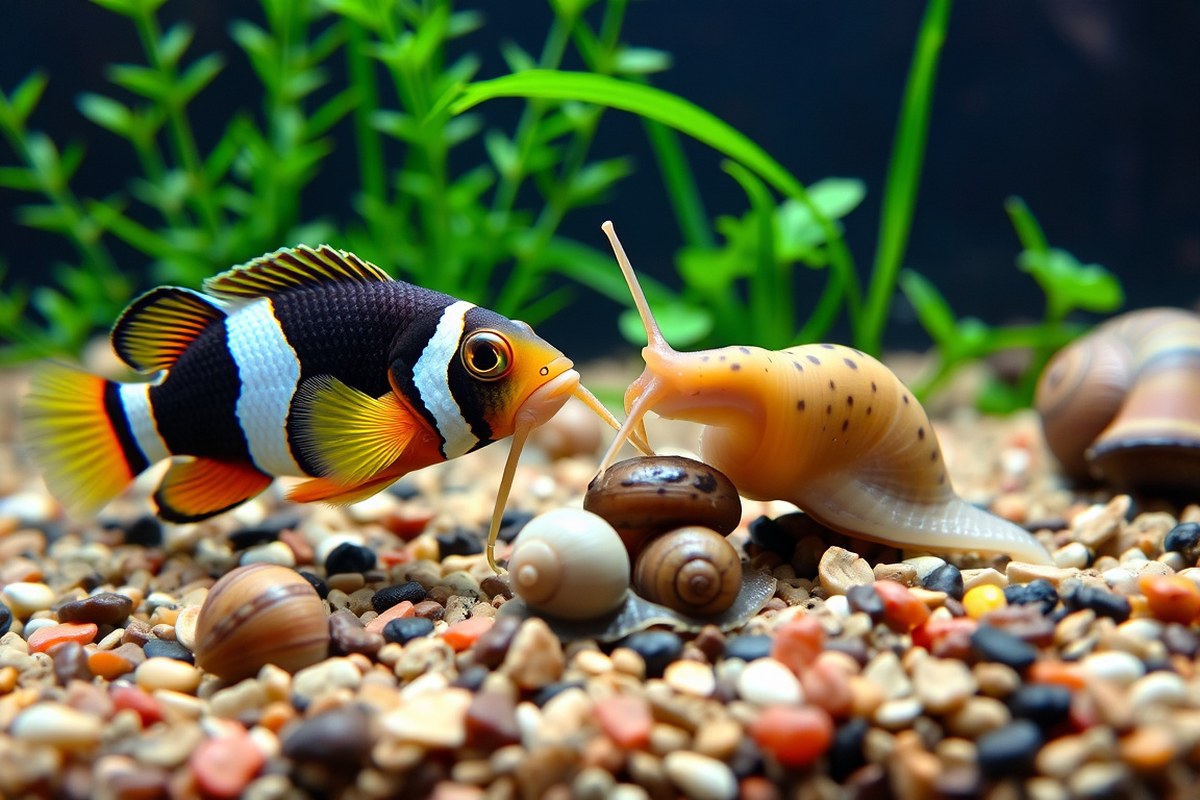
Various freshwater fish and invertebrates effectively consume pest snails, helping control their populations in aquariums. Species like assassin snails and certain loaches not only eat adult snails but can also reduce snail eggs, offering more thorough pest management. Understanding which species target specific snails lets you choose the right predator for your tank’s needs.
Top Snail-Eating Fish Species
Yoyo Loaches are among the best fish for eating pest snails. They actively hunt adult snails and snail eggs in the substrate, a behavior that significantly curbs snail populations over time. Clown Loaches also consume adult snails and snail eggs but require larger tanks and group care. Some cichlids and catfish species eat snails too, but their aggression and tank size needs may limit compatibility.
Loaches generally prefer tanks with plenty of hiding spots and stable water parameters. Keep in mind that species like clown loaches demand a group of five or more to feel secure and thrive, which can increase care complexity and space requirements. Effective results appear as a steady decrease in visible snails and fewer new shells.
Effective Snail-Eating Invertebrates
Assassin snails (Clea helena) are highly targeted predators of pest snails and the safest choice for biological control in community tanks. They slowly but steadily reduce snail populations by hunting common pests like bladder snails, ramshorn snails, and Malaysian trumpet snails. Assassin snails usually don’t reproduce rapidly, preventing overpopulation, and they tend to scavenge when pest snails are scarce, aiding aquarium cleanliness.
Other invertebrates generally do not prey on pest snails effectively, making assassin snails unique in their specific role. They behave like patient hunters, sometimes ganging up on larger snails and leaving empty shells. Introducing a moderate number of assassin snails based on pest snail density allows gradual control without disrupting tank balance.
Snail Types Targeted by Each Species
The following table summarizes key snail and predator species, their sizes, breeding habits, and best control uses. This helps match snail predators to your pest problems and aquarium setup.
| Species | Role | Breeding Risk |
|---|---|---|
| Nerite Snail | Best algae cleaner; eats green spot algae + diatoms | Zero in freshwater (larvae need brackish water) |
| Assassin Snail (Clea helena) | Predatory; eats pest snails and scavenges | Slow reproduction; self-limiting population |
| Malaysian Trumpet Snail (MTS) | Aerates substrate; eats detritus | Proliferates with overfeeding; control by reducing food |
| Ramshorn Snail | Scavenger; eats algae and decaying matter | Population mirrors overfeeding; reduce food first |
Assassin snails target bladder, ramshorn, Malaysian trumpet, and pond snails. Yoyo Loaches and clown loaches attack adults and eggs, making them especially effective against snails that reproduce quickly. Nerite snails don’t eat pest snails but help reduce algae, indirectly limiting snail food sources. Malaysian Trumpet Snails can be persistent, but assassin snails and manual substrate siphoning prove reliable solutions.
Calculating How Many Snail Predators You Need
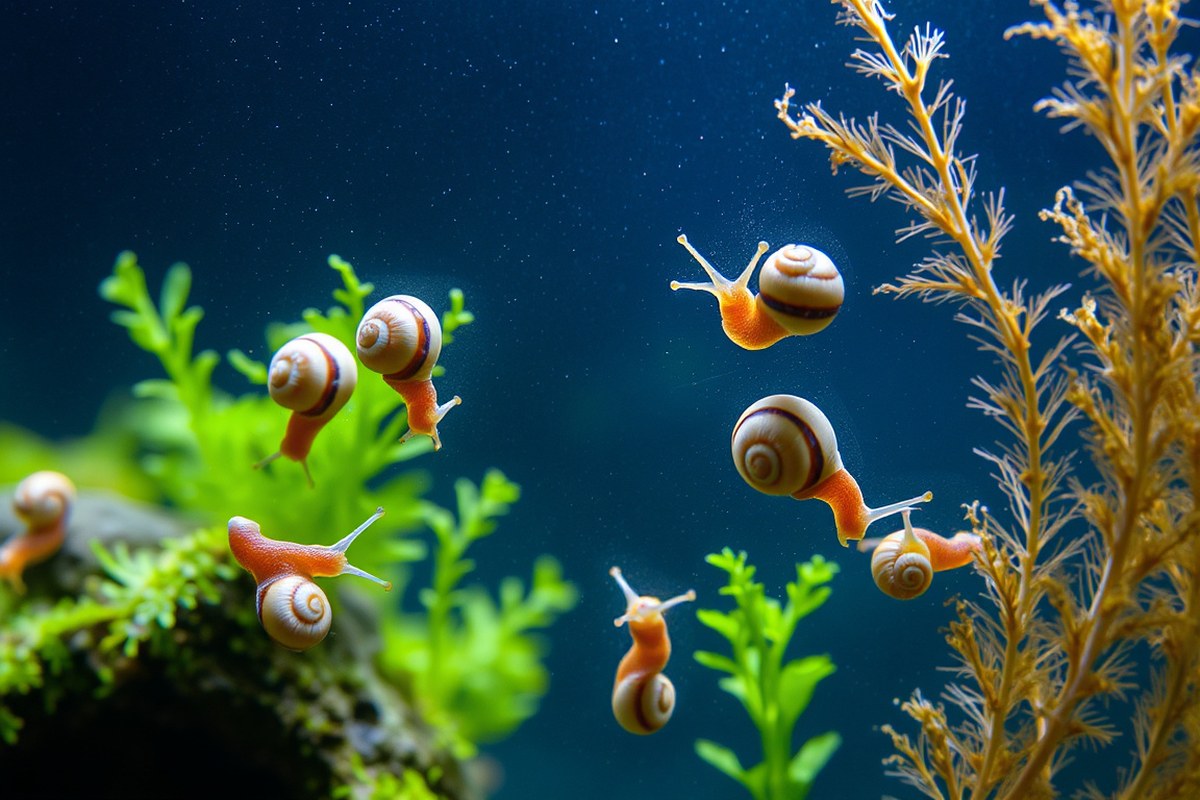
To estimate how many snail predators you need, count your existing pest snails and match them to an effective predator ratio based on the predator species. This approach helps set realistic expectations for controlling snails within a suitable timeframe, usually in weeks to months.
Assessing Your Snail Infestation Size
Start by identifying the pest snail species and then estimate how many are currently in the tank. You can do this by visual counts over several days to avoid double counting. Make a note of whether the snails are concentrated in certain areas or spread evenly.
Knowing the snail species also matters because larger or more strong snails like mystery snails require different predator numbers than smaller pest snails. Overestimating the infestation leads to better control and less risk of predator starvation.
Predator-Prey Ratios for Different Snail Eaters
Different snail predators have different feeding rates and size limits, so adjust predator numbers accordingly. For example, assassin snails, which prey on pest snails, work best at a ratio of about one predator per 20 to 30 pest snails. Fish species known to eat snails might need higher ratios depending on size and appetite.
To do a worked calculation, if you have 200 pest snails, start with about 7 to 10 assassin snails (200 ÷ 20 or 30 = 6.7 to 10). This ratio balances effective control without overcrowding. Some fish may require a higher number due to less focused snail predation or if the snails are larger.
Estimating Control Timeframes
Expect snail predators to reduce the pest population gradually over several weeks to months, especially if there is extra food available in the tank. Predators may scavenge leftover fish food, which slows snail control because snails remain fed and breeding.
Control timing also depends on predator species and initial pest population size. Smaller infestations can see noticeable reductions within a few weeks, but large populations like 200 snails can take a couple of months to deplete significantly. Follow these steps to estimate and plan your snail predator stocking:
- Count the pest snails visible over several days.
- Confirm snail species to understand growth and reproduction rates.
- Select predator species suited to the pest snail type and tank conditions.
- Apply an appropriate predator-to-prey ratio, such as 1 assassin snail per 20-30 pest snails.
- Calculate predator numbers based on your population estimate.
- Introduce predators gradually to avoid stress in your tank.
- Monitor snail numbers weekly and adjust predator stocking if populations do not decline.
- Provide supplemental food for predators once pest snails are under control to prevent starvation.
Remember that reducing food waste in the tank can speed up snail control because predators won’t compete with pest snails for leftovers.
Introducing Snail Predators Safely into Your Aquarium
Safely adding snail predators to your freshwater aquarium involves careful steps to prevent introducing more pests, protect your current inhabitants, and ensure the predators thrive. Quarantining and inspecting new arrivals, matching water conditions, and closely monitoring both predators and snail populations minimize risks. You can reduce the chance of predator die-offs and unexpected snail rebounds by following a clear protocol.
Quarantine and Inspection Procedures
Start by quarantining new snail predators, fish, or plants to avoid bringing pest snails or diseases into your main tank. Pest snails often hitch a ride on live plants or in substrate attached to newly purchased animals. Quarantine also lets you observe any health issues in new arrivals before exposing your established community.
Before introducing anything into the quarantine tank, carefully examine all plants and animals under strong lighting. Plants should be soaked in a dedicated tank for 15 days or treated in a solution containing 2 to 3 tablespoons of alum powder per gallon of water to remove snail eggs or small pests. Fish and invertebrates require close observation for any symptoms of disease or distress throughout a minimum two-week quarantine.
Adjusting Water Parameters for New Predators
Matching water parameters in the quarantine and display tanks reduces stress on new snail predators. Most snails and their predators thrive between 68°F and 78°F, with a neutral to slightly alkaline pH (6.5 to 8.0). Maintaining similar temperature, pH, hardness, and cleanliness during acclimation encourages predator health and survival.
To acclimate, slowly introduce small amounts of display tank water to the quarantine tank over 1 to 2 hours. This gradual adjustment gives new species time to adapt to minor differences in water chemistry without shock. Avoid sudden temperature or pH changes as these can lead to predator die-offs, which cause fluctuations in your tank’s balance and can trigger snail population spikes.
Monitoring Predator and Snail Populations
After introducing predators, carefully track their condition and snail population levels. Daily or every-other-day inspections during the first two weeks help catch problems early. Use a monitoring checklist with these key points:
- Observe predator activity and feeding behavior; healthy predators hunt small pest snails actively.
- Count visible pest snails weekly to assess population trends.
- Check for signs of stress or illness in predators and other tank inhabitants.
- Note unexpected snail eggs or new snail types appearing in the tank.
- Record water parameters regularly to ensure stability.
Maintain a written log or spreadsheet of these observations. If predator numbers decline or snail populations spike again, evaluate compatibility issues, water quality, or possible food shortages. Adjust feeding or consider supplementary predator introductions when needed, but avoid overstocking to keep the community balanced.
Compatibility of Snail Predators with Community Tanks and Shrimp
Choosing snail predators that are safe in community tanks with shrimp and other invertebrates requires understanding each species’ feeding habits and temperament. For example, pond snails make effective scavengers alongside peaceful fish and shrimp. They grow to around 3.5 inches and thrive in tanks of 30 gallons or more, but nano tanks starting at 5 gallons can accommodate one or two without issues. Pond snails don’t prey on shrimp or other invertebrates, so they offer a natural way to control smaller pest snails without risking damage to your shrimp population.
Assassin snails are another option valued for their chemical-free pest control. They grow about 1 inch long and need at least 10 gallons of tank space to find enough prey and roam comfortably. While assassin snails efficiently hunt pest snails, they can pose a threat to very delicate or small shrimp species if food is scarce. Use assassin snails primarily where your shrimp are larger or more strong, and provide enough snail prey to keep them from turning to invertebrates. Avoid copper-based snail treatments in tanks with shrimp or other invertebrates, as copper is toxic and can linger in the tank environment for years.
Combining multiple snail-eating species can work well if chosen carefully. For instance, pairing assassin snails with kuhli loaches offers complementary benefits: assassin snails target adult pest snails, while kuhli loaches seek out snail eggs and juveniles. Kuhli loaches are peaceful bottom dwellers and safe with shrimp and community fish. This combination helps reduce snail populations at different life stages without introducing conflict. Always monitor behavior closely after adding new species, especially in smaller tanks, to avoid predation on your desirable aquatic life.
Small tanks under 10 gallons limit your options. Assassin snails can survive in tanks that size but benefit from larger spaces for hunting. Pond snails or a handful of kuhli loach-type fish, if compatible, might be better depending on your shrimp species and tank mates. Providing plenty of hiding spaces and dense planting can reduce stress for your shrimp and limit unexpected aggression from predator species.
The key is matching predator species to your specific tank size, inhabitants, and snail problem severity. Choosing peaceful snail predators helps maintain harmony in your community tank and protects vulnerable shrimp and invertebrates. Observing your tank inhabitants regularly for changes in behavior and snail population size can guide adjustments in predator numbers and tank management to keep both pests and risks under control.
Aquarium Conditions That Favor Effective Snail Control
Maintaining stable water parameters is critical for supporting the health and hunting efficiency of snail predators in your freshwater aquarium. Most effective snail hunters, such as assassin snails, thrive in warm tropical temperatures typically between 72 and 82°F. Keeping your aquarium within this temperature range ensures their metabolism and activity levels stay high enough for them to actively seek out and consume pest snails. Temperatures outside this range can slow their movement or cause stress, decreasing their ability to control snail populations.
PH levels between 7.0 and 8.0 create the optimal environment for both snail predators and pest snails, affecting their shell formation and overall survival. Lower pH levels can gradually dissolve calcium in snail shells, weakening them and possibly harming predators that rely on healthy shells for protection or mobility. A stable pH also prevents sudden chemical fluctuations that may stress or kill sensitive species. Regular testing and partial water changes help maintain this balance effectively.
Water hardness, measured as general hardness (GH), is often overlooked but plays a direct role in maintaining predator and prey shell health. A GH level of 8 to 15 dGH provides sufficient bioavailable calcium to support strong shells, which is essential for snail-eating species that rely on well-formed shells to withstand fights with their prey. Maintaining a carbonate hardness (KH) between 4 and 8 dKH helps buffer the pH, preventing harmful swings that can further affect predator efficiency and aquarium stability.
Regular water maintenance routines that include partial water changes, adequate filtration, and avoiding overfeeding contribute to a stable environment that supports the natural behavior of snail predators. They also reduce harmful substances such as ammonia and nitrite, which should remain at 0 ppm because snails and their predators are more sensitive than many fish species to these toxins. Copper contamination, even in trace amounts, can be lethal to invertebrates, so avoid medications or water sources containing copper.
Regional and seasonal variations can influence your aquarium’s parameters and, consequentially, the performance of snail predators. In cooler climates or during colder months, maintaining tropical temperatures requires consistent aquarium heating. Conversely, high temperatures approaching the upper threshold can happen in warmer regions or seasons, potentially stressing your snails. Adjust your heater settings and monitor water parameters closely to ensure they stay in the preferred ranges year-round.
Consistently test your aquarium’s temperature, pH, and hardness weekly to catch and correct harmful fluctuations before they impact your snail predators’ health and hunting efficiency.
Preventing Future Pest Snail Outbreaks Naturally
Preventing future pest snail outbreaks naturally begins with careful quarantine and inspection of all new plants and fish before adding them to your aquarium. Pest snails and their eggs often hitchhike on plants or cling to fish, so isolating new arrivals in a separate tank for at least two weeks reduces the risk of introducing unwanted pests. During quarantine, check for visible snails, egg clusters, or unusual debris on leaves and tank surfaces. Removing any pests early avoids contamination of your main tank.
Managing feeding is another key strategy. Overfeeding creates leftover food that pest snails rely on to reproduce rapidly. Cut back feeding to about 70% of your usual amount and reduce feeding frequency to once daily or every other day for two weeks when you notice rising snail numbers. This limits extra food without harming fish health and can slow or stabilize snail populations by reducing their primary food source.
- Inspect new plants for snails or eggs before quarantine
- Quarantine new plants and fish separately for 2 weeks
- Remove visible snails and egg clusters during quarantine
- Reduce feeding quantity to 70% of normal during treatment
- Feed less frequently, once a day or every other day
- Regularly siphon uneaten food and debris during water changes
- Avoid using copper-based medications unless snails are quarantined
Tank maintenance plays an essential role in preventing outbreaks. Regular vacuuming of the substrate removes leftover food and detritus that snails consume. This practice, combined with partial water changes once weekly, keeps the environment less hospitable. Moderate lighting encourages healthy plant growth, which can compete with snails for resources, but avoid excessive light that promotes algae blooms feeding snails. Using these natural methods supports a balanced ecosystem and weakens the pest snail populations over time.
Quarantine also protects snails themselves if you are using biological controls like assassin snails. Moving snail predators out of the main tank during fish treatment avoids accidental deaths caused by copper-based fish medications, which are toxic to snails. Careful attention to quarantine and feeding management requires just patience and routine but pays off with fewer snail surprises in your freshwater aquarium.
Common Mistakes When Using Snail Predators and How to Fix Them
One common mistake when using snail predators is introducing too many predators at once or not monitoring their impact closely. Overloading your aquarium with snail-eating species can lead to stress among fish and invertebrates, and in some cases, predators might run out of food quickly if the snail population crashes suddenly. To avoid this, start with a small number of predators and watch how your snail population changes over a couple of weeks. Adjust the predator count slowly, allowing the ecosystem to balance naturally without stressing the other aquatic inhabitants. Gradual introduction helps maintain stable water conditions and prevents harm to your predator species.
Another frequent error involves neglecting the predators’ diet needs. Some snail-eating fish and invertebrates require more than just snails to thrive. For example, pea puffers and assassin snails perform better when they have access to a steady supply of pest snails, supplemented by protein-rich foods like bloodworms or brine shrimp. Without this balance, predators can become weak or stop hunting, which results in persistent snail populations. Feed your snail predators a diverse diet that matches their natural habits if you notice their health declining or pest snails persisting despite their presence.
Failing to match predator species with tank conditions often causes problems, such as death or escape attempts. Some predators need specific water parameters, tank sizes, or hiding places to feel secure. When these needs go unmet, snail predators might refuse to eat snails or perish quickly. Check the care requirements for each snail predator species before purchase, including minimum tank size and water chemistry preferences. Match these with your existing aquarium setup to improve survival rates and hunting efficiency. Should predators die off, review water quality and tank conditions first before adding new individuals.
A common struggle occurs when pest snail populations fail to decline despite predators in the tank. This can happen if there are too few predators or if the pests reproduce faster than they are consumed. In such cases, reassess your predator density based on the snail load. Increasing the number of predators gradually or adding another compatible predator species can improve control. Also, remove excess food that might feed the snails directly, such as uneaten fish flakes or excess plant matter. Reducing alternative food sources helps direct predator attention to snails and lowers snail reproduction rates.
Occasionally, hobbyists mistakenly assume all snail predators breed easily or remain in check themselves. Assassin snails can reproduce, but less rapidly than pest snails, making them a manageable option for many tanks. However, monitoring their population and removing excess assists in avoiding another overpopulation problem. Collect eggs or snails regularly to avoid surprises. For fish like pea puffers, breeding is less common in community tanks, but keeping only a few prevents territorial aggression and competition.
Troubleshooting persistent snail problems or predator losses starts with a simple checklist: verify water parameters, evaluate predator diet and population size, and remove leftover food that supports snails. When snail numbers remain high, introduce additional predators carefully and maintain a balanced feeding schedule. Monitoring these factors weekly lets you catch issues early and keep both predator and prey populations stable. Patience and observation are key to correcting errors and achieving lasting snail control in your freshwater aquarium.
Combining Biological and Environmental Controls for Best Results
Combining biological snail predators with environmental controls provides a balanced approach to managing pest snails in your aquarium. Adjusting feeding habits, such as cutting feedings to once per day, naturally reduces snail populations within 2 to 4 weeks by limiting excess food that fuels their growth. This strategy works well with slow-breeding snail predators like assassin snails, which target small pest snails without risking overpopulation or threats to other tank inhabitants.
Using chemical treatments alongside biological controls requires caution. Chemicals aimed at eradicating snails can stress or harm your snail predators and other aquatic life. Instead, focus on environmental adjustments such as lowering feeding frequency and improving tank cleanliness to reduce snail food sources. These methods support predator effectiveness without the risks associated with chemicals. Snail traps can also supplement biological control but should be used carefully to avoid disrupting beneficial populations.
Crayfish and cichlids are popular alternatives for pest snail control, but they come with trade-offs. Crayfish may consume snails rapidly when hungry, but their appetite varies, and they might ignore snails if other food is plentiful. Also, crayfish can disturb plants and tank decor, potentially stressing peaceful fish and invertebrates. Cichlids are efficient snail eaters but often display territorial or aggressive behavior, making them less suitable for community tanks. Consider your aquarium’s species compatibility and decoration stability before adding these predators.
Supplemental feeding of snail predators depends on your tank’s snail population. While assassin snails efficiently prey on small pest snails, they reproduce slowly and might need occasional supplemental food to thrive, especially if snail numbers decline. Providing algae wafers, sinking pellets, or specially formulated invertebrate foods supports predators without overfeeding the tank overall.
| Method | How It Works | Benefits | Drawbacks |
|---|---|---|---|
| Reduced Feeding Frequency | Limits excess food, reducing snail reproduction | Natural, low cost, minimal stress to fish | Slower snail population reduction (2, 4 weeks) |
| Biological Predators (e.g., Assassin Snails) | Prey on pest snails, breed slowly | Targets pests without harming tank mates | Need supplemental feeding if snail prey declines |
| Crayfish | Eat snails when hungry | Rapid snail reduction | Can disturb tank and may ignore snails when full |
| Cichlids | Active snail predators | Effective at snail control | Aggressive, less suitable for community tanks |
| Snail Traps | Trap and remove snails manually | Target specific pests without chemicals | Must be checked frequently, may miss some snails |
Using biological and environmental controls together means starting by reducing your feeding amounts and frequency. Introduce slow-breeding predators like assassin snails and only add supplemental feed when pest snails become scarce. Avoid chemicals unless absolutely necessary, as they may harm your predators. Crayfish or cichlids should be reserved for tanks without delicate or peaceful inhabitants. Monitor your tank for signs of stress or aggression and adjust the predator population accordingly.
Always introduce at least five crayfish if you choose them for snail control to prevent stress caused by isolation.
Step-by-Step Action Plan for Controlling Pest Snails with Natural Predators
Use this plan to introduce snail-eating species safely and effectively, monitor their impact, and keep your aquarium balanced.
- Before you start: Identify the pest snail species and calculate how many predators you need based on your tank size and snail population. This ensures proper predator-prey balance.
- Day 1: Choose compatible snail predators, like certain assassin snails or loaches, that won’t harm your community fish or shrimp. Select healthy individuals from a reliable source.
- Day 2: Quarantine the new predators separately for 1, 2 weeks to prevent introducing diseases. Watch for signs of illness or stress.
- Week 1: Gradually acclimate predators to your tank’s conditions and introduce them carefully. Monitor their behavior to confirm they are active and safe with other tank mates.
- Weeks 2, 4: Track snail population regularly to see reductions. Note if predators are controlling snails without harming plants or other inhabitants.
- After 4 weeks: Adjust environmental factors like substrate cleaning and feeding to avoid supporting new snail outbreaks. Maintain good tank hygiene.
- Monthly: Continue monitoring predator health and snail numbers. Correct any signs of predator stress or unexpected snail increases by revisiting tank conditions or predator numbers.
- Ongoing: Combine biological control with preventive measures, such as manual snail removal and avoiding overfeeding. This keeps your aquarium balanced long term.
Frequently Asked Questions
What Gets Rid of Pest Snails?
Pest snails die down when you reduce overfeeding and add natural predators like assassin snails. Cleaning leftover food removes their main food source.
What Is the Main Predator of Snails?
Assassin snails are the primary snail predators in freshwater tanks, slowly eating pest snails. They require minimal care if pest snails are present.
Why Shouldn’t You Touch Snails?
Handling snails can harm their delicate shells and spread diseases to your tank. Use tools or gentle netting when moving or removing them.
Are Pest Snails Bad for Your Fish Tank?
Pest snails can overpopulate, causing unsightly tanks and competing with fish for food. They usually signal excess feeding rather than dirtiness.
Can Snail Predators Harm Live Plants?
Most snail predators like assassin snails don’t damage live plants, so they’re safe for planted tanks. Avoid overly aggressive species that might uproot plants.
Do Snails Carry Diseases Harmful to Fish?
Some snails can carry parasites or bacteria, posing risks to fish health. Quarantine new snails and plants before adding them to the tank.
Before You Go
Choosing the right snail predators can effectively reduce pest snails in your freshwater aquarium while keeping your ecosystem balanced. Start by selecting a compatible fish or invertebrate that suits your tank’s conditions and community. Today, identify the predator that fits your setup and research the best way to introduce it safely to begin controlling your snail population naturally.