Does Human Scent Deter Rats Attic Pest Control? What Actually Works
Human scent alone generally does not effectively deter rats in attic pest control. Rats can quickly get used to familiar smells, including human scent, making it an unreliable long-term solution to keep them away. Some types of human scent might have a temporary effect, but relying solely on this method rarely stops an infestation.
Homeowners, renters, and DIY pest controllers looking for natural attic rat deterrents will find clear insights here on how human scent interacts with rat behavior. This article covers types of human scent, scent duration, potential rat habituation, and practical steps for using scent alongside other techniques to manage attic rat problems effectively.
Key Takeaways
- Human scent may temporarily deter rats in attics but is not a reliable long-term solution without additional control methods.
- Fresh human scent from body oils and sweat can repel rats, while scents from food or weak hygiene may attract them instead.
- Human scent typically fades within a few days, requiring frequent reapplication to maintain any deterrent effect against attic rats.
- Rats can become habituated to human scent over time, reducing its effectiveness as they learn it poses no real threat.
- Natural deterrents like peppermint oil or ammonia offer stronger and longer-lasting rat repellency compared to human scent alone.
- For attic rat control, apply fresh human scent regularly on rags near entry points, combined with sealing gaps and traps for best results.
Does Human Scent Really Deter Rats from Attics?
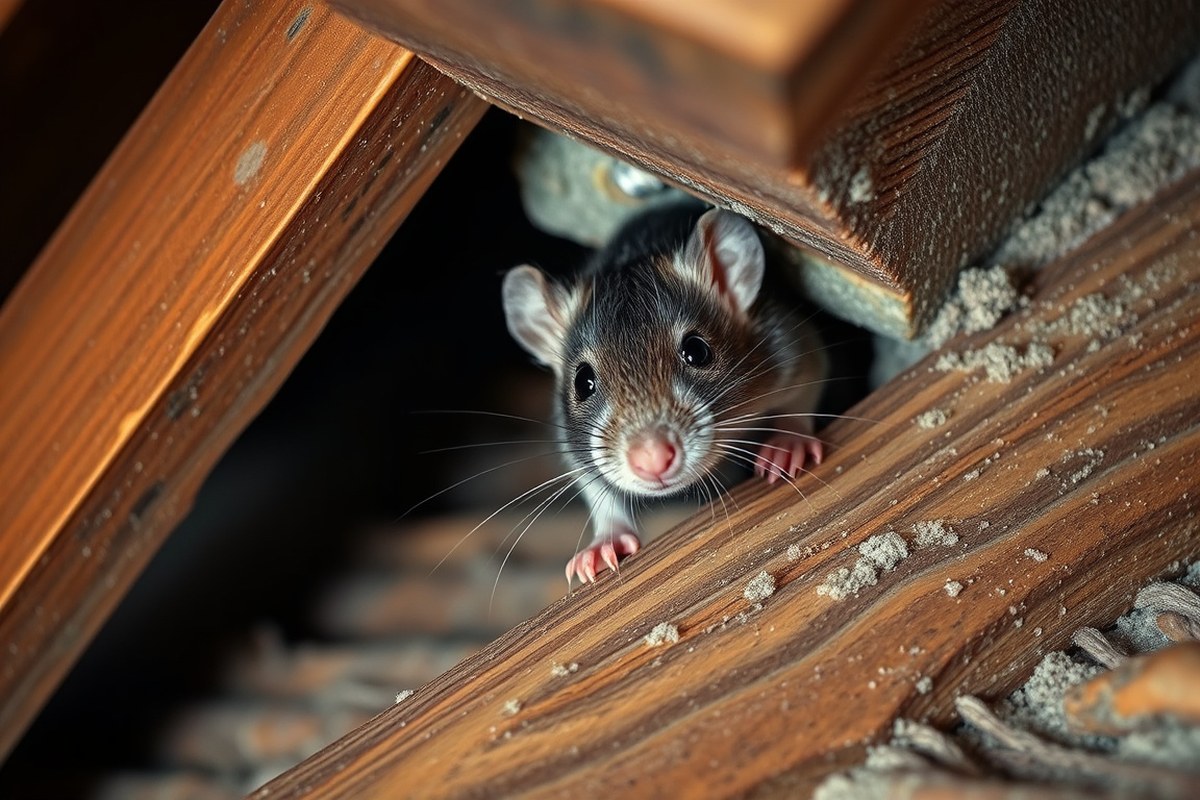
Human scent alone does not reliably deter rats from attics. Rats are highly adaptable creatures with a keen sense of smell, but their reaction to human odor depends on various factors such as scent intensity, previous exposure, and their hunger or stress levels. While rats may initially avoid strong unfamiliar scents, they often become accustomed to human presence over time, especially if there’s food or shelter inside the attic.
Rats rely heavily on their sense of smell for navigation, food detection, and recognizing threats. The presence of a fresh, strong human scent may create a temporary sense of danger for wild rats entering an attic. However, rats that have lived near humans or in urban environments often tolerate or ignore human odors because staying away from an attic just due to scent may not be practical if the space offers abundant food or nesting spots.
Expert pest management sources indicate that human scent is not an effective standalone method for attic rat control. Rats can distinguish between different types of odors but often prioritize survival needs over mild deterrents. Using human scent as a deterrent requires maintaining consistent, strong scents and combining this approach with other control methods like sealing entry points and removing attractants, rather than relying on scent alone.
To attempt using human scent as a deterrent, you could regularly enter and disturb the attic space, leaving behind clothing or items with your scent. This requires frequent revisits, perhaps daily or every few days, to keep the scent fresh and noticeable. This method demands time and willingness to access the attic regularly, which may not be practical for all homeowners or renters. Costs are minimal since it primarily involves your own presence or worn items, but the effort and inconsistency in effectiveness often make this a supplementary tactic.
Good results from using human scent as a deterrent look like rats avoiding specific areas within the attic for short periods. If you notice repeated rat activity returning quickly despite your presence, it usually means they have gotten used to the scent. This habituation reflex reduces the long-term success of using human odors to keep rats out.
In situations with severe infestations or older rats accustomed to human presence, relying on human scent may not work well. Young or wild rats inexperienced with humans might be more cautious, so human scent might temporarily delay their activity. For best results, human scent should be part of a broader pest control plan, including cleaning up food debris, using traps, and sealing entry points. For persistent problems, consulting a licensed pest control professional is recommended to ensure safe, complete attic rat management.
What Types of Human Scent Might Repel or Attract Rats?
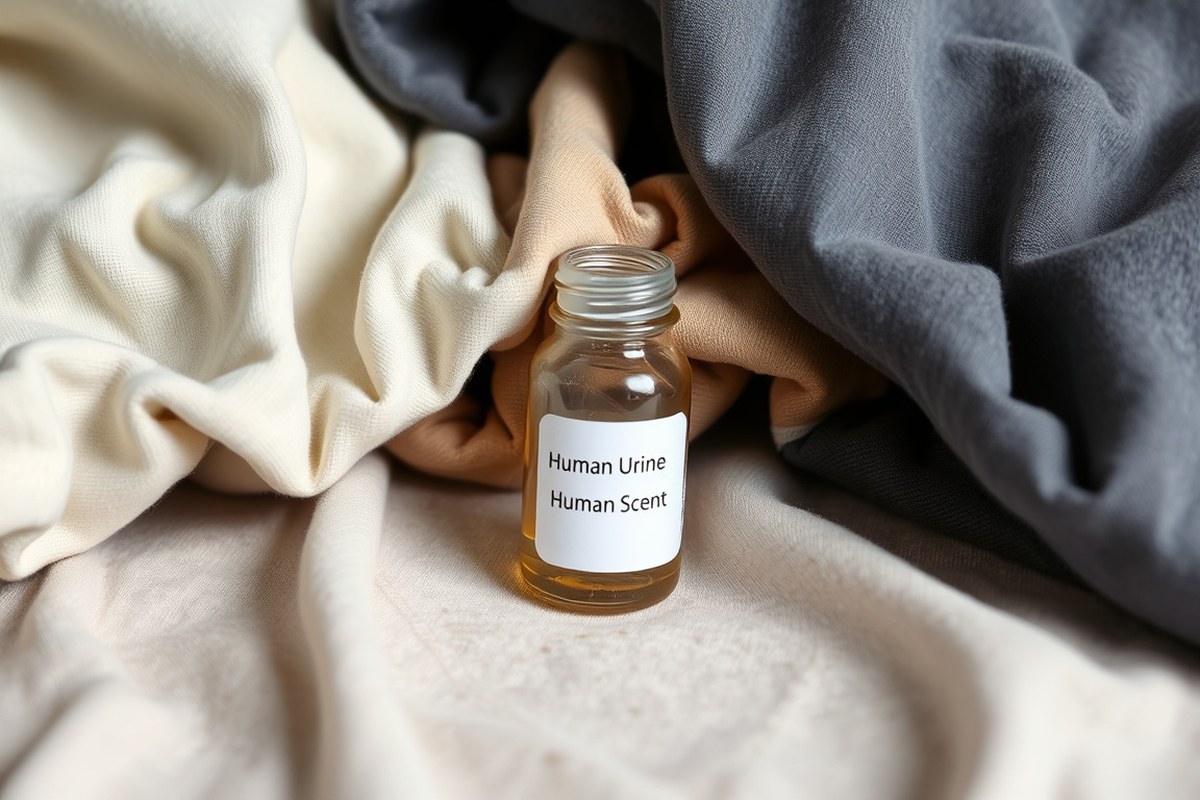
Different human scents can either repel or attract rats, depending on the source and composition. Clothing odors, sweat, and even residue from personal care products each carry distinct chemical signals that rats respond to differently. Knowing which types of human scent might discourage or encourage rats helps you manage attic pest control more effectively.
Common Human Body Odors Impacting Rats
Rats generally avoid strong body odors that signal the presence of a predator, including human scents. The natural oils and bacteria on your skin produce scents that can be detected by rats, potentially making them wary of an area. Clothing worn during vigorous activity often carries more pungent odors, increasing the chance of deterring rats.
However, some human body odor components, like food traces or sweat mixed with certain diets, can actually attract rats. Clothes left in attics or near entry points without washing may retain smells that rodents interpret as food sources or safe environments.
Scent Residues from Personal Care Products
Products like deodorants, perfumes, and lotions add artificial scents that may repel or attract rats based on their chemical makeup. Citrus, mint, and eucalyptus-based products are generally unpleasant to rodents and can serve as natural repellents. On the other hand, sweet or musky fragrances might unintentionally lure rats closer if they resemble food aromas.
The way these scents linger on fabrics or skin depends on product concentration and how recently they were applied. Using personal care products with known repellent qualities consistently before entering the attic could help create an unwelcoming environment.
Effects of Sweat Composition on Rodents
Sweat contains a complex mixture of water, salts, and organic compounds that vary based on factors like diet, health, and physical exertion. Rats can detect these variations and may respond differently depending on the chemical signals emitted. For example, sweat rich in ammonia and urea might signal danger or stress, encouraging rats to stay away.
On the contrary, if sweat carries sugars or fatty acids from food residues on the skin, it can attract rats searching for easy meals. Active presence and frequent movement in an attic, which produce fresh sweat scents, might create a more hostile environment for rodents compared to stale or absent human scent.
Impact of Human Food Scents on Rats
Rats have a keen sense of smell and are often drawn to human food odors more than other human scents. Droplets of sweat or residue containing food smells such as greasy snacks, sweets, or fruits can inadvertently attract them. This risk increases in attics if food is stored or if crumbs are present on clothing or fabrics.
Keeping clothing freshly laundered and avoiding storing food-contaminated items in or near the attic reduces the likelihood that rats will associate human presence with a food source. Implementing strict attic sanitation routines is key when relying on scent-based deterrence.
- Store food outside of the attic and seal any potential entry points
- Wash clothing regularly after exposure to food or sweat
- Avoid wearing clothes with strong food smells when accessing the attic
- Use airtight containers for any stored fabric or materials that could trap odors
- Remove trash and clean spills promptly
- Ventilate the attic to disperse lingering food scents
These steps help maintain an environment where human scent acts as a deterrent rather than an invitation.
Role of Pheromones in Rat Behavior
Human pheromones are subtle chemical signals that communicate emotional and physiological states. Though rats mainly respond to their own species’ pheromones, certain human pheromones detected through sweat or skin contact might influence rat behavior indirectly. For example, fear or stress pheromones could make rats avoid an area.
Conversely, the absence of familiar rodent pheromones combined with unusual human scents might confuse rats but can result in curiosity rather than fear. Consistent human presence and scent reinforce the perception of the attic as a hostile territory rather than a nesting site.
Do not use human urine as a repellent; it can attract rats or cause hygiene issues and is not a reliable deterrent.
How Long Does Human Scent Remain Effective as a Rat Deterrent?
Human scent can deter rats for a limited time, usually lasting from a few days up to about a week, depending on several factors. The effectiveness declines as the scent fades or is dispersed by airflow and environmental conditions in the attic. To maintain deterrence, refreshing the scent every few days is often necessary.
Environmental Factors Affecting Scent Persistence
Scent longevity depends heavily on the environment around it. High temperatures can cause scents to evaporate faster, while cooler conditions help preserve scent molecules longer. Exposure to sunlight, even through attic vents or windows, accelerates scent breakdown through UV rays.
Materials in the attic also absorb or reflect scent differently. Porous surfaces like wood or insulation hold scent longer compared to metal or plastic. Dust and debris can either mask human odors or mix with them, changing how rats perceive the scent.
Typical Duration of Scent in Attics
Generally, human scent remains noticeable to rats for three to seven days under average attic conditions. In dry, well-ventilated attics, scent dissipates more quickly and may last closer to three days. In cooler, less ventilated spaces, the scent can linger for nearly a week.
Since rat activity is influenced by scent strength, shorter scent duration means the deterrent’s effectiveness also drops off sooner. That requires consistent reapplication or refreshing of the scent to maintain its repelling effect.
Influence of Ventilation and Humidity Levels
Good ventilation accelerates scent loss by circulating fresh air and removing scent particles. Attics with fans, vents, or open gables tend to experience faster scent dissipation. Conversely, poorly ventilated attics trap scents longer, but humidity may then play a larger role.
High humidity can either help preserve scent molecules or cause them to wash away if condensation forms on surfaces. Damp attics often experience a complex balance where scent sticks around in some areas but fades faster in spots exposed to moisture. Low humidity promotes quicker evaporation and scent fade.
Degradation Rate of Different Scent Types
Natural human scent left by skin oils or sweat fades faster than concentrated scent deposits like clothing or hair. Sweat evaporates within a day or two, while scent on fabrics trapped in an attic may last longer. Oils trapped in fabric fibers degrade slower, extending the repellent effect.
Using scent-infused items like worn clothing or used socks can extend how long the scent stays detectable versus just brief contact with surfaces. However, these items still need replacement or refreshing every few days to maintain potency.
Methods to Prolong Human Scent Effectiveness
Placing scent sources in shaded, less ventilated parts of the attic can help extend how long rats detect the odor. Using fabric items that can be easily rotated or swapped, like worn clothes or socks, allows for more consistent scent presence.
Refreshing scent every 2 to 3 days keeps the deterrent active. Bringing in new worn items or reapplying scent by lightly rubbing fabrics on skin before placing them back in the attic can maintain attraction and coating of scent molecules on surfaces.
Combining human scent with other deterrents such as natural repellents may also compensate for the limited duration of scent alone, providing more continuous protection. However, be careful not to introduce items that attract rats, like food residues, when attempting to maintain human scent presence.
Can Rats Become Habituated to Human Scent over Time?
Rats can become habituated to human scent, meaning they grow used to or stop reacting to it after repeated exposure. This desensitization reduces the effectiveness of scent-based deterrents over time in controlling attic infestations. When rats detect a scent often without any real threat, they learn to ignore it, making human scent less useful as a long-term rat repellent.
Habituation happens because rats rely on their senses to assess danger. Initially, the unfamiliar smell of humans may cause avoidance, but if no negative consequence follows, the rats begin to treat the scent as part of their environment. This adjustment allows them to move freely despite the presence of human smell, undermining deterrence efforts.
To delay habituation, change up the scent patterns frequently. Rotating different human scent sources or introducing variable scent intensities can maintain the rats’ uncertainty. For example, you might use worn clothing in one section of the attic and then replace it with fresh laundry or even scented soaps in another. Avoid leaving the same scent unchanged for more than a few days, as static scent placement encourages quick habituation.
Applying scent intermittently rather than continuously also helps. Removing scent sources for short periods before reintroducing them can keep the rats alert to a possible threat, instead of becoming comfortable with persistent smells. Use a schedule like two days with scent followed by one day without it. This on-off pattern requires you to check your attic and replace or move scent items regularly, demanding some effort but improving results.
Even with these techniques, human scent alone rarely prevents or eliminates a full rat infestation because habitation ultimately occurs. Using human scent in combination with other controls, such as sealing entry points and setting traps, creates a more effective strategy. Relying on scent alone risks wasting time and resources when rats have adapted and no longer respond.
The cost of changing and refreshing scent sources is mainly time and minor expenses for materials like clothing or soap. Results look best when rat activity noticeably decreases soon after scent placement before habituation sets in. Signs rats are ignoring scent include fresh droppings near scent locations or persistent gnaw marks despite human smell. That’s a clear signal to adjust your approach or include other control methods.
Comparing Human Scent with Other Natural Rat Deterrents
Human scent offers a direct and simple way to signal presence in an attic, which might discourage rats initially. However, its effectiveness tends to diminish quickly as rats can become accustomed to the odor over time. Other natural deterrents like peppermint oil, ammonia, and predator urine provide more potent chemical cues but have different sets of benefits and drawbacks regarding cost, ease of use, and lasting impact.
Peppermint oil is popular because it is non-toxic and easy to apply with cotton balls or sprayers. Its strong smell irritates rats’ sensitive noses and reduces activity, but the scent fades within a few days, requiring frequent reapplication. Ammonia mimics the smell of urine and creates a strong aversive environment for rodents, but it can be harsh on humans and pets, requiring careful handling and ventilation. Predator urine, such as from coyotes or foxes, cues rats to danger and can provide longer-lasting results, but it can be expensive, harder to source, and may carry its own odors that some homeowners find unpleasant. The following table compares these natural rat deterrent methods by key factors relevant to attic use:
| Deterrent | Ease of Use | Initial Cost | Effectiveness Duration | Risks or Drawbacks |
|---|---|---|---|---|
| Human Scent | Very Easy (wear clothes, leave towels) | Low (free) | 1-2 days | Rapid habituation by rats |
| Peppermint Oil | Easy (apply on cotton balls or sprays) | Moderate ($5-$15 per bottle) | 2-3 days | Needs frequent reapplication; scent fades quickly |
| Ammonia | Moderate (spray or soak cloth) | Low ($3-$10) | Up to 1 week | Strong fumes; harmful to pets; requires ventilation |
| Predator Urine | Moderate (purchase and place strategically) | High ($15-$30 per ounce) | Up to 2 weeks | Expensive; difficult to store; strong odor for humans |
Human scent is the easiest and most economical deterrent but loses effectiveness fast as rats get used to it. Peppermint oil balances safety and scent strength but requires consistent upkeep. Ammonia is effective over a longer time but involves health risks due to fumes. Predator urine offers the longest repellency but at a higher cost and with an unpleasant smell for some. Combining methods, such as using peppermint oil along with human scent, may improve results by introducing varied stimuli that delay habituation.
Practical tip: Rotate between peppermint oil and predator urine every few days while keeping the attic disturbed occasionally with human activity to reduce the chance of rats getting used to any single scent.
Practical Steps to Use Human Scent in Attic Rat Control
You can use human scent in your attic to discourage rats by placing items that carry your natural smell strategically. The key is to ensure the scent is fresh and repositioned regularly so rats do not become accustomed to it. Follow practical steps to prepare, place, and maintain these scent sources while taking safety precautions for your family and pets.
Preparing Scent Materials Safely
Start with items that retain your natural scent without using harsh chemicals or perfumes, which might attract rodents or irritate humans and pets. Clothing worn for several hours or lightly soiled towels work well because they carry sweat and skin oils that rats find unfamiliar and unsettling. Avoid using scented detergents or fabric softeners on these items to maintain a pure human scent.
Before placing any scent material, wash your hands thoroughly to prevent transferring other odors that could confuse or attract rats. Use gloves if handling the material for long periods or if you have open cuts.
Best Attic Locations to Place Scent Sources
Focus on places where rats commonly travel or nest, such as near entry points, along beams, rafters, or close to insulation areas. Place scent items in small breathable bags or loosely folded fabrics to expose the scent efficiently without trapping moisture. Avoid blocking airflow or creating spaces where condensation can build up to prevent mold growth.
Positioning scent sources near food storage areas or water lines is not advised as these could attract rats instead. Instead, spread human-scented items at intervals of about 5 to 10 feet to create a consistent barrier. Check your attic layout and known rat activity zones to prioritize placement.
Maintaining and Refreshing Scent for Ongoing Effect
Replace scent materials every 3 to 7 days depending on attic ventilation and humidity. Human scent fades faster in damp, poorly ventilated areas, reducing its deterrent effect. Removing and reintroducing freshly worn items maintains the novelty rats need to stay away.
Store used items in a sealed container when not in use to preserve their scent. In cases of heavy infestations, rotating multiple scent parcels helps keep rats unsure and unsettled. Monitor the attic regularly to observe any signs of rat activity returning, which indicates the need for more frequent refreshes.
Precautions to Avoid Attracting Rats or Harming Pets
Do not add food remnants, perfumes, or chemicals to scent materials as these can attract rats or harm your pets. Keep scent items out of reach of children and animals to avoid accidental ingestion or chewing. Secure any containers or bags to prevent rodents from nesting inside or pets from accessing them.
Ensure good attic ventilation to prevent buildup of odors that might become overpowering to humans and pets. If you have pets that access the attic, supervise them around scent materials and clean up any droppings or nesting material promptly to avoid spreading disease or parasites.
- Choose clothing or fabric recently worn by a household member for several hours without strong fragrances.
- Place each item in a small, breathable fabric bag or loosely fold it to expose human scent efficiently.
- Position these scent sources every 5 to 10 feet along walls, rafters, and near suspected entry or travel paths of rats in the attic.
- Check and replace scent materials every 3 to 7 days, depending on the attic’s humidity and airflow.
- Rotate multiple scent items by storing unused ones sealed in airtight containers to retain freshness.
- Avoid placing scent sources near food, water, or exposed insulation to prevent attracting rather than deterring rats.
- Keep scent items away from pets and children, securing them to avoid accidental contact or ingestion.
- Inspect the attic regularly for signs of rat activity and adjust the scent placement or refresh rate accordingly.
Monitoring Effectiveness and Knowing When to Seek Professional Help
Monitor rat activity carefully to determine if human scent deterrents are effective in your attic. Look for fresh signs such as new droppings, gnaw marks, or noises at night. These indicate rats remain active despite your efforts. Set a regular schedule to inspect the attic multiple times per week, especially shortly after applying or refreshing human scent sources. Use this checklist to evaluate whether human scent methods are working:
- Check for fresh rat droppings or urine stains near entry points or nesting areas
- Listen for scratching, scurrying, or squeaking sounds during quiet hours
- Look for new gnaw marks on wood, wiring, insulation, or stored items
- Observe if previously disturbed debris or nesting materials has been rearranged
- Note any distinct rat odors or urine smell that become stronger
- Record sightings of rats or evidence of their pathways inside the attic
You can test if human scent deterrents are working by temporarily removing the scent sources for a few days and observing changes. A decrease in rat signs suggests the scent has some effect, while stable or increased activity means it may not deter them well. For ongoing monitoring, consider using motion-activated cameras or non-toxic tracking powders that reveal movement patterns.
Combine human scent deterrents with exclusion techniques like sealing entry points to improve results. If you notice sustained rat activity after 2 to 3 weeks of consistent scent use and exclusion attempts, or if damage and contamination worsen, professional pest control is recommended. Professionals can assess infestations more thoroughly and apply targeted treatments such as baiting, trapping, or fumigation safely. Follow this decision rule to know when to seek pro help:
- Rat signs persist despite 2 to 3 weeks of human scent deterrence and sealing attempts
- Rat sightings increase or damage to wiring, insulation, or stored goods continues
- Your attic conditions make DIY exclusion difficult, like multiple access points or structural gaps
- Allergy, sanitation, or health concerns arise due to rat contamination
- The time and effort needed to control the rats on your own exceed your capabilities
Monitoring regularly and using clear criteria for effectiveness and escalation helps you avoid wasting time on ineffective measures. Acting early with professional assistance when needed can prevent costlier damage and health risks from a growing rat infestation in your attic.
Best Practices Beyond Scent: complete Attic Rat Pest Control
Effective attic rat pest control requires more than relying on scent deterrents. One key approach is exclusion, which means sealing all entry points rats use to access your attic. Check for gaps around vents, roof joints, and eaves. Use hardware cloth or metal flashing to cover holes larger than ¼ inch, since rats can squeeze through surprisingly small spaces. Proper exclusion prevents reinfestation and is often the most lasting solution, though it can take several hours and costs around $50 to $200 in materials depending on attic size and damage extent.
Trapping complements scent-based methods by actively reducing rat populations already inside. Snap traps baited with peanut butter or dried fruit work well and typically cost a few dollars each. Place traps along walls and in areas with visible droppings or gnaw marks. Check traps daily to dispose of caught rats promptly. For heavy infestations, multiple traps may be needed, potentially raising costs to $20, $50. Avoid glue traps as they cause prolonged suffering and often fail to eliminate entire colonies.
Sanitation plays a critical role in deterring rats long-term. Remove food sources such as pet food, birdseed, or improperly stored pantry items. Clear clutter like cardboard boxes and insulation scraps that provide nesting material. Clean up spilled debris to eliminate attraction. This effort can be time-consuming but requires little financial outlay. Consistently maintaining cleanliness reduces rat motivation to return after exclusion and trapping efforts have lowered their numbers.
Professional pest control services offer expertise when infestations exceed manageable levels. Licensed professionals can conduct thorough inspections, use safer and more effective treatments like bait stations containing rodenticides, and ensure thorough exclusion. Costs typically range from $300 to $600 for initial visits plus ongoing monitoring, varying greatly by region and attic conditions. Hiring pros is best if you suspect rats have nested deeply or if you’d prefer a guaranteed, complete removal plan. Ensure any rodenticide use complies with local regulations and follow all label instructions carefully.
After sealing entry points, monitoring the attic regularly is essential to detect new rat activity early and prevent a full reinfestation.
Step-by-Step Action Plan for Using Human Scent to Deter Rats in Your Attic
Use this plan to test whether human scent can help keep rats out of your attic and combine it with other methods for better results.
- Before You Start: Clean your attic to remove food, nesting materials, and droppings. A clean space reduces rat attraction and makes any deterrent more effective.
- Day 1: Place used clothing or fabric with your human scent in several spots around the attic. Check back in a few days for signs of reduced rat activity such as fewer droppings or noises.
- Week 1: Refresh the human-scent items daily or every other day to maintain scent strength since it fades quickly. Note any changes in rat presence to track effectiveness.
- Week 2: Add other natural deterrents like peppermint oil or sachets of dried mint near the scented items. This combination can improve repelling power and reduce rat habituation risk.
- Week 3: Inspect the attic for new rat signs or damage. When rat activity has not decreased, human scent alone is likely insufficient and you should explore more thorough control methods.
- After 3 Weeks: Seal all identified entry points to the attic. This prevents re-entry and works as a important step alongside any scent deterrents.
- After 4 Weeks: Continue monitoring for rat activity. Should problems continue, contact a licensed pest control professional to evaluate a complete solution.
Frequently Asked Questions
Can Human Scent Alone Effectively Prevent Rats from Nesting in Attics?
Human scent alone usually won’t stop rats from nesting in your attic. Rats quickly get used to smells and may ignore human scent unless combined with other control measures like sealing entry points and using traps.
Does Placing Worn Clothing in an Attic Help Keep Rats Away?
Worn clothing might temporarily deter rats due to human scent, but this effect fades quickly. Fresh, strong human scent like sweat can initially discourage rats, but it’s not a reliable long-term solution.
How Often Should Human-Scented Items Be Replaced to Deter Attic Rats?
Replace human-scented items every few days to maintain their deterrent effect. Rats lose sensitivity to scents after repeated exposure, so regularly refreshing these items is necessary but still only a partial strategy.
Are There Risks in Relying on Human Scent for Attic Rat Control?
Relying only on human scent risks missing an infestation as rats may ignore it over time. It can delay more effective steps like exclusion and trapping, which are safer and more reliable for permanent control.
Can Using Human Scent Attract Other Pests While Deterring Rats?
Human scent doesn’t strongly attract most other pests, but body oils and sweat residues can sometimes draw insects. Use scent deterrents cautiously and combine with proper sanitation to avoid inviting new problems.
Is Human Scent Effective Against All Rat Species Found in Attics?
Human scent may have varied effects depending on rat species; some are more cautious around humans. However, most attic rats adapt quickly, so human scent alone is usually insufficient for any species.
The Bottom Line
Human scent alone offers limited and temporary deterrent effects against rats in your attic, as they can quickly get used to it. You can try placing worn clothing or lightly used gloves in areas where you’ve seen rat activity to test if it slows them down. Keep monitoring your attic regularly, and if rat signs persist, it’s best to contact a professional pest control service to ensure a thorough and lasting solution.