
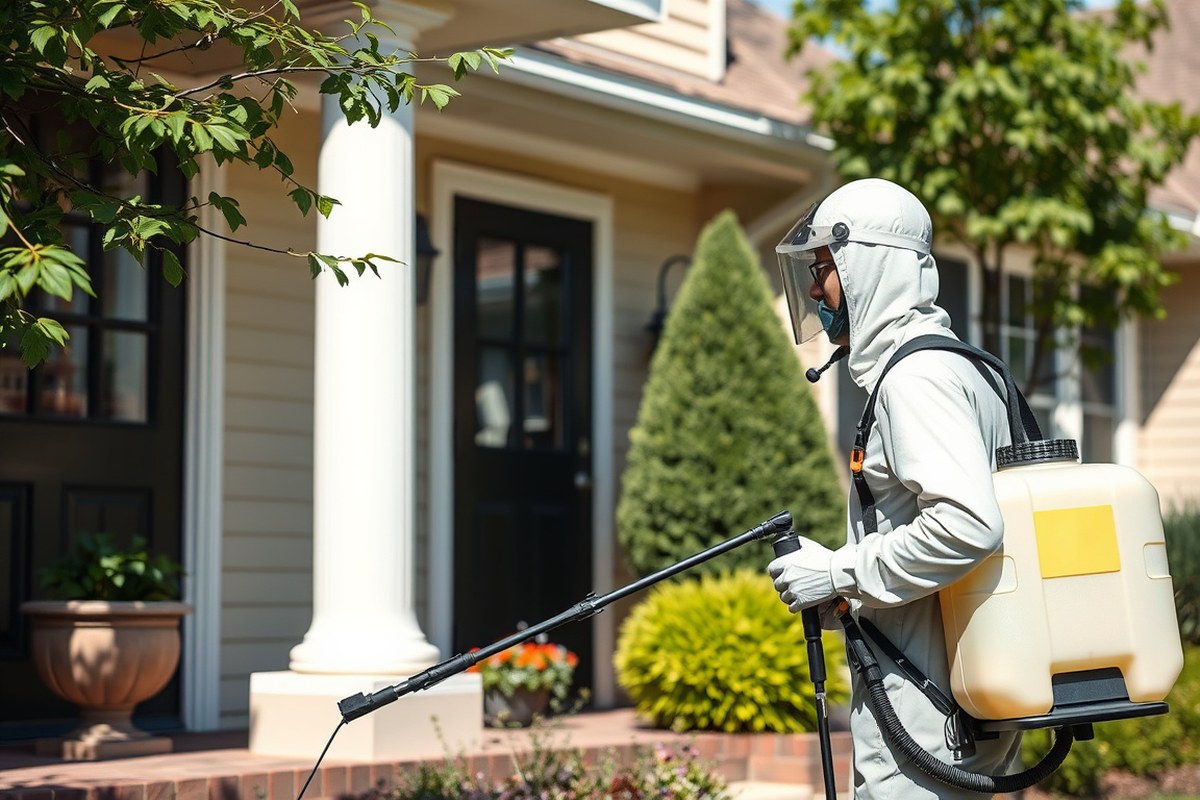
What Industry Is Pest Control? A Complete Guide to Scope and Services
The pest control industry falls within the broader sector of environmental and property management services focused on managing and eliminating unwanted pests that affect homes, businesses, and agriculture. It includes services targeting insects, rodents, and other wildlife using chemical, mechanical, and biological methods regulated by state and federal agencies. Understanding what industry is pest control helps you identify the right providers, evaluate service options, and anticipate costs and regulations that affect pest management.
This overview covers the range of pest control services and common pests handled, industry size and economic impact, relevant certifications and laws, and key technologies used. You’ll also learn about factors influencing demand, how to choose pest control services effectively, and career opportunities within the sector. With this knowledge, you can approach pest issues or business decisions confidently and with practical insight.
Key Takeaways
- Pest control belongs primarily to the specialty services sector within facilities support and management industries.
- Services cover insect, rodent, termite, wildlife removal, and plant disease control across residential, commercial, and agricultural settings.
- The US pest control market exceeds $18 billion annually, driven by urbanization, climate, and regulatory demands.
- Pest control companies must comply with EPA regulations, state pesticide laws, and hold specific technician certifications for safety.
- Common methods include chemical treatments, traps, biological controls, and emerging technologies like heat and electronic devices.
- Environmental impact and human health risks require integrated pest management approaches minimizing chemical use and exposure.
What Industry Sector Does Pest Control Belong To?

Pest control is classified within the broader category of services that manage and mitigate unwanted organisms affecting human health, property, and agriculture. Its primary classification falls under the industry codes for pest control services, distinct but sometimes overlapping with agriculture, environmental management, and construction-related activities. Knowing precisely where pest control fits helps with regulatory compliance, business planning, and market analysis.
Industry Classifications and Codes Explained
The North American Industry Classification System (NAICS) places pest control under code 561710, named “Exterminating and Pest Control Services.” This code covers businesses offering pest inspection, extermination, and control services for insects, rodents, and other pests in residential, commercial, and industrial settings. The Standard Industrial Classification (SIC) system categorizes pest control similarly under code 7342, called “Disinfecting and Pest Control Services.” These codes matter because they define which laws apply, influence insurance rates, and determine eligibility for certain loans or grants. You can find these codes on business registration documents and government forms. Using the correct NAICS or SIC code ensures your company is recognized properly by tax authorities and industry analysts. This classification also guides local and federal regulators when they issue permits or inspect operations.
Pest control can share codes with related sectors, for instance, companies that combine lawn care and pesticide application might list under different or multiple NAICS codes such as 561730 for Landscaping Services. Businesses heavily involved in agricultural pest management can also be classified under agriculture-focused codes, depending on their dominant activity.
Pest Control’s Relation to Agriculture and Environmental Sectors
Pest control overlaps with agriculture primarily when it involves managing insects and pests that threaten crops and livestock. Agricultural pest control typically falls under NAICS 115112, “Soil Preparation, Planting, and Cultivating,” or certain crop production codes if pest services are part of a broader farm operation. Specialized agricultural pest control providers might offer customized solutions like crop dusting or biological pest management strategies.
The environmental sector also intersects with pest control through integrated pest management programs and efforts to minimize chemical use. Some companies classify under environmental consulting or environmental remediation when their services focus on protecting ecosystems, focusing on nonchemical or sustainable pest control approaches. This blending affects licensing because environmental and agricultural regulators oversee the use of pesticides and biocontrols differently.
The key difference lies in target scope: pest control in agriculture aims at crop and livestock health, while urban or residential pest control focuses on human safety and property preservation. Understanding these distinctions is essential when applying for business licenses, selecting insurance coverage, and complying with pesticide use regulations.
Differences Between Residential, Commercial, and Agricultural Classifications
Residential pest control typically falls squarely within NAICS 561710, covering services for homes, apartments, and small businesses. These companies handle common pests such as ants, roaches, termites, rodents, and bed bugs. Commercial services often broaden the scope to include larger properties like office buildings, warehouses, and retail stores, sometimes requiring different certifications and equipment to handle larger infestations or regulatory inspections.
Agricultural pest control may be coded differently because it involves direct intervention in crop production or livestock care. Businesses might also register under farming or agricultural chemical application categories, reflecting regulatory differences. For example, commercial pest control might focus more on structural pests, while agricultural services handle insect pests damaging plants and animals, implying varying expertise and treatment methods.
These distinctions affect costs, regulations, and marketing. Residential pest control companies typically face stricter consumer protection rules and must handle smaller contracts, while commercial and agricultural providers deal with larger-scale operations and specialized pesticide rules. When classifying your business or selecting a pest control service, consider the primary service area and customer base to align with appropriate codes and regulations.
What Services and Pests Are Covered by the Pest Control Industry?
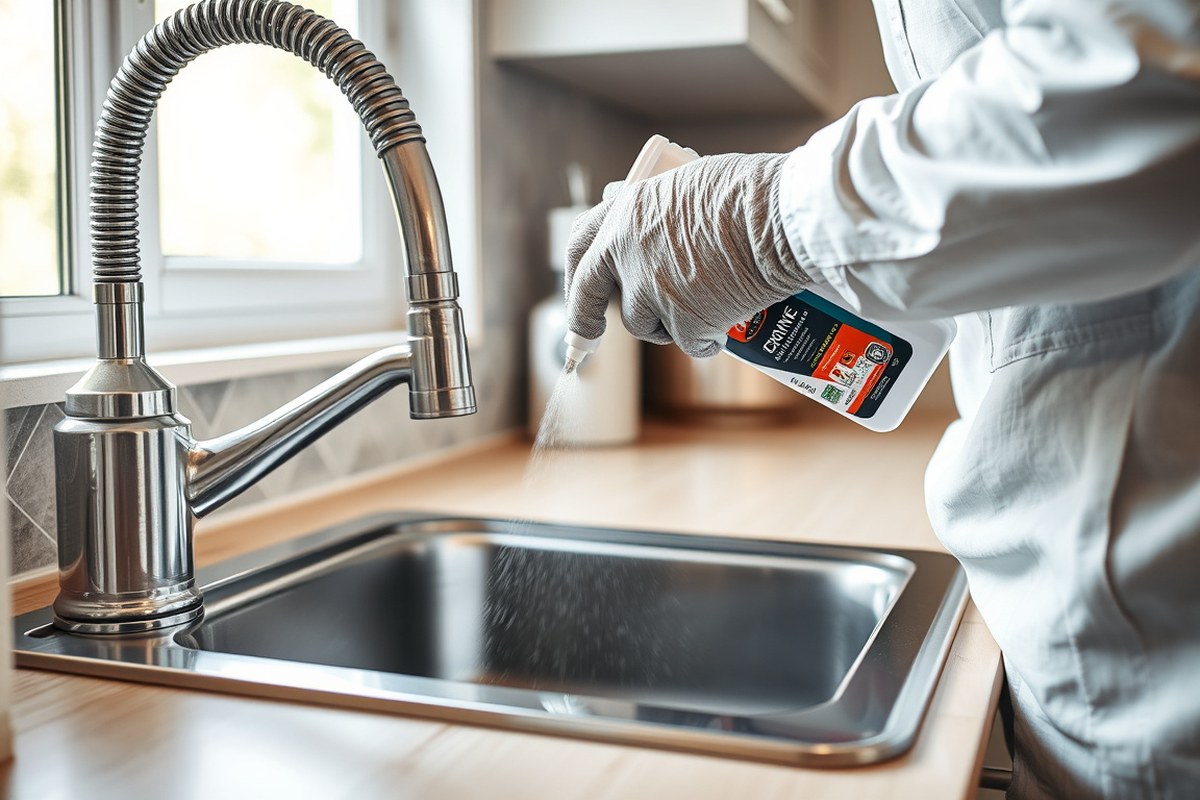
The pest control industry offers a range of services that target common household, commercial, agricultural, and specialty pests. It adjusts methods and focuses depending on whether the customer is a homeowner, business, or farm operator, with each setting demanding specific treatment plans and pest targets.
Residential Pest Control Services and Common Pests
Residential pest control mostly targets pests that directly impact indoor living spaces or yards. Common services include termite inspections and treatments, ant and cockroach control, rodent management, and mosquito or tick treatments for outdoor areas. Homeowners typically receive scheduled quarterly or seasonal visits, starting with an inspection to identify entry points, pest activity, and conducive conditions such as moisture or food sources.
Effective residential pest control often involves sealing cracks and gaps, removing breeding sites, and applying low-toxicity insecticides around foundations or inside wall voids. Costs vary widely, typically ranging from $100 to $300 per visit depending on treatment complexity and geographic region. Good results include reduced pest sightings and eliminated nests; failures usually occur when treatment gaps exist or sanitation is poor.
Commercial and Industrial Service Types
Commercial pest control serves restaurants, warehouses, offices, hotels, and manufacturing plants. This sector demands adherence to stricter regulations due to food safety and health standards, especially under FDA and USDA guidelines. Services cover rodent baiting, cockroach and fly control, bird exclusion, and termite prevention.
These services tend to be ongoing contracts with monthly or bi-monthly visits. Treatments employ integrated pest management (IPM) protocols combining monitoring traps, bait stations, and targeted chemical applications. Costs increase with facility size and pest pressure but usually start around $200 per month for small businesses. Success factors include compliance with sanitation and waste disposal rules and regular inspection documentation for audits.
Agricultural Pest Management
Agricultural pest control differs by crop type and pest species, focusing on insects, weeds, and fungal diseases that reduce yield or quality. Common applications include insecticides, herbicides, and fungicides applied via spraying equipment adapted to fields or orchards. Integrated strategies also incorporate crop rotation, biological controls like beneficial insects, and resistant crop varieties.
Farm pest management often requires precise timing according to pest life cycles and weather conditions, with costs depending on crop scale and pest severity. Farmers might spend from a few hundred to several thousand dollars per season. Monitoring involves field scouting and traps to detect infestations early and adjust treatments before damaging levels occur.
Environmental and Specialty Pest Services
Some pest control companies provide specialized services for wildlife management and environmentally sensitive areas. These include nuisance wildlife exclusion (such as raccoons or bats), termite soil treatments in historical or park areas, and management of invasive species in wetlands or forests.
These services require permits and compliance with environmental regulations. They combine mechanical exclusion methods, habitat modification, and carefully chosen chemical controls to minimize ecological impact. This specialty work tends to be more customized and priced on a case-by-case basis due to unique site conditions and legal constraints. Below is a comparison table showing common pest types associated with different pest control service categories.
| Service Type | Common Pests | Typical Methods Used |
|---|---|---|
| Residential | Termites, ants, cockroaches, rodents, mosquitoes, ticks | Inspection, exclusion, baiting, targeted insecticide application |
| Commercial & Industrial | Rodents, cockroaches, flies, stored product pests, birds | IPM protocols, monitoring traps, bait stations, chemical sprays |
| Agricultural | Insect pests (aphids, corn borers), weeds, fungal diseases | Spraying insecticides/herbicides, biological controls, crop rotation |
| Environmental & Specialty | Raccoons, bats, invasive plants, termites in protected areas | Exclusion, habitat modification, restricted-use chemicals |
This table clarifies how the pest control industry adapts its service types to pest biology and customer needs. Knowing these differences helps you evaluate providers better and understand what treatments to expect.
Tip: Always confirm that a pest control provider tailors their approach based on your property’s use and pest risk rather than offering one-size-fits-all solutions. This ensures effectiveness and minimizes unnecessary chemical use.
How Big Is the Pest Control Industry and Its Economic Impact?
The pest control industry is a multi-billion dollar sector with steady growth driven by increasing demand from residential, commercial, and agricultural customers. Its economic impact reflects the rising importance of managing pest risks, property protection, and compliance with health regulations worldwide.
Global Market Size and Growth
The global pest control market size reached around $25 billion recently, with projections showing a compound annual growth rate (CAGR) between 4% and 6% over the next five years. This growth is supported by urban expansion, rising awareness about pest-related health hazards, and stricter regulatory requirements in many countries. Asia-Pacific leads the expansion due to rapid urbanization and increasing disposable incomes, followed by North America and Europe where mature markets maintain steady demand.
The market segments include chemical pesticides, biopesticides, and integrated pest management services. Chemical pesticides hold a significant share, but biopesticides are gaining traction due to environmental concerns and regulatory shifts. The commercial segment, including food processing, hospitality, and healthcare facilities, shows faster growth than residential services because of ongoing compliance needs and reputational risks tied to pest incidents.
Regional Differences and Country-Specific Data
In the United States, the pest control market is estimated at over $15 billion annually with a steady growth rate of around 4%. The U.S. Market is highly service-oriented, focused on termite control, rodent management, and mosquito control in certain regions. California, Texas, and Florida are key states due to climate factors and population density. Pest control pricing varies; routine monthly services for a home typically cost between $40 and $70, depending on service frequency and pest type.
Europe’s pest control market leans heavily on integrated pest management to meet stringent European Union environmental regulations. Countries like Germany, France, and the UK lead regional spending and innovation in eco-friendly approaches. Meanwhile, emerging economies in Asia, including India and China, show rapid demand growth driven by increasing urban populations and agricultural needs. However, costs and service levels vary widely based on local infrastructure and regulatory enforcement.
Major Companies and Small Business Roles
The pest control industry features a mix of large corporations and numerous small operators. Global leaders include companies such as Rollins Inc., Terminix Global Holdings, and Rentokil Initial, which offer nationwide and international services with strong brand recognition and wide service portfolios. These companies often employ advanced treatment technologies and customer management software to maintain efficiency and compliance.
Small businesses and local operators comprise a significant portion of the industry, especially in rural and suburban areas. These smaller firms often focus on personalized service and specific pest types such as termite control or wildlife removal. Entering the industry as a small operator requires understanding local regulations and building customer trust through reliable results. Many homeowners prefer local providers for quick responses and tailored pest management plans.
What Regulations and Certifications Govern Pest Control Companies?
Pest control companies operate under strict regulatory frameworks that ensure the safe and effective use of pest management methods. Licensing and certification for both businesses and technicians are mandatory to protect public health and the environment. Requirements vary among states and local jurisdictions but generally involve examinations, training, and compliance with chemical application laws.
Key Regulatory Agencies and Their Roles
The Environmental Protection Agency (EPA) sets federal rules on pesticide use and registration, controlling what chemicals can be sold and applied. However, day-to-day enforcement and licensing fall mainly to state departments of agriculture or environmental protection agencies. These state bodies issue licenses to pest control businesses and individual applicators after verifying their knowledge and safe handling practices. They inspect records and equipment to confirm compliance with standards designed to minimize environmental and health risks.
At a local level, some counties or cities may have additional rules, especially in sensitive areas such as near schools or water sources. These agencies also maintain databases of licensed operators and often require continuing education to maintain licenses. Their oversight helps ensure certification is not just a one-time event but a commitment to ongoing professional standards.
Typical Certifications for Technicians and Businesses
Every pest control technician must hold a valid applicator license appropriate to the type of pest control they perform. This usually involves passing exams that cover pesticide safety, integrated pest management principles, and label laws. Exams differ depending on whether the technician controls general pests, termite treatments, or manages fumigants. There are often categories like commercial and noncommercial applicators, with stricter rules for commercial operators who work on multiple properties or charge clients.
Businesses must obtain a company license that confirms they have qualified staff, insured vehicles and equipment, and proper record-keeping systems. This license often requires annual renewal with fees in the hundreds of dollars range, including proof of continuing education credits. Many states require pesticide business license holders to keep detailed treatment records and submit them for inspection.
Some technicians pursue voluntary national certifications from organizations such as the National Pest Management Association, which can boost credibility but do not replace mandatory state licenses. These certifications might involve background checks and adherence to a code of ethics, which can attract certain commercial clients.
Regional and National Variations in Requirements
Licensing and regulatory requirements in pest control vary significantly from state to state. For example, California has stringent rules for pesticide use, requiring specific training on restricted-use pesticides and reporting adverse incidents. Florida’s licensing system includes complete exams and mandates continuing education every two years. In contrast, some states may have more limited testing but still require record-keeping and insurance.
Regionally, climate influences the types of pests regulated, so licensing categories adapt to local pest pressures, such as mosquito control in warm southern states or termite control in the southeastern U.S. Some states require additional certification to use certain fumigants due to their health risks. Federal laws also prohibit pesticide use that poses unreasonable risks, but states retain the authority to impose stricter conditions.
Check your state’s agriculture or pesticide regulatory agency website to find exact licensing steps, exam schedules, fees, and required documentation. These agencies often offer preparatory courses or study guides. Not following local rules can lead to fines, license revocation, and liability issues, so verifying you meet all regional requirements is essential before starting pest control operations or hiring a provider.
What Methods and Technologies Are Commonly Used in Pest Control?
Pest control uses a blend of traditional and modern methods to manage or eliminate pests efficiently. These approaches include chemical applications, biological controls, physical measures, and technology-improve systems, each chosen based on the pest type, environment, and safety requirements.
Chemical Treatments and Application Methods
Chemical pest control remains widely used due to its quick action and broad effectiveness. This method relies on pesticides formulated to target specific pests, such as insects, rodents, or fungi. Commonly applied forms include sprays, baits, dusts, and fumigants. Applicators carefully select chemicals to minimize harm to humans, pets, and beneficial insects.
Application requires proper dosing and timing to maximize pest mortality and limit resistance development. Professionals typically follow label instructions strictly and apply products during times when pests are most vulnerable, such as night for nocturnal insects. Equipment like backpack sprayers, aerosol foggers, or bait stations helps deliver chemicals effectively to target areas.
- Residual sprays on walls and foundations for crawling insects
- Bait stations targeting rodents and ants with poison mixed in attractants
- Fumigation for enclosed spaces to eliminate insects thoroughly
- Dust insecticides in cracks and crevices where sprays might not reach
- Spot treatments to reduce chemical use and focus on infestation zones
Costs vary based on chemical type, volume, and service frequency. Misapplication risks include chemical exposure, pest resistance, and environmental contamination, so training and certification are critical.
Biological and Organic Pest Control Options
Biological control uses natural predators, parasites, or pathogens to reduce pest populations. This method works by introducing or improving beneficial organisms that compete with or consume pests. Examples include releasing ladybugs to control aphids or parasitic wasps for caterpillar infestations.
Organic pest control often overlaps with biological methods and uses natural substances like neem oil, diatomaceous earth, or Bacillus thuringiensis bacteria. These options are more environmentally friendly and reduce pesticide residues but usually act slower and require repeated applications.
Integrated Pest Management (IPM) incorporates these biological tactics alongside monitoring and cultural controls to prevent heavy pest buildup. You’ll need to identify pests accurately, maintain habitat conditions favoring beneficial organisms, and apply treatments only when monitoring thresholds are met.
Mechanical and Physical Control Techniques
Mechanical methods physically remove or exclude pests without chemicals, often as preventive steps. This includes using traps for rodents, sticky barriers for crawling insects, or manual removal by vacuuming or handpicking. Physical controls also cover screens on windows and doors, sealing cracks, and managing sanitation to limit food and shelter for pests.
Mechanical control suits situations where chemical use is undesirable, such as food processing, schools, or homes with pets and children. You can combine these techniques with other methods to strengthen overall effectiveness.
- Glue boards and snap traps to catch rodents without poisons
- Screen installations and door sweeps to block insect and rodent entry
- Manual removal of webs, nests, or egg masses to reduce pest reproduction
- High-pressure water sprays to dislodge insects from plants
- Temperature treatments, including heat or cold, to exterminate pests in stored products
Results depend on consistent application and monitoring. Physical methods alone may not control severe infestations but reduce pesticide reliance and exposure risk when integrated properly.
Technology Integration and Smart Pest Control
Technology is transforming pest control by providing real-time monitoring and targeted treatment options. Devices such as electronic traps, automated feeders, and smart sensors detect pest activity through motion, heat, or chemical traces. This data allows technicians to intervene precisely at problem spots rather than applying broad treatments.
Software platforms now track inspection results, treatment schedules, and pest population trends. These tools improve record-keeping and help predict pest outbreaks by analyzing environmental conditions. Drones and remote sensing can also scout large agricultural areas efficiently.
- Smart traps that send alerts when pests are captured
- Remote sensors detecting insect pheromones or rodent droppings
- Data management software for integrated pest control reporting and scheduling
- Drones equipped with cameras or sprayers for large-scale monitoring and treatment
- AI-based image recognition apps identifying pest species and damage levels
Start technology adoption with a clear pest monitoring plan to avoid overinvesting in tools that don’t match your specific pest challenges or property size.
Technology improve efficiency and reduces unnecessary chemical use but often requires upfront investment and technical training. The best results come from combining smart tools with traditional treatment methods tailored to the site and pest biology.
What Environmental and Health Considerations Affect Pest Control?
Pest control involves chemicals and methods that can affect human health and the environment. Taking proper safety measures and managing environmental impacts is necessary to reduce risks. Green pest control options provide alternatives but vary in effectiveness based on the pest and treatment scenario.
Human Health Risks and Safety Protocols
Pest control chemicals can expose users and occupants to toxic substances, especially when improper handling occurs. Chemicals like organophosphates and pyrethroids can cause skin irritation, respiratory problems, or neurological symptoms if inhaled or absorbed. To minimize risks, pest control professionals always follow label instructions for mixing, application, and protective gear.
For homeowners applying pesticides, wear gloves, eye protection, and masks to avoid skin contact and inhalation. Keep children and pets away during and after treatment until the product dries or the waiting time on the label ends. Ventilate indoor areas by opening windows after application to reduce fumes. In commercial settings, trained technicians use calibrated equipment and avoid over-application to control exposure and ensure worker safety.
Environmental Protection and Sustainability
Pest control chemicals can contaminate soil, water, and non-target species when misused. Runoff from over-application or improper disposal can lead to groundwater pollution, affecting local ecosystems. Integrated pest management methods focus on combining chemical use with cultural, biological, and mechanical techniques to reduce chemical reliance and environmental harm.
Using targeted baits and spot treatments limits chemical quantities. Avoid applying pesticides before rainstorms to prevent runoff. Regularly inspect and maintain equipment to prevent leaks and spills. In sensitive areas, opt for biological controls such as releasing predatory insects or using microbial pesticides that degrade quickly and have limited non-target effects.
Emerging Green Pest Control Trends
Organic and green pest control methods rely on natural ingredients or non-chemical approaches to reduce environmental and health risks. Common options include botanical oils, insecticidal soaps, and diatomaceous earth. These tend to have lower toxicity but may require repeated treatments and may not handle severe infestations alone.
Effectiveness depends on pest type, infestation size, and treatment timing. For example, neem oil can disrupt insect growth but works best when applied early in the infestation cycle. Using green methods as part of a broader integrated pest management plan improves results by reducing chemical load while maintaining control. However, these methods generally cost more or take longer to show results compared to conventional chemicals.
How to Choose and Evaluate Pest Control Services Effectively
Choosing a pest control service requires asking specific questions and knowing what to watch for during and after treatment. Knowing the right questions and mistakes to avoid helps you save money, ensures effective service, and reduces the risk of unresolved pest problems. Being prepared for follow-up and dispute resolution also protects your investment in pest control.
Questions to Ask Before Hiring
Start by verifying the provider’s credentials, treatment methods, and guarantees. Make sure you understand the timeline, pricing structure, and any preparation required on your part. Questions should clarify how the provider handles common issues, especially your specific concerns like health risks or environmentally sensitive areas. Here is a script you can use when interviewing providers:
“Can you show me your current license and insurance?” “What specific pests do you treat with this approach?” “What chemicals or methods will you use, and are they safe for children and pets?” “What preparation do I need to do before you start treatment?” “How long will the treatment take, and when should I expect to see results?” “What guarantee do you offer if pests return or the problem continues?” “How many follow-up visits are included with the price?” “Can you provide references or reviews from past customers in my area?”
Warning Signs of Poor Service
Poor pest control service often begins with vague answers or evasiveness when asked detailed questions. Providers who do not provide a written inspection report, a clear treatment plan, or a contract present red flags. Pricing that is unusually low or high compared to other local quotes can indicate cutting corners or overcharging.
Other common mistakes to avoid include hiring providers who do not explain safety procedures, have no clear policy for follow-up visits, or rush the inspection to push for a sale. Also, beware of contractors who insist on excessive treatments without evidence of need.
How to Handle Follow-Up and Dispute Resolution
Follow-up visits are essential since some pests require several treatments or time for residual effects. After the first treatment, monitor pest activity and note any areas where pests persist. Continued problems require immediate contact with the provider to request a re-inspection and additional treatment at no extra cost if covered by your contract. Use this step-by-step approach to manage follow-up effectively:
- Document pest activity: Note dates, locations, and pest types you still see after treatment.
- Contact the provider: Reach out promptly with your observations and request a follow-up visit.
- Review your contract: Check what follow-up treatments or guarantees are included and any time limits.
- Allow time for re-treatment: Pest control chemicals often need days or weeks to work fully; don’t expect instant results.
- Request a detailed report: After follow-up, ask for a written summary explaining what was done and next steps if pests remain.
- Seek mediation if needed: If the provider does not resolve the issue reasonably, contact state pest control regulatory agencies or consumer protection for guidance.
How Seasonal and Regional Factors Influence Pest Control Demand
Pest control demand rises and falls with the seasons because many pests become active only at certain times of the year. In spring and summer, insects like ants, mosquitoes, and termites increase activity, making those seasons the busiest for pest control services. Cold winters typically reduce pest activity, which lowers immediate demand but may require preseason treatments to prevent infestations as temperatures rise. Customers should schedule inspections and preventive treatments in late winter or early spring to catch emerging pest problems before they take hold.
Regional differences greatly influence pest types and treatment strategies. For example, areas with high humidity and warm climates, such as the Southeast, face year-round challenges with mosquitoes and termites. Northern states experience seasonal pests like rodents more in winter when these animals seek indoor shelter. In arid regions, scorpions and certain spiders prompt more specialized treatments. Evaluating your local pest risks guides timing and method choices, so getting advice from a local pest control professional is essential for proper planning.
Scheduling services involves understanding local pest cycles and your property’s vulnerability. Start by identifying the peak activity periods for common pests in your area based on temperature and rainfall patterns. Then, arrange routine inspections in late winter or early spring and follow up with treatments during peak seasons, like late spring for ants and summer for mosquitoes. For termite prevention, soil treatments or baiting systems installed before the first warm weather reduce risk. Monitor results through the fall; repeat treatments may be necessary if pests persist. Avoid delaying until visible infestations appear, as early action reduces damage and costs.
Plan your pest control appointments around local climate patterns to avoid missing critical treatment windows, especially for termites and mosquitoes that multiply rapidly in warm months.
Costs vary with treatment type and season. Preventive services booked off-season can be less expensive but may not cover urgent infestations that require immediate response, which often carries a premium. Regular maintenance contracts offer steady pricing but need commitment beyond one season. Poorly timed treatments lead to recurring problems and potentially higher costs in repeated visits. A good result looks like a significant drop in pest sightings after the first treatment and no return of infestations through the off-season. Frequent follow-ups are a sign of ineffective control or overlooked entry points.
What Industries and Businesses Typically Use Pest Control Services?
Several industries rely heavily on pest control services to protect their operations, comply with regulations, and maintain health standards. The food service, healthcare, agriculture, hospitality, and residential markets each have distinct pest control needs shaped by their environments and legal requirements. Understanding these differences helps businesses choose the right pest management strategies.
Food Service and Hospitality
Restaurants, hotels, and food processing facilities require frequent pest control to avoid contamination risks and comply with health codes. These industries need regular inspections and treatments targeting rodents, cockroaches, flies, and stored product pests. Pest control typically involves scheduled services every month or quarter, combined with routine monitoring and sanitation measures to prevent infestations.
In hospitality, guest satisfaction depends on visible cleanliness and pest-free environments, making discreet treatments and rapid response to sightings critical. Facilities often require integrated pest management (IPM) programs that prioritize non-chemical methods alongside pesticides to meet regulatory and guest expectations.
Healthcare and Pharmaceuticals
Hospitals, clinics, and pharmaceutical manufacturing plants demand strict pest control protocols to prevent exposure to harmful pests that could contaminate sterile environments or medications. These sectors often schedule pest control monthly or bi-monthly but emphasize non-toxic and low-residue treatments to avoid interfering with sensitive areas.
Regulations for healthcare facilities require detailed documentation, monitoring, and immediate action in case of pest detection. Pest control providers must be trained in handling biohazard zones and sensitive equipment, with services often coordinated closely with facility management to schedule treatments during low-activity hours.
Agriculture and Urban Developments
Farmers and agricultural operations use pest control mainly for crop protection, targeting insects, rodents, and disease vectors that reduce yield or damage stored goods. Treatment frequency varies by crop cycle and pest pressure, ranging from weekly during peak seasons to less frequent in off-months. Methods include chemical pesticides, biological controls, and habitat management to keep pests below economic thresholds.
Urban developments such as warehouses and distribution centers require pest control to prevent infestations that could damage inventory or attract wildlife. These sites benefit from perimeter treatments, exclusion work, and continuous monitoring. Pest control here focuses on structural barriers and baiting systems to minimize chemical application inside buildings.
Residential and Commercial Buildings
Homeowners commonly use pest control to manage ants, spiders, rodents, and termites. Treatments tend to be quarterly or bi-annual, with emphasis on prevention through sealing entry points and treatment of vulnerable areas. Professional pest control providers can tailor services to seasonal pest activity in different regions.
Commercial buildings, including offices and retail spaces, require pest control to safeguard employees, customers, and inventory. These services often include inspections, scheduled treatments, and rapid response to pest sightings. The goal is to minimize disruption while maintaining compliance with health and safety codes, often requiring integrated pest management practices and ongoing communication with property managers. The table below outlines the main sectors that use pest control services and compares their core service needs and special requirements.
| Industry Sector | Common Pests | Service Frequency | Special Requirements |
|---|---|---|---|
| Food Service & Hospitality | Rodents, cockroaches, flies, stored product pests | Monthly or quarterly scheduled visits | Compliance with health codes, discreet treatments, IPM focus |
| Healthcare & Pharmaceuticals | Rodents, flies, ants, flies | Monthly or bi-monthly treatments | Non-toxic methods, documentation, coordination with facility operation |
| Agriculture & Urban Development | Insects, rodents, disease vectors | Weekly to seasonal, based on pest pressure | Crop cycle alignment, biological controls, perimeter exclusion |
| Residential Buildings | Ants, spiders, rodents, termites | Quarterly or bi-annual treatments | Entry point sealing, region-specific seasonal adjustments |
| Commercial Buildings | Rodents, ants, cockroaches, flies | Scheduled inspections plus responsive treatments | IPM, minimal disruption, compliance with safety codes |
Matching service frequency and methods to each sector’s specific needs is critical for effective pest management. Over-treating can raise costs and cause unnecessary chemical exposure, while under-treating risks infestations and regulatory violations. Understanding the pest species common to each setting, the timing of treatments, and special hygiene or safety needs helps providers and clients work together effectively.
What Skills and Career Paths Are Available in Pest Control?
Working in pest control requires a mix of technical knowledge, safety awareness, and customer service skills. Most pest control technicians start with basic training and licensing, then can advance to supervisory roles or start their own businesses. Entrepreneurs entering this field should understand both service operations and local regulatory requirements to operate successfully.
Essential Technical and Safety Skills
Pest control technicians need solid knowledge of pest biology, behavior, and identification to select effective treatment methods. This includes understanding common pests like rodents, termites, and insects, and knowing how environmental factors affect infestations. Technicians must also be skilled in safely handling and applying chemicals according to product labels and regulations to avoid health risks to themselves and clients.
Good communication skills matter because technicians often explain treatment plans and prevention tips to customers. Problem-solving abilities help when unexpected pest issues arise on the job. Physical stamina is important as the work involves kneeling, climbing, and carrying equipment. Safety training covers the use of personal protective equipment, proper chemical storage, and emergency procedures for exposure or spills.
Certification and Licensing Pathways
Most states require pest control workers to hold a license, which involves passing an exam covering pest biology, pesticide use, and safety regulations. To get licensed, candidates typically complete a training program or apprenticeship lasting from several weeks to a few months. Some states categorize licenses by pest type, such as general pest, termite, or fumigation, requiring separate certifications.
Technicians often start as entry-level applicators, then pursue additional certifications to broaden their service scope or qualify for supervisory roles. For example, certified applicators can handle restricted-use pesticides, which require extra training and recordkeeping. Business owners must register their company and ensure all technicians have up-to-date licenses and comply with state pesticide laws.
Renewal of licenses usually requires continuing education credits focused on newer regulations, product updates, and safety practices. Costs for initial certification exams and training vary but may range from $200 to over $500 depending on the state and program. Employers sometimes cover these expenses as part of onboarding.
Entrepreneurial and Employment Opportunities
You can start as a technician working for established pest control companies, ranging from small local businesses to large national chains. Entry-level jobs often lead to higher positions such as crew leader, inspector, or technical sales representative. Specializing in commercial accounts, wildlife control, or green pest solutions creates niche opportunities with potentially higher pay.
For those interested in entrepreneurship, opening a pest control business requires understanding local licensing, insurance needs, and marketing strategies. Business owners must hire licensed technicians, manage schedules and inventory, and maintain compliance with environmental and safety rules. Running a service-oriented operation also means building trust with customers through reliable and consistent results.
A simple career path flowchart might start with a trainee technician role, progress to licensed applicator, move up to supervisor or inspector, and then branch into sales or business ownership. Each step demands not only technical skill but growing experience in customer service, management, and legal compliance to succeed.
Your First Steps: Practical Action Plan for Engaging with the Pest Control Industry
Start by getting clear on what pest control covers and what your needs are. This will guide how you proceed, whether hiring a service, exploring a career, or thinking of starting a business.
- Day 1: Identify Your Specific Pest Issue or Industry Interest, List the pests affecting your property or the sector you wish to explore (residential, commercial, agricultural). This focus helps target services or career paths effectively since pests range from rodents to termites, and the industry’s approach varies accordingly.
- Day 2: Research Local Regulations and Certification Requirements, Check state and local rules for pest control, including which certifications professionals must hold. Confirming this ensures you choose compliant services or understand the licenses needed if pursuing a career or business setup.
- Week 1: Evaluate Service Options and Methods Used, Compare pest control providers by the methods they use (chemical, biological, integrated pest management) and their track record with your pest type. Effective services will tailor approaches to reduce health and environmental risks, which you can verify through customer reviews and service guarantees.
- Week 2: Understand Economic Impact and Market Dynamics, Look at local pest control industry size and seasonal demand fluctuations to inform budget planning or business prospects. High demand seasons often align with regional pest activity, affecting pricing, availability, and job openings.
- After 2 Weeks: Make a Hiring Decision or Define Your Career Path, For hiring, choose a certified provider who offers an inspection and a clear treatment plan; successful service shows reduced pest activity after the first treatment cycle. For careers, identify training programs and entry-level roles consistent with your interest and skills.
- Month 1: Monitor Results and Compliance, Track pest control effectiveness and whether treatments comply with environmental and health guidelines. If pests persist or regulations are not met, seek advice from a licensed professional or regulatory agency.
- Ongoing: Stay Informed on Industry Changes, Regularly update your knowledge on new pest control technologies, regulations, and environmental standards. This is important for maintaining effective pest management or growing a business sustainably and responsibly.
Frequently Asked Questions
What Classifications Define the Pest Control Industry?
The pest control industry is classified under the services sector, specifically within specialty trade contractors. It deals with managing or eliminating pests through chemical, biological, or mechanical methods, supporting both residential and commercial properties to protect health and property values.
How Do Pest Control Services Vary by Pest Type?
Pest control covers insects like termites, rodents such as rats, and wildlife including birds. The methods vary widely to target specific pests safely, including trapping, baiting, and pesticide application tailored to environmental and health regulations.
How Large Is the Pest Control Market Economically?
The U.S. Pest control market generates several billion dollars annually, driven by routine residential services and commercial contracts. Economic impact results from continual pest threats and regulatory demands, increasing demand for professional pest management.
What Certifications Must Pest Control Firms Have?
Pest control companies must often hold state licenses and certifications like the EPA-approved applicator license. These regulations ensure the company follows safety standards and uses approved chemicals to minimize risk to people and the environment.
What Technologies Support Pest Management Today?
Pest management uses chemical pesticides, traps, heat treatments, and increasingly digital tools like remote monitoring devices. These technologies improve accuracy in pest detection and apply treatments more efficiently, reducing chemical use and environmental impact.
How Do Environmental Concerns Shape Pest Control?
Environmental concerns require pest control to minimize pesticide use and focus on integrated pest management. This approach uses prevention and biological controls, reducing toxic chemicals to protect ecosystems and human health.
The Bottom Line
Pest control falls within the broader environmental services and public health sectors, focusing on managing risks from insects, rodents, and other pests that affect homes, businesses, and agriculture. To act on this knowledge, check your local state licensing board’s website today to verify credentials and certifications of any pest control service you might hire, which is essential for safety and compliance. This step ensures the company follows the right regulations and uses approved methods, protecting your property and health effectively. Taking this simple action can save you money and trouble by avoiding unlicensed providers who may use banned substances or improper techniques.


