

How to Get Rid of Body Acne: Complete Guide with Proven Steps
Getting rid of body acne involves a mix of proper skin care, using the right over-the-counter products, and adopting lifestyle habits that reduce flare-ups. Effective treatments include topical lotions, gentle cleansing, and natural remedies like tea tree oil. Understanding the causes and difference from facial acne helps target your approach. While no method guarantees permanent clearance, managing body acne is possible with consistent care and the right steps.
This information is for anyone dealing with acne on the back, chest, or shoulders who wants fast, practical solutions to clear their skin. You’ll learn how to choose treatments that work, what to avoid, and when to seek medical advice, along with ways to prevent future breakouts and handle inflammation or scarring from acne.
Key Takeaways
- Use over-the-counter cleansers with up to 10% benzoyl peroxide for back acne to kill bacteria causing breakouts effectively.
- Start body acne treatment with lower concentrations like 1% salicylic acid washes and introduce them gradually to avoid irritation.
- Exercise at least 30 minutes daily to help reduce acne on the chest, shoulders, and back by improving circulation and skin health.
- Apply a lotion containing 2% green tea extract daily after cleansing to help manage mild to moderate body acne inflammation.
- Spend 10 to 15 minutes in sunlight daily to potentially reduce body acne while avoiding sunburn and skin damage.
- Consult a dermatologist if body acne persists after 8 to 12 weeks of consistent treatment, especially for severe or cystic types.
How to Get Rid of Body Acne: Step-by-Step Treatment Guide
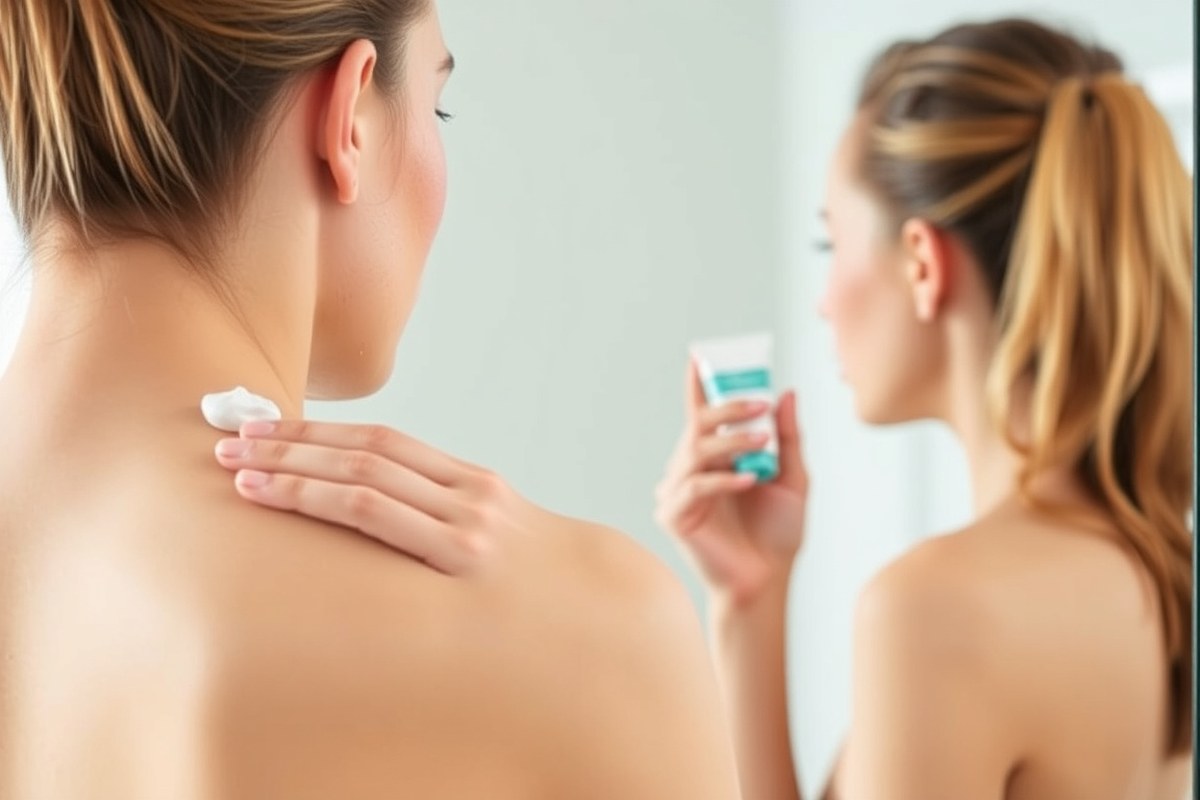
Starting a body acne treatment routine requires patience and consistency. Using the right combination and order of products helps clear up acne effectively while minimizing irritation. Most over-the-counter (OTC) products contain active ingredients like salicylic acid, benzoyl peroxide, or sulfur, each serving a specific role in exfoliating skin, unclogging pores, and reducing bacteria.
Begin treatment by introducing milder products and gradually increase their usage. Applying products in the correct sequence also maximizes their effects.
- Wash your body daily with a salicylic acid-based cleanser. Choose a body wash containing 1-2% salicylic acid, like Dove Acne Clear Serum Bodywash, to remove dead skin and unclog pores. Use it while showering, allowing it to stay on your skin for roughly 60 seconds before rinsing off. This method helps reduce current acne and lowers the chances of future breakouts. Begin by applying it every other day for the first week to minimize irritation, then switch to daily use if your skin tolerates it.
- Apply a benzoyl peroxide lotion or gel 2-3 times per week. Products with up to 10% benzoyl peroxide kill the bacteria that cause acne, especially helpful for back acne. After cleansing and drying, apply a thin layer of benzoyl peroxide to affected areas. Begin twice weekly to monitor skin reaction. Avoid combining benzoyl peroxide at the same time as salicylic acid to prevent excessive dryness. Rotate usage by applying benzoyl peroxide at a different time or on alternate days.
- Moisturize daily with a non-comedogenic lotion. Hydrating skin helps prevent irritation and peeling from acne medications. Choose a lightweight, oil-free moisturizer to maintain skin barrier health without clogging pores. Apply immediately after cleansing or after benzoyl peroxide has dried.
- Use exfoliating treatments containing alpha hydroxy acids (AHAs) once or twice weekly. AHAs help remove dead skin and smooth rough texture. Start with a low concentration and apply to clean, dry skin. Avoid using AHAs on the same days as benzoyl peroxide to reduce irritation risk.
- Wear loose, breathable clothing and shower promptly after sweating. This reduces pore-clogging sweat and bacteria buildup that worsen body acne.
- Monitor your skin for improvement over 8 to 12 weeks. You should begin to see fewer breakouts, less inflammation, and smoother skin in this timeframe. If there is no improvement or worsening of acne, it is advisable to see a dermatologist for further evaluation.
Start slowly with active ingredients to avoid irritation, especially if you have sensitive skin. Costs vary, but OTC body washes and lotions typically range from $10 to $20 per bottle, with treatment lasting several months for notable results. Consistency matters most, as acne treatments take time to work, and sporadic application may delay or diminish results. Adjusting your routine based on your skin’s response ensures the best chance of clearing your body acne effectively.
What Causes Body Acne and How It Differs from Facial Acne
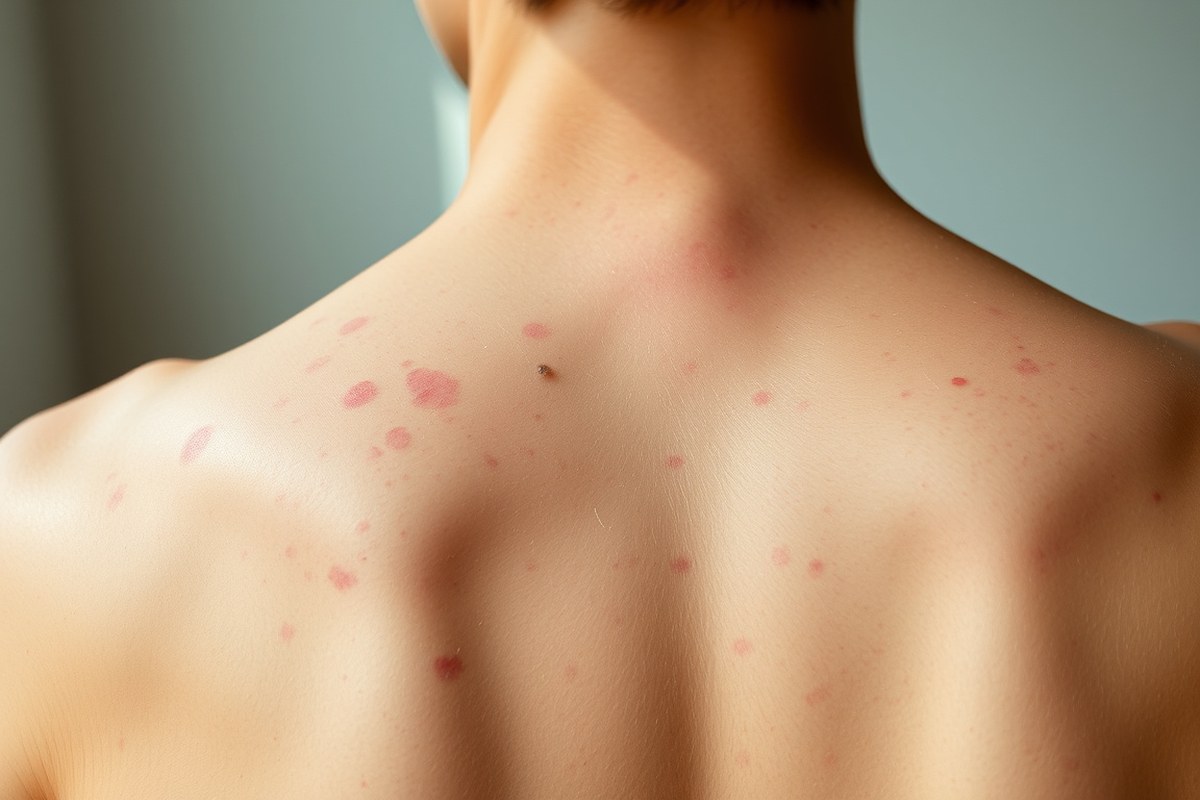
Body acne develops from a combination of hormonal changes, excess oil, bacteria, sweat, and friction that differs somewhat from what causes facial acne. It commonly appears on the chest, back, and shoulders where sweat and tight clothing create favorable conditions for breakouts. Understanding these unique factors helps you target treatment effectively.
Primary Factors Behind Body Acne
Hormones play a significant role in body acne, especially fluctuations in androgen hormones during puberty, menstruation, pregnancy, or conditions like polycystic ovary syndrome (PCOS). These hormones stimulate sebaceous glands, increasing oil production and clogging pores. Genetics can also make you more prone to acne by influencing how your skin responds to hormones and bacteria.
Besides hormones, the presence of bacteria on the skin surface contributes to inflammation and acne formation. Sweat mixes with oil and bacteria, blocking pores and triggering breakouts. Lifestyle choices like wearing tight clothes, not showering promptly after sweating, and infrequent cleansing allow these irritants to build up. Together, these factors create an environment that fosters body acne.
Distinguishing Features Compared to Facial Acne
Body acne differs from facial acne largely because the skin on the body is thicker and produces more oil. These skin differences make body acne more resistant to simple treatments and often cause deeper, more painful lesions. The body areas affected are also subject to increased friction, sweat accumulation, and pressure from clothing, which worsen breakouts.
While facial acne often presents as visible blackheads and whiteheads, body acne tends to include cystic or nodular forms due to deeper inflammation. This makes it more challenging to clear and manage. The difficulty in reaching some body areas can delay treatment and complicate care routines compared to facial acne.
Common Body Areas Prone to Breakouts
The back, chest, and shoulders are the most frequent sites for body acne. These regions contain large sebaceous glands, produce more oil, and easily trap sweat, creating fertile ground for acne development. Also, upper arms and sometimes the buttocks may experience breakouts related to similar causes.
Breakouts in these areas tend to appear as clusters of red bumps, blackheads, or painful cysts. Because they aren’t as visible as facial acne, people sometimes overlook body acne, but it requires consistent care to prevent worsening. Targeted cleansing and treatment adapted for these zones can improve outcomes.
Role of Sweat and Clothing in Acne
Sweat contributes significantly to body acne by mixing with skin oils and bacteria to clog pores. Wearing tight, non-breathable clothing traps sweat and oil, further irritating the skin and promoting breakouts. Straps from backpacks or sports equipment can cause friction and pressure, worsening inflammation and leading to localized acne.
Choosing loose-fitting, breathable fabrics helps reduce trapped sweat and oil on the skin’s surface. Showering soon after exercise or heavy sweating washes away pore-clogging irritants. Using a gentle cleanser on acne-prone body areas during your shower can make a noticeable difference by removing bacteria and excess oils promptly.
Avoid tight clothing and shower within 30 minutes after sweating to minimize pore clogging and irritation that leads to body acne.
Choosing the Right Over-the-Counter Products for Body Acne
For treating body acne, over-the-counter ingredients like benzoyl peroxide and salicylic acid are your main options. Benzoyl peroxide works by killing acne-causing bacteria, while salicylic acid exfoliates the skin to unclog pores and reduce inflammation. Choosing the right concentration and formula depends on your skin sensitivity and the affected body area.
Start with a body wash containing up to 2% salicylic acid for daily use. It’s generally less irritating and can be used long-term to manage oil and dead skin buildup gently. Benzoyl peroxide is effective but can bleach clothes and may irritate sensitive skin, so choose a lower percentage if you have dry or reactive skin. Leave benzoyl peroxide washes on for 3 to 5 minutes before rinsing for best results. For sensitive areas like the chest or shoulders, consider products with soothing ingredients such as aloe vera alongside active ingredients to prevent dryness.
| Ingredient | Typical Concentration | Effect on Skin | Best For | Considerations |
|---|---|---|---|---|
| Benzoyl Peroxide | 4% to 10% | Kills acne bacteria, reduces inflammation | Oily, thick skin on back and shoulders | Can bleach fabrics, may irritate sensitive skin |
| Salicylic Acid | Up to 2% | Exfoliates pores, reduces oil buildup | Sensitive to normal skin on chest, back | Generally less irritating, safe for daily use |
| Azelaic Acid | 10% to 20% (OTC products vary) | Clears pores, reduces dark marks | Acne with post-inflammatory hyperpigmentation | Mild exfoliation, good for discoloration |
| Exfoliating Ingredients (e.g., AHAs) | Varied (typically 5% to 10%) | Removes dead skin cells | Used occasionally for smooth skin texture | Avoid overuse to prevent irritation |
Look for body washes specifically formulated for acne-prone skin that include these ingredients. Salicylic acid body sprays with aloe vera can provide an extra layer of hydration and protect against dryness caused by treatments. Avoid layering multiple strong acne products simultaneously, as this often leads to redness and flaking. Instead, start with one active ingredient and increase frequency or strength cautiously.
Typical treatment costs vary. Benzoyl peroxide and salicylic acid body washes usually cost between $8 and $15 per bottle. Expect to use these consistently for 6 to 8 weeks before seeing clear improvements. Stop or adjust if irritation develops, and always rinse well after leaving cleansers on pores for a few minutes. For acne-prone skin on larger areas like the back, cleansing daily with an appropriate body wash and applying topical treatments helps reduce breakouts and maintain healthier skin.
Lifestyle Habits That Improve or Worsen Body Acne
Clothing choices have a direct impact on body acne because tight or non-breathable fabrics can trap sweat and oil against the skin. Synthetic materials like polyester and nylon often worsen breakouts by preventing proper airflow, which keeps pores clogged. Opt for loose-fitting clothes made from natural fibers such as cotton, which allow the skin to breathe and reduce irritation. Changing out of sweaty clothes promptly after exercise also limits bacterial growth that can trigger acne flares.
Good hygiene is important but over-washing or scrubbing harshly can strip natural oils and irritate the skin, worsening acne. Washing your body once or twice daily with a gentle cleanser is typically enough. Use lukewarm water rather than hot, and avoid abrasive scrubs or rough loofahs that can inflame acne lesions. After cleansing, apply non-comedogenic moisturizers to maintain the skin barrier and prevent dryness, which can otherwise worsen inflammation.
Diet and exercise play roles in body acne, but effects vary among individuals. Eating a balanced diet rich in whole foods while limiting high-glycemic-index items like sugary snacks and refined carbs can help reduce inflammation and acne severity. Regular aerobic exercise increases circulation and helps regulate hormones but should be paired with prompt showering and changing clothes to avoid sweat buildup. Exercise also helps reduce stress, which can exacerbate acne by increasing oil production and inflammation through hormonal pathways.
- Wear loose, breathable clothing made from cotton or moisture-wicking fabrics.
- Shower soon after sweating and use a gentle body wash once or twice daily.
- Avoid scrubbing skin aggressively or using harsh exfoliants.
- Eat a diet low in high-sugar and highly processed foods.
- Exercise regularly but maintain good post-workout hygiene habits.
- Practice stress-reduction techniques such as meditation or adequate sleep.
- Apply non-comedogenic moisturizers to keep skin hydrated.
Stress is a known factor that can worsen body acne because it triggers an increase in cortisol, a hormone that raises oil production and inflammation in the skin. Reducing stress through daily exercise, meditation, or maintaining a consistent sleep schedule may lower the frequency and severity of breakouts. Taking steps to manage stress can be a cost-effective and accessible addition to your acne care routine, balancing both emotional and skin health.
Effective Natural Remedies and Their Scientific Validity
Natural remedies like tea tree oil, honey, and apple cider vinegar are popular choices for treating body acne. Tea tree oil has the most scientific backing among them. A 2019 review showed that tea tree oil’s antimicrobial properties can reduce the number of acne sores by targeting the bacteria responsible for acne outbreaks. To use it safely, dilute tea tree oil to 5% or less before applying with a cotton ball to clean, dry skin. Applying undiluted oil may irritate or burn your skin.
Honey combined with turmeric can also help reduce body acne because honey has natural antibacterial and soothing properties, while turmeric offers anti-inflammatory benefits. Applying a mask made from this mixture to affected areas for 10 to 15 minutes before rinsing off may improve mild to moderate acne, but it likely won’t clear severe breakouts on its own. It’s gentle on the skin, so it’s a low-risk option to try if you want a natural approach.
Apple cider vinegar is frequently recommended for acne, but evidence supporting its effectiveness is limited. Some older research from 2016 suggests citric acid in apple cider vinegar might kill acne-causing bacteria when used alongside other treatments, and it may reduce acne scarring. When using apple cider vinegar, dilute it heavily, typically one part vinegar to three or four parts water, to avoid chemical burns or irritation. Apply it with a cotton ball after cleansing, and don’t leave it on longer than 10 minutes. Avoid using full-strength vinegar or leaving it on too long, especially on sensitive skin.
Many people seek natural remedies to avoid harsh chemicals, but these treatments often work best as complements rather than replacements for clinically proven products. You might notice your acne improving slowly over several weeks with natural remedies, but persistent or severe acne typically requires stronger, prescribed medications. Side effects with natural treatments usually involve redness, itching, or burning, so stop use immediately if you experience these and consult a dermatologist.
Always do a patch test before applying natural products like tea tree oil or apple cider vinegar to larger skin areas to check for allergic reactions or irritation.
When to See a Dermatologist and Prescription Treatment Options
You should consider seeing a dermatologist if your body acne is severe, painful, or does not improve after several weeks of using over-the-counter products. Prescription treatments offer stronger options, including oral medications and professional procedures designed to control inflammation, bacterial growth, and oil production. These options work better for resistant or cystic acne that affects large areas like the back, chest, or shoulders.
Signs You Need Professional Treatment
If your acne includes painful cysts, widespread redness, or scars, it’s a sign you need professional care. Mild to moderate acne usually responds to topical treatments bought at stores, but persistent breakouts lasting longer than six weeks often require a dermatologist’s input. Also, if topical products cause irritation without improvement, it’s time to stop and consult a doctor rather than risk worsening your skin.
Recurring or widespread acne that gives you discomfort or self-esteem issues should prompt a visit to a board-certified dermatologist. Acne that leaves dark marks or permanent scars needs early intervention to reduce long-term skin damage. Finally, hormonal acne that appears as deep, inflamed bumps, especially during adult years, benefits from tailored prescription therapies rather than OTC creams alone.
Common Prescription Medications Explained
Oral antibiotics are often prescribed to control severe or cystic body acne by reducing inflammation and bacteria on the skin. These medications typically take 8 to 12 weeks to produce noticeable improvement and are not intended for long-term use to avoid antibiotic resistance. Examples include doxycycline and minocycline, prescribed based on your health profile and acne severity.
Isotretinoin is a potent vitamin A derivative prescribed for severe, treatment-resistant body acne. It works by shrinking oil glands, reducing bacterial growth, and promoting skin renewal. Treatment courses last around 4 to 6 months, with close medical monitoring because of potential side effects. Isotretinoin can provide long-lasting remission but requires commitment to routine blood tests and strict pregnancy prevention for women due to its risks.
Hormonal therapies, including oral contraceptives or anti-androgens, may help people whose acne is linked to hormonal fluctuations, especially in women. These treatments regulate hormone levels that contribute to excess oil production, reducing the severity of body acne. A dermatologist will perform a thorough evaluation to determine if hormonal therapy fits your case.
Also, prescription topical medications can complement oral treatments. These include retinoids that clear clogged pores and antimicrobial creams. Using these products under a doctor’s guidance increases effectiveness and reduces side effects like excessive dryness or irritation.
Professional Procedures for Stubborn Acne
When prescription medications are not enough, dermatologists may recommend procedures such as chemical peels, laser therapy, or photodynamic therapy. Chemical peels use acids to deeply exfoliate the skin, unclog pores, and promote healthy skin regeneration. Sessions typically last 30 to 60 minutes and cost several hundred dollars per treatment. Multiple sessions spaced weeks apart are usually necessary for optimal results.
Laser treatments target bacteria and inflammation while improving skin texture. These sessions can be uncomfortable and require recovery time, but they often reduce active breakouts and diminish redness. It usually takes 3 to 6 treatments spaced monthly to see major improvements, and prices vary widely depending on the technology and provider.
Photodynamic therapy combines a topical photosensitizing agent with controlled light exposure to kill acne-causing bacteria and reduce oiliness. This procedure is less common but effective for some severe cases. Side effects may include redness and peeling for several days after treatment.
While these procedures do not cure acne permanently, they often improve the effects of prescription medications and help reduce scarring. Your dermatologist will assess your skin type and acne severity to choose appropriate therapies and schedule follow-ups to monitor progress.
How to Prevent Body Acne Recurrence After Clearing Breakouts
Preventing body acne from returning after clearing breakouts hinges on maintaining a consistent and gentle skincare routine paired with thoughtful lifestyle habits. Daily cleansing with a mild, noncomedogenic body wash is essential to remove excess oil and sweat, which can clog pores. Use a soft sponge or washcloth and focus on all body areas, including hard-to-reach places like the back. Avoid harsh scrubs that can irritate skin and worsen acne. Following up with a lotion containing 2% green tea extract may reduce mild to moderate acne thanks to its anti-inflammatory and antioxidant properties. Applying Differin gel once daily on clean, dry skin, preferably at night, can help maintain clear skin by preventing new breakouts and supporting skin cell turnover but avoid sun exposure immediately after use.
- Cleanse your body daily with a gentle, noncomedogenic cleanser, using a soft sponge to reach all areas
- Apply a moisturizer with 2% green tea extract after washing to soothe skin and combat acne-causing bacteria
- Use topical retinoids like Differin gel at night on affected areas if recommended, protecting skin from sun sensitivity
- Wear breathable, loose-fitting clothing to prevent sweat and bacteria buildup on the skin
- Shower promptly after sweating or exercising to wash away pore-clogging residue
- Monitor and limit contact with known personal triggers such as certain fabrics or heavy backpacks rubbing on the skin
- Maintain a balanced diet and hydration routine while avoiding extreme dietary changes that have little impact on acne severity
Adjusting your skincare routine after treatment means continuing daily cleansing without over-washing, which can strip the skin’s natural barrier and trigger oil overproduction. For oily skin, use a lightweight, oil-free moisturizer to maintain hydration without clogging pores. Dry skin benefits from richer, fragrance-free lotions to prevent irritation. Consistency is important; skipping daily care can cause breakouts to return. Some people find it helpful to keep acne-fighting products part of their regimen for months even after clearing, particularly in areas prone to flare-ups. Lifestyle measures like showering right after activities that cause sweating help reduce bacterial buildup and prevent clogged pores. Wearing clothes made from natural fibers like cotton also reduces irritation and moisture buildup that contribute to acne.
Managing Inflammation, Scarring, and the Mental Impact of Body Acne
Managing inflammation and scarring from body acne is essential not only to improve your skin’s appearance but also to support your emotional well-being. Targeted treatments can reduce redness and prevent permanent scars, while mental health strategies can help you cope with the self-esteem challenges acne often brings. Taking active steps on both fronts gives you a better chance of healing your skin and feeling confident.
Techniques to Reduce Inflammation and Scarring
Reducing inflammation quickly can prevent acne from worsening and decrease your chances of scarring. Using products containing azelaic acid works well because it unclogs pores, kills bacteria, and calms inflammation. Applying azelaic acid as a topical cream twice daily after cleansing can start reducing redness in a few weeks. Avoid picking or squeezing pimples, which worsens inflammation and increases scarring risk. Gentle cleansing twice a day with a mild cleanser supports skin healing without irritation.
Exfoliating with alpha hydroxy acids (AHAs) like glycolic acid 2, 10% can help fade dark spots left by acne. These water-soluble acids remove dead skin cells and even out skin tone over several weeks. Take care to use sunscreen diligently because AHAs increase sun sensitivity, and UV exposure worsens scars and post-inflammatory hyperpigmentation. Cooling your skin with ingredients like cucumber extracts or oatmeal-based products can soothe redness and reduce irritation after treatment.
Topical and Procedural Scar Treatments
Post-acne scars range from dark marks to textural changes, requiring different treatments. Over-the-counter creams containing retinoids can encourage skin cell turnover and improve scar texture over months. Prescription retinoids act faster but should be used under guidance because they increase sensitivity. Oils like argan oil offer anti-inflammatory benefits and may lessen scar visibility when applied regularly.
For more pronounced scars, dermatological procedures provide options. Collagen injections help plump depressions caused by acne without removing skin layers. Some people opt for laser therapy or chemical peels to resurface skin, but these need a professional and can cost several hundred to over a thousand dollars depending on the treatment intensity. Results may take weeks or months and sometimes require multiple sessions. If you have severe scarring, consult a dermatologist to find the treatment suited for your skin type and scar severity.
Support for Mental Health and Self-Esteem
Body acne often impacts your confidence, leading to feelings of distress or social withdrawal. Recognizing its effect on mental health is key. Speak to a healthcare provider if acne causes anxiety or depression. They may recommend counseling or support groups focused on body image issues. Mindfulness practices and regular physical activity also improve mental well-being by reducing stress and boosting mood.
Taking care of your skin can improve self-esteem, but embracing self-compassion and realistic expectations is just as important. Surround yourself with supportive people who understand what you’re going through. Avoid harsh self-criticism related to your appearance, and give your treatments adequate time to show results, most need several weeks to months of consistent use. Professional help is not a sign of weakness but a path toward better mental health alongside clearer skin.
Don’t pick or squeeze acne lesions; this simple step helps prevent lasting scars and reduces inflammation.
Step-by-Step Action Plan to Clear and Prevent Body Acne
Follow these steps in order to treat and manage body acne effectively. Track your progress and adjust based on your skin’s response.
- Before You Start: Cleanse your body daily with a gentle, non-comedogenic body wash containing salicylic acid or benzoyl peroxide. Check if your skin feels less oily and breakouts start to reduce within the first week.
- Week 1: Introduce a lightweight, oil-free moisturizer to prevent dryness and irritation. You’ll know it’s working if your skin feels comfortable without increased redness or flaking.
- Week 2: Adjust clothing habits, wearing loose, breathable fabrics and laundering workout clothes after each use. Notice if skin irritation decreases and fewer new pimples form.
- Weeks 3-4: Add lifestyle changes like drinking more water and avoiding heavy backpacks or friction on affected areas. Improvement shows as smoother skin texture and fewer active breakouts.
- After 4 Weeks: Assess your progress: if acne is still moderate to severe or worsening, book a visit with a dermatologist for prescription treatments. Clear signs include persistent inflammation or new cysts.
- Post-Treatment Maintenance: Keep up with your daily cleansing and moisturizing routine, avoid known triggers like harsh soaps or tight clothing, and use sunscreen to protect healing skin. Success means longer acne-free periods and less scarring.
- Ongoing: Use gentle exfoliation once or twice weekly to prevent clogged pores, being careful not to overdo it. Watch for smoother skin and reduced buildup.
- As Needed: Manage inflammation with spot treatments containing anti-inflammatory ingredients. Relief is indicated by diminished redness and discomfort within a few days.
Frequently Asked Questions
Can Body Acne Clear Up on Its Own Without Treatment?
Body acne can clear up on its own but this may take weeks or months. Maintaining good hygiene and avoiding irritants can help speed up recovery and reduce flare-ups.
Does Sweating Make Body Acne Worse or Better?
Sweating can temporarily worsen body acne by mixing with bacteria and oils. Shower soon after sweating to prevent clogged pores but avoid excessive scrubbing, which can irritate the skin.
Can Diet Changes Help Reduce Body Acne Breakouts?
Some people see body acne improve by reducing high-glycemic foods and dairy. Eating a balanced diet with plenty of water supports healthy skin but impact varies person to person.
Is It Bad to Pop or Squeeze Body Acne Bumps?
Popping body acne can push bacteria deeper and cause scarring or infections. It’s best to avoid squeezing and use appropriate treatments to reduce inflammation safely.
Are Body Acne and Folliculitis the Same Condition?
No, folliculitis is an infection of hair follicles that can look like acne. A doctor can diagnose and treat folliculitis differently, often requiring antibiotics.
How Long Does It Typically Take to See Improvement in Body Acne from Treatment?
Improvement often takes 4 to 6 weeks with consistent treatment. Patience is key, as skin needs time to heal and renew without irritation.
Wrapping Up
Clearing body acne takes consistent care and the right approach tailored to your skin’s needs. Start by choosing a gentle, acne-fighting body wash containing salicylic acid or benzoyl peroxide and use it daily to reduce breakouts. Taking this simple step today can set you on the path to healthier, clearer skin while you explore other treatments and habits that support long-term control.


One Comment