
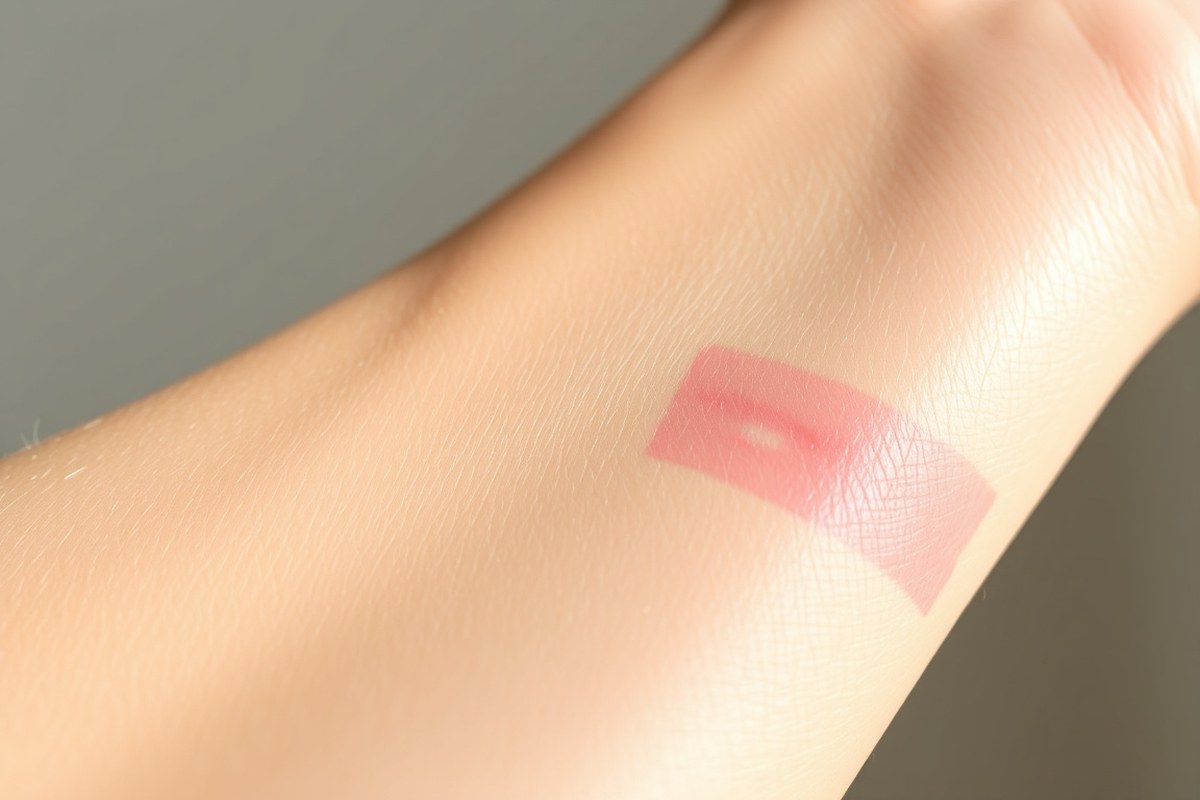
How to Get Rid of Contact Dermatitis: 8 Effective Steps for Fast Relief
To get rid of contact dermatitis, start by identifying and avoiding the trigger, then clean the affected skin gently and use appropriate treatments like soothing creams or over-the-counter hydrocortisone. Fast relief depends on quick action and protecting your skin from further exposure. You can reduce symptoms at home but may need medical care if the rash is severe or persistent.
This information suits anyone dealing with contact dermatitis or those caring for someone with it. You’ll learn how to recognize the condition, manage symptoms effectively, and prevent future flare-ups with practical, evidence-based steps for fast relief.
Key Takeaways
- Recognize contact dermatitis by redness, rash, and itching appearing within minutes to 72 hours after exposure to irritants or allergens.
- Identify triggers like soap, jewelry nickel, poison ivy, and personal care products by reviewing recent skin contacts and exposures.
- Immediately wash the affected area with gentle soap and cool water to reduce irritation and remove the suspected substance.
- Use over-the-counter hydrocortisone creams and moisturizers to soothe symptoms; reserve home remedies for mild cases without infection signs.
- See a doctor if the rash worsens, spreads, or persists beyond two weeks; prescription steroids or allergy testing may be needed.
- Expect contact dermatitis to last 2 to 4 weeks; healing time depends on severity and avoidance of the trigger.
1. What Is Contact Dermatitis and How to Identify It
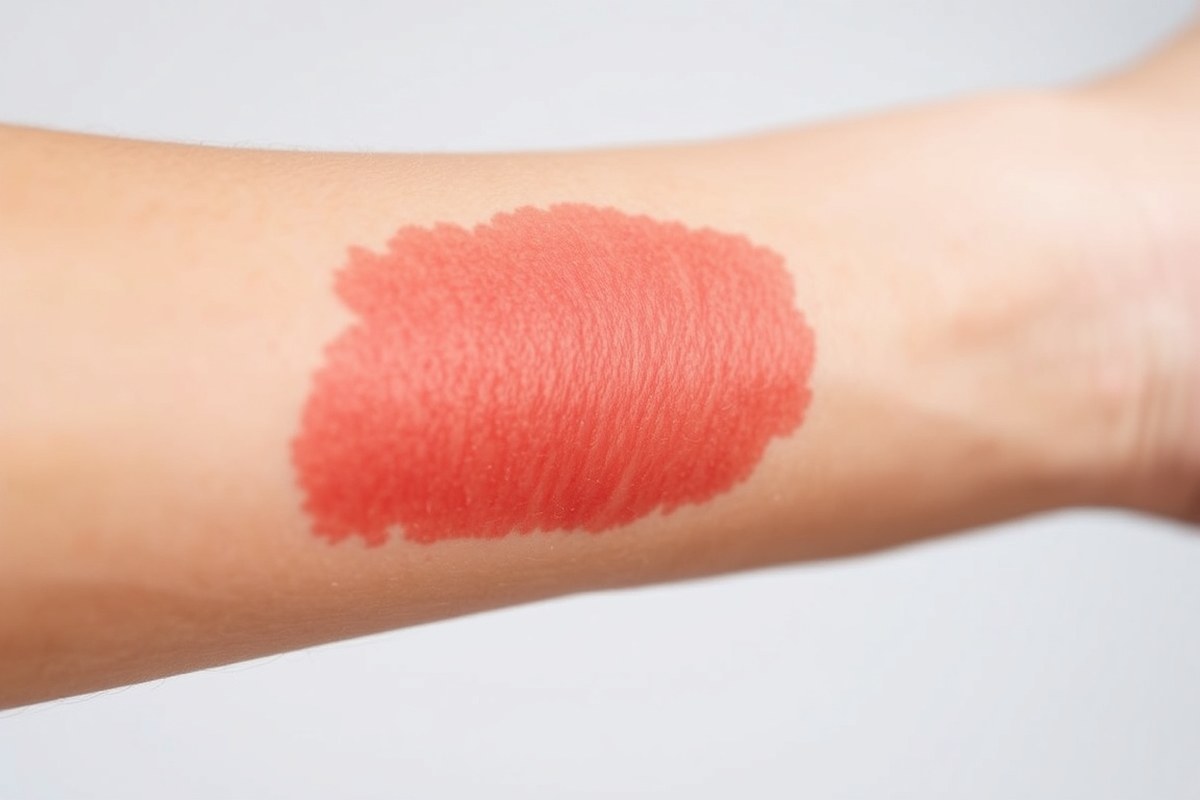
Contact dermatitis is an inflamed, itchy rash that appears on your skin after direct contact with an irritant or allergen. The two main types are irritant contact dermatitis and allergic contact dermatitis. Understanding these types helps you recognize symptoms and take the right steps to address the condition.
Irritant contact dermatitis happens when a substance damages the outer layer of your skin. Common causes include harsh soaps, cleaning products, or prolonged exposure to water. This type usually develops within minutes to a couple of days and does not require previous contact with the irritant. You might notice redness, burning, stinging, and soreness, mostly confined to the area directly exposed. For example, if you handle cement containing chromium, you might develop irritant contact dermatitis quickly. In some cases, the rash can persist even after you stop contact.
Allergic contact dermatitis happens when your immune system reacts to a substance it sees as harmful, such as specific metals, cosmetics, or plants. The symptoms usually develop gradually, often starting one to three days after contact and reaching their worst around 72 hours later. The rash generally appears only where the allergen touched your skin. Because the reaction is delayed, it may be hard to identify the cause right away, especially if you’ve never encountered the allergen before.
Common symptoms of contact dermatitis include redness, swelling, itching, and sometimes blistering or crusting. The rash often looks inflamed and may be scaly or rough. It usually appears only where the irritant or allergen touched your skin, unlike some other skin conditions that might spread or affect larger areas. For example, psoriasis usually causes thick, silvery scales and commonly appears on elbows, knees, or scalp rather than only on direct contact points. Fungal infections often show a ring-shaped rash with clearer skin in the center, which helps differentiate them from contact dermatitis.
Timing and rash appearance are key to distinguishing contact dermatitis from other skin problems. If the rash develops quickly after exposure and is limited to the contact area, it’s likely irritant dermatitis. Slower rash development with an itchy, spreading pattern suggests an allergic cause. Other skin conditions like eczema or psoriasis may look similar but tend to have chronic patterns, are not restricted to recent contact and usually affect broader or symmetrical skin areas.
Because contact dermatitis might be confused with other skin diseases, a healthcare provider can offer a precise diagnosis if you’re unsure. Proper identification matters since treatment varies, and ongoing exposure to an irritant or allergen can worsen the rash or lead to long-term skin damage. Recognizing symptoms early and knowing the differences between types helps guide faster, more effective care.
2. Common Causes and How to Identify the Triggering Substance
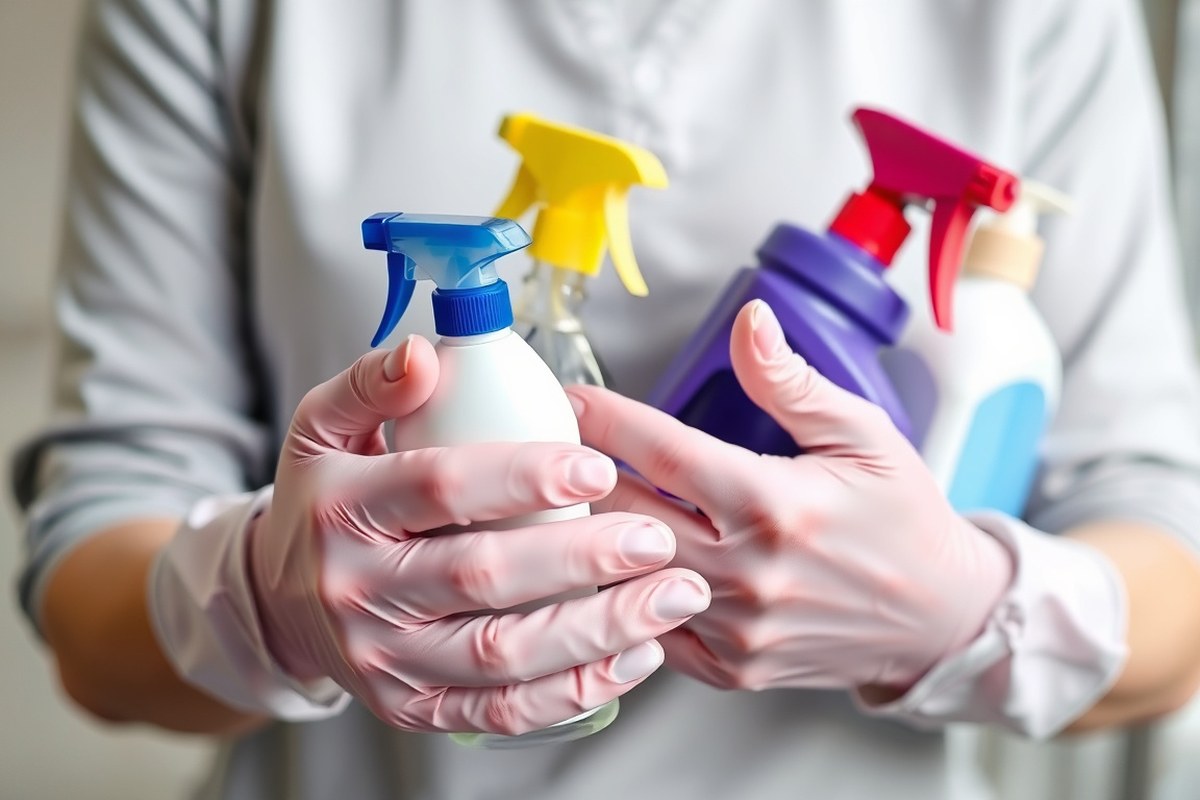
Contact dermatitis happens when your skin reacts to certain substances you touch. Identifying the cause is essential because avoiding it usually clears the rash and prevents it from coming back.
Common Irritants and Allergens
Many everyday products and materials can provoke contact dermatitis. Some of the most frequent irritants include soaps, bleach, rubbing alcohol, and topical antibiotics. Allergens that often trigger reactions are nickel in jewelry, fragrances and preservatives in cosmetics, hair dyes, latex rubber, and certain plants like poison ivy.
Other triggers can be tattoo ink or black henna, formaldehyde used in some personal care items, sunscreen chemicals, deodorants, and fabric dyes. Identifying these substances is necessary because contact dermatitis is caused by a direct skin response to a specific external agent.
Signs That Help Identify the Trigger
Knowing you’re in contact with a specific substance shortly before a rash appears can help you identify the culprit. Look for patterns, such as the rash forming after you wear a particular watch or use a new soap. The area of the rash often matches where your skin touched the irritant or allergen.
Tracking your daily activities and products used can reveal possible triggers. For example, if symptoms start after changing your detergent or putting on certain jewelry, these items are suspect. Observing whether symptoms improve when avoiding these substances also helps confirm the cause.
- Note when and where the rash appears.
- Record all personal care products and materials in contact with your skin.
- Check if the rash develops after exposure to known common irritants or allergens.
- Stop using suspect products one at a time to see if the rash improves.
- Compare new items to previous ones that never caused a reaction.
- Avoid plants like poison ivy if you spend time outdoors and notice rashes afterward.
- Wear protective clothing or gloves to reduce skin contact with possible irritants.
- Keep a detailed diary of symptoms and exposures to share with a healthcare provider.
Avoid jumping to conclusions about the trigger; ruling out suspects one by one helps prevent unnecessary avoidance of safe products.
When and How Patch Testing Works
Patch testing is the standard method for identifying specific allergens causing allergic contact dermatitis. A healthcare provider applies small amounts of common allergenic substances to your back or arm with adhesive patches. These patches stay in place for 48 hours, then are removed, and your skin is examined for reactions at 48 and 72 hours.
Patch testing helps confirm the trigger by showing a skin reaction only where the allergen was applied. This test is especially useful if you can’t identify the cause from your history or have persistent, widespread, or recurring dermatitis. Costs vary depending on the provider but generally range from $300 to $600 and may be covered by insurance if ordered by a doctor.
3. Immediate Self-Care Steps After Noticing Symptoms
Taking quick action after noticing contact dermatitis symptoms can limit irritation and speed up healing. Avoiding further contact with the irritant or allergen is the most important step. You should also steer clear of habits and products that could worsen the rash or slow recovery, such as scratching or using harsh soaps. Follow this checklist to start easing symptoms right away.
- Rinse the affected area thoroughly with cool or lukewarm water. Use plain water to remove any lingering irritant or allergen from your skin. Avoid hot water, which can worsen inflammation and itching. Rinse gently for 5 to 10 minutes without scrubbing.
- Avoid scratching or rubbing the rash. Scratching may increase irritation, cause infection, or lead to scarring. Keep nails short and consider wearing cotton gloves at night if itching is severe.
- Apply a mild, fragrance-free moisturizer. Choose a simple, gentle cream or ointment to soothe your skin and support the healing barrier. Avoid heavy creams or products with potential irritants like alcohol, dyes, or fragrances.
- Use a mild soap sparingly when washing. Opt for a soap-free cleanser or those labeled for sensitive skin to reduce further irritation. Limit washing the affected area to once daily while symptoms improve.
- Take an oatmeal bath to relieve itching and inflammation. Add colloidal oatmeal (available at drugstores for around $10 to $15) to lukewarm bathwater and soak for 10 to 15 minutes. Avoid hot water during baths.
- Consider taking an oral antihistamine. An over-the-counter antihistamine can help reduce itching, especially for allergic contact dermatitis. Follow dosing directions and be aware of possible drowsiness.
- Wear breathable, loose-fitting clothing over the rash. Tight clothes can aggravate irritation. Choose cotton or soft fabrics to minimize friction.
- Identify and avoid the triggering substance. Start pinpointing what caused your reaction to prevent further exposure. Keep track of new products, metals, or plants you recently contacted.
Avoid hot showers and harsh scrubbing, which dry the skin and can prolong inflammation. Also skip makeup, deodorants, or other personal care products that irritate your skin or worsen symptoms. Follow these steps carefully to reduce discomfort and support your skin’s natural healing process. Symptoms that worsen or don’t improve over several days despite self-care require medical advice.
4. Home Remedies and Over-the-Counter Treatments Compared
You can find relief from contact dermatitis using both home remedies and over-the-counter (OTC) treatments, each with distinct benefits and limitations. Simple home treatments like oatmeal baths and cool compresses soothe the skin by reducing itching and inflammation. They are easy to apply and inexpensive, providing comfort while the rash heals. On the other hand, OTC creams such as hydrocortisone and calamine lotion offer a faster reduction in symptoms because they actively combat inflammation and itching. Oral antihistamines can help reduce the urge to scratch, although they do not directly heal the rash. Below is a comparison of common home remedies and OTC treatments to help you decide which might work best for your situation:
| Treatment | How It Works | How to Use | Expected Relief Timeline | Cost and Availability | Limitations |
|---|---|---|---|---|---|
| Oatmeal Baths | Colloidal oatmeal soothes inflammation and calms itching | Add colloidal oatmeal to lukewarm bathwater and soak for 10-15 minutes | Immediate relief during bath; repeated use over days for improvement | Generally $5-$15 per package; widely available in pharmacies | Does not heal rash; only soothes symptoms temporarily |
| Cool, Damp Compresses | Reduces itch, redness, and inflammation | Apply a clean, cool damp cloth to affected skin for 10-15 minutes | Immediate symptom relief | Free, using household materials | Needs frequent reapplication; does not speed healing |
| Hydrocortisone Cream (1%) | Low-strength corticosteroid reduces inflammation and itching | Apply a thin layer to affected skin 1-2 times daily, up to 7 days | Improvement typically within 24-72 hours | $5-$15; available OTC in most drugstores | Not for long-term use; avoid broken skin or face without doctor advice |
| Calamine Lotion | Relieves itching and helps dry out oozing rash | Apply thinly to rash 2-3 times daily | Relief usually starts within hours | About $3-$10; OTC in pharmacies | May cause dryness; not anti-inflammatory |
| Oral Antihistamines | Reduce itching by blocking histamine, which triggers itch | Take as directed on package, often 10-25 mg every 4-6 hours | Onset in 30 minutes to 1 hour | $10-$20 for typical package; OTC | Does not heal rash; possible drowsiness side effects |
Oatmeal baths and cool compresses work well as supportive care, especially if your skin is very irritated or you prefer to avoid medicated products. Apply compresses several times a day as symptoms flare. Oatmeal baths are convenient for larger affected areas and can be done daily during flare-ups. OTC hydrocortisone cream offers more direct anti-inflammatory action and is best used for mild to moderate dermatitis without open sores. Calamine lotion helps if your rash is dry or oozing but won’t reduce swelling or redness significantly.
Oral antihistamines help you resist scratching, which can make the rash worse or lead to infection. Use these if itching disrupts sleep or daily activities, but try the lowest effective dose and avoid driving or operating machinery if you experience drowsiness. Avoid prolonged use of corticosteroids or antihistamines without consulting a healthcare provider, especially if symptoms persist beyond a week.
5. When to See a Doctor and Prescription Treatment Options
Your contact dermatitis rash requires medical attention if it worsens, spreads over a large area, or does not improve with home care within one to two weeks. Prescription treatments like corticosteroids or immunomodulators can reduce inflammation and speed healing in more severe or persistent cases. Consulting a healthcare provider is particularly important if there are signs of infection or if the rash affects sensitive areas such as your face.
Warning Signs That Need Medical Attention
Seek medical help when your rash spreads over a large part of your body, involves your eyes or mouth, or fails to improve after about one to two weeks of home treatment. Watch for symptoms of infection, including increasing redness, warmth, swelling, or the presence of pus or fluid-filled blisters. The appearance of fever alongside these signs requires urgent medical care. When the rash causes severe discomfort or interferes with daily activities, a healthcare provider can diagnose the condition accurately and create an appropriate treatment plan.
Prescription Options: Corticosteroids and Immunomodulators
Topical corticosteroids are usually the first choice for prescription treatment. They reduce redness and itching by suppressing inflammation directly on the skin. Stronger steroid creams may be prescribed for mild to moderate cases when over-the-counter products do not provide relief. For severe rashes covering large areas, a short course of oral corticosteroids may be recommended to control inflammation quickly. Immunomodulators, which modulate the immune response differently, are less commonly used and generally reserved for cases unresponsive to steroids due to rare but serious risks, including a potential cancer link.
Managing Severe or Infected Dermatitis
Severe episodes with blistering, oozing, or intense pain warrant prompt medical care. Oral corticosteroids can reduce widespread inflammation more effectively than topical treatments alone. When the rash shows signs of infection, such as pus, warmth, redness, or fever, your provider may prescribe oral antibiotics to treat or prevent the infection. Phototherapy, involving controlled light exposure, is another option for stubborn or chronic contact dermatitis after other treatments have failed. This treatment is typically offered in specialized care settings. Addressing severe or infected dermatitis promptly helps reduce complications and supports faster healing.
Never ignore worsening symptoms like spreading redness or fluid oozing from your rash; these may signal infection that needs immediate medical treatment.
6. How Long Does Contact Dermatitis Last and What Affects Recovery
Contact dermatitis typically heals within about three weeks when treated properly. Starting treatment early, such as using moisturizers, avoiding the offending irritant, and applying topical corticosteroids, can significantly speed up healing. Without treatment, the inflammation and rash may persist longer, sometimes lasting several weeks or more, as repeated exposure worsens symptoms. The National Eczema Association notes that irritant contact dermatitis causes 80% of cases and usually responds well to stopping contact with irritants and supportive skin care.
The severity of the reaction and how quickly you remove the trigger affect recovery time. Minor contact with a mild irritant may clear in a few days if you keep the skin clean and moisturized. More severe reactions, especially allergic contact dermatitis, can take up to three weeks or longer to resolve. Allergic contact dermatitis requires prior sensitization to the allergen and tends to worsen with every exposure, making avoidance critical. When the rash does not improve within three weeks despite treatment, consult a dermatologist for a personalized assessment.
Contact dermatitis generally does not become chronic, but repeated or continuous exposure to the irritant or allergen can lead to chronic dermatitis or even trigger other forms of eczema, such as atopic dermatitis. Seborrhoeic dermatitis, another form of eczema, is chronic but not a type of contact dermatitis. The risk of chronic issues grows when the skin barrier is repeatedly damaged, causing ongoing inflammation and sensitivity.
Climate and season also influence how contact dermatitis behaves and heals. Cold, dry air common in winter months can dry out skin and slow healing, making it more prone to cracking and infection. Conversely, hot and humid conditions may cause more sweating, potentially worsening irritation or spreading the rash. Using a humidifier during dry seasons can help soothe skin and support recovery, while keeping affected areas clean and dry in humid climates can prevent complications.
Healing involves keeping the skin barrier intact and avoiding anything that might cause further irritation. You should gently wash affected skin with mild soap and lukewarm water, pat dry, and apply fragrance-free moisturizers several times a day. Over-the-counter hydrocortisone creams can reduce inflammation, but stronger prescription options may be needed for severe cases. When your symptoms worsen or linger beyond three weeks despite these measures, it’s important to seek advice from a licensed dermatologist who can offer treatments such as prescription medications or light therapy tailored to your skin’s needs.
7. Preventing Future Flare-Ups and Protecting Sensitive Skin
Preventing future flare-ups of contact dermatitis starts with avoiding the substances that caused your skin to react. Protecting your skin through daily care, modifying your work environment, and adjusting habits based on your skin’s sensitivity offers the best chance of avoiding recurrence.
Daily Skin Protection and Moisturizing Habits
Keeping your skin well-moisturized is important since contact dermatitis often damages your skin’s natural barrier, making it more vulnerable to irritants. Use an emollient ointment or cream multiple times a day, especially after washing your hands or bathing. Emollient soap substitutes can help prevent the drying effects that regular soaps cause, which can worsen your skin condition.
Change personal care products to fragrance-free and hypoallergenic options after checking ingredient lists carefully. Avoid makeup, lotions, or detergents that contain known allergens or irritants. Contacting manufacturers or researching online ingredients can help confirm if a product is safe for your skin.
Workplace Precautions and Personal Protective Equipment
If your job exposes you to irritants or allergens like chemicals, detergents, or latex, taking protective measures is important. Wearing personal protective equipment (PPE), such as gloves made from non-latex materials and long sleeves, can reduce skin exposure. Choose gloves that fit well to avoid sweating and further irritation.
Washing hands gently with mild soap substitutes and drying thoroughly prevents further damage. Apply moisturizer after each handwashing to maintain skin hydration and reinforce its barrier function. Avoid touching your face or other sensitive areas without clean hands and consider barrier creams designed for occupational use.
- Use non-latex gloves or barrier creams when handling irritants
- Wash hands with gentle, non-drying cleansers and dry carefully
- Apply moisturizers frequently throughout the workday
- Wear protective clothing to limit skin exposure
- Replace PPE regularly to prevent contamination
- Keep a skin care kit at work with emollients and mild cleansers
Employers can support skin protection programs by providing workers with suitable PPE and skin care guidance, which reduces flare-ups and lost workdays associated with contact dermatitis.
Special Care for Vulnerable Skin Groups
Children and the elderly often have more sensitive skin that requires extra attention. Children’s skin is thinner and their immune systems are still developing, making it easier for allergens to cause reactions. Using gentle cleansers, limiting sun exposure, and applying moisturizers frequently helps maintain their skin’s integrity.
For elderly skin, dryness and thinning increase vulnerability. Choose richer emollients and avoid products with added fragrances or alcohol. In both age groups, quickly addressing any signs of irritation and consulting a healthcare provider if symptoms persist helps prevent worsening dermatitis. Those with naturally sensitive skin benefit from avoiding harsh products and extreme temperatures, using lukewarm water for washing, and relying on fragrance-free, hypoallergenic moisturizers to maintain a protective skin barrier.
8. Common Mistakes in Treating Contact Dermatitis and How to Fix Them
Many people make mistakes when treating contact dermatitis that can prolong irritation or worsen symptoms. Over-washing the affected area is common. Using hot water or harsh soaps strips your skin’s natural oils, making the rash dryer and more inflamed. Instead, gently wash with lukewarm water and a mild, fragrance-free cleanser once or twice a day. Overuse of topical steroids is another frequent error. Using strong steroid creams for too long can thin your skin and cause rebound flare-ups. Apply steroid treatments exactly as directed by your healthcare provider, usually for no more than one to two weeks.
It might seem helpful to use essential oils or natural remedies on a rash, but this can be unsafe. Oils like tea tree, lavender, and peppermint frequently cause allergic skin reactions and can make dermatitis worse. Don’t apply essential oils straight to a rash unless a dermatologist has told you to. Instead, choose gentle, fragrance-free moisturizers and barrier creams to protect and soothe your skin safely. Here are some other common mistakes and how to fix them:
- Ignoring the trigger substance and continuing contact with it.
- Using harsh or scented skin care products that irritate the rash further.
- Scratching or picking at the rash, increasing the risk of infection.
- Failing to moisturize regularly, which helps restore the skin barrier.
- Stopping medication too soon before the rash fully heals.
- Wearing tight or rough clothing that rubs the affected area.
Practice careful identify-and-avoid tactics by monitoring what substances touch your skin, especially at work or during cleaning, when irritant contact dermatitis is common. If symptoms persist despite treatment, consult a healthcare professional for proper diagnosis and prescription options. Correct management involves both avoiding triggers and following treatment instructions fully for a smooth recovery.
Avoid using essential oils directly on the rash, as they can cause allergic reactions and worsen contact dermatitis.
Step-by-Step Action Plan to Manage and Get Rid of Contact Dermatitis
Follow these steps to identify, treat, and prevent contact dermatitis effectively. Track your progress to adjust care and know when to seek professional help.
- Immediately after noticing symptoms: Rinse the affected skin with cool water to remove possible irritants or allergens. Relief from itching and redness within an hour means you removed or minimized exposure to the trigger.
- Within the first 24 hours: Avoid scratching or applying any unknown creams. Use an over-the-counter hydrocortisone cream or oral antihistamine to reduce inflammation and itching. Improvement should be visible in swelling and redness by the next day.
- Days 2-3: Identify and avoid contact with suspected triggers, check recent soaps, lotions, detergents, or jewelry. Replace these with hypoallergenic or fragrance-free products. Should symptoms persist or worsen despite these changes, further action is necessary.
- After 3-7 days: Use gentle moisturizing lotions regularly to repair the skin barrier. Continued improvement, such as reduced dryness and fewer flare-ups, indicates good skin recovery.
- Symptoms lasting more than 2 weeks or worsening: Schedule a visit with a healthcare provider for an accurate diagnosis and potential prescription treatments like stronger corticosteroids or allergy testing. Proper treatment often leads to quicker symptom resolution.
- Ongoing prevention phase: Protect sensitive skin by wearing gloves during cleaning, avoiding harsh chemicals, and maintaining skin hydration. When no new flare-ups occur over several weeks, your prevention plan is effective.
- Review and correct mistakes monthly: Avoid using fragranced or rough scrubs and stop overusing topical steroids. Notice fewer flares and better overall skin condition as signs you’re treating your skin correctly.
Frequently Asked Questions
How Do You Know If Your Contact Dermatitis Is Allergic or Irritant?
Allergic contact dermatitis develops slower, often peaking around 72 hours after exposure, while irritant contact dermatitis appears within 48 hours. Noticing this timing helps differentiate them for proper treatment.
Can Contact Dermatitis Cause Permanent Skin Damage?
Contact dermatitis usually does not cause permanent skin damage if treated early. Persistent scratching or infection could lead to scarring, so managing symptoms promptly is key.
Do Certain Fabrics or Clothing Worsen Contact Dermatitis?
Yes, rough or synthetic fabrics can irritate sensitive skin and worsen symptoms. Wearing soft, breathable cotton may help prevent flare-ups.
Can Stress Trigger or Worsen Contact Dermatitis?
Stress itself does not cause contact dermatitis but can worsen symptoms by weakening the skin’s barrier and immune response. Managing stress supports overall skin health.
Is Contact Dermatitis Contagious or Transferable to Others?
Contact dermatitis is not contagious or spread from person to person. The allergic or irritant reaction occurs only where your skin contacts the triggering substance.
Can Diet Affect Contact Dermatitis or Its Healing Process?
No specific diet cures contact dermatitis, but a balanced diet supports skin healing. Avoiding known food allergies that might worsen inflammation can help.
Wrapping Up
Managing contact dermatitis effectively starts with recognizing your triggers and taking prompt action to soothe your skin. Start today by reviewing the products and materials you come into contact with most to spot potential irritants or allergens. Protecting your skin and avoiding known triggers can help reduce flare-ups and keep your skin healthier long term.



2 Comments