

How to Get Rid of Mosquito Bites Overnight: 8 Fast-Acting Tips That Work
Getting rid of mosquito bites overnight is possible with the right approach. Applying cold compresses, using effective home remedies, and treating bites with over-the-counter creams can reduce itching and swelling quickly. Avoiding scratching helps prevent infection and scarring, speeding up healing while you sleep.
This advice is for anyone wanting fast relief from itchy, swollen mosquito bites using safe home treatments. You’ll learn how to safely soothe bites, the best natural remedies, when to use medications, and how to protect sensitive skin. Follow these tips to find comfort and clear up bites by morning.
Key Takeaways
- Mosquito bites rarely disappear overnight, but timely treatment can reduce swelling, itching, and redness significantly by morning.
- Wrap ice in a cloth and place it on mosquito bites for 10 to 15 minutes to safely lessen swelling and numb the itching sensation.
- Apply aloe vera gel or a baking soda paste for 10-20 minutes to soothe bites and support faster healing overnight.
- Take an oral antihistamine before bed for 24-hour itching relief that lasts until morning and reduces allergic reactions.
- Avoid scratching bites to prevent infection and scarring, especially on the face or sensitive skin areas.
- Soaking in a diluted vinegar bath can soothe multiple bites and calm itching while aiding skin recovery.
Can Mosquito Bites Really Disappear Overnight?
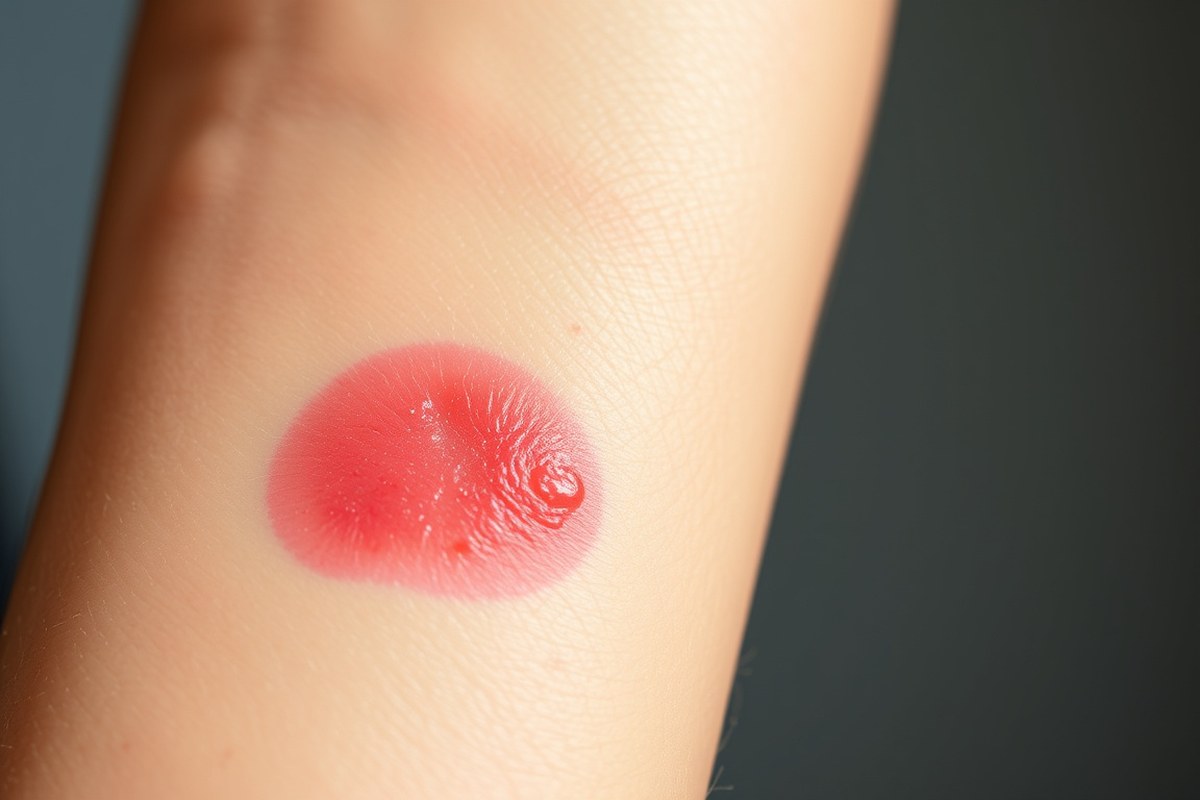
Mosquito bites rarely disappear completely overnight. The typical reaction to a bite includes itching, swelling, and redness caused by your body’s immune response to proteins in mosquito saliva. While you can’t expect the bite to vanish by morning, applying the right home treatments can significantly reduce these symptoms during the night. This means less discomfort and a smaller, less noticeable bite by the time you wake up.
The itching and swelling usually peak within the first 24 hours after a bite and can last anywhere from a few days up to a week without treatment. Using home remedies like ice packs or rubbing alcohol soon after getting bitten can help numb the area and reduce the inflammation. Rubbing alcohol, for example, denatures the saliva proteins triggering the reaction and cools the skin, easing the itch fast. These methods work best when applied promptly and can shorten the duration and severity of symptoms.
Overnight relief mainly refers to calming the immune response enough to decrease swelling and itching before the next day. Home remedies such as applying witch hazel or cucumber slices provide anti-inflammatory effects that soothe irritated skin, helping the bite appear less red and inflamed by morning. Oral antihistamines like cetirizine or diphenhydramine can further decrease histamine-driven swelling and itching, offering more substantial symptom control if taken as directed before bedtime.
Factors affecting how fast symptoms reduce include the location and number of bites, your skin’s sensitivity, and how quickly treatment starts. Larger bites or multiple bites may take longer to calm down. Sensitive skin might react more intensely, requiring consistent treatment throughout the day and night. Promptly applying cold compresses, natural anti-inflammatories, or antihistamines within hours, rather than days, after the bite increases your chance of noticeable relief by morning.
Expecting a mosquito bite to disappear completely overnight sets unrealistic expectations. Instead, focus on reducing the discomfort and visible swelling significantly through immediate and consistent treatment. By applying natural remedies or over-the-counter options early, you can ease itching and inflammation fast, minimizing the bite’s impact on your comfort and appearance until it fully heals over several days.
How to Use Ice and Cold Compress Safely to Reduce Swelling

Applying ice or a cold compress wrapped in a cloth to mosquito bites can quickly reduce swelling and itching before bed. Use it safely by limiting application time to 10-15 minutes on the affected area and repeating as needed with breaks in between. Avoid direct contact with ice on bare skin to prevent damage.
Preparing the Ice or Cold Compress
Start by creating a cold compress that is effective yet gentle on your skin. Plain ice in a bag or a commercial ice pack works well, but always wrap it in a thin towel or cloth before use. This prevents frostbite or ice burns from direct contact. You can also make a cold compress by soaking a clean cloth in cold water and wringing it out before applying.
Make sure the compress temperature is cold but not freezing solid. The goal is to numb the skin and reduce inflammation without causing new skin issues. Prepare everything close to bedtime so you can apply the cold promptly after noticing the bite symptoms.
Correct Application Duration and Frequency
Keep the ice pack or cold compress on the mosquito bite for no more than 10 to 15 minutes at a time to avoid skin damage. After use, take it off and wait at least half an hour before using it again to let your skin cool down. You can repeat this cycle throughout the night to help decrease swelling and relieve itching.
This method temporarily numbs the area, which helps relieve itching while limiting the inflammatory response that causes swelling. Using a cold compress several times during the night can improve comfort and may reduce the redness and swelling by morning.
Avoiding Skin Damage from Over-Icing
Do not place ice or an ice pack directly on your skin without a protective layer. Doing so increases the risk of frostbite or painful ice burns, especially on sensitive skin or thin areas like the face and ankles. Cold damage may cause blisters or worsen irritation rather than help.
Limit cold application to no more than 15 minutes at a time, and give your skin breaks between treatments. Stop icing immediately if your skin starts to turn white, becomes numb, or feels painfully cold. Consider switching to another soothing remedy if irritation or discomfort worsens to avoid prolonged skin damage.
Wrap ice in a thin cloth before applying, and never leave it on your skin unattended to prevent frostbite or cold burns.
- Gather a standard ice pack, a small bag of frozen peas, or fill a plastic bag with ice cubes.
- Wrap the ice pack or ice-filled bag in a thin towel or cloth to create a barrier.
- Place the wrapped compress gently over the mosquito bite area.
- Hold or rest the compress on the bite for 10 to 15 minutes only; use a timer if needed.
- Remove the compress and let your skin warm up for at least 30 minutes before reapplying.
- Repeat the process two to three times as needed before sleeping and during the night as discomfort returns.
- Avoid pressing hard or rubbing the area while applying the cold compress.
- Stop use immediately if skin turns pale or numb, or if you feel sharp pain.
Top Overnight Home Remedies That Really Soothe Mosquito Bites
Several home remedies can effectively soothe mosquito bites overnight, easing itching and inflammation for better rest. Baking soda paste, aloe vera gel, and natural options like lemon balm, chamomile, and witch hazel all offer calming effects. Applying these remedies properly maximizes their benefits by reducing discomfort while promoting faster healing.
Making and Applying Baking Soda Paste Safely
Baking soda paste works well to relieve mosquito bite itching by neutralizing the skin’s pH and reducing swelling. It is safe to use overnight but should be rinsed off after 10 to 15 minutes if left on too long to avoid skin dryness or irritation. Baking soda can also be added to bath water for multiple bites to calm inflammation all over the body. Follow these steps for preparing and applying baking soda paste:
- Mix 1 teaspoon of baking soda with just enough water to form a thick paste.
- Apply a thick layer of the paste directly onto the mosquito bite area.
- Allow the paste to dry naturally for 10 to 15 minutes.
- Rinse off gently with lukewarm water to avoid skin irritation.
- Pat the skin dry and leave the area uncovered for air circulation.
- Repeat once or twice overnight if needed, but avoid over-application to prevent dryness.
- For multiple bites, add 1/4 cup of baking soda to a warm bath and soak for 15 to 20 minutes to soothe widespread itching.
Using Aloe Vera Gel for Soothing and Healing
Aloe vera gel is a natural antiseptic that effectively soothes the itch and helps heal mosquito bites quickly. Applying aloe vera chilled adds a cooling effect that decreases inflammation and calms stinging sensations. It is safe for use overnight, but it’s best to wash it off after about 20 minutes to prevent any sticky residue that might attract dirt. Use this simple method for aloe vera treatment:
- Refrigerate pure aloe vera gel for a few minutes before application to improve the cooling effect.
- Apply a thick layer of chilled aloe vera gel over the mosquito bite area.
- Leave the gel on the skin for about 20 minutes to let it soak in and reduce swelling.
- Rinse the area with cool water and gently pat dry.
- Repeat this process two or three times overnight as needed for relief.
- Use fresh aloe vera from the plant if available for the best natural results.
Natural Options: Lemon Balm, Chamomile, and Witch Hazel
Natural remedies like lemon balm, chamomile, and witch hazel contain anti-inflammatory compounds that help reduce mosquito bite irritation. Chamomile tea applied as a cool compress calms the skin, while lemon balm’s similar properties aid in itch relief. Witch hazel contains tannins that shrink inflammation and are also gentle enough for sensitive skin areas. Try this guide to apply these natural remedies overnight:
- Brew chamomile tea and cool it completely in the refrigerator (at least 30 minutes).
- Dip a clean cloth or cotton ball into the chilled chamomile tea and apply it as a compress on the bite for 10 to 15 minutes.
- Repeat this compress 2 or 3 times overnight for ongoing relief.
- For lemon balm, crush a few fresh leaves to release their juice or use lemon balm oil diluted with a carrier oil.
- Gently dab the lemon balm juice or diluted oil onto the bite area up to twice overnight, avoiding broken skin.
- Apply witch hazel directly with a cotton ball to reduce swelling and soothe itch, limiting application to 2 or 3 times per night.
Effective Use of Over-the-Counter Creams and Oral Antihistamines
Over-the-counter (OTC) creams containing antihistamines, hydrocortisone, or calamine lotion are the most effective for reducing mosquito bite symptoms overnight. These creams calm the body’s reaction to the bite, reducing itching, redness, and swelling. Apply a thin layer to the cleaned area 1 to 3 times daily according to the product instructions. Hydrocortisone creams, often at 1%, are beneficial for reducing inflammation but should be used sparingly and not on broken skin. Calamine lotion offers a soothing effect and mild drying action, which can help if the bite feels moist or weepy.
Oral antihistamines, such as diphenhydramine (Benadryl), taken about 30 minutes before bed, can significantly improve overnight relief from itching and swelling. These medications work by blocking histamine, a chemical your body releases during allergic reactions to mosquito bites. Taking an antihistamine before sleep helps reduce the urge to scratch, allowing the skin to heal faster. Be aware that first-generation antihistamines often cause drowsiness, which some use intentionally as a sleep aid. Non-drowsy options are available but are generally less effective at improving sleep-related relief.
The safety of these treatments depends heavily on age and skin sensitivity. For children, especially those under 2 years old, oral antihistamines should only be used under pediatrician supervision, as dosage and product choice require professional guidance. Topical creams with hydrocortisone are not usually recommended for babies without a doctor’s approval because their skin is more delicate. For sensitive skin, test a small amount of cream on an unaffected area before applying it to bite sites to avoid further irritation. Calamine lotion is often well-tolerated by sensitive skin types.
Proper usage starts by gently washing the bite area with soap and lukewarm water to remove irritants and reduce infection risk. After drying, apply the chosen OTC cream in a thin, even layer. Avoid scratching before or after application to prevent skin damage that can worsen symptoms or lead to infection. When taking oral antihistamines, follow the dosage instructions on the package or a doctor’s advice strictly. Overuse of hydrocortisone creams can thin the skin and cause other problems if used for longer than a week without medical supervision.
Good results typically appear within one night, with notable reduction in itching and redness. Swelling and tightness should also decline, allowing more comfortable sleep. If irritation worsens or no relief occurs after two days, discontinue use and consult a healthcare professional. Those who have experienced severe allergic reactions to insect bites in the past should not rely solely on OTC treatments and should seek medical advice promptly. Pregnant women and individuals with certain medical conditions should also check with their doctors before using oral antihistamines or steroid creams.
Preventing Infection and Scarring: Tips to Avoid Scratching
Stopping yourself from scratching mosquito bites while you sleep is key to preventing infection and permanent marks. Scratching can break the skin, allowing bacteria to enter and cause a secondary infection. This risk is greater if your nails are dirty or if the bite is on a sensitive area like your face or hands. To avoid this, start by cleaning each bite gently with soap and water before bedtime to remove any germs.
Use a cold compress or ice pack on the bite for 10 to 15 minutes before sleep to reduce itching and swelling. This helps lower the histamine reaction and inflammation that drive the urge to scratch. Applying a natural antiseptic like honey can also prevent infection due to its antibacterial and anti-inflammatory properties. Covering the bite with a breathable bandage creates a physical barrier, preventing you from scratching unconsciously during the night.
- Clean the bite well with mild soap and water to reduce infection risk.
- Apply a cold compress for 10, 15 minutes to ease itching before bed.
- Use natural antiseptics like honey on the bite to prevent bacterial growth.
- Cover the bite with a breathable bandage or dressing overnight.
- Keep fingernails trimmed and clean to minimize skin damage if scratching occurs.
- Consider wearing lightweight gloves or cotton socks on hands or feet during sleep.
- Avoid applying irritating lotions or scratching creams during the night.
Preventing scars involves consistent care from the moment you notice the bite. Most marks are caused by persistent irritation or infection, not the bite itself. True scarring develops if repeated scratching damages deeper skin layers or if infection leads to slow healing. Early use of antiseptics and avoiding scratching significantly lowers this risk. Staying hydrated and applying gentle moisturizers can support skin repair overnight without aggravating the bite.
Keeping the bite clean and covered while you sleep greatly reduces infection risk and stops you from scratching in your sleep.
Using over-the-counter steroid creams or oral antihistamines before bed can reduce itching enough to help you rest without disturbing the bite. However, monitor the bite for signs of infection such as increasing redness, warmth, or pus, which require medical attention. Acting quickly by cleaning, cooling, and protecting the bite minimizes overnight discomfort and long-term skin damage.
Safe Treatment Options for Mosquito Bites on the Face and Sensitive Skin
Treating mosquito bites on the face and sensitive skin requires gentle methods to avoid irritation and reduce the risk of scarring. For babies and delicate areas, select mild remedies, and avoid harsh chemicals or concentrated essential oils. Safe practices focus on soothing the itch and swelling without causing redness or damage.
Face-Safe Remedies and Application Tips
The skin on your face is thinner and more sensitive than other parts of your body, so using mild, soothing treatments is essential. Applying a cool, damp cloth for 10 to 15 minutes can reduce swelling and ease itching gently. Avoid scratching to prevent marks or infection, especially since facial bites tend to be more noticeable.
Products that contain soothing ingredients like aloe vera or a diluted oatmeal paste work well on the face. For oatmeal, mix a tablespoon of plain oatmeal with water until it forms a paste, then dab it lightly on the bitten area for about 15 minutes before rinsing off. This provides fast relief without harsh chemicals. Applying vitamin E oil twice a day may also help reduce swelling and minimize potential scarring, but only use a small amount and avoid the eye area.
Care for Babies and Sensitive Skin
Babies and people with sensitive skin need extra caution since their skin can react strongly to many treatments. Use only hypoallergenic and fragrance-free creams or lotions that the pediatrician or dermatologist has approved. A cool compress or a clean, damp cloth gently applied to the bite offers relief without risks. Never use over-the-counter creams designed for adults unless advised by a healthcare professional.
To soothe itching safely, you can apply a small amount of plain, unscented aloe vera gel or a baking soda paste on the bite. The baking soda mixture should be made with one teaspoon of baking soda and a few drops of water to form a paste, applied for 10 to 15 minutes before rinsing. Frequent monitoring of the bite is important to spot any signs of infection or an allergic reaction early.
Using Essential Oils Safely
Essential oils like olive oil can offer fast relief for mosquito bites, but applying them directly on sensitive skin or infants’ faces can cause irritation or allergic reactions. Always dilute essential oils before use, mixing a drop in at least one teaspoon of a carrier oil such as coconut or olive oil. Test a small area first to check for any adverse reactions, especially on delicate skin.
Avoid applying strong essential oils like tea tree or eucalyptus directly to the face or on babies. Instead, use mild oils sparingly and never near the eyes or mouth. For safe overnight treatment, apply a thin layer of diluted olive oil to soothe irritation without the risks of harsh chemicals or fragrances. If redness, burning, or increased swelling occurs, discontinue use and wash the area with mild soap and water immediately.
Common Mistakes That Worsen Mosquito Bite Symptoms Overnight
Applying ice or cold compresses to mosquito bites too long can backfire. The CDC recommends limiting icing to about 10 minutes at a time. Over-icing may cause skin irritation or worsen swelling due to cold injury. After icing, wait at least 10 minutes before reapplying cold or switching to a baking soda paste to soothe itching. Baking soda, or sodium bicarbonate, offers itch relief but should be used as a mild paste made by mixing with water, not a dry powder. Leaving it on too long or using an undiluted form can irritate sensitive skin and delay healing.
Some ingredients and treatments can worsen mosquito bite symptoms instead of helping. Avoid using strong alcohol, hydrogen peroxide, or harsh soaps on the bite, as these can dry out and inflame the skin further. Excessive scratching drastically increases swelling, redness, and risk of infection. Scratching breaks the skin barrier, allowing bacteria a path inside. Resist the urge by applying recommended anti-itch treatments and keeping nails trimmed. Over-the-counter creams containing hydrocortisone or oral antihistamines are safer ways to reduce itching.
- Limit ice application to 10 minutes, then remove for at least 10 minutes before reapplying
- Use a baking soda paste made with water, not dry powder, and apply it for about 10 minutes
- Avoid irritants like rubbing alcohol, hydrogen peroxide, and harsh soaps on the bite
- Do not scratch; keep nails short and use anti-itch creams or oral antihistamines instead
- Apply treatments gently without rubbing or aggressive scrubbing
- For sensitive skin, test any remedy on a small area first to prevent reactions
- Use treatments recommended by trusted sources like the CDC or Mayo Clinic to avoid ineffective or harmful methods
Following these guidelines minimizes irritation and swelling overnight. Applying ice and baking soda correctly can tame redness and itch quickly. Avoiding irritants and scratching helps the skin recover and lowers infection risk. Gentle care and patience yield visible relief within hours instead of worsening discomfort and prolonging healing. Spending a few extra minutes on careful application can save significant discomfort by morning, making it worth sticking to these safe practices.
When to See a Doctor Instead of Using Home Remedies
You should see a doctor for a mosquito bite if you notice severe symptoms like intense swelling, blistering, or redness spreading beyond the bite area. These signs may indicate an infection that requires medical treatment. Development of pus or warmth at the bite site suggests a bacterial infection needing antibiotics.
Severe allergic reactions call for immediate medical attention. Watch for difficulty breathing, swelling of the throat or tongue, dizziness, or rapid heartbeat. These symptoms are signs of anaphylaxis, a life-threatening condition that needs emergency care without delay.
When treating bites with significant swelling or blisters at home, keep the area clean and avoid scratching. Worsening swelling or an enlarging blister after 24 to 48 hours requires consultation with a healthcare provider. They may recommend prescription-strength topical treatments or oral medications to reduce inflammation and prevent infection.
Multiple bites covering a large area or worsening symptoms over time also warrant a medical evaluation. Experiencing a fever, headaches, or body aches after mosquito bites could indicate mosquito-borne illness and should be assessed promptly by a healthcare professional.
A practical way to decide when to seek help is to use this rule: when any bite shows signs of spreading redness, blistering, or pain increasing beyond 48 hours despite home treatment, or when systemic symptoms like fever or difficulty breathing develop, go to a doctor. For stable, mild bites, home remedies and over-the-counter options typically suffice, but close monitoring is essential.
Seek emergency care immediately if you have throat swelling, shortness of breath, or feel faint after a mosquito bite.
Having a history of strong allergic reactions to mosquito bites means you should consider taking an oral antihistamine a few hours before exposure to mosquitos, following directions on the package or your doctor’s advice. Carry an epinephrine auto-injector if prescribed and avoid mosquito-prone areas during peak times to reduce risk.
Understanding when home treatments are not enough helps avoid complications. The cost of a doctor visit varies but is usually necessary when symptoms worsen or fail to improve in two days. Effective treatment at this stage prevents infections and severe allergic reactions, ensuring a safer recovery.
Step-by-Step Action Plan to Relieve Mosquito Bites Overnight
Follow this plan right after getting bitten to reduce itching, swelling, and redness by morning. Use these practical steps in order for the best overnight relief.
- Immediately after bite: Clean the area gently with soap and cool water to remove irritants and reduce infection risk. You should feel the skin is fresh but not irritated.
- Within 10 minutes: Apply an ice pack or cold compress wrapped in a cloth for 10 minutes to reduce swelling and numb itching. The bite should look less raised and feel less itchy afterward.
- Before bedtime: Use a trusted over-the-counter anti-itch cream or a small amount of 1% hydrocortisone cream on the bite. Avoid applying near eyes or broken skin. You’ll notice reduced discomfort while you sleep.
- Right after cream application: If swelling or itching is intense, take an oral antihistamine following package directions. This helps calm the allergic reaction and improves overnight comfort.
- Throughout the night: Avoid scratching the bite to prevent infection and scarring. Cover bites on sensitive areas or face with a loose bandage if needed. Your skin should stay intact and show no signs of irritation from scratching.
- Next morning: Gently wash the bite again and apply a soothing natural remedy like aloe vera gel or a teaspoon of honey to speed healing. The bite should look less red and feel calmer than the night before.
- If symptoms worsen or signs of infection appear: Consult a healthcare provider promptly instead of relying solely on home remedies. Look for increasing redness, warmth, pus, or fever as warnings.
Frequently Asked Questions
Can Mosquito Bites Get Infected If Left Untreated Overnight?
Yes, scratching can cause infection. Clean the area and avoid scratching to reduce risk.
Do Natural Oils Like Tea Tree Oil Help Reduce Mosquito Bite Itching Overnight?
Tea tree oil can soothe itching due to its antiseptic properties. Use diluted oil to avoid irritation.
Is It Safe to Apply Toothpaste on Mosquito Bites Overnight?
Toothpaste may provide temporary relief but can irritate sensitive skin. Test on a small area first.
How Does Oatmeal Relieve Mosquito Bite Symptoms Overnight?
Oatmeal reduces inflammation and soothes skin. Apply an oatmeal paste to calm itching while you sleep.
Can a Mosquito Bite Cause Allergic Reactions the Next Day?
Allergic reactions can develop after bites. Watch for swelling or difficulty breathing and seek medical help.
Will Covering Mosquito Bites Overnight Prevent Further Irritation?
Covering bites protects from scratching and external irritants. Use breathable bandages to allow healing.
The Bottom Line
Most mosquito bites won’t disappear entirely overnight, but you can significantly reduce itching, swelling, and redness with careful treatment. Apply a cold compress or an appropriate home remedy before bed to soothe the area and support faster healing. Tonight, try gently cleaning the bite and using a cold compress for 10 to 15 minutes to calm inflammation and help you sleep comfortably.





One Comment