
How to Get Rid of Sunburn Redness Overnight: 8 Simple Steps for Fast Relief
To get rid of sunburn redness overnight, focus on cooling your skin, applying soothing treatments like aloe vera or hydrocortisone cream, and keeping your skin hydrated. Starting these steps quickly can help reduce inflammation and discomfort while minimizing the visible redness. Although complete disappearance of redness in one night isn’t guaranteed, these methods provide fast relief and support healing.
You’re likely looking for fast, effective ways to calm redness and pain from a recent sunburn. This article covers the best 8 simple steps, from a quick 3-step overnight routine to medications, natural remedies, and warning signs for severe burns. Following these recommendations will help you reduce redness and ease discomfort as soon as possible.
Key Takeaways
- Start treatment within hours by applying 1% hydrocortisone cream to reduce sunburn redness and inflammation effectively overnight.
- Use a simple 3-step routine: cool water bath, hydrocortisone cream application, and anti-inflammatory medication like ibuprofen for best results.
- Ibuprofen helps reduce redness, pain, and swelling and should be continued for 48 hours to maximize benefits.
- Cool compresses or a 10-15 minute cool bath soothe skin and lower redness quickly after sun exposure.
- Avoid harsh or oily products, alcohol-based lotions, and hot water to prevent worsening sunburn redness and irritation.
- Natural remedies like yogurt can soothe, but do not replace corticosteroids or anti-inflammatory drugs for faster redness reduction.
1. How to Reduce Sunburn Redness Overnight: A Simple 3-Step Routine
You can significantly reduce sunburn redness overnight by following a simple routine that combines topical treatment, cooling, and anti-inflammatory medication. While you won’t completely erase redness in one night, starting these steps as soon as possible can bring down the inflammation and discomfort substantially. The key is to begin treatment quickly and stick to a consistent schedule for applying soothing products like aloe vera and hydrocortisone cream.
Sunburn redness results from skin inflammation caused by UV damage. Cooling the skin and using anti-inflammatory ingredients helps limit this reaction. Using a 1% hydrocortisone cream within 6 hours of noticing redness is especially effective, as corticosteroids reduce swelling and redness. Applying aloe vera calms the skin while keeping it moisturized to support healing. Over-the-counter ibuprofen lowers pain and inflammation from the inside out, so taking it alongside topical care speeds recovery. Here’s a straightforward 3-step routine to reduce sunburn redness overnight:
- Cool the skin immediately. Use a clean, damp, cool (not cold) cloth on the sunburn for 10 to 15 minutes. This helps reduce heat and tightness. Avoid ice, which can damage already sensitive skin.
- Apply a 1% hydrocortisone cream. After cooling and gently patting the skin dry, apply a thin layer of hydrocortisone cream to the affected area. Do this within 6 hours for best results. Repeat application up to twice a day, no more than 7 days total, to safely reduce redness and inflammation.
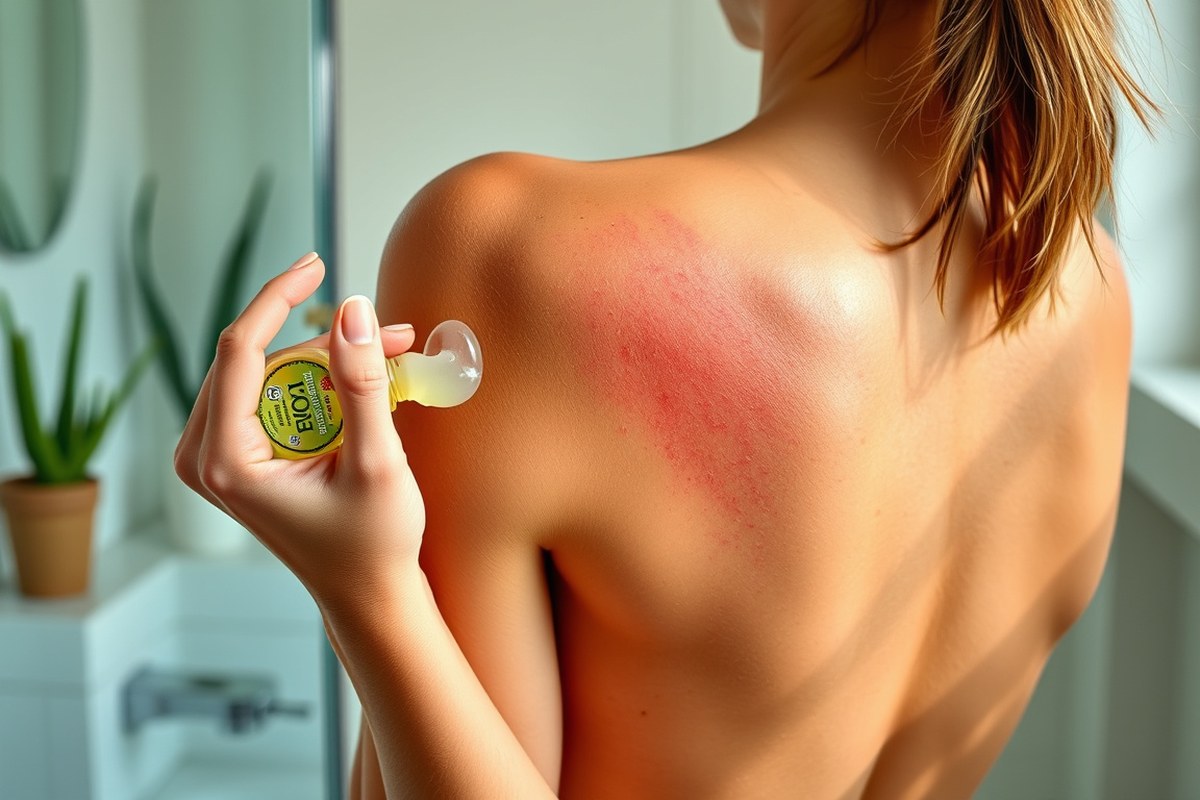
- Follow with a moisturizing aloe vera gel or lotion. After the hydrocortisone cream has absorbed, apply aloe vera to soothe and hydrate your skin. Reapply aloe vera every few hours, especially before bed, to keep skin moist without clogging pores.
- Take ibuprofen according to package directions. Start within the first few hours and continue every 6 to 8 hours for up to 48 hours if needed. This reduces pain, swelling, and redness internally, but do not exceed the recommended dose.
- Keep hydrated and avoid further sun exposure. Drink plenty of water and stay indoors or under shade to prevent aggravating the burn while it heals.
Redness can begin fading overnight, but the full healing process often takes several days. Persistent redness means continuing with aloe vera and hydrocortisone while protecting skin from additional damage. If your skin blisters, becomes very painful, or shows signs of infection, it’s best to seek medical advice.
This routine requires little cost: hydrocortisone cream typically runs under $10 at a pharmacy, aloe vera gels range from $5 to $15, and ibuprofen is widely available and affordable. Consistency and gentle care offer you the best chance to reduce redness and discomfort quickly.
2. Why Does Sunburn Cause Redness and How Long Does It Last?
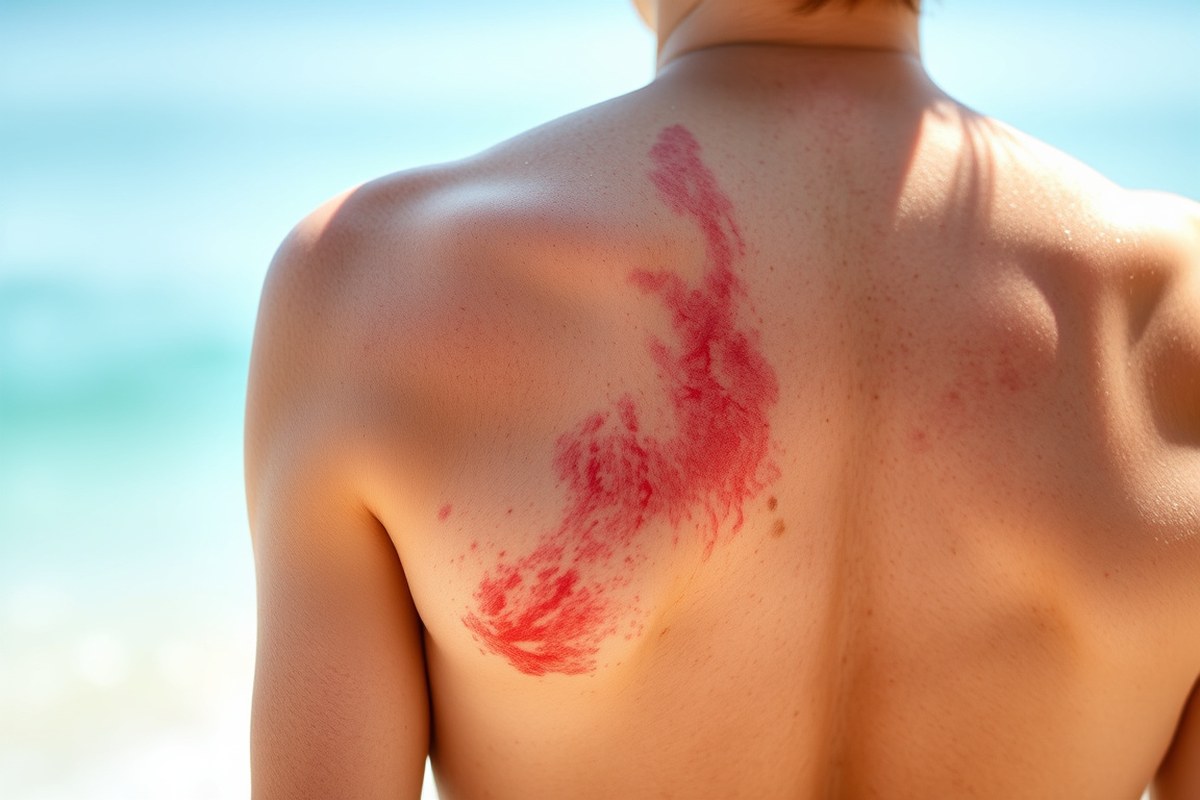
Sunburn redness occurs because ultraviolet (UV) radiation from the sun damages the top layers of your skin, triggering your body’s inflammatory response. When UV rays penetrate the epidermis, they harm skin cell DNA, leading to redness, swelling, and pain as blood vessels dilate to bring immune cells to the damaged area. This inflammation causes the visible redness and heat characteristic of sunburn.
The severity of the sunburn affects how long redness lasts. Mild sunburns, also called first-degree burns, typically heal within about a week. Your body replaces the damaged skin cells, slowly repairing the affected area. Higher severity burns, which cause more tissue damage, can take longer and may include peeling, increased discomfort, and a risk of infection if not cared for properly. Healing timelines generally stretch from a few days up to two weeks depending on the damage and your skin type.
The time of day and season influences how intense your sunburn may be but does not drastically change healing speed. UV rays are strongest around midday and during summer months, increasing the risk of a more severe burn if you are exposed without protection. However, once the burn occurs, healing follows similar biological processes regardless of season but can be slower in dry or cold weather due to reduced skin hydration. Consistently cooling the skin and moisturizing supports faster recovery all year around.
The sunburned skin loses moisture and becomes dehydrated, which worsens inflammation and extends redness. Applying cool water treatments several times daily for 10-15 minutes helps reduce swelling and calms your nerves. Avoiding soaps and harsh cleansers minimizes further drying. Using an anti-inflammatory medication like ibuprofen can also reduce internal swelling and redness by addressing the underlying inflammation.
Understanding inflammation as a protective mechanism helps you realize why redness takes time to fade. Your immune system is actively repairing damage, so while quick fixes can reduce discomfort and improve appearance, complete healing requires time. Skin typically reverts to its normal color and texture as the new skin forms and inflammation decreases over days to a week. Expect some peeling as damaged cells slough off, this is a normal part of skin turnover and signals progress.
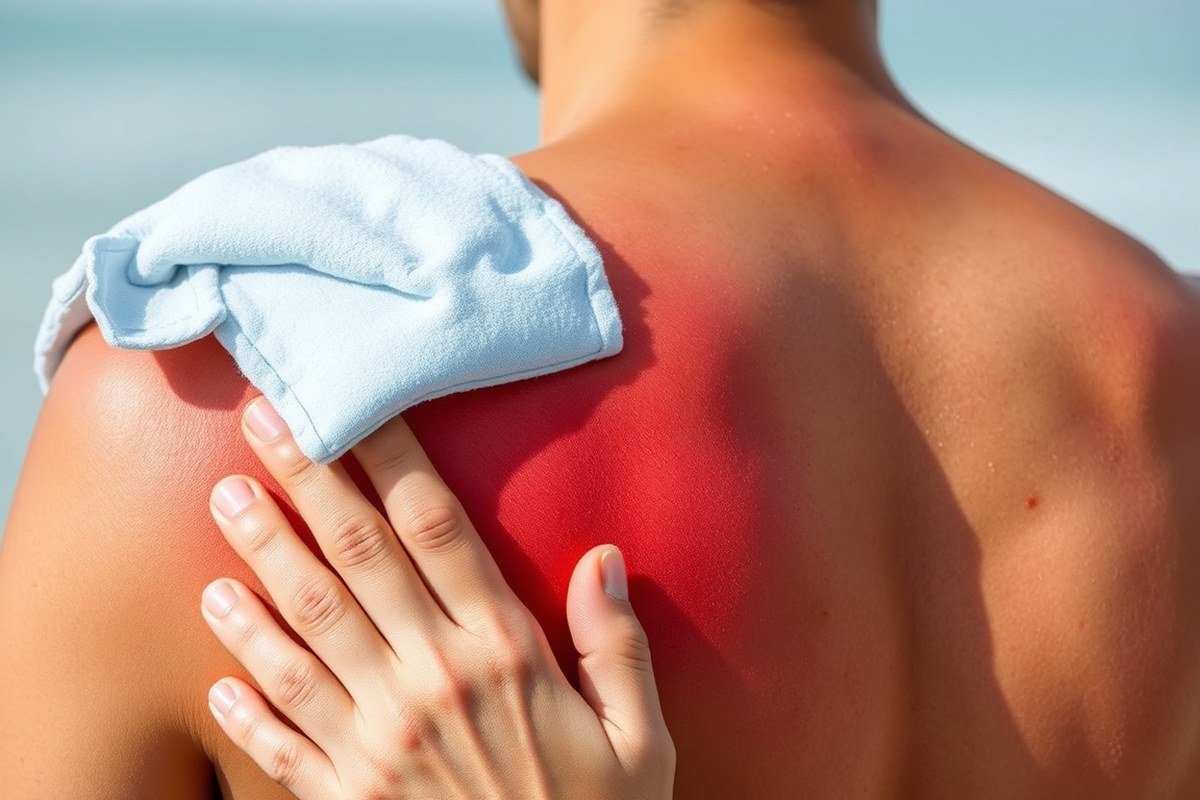
Apply a cool, damp cloth to your sunburned skin for 10-15 minutes several times a day to soothe redness and help control inflammation.
3. Choosing Between Hydrocortisone Cream and Natural Remedies
Hydrocortisone cream is effective for reducing inflammation and itching in mild sunburns but is less suitable for severe burns. Natural remedies suit most mild to moderate redness and help nourish skin without risks tied to steroids. Your choice depends on how severe the burn is, your skin sensitivity, and how quickly you want relief.
When to Use Hydrocortisone Cream
Hydrocortisone cream works by reducing inflammation and redness, making it a useful treatment for mild sunburn. Apply a one percent hydrocortisone cream sparingly on the sunburned skin every few hours if you experience itching or discomfort. Avoid using it on broken skin, open blisters, or severe burns, since steroids can interfere with healing or increase infection risk.
You should use hydrocortisone mainly for mild redness and itching that persists beyond the initial cooling and moisturizing steps. Do not rely on it for large areas or deeper burns. For example, if your skin is red, painful to touch but not blistered, hydrocortisone can manage the inflammation and speed comfort. Always follow package instructions and limit use to a few days to avoid skin thinning.
Best Natural Remedies for Mild Redness
Natural treatments help soothe redness while supporting skin repair. Applying aloe vera gel or deep moisturizing lotions before bed keeps skin hydrated and encourages healing overnight. Lukewarm baths with gentle cleansers relieve itching without stripping moisture.
Cold compresses using black or green tea bags can cool the skin. Tannic acid and antioxidants in these teas draw heat away and may help repair UV damage. Similarly, milk soaks or yogurt masks provide mild anti-inflammatory effects and strengthen the skin barrier. These remedies work best when the sunburn is mild, showing redness without blisters and lasts 3 to 5 days with consistent care.
Risks and Benefits Comparison
Choosing between hydrocortisone cream and natural remedies depends on your burn’s severity and skin sensitivity. The table below outlines key differences and applications to guide your decision:
| Sunburn Severity | Hydrocortisone Use | Natural Remedies Use | Notes |
|---|---|---|---|
| Mild (redness, slight pain) | Recommended for inflammation and itching relief | Soothing aloe vera, cool baths, moisturizing lotions | Hydrocortisone short-term use speeds symptom relief |
| Moderate (redness, blisters, moderate pain) | Not recommended on blisters or broken skin | Gentle baths, moisturizing, cold tea compresses | Natural care supports healing; avoid steroids |
| Severe (severe pain, blistering, skin loss) | Do not use; seek medical attention | Only gentle cleansing; medical guidance needed | Risk of infection and complications is high |
| Sensitive Skin or Allergies | Use cautiously; test on small area first | Prefer hypoallergenic moisturizers, aloe vera | Hydrocortisone may cause irritation if sensitive |
| Long-Term Skin Damage Prevention | Hydrocortisone does not prevent damage | Antioxidant-rich natural products support repair | Use sunscreen after healing to avoid further harm |
Anti-inflammatory creams like hydrocortisone decrease redness and ease pain temporarily, without preventing UV damage or long-term skin aging. Natural remedies with antioxidants and proper sun protection minimize further harm and aid skin recovery. Using hydrocortisone on mild burns offers quick relief but should not replace careful sun avoidance and skin hydration. Severe or blistering sunburn requires medical attention rather than over-the-counter treatments.
4. Cooling and Soothing Techniques to Calm Redness Quickly
Cooling the skin immediately after a sunburn helps reduce redness and soothes discomfort by lowering skin temperature and constricting blood vessels. Properly using cold compresses, ice packs, or taking cool showers and baths can provide quick and effective relief. However, the method and timing are important to avoid further irritation.
Proper Use of Cold Compresses and Ice Packs
Cold compresses gently lower the skin’s temperature, reducing swelling and redness without causing damage. Ice packs are effective but must be used with care to prevent frostbite or excessive cooling. The key difference is that cold compresses, like a towel dipped in cool water, are safer for direct skin contact and suitable for short periods, while ice packs should never be applied directly but wrapped in cloth.
To use a cold compress safely, soak a clean towel in cold water, wring out excess moisture, and place it on the sunburned area for 10 to 15 minutes. Repeat this every hour as needed. For ice packs, wrap them in a thin cloth and apply for no more than 10 minutes at a time. Always check your skin to prevent overcooling, which can cause damage.
- Use a cool, wet cloth or towel as a cold compress
- Wrap ice packs in a cloth before applying
- Limit application to 10-15 minutes to avoid skin damage
- Repeat after breaks of at least 30 minutes
- Avoid using ice directly on the skin
- Do not apply compresses to broken or blistered skin
Benefits of Cool Baths and Showers
Taking a cool shower or bath can cover larger sunburned areas, helping to evenly lower the skin’s temperature and reduce redness. The American Academy of Dermatology recommends cool water because it pulls heat from the skin and calms the dilated blood vessels responsible for redness. Cool, not cold, water avoids shocking or irritating already sensitive skin.
For a cool bath, fill the tub with lukewarm water around 70 to 75°F (21 to 24°C) and soak for about 10 to 15 minutes. Adding colloidal oatmeal can further soothe irritated skin. Showers should last no longer than 10 minutes and use a gentle flow of cool water. After bathing, gently pat your skin dry to leave some moisture for comfort and hydration.
Mistakes to Avoid During Cooling
Common errors can prolong sunburn redness or make symptoms worse. Overusing ice packs, applying them directly on the skin, or using water that is too cold can cause skin damage like frostbite or increase irritation. Equally problematic is staying in cool baths or showers for too long, which can dry out the skin and delay healing.
Another mistake is rubbing or scrubbing sunburned skin when wet, which aggravates redness and slows recovery. Avoid hot water, as it draws more blood to the skin surface and worsens redness. Also, skipping breaks between cooling sessions may cause your skin to overcool, leading to discomfort or damage.
- Do not use ice directly on the skin
- Avoid very cold water below 70°F (21°C) for baths or showers
- Limit exposure to cold compresses and baths to 10-15 minutes
- Never rub or scrub wet sunburned skin
- Avoid hot showers or baths
- Take breaks between cold applications to prevent overcooling
5. Medications and Supplements for Redness and Pain Relief
Ibuprofen and similar over-the-counter anti-inflammatory medications can reduce sunburn redness by blocking prostaglandins, the chemicals that cause inflammation and redness in the skin. Taking ibuprofen within the first few hours after sun exposure offers the most benefit for reducing redness and swelling. If you miss that window, ibuprofen can still help ease pain and limit swelling during the peak redness phase, although its effect on redness may be less noticeable.
To use ibuprofen safely for sunburn, take the lowest effective dose according to the packaging instructions. For adults, that typically means 200 to 400 mg every 4 to 6 hours, not exceeding 1,200 mg in 24 hours without doctor approval. Taking ibuprofen with food or milk helps reduce stomach upset. Avoid using ibuprofen if you have kidney problems, stomach ulcers, or certain heart conditions unless advised by a healthcare provider.
Anti-inflammatory creams can provide localized relief, but their effects on long-term skin damage are limited. While NSAID pills can reduce inflammation internally and ease redness, they do not guarantee prevention of deeper skin injury caused by sunburn. Persistent redness beyond a few days may indicate damage that requires medical evaluation and possibly prescription treatments. Acetaminophen (Tylenol) can relieve pain but does not reduce inflammation or redness.
Start taking ibuprofen as soon as you notice sunburn symptoms to help minimize redness and discomfort. Continue dosing within recommended limits for 1 to 2 days depending on pain and redness severity. Combining ibuprofen with cooling and soothing measures accelerates relief. Keep in mind that medications do not replace sunburn prevention methods like applying sunscreen or covering skin during peak sun hours.
Do not exceed recommended ibuprofen doses, and consult a healthcare professional if you experience persistent redness or severe pain after sunburn.
6. What Not to Use on Sunburned Skin to Avoid Worsening Redness
Applying the wrong products or ingredients to sunburned skin can make redness and irritation worse. Avoid anything that dries out your skin further, traps heat, or causes additional inflammation. For example, lotions or creams containing alcohol draw moisture from the skin, which deepens dryness and stings burned areas. Ingredients like benzocaine or lidocaine, often found in over-the-counter anesthetic creams, might seem helpful but can actually irritate sensitive sunburned skin, according to the American Academy of Dermatology.
Many skincare products designed for daily use include retinoids, acids like alpha hydroxy acids (AHAs) and beta hydroxy acids (BHAs), or exfoliants. These strong ingredients can increase redness and delay healing when your skin is sunburned. Petroleum-based products, such as petroleum jelly, can trap heat in the skin, preventing your body from cooling down the burn efficiently. This may lead to more redness and discomfort.
Coconut oil is a popular natural option but has mixed reviews. It contains antimicrobial fats like lauric acid, which can help, but oils in general might feel heavy or trap heat if applied too thickly. Use it sparingly only if your skin is not weeping or blistered. Safer choices are lightweight lotions or gels with vitamins C and E that support skin repair without causing irritation.
- Avoid products with alcohol, fragrances, or added colors especially in aloe vera gels.
- Skip moisturizers containing lidocaine, benzocaine, or other topical anesthetics.
- Do not use retinols, retinoids, AHAs, BHAs, or other chemical exfoliants.
- Stay away from thick petroleum-based products that trap heat in your skin.
- Limit use of heavy oils like coconut oil, applying only in small amounts if skin is dry and unbroken.
- Do not pick or scratch the sunburned skin to avoid worsening irritation.
- Avoid spending more time in direct sunlight while your skin is healing.
Knowing exactly what to avoid and reading product labels carefully can prevent prolonged redness and pain. Even inexpensive moisturizers can cause problems if they contain the wrong ingredients. Look for simple, fragrance-free, alcohol-free products that soothe without clogging pores or drying out your skin. Taking these steps helps your skin retain moisture and heal more quickly overnight.
7. Home Remedies Compared: Which Really Work for Reducing Sunburn Redness?
Some home remedies can help reduce sunburn redness more effectively and safely than others. Aloe vera stands out as a reliable choice, while popular alternatives like cucumber, yogurt, or green tea offer mild relief but are less proven. Shaving cream, however, does not have any real benefit and may irritate the skin.
Effectiveness of Popular Home Remedies
Natural products found in your kitchen come with different levels of effectiveness for easing sunburn redness. Aloe vera gel consistently proves beneficial by soothing and promoting healing in the skin. Other options provide temporary cooling but lack strong anti-inflammatory effects. The table below ranks some common remedies based on their ability to reduce redness and their safety for use on sunburned skin.
| Remedy | Effectiveness for Redness | Safety for Sunburned Skin | Typical Application |
|---|---|---|---|
| Aloe Vera Gel (100% pure) | High – promotes wound healing and soothes redness | Very safe when applied gently | Apply gently twice daily, allow to dry |
| Cucumber Slices | Moderate – cooling effect but minimal healing | Generally safe but may cause irritation if skin is sensitive | Place chilled slices on skin for 10-15 minutes |
| Green Tea Compress | Low to moderate – antioxidants reduce minor inflammation | Safe if cool and gentle | Apply cooled, wet tea bags or cloth for 10 minutes |
| Yogurt | Low – slight soothing from cool temperature | Safe but can be messy and may irritate in some cases | Spread a thin layer, rinse after 15 minutes |
| Shaving Cream | None – no healing or soothing properties | Not recommended – may cause irritation | None recommended |
Using remedies with higher effectiveness and safety ratings like aloe vera is best for overnight redness reduction. Others can supplement relief but shouldn’t replace proven treatments.
How to Apply Aloe Vera Properly
Applying aloe vera gel properly maximizes its soothing and healing effects on sunburn redness. Use 100% pure aloe vera gel to avoid added chemicals that could irritate your skin. Gently spread a thin layer over sunburned areas after cleansing with cool water.
Let the gel absorb fully before putting on loose clothing to avoid rubbing irritated skin. Repeat this application at least twice daily for optimal results. Using aloe vera at room temperature or slightly chilled improve the cooling sensation without shocking the skin.
Avoid rubbing or massaging the gel aggressively since sunburned skin can be fragile and prone to further irritation. Consistent use can reduce redness, dryness, and peeling, helping your skin recover faster overnight.
Myths and Facts About Other Remedies
Cucumber is often praised for its cooling properties but mainly offers temporary relief from heat rather than healing sunburn redness. Place chilled slices on your skin for 10 to 15 minutes to soothe discomfort but expect little improvement in redness or inflammation.
Green tea contains antioxidants which may mildly reduce inflammation when applied as a cool compress. This can ease irritation but will not significantly improve redness by itself. Use brewed tea cooled to room temperature and apply gently using a soft cloth.
Yogurt’s cool texture provides brief soothing, but dairy proteins and acidity might irritate some sunburned skin. If you decide to try yogurt, apply a thin layer and rinse after 15 minutes. Scientists do not support shaving cream as a sunburn treatment. It has no anti-inflammatory benefit and may worsen redness by irritating already damaged skin.
8. Recognizing Severe Sunburn and When to Seek Medical Help
Sunburn redness sometimes signals more than mild irritation. You should watch closely for signs that your burn might be severe enough to require medical attention. Severe sunburns often develop blisters, which indicate a second-degree burn and need more careful treatment. When blisters form, especially over a large area or if they contain discolored fluid, it’s best to contact a healthcare provider to avoid infection or complications.
Additional symptoms beyond redness and pain suggest a systemic reaction to the burn. Fever, chills, severe pain, or nausea mean your body is responding to the injury in a way that over-the-counter creams and home care may not control. Delaying medical care in these cases can lead to worsening symptoms or lasting skin damage.
Do not pop sunburn blisters, as this increases the risk of infection and delays healing.
Knowing when to seek medical help depends on a clear set of warning signs. Check if any of the following apply to your sunburn condition:
- Blisters covering a large part of your body or filled with cloudy or yellow fluid
- Severe pain not relieved by typical sunburn treatments
- Signs of infection such as increased redness around blisters, pus, or warmth
- Fever over 100.4°F (38°C), chills, or nausea indicating systemic involvement
- Sunburn that hasn’t started to improve after 10 to 14 days
- Sunburn on a child, especially if severe or if the child shows any concerning symptoms
Monitor your sunburn closely for at least the first 24 hours after exposure, since redness and pain typically peak during this period. Treatments that are working will gradually reduce redness, swelling, and discomfort. When the redness spreads or the pain intensifies instead of improving, those are signals to seek medical evaluation. Persistent or worsening symptoms can mean a deeper burn or infection requiring prescription care or other interventions.
Act promptly if you notice any of these signs. Visiting a doctor helps you get proper treatment, reduce your risk of scarring, and prevent infections that can arise from damaged skin. Remember that recent burning damages the skin’s protective layer, making it vulnerable to bacteria and other irritants. Taking sunburn seriously protects your skin health in the short and long term.
Step-by-Step Action Plan to Reduce Sunburn Redness Overnight
Follow these clear steps tonight to calm your sunburn, reduce redness, and soothe discomfort. Each action helps your skin heal faster and improves how you look by morning.
- Right after sun exposure: Apply a cool, damp compress to the sunburned area for 15 to 20 minutes. You’ll know it’s working when the heat and initial sting start to fade.
- Before bed: Gently apply a thin layer of 1% hydrocortisone cream on the affected skin if redness is moderate and not broken. This helps reduce inflammation and redness; expect less visible redness by morning.
- Before sleep: Use a fragrance-free moisturizer or aloe vera gel to keep skin hydrated. Skin that feels less tight or flaky indicates better moisture retention and reduced redness.
- At bedtime: Take an over-the-counter pain reliever like ibuprofen to address inflammation and discomfort. Reduced throbbing or tenderness by morning shows it’s effective.
- During the night: Sleep improve with your sunburned areas exposed to air rather than covered tightly by clothing or bedding. Less sweating and irritation upon waking confirms this helps calm redness.
- The next morning: Avoid any harsh soaps or products containing alcohol on the affected skin. Notice less redness and no new irritation compared to the night before.
- Next day, assess severity: If redness worsens, blistering appears, or pain intensifies, contact a healthcare provider. Prompt medical attention prevents complications from severe sunburn.
Frequently Asked Questions
Can I Completely Get Rid of Sunburn Redness Overnight?
You cannot completely get rid of sunburn redness overnight, but applying cool compresses, using hydrocortisone cream, and moisturizing can reduce redness and discomfort by morning. Acting quickly helps minimize inflammation and improve your skin’s appearance.
Does Drinking Water Help Reduce Sunburn Redness Overnight?
Drinking water keeps you hydrated and supports skin healing, but it won’t directly reduce redness overnight. Staying hydrated helps your body repair damaged skin faster over the next few days.
Is It Safe to Use Aloe Vera Gel on Sunburn Overnight?
Yes, aloe vera gel is safe to use overnight and can soothe skin while reducing redness and inflammation. Applying a pure aloe product before bed helps cool the skin and keep it moisturized through the night.
Can Ice Reduce Sunburn Redness If Applied Overnight?
Applying ice directly overnight is not recommended, but short cool compresses can reduce redness and inflammation. Avoid prolonged exposure to ice, which can damage already sensitive skin.
Will Taking Ibuprofen at Night Help with Sunburn Redness?
Taking ibuprofen can reduce pain and inflammation, helping lessen sunburn redness overnight. Continue for 48 hours if needed, but follow label directions and consult a health professional if unsure.
Does Applying Makeup Help Cover Sunburn Redness Overnight?
Makeup does not reduce redness and can irritate burned skin. It’s better to let your skin heal overnight without covering it to avoid worsening inflammation.
Key Points to Remember
Reducing sunburn redness overnight is possible by following a careful routine that cools, soothes, and hydrates your skin without causing further irritation. Start by applying a cool compress to calm the redness and then use a gentle moisturizer with aloe vera or hydrocortisone cream if appropriate for your skin type. Today, try applying a cold, damp cloth to your sunburned skin for 10 to 15 minutes to help immediately lower redness and discomfort while planning your next steps for care.





2 Comments