

How to Get Rid of Face Fat: 8 Proven Ways That Actually Work
Reducing fat in your face happens through managing overall body fat, not from targeting your face alone. Staying hydrated, eating balanced meals, getting enough sleep, and exercising regularly are key steps to help slim your face naturally and safely. No special facial exercise will burn only face fat.
This advice fits anyone looking for healthy, realistic ways to reduce facial fat and puffiness while boosting confidence. You’ll find practical tips on exercise, diet, hydration, daily habits, and when cosmetic options might help. Try these strategies to get rid of face fat without gimmicks or quick fixes.
Key Takeaways
- You can’t spot-reduce facial fat alone; full-body exercises for 30 minutes daily help burn overall fat, including your face.
- Incorporate facial exercises like lip puckering held for 5 seconds to tone muscles but combine with cardio for fat loss.
- Eating a balanced diet and drinking enough water support facial slimming and prevent puffiness and bloating.
- Aim for at least 8 hours of sleep and manage stress to reduce facial puffiness and fat accumulation effectively.
- Facial massage and lymphatic drainage can reduce puffiness but don’t eliminate fat; consistent full-body fat loss is key.
- Ignore myths like chewing gum or face creams melting fat; only consistent diet and exercise produce lasting facial fat loss.
1. Why You Can’t Spot-Reduce Fat on Your Face Alone
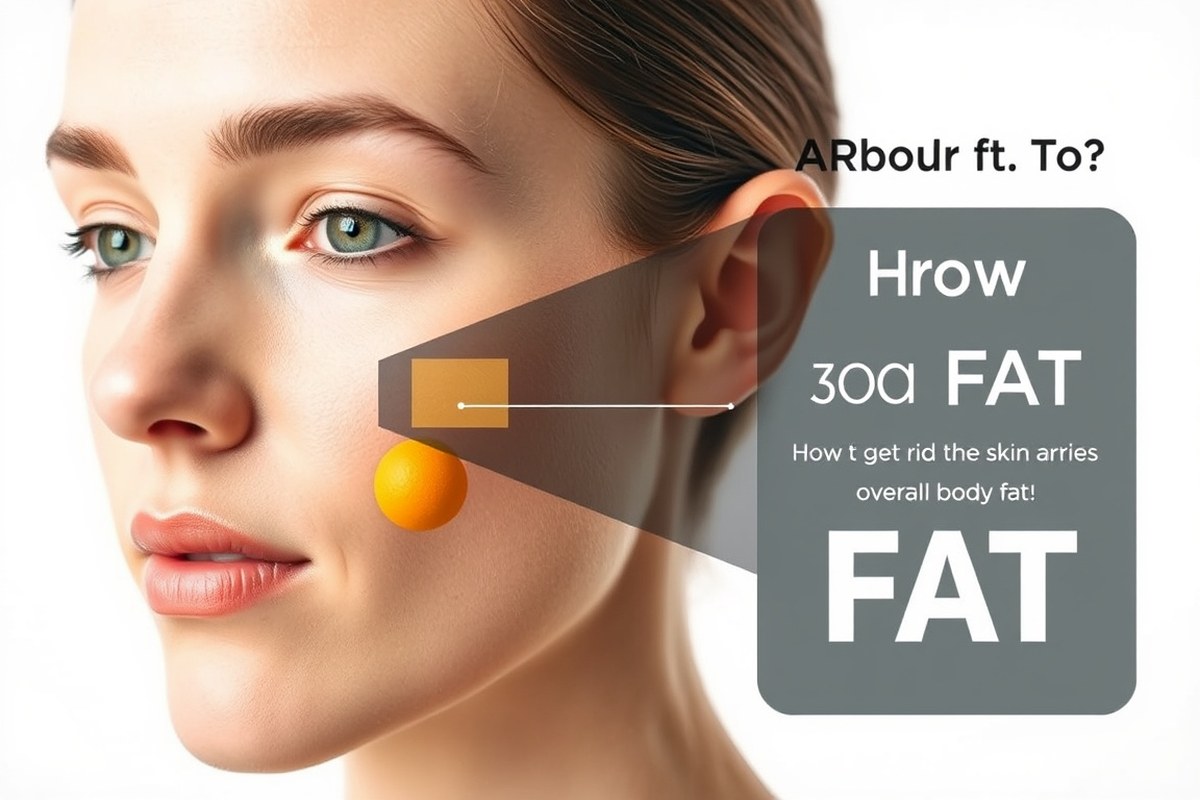
Targeting fat loss specifically in the face is not possible because the body burns fat as a whole rather than from specific areas. Fat cells do not respond to exercise or diet in isolated spots; instead, your body decides where to reduce fat based on genetics, hormonal signals, and overall body fat levels. This means that carrying excess facial fat usually reflects higher body fat across the whole body.
Facial fat often accumulates due to a combination of factors including genetics, age, hormonal changes, and lifestyle habits such as diet and activity level. Some people naturally store more fat in the cheeks or jawline, giving the face a fuller appearance. Aging can contribute too, as skin loses elasticity and muscle tone decreases, making facial fat more prominent. Because the face is highly visible, even small changes in overall body fat can make a noticeable difference in how slim or round your face looks.
Losing fat overall is the most reliable way to reduce facial fat. When you create a calorie deficit through a combination of a balanced diet and regular physical activity, your body starts to use stored fat for energy. This fat loss happens all over, including the face. You might notice your face becoming leaner after consistent weight loss of about 5 to 10 percent of your total body weight, which often takes several weeks to months depending on your plan and metabolism.
To lose fat in a healthy way, focus on lasting lifestyle habits rather than quick solutions. Eat whole foods rich in nutrients, such as vegetables, fruits, whole grains, and lean protein, to help with fat loss and improve your skin. Engage in regular aerobic exercises like walking, cycling, or swimming to burn calories efficiently. Drinking plenty of water and getting sufficient sleep also aid fat metabolism and minimize facial swelling that can make your face look fuller.
While facial exercises might tone muscles beneath the skin, they do not directly reduce fat deposits and should be combined with overall fat loss efforts to see any visible slimming effect. Cosmetic procedures that remove fat in targeted areas exist but carry risks and costs, and they do not replace the benefits of healthy weight management. Understanding that facial fullness mirrors the body’s overall composition helps you set realistic expectations and encourages a health-focused approach rather than chasing spot-reduction myths.
2. Effective Exercise Strategies to Reduce Facial Fat

Reducing face fat requires full-body fat loss through cardio and strength training since spot reduction doesn’t work. Facial exercises can help tone muscles, making your face look firmer and more sculpted but won’t directly burn fat. Combining regular cardio, resistance workouts, and facial toning exercises gives you the best chance of slimming your face naturally.
The Role of Cardio and Full-Body Workouts
Cardio exercises increase your heart rate and help burn calories, promoting overall fat loss including fat stored in the face. Examples include jogging, cycling, swimming, dancing, or brisk walking. Regular aerobic exercise boosts metabolism, making it easier to create a calorie deficit and melt away excess fat.
Resistance or strength training builds muscle mass, which raises your resting metabolic rate. More muscle means your body burns more calories even when at rest, supporting long-term fat loss. Combining cardio and strength training offers the greatest benefits for decreasing fat throughout your body, face included.
Activities such as high-intensity interval training (HIIT) are especially effective. These alternate short bursts of intense activity with recovery periods, allowing you to work out for less time with meaningful fat-loss results.
Facial Exercises That Tone Muscles, Not Fat
Facial exercises, or “face yoga,” target muscles under the skin to improve muscle tone and skin tightness. They do not burn facial fat but can give your face a more defined and sculpted appearance when paired with overall fat loss. Common exercises include cheek lifts, jaw clenches, and exaggerated smiling. Here is a simple facial exercise routine to tone muscles:
- Lift your cheeks toward your eyes by smiling without showing teeth and hold for 10 seconds.
- Press your lips together and push them out as if blowing a kiss; hold for 5 seconds and release.
- Open your mouth into an elongated “O” shape and try to touch your tongue to your bottom lip; hold 5-10 seconds.
- Perform jaw clenches by biting down gently and releasing for 15 repetitions.
- Repeat this sequence twice daily for visible facial muscle firming.
Although these exercises won’t melt fat, consistent practice can improve facial muscle tone and skin elasticity over a few weeks.
Frequency and Duration for Best Results
The key to burning fat and firming muscles is regular exercise, not just high intensity. Try to get at least 150 minutes of moderate cardio or 75 minutes of intense cardio each week, spread out over most days. Beginners can start with about 20 to 30 minutes of walking or light jogging each day for effective results.
Combine cardio with strength training 2, 3 times per week, targeting major muscle groups using weights, resistance bands, or bodyweight exercises like squats and push-ups. Regular full-body workouts increase calorie burn and help reduce total fat percentage.
Facial exercises can be done daily or every other day. Allow your facial muscles to rest if you feel soreness. Visible changes may take four to eight weeks of consistent effort.
Regularity is key: skipping days of cardio or strength training slows fat loss progress, while doing facial exercises irregularly limits muscle toning benefits.
3. Diet and Hydration Habits That Support Facial Slimming
Reducing face fat involves more than targeting the area directly; it’s about overall fat loss and cutting down on facial puffiness caused by fluid retention. Strategic diet choices, staying well-hydrated, limiting sodium, and reducing alcohol intake all play important roles in achieving a slimmer face over time.
Foods That Promote Fat Loss and Reduce Inflammation
To support facial slimming, focus on foods that help your body lose fat naturally and minimize inflammation. A diet rich in fiber from fruits, vegetables, and whole grains helps you feel full longer, reducing calorie intake overall. Protein-rich foods can also curb cravings and preserve muscle while you lose fat. Avoid highly processed snacks and convenience meals that often contain added sugars, unhealthy fats, and excess sodium. Instead, choose:
- Fresh vegetables and fruits packed with antioxidants
- Whole grains like brown rice, oats, and quinoa
- Lean protein sources such as chicken, fish, legumes, and tofu
- Healthy fats from nuts, seeds, and olive oil
- Low-sodium options to prevent water retention
- Foods rich in potassium like bananas and spinach to help balance fluids
Reducing overall calorie intake while eating these nutrient-dense foods supports gradual weight loss, which over time reduces face fat. Avoid crash diets that may lead to temporary water loss and puffiness rebound.
Hydration Guidelines for Minimizing Facial Puffiness
Proper hydration plays a key role in reducing the appearance of facial puffiness. Drinking enough water each day helps your body flush excess sodium and waste, balancing fluid levels and making your face look less bloated. While water doesn’t directly burn fat, it supports metabolism and overall fat loss.
The general recommendation is to aim for at least 8 cups (64 ounces) of water daily, adjusting upward based on your activity level, climate, and weight. Drinking water consistently throughout the day works better than consuming large amounts at once. Consider starting your morning with a glass and sipping regularly to stay hydrated. To optimize hydration and reduce puffiness:
- Choose water over sugary beverages and caffeinated drinks
- Aim for even hydration to avoid spikes that confuse fluid retention
- Include hydrating foods like cucumber and watermelon in your diet
- Increase water intake especially after high-sodium meals or alcohol consumption
Consistent hydration can lead to noticeable decreases in face puffiness within days to weeks, depending on your baseline habits and diet.
Reducing Sodium and Alcohol Intake Effects
Excess sodium causes your body to retain water, leading to facial puffiness that makes the face look fuller. Keeping sodium intake below 2,300 mg per day can help minimize fluid retention. Most Americans consume more than this, often from processed and restaurant foods, so consciously choosing fresh and homemade meals reduces your sodium load.
Alcohol contributes to dehydration and inflammation, which can increase facial swelling and puffiness. Reducing alcohol or avoiding it altogether supports better hydration, sleep quality, and less bloating in your face. To reduce facial puffiness linked to sodium and alcohol, try these tips:
- Limit processed foods like deli meats, chips, and canned soups
- Use herbs and spices instead of salt to season food
- Drink a glass of water for every alcoholic drink consumed
- Plan low-sodium meals following a salty day to restore fluid balance
- Monitor alcohol intake and avoid binge drinking
By cutting back on sodium and alcohol, you’ll notice your face looks less swollen within a few days and more sculpted over longer periods alongside overall fat loss.
4. Sleep, Stress, and Daily Habits That Minimize Facial Fat and Puffiness
Poor sleep and persistent stress raise cortisol levels, a hormone linked to fat storage and facial puffiness. Cortisol increases water retention and fat accumulation, which can make your face look swollen or rounder. Getting at least eight hours of quality sleep each night helps lower cortisol production, promoting a leaner facial appearance. Sleep also supports overall metabolism and recovery, which supports facial fat reduction as part of general weight loss.
Managing daily stress can help prevent cortisol spikes and hormonal imbalances that lead to a puffy face. Simple practices like deep breathing exercises, meditation, or gentle yoga for 10 to 15 minutes daily can lower stress and its physical effects. You might consider setting a specific time each day for relaxation to make these habits consistent. Avoid high-stress triggers when possible, such as late-night screen time or excessive caffeine intake, which can interfere with sleep and improve stress hormones.
Daily habits play a significant role in minimizing facial swelling. Reducing dietary salt and sugar helps limit water retention in your face, contributing to less puffiness. Drinking about 64 ounces (2 liters) of water per day flushes excess sodium and toxins, keeping your skin hydrated and less bloated. Completing 30 minutes of moderate cardio exercise most days also improves circulation and reduces facial bloating through overall fat loss and better lymphatic drainage.
A practical daily checklist for reducing facial puffiness includes: drinking enough water throughout the day, limiting salty and sugary foods especially in late meals, practicing stress reduction techniques like meditation or controlled breathing, and ensuring a regular sleep schedule with 8 hours of rest. Before bed, avoid heavy meals, alcohol, and screens to improve sleep quality and reduce evening facial swelling.
Troubleshooting common mistakes helps maintain progress. Sleeping on your back or elevating your head slightly can prevent fluid from pooling in your face overnight. Avoiding excessive alcohol intake is important, as it causes dehydration followed by water retention that worsens puffiness. Watch for allergies or sinus congestion, as these conditions can mimic facial swelling and require specific treatments rather than lifestyle changes.
Results may not appear overnight but consistently following these habits often leads to noticeable facial slimming and reduced puffiness within days to weeks. For some, genetics and aging affect where fat accumulates, which influences how much change you see. At the same time, avoiding overly aggressive measures like extreme dieting is important to prevent sagging or hollow areas in the face. A balanced approach focusing on peaceful sleep, stress management, hydration, and moderate exercise offers a natural, sustainable path to minimize facial fat and swelling.
5. Facial Massage and Lymphatic Drainage: What Really Works?
Facial massage and lymphatic drainage can’t directly burn fat but can reduce puffiness and improve facial tone, giving your face a slimmer look. These techniques improve circulation and help drain excess fluid, which often causes a swollen appearance. Regular practice supports a more defined jawline and lessens facial fullness.
Basics of Lymphatic Drainage Massage
Lymphatic drainage massage focuses on stimulating the lymph vessels to move excess fluid and toxins away from facial tissues. This gentle technique decreases swelling and puffiness but does not eliminate fat cells. Its effect on face slimming comes from reducing water retention and encouraging healthier skin tone.
Performed correctly, lymphatic drainage feels light and soothing, targeting areas where lymph nodes cluster such as under the chin, around the jawline, and near the ears. Overdoing pressure can irritate the skin or cause discomfort. Using clean hands or a smooth-edged tool improve the massage and minimizes skin pulling.
Effective Facial Massage Movements
For visible benefits, use a routine combining strokes that stimulate circulation and promote lymph flow. Gua sha stones, jade rollers, or your fingertips work well for this purpose. The goal is to move fluid toward the lymph nodes where drainage occurs. Follow this simple step-by-step facial massage to maximize lymphatic drainage and reduce puffiness:
- Start at the center of your forehead and gently sweep your fingers or a gua sha tool outwards toward your temples.
- Move down the sides of your nose, sweeping outward along the cheekbones toward the ears.
- Apply light pressure under the eyes, sweeping from the inner corner to the temple to reduce puffiness.
- Massage along the jawline from the chin toward the ears in upward strokes.
- Gently press and circle the lymph node areas under the ears and at the base of the neck to encourage drainage.
- Repeat each movement 5 to 10 times, keeping motions slow and controlled.
Use gentle pressure and avoid tugging skin; the massage should feel relaxing, not painful.
Integrating Massage into Your Routine
Perform facial massage 3 to 5 times per week for noticeable reductions in puffiness and improved skin tone. Sessions lasting 5 to 10 minutes are sufficient, making this easy to fit into morning or evening skincare rituals. Consistency is key as benefits build gradually over time.
Try pairing massage with hydrating serums or facial oils to reduce friction and nourish your skin. People with sensitive or acne-prone skin should start slowly to avoid irritation and consult a dermatologist if needed. Incorporating massage into your daily habits can complement other fat-reduction efforts, like exercise and diet.
6. Debunking Common Myths About Losing Face Fat
Chewing gum might help strengthen your jaw muscles a bit, but it doesn’t actually burn significant fat on your face. While chewing gum for about 20 minutes daily or blowing up balloons can engage facial muscles, these actions won’t reduce fat layers. Muscle toning alone won’t change the fat beneath the skin, so relying on gum-chewing as a slimming method is misleading.
The idea that creams or topical products can melt face fat is another common myth. Fat loss occurs inside your body through calorie deficits and metabolic processes, which no cream can speed up or target specifically. These products might improve your skin’s texture or hydration temporarily, but they have no proven effect on reducing fat in your cheeks or jawline.
Spot reduction, or the belief that you can target fat loss in specific areas like your face by exercising those spots, is not realistic. Fat loss happens throughout your entire body based on overall calorie burn and lifestyle changes. Facial exercises alone do not burn fat in the face, they may tone muscles but won’t affect the fat that causes fullness or puffiness.
- Chewing gum only strengthens jaw muscles slightly and doesn’t burn facial fat.
- Creams and topical products do not reduce fat; they only affect skin surface.
- Spot reduction of fat in the face is not possible; overall fat loss is necessary.
- Muscle toning exercises might improve facial tone but won’t remove fat.
- Cardio and diet changes are needed for overall fat loss affecting the face.
- Hydration and reduced alcohol intake help decrease fluid retention that can cause facial puffiness.
Understanding these myths helps you avoid wasting time and money on ineffective methods. Real changes in facial fat come from overall body fat reduction, which takes weeks or months through consistent calorie control and exercise. Avoid devices, exercises, or creams promising quick face-fat loss, they generally do not deliver results. Instead, focusing on balanced habits produces healthy, lasting outcomes you can track and maintain.
7. When to Consider Cosmetic Procedures for Facial Fat Reduction
Consider cosmetic procedures like buccal fat removal or a facelift only after you have tried natural methods to reduce face fat and want more defined results. Buccal fat removal targets the fat pads in the lower cheeks to slim and contour the face. It is most suitable if you have natural fullness in your cheeks that does not reduce with weight loss. Facelifts are broader surgical procedures that tighten muscles, remove excess skin, and may include fat removal to improve overall facial shape, generally recommended for more advanced signs of aging.
Before deciding, evaluate factors such as your health, skin elasticity, and expectations. Consult an experienced cosmetic surgeon who can assess the buccal fat pad size on each cheek and determine the best approach. These surgeries carry risks like infection, asymmetry, nerve damage, or dissatisfaction with the outcome. Recovery time also varies but generally includes swelling and bruising for two to three weeks, during which strenuous activity should be avoided.
| Procedure | Purpose | Typical Recovery Time | Risks | Approximate Cost |
|---|---|---|---|---|
| Buccal Fat Removal | Remove fat pads from lower cheeks for cheek slimming | 2 to 3 weeks | Infection, asymmetry, nerve injury | $3,000 to $6,000 |
| Facelift | Tighten facial muscles, remove excess skin and fat | 2 to 4 weeks | Scarring, infection, hematoma, nerve damage | $7,000 to $15,000 |
| Liposuction (face) | Remove facial fat deposits | 1 to 2 weeks | Swelling, bruising, infection, contour irregularities | $2,000 to $7,000 |
| Kybella Injections | Non-surgical fat reduction with injections | Minimal, with swelling for days | Swelling, bruising, nerve injury | $1,200 to $1,800 per treatment |
A decision tree can help you choose:
- If lifestyle changes and natural methods have not achieved your desired facial contour, consider non-surgical options like Kybella injections for mild to moderate fat reduction.
- For localized cheek fullness, buccal fat removal is effective but requires surgery with moderate recovery.
- If facial sagging or loose skin is a concern along with fat, a facelift offers complete improvement but involves longer recovery and higher cost.
- Discuss your goals with a board-certified cosmetic surgeon to select the safest, most appropriate procedure.
- Use financing options like the CareCredit card for procedures not covered by insurance, applying through providers who accept it.
Good results show improved facial definition and proportion. Monitor swelling and healing carefully to track recovery. Do not choose surgery solely for rapid results; weigh risks and recovery against benefits seriously. For minor or initial fat reduction, natural methods remain safer and less costly.
8. Tracking Progress and Adjusting Your Approach over Time
Tracking your progress in reducing facial fat involves a mix of visual, measurable, and lifestyle indicators. Since spot reduction is not possible, the best way to see changes is by monitoring overall weight loss and observing your face’s appearance over time. Take consistent measurements, such as photos from the same angle and lighting every two weeks. You can also gently measure your face with a soft tape measure around the cheeks, jawline, or chin area to note any changes. Keep a journal of your diet, exercise, hydration, sleep, and stress levels because these affect facial fullness too.
Your face might still look fuller even as you lose weight due to factors like water retention or reduced skin elasticity, especially with age. Older skin tends to sag or shift, which can make fat loss less apparent. Genetics also play a role in how facial fat is distributed and lost. Weight loss of around 5% of your total body weight often leads to noticeable changes in facial appearance in three to four weeks, but this varies by individual.
Different body types and genders show facial fat loss in distinct ways. People with higher body fat usually see faster changes in their faces when they start losing weight. Men and women may notice different fat loss patterns thanks to hormone differences. Age also affects results; younger individuals tend to see quicker reactions in facial fat reduction due to more elastic skin and higher metabolism, while older adults might see slower changes. Strength training supports long-term weight loss, which indirectly slims the face, regardless of age or body type.
Set realistic and personalized goals by aiming for gradual overall fat loss at about 1 to 2 pounds per week. This pace helps ensure that facial fat loss is steady without risking muscle loss or skin sagging. Plan to reassess your progress every month, adjusting your diet and exercise habits based on what you observe. For example, if your face looks puffy, you might cut back on sodium and increase hydration. Consistency over months is key because rapid weight changes can cause your face to appear gaunt or distorted. Focus on complete lifestyle changes rather than quick fixes for better long-term results.
Keep weekly photos taken with the same lighting and angle to objectively track facial changes without relying solely on the scale, which won’t specifically show facial fat loss.
Step-by-Step Action Plan to Reduce Face Fat
Follow this plan to start realistic and effective changes that target overall fat loss and support a slimmer face. Track your progress to adjust habits for lasting results.
- Before You Start: Commit to a balanced diet focused on whole foods and proper hydration by drinking at least 8 cups of water daily. Notice reduced facial puffiness and better skin tone within the first week.
- Day 1 to Day 7: Begin a consistent exercise routine that includes cardio and strength training at least 4 days a week. Look for gradual improvements in overall body fat and a firmer facial appearance after two weeks.
- Week 2: Add targeted facial massages or lymphatic drainage techniques daily for 5 to 10 minutes. Expect a decrease in facial swelling and a fresher look within 10 days.
- Week 3: Prioritize sleep by aiming for 7-9 hours per night and manage stress with relaxation exercises. You should see reduced under-eye puffiness and a more defined jawline after two weeks.
- After One Month: Review your diet, hydration, exercise, and sleep habits to identify which areas need adjustment based on your facial progress and overall health.
- After 6 to 8 Weeks: Assess your facial fat loss and consider if results meet your goals. If persistent facial fat bothers you despite lifestyle efforts, consult a licensed medical professional to discuss cosmetic options.
Frequently Asked Questions
Can Losing Weight Overall Reduce Face Fat?
Yes, losing weight through a healthy diet and exercise lowers fat all over, including your face. Targeting face fat alone isn’t effective since fat loss happens uniformly across the body.
Are Facial Exercises Helpful for Slimming the Face?
Facial exercises may tone muscles but don’t specifically burn face fat. They are best combined with full-body workouts and healthy habits.
How Does Hydration Affect Face Puffiness?
Drinking enough water reduces fluid retention and puffiness, helping your face look slimmer and less bloated.
Can Sleep Improve the Appearance of Facial Fat?
Good sleep reduces stress and inflammation, which can lessen facial puffiness and fat appearance naturally.
What Role Do Diet Habits Play in Reducing Face Fat?
Balanced nutrition prevents bloating and supports fat loss, contributing to a more defined facial appearance.
When Are Cosmetic Procedures for Face Fat Reduction Appropriate?
Procedures should be considered only after natural methods fail and with professional advice, given risks and costs.
Wrapping Up
Reducing face fat takes a balanced approach combining overall body fat loss, healthy habits, and patience. Start today by making one small change, like drinking an extra glass of water each day to help reduce puffiness and improve skin tone. Remember, consistent effort over time brings the best results for a slimmer, healthier-looking face.





One Comment