How to Get Rid of Pimples on Forehead Overnight: 8 Proven Methods That Work
Getting rid of pimples on your forehead overnight is possible with targeted treatments and a smart skincare routine. Using the right spot treatments, natural remedies, and care methods can reduce redness and swelling fast, so your skin looks calmer by morning. For hard or whitehead pimples, specific approaches like hydrocolloid patches help speed up healing.
This guide is designed for those dealing with sudden or persistent forehead pimples seeking fast and reliable solutions. It explains straightforward methods to eliminate forehead pimples overnight, highlights key ingredients to try, discusses the impact of daily habits on acne, and advises when to consult a dermatologist.
Key Takeaways
- Use a 2.5% benzoyl peroxide or 2% salicylic acid spot treatment before bed to target forehead pimples effectively overnight.
- Apply ice for 5, 10 minutes on the pimple, then a warm compress for 10 minutes to reduce inflammation and promote healing.
- Hydrocolloid patches can absorb pus from whiteheads and protect the area, speeding up overnight healing without irritation.
- Follow a gentle overnight skincare routine that includes cleansing, spot treatment, and moisturizing to avoid over-drying or irritation.
- Natural remedies like tea tree oil or steaming can reduce swelling and unclog pores but may take 12, 48 hours for visible results.
- Diet, stress, and hygiene affect forehead pimples, so drink water, avoid greasy foods, and clean hair and skin regularly.
1. Fastest Ways to Reduce Forehead Pimples Overnight
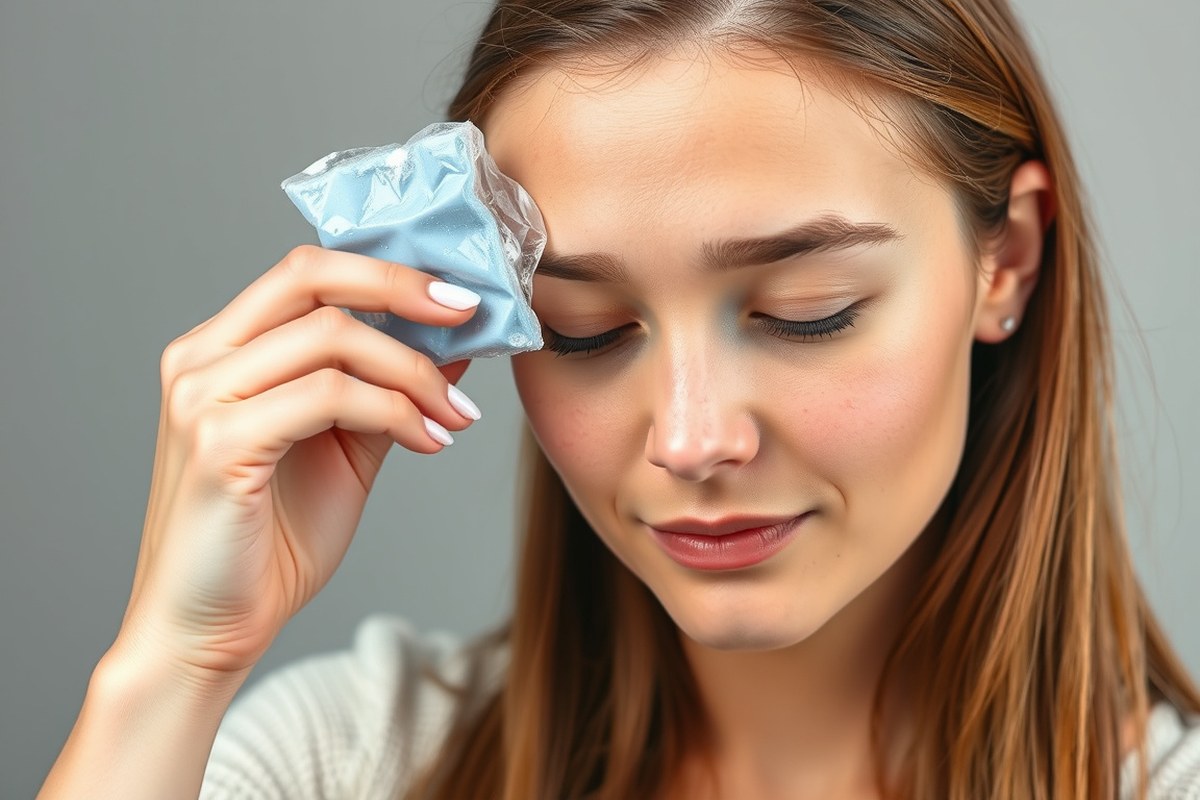
Reducing redness, swelling, and pain of forehead pimples overnight is achievable by focusing on anti-inflammatory and soothing methods. Ice compresses quickly calm inflamed skin by constricting blood vessels and numbing pain. These can sharply decrease swelling and redness within minutes and help the pimple look less noticeable by morning. Combining ice with effective spot treatments like benzoyl peroxide improves results because spot treatments target the bacteria and inflammation causing the pimple. Here’s a practical step-by-step approach to reduce the size and discomfort of a forehead pimple overnight:
- Cleanse your skin gently. Use a mild, non-comedogenic cleanser to remove dirt and oil without irritation. Avoid scrubbing or harsh exfoliation to prevent worsening inflammation.
- Apply an ice compress for 5-10 minutes. Wrap a few ice cubes in a clean cloth or use a cold pack. Hold it on the pimple for several intervals of 1-2 minutes with breaks in between. This reduces swelling and numbs pain instantly.
- Use a targeted spot treatment. Apply a thin layer of benzoyl peroxide cream (2.5% to 5%) directly on the pimple. Benzoyl peroxide is proven to reduce redness and clear bacteria quickly overnight. For sensitive skin, select formulations with soothing ingredients to limit irritation.
- Optionally apply a calming substance. Should irritation occur or your skin is sensitive, dab on a small amount of aloe vera gel or a drop of diluted tea tree oil (mixed with a carrier oil) to reduce redness.
- Leave the area uncovered for best oxygen flow. Avoid touching, popping, or covering the pimple with heavy creams or makeup overnight. Let your skin breathe to support natural healing.
- Keep your pillowcase clean. Change it regularly to avoid bacterial transfer that can worsen acne.
- Hydrate gently in the morning. After resting, wash your face with a gentle cleanser and apply a non-comedogenic moisturizer containing niacinamide to help calm residual redness.
Ice compresses work fast to decrease the pimple’s size and tenderness, but they do not eliminate pimples completely. Using ice repeatedly for short periods (total 10 to 15 minutes max per session) is safe and effective. Spot treatments handle the bacterial and inflammatory aspects which address the pimple more deeply overnight.
This combined approach, ice to reduce swelling and pain, plus benzoyl peroxide to fight bacteria and inflammation, leads to the fastest visible improvement by morning. Expect the pimple to look flatter, less red, and cause less discomfort, although fully clearing a pimple may take a couple of days.
2. Choosing Spot Treatments: Benzoyl Peroxide vs. Salicylic Acid

Benzoyl peroxide and salicylic acid are the two most common over-the-counter spot treatments for forehead pimples, each working in distinct ways. Benzoyl peroxide kills the bacteria that cause acne and helps unclog pores by removing excess oil and dead skin. Salicylic acid acts as an anti-inflammatory and exfoliant, dissolving the buildup inside pores to prevent new pimples from forming. Both can reduce swelling and dry pimples, but your choice depends on your skin type and pimple condition.
Benzoyl peroxide usually comes in a 2.5% concentration for spot treatments and is particularly effective for inflammatory acne with visible redness and swelling. Salicylic acid, often available as a 2% serum or spot treatment, suits mild to moderate pimples or those prone to blackheads and whiteheads since it gently exfoliates without overly drying the skin.
Applying spot treatments correctly helps avoid irritation. Start by cleansing your forehead with a gentle cleanser, then apply a small dab, about the size of a pea, directly on the pimple. Let it dry completely before going to bed. Use these treatments only on the affected areas, not all over your forehead. Overuse may cause dryness, redness, or peeling, especially with benzoyl peroxide, which can bleach fabrics and hair.
Avoid combining benzoyl peroxide with salicylic acid in the same skincare step because this can increase irritation and reduce their effectiveness. Instead, choose one or alternate nightly: for example, use benzoyl peroxide one night and salicylic acid the next. Retinoids should not be applied at the same time as benzoyl peroxide either, as the combination can be harsh. Patch test new products on a small skin area for 3 days before full use.
| Feature | Benzoyl Peroxide | Salicylic Acid |
|---|---|---|
| Mechanism | Kills acne-causing bacteria; unclogs pores by removing oil | Exfoliates inside pores; reduces inflammation |
| Concentration | Commonly 2.5% in spot treatments | Commonly 2% in serums and spot treatments |
| Best for | Inflamed, red pimples | Mild pimples, blackheads, whiteheads |
| Application | Dab a small amount on pimples; avoid broad area | Apply directly on pimples; can use as serum |
| Potential irritation | Can cause dryness, redness, bleaching | Generally gentler; may still cause mild irritation |
| Usage caution | Do not mix with salicylic acid or retinoids in one step | Can be alternated with benzoyl peroxide nightly |
For a practical nighttime routine, cleanse your forehead, gently pat dry, then apply a pea-sized dab of benzoyl peroxide 2.5% right on the pimple. Let it air dry fully before applying moisturizer. Use this method every other night if your skin feels dry. On alternate nights, switch to a 2% salicylic acid serum, applying similarly only to affected spots. This approach reduces irritation while maximizing antibacterial and exfoliating effects.
Apply a thin layer of spot treatment only on pimples and avoid mixing benzoyl peroxide with salicylic acid at the same time to prevent skin irritation.
3. Natural Remedies That Can Help Pimples Overnight
Natural remedies like diluted tea tree oil and aloe vera can help reduce pimples on your forehead overnight by calming inflammation and fighting bacteria. Using these ingredients properly can improve your skin’s healing without irritation. Applying them safely involves the correct dilution and timing for the best results.
Benefits of Tea Tree Oil for Skin
Tea tree oil is a natural antibacterial and anti-inflammatory agent. It helps reduce the bacteria that cause pimples and calms redness and swelling. This makes it effective for mild to moderate forehead acne.
Studies show tea tree oil can reduce acne-causing bacteria, making pimples less inflamed and encouraging faster healing. Because it’s strong, it works best as a spot treatment rather than a general facial oil.
Safe Dilution Ratios for Essential Oils
Undiluted tea tree oil can irritate sensitive skin, so it must always be mixed with a carrier oil or gel. The common dilution ratio is one part tea tree oil to at least two or three parts carrier oil like jojoba or aloe vera gel. For extra sensitive skin, one drop of tea tree oil mixed into a teaspoon of aloe vera gel helps reduce irritation risks.
Proper dilution helps prevent dryness, redness, and excessive peeling. Avoid applying tea tree oil straight onto the skin to protect your skin barrier and avoid worsening the pimple.
Applying Aloe Vera Gel Effectively
Aloe vera gel has active compounds known for antimicrobial and anti-inflammatory effects. Applying it to pimples can soothe irritation and help the healing process. Use pure aloe vera gel or products that contain 99% aloe vera for the best results.
To apply aloe vera safely, clean your forehead first with a gentle cleanser. Then dab a small amount of gel directly onto the pimple. Aloe vera can also serve as the carrier gel for diluted tea tree oil, combining both treatments.
Allow the gel to absorb overnight to calm redness and reduce swelling while you sleep. Avoid aloe vera products with added fragrances or alcohol, as these can irritate acne-prone skin.
Precautions When Using Natural Ingredients
Natural does not always mean safe for every skin type. Test any new treatment on a small area of skin first to check for allergic reactions or sensitivity. Stop use immediately if you notice increased redness, burning, or irritation.
Do not use lemon juice or apple cider vinegar directly on pimples overnight, as they often cause dryness and irritation. Stick to the recommended natural ingredients like properly diluted tea tree oil and pure aloe vera gel.
Timing and Frequency of Natural Treatments
Applying these natural remedies at night gives your skin time to heal without interference from sun exposure or makeup. Use them once a day, preferably before bed, for the best overnight results.
Overusing tea tree oil, even diluted, can dry out the skin. Limit application to one spot treatment per affected pimple. Aloe vera gel is milder and can be applied more freely but still avoid layering thick amounts.
Consistency over several nights often improves results, though pimples may not disappear completely overnight. For whiteheads and pus-filled pimples, hydrocolloid patches may be more effective in pulling out impurities while these natural remedies work on inflammation.
- Clean your forehead gently with a mild cleanser and pat dry.
- Mix one drop of tea tree oil with 2-3 drops of jojoba oil or aloe vera gel for safe dilution.
- Use a cotton swab to dab the diluted tea tree oil directly on the pimple.
- Apply a small amount of pure aloe vera gel over or around the treated area for added soothing effects.
- Leave treatments on overnight without rinsing off.
- In the morning, rinse your face with lukewarm water and moisturize as usual.
- Repeat nightly, but avoid more than one tea tree oil application daily to prevent dryness.
- Stop using if irritation or allergic reactions occur.
4. Effective Use of Hydrocolloid Patches for Whiteheads
Hydrocolloid patches effectively reduce the size and redness of surface pimples like whiteheads by absorbing pus and oil. They are best used overnight to help the pimple shrink visibly by morning. Applying a patch correctly involves cleaning the skin, placing the patch on a dry pimple, and leaving it untouched until morning for optimal results.
Mechanism Behind Hydrocolloid Patches
Hydrocolloid patches create a moist environment that helps heal the skin while protecting the pimple from bacteria and irritation. The patch absorbs excess fluid such as pus, oil, and dead skin cells, which helps reduce swelling and redness. Because they keep the pimple covered, they also prevent you from picking or touching it, reducing the risk of scarring or further inflammation.
The patch’s material is breathable, allowing oxygen exchange while maintaining the right moisture level to speed healing. This controlled moisture helps skin repair faster by promoting new tissue growth and preventing scabbing that can slow recovery.
Types of Pimples Suited for Patches
Hydrocolloid patches work best on surface-level pimples like whiteheads that have visible pus or fluid beneath the skin. These patches are ineffective for deep, cystic pimples or blackheads because such pimples do not have a fluid-filled head for the patch to absorb. Whiteheads are easier to shrink overnight as they are closer to the skin’s surface.
Pimples that are red, swollen, and have a dry or crusted surface are less responsive to patches. For those types, treatments like anti-inflammatory creams or warm compresses are more effective. Using patches is most beneficial when you see a small raised bump with a white or yellowish tip.
Step-by-Step Patch Application Guide
To get the most from hydrocolloid patches, follow these steps to ensure proper application:
- Wash your hands thoroughly with soap and water.
- Cleanse your forehead gently with a mild, non-comedogenic cleanser to remove oil and dirt.
- Pat your skin completely dry using a clean towel; patches adhere best on dry skin.
- Using tweezers or clean fingers, peel the hydrocolloid patch off its backing carefully.
- Place the patch directly on the whitehead ensuring it fully covers the pimple, pressing gently to seal the edges.
- Avoid applying any creams or spot treatments underneath the patch as it can reduce adhesion.
- Leave the patch on overnight, avoiding touching or moving it during sleep.
- Remove the patch the next morning; you should see the patch has absorbed fluids and the pimple appears smaller or less red.
Applying the patch correctly increases the chance of visible improvement by the next day.
Duration Recommended for Overnight Use
Hydrocolloid patches should be worn for at least 6 to 8 hours, which typically means applying them right before bed and removing them in the morning. This timeframe allows the patch to absorb sufficient fluid from the pimple and protect it from irritation all night. Wearing a patch for less than 4 hours may not produce noticeable results.
If the patch becomes saturated with pus or oil before morning, replace it with a fresh patch to continue treatment throughout the night. Extended use beyond 24 hours without patch replacement can reduce effectiveness and may cause skin irritation.
Common Mistakes to Avoid with Patches
Applying hydrocolloid patches on pimples that are not whiteheads is a common error, leading to little or no improvement. Avoid using them on cystic or deep pimples because these patches cannot access the fluid below the skin. Applying the patch on damp or oily skin can also cause poor adhesion and patch slippage overnight.
Another mistake is applying creams or oils under the patch, which blocks adhesion and can trap moisture improperly, causing more irritation. Removing the patch too early or frequently touching it reduces healing benefits and increases infection risk. Lastly, picking at the pimple before applying the patch may worsen inflammation and delay healing.
5. Overnight Skincare Routine to Heal Forehead Acne Safely
For an overnight skincare routine that helps heal forehead pimples safely, focus on gentle cleansing, targeted spot treatment, and good hygiene habits. Layering products carefully prevents irritation while supporting skin repair during sleep.
Cleansing and Prepping the Skin
Start by washing your face with a gentle, acne-fighting cleanser to remove dirt, sebum, and impurities that clog pores. Using a product with salicylic acid or a mild benzoyl peroxide cleanser can be effective for forehead pimples. After cleansing, pat your face dry with a clean towel to avoid further irritation. This step creates a clean base, allowing treatments to penetrate better while reducing the risk of spreading bacteria.
Applying Spot Treatments Correctly
Use spot treatments with ingredients like benzoyl peroxide, salicylic acid, or adapalene carefully to target pimples on your forehead. Avoid applying treatments over your entire face, which can cause dryness or irritation. Apply a thin layer just on the pimple or affected area. If you use a retinoid like adapalene, apply it at night and follow with a moisturizer to reduce dryness. Consistent use over 6 to 8 weeks will normally show improvement.
- Wash your face with a gentle acne cleanser focusing on the forehead.
- Pat dry with a clean towel.
- Apply a thin layer of targeted spot treatment on each pimple.
- Follow spot treatment with a non-comedogenic moisturizer to prevent dryness.
- Let the products absorb fully before going to bed.
Only apply spot treatments on pimples, not the entire forehead, to prevent unnecessary irritation.
Changing Pillowcases and Maintaining Sleep Hygiene
Changing your pillowcase every two to three days can reduce bacteria and oil buildup that contribute to forehead pimples. Sweat, skin oils, and dirt collect on pillowcases and transfer back onto your skin overnight. Using clean pillowcases supports the healing process and prevents new breakouts. Besides changing pillowcases regularly, keep hair clean and avoid letting it rest on your forehead during sleep to reduce irritation.
Avoiding Overexfoliation and Skin Irritation
Overusing physical scrubs or harsh chemical exfoliants can damage your skin barrier and worsen pimples. Limit exfoliation to 1, 2 times per week with gentle products suitable for acne-prone skin. Irritated skin can produce more oil, increasing the risk of breakouts. Also avoid excessive touching or picking at pimples overnight, which can spread bacteria and cause inflammation or scarring.
6. Diet, Lifestyle, and External Factors Affecting Forehead Pimples
Several lifestyle and dietary factors can directly affect forehead pimples and how quickly they heal. Foods high in sugar and dairy products are linked to increased acne outbreaks on the forehead, possibly due to hormonal or inflammatory responses. Cutting back on these, especially dairy milk and sugary snacks, may reduce new breakouts within days to weeks. Staying hydrated and eating balanced meals with plenty of vegetables can also support skin health.
Hair and makeup products play a significant role in forehead acne. Styling gels, mousses, and sprays often contain oils and chemicals that clog pores, particularly along the hairline and forehead. Even “hypoallergenic” makeup can irritate or block pores if worn overnight or without thorough removal. Cleaning your face and hairline gently but thoroughly each night helps prevent buildup and breakouts.
- Use non-comedogenic hair and makeup products designed not to clog pores.
- Wash your face and hairline nightly to remove residue from styling products.
- Change pillowcases frequently to avoid oil and dirt buildup affecting the forehead.
- If shaving or removing hair near the forehead, use clean tools and avoid harsh creams that irritate skin.
- Maintain regular scalp hygiene to reduce oily scalp issues contributing to forehead pimples.
- Reduce high-sugar and dairy foods gradually to monitor improvement in acne.
- Manage stress levels with relaxation techniques to help calm skin inflammation.
Shaving or hair removal around the forehead can sometimes worsen pimples. Using dirty razors or applying heavy, irritating creams can inflame hair follicles and cause new spots. To minimize this risk, use a clean, sharp razor and gentle shaving cream or gel. Avoid shaving over existing pimples to prevent spreading bacteria or causing injury.
Sleep position may influence how quickly forehead pimples heal. Sleeping face-down or on a dirty pillowcase presses oils and bacteria onto the forehead, which can worsen acne or slow healing. Sleeping on your back with a clean pillowcase is recommended. Changing pillowcases every few days keeps them free of sweat and oils that aggravate breakouts.
Stress triggers hormonal changes that increase oil production and inflammation, leading to more forehead pimples. Quick stress relief techniques such as deep breathing, meditation, or a short walk can help reduce these effects. Improving sleep quality and maintaining a consistent bedtime routine also supports skin healing.
7. How to Identify Pimple Types and When to See a Dermatologist
Forehead pimples can vary in type, and identifying whether you’re dealing with typical whiteheads, blackheads, or cystic acne is key to choosing the right treatment. Cystic acne is deeper, larger, and more painful than standard pimples. These pimples are often red or inflamed nodules beneath the skin’s surface that don’t come to a head quickly and may last for weeks or longer. Home remedies and over-the-counter products usually can’t fully clear cystic acne because it originates from deep within the skin and involves inflammation and sometimes infection.
To tell if a pimple might be cystic, look for these signs: the bump is large (bigger than a pencil eraser), painful to touch, deep under the skin, and lasting more than two weeks without noticeable healing. Small, white, pus-filled pimples typically indicate common pimples or whiteheads that respond better to topical treatments and overnight care. A simple decision rule is: when the pimple forms a visible head and drains within a few days, it isn’t cystic. Hard, swollen, and painful pimples that don’t come to a head suggest cystic acne.
When pimples don’t respond to home remedies within a week or worsen, showing increasing redness, swelling, or pain, you should see a dermatologist. Persistent or cystic acne requires professional treatment because it may need prescription medications like topical retinoids, oral antibiotics, or other therapies that penetrate the skin more effectively. A dermatologist can also diagnose underlying conditions contributing to forehead acne and tailor treatment plans accordingly, which can prevent scarring and long-term skin damage.
Visiting a dermatologist typically costs between $100 and $300 for a consultation without insurance, depending on your location. Prescription treatments might add to this cost but often yield faster and more lasting results than over-the-counter options. Good results mean pimples heal faster, inflammation reduces significantly, and new breakouts decrease. Untreated cystic acne can cause scarring or dark spots on the forehead, problems that are much harder and more expensive to fix later.
Start by monitoring your forehead pimples with a simple checklist: size bigger than 1 cm, painful to touch, persistence of over two weeks, and failure to improve after daily overnight care. Marking two or more of these signs means booking an appointment with a dermatologist is the recommended next step. Early intervention with professional care can save time and prevent the frustration of trying ineffective home remedies on cystic acne.
8. Common Mistakes and Seasonal Adjustments for Overnight Pimple Care
One of the most common mistakes when trying to get rid of pimples on your forehead overnight is overusing harsh treatments. Applying too much benzoyl peroxide or salicylic acid can dry out your skin and cause irritation, making pimples worse. It’s better to apply a thin layer of treatment only to the pimple area. Another mistake is skipping moisturizer. Using a lightweight, non-comedogenic moisturizer helps balance your skin by preventing excess oil production, which can reduce breakouts.
For sensitive skin, treatments that cause minimal irritation include products with lower concentrations of active ingredients, such as 2.5% benzoyl peroxide or gentle salicylic acid formulas. Avoid using tea tree oil if you’re allergic or prone to irritation, as it may worsen redness or dryness. Exfoliating too often can also irritate skin. Limit exfoliation to 1 or 2 times a week using a gentle chemical exfoliant to prevent clogging pores without stripping your skin’s natural barrier.
Seasonal changes affect how you should treat and prevent forehead pimples. In dry winter months, skin tends to lose moisture and become sensitive. Focus on hydration with moisturizers containing ceramides or hyaluronic acid, and avoid strong drying treatments. In warmer, humid months, sweat and oil production increase, which can clog pores faster. Increase cleansing to remove sweat but avoid over-washing, which strips skin and triggers more oil production.
- Avoid touching your forehead frequently to reduce irritation and infection risk.
- Apply spot treatments sparingly and only on active pimples.
- Use a gentle, non-comedogenic moisturizer to maintain skin balance.
- Exfoliate gently and no more than twice a week to avoid irritation.
- Adjust skincare intensity based on the season: more hydration in winter, gentle cleansing in summer.
- Patch test new products especially if you have sensitive skin.
Always apply a lightweight moisturizer after spot treatments to prevent dryness and excess oil that lead to more pimples.
Following these guidelines helps you care for your forehead skin properly overnight. Proper use of treatments combined with seasonal skincare adjustments can reduce irritation and support quicker healing of pimples. Wearing breathable fabrics and keeping hair away from your forehead in the warmer months also helps minimize sweat and dirt buildup that trigger breakouts.
Overnight Action Plan to Reduce Forehead Pimples Fast
Follow this step-by-step plan to quickly reduce forehead pimples overnight and protect your skin to prevent future breakouts.
- Evening, Before Bed: Cleanse your forehead gently with a mild, non-comedogenic cleanser to remove dirt and oil without irritation. You’ll know it worked when your skin feels clean but not tight or dry.
- Night 1: Apply a spot treatment with either benzoyl peroxide or salicylic acid directly on the pimple after cleansing. Benzoyl peroxide helps kill bacteria quickly, while salicylic acid unclogs pores and reduces inflammation. Visible shrinkage or reduced redness by morning shows effectiveness.
- Night 1 (Optional): For whiteheads, place a hydrocolloid patch over the pimple right after applying spot treatment or instead of it. The patch should absorb pus overnight, flattening the spot by morning.
- Nightly Routine: Finish with a lightweight, oil-free moisturizer to support skin healing without clogging pores. Should irritation develop, reduce the frequency of spot treatment.
- Next Day: Avoid touching or picking the pimple to prevent scarring and infection. Keep your hair away from your forehead if it tends to be oily or dirty. You’ll notice less irritation and slower worsening of the spot.
- Daily: Maintain a balanced diet low in sugar and dairy, and drink plenty of water. This supports skin health and can reduce future breakouts, evident when new pimples appear less often.
- Within 3 to 5 Days: Assess your forehead’s response to treatment. In case pimples persist, worsen, or become painful cysts, contact a dermatologist for tailored treatment options.
Frequently Asked Questions
Can I Pop a Pimple on My Forehead to Make It Go Away Faster?
Popping pimples can cause more inflammation and scarring, so avoid it to let the skin heal naturally and reduce the risk of infection. Instead, use targeted treatments to shrink pimples overnight.
Does Applying Ice Help Reduce Forehead Pimples Overnight?
Yes, applying ice can reduce swelling and redness by constricting blood vessels. Wrap ice in a cloth and apply for a few minutes to calm the pimple quickly.
Are Forehead Pimples Caused by Hair Products?
Hair products containing oils and silicones can clog pores on the forehead, leading to pimples. Switch to non-comedogenic formulas and avoid letting product runoff stay on the skin.
Can Stress Cause Pimples on the Forehead to Worsen Overnight?
Stress triggers hormone changes that can increase oil production, worsening pimples. Managing stress through relaxation can improve your skin’s overnight healing.
Is Toothpaste a Good Overnight Remedy for Forehead Pimples?
Toothpaste is not recommended because it contains irritants that can cause redness and dryness, potentially worsening the pimple overnight. Use proven acne treatments instead.
How Often Should I Change Pillowcases to Prevent Forehead Pimples?
Change pillowcases at least twice a week to reduce oil and bacteria buildup that can clog pores and cause pimples on your forehead during sleep.
Final Thoughts
Reducing forehead pimples overnight relies on clean skin, targeted spot treatment, and avoiding irritation. Tonight, try applying a benzoyl peroxide or salicylic acid spot treatment right after washing your face to help reduce swelling and clear pores by morning. Keep your routine simple to avoid over-drying, and be ready to adjust based on how your skin reacts.