How to Get Rid of Heartburn Fast: 8 Proven Remedies and Tips
The quickest method to relieve heartburn is to use an over-the-counter antacid, which acts within minutes by neutralizing stomach acid immediately. For extended relief lasting a few hours, consider an H2 blocker, although it may take between 30 and 90 minutes to become effective. Also, home treatments such as drinking aloe vera juice or changing your eating and sleeping routines can provide fast symptom relief.
This information is for anyone experiencing occasional or frequent heartburn who wants immediate self-care solutions and a better understanding of treatment options. It covers fast-acting remedies, effective medications, foods to avoid, and lifestyle changes that reduce the chance of future flare-ups, along with advice on when to seek medical help.
Key Takeaways
- Take fast-acting antacids for relief within 30 to 90 minutes to quickly neutralize stomach acid and ease heartburn.
- Use H2 blockers like famotidine for longer-lasting heartburn relief, although they take about 30 to 90 minutes to start working.
- Chew sugar-free gum for 30 minutes after meals to help reduce acid reflux and lower heartburn risk naturally.
- Wait at least 2 to 3 hours after eating before lying down to prevent stomach acid from flowing back into your throat.
- Sleep on your left side and raise your bed’s head 6 to 8 inches to minimize nighttime heartburn and acid reflux.
- Aim to lose no more than 1 to 2 pounds per week to reduce stomach pressure and decrease frequent heartburn occurrences.
1. Fast-Acting Ways to Stop Heartburn at Home

Heartburn causes a burning sensation in your chest due to stomach acid flowing back into your esophagus. To relieve symptoms quickly at home, start with remedies that neutralize or reduce acid fast. Over-the-counter antacids work within 30 to 90 minutes to provide immediate relief by neutralizing stomach acid. H2 blockers and proton pump inhibitors (PPIs) take longer to work and are not ideal for fast relief. Combining antacids with H2 blockers may offer better symptom control, but H2 blockers alone won’t stop heartburn quickly. PPIs are mainly for long-term management and usually take several days to be effective.
Here is a checklist of practical steps you can take right now to ease heartburn symptoms fast. Follow these actions in order to decide what suits your situation best.
- Take an antacid. Choose calcium carbonate-based antacids (such as Tums or Rolaids) that start working within minutes. Take the dose as directed on the package, usually 2 to 4 tablets after symptoms appear. Avoid exceeding the recommended dose.
- Try a quick natural remedy. Sip a small glass (about 4 ounces) of aloe vera juice or diluted pineapple juice, both known for their soothing effects. Limit this to once or twice per episode.
- Drink a teaspoon of baking soda in 4 ounces of water. Baking soda neutralizes stomach acid rapidly, but limit this remedy to no more than one dose in 24 hours to avoid side effects like increased sodium levels or gas.
- Adjust your body position. Sit upright or raise your upper body at least 6 inches if lying down, to prevent acid from rising. Avoid bending over or slouching.
- Wear loose-fitting clothes. Tight waistbands can pressure your stomach and worsen heartburn. Change into comfortable clothes immediately.
- Use an H2 blocker if needed. When your heartburn returns after the antacid fades, take an OTC H2 blocker like ranitidine or famotidine as directed. Remember, these start working in 30 to 90 minutes but don’t provide instant relief.
- Do not rely on proton pump inhibitors for immediate relief. PPIs like omeprazole reduce acid production but typically take 1 to 4 days to relieve symptoms, so they’re not for fast-acting treatment.
- Monitor your symptoms. Persistent or severe heartburn after all these steps calls for a visit with your healthcare provider. You may need prescription medications or further evaluation.
2. How Antacids Work and Which Ones Act Fastest
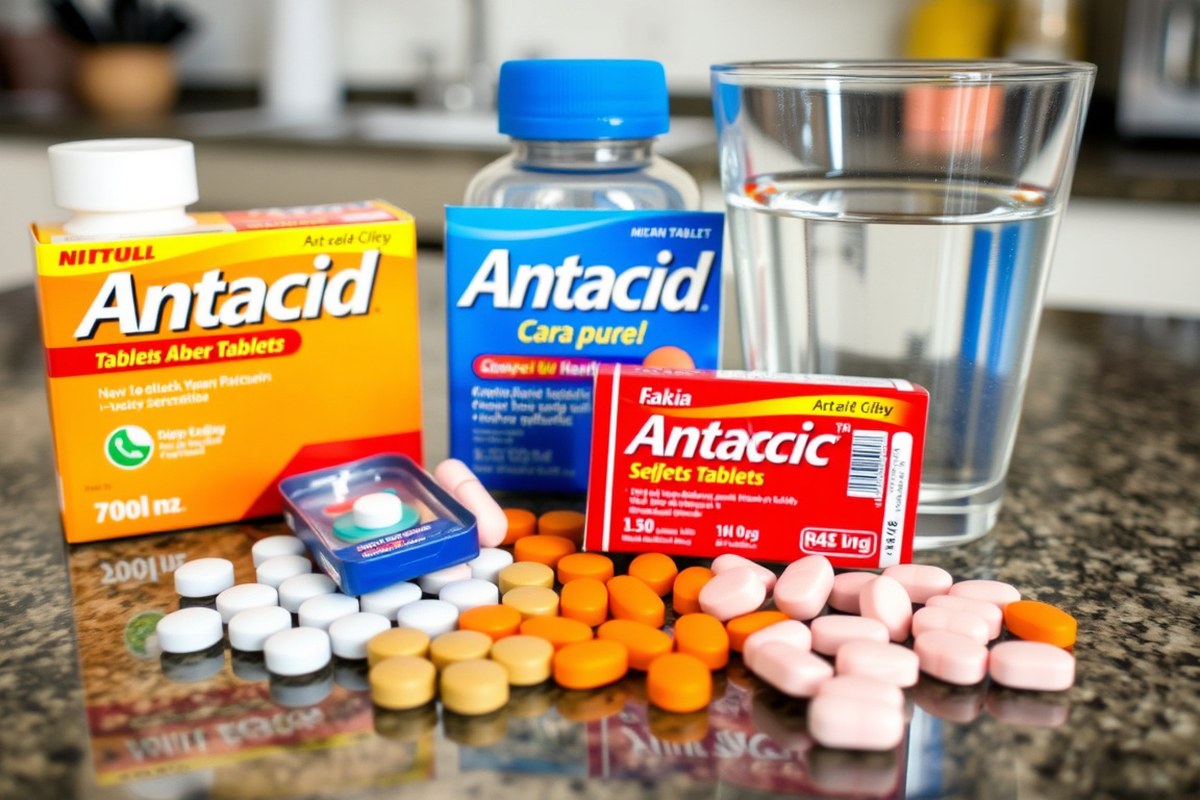
Antacids quickly relieve heartburn by neutralizing excess stomach acid. They usually begin working within minutes and can be taken as needed, especially right after a meal or when symptoms appear. Choosing the right antacid depends on how fast you want relief and your personal tolerance to ingredients.
Common Types of Antacids
Antacids come in several forms, mainly tablets, chewables, and liquids, containing active ingredients like magnesium hydroxide, calcium carbonate, or aluminum hydroxide. Magnesium-based antacids, such as milk of magnesia, can act fast and also relax stomach muscles, reducing acid reflux. Calcium carbonate antacids, like Tums, not only neutralize acid quickly but also provide calcium benefits. Aluminum-based ones tend to work slower and may cause constipation.
Your choice should consider any other health conditions and medication use. For example, calcium carbonate is often preferred for occasional heartburn, while magnesium-containing ones can offer dual relief but might cause diarrhea if overused.
Onset and Duration Comparison
Most antacids relieve heartburn symptoms within 5 minutes. This fast action makes them ideal for immediate, occasional relief. However, their effect generally lasts only 30 to 60 minutes. When heartburn persists or occurs frequently, longer-lasting options like H2 blockers might be necessary, but these take 30 to 90 minutes to start working. The following table compares common antacids by active ingredient, time to relief, and typical use:
| Antacid Type | Active Ingredient(s) | Time to Start Working | Duration of Relief | Typical Dosage |
|---|---|---|---|---|
| Milk of Magnesia | Magnesium Hydroxide | Within 5 minutes | 30 – 60 minutes | Up to 1 tablespoon (15 ml) as needed |
| Calcium Carbonate (Tums) | Calcium Carbonate | Within 5 minutes | 30 – 60 minutes | 2-4 chewable tablets as needed |
| Aluminum Hydroxide | Aluminum Hydroxide | Within 10 minutes | Up to 1 hour | As directed on label, typically 1-2 tablets |
Taking antacids up to one hour after eating can maximize their effectiveness. For quick relief, use them right when heartburn symptoms begin.
Safety and Usage Tips
Using antacids occasionally is generally safe for most adults, but frequent or long-term use can cause side effects like diarrhea, constipation, or altered mineral balances. Magnesium-containing antacids may cause diarrhea, while aluminum-based ones might lead to constipation. Calcium carbonate can cause gas or belching if taken in excess.
Limit antacid use according to package instructions, and avoid more than 4-6 doses per day. Those with kidney issues or on certain medications should consult a healthcare provider before use. Chronic heartburn may require different treatments, so persistent symptoms deserve medical attention.
Take antacids no more than as directed, and talk to your doctor if you need them more than twice a week to avoid complications.
3. Understanding H2 Blockers and Their Role in Heartburn Relief
H2 blockers are medications that reduce the amount of acid your stomach produces, offering longer-lasting heartburn relief compared to antacids. Unlike antacids, which neutralize stomach acid immediately upon contact, H2 blockers work by blocking histamine receptors in the stomach lining. This action slows acid production, which typically takes about 30 minutes to 1 hour before you start to feel relief. Because of this difference in timing and mechanism, H2 blockers are better suited for preventing heartburn or managing symptoms that last for several hours.
You can safely combine an H2 blocker with an antacid when dealing with sudden heartburn flare-ups. The antacid provides immediate relief by neutralizing stomach acid, while the H2 blocker works over time to reduce acid production for prolonged relief. This combined approach covers both the instant discomfort and the potential for recurring symptoms later on. Keep in mind that H2 blockers are typically available over-the-counter and usually cost between $15 and $30 per box, depending on brand and dose. The table below shows key differences between H2 blockers and antacids to help you decide which to use, when to take them, and what effects you can expect.
| Feature | H2 Blockers | Antacids |
|---|---|---|
| How It Works | Blocks histamine receptors to reduce acid production | Neutralizes existing stomach acid |
| Time to Relief | 30 minutes to 1 hour | Within minutes |
| Duration of Relief | Up to 10 hours | 1 to 2 hours |
| Best Use | Preventing or reducing ongoing acid production | Immediate relief of sudden heartburn |
| Can Be Combined | Yes, with antacids for fast and extended relief | Yes, with H2 blockers for combined effect |
| Typical Cost | $15 to $30 per box (over-the-counter) | Varies, often under $10 for basic formulas |
| Examples | Ranitidine, famotidine | Calcium carbonate, magnesium hydroxide |
To choose between them, consider when you need relief and how long symptoms usually last. For quick relief after a spicy meal or a sudden flare-up, antacids are the best first step. If you know you’ll need longer control, taking an H2 blocker about 30 minutes before might help. Using both when heartburn tends to persist or return provides the best coverage.
Follow the dosing instructions on the package or check with a healthcare provider if you have chronic symptoms. Avoid using either extensively without guidance, especially if you frequently experience chest pain or indigestion, as those might signal a different medical issue requiring professional evaluation.
4. Safe and Effective Home Remedies That Work Quickly
Several home remedies can provide quick and safe relief from heartburn. Chewing sugar-free gum after meals, using baking soda properly, drinking milk moderately, and milk of magnesia are common options. Some popular cures, like apple cider vinegar, work only in certain cases and require precautions.
Chewing Sugar-Free Gum: How and Why
Chewing sugar-free gum stimulates saliva production, which helps neutralize stomach acid in the esophagus. A study found that chewing gum for 30 minutes after meals can reduce acid reflux symptoms by increasing saliva flow and swallowing frequency.
To use this remedy, chew a piece of sugar-free gum for about 30 minutes after lunch or dinner. Avoid gums with sugar to prevent tooth decay. This method is inexpensive and easy, requiring only a pack of gum costing a few dollars. It works best for occasional heartburn after meals.
Using Baking Soda Safely
Baking soda, or sodium bicarbonate, neutralizes stomach acid quickly, providing near-immediate relief. It’s most effective when you need urgent relief but shouldn’t be used frequently to avoid side effects like gas or altered salt balance.
To use baking soda safely, mix 1/2 teaspoon of baking soda in 4 ounces of water and drink it slowly. Limit this to once a day and only when symptoms are severe or sudden. Avoid using it if you have high blood pressure or are on a low-sodium diet.
- Use only in small doses, 1/2 teaspoon per 4 ounces of water
- Do not use more than once every 2 hours
- Avoid frequent use to prevent side effects
- Not suitable for people with hypertension or on salt-restricted diets
- Not a long-term solution, seek medical advice if heartburn persists
When done properly, relief should begin within minutes. Overuse may cause nausea, bloating, or worsen symptoms.
Milk and Milk of Magnesia Tips
A glass of milk can temporarily soothe heartburn because it coats the stomach lining and neutralizes acid. However, milk’s fat content matters: skim or low-fat versions are better since full-fat milk can increase acid production in some people.
Milk of magnesia contains magnesium hydroxide, an alkaline compound that lowers stomach acidity and may relieve heartburn and indigestion. It can also have a mild laxative effect.
Use milk of magnesia by taking the recommended dose found on the package, usually 2 to 4 teaspoons or 10 to 20 milliliters, after meals and before bed. Continue for up to seven days until symptoms improve. Avoid long-term use without medical advice.
Apple Cider Vinegar: Fact vs Myth
Apple cider vinegar is a popular but controversial heartburn remedy. Small amounts diluted in water may help some people by increasing stomach acidity and improving digestion. However, no strong scientific evidence confirms its effectiveness, and it may worsen symptoms in others.
If you want to try apple cider vinegar, mix 1 teaspoon in 8 ounces of water and drink it before meals. Always dilute it to avoid damaging your tooth enamel or irritating your throat. Stop use immediately if heartburn worsens or additional symptoms occur.
- Use only diluted vinegar, 1 teaspoon per 8 ounces of water
- Drink before meals for possible digestive benefit
- Stop if symptoms get worse
- Avoid undiluted vinegar to protect teeth and throat
- Not recommended for frequent heartburn or severe reflux
5. Foods and Drinks to Avoid or Choose for Quick Relief
Foods and drinks can either worsen heartburn or help reduce its symptoms quickly. Acidic, spicy, and fatty foods often trigger or increase the burning sensation by relaxing the lower esophageal sphincter or increasing stomach acid. Common culprits include tomatoes, chocolate, coffee, and alcohol. These items make the stomach produce more acid or irritate the esophagus, so avoiding them during a heartburn episode is key.
Choosing the right beverages can provide faster relief. Drinking a glass of cold water (about 8 ounces) can help wash down stomach acid and dilute it, reducing irritation. A small amount of milk, preferably low-fat and about 4 to 6 ounces, may also soothe your esophagus temporarily by coating it and neutralizing acid. Herbal teas, such as chamomile or ginger, sipped slowly while warm, can calm your stomach and limit acid production.
- Avoid coffee and caffeinated drinks as they increase stomach acid
- Skip spicy and fatty foods that relax the esophageal valve
- Limit alcohol to 1, 2 drinks per day and drink water alongside
- Try slowly sipping 4, 6 ounces of cold water or low-fat milk for relief
- Test bananas, as they may help reduce symptoms in some people
- Switch to herbal tea and drink it warm and slowly
- Keep a food diary to track which items trigger your heartburn
Eating smaller meals and avoiding late-night eating helps reduce pressure on your stomach, which can lessen heartburn. Slowly introduce foods that might soothe your symptoms in small portions. Because heartburn triggers differ among individuals, tracking your diet with the timing of symptoms is useful to pinpoint your specific triggers and good choices.
Keep a detailed record of your meals and heartburn episodes to identify your personal food triggers and avoid unnecessary discomfort.
Bananas might decrease heartburn for some, but don’t rely on them alone. Water and milk are inexpensive and easy options, but avoid large quantities of milk since full-fat versions may sometimes worsen symptoms due to fat content. Herbal teas often require no special preparation beyond steeping and can provide a calming effect on digestion.
6. Posture, Clothing, and Sleep Positions That Ease Heartburn
Body position, posture, clothing choices, and sleep habits significantly influence heartburn relief and prevention. Heartburn often happens when stomach acid flows back into the esophagus, which gets worse if your stomach is compressed or if acid moves upward while laying flat. Avoiding tight clothing and adopting certain sleep positions can reduce this reflux and provide quicker relief.
Tight belts, high-waisted jeans, or shapewear compress your stomach and increase acid reflux risk. Loosening or removing tight clothing when heartburn strikes often eases symptoms within minutes. The Cleveland Clinic advises against wearing tight waistbands if you often get heartburn or bloating. Wearing loose-fitting clothes lowers pressure on your stomach and helps prevent discomfort.
Sleep position plays a key role in nighttime heartburn. Lying flat encourages acid to flow backward more easily. Instead, improve the head of your bed 6 to 8 inches using sturdy blocks or a wedge pillow. Sleeping on your left side also helps keep acid in your stomach because this position positions the stomach below the esophagus, discouraging reflux. Avoid lying down soon after eating, as this can increase nighttime flare-ups. Here’s a checklist of tips for easing heartburn related to posture, clothing, and sleep:
- Wear loose, comfortable clothing to avoid stomach compression.
- Remove or loosen tight belts, waistbands, and shapewear when heartburn hits.
- Improve the head of your bed 6 to 8 inches using blocks or a wedge pillow.
- Sleep on your left side rather than your back or right side.
- Wait at least 2 to 3 hours after eating before lying down to allow digestion.
- Maintain good posture while sitting or standing to reduce abdominal pressure.
- Consider multiple small meals rather than large meals to prevent excess stomach pressure.
Good outcomes include fewer episodes of heartburn, especially at night, and faster symptom relief when they occur. Wearing tight clothing or lying flat too soon after a meal commonly leads to more frequent and severe heartburn. Using these posture and clothing tips requires minimal cost, wedge pillows range from about $20 to $50 and household blocks or firm pillows are often free if you already have them. Changes in clothing are simply a matter of choice and habit.
7. Lifestyle Changes to Prevent Future Heartburn Flare-Ups
Preventing heartburn flare-ups depends largely on adopting certain daily habits that reduce acid reflux and avoid irritation of the esophagus. Maintaining a healthy weight is one of the most effective strategies, as excess abdominal fat increases pressure on the stomach and pushes acid upward. Losing even 5 to 10 percent of your body weight can significantly lower heartburn frequency in many cases. Smoking is another major factor to stop; it relaxes the valve between your stomach and esophagus, allowing acid to escape more easily.
Meal timing also plays an important role. Waiting at least two to three hours after eating before lying down or exercising helps keep stomach acid where it belongs. Lying down too soon can let acid flow back into the esophagus, causing discomfort. Gentle exercise is good, but intense activity right after a meal might trigger symptoms, especially if the stomach is full. Managing stress can also reduce heartburn; stress may increase acid production or make you more sensitive to pain. Techniques like meditation, deep breathing, or yoga can help you manage stress better.
- Maintain a healthy weight through balanced diet and regular exercise
- Quit smoking to improve esophageal function
- Eat smaller meals to avoid overloading the stomach
- Wait at least two to three hours after eating before lying down or exercising
- Avoid alcohol, caffeine, chocolate, fatty foods, and citrus to reduce triggers
- Manage stress using meditation, yoga, or journaling
Adapting these habits requires commitment but has minimal cost beyond time and effort. Success means fewer or no heartburn episodes and better overall digestion. If symptoms persist despite these changes, or if you experience more than two episodes per week, persistent nausea, or difficulty swallowing, see a healthcare provider for further evaluation. Consistency is key: slipping back into old patterns often brings heartburn back quickly.
8. When to Seek Medical Advice and How to Describe Symptoms
Knowing when heartburn signals a more serious problem helps you get the right treatment quickly. Strong chest pain, frequent or lasting symptoms, and difficulty swallowing call for medical advice. Clear description of your symptoms speeds diagnosis and guides care.
Warning Signs That Need Immediate Attention
Seek emergency care if chest pain feels intense, comes with shortness of breath, or radiates to your jaw or arm. These symptoms can indicate a heart attack rather than just heartburn. Vomiting blood or having black, tarry stools require urgent doctor visits, as they may signal internal bleeding or ulcers.
Persistent chest pain that doesn’t improve or returns after a few hours also needs prompt evaluation. Difficulty swallowing, a sensation of food sticking in the throat, or sudden, unexplained weight loss might show GERD complications or other serious issues like esophageal damage. Never delay in calling 911 if severe heart-related symptoms appear.
Key Differences Between Heartburn and GERD
Heartburn is a symptom of acid reflux, causing burning chest discomfort most often after meals. GERD (gastroesophageal reflux disease) is a chronic condition with frequent heartburn, usually more than twice a week, and other symptoms like regurgitation, nausea, or persistent throat irritation. If your heartburn is occasional and mild, home care often works. Frequent or severe episodes suggest GERD and require a doctor’s assessment.
GERD makes the esophagus more vulnerable to damage from acid, increasing risks like inflammation or ulcers. Identifying GERD early can prevent complications through medication or lifestyle change. Cardiac-related chest pain often feels tight or squeezing and may be accompanied by sweatiness, dizziness, or nausea, which are less common in simple heartburn.
How to Explain Symptoms to Your Healthcare Provider
When talking to a doctor, be clear and specific about your symptoms. Use a script like: “I have a burning pain behind my breastbone lasting about 30 minutes after eating, especially spicy or fatty foods. It sometimes wakes me up at night. I also feel a sour taste in my throat and occasional difficulty swallowing.” Mention the frequency, duration, and triggers of your symptoms.
Include any other signs like regurgitation, nausea, or weight changes. Tell the doctor about all medications, supplements, or home remedies you’ve tried, as these can affect diagnosis and treatment choices. Here is a checklist to guide your description: describe pain type and location, symptom timing and triggers, lasting duration, accompanying symptoms (like nausea or difficulty swallowing), and any response to treatments tried.
Accurately describing your symptoms and their context can help your healthcare provider identify whether heartburn is benign or a sign of a more serious condition.
Step-by-Step Action Plan to Get Rid of Heartburn Fast
Use this action plan to quickly relieve your heartburn symptoms, prevent future flare-ups, and know when to get medical help.
- At the First Sign of Heartburn: Take a fast-acting antacid containing calcium carbonate or magnesium to neutralize stomach acid. You’ll know it worked when the burning sensation starts to ease within 10 to 15 minutes.
- Within 30 Minutes: Change your posture by sitting upright or standing to reduce acid reflux. Avoid lying down or bending over until symptoms improve. Relief comes as you feel less pressure or discomfort in your chest or throat.
- Right After Meal Consumption: Avoid trigger foods and drinks such as caffeine, alcohol, spicy foods, and acidic fruits. Instead, drink water or herbal tea to soothe your stomach quickly. You’ll notice less heartburn compared to previous meals.
- Later the Same Day: If symptoms persist, try an H2 blocker like ranitidine or famotidine, which reduces acid production and works within an hour. Symptom improvement indicates the medication is helping control your acid.
- That Night: improve the head of your bed by 6 to 8 inches or sleep on your left side to ease acid flow during sleep. You’ll feel less burning and better sleep quality if this works.
- Over the Next Week: Wear loose clothing to avoid pressure on your stomach. Track your symptoms daily to see if this simple change reduces heartburn episodes.
- After Two Weeks: Start making lifestyle changes like eating smaller meals, quitting smoking, and maintaining a healthy weight. Fewer heartburn episodes and milder symptoms show that these steps are working.
- Immediately If Symptoms Worsen or Persist: Contact your healthcare provider if heartburn occurs more than twice a week, is severe, or accompanied by difficulty swallowing or chest pain. Describe your symptoms clearly to get proper diagnosis and treatment.
Frequently Asked Questions
Can Heartburn Go Away on Its Own Quickly?
Mild heartburn often fades within a couple of hours without treatment. Drinking water and avoiding lying down can help speed up relief.
Can Exercise Help Relieve Heartburn Fast?
Light exercise like walking may reduce heartburn by aiding digestion. Avoid intense workouts right after eating as they can worsen symptoms.
Is Chewing Gum Effective for Quick Heartburn Relief?
Chewing gum stimulates saliva, which can neutralize acid and soothe heartburn. Choose sugar-free gum and chew for about 30 minutes after meals.
Can Drinking Water Make Heartburn Worse?
Drinking small sips of water can dilute stomach acid and help relieve heartburn. Drinking large amounts quickly may increase pressure and worsen symptoms.
Does Stress Cause Immediate Heartburn Flare-Ups?
Stress doesn’t directly cause heartburn but can increase acid production or affect digestion, triggering symptoms. Managing stress may reduce flare-ups over time.
Are There Quick Over-The-Counter Patches or Sprays for Heartburn?
Currently, no patches or sprays provide immediate heartburn relief like antacids. Pills and liquids remain the fastest over-the-counter options.
Key Points to Remember
Feeling relief from heartburn fast is possible by choosing the right remedy based on your symptoms and situation. Start by trying a fast-acting antacid to quickly neutralize stomach acid and ease discomfort within minutes. Pay attention to your body’s response and consider adjusting your habits to reduce future episodes, then talk to your doctor if symptoms persist or worsen.