How to Get Rid of Rosacea Permanently: What Actually Works Long-Term
Rosacea cannot be cured permanently. It is a chronic skin disorder, and although its symptoms can be managed, they seldom vanish completely. The practical aim is to control rosacea effectively so it becomes a minor concern in daily life rather than seeking an absolute cure.
This information is for anyone diagnosed with rosacea or suspecting they have it, looking for effective ways to manage the condition long-term. You’ll learn about different rosacea types, medical treatments, skincare routines, lifestyle changes, and how to recognize flare-ups while avoiding common mistakes.
Key Takeaways
- Rosacea cannot be cured permanently but can be managed effectively with consistent treatment and trigger avoidance.
- Identify your rosacea subtype and symptoms to choose the best treatments, as rosacea is classified into four overlapping types.
- Use ivermectin 1% cream or encapsulated benzoyl peroxide cream for topically treating bumps, with prescriptions lasting 3 months or longer.
- Avoid personal triggers like sun exposure, spicy foods, and stress by tracking flare-ups and adjusting your lifestyle accordingly.
- Follow a gentle skincare routine, using non-irritating cleansers and applying treatments every two hours for maximum benefit.
- Complement medical care with natural remedies and eyelid hygiene for ocular rosacea, including warm compresses for 5-10 minutes daily.
Can Rosacea Be Cured Permanently or Only Managed?
Rosacea cannot be cured permanently. It is a chronic inflammatory skin condition that tends to persist over time and requires ongoing management rather than a one-time cure. While some infections can be eliminated with antibiotics, rosacea does not respond in the same way, and it rarely disappears permanently on its own. The absence of visible symptoms does not mean the condition is gone; it means you have controlled the symptoms successfully.
This chronic nature explains why rosacea often requires a complete approach involving professional medical treatments, lifestyle adjustments, and skincare tailored to your skin’s sensitivity. Costs and efforts vary based on the severity of your rosacea and the treatments chosen, ranging from prescription topical or oral medications to laser therapies. These treatments can significantly reduce redness, pimples, and visible blood vessels but require maintenance over time. For example, the British Association of Dermatologists notes that managing rosacea involves more than medication, it includes trigger avoidance and careful skincare routines designed specifically for sensitive, reactive skin.
The outlook for people with rosacea is realistic but encouraging. Many achieve excellent control of their symptoms through a combination of medical treatments and avoiding personal triggers such as sunlight, spicy foods, or stress. Modern laser treatments can deliver impressive improvements in skin appearance and help reduce flare-ups that might last for months or years. A rosacea-friendly skincare routine featuring gentle cleansers and moisturizers also supports skin health but cannot replace medical care.
Since rosacea is complex and varies from person to person, what works well for one individual might not work as effectively for another. Management involves continual monitoring and adjustments to treatment plans to keep symptoms at bay. Achieving remission is possible, but it usually takes consistent effort, patience, and collaboration with a healthcare provider. You can regain confidence and enjoy healthier-looking skin, but be prepared for lifelong care rather than a permanent cure.
Understanding Rosacea Types and Their Symptoms
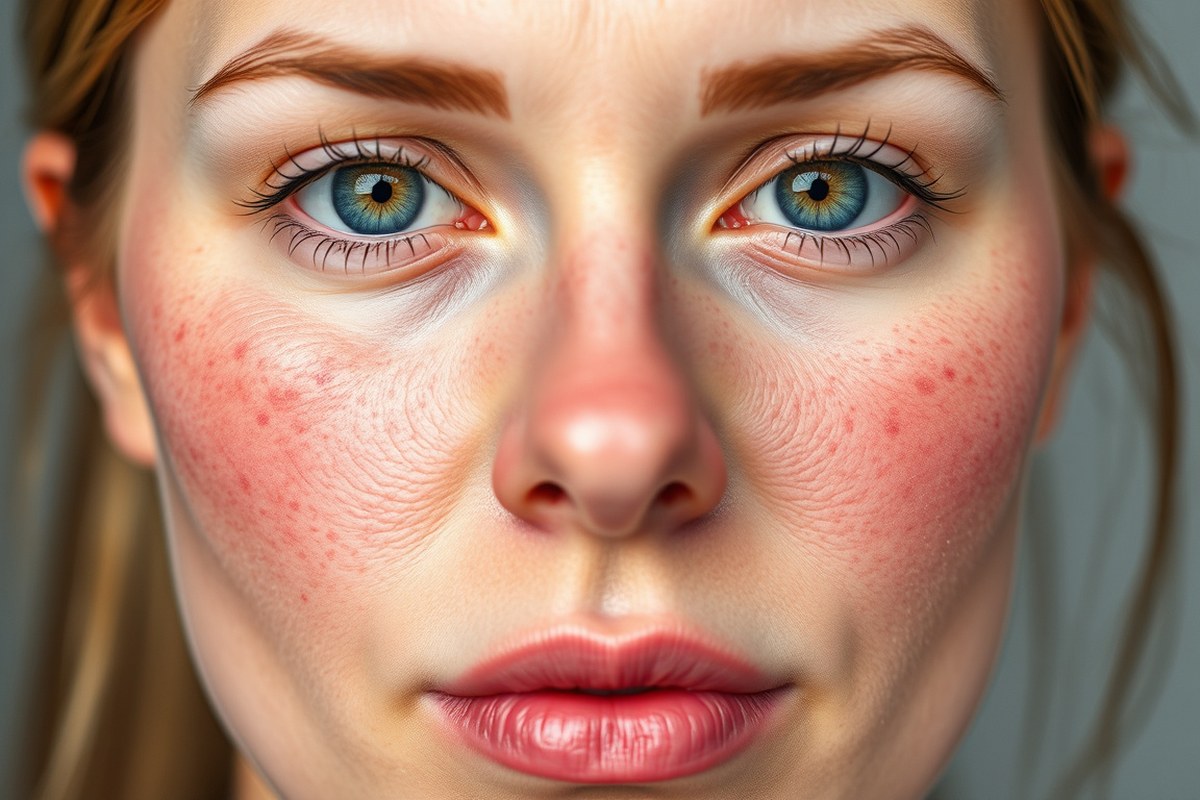
Rosacea includes four main subtypes, each with distinct symptoms and treatment approaches. Identifying your specific type helps you and your dermatologist choose the proper medicine and skincare routine, improving symptom control and minimizing flare-ups. Treatments vary because each subtype affects the skin differently and may require targeted therapies or specialized care.
Subtype 1: Erythematotelangiectatic Rosacea
This subtype mainly shows as persistent facial redness, visible blood vessels (called telangiectasia), and frequent flushing episodes. You might notice your skin feeling sensitive or dry, with a tendency to flush from triggers like heat or stress. The redness tends to be concentrated in the central face, especially the cheeks and nose.
Erythematotelangiectatic rosacea responds best to treatments that calm inflammation and reduce redness. Gentle skincare without irritating ingredients is important, along with laser or light therapies to shrink visible blood vessels. Typical topical options include metronidazole or azelaic acid, which decrease redness without over-drying your skin.
Subtype 2: Papulopustular Rosacea
Also called acne rosacea, this subtype features red bumps and pimples that resemble acne but lack blackheads or whiteheads. Swelling and skin tenderness may occur alongside these breakouts. The symptoms are usually centered on the nose and cheeks but can affect the forehead and chin as well.
Topical creams containing ivermectin or azelaic acid are commonly prescribed to reduce the bumps and inflammation. In moderate cases, oral antibiotics such as doxycycline help by reducing inflammation and controlling bacterial factors. Choosing the right medication depends on how severe your symptoms are and how your skin reacts.
- Red pimples and swelling mainly on the nose and cheeks
- Often confused with acne but does not feature blackheads/whiteheads
- Topical ivermectin or azelaic acid reduces bumps
- Oral antibiotics for moderate to severe inflammation
- Gentle skin care avoids aggravating active lesions
Do not use standard acne treatments with benzoyl peroxide or retinoids unless your doctor specifically recommends them, as they can irritate rosacea skin.
Subtype 3: Phymatous Rosacea
This type involves thickening of the skin and enlarged pores, primarily around the nose (rhinophyma), although other facial areas can also be affected. Skin texture changes, becoming rough, bumpy, or swollen, which usually occurs over many years.
Phymatous rosacea is more resistant to usual topical therapies. Treatment often includes oral isotretinoin or Roaccutane to reduce skin thickening and sebaceous gland activity. For significant tissue overgrowth, dermatologic procedures like carbon dioxide laser therapy can reshape the affected areas and improve appearance.
- Thickened, rough skin with enlarged pores, mainly on the nose
- Progressive skin enlargement may distort facial features
- Oral isotretinoin is first-line medical therapy
- Laser treatment can remove excess tissue in advanced cases
- Early intervention helps control progression
Subtype 4: Ocular Rosacea
Ocular rosacea affects about 10% of people with rosacea and involves eye symptoms such as redness, dryness, burning, irritation, and a gritty feeling. It can lead to more serious complications like blurry vision or light sensitivity if untreated.
Managing this subtype may require prescription eye drops such as cyclosporine to control inflammation. Oral antibiotics like doxycycline can also help reduce eyelid inflammation. Regular examination by an eye specialist ensures complications are caught early and properly treated.
- Red, dry, irritated eyes with a burning or gritty sensation
- May cause eyelid redness and swelling
- Requires specialized eye drops or oral antibiotics
- Close monitoring by a healthcare provider is essential
- Good eyelid hygiene can reduce symptoms
Medical Treatments: Topical, Oral, and Laser Options Compared
Managing rosacea long term typically involves a combination of topical treatments, oral medications, and laser or light-based therapies. While none offer a guaranteed permanent cure, laser treatments can permanently reduce visible blood vessels, and topical or oral medicines help control inflammation and flare-ups. Each treatment varies in how quickly it works, side effects, and suitability depending on your rosacea subtype.
Topical Treatments: Ivermectin, Azelaic Acid, Metronidazole
Topical medications are often the first step for rosacea treatment because they directly reduce inflammation, redness, and acne-like bumps on the skin. Ivermectin cream targets inflammatory lesions, while azelaic acid helps clear bumps and reduces redness. Metronidazole, available as creams or gels, has anti-inflammatory and antimicrobial effects that improve rosacea symptoms.
These treatments are most effective in patients with mild to moderate rosacea and those sensitive to oral antibiotics. Applying them once or twice daily as prescribed helps maintain control over symptoms. Compared to oral antibiotics, these topical options carry fewer risks for gut flora disruption. However, they may cause mild skin irritation in some people.
Oral Antibiotics and Isotretinoin
Oral antibiotics such as doxycycline and tetracycline work mainly by reducing inflammation in moderate to severe inflammatory rosacea. Taken daily for several weeks, they can significantly reduce red bumps and swelling. While effective during use, they do not cure rosacea permanently. Stopping antibiotics often results in symptom return.
Isotretinoin is a more potent oral medication usually reserved for severe or resistant rosacea cases. It reduces oil production and inflammation but requires close supervision due to significant side effects. Long-term remission has been reported in some patients after completing isotretinoin, but it is not guaranteed. Given risks like gut flora imbalance and antibiotic resistance, oral antibiotics should be used carefully and usually only after topical treatments have been tried.
Laser and Light-Based Therapies
Laser treatments and intense pulsed light (IPL) therapy offer the most promising option for long-term reduction of rosacea’s visible blood vessels and redness. These light-based therapies target and permanently destroy enlarged blood vessels under the skin, which are responsible for persistent redness and flushing. Common types include the Excel V laser and IPL devices.
Laser and IPL treatments typically require multiple sessions, spaced weeks apart, to achieve noticeable improvement. Following treatment, redness may be reduced significantly or nearly eliminated for months to years, making these procedures the closest to a permanent fix for certain rosacea symptoms.
While these therapies do not stop inflammatory bumps, they complement topical and oral treatments to improve overall skin appearance. Cost per session can range from $300 to $600 depending on provider and location.
| Treatment Type | What It Treats | How It Works | Duration of Effects | Common Side Effects |
|---|---|---|---|---|
| Topical Ivermectin | Inflammatory bumps, redness | Anti-inflammatory and antiparasitic | Requires daily use, continuous | Mild irritation, dryness |
| Azelaic Acid (Cream/Gel) | Redness, bumps | Anti-inflammatory, keratolytic | Daily use, ongoing control | Burning, itching |
| Metronidazole (Cream/Gel) | Bumps, redness | Anti-inflammatory, antimicrobial | Continuous daily use | Skin dryness, irritation |
| Oral Antibiotics | Inflammation, bumps | Anti-inflammatory effects systemically | Weeks-months while taken | Gut flora disruption, resistance |
| Oral Isotretinoin | Severe resistant rosacea | Reduces oil, inflammation | Possible long remission post-treatment | Dryness, birth defects, mood changes |
| Laser/IPL Therapy | Visible blood vessels, redness | Light destroys blood vessels | Months to years, possibly permanent vessel removal | Swelling, bruising, irritation |
Choosing the right combination of treatments depends on rosacea type, severity, and skin sensitivity. Your dermatologist can tailor the approach to reduce symptoms with the least side effects.
Typical Timelines and Expected Outcomes
Topical treatments typically show improvement within 4 to 8 weeks. Continued use is necessary for sustained results. Some mild irritation may occur during the first weeks as your skin adjusts.
Oral antibiotics usually produce noticeable improvement in inflammation and lesions within 2 to 4 weeks of starting therapy. Treatment often lasts several weeks to months, but symptoms can return once stopped without maintenance therapy.
Laser and intense pulsed light treatments require 3 to 6 sessions spaced about 3 to 4 weeks apart. Visible improvements in redness and broken vessels appear after the first session but optimal results show after completing multiple treatments. Effects can last months to years, depending on individual skin response and ongoing care.
Identifying and Avoiding Your Personal Rosacea Triggers
Tracking your rosacea symptoms carefully helps you spot patterns and discover your personal triggers. These triggers vary for everyone and can cause redness, swelling, or flare-ups even when you follow your treatment plan. Recognizing these factors allows you to take preventive steps and minimize uncomfortable episodes.
Begin by keeping a daily rosacea symptom diary. Note the date, time, severity of your symptoms, the foods you ate, drinks you consumed, skin care products applied, emotional stress levels, and outdoor conditions like temperature and sun exposure. This detailed record highlights links between your environment, diet, lifestyle, and flare-ups. Common triggers you should watch out for include:
- Exposure to sunlight and ultraviolet rays without protection
- Hot or spicy foods and beverages such as coffee, tea, alcohol, and chili
- Extreme temperatures, both hot and cold
- Emotional stress and physical exertion
- Skin care products containing alcohol, fragrance, or other irritants
- Wind and humidity changes, especially if you live in regions with distinct seasons
- Certain medications or health conditions exacerbating rosacea symptoms
Seasonal or regional factors influence triggers as well. For example, cold winter air can dry and irritate your skin, while increased sun intensity in summer often worsens redness. People living in dry climates may experience flare-ups differently than those in humid environments. Tracking these variables alongside symptoms provides a clearer picture of your rosacea in the context of your locale. Use this simple checklist template daily or weekly to start monitoring your rosacea triggers:
Date: _____________________ Rosacea symptom severity (0 none to 5 severe): ______ Foods/drinks consumed: ________________________ Skin care products used: ________________________ Emotional or physical stress level (low, medium, high): _____________ Time spent outdoors and sun exposure (minutes/hours): _____________ Environmental conditions (temperature, wind, humidity): ___________
Keeping this log for several weeks helps you see which factors move your symptoms up or down. Avoid or reduce your exposure to the identified triggers as much as possible. It might take time and patience, but this personalized approach is key to managing and controlling your rosacea effectively.
Building an Effective Skincare Routine for Rosacea-Prone Skin
Following a gentle and consistent skincare routine is essential for managing rosacea-prone skin. Choosing the right products helps reduce redness, minimize irritation, and prevent flare-ups. Avoiding harsh ingredients and protecting your skin from sun exposure are key components of effective daily care.
Use products designed specifically for sensitive skin to support your skin’s natural barrier. Avoid cleansers with strong exfoliants, scrubs, or alcohol-based toners that can strip your skin and trigger irritation. Hydrating with layered, mild products helps retain moisture without overwhelming inflammation.
Sun protection plays a critical role in preventing rosacea flare-ups and long-term skin damage. Select mineral-based sunscreens with broad-spectrum SPF 30 or higher, as these are less likely to irritate sensitive skin than chemical sunscreens. Remember to apply sunscreen every morning, even on cloudy days, and reapply every two hours if you spend time outside.
Here is a detailed skincare routine that works well for rosacea-prone skin. Adjust the routine based on how your skin reacts, but consistency is very important for best results.
- Cleanse gently. Use a mild, fragrance-free cleanser formulated for sensitive skin. Wash your face with lukewarm water, avoiding hot water that can worsen redness. Limit cleansing to twice a day.
- Apply soothing treatments. Incorporate products containing calming ingredients such as niacinamide, green tea extract, or chamomile. If your dermatologist prescribes topical rosacea medications, apply them as directed after cleansing.
- Moisturize regularly. Choose fragrance-free, non-comedogenic moisturizers with hydrating ingredients like ceramides and hyaluronic acid. Layer moisturizers lightly if needed to avoid dryness.
- Protect from the sun. Apply a broad-spectrum mineral sunscreen with SPF 30 or higher every day, focusing on avoiding direct sun exposure during peak hours (10 a.m. To 4 p.m.). Wearing wide-brimmed hats adds extra protection.
- Avoid irritants. Steer clear of skincare products with alcohol, fragrance, menthol, witch hazel, or exfoliating acids, which can provoke rosacea flare-ups.
- Maintain a consistent routine. Avoid frequently changing your skincare products. Sticking to a gentle, predictable routine helps your skin maintain its barrier and reduces the risk of irritation.
Use only lukewarm water for cleansing, as hot water can increase redness and inflammation associated with rosacea.
Natural Remedies and Lifestyle Changes to Complement Treatment
Natural remedies cannot replace medical treatment for rosacea, but they can support and improve symptom management. Using gentle skincare products, applying soothing ingredients like green tea extract or aloe vera, and avoiding harsh scrubs can reduce daily irritation. These methods act alongside prescribed topical or oral treatments, helping calm inflammation and decrease redness over time.
Lifestyle changes play an important role in keeping rosacea under control. Developing consistent habits such as wearing sunscreen daily, managing stress through meditation or exercise, and avoiding extreme temperatures help prevent flare-ups. For example, protecting your face with a broad-spectrum SPF 30 or higher every day reduces skin sensitivity and inflammation. Stress reduction techniques practiced for 10 to 20 minutes daily can also lower the frequency of rosacea episodes.
Diet affects rosacea by influencing inflammation levels in the body, which can trigger or worsen symptoms. Following an anti-inflammatory diet rich in fruits, vegetables, whole grains, and omega-3 fatty acids supports skin health. Foods like salmon, walnuts, and flaxseed contain omega-3s that help reduce skin redness and swelling. On the other hand, if you notice that spicy foods, hot drinks, or alcohol cause flare-ups, try limiting or avoiding these. Tracking your diet alongside flare-up patterns for at least two weeks can help identify personal triggers to cut out.
For individuals noticing digestive problems along with skin symptoms, improving gut health may ease rosacea. Incorporating probiotics through supplements or fermented foods like yogurt and kimchi shows potential to reduce inflammation caused by imbalanced gut bacteria. Changes like these usually take several weeks to show results, so patience is necessary.
In colder or very dry environments, applying a fragrance-free moisturizer twice daily can protect the skin barrier and prevent irritation. For those frequently exposed to sun, a physical barrier such as hats or scarves complements sunscreen use. In case sensitive skin reacts to common skin care ingredients, consulting your dermatologist about options like azelaic acid or metronidazole creams is advisable.
The goal of these complementary natural approaches focuses on reducing redness, controlling inflammation, and minimizing flare-ups to improve comfort and appearance. Costs vary; sunscreen and moisturizer combined might run between $15 and $40 monthly, while diet changes depend on your habits. Results may take weeks to months to appear and require consistent commitment. Be mindful that what works well for one person might not for another, so track your experiences carefully and continue using medical therapies as directed by your dermatologist.
Recognizing Rosacea Flare-Ups, Monitoring Progress, and When to See a Dermatologist
Monitoring your rosacea symptoms regularly helps you understand if your treatment is effective or if your condition is worsening. Recognizing signs of flare-ups early and scheduling timely dermatologist appointments can prevent complications and improve long-term outcomes. Keeping track and knowing when to seek professional advice ensures you maintain clearer, calmer skin.
Tracking Symptom Improvement
Start by keeping a daily or weekly rosacea journal to record your symptoms, including redness, bumps, flushing, and skin sensitivity. Use a simple scale from 0 to 5 to rate the severity of each symptom, with 0 meaning no symptoms and 5 indicating severe flare-ups. Tracking this over a few weeks can reveal patterns and improvements or setbacks.
Photograph your face in consistent lighting every week to visually compare changes. This documentation helps you and your dermatologist objectively assess how well treatments are working. Along with symptom tracking, note any new products, foods, or environmental exposures that may affect your skin.
Signs of Worsening Rosacea
Look for these key signs that your rosacea may be worsening and requires attention:
- Persistent redness lasting longer than usual
- Increased frequency or severity of flare-ups
- Development of visible blood vessels (telangiectasia) or thickened skin
- New or worsening burning or stinging sensations
- Appearance of acne-like bumps or pus-filled spots
- Swelling or eye irritation related to rosacea (ocular symptoms)
If any of these occur, it’s important to adjust your care approach rather than ignoring the symptoms. Worsening signs could mean your current treatment is not sufficient or you are encountering new triggers.
Preparing for Your Dermatologist Visit
Gather detailed information before your appointment to make the most of your time with the dermatologist. Bring your symptom journal, photos, and notes about products or lifestyle changes. Be ready to discuss:
- The duration and intensity of your symptoms
- What treatments you have tried and their effects
- Potential triggers you have identified
- Any side effects or worsening during treatment
- Your daily skincare and lifestyle habits
Expect a professional skin evaluation and discussion about your history. The dermatologist may recommend laboratory tests or biopsy in rare cases to rule out other conditions. Be clear about your goals for symptom control to help create a personalized treatment plan.
Treatment Escalation Guidelines
Contact a dermatologist if your rosacea symptoms persist with frequent flare-ups beyond four to six weeks despite following prescribed treatments. A decision rule you can use is:
- Review your symptom journal for ongoing redness or worsening signs over one month.
- Check for any new symptoms like thickened skin or eye problems.
- If both occur, schedule a dermatologist visit for reassessment.
During your consultation, your dermatologist may adjust topical or oral medications, recommend laser therapy, or suggest additional lifestyle modifications. Do not switch or stop treatments without professional advice, as sudden changes may irritate your skin and worsen symptoms.
Managing Psychological Effects and Avoiding Common Mistakes
Rosacea can significantly affect your mental health, contributing to feelings of embarrassment, anxiety, or even depression. According to reports, nearly 69 percent of people with rosacea experience emotional distress linked to their skin’s appearance. These psychological effects matter because stress and anxiety can prompt flare-ups, worsening redness and inflammation in a cycle that can be hard to break.
Managing these effects starts with understanding that rosacea is a chronic condition with fluctuating symptoms, not a reflection of your personal hygiene or lifestyle choices. Developing coping skills can reduce the emotional burden and improve your skin health over time. Try scheduling regular moments of relaxation, such as deep breathing exercises for five to ten minutes daily, to lower stress hormone levels known to aggravate rosacea. Support groups or counseling sessions, often offered at sliding scale fees or covered by insurance, can provide emotional relief and practical advice from others facing similar challenges.
Avoid common mistakes that worsen rosacea symptoms. One frequent error is over-washing your face, which can strip natural oils and worsen redness. Use a gentle, fragrance-free cleanser no more than twice a day, rinsing with lukewarm water (about 90°F). Harsh scrubs or alcohol-based toners should also be avoided as they irritate your sensitive skin further. Another mistake is neglecting sun protection. Since UV exposure can trigger flare-ups, apply a broad-spectrum sunscreen with at least SPF 30 every day, even when it’s cloudy, and reapply every two hours if outdoors.
In social or work situations, visible redness can cause discomfort or low self-esteem. A helpful strategy is to prepare a short, calm statement if you choose to explain your condition, such as: “I have a skin condition called rosacea that causes redness but isn’t contagious.” This can ease social anxiety and reduce misunderstandings. When facing flare-ups, avoid hot beverages and spicy foods for a few hours as these can increase blood flow to your face and worsen symptoms. Cooling your skin with a damp, cool cloth for 10 to 15 minutes can provide temporary relief.
Remember that lifestyle habits like drinking alcohol excessively or smoking can intensify rosacea. Cutting back or quitting smoking may reduce flare frequency and severity. Since triggers vary between people, keep a journal noting food, activities, emotions, and weather conditions associated with flare-ups. This helps identify personal causes and improve prevention strategies. Finally, avoid experimenting with multiple new skincare products simultaneously, as this makes it hard to pinpoint irritants and may amplify irritation.
Start managing rosacea’s psychological effects by acknowledging the condition openly with trusted people and practicing daily stress reduction techniques like deep breathing.
Step-by-Step Action Plan to Manage Rosacea Effectively
This plan helps you understand rosacea’s nature and take clear actions to control symptoms and reduce flare-ups over time.
- Before you start: Identify your rosacea type by noting symptoms like redness, bumps, or thickened skin. Knowing your type helps tailor treatments and sets realistic expectations about managing rather than curing rosacea.
- Day 1: List possible personal triggers such as spicy foods, heat, stress, or skincare products. Avoid these triggers for at least two weeks and track symptom changes to see which affect you most.
- Week 1: Begin a gentle skincare routine with products designed for rosacea-prone skin, fragrance-free, non-irritating cleansers and moisturizers. Confirm improvement if redness or irritation lessens without new flare-ups.
- Week 2: Consult a dermatologist to discuss medical treatments like topical or oral options and consider laser therapy if suitable. Effective treatment reduces persistent redness, bumps, or inflammation over several weeks.
- Month 1: Incorporate recommended lifestyle changes such as sun protection, stress reduction, and avoiding extreme temperatures. Improvement is shown by fewer or milder flare-ups over this period.
- Month 2 and beyond: Monitor your skin regularly, note flare-ups, and adjust your routine or treatment as advised by your doctor. Sustained symptom control with minimal flare frequency indicates good management.
- Ongoing: Address psychological effects by seeking support if rosacea impacts your confidence or mood. Avoid common mistakes like over-washing or ignoring early symptoms to prevent worsening.
Frequently Asked Questions
What Not to Put on Rosacea Skin?
Avoid harsh exfoliants, alcohol-based products, and fragrances as they can irritate rosacea skin and cause flare-ups. Gentle, fragrance-free skincare products work best to help keep your skin calm and reduce redness.
What Naturally Calms Rosacea?
Applying cool compresses and using green tea or chamomile-based products can naturally soothe rosacea. These ingredients have anti-inflammatory properties that reduce redness and irritation.
What Age Does Rosacea Peak?
Rosacea most commonly peaks between ages 25 to 39, though it can occur at any adult age. This age group also shows the highest prevalence according to recent studies.
What Is the Biggest Trigger for Rosacea?
Sun exposure is the biggest trigger for rosacea flare-ups because UV radiation causes blood vessels in the face to dilate and increase redness. Protecting your skin from the sun is essential.
Can Stress Permanently Worsen Rosacea?
Stress does not permanently worsen rosacea but can trigger temporary flare-ups that increase redness and irritation. Managing stress helps minimize rosacea episodes.
Does Diet Influence Rosacea Severity?
Certain spicy foods and hot beverages can worsen rosacea symptoms temporarily, but diet alone cannot cure or permanently worsen the condition. Adjusting diet may help reduce flare-ups.
Before You Go
Rosacea cannot be cured permanently, but you can control its symptoms effectively with consistent treatment and lifestyle changes. Start by keeping a detailed journal of your skin’s reactions to identify your personal triggers more clearly. This simple step can help tailor your approach and improve your skin’s health over time.