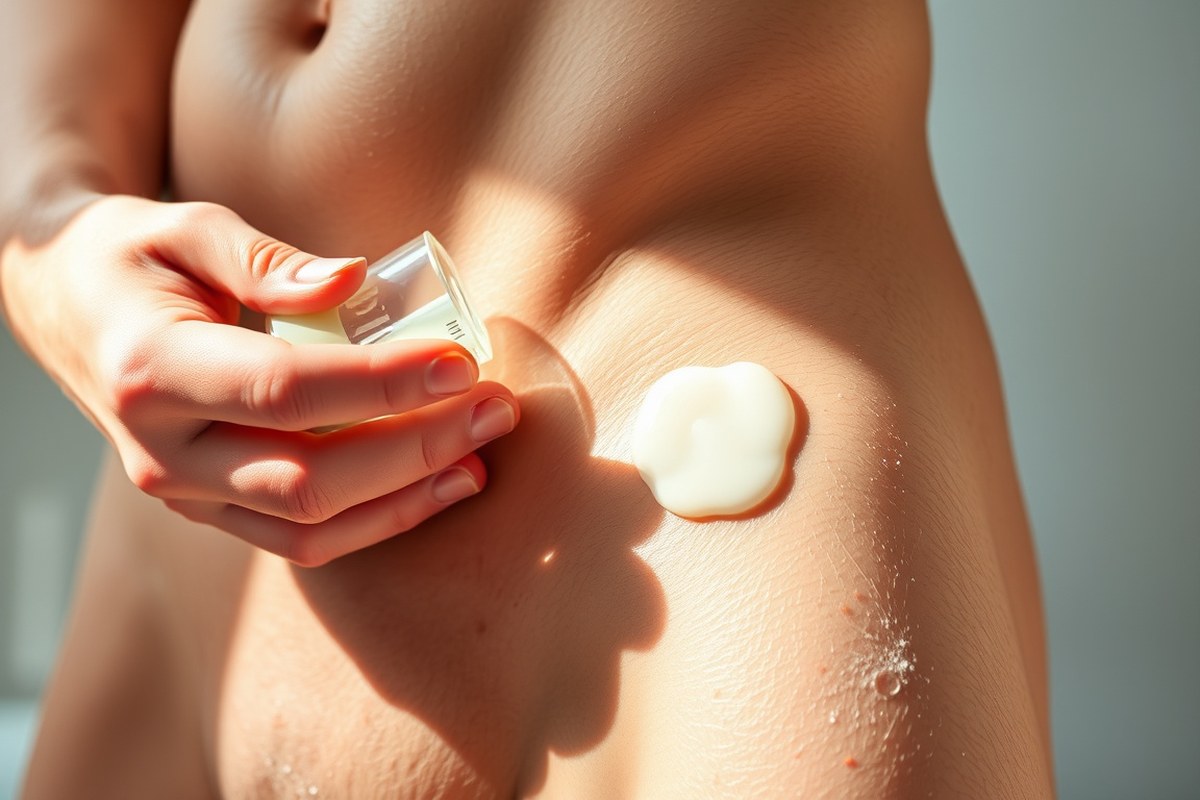
How to Get Rid of Razor Bumps on Pubic Area Overnight: Fast and Safe Solutions
To get rid of razor bumps on the pubic area overnight, focus on calming inflammation, moisturizing the skin, and using soothing treatments like aloe vera or hydrocortisone cream. Cooling the area and avoiding tight clothing also helps reduce redness and swelling quickly. While razor bumps won’t vanish completely in hours, these steps provide fast relief and improve comfort.
This advice is for anyone dealing with irritation and bumps after shaving their pubic region. You’ll learn safe ways to treat bumps overnight, understand what causes them, how to prepare and shave properly, prevent future irritation, and when it’s time to seek medical advice. The tips cover everything from gentle exfoliation to choosing the right products for your skin type.
Key Takeaways
- Use a gentle, warm bath to soothe pubic razor bumps overnight by opening pores and reducing irritation effectively.
- Aloe vera, tea tree oil, and 1% hydrocortisone cream reduce inflammation and speed healing of razor bumps in the pubic area.
- Razor bumps are caused by ingrown hairs triggering immune responses, differing from razor burn and folliculitis by inflammation type and timing.
- Prep pubic skin by exfoliating gently and moisturizing to prevent razor bumps before shaving, using a sharp, clean razor for best results.
- Avoid picking or scratching razor bumps to prevent skin damage and longer healing times, seeking medical help if swelling worsens or pain increases.
- Choose shaving tools and products tailored to your skin and hair type for long-term prevention of razor bumps on pubic skin.
How to Treat Razor Bumps on the Pubic Area Overnight Safely
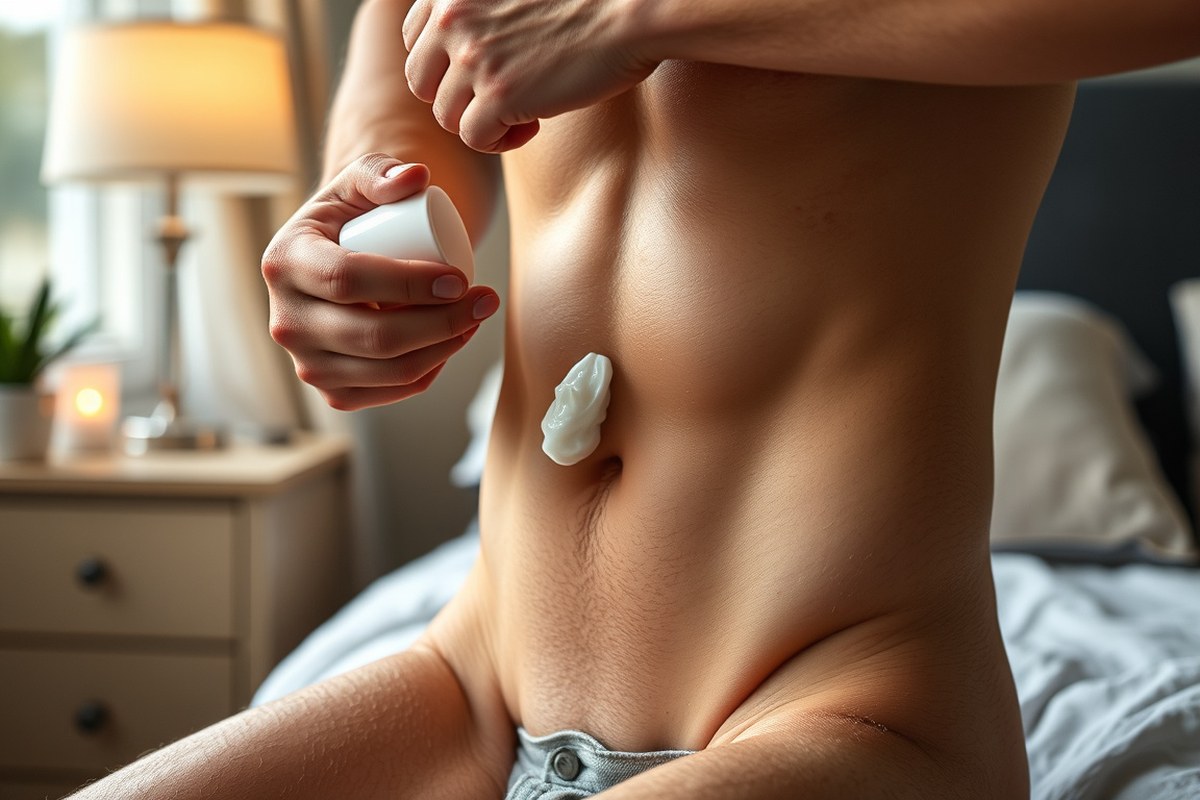
Razor bumps on the pubic area can cause redness, swelling, and discomfort, but you can reduce these symptoms significantly overnight with the right care. While they usually don’t vanish completely in a few hours, applying cool compresses combined with anti-inflammatory and moisturizing treatments calms irritation and speeds healing. Warm compresses can also help by softening the skin and loosening ingrown hairs, making the bumps less noticeable and more comfortable as you sleep.
To tackle razor bumps safely and effectively, avoid further irritation and avoid shaving until your skin has healed. Using inexpensive, readily available products like aloe vera gel, hydrocortisone cream, or fragrance-free moisturizers helps soothe inflammation and hydrate sensitive skin without causing additional issues. Here’s a step-by-step routine you can do before bed for the best overnight results.
- Apply a cold compress. Wrap a clean cloth soaked in cold water or use a gel ice pack wrapped in a towel and hold it against the affected area for 5 to 10 minutes. This reduces redness and calms itching and swelling.
- Use a warm compress. After removing the cold compress, apply a warm, damp cloth to the area for 3 to 5 minutes. The warm water opens pores and softens skin, helping to bring ingrown hairs closer to the surface for easier healing.
- Gently cleanse the area. Use a mild, fragrance-free cleanser with lukewarm water to remove oils and bacteria without irritating the skin further. Avoid scrubbing or harsh exfoliation at this stage.
- Apply an anti-inflammatory treatment. Dab on a thin layer of aloe vera gel or over-the-counter 1% hydrocortisone cream to reduce inflammation and soothe irritation. Use sparingly and avoid prolonged use of steroids.
- Moisturize thoroughly. Choose a gentle, fragrance-free moisturizer or aftershave balm designed for sensitive skin. Apply a light layer to keep the skin hydrated, which helps prevent peeling and itching as the bumps heal.
- Avoid tight clothing. Wear loose, breathable fabrics to minimize friction while you sleep, which can worsen razor bumps or slow recovery.
- Delay shaving or exfoliation. Skip shaving or vigorous exfoliation for at least 48 hours after you notice razor bumps. This gives your skin time to heal and keeps new irritation to a minimum.
This routine doesn’t require expensive treatments and can be done with common items you likely already have at home. Costs are typically under $10 if you need to buy aloe vera gel or hydrocortisone cream. You can expect reduced redness and discomfort by morning, though bump resolution usually takes a few days. Watch out for worsening pain, pus, or spreading redness, which may indicate infection and require medical attention.
What Causes Razor Bumps Specifically in the Pubic Area
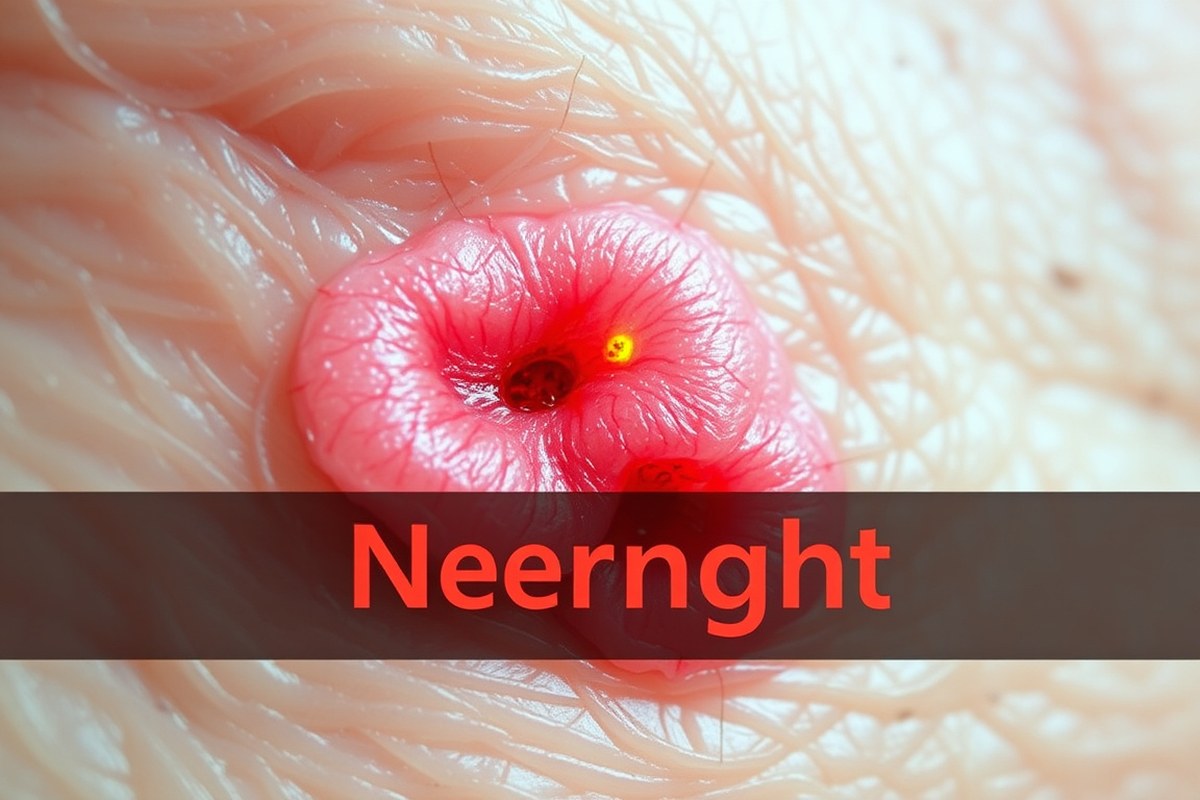
Razor bumps in the pubic area happen when hair removed by shaving grows back into the skin instead of outwards. This leads to irritation and small, itchy bumps sometimes filled with pus. Hair texture, especially coarser or curlier hair, as well as skin sensitivity in this area, make razor bumps more likely to form.
Impact of Curly Hair on Ingrown Hairs
Curly hair naturally tends to bend back or sideways after shaving, causing it to pierce the skin. This traps the hair beneath the surface and triggers inflammation known as pseudofolliculitis. The pubic area commonly features coarse and curly hair, which raises the risk of hairs becoming ingrown.
This tendency is stronger for people with tighter hair curls, often of African descent, who report razor bumps more frequently. Coarse hair’s thickness also means the blunt ends left from shaving may contribute to the hair re-entering the skin instead of growing outward smoothly. Using shaving methods that cut hair very close can increase this risk, as the sharp edge of the hair promotes curved regrowth beneath the skin rather than breaking through it naturally.
Role of Skin Sensitivity in Bump Formation
The skin in the pubic region is thinner and more sensitive than many other parts of the body. This increases its vulnerability to irritation from shaving tools or products. Sensitive skin reacts by becoming inflamed, leading to redness, itching, and raised bumps that characterize razor bumps.
People prone to skin irritation should avoid harsh razors and aggressive shaving routines because sensitive pubic skin struggles to heal quickly when repeatedly irritated. Shaving can pull on the skin, damaging follicles and encouraging razor bumps. Also, sensitive skin may not tolerate common after-shaving products well, potentially worsening irritation rather than calming it.
Effects of Frequent Shaving on Skin
Shaving the pubic area daily or multiple times a week stresses the hair follicles and skin, increasing the chance of razor bumps. Each shave causes minor trauma to the skin’s surface, and without enough time to heal, inflammation builds up. This also raises the likelihood of hair growing back ingrown.
Frequent shaving can cause the skin to feel rough and constantly irritated. Allowing the skin time to rest and recover between shaves helps reduce redness and lowers the risk of bumps. It’s better to space out shaving sessions or try alternative hair removal methods to give the follicles a break from repeated irritation and inflammation.
Contribution of Razor Type and Technique
Using a blunt or dull razor blade increases tugging and scraping instead of cutting hair cleanly, worsening follicle irritation. A sharp blade combined with a proper shaving gel reduces the need to go over the same spot multiple times, decreasing injury to the sensitive pubic skin.
Shaving against the grain, or the direction hair grows, may deliver a closer shave but sharply raises the risk of razor bumps because it encourages hairs to curl back into the skin. Shaving with the grain is gentler on the follicles and lowers irritation.
Pulling the skin tight during shaving stretches follicles and can cause the freshly cut hair to retract below the skin edge, increasing the chance of ingrown hairs. Allowing the skin to stay relaxed during shaving is a better approach for bump prevention.
Try shaving in the direction of hair growth and use a sharp blade with a lubricating gel to reduce razor bumps in the pubic area.
Differences Between Razor Bumps, Razor Burn, and Folliculitis
Razor bumps, razor burn, and folliculitis often look similar, but you can tell them apart by paying attention to certain symptoms and timing. Razor burn appears immediately or within a few hours after shaving. It feels like redness, tightness, or a burning sensation on freshly shaved skin, typically without raised bumps. Razor bumps develop over several days as small, itchy or tender bumps caused by hairs curling back into the skin or trapped under it. Folliculitis is a bacterial or fungal infection of hair follicles that produces red, inflamed pustules, sometimes with pus, and is typically more painful and long-lasting than razor bumps.
Distinguishing razor burn from folliculitis matters because the treatments differ. Razor burn usually clears within 24 to 48 hours when you stop shaving and apply soothing products like aloe vera gel. Folliculitis may need topical antibiotics or antifungal creams prescribed by a doctor, especially if it worsens or spreads. Checking for signs of infection, like increasing pain, swelling, or pus, helps you decide when to seek medical help.
Some sexually transmitted infections (STIs) cause symptoms that resemble razor bumps or razor burn, such as small sores or pimples in the pubic area. These infections might not improve with typical remedies for razor issues and often have additional symptoms like unusual discharge or persistent pain. If you notice anything unusual that doesn’t improve in a few days or comes with other symptoms, it’s safe to get a medical evaluation to rule out infections. To help you identify these conditions on your own, here are key signs and differences:
- Razor Burn: Redness and burning appear immediately after shaving, no raised bumps, feels like skin irritation.
- Razor Bumps: Small, raised, itchy or tender bumps, develop 2, 3 days post-shave, caused by ingrown hairs.
- Folliculitis: Red, pus-filled bumps or blisters around hair follicles, painful or swollen, persists beyond several days.
- STIs with Similar Symptoms: Sores or bumps persist, may have additional symptoms like discharge, pain during urination.
- Timing: Razor burn lasts 1, 2 days; razor bumps take 2, 3 weeks to resolve; folliculitis lasts longer without treatment.
- Tenderness: Razor burn causes mild discomfort; folliculitis tends to cause more pain and tenderness.
Noticing the timing of symptoms and the type of bumps helps you choose the right action. Razor burn needs rest and gentle skin care, while folliculitis calls for medical evaluation to avoid complications. Carefully watching the area after shaving, especially in the pubic region where curves and creases make irritation more likely, lets you respond early and avoid worsening problems.
How Aloe Vera, Tea Tree Oil, and Hydrocortisone Cream Help Razor Bumps
Aloe vera, tea tree oil, and hydrocortisone cream each offer distinct benefits for reducing the swelling and irritation caused by razor bumps in the pubic area. Aloe vera gel, applied directly, is known for soothing and moisturizing the skin, helping to calm inflammation and speed the healing of razor cuts and bumps overnight. It’s gentle and safe for sensitive skin, making it a good first step in treating irritation without risk of adverse effects.
Hydrocortisone cream, usually at 1%, works by reducing redness and swelling quickly due to its anti-inflammatory properties. However, caution is key because the vulvar skin absorbs topical steroids more readily than other body areas. Use hydrocortisone creams sparingly and for no more than a few consecutive days to avoid thinning of sensitive skin.
Tea tree oil offers antiseptic, antibacterial, and anti-inflammatory benefits that can decrease the chance of infection and calm razor bumps. It must always be diluted, common practice is 3 drops mixed with 1 tablespoon of coconut oil or water, to prevent overdrying or irritation in the delicate groin region. Applying a mixture with a cotton swab gently onto affected areas once daily can help.
| Remedy | Pros | Cons | Safety Notes | Speed of Results |
|---|---|---|---|---|
| Aloe Vera | Soothes irritation, moisturizes, gentle on sensitive skin | May feel sticky, slower to reduce redness compared to steroids | Safe for direct application; no dilution needed | Noticeable relief overnight |
| Tea Tree Oil (diluted) | Antiseptic, antibacterial, anti-inflammatory | Can overdry or irritate if not diluted properly | Must dilute (3 drops per 1 tbsp carrier); test patch recommended | Improvement within 1, 2 days |
| Hydrocortisone Cream (1%) | Reduces redness and swelling quickly | Risk of thinning delicate pubic skin if overused | Use sparingly; avoid long-term use on vulvar area | Fast relief, often within 24 hours |
| Witch Hazel | Astringent, reduces inflammation and swelling | May dry skin if overused | Apply with cotton ball; avoid overuse on sensitive areas | Moderate relief by next day |
Applying these remedies correctly matters. For aloe vera, simply spread a thin layer of pure gel on clean skin after shaving or irritation appears. Tea tree oil requires dilution before application to avoid harsh drying and possible allergic reactions. Hydrocortisone cream should be applied in a thin layer no more than once or twice daily, and not every day for extended periods.
Using these treatments can dramatically reduce the symptoms of razor bumps overnight or within a couple of days. Keep in mind that some products, like hydrocortisone, work faster but come with risks if misused. On the other hand, natural remedies like aloe vera and tea tree oil are safer for routine use but may act more gradually. In any case, patch testing a small skin area before full application helps avoid negative reactions, especially in such a sensitive zone.
How to Prepare and Shave Your Pubic Skin to Prevent Razor Bumps
Preparing your pubic skin properly before shaving and using the right technique can significantly cut down on razor bumps. Follow a gentle cleansing routine, pick tools designed for sensitive skin, and shave with care to protect your skin.
Gentle Skin Cleansing Before Shaving
Start by washing the pubic area with warm water and a mild, fragrance-free cleanser. This removes oils, sweat, and dirt that could clog your razor or irritate your skin. Warm water also softens hair and skin, making shaving easier and reducing the chance of nicks and bumps.
Pat the area dry gently with a clean towel and avoid rubbing. You can soften hair further by soaking in a warm bath or using a warm compress for 3 to 5 minutes before shaving, which helps open pores and relax the hair follicles.
Using the Right Razor and Shaving Products
Choose a razor suited for sensitive pubic skin to minimize irritation. Electric razors or single-blade razors are generally better than multi-blade razors, which can pull hair too aggressively and cause bumps. Replace disposable razor blades after 5 or 6 shaves to maintain sharpness and prevent skin damage.
Use a shaving gel or cream formulated for sensitive skin. Thick products with soothing ingredients like aloe vera or chamomile can provide a protective barrier, helping the razor glide smoothly and reducing friction.
- Use a new or clean razor blade every 5 to 6 shaves.
- Opt for electric or single-blade razors to reduce irritation.
- Apply shaving cream specifically for sensitive skin.
- Avoid products with fragrances or alcohol that dry out skin.
- Consider using pre-shave oils to soften hair further.
These choices help protect your skin and lower the risk of ingrown hairs and bumps after shaving.
Shaving Techniques to Avoid Irritation
Shave in the direction of hair growth rather than against it to reduce razor bumps. Shaving across or against hair growth increases irritation and risk of ingrown hairs. Use light, gentle strokes and avoid pressing the razor hard onto your skin.
Try to limit shaving frequency to every three days or less. Frequent shaving can worsen irritation in sensitive areas. If you notice bumps forming, pause shaving until your skin heals.
Never shave over existing razor bumps; this can inflame your skin and worsen the condition.
After each stroke, rinse the razor to remove hair and cream buildup. This keeps the blade sharp and effective throughout your shave.
Post-Shave Care Steps
Apply a cold compress immediately after shaving to calm inflammation and close pores. Use a clean cloth soaked in cold water and hold it against the area for 5 minutes. Afterward, gently pat the skin dry and apply an alcohol-free, fragrance-free moisturizer to soothe and hydrate your skin.
Avoid tight clothing and activities that cause heavy sweating for at least a few hours after shaving. These can trap bacteria and increase irritation in freshly shaved skin. Consider applying a light layer of aloe vera gel or a recommended post-shave product to reduce redness and promote healing.
Safe Exfoliation and Moisture Management for Bump-Prone Pubic Skin
Exfoliating the pubic area carefully can help prevent and reduce razor bumps by removing dead skin cells that trap hairs beneath the surface. Choose gentle exfoliation methods designed for sensitive skin, such as using a soft washcloth or a mild chemical exfoliant containing ingredients like lactic acid or salicylic acid in low concentrations. Avoid harsh scrubs or stiff brushes, which can irritate the delicate skin and worsen bumps. Limit exfoliation to about two times per week, spacing sessions by at least 72 hours to give your skin time to recover. Exfoliate after washing with warm water to soften the skin, and avoid exfoliating immediately after shaving to reduce irritation risk.
Moisture management is critical for bump-prone skin in the pubic area because dryness causes itching and tightness, while excessive moisture, especially in skin folds, can irritate follicles and encourage bumps. After cleansing or exfoliating, apply a fragrance-free, non-comedogenic moisturizer containing soothing ingredients such as glycerin, ceramides, or shea butter. Moisturizing twice daily, once in the morning and once before bed, helps maintain skin hydration without clogging pores. For extra soothing after shaving, use a cold compress or splash cold water on the area to reduce inflammation before moisturizing.
People with naturally dry skin benefit from using a slightly heavier moisturizer or an occlusive agent like petroleum jelly on top of a lighter moisturizer to lock in hydration overnight. Those with oilier skin types might prefer lightweight lotions or gels that hydrate without leaving a greasy feel. Avoid products with alcohol, strong fragrances, or menthol in this area, as they can cause stinging and worsen bumps. Keeping the area dry during the day by wearing breathable cotton underwear and avoiding tight clothing reduces moisture buildup and friction that irritate hair follicles.
For quick recovery when razor bumps appear, switch to mild exfoliation methods such as a gentle chemical exfoliant no more than once every three days, allowing time for healing. Continue with consistent moisturizing routines to support skin repair. Regular exfoliation improves hair growth direction, lowering the chance of ingrown hairs, while keeping skin hydrated prevents dryness that can exacerbate bumps. Watch for signs of increased redness, swelling, or pain, which indicate irritation that means you should reduce exfoliation frequency and review your skincare products.
Mistakes to Avoid and When to Seek Medical Help for Razor Bumps
Avoid common mistakes like picking or shaving over razor bumps to prevent worsening irritation and infection. Watch for signs such as spreading redness, swelling, or pus that need medical evaluation. Consider stopping or switching hair removal methods if bumps persist or worsen despite care.
Risks of Picking or Tweezing Bumps
Picking, squeezing, or tweezing razor bumps in the pubic area can break the skin, creating an entry point for bacteria. This increases the risk of infection and can lead to scarring or pigmentation changes. It also delays healing and may cause the bumps to worsen or spread.
Because the genital skin is sensitive and prone to irritation, avoid touching or manipulating bumps. Instead, apply a warm compress or a soothing, fragrance-free treatment. Maintaining clean hands and gentle care supports faster recovery without added complications.
Signs of Infection and When to Call a Doctor
Not all bumps require medical attention, but infections need prompt care. Signs of infection include:
- Increasing redness or swelling around the bumps
- Warmth or tenderness in the affected area
- Pus or yellowish discharge
- Persistent pain or throbbing
- Fever or general feeling of illness
- Red streaks extending away from the bumps
If you notice any of these symptoms, stop shaving and contact a healthcare provider promptly. They can prescribe antibiotics or other treatments to prevent complications. Early intervention reduces the chance of more serious infections such as abscesses.
Deciding to Stop Shaving or Change Methods
Shaving over existing razor bumps can worsen skin irritation and slow healing. The best course is to stop shaving until the bumps fully resolve, which typically takes several days. Letting hair grow out naturally reduces friction and skin trauma.
Switching to alternative hair removal like trimming, waxing, or using an electric razor may reduce razor bumps since these methods cause less skin irritation. If bumps recur frequently despite good shaving technique and aftercare, it’s time to consider these options. Monitor your skin’s response over time and adjust as needed for comfort and skin health.
Use this simple decision rule: Stop shaving if bumps cover more than 20% of the pubic area or persist beyond 1 week despite treatment. Seek medical care if signs of infection appear or if bumps worsen after 3 days of home care.
Long-Term Prevention Strategies Tailored to Skin and Hair Types
To prevent razor bumps in the pubic area for the long term, tailor your hair removal choices and skin care to your specific skin sensitivity, hair texture, and climate. If you have curly or coarse hair, shaving increases the risk of ingrown hairs because curls tend to grow back into the skin. In these cases, switching to waxing can reduce bumps by pulling hair from the root, but it can irritate sensitive skin and requires waiting at least 3 to 6 weeks for hair regrowth. For a more permanent solution, laser hair removal targets hair follicles and can lower razor bump frequency significantly, though it typically costs several hundred dollars per session and needs multiple treatments spaced weeks apart. Always consult with a dermatologist before starting laser treatment, especially on sensitive pubic skin.
For those with sensitive skin, frequent shaving may cause irritation and bumps, so reducing shave frequency or avoiding shaving altogether is beneficial. Using a well-lubricated razor with sharp blades and applying fragrance-free, soothing aftercare products helps minimize inflammation. Regular exfoliation around twice a week prevents dead skin buildup that traps hairs and leads to bumps. Use a gentle scrub or a chemical exfoliant with alpha hydroxy acids to loosen skin cells without causing irritation.
Climate affects razor bump prevention too. In humid or hot weather, sweat and friction worsen bump formation, so keeping the pubic area dry and clean reduces infection risk. Wear loose, breathable fabrics like cotton to allow airflow. In dry or cold climates, skin becomes brittle and prone to cracking, which worsens razor bumps. Apply a rich, fragrance-free moisturizer daily to maintain skin hydration, especially after hair removal sessions.
Comparing hair removal methods, shaving remains the most affordable and fastest option, but it requires daily or every-few-days upkeep and proper technique to avoid bumps. Waxing costs around $30 to $70 per session and causes less frequent bumps but needs hair to grow long enough for removal. Laser hair removal, priced about $200 to $500 per session, offers the best long-term prevention but demands commitment and may not work equally on all skin tones or hair colors.
Adjust your approach based on results and comfort. Persistent razor bumps despite following these tips might indicate a need to stop shaving temporarily or seek professional advice. Proper hair removal upkeep combined with skin care tailored to your hair texture, skin sensitivity, and climate can minimize razor bumps effectively over time.
Consider ceasing shaving if bumps happen frequently, or explore laser hair removal with a dermatologist to address the issue at its source.
Step-by-Step Action Plan to Clear Razor Bumps on Your Pubic Area Overnight
Follow these targeted steps starting now to reduce razor bumps fast and keep your skin smooth long term.
- Before You Shave: Gently exfoliate your pubic skin with a mild scrub or a soft washcloth to remove dead skin. You’ll notice smoother skin ready for shaving without clogged pores.
- Shaving Time: Use a sharp, clean razor and shave in the direction of hair growth on well-moisturized skin. This helps avoid irritation and reduces new bumps forming.
- Right After Shaving: Apply a cold compress to calm inflammation, then use aloe vera gel or a tea tree oil diluted with a carrier oil to soothe the skin. You should feel immediate relief from burning or itching.
- Overnight: Use a thin layer of 1% hydrocortisone cream on affected areas before bed to reduce redness and swelling. Check for reduced bump size and less redness in the morning.
- Within 24 Hours: Keep the area clean and dry, avoid tight clothing, and do not shave again. Watch for no new bumps forming and existing ones flattening.
- Daily Routine Post-Healing: Moisturize daily with a fragrance-free lotion suited for sensitive skin and gently exfoliate 2-3 times per week. Notice fewer new bumps after several days.
- Ongoing Prevention: Adjust shaving frequency based on hair and skin sensitivity and always follow all steps above. You’ll maintain smoother skin and avoid repeated flare-ups.
Frequently Asked Questions
How Can Aloe Vera Soothe Razor Bumps on the Pubic Area Overnight?
Aloe vera reduces inflammation and redness quickly, calming the irritated skin. Applying pure aloe vera gel helps soothe razor bumps and supports faster healing when left on the area overnight.
Is It Okay to Apply Hydrocortisone Cream on Pubic Razor Bumps Overnight?
Applying a thin layer of hydrocortisone cream can reduce swelling and redness overnight. Avoid prolonged use and follow product guidelines to prevent skin thinning or irritation in sensitive areas.
Can a Warm Bath Help Reduce Razor Bumps on the Pubic Area Overnight?
Yes, a warm bath opens pores and relieves swelling, soothing razor bumps. Soaking for 10-15 minutes allows anti-inflammatory effects, but avoid hot water to prevent further irritation.
How Does Tea Tree Oil Work to Treat Razor Bumps Overnight?
Tea tree oil has natural antibacterial and anti-inflammatory properties that calm razor bumps. Dilute it with a carrier oil and apply at night to reduce infection risk and promote healing.
Should I Exfoliate the Pubic Area the Same Day I Get Razor Bumps?
It’s best to avoid exfoliating on the same day to prevent further irritation. Wait until bumps subside before gentle exfoliation to remove dead skin and discourage ingrown hairs.
What Role Does Moisturizing Play in Reducing Pubic Razor Bumps Overnight?
Moisturizing keeps the skin hydrated and speeds recovery by soothing irritation. Use a gentle, fragrance-free moisturizer after shaving and before bed to lessen bumps and discomfort.
The Bottom Line
Getting rid of razor bumps on your pubic area overnight is achievable by applying soothing remedies like aloe vera or hydrocortisone cream and avoiding irritation. Start tonight by gently applying a thin layer of aloe vera gel to calm your skin and reduce inflammation. This simple step helps you wake up with less discomfort and moves you closer to bump-free skin.