

How to Get Rid of Worms in Cats: A Complete Guide with Proven Treatments
Begin eliminating worms in your cat by recognizing signs and bringing a recent stool specimen to your vet for testing. Use the prescribed deworming drugs as directed, and schedule routine check-ups every six to twelve months to avoid future infections. Knowing the ways cats pick up worms and addressing infections quickly helps ensure your cat remains well and at ease.
Cat owners, especially those with outdoor cats or kittens, need clear guidance on recognizing common worms and managing treatment safely. This article covers everything from identifying symptoms and types of worms to using effective medications, home care steps, and when urgent veterinary attention is necessary to protect your cat’s health.
Key Takeaways
- Identify worm infections by symptoms like vomiting, diarrhea, weight loss, and visible worms similar to spaghetti in cat stool.
- Schedule fecal exams every 1-2 times yearly for indoor cats and every 3-6 months for cats with outdoor access or hunting habits.
- Use vet-approved deworming medications regularly, dosing sensitive cats starting at one-quarter for 3-5 days as needed.
- Prevent worms by limiting outdoor exposure, controlling fleas, and maintaining regular veterinary checkups every six to 12 months.
- Treat adult cats every 1-3 months with broad-spectrum dewormers targeting both tapeworms and roundworms based on risk factors.
- Avoid relying solely on home remedies, as they may be ineffective or risky; always follow veterinary guidance for worm treatment.
Identify Worms in Cats: Symptoms and Diagnosis
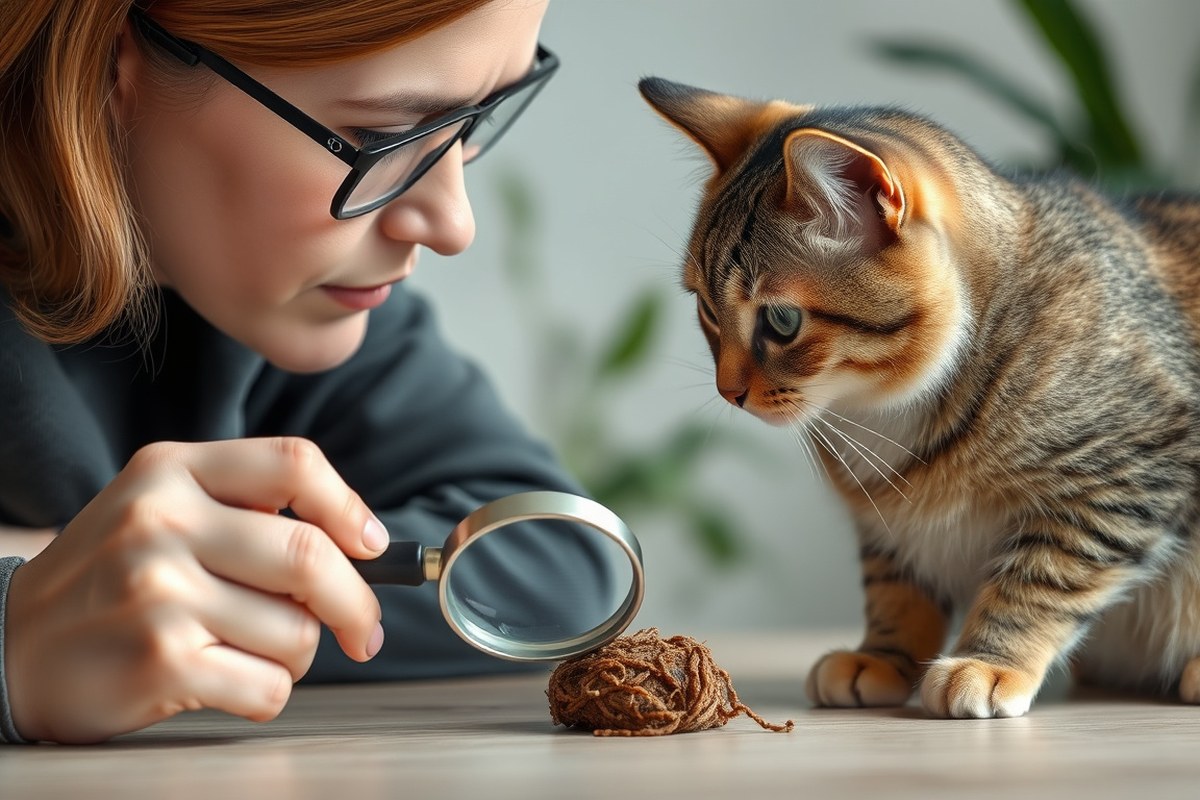
Recognizing worm infestations in cats can be challenging because many cats show no symptoms unless heavily infected. Mild signs might include a dull coat, occasional vomiting, mild weight loss, or changes in appetite. More severe infestations can cause persistent diarrhea, a swollen belly, visible worms in stool or around the anus, lethargy, and significant weight loss, especially in kittens or cats with weakened immune systems. Outdoor cats, those who hunt, or ones exposed to fleas are at higher risk and may require more frequent monitoring.
Some cats carry worms without any noticeable symptoms, making regular veterinary screening important. You can confirm whether your cat has worms by taking a fresh stool sample to your vet. A fecal examination helps identify the exact type of worm, which is important for selecting the correct treatment. Your vet may recommend fecal tests once or twice a year for indoor cats, and every three to six months for outdoor or hunting cats.
Collecting a proper stool sample is key. Use a clean, sealable container or a small plastic bag to scoop about a teaspoon of fresh feces directly from the litter box or the ground. Avoid contamination with urine or soil, as this can affect test results. Label the container with the cat’s name and the date, then refrigerate the sample if you cannot get to the vet right away; try to deliver it within 24 hours to ensure accuracy.
- Look for mild symptoms like occasional vomiting, appetite changes, or a dull coat
- Watch for severe signs, including diarrhea, weight loss, lethargy, or a swollen belly
- Collect a fresh stool sample in a clean, sealable container
- Avoid contaminating the sample with urine or environmental debris
- Take the sample to your vet within 24 hours, keeping it refrigerated if needed
- Schedule fecal exams 1, 2 times a year for indoor cats, more frequently for outdoor cats
- Follow your vet’s diagnosis to choose the right deworming treatment
Seeking professional diagnosis matters because treatments vary depending on the worm type. Fecal exams typically cost between $25 and $50, depending on the clinic and region. Correct diagnosis prevents ineffective treatments and reduces the risk of heavy burdens that can cause severe health problems. Regular check-ups and stool testing are the most reliable ways to keep your cat worm-free and healthy.
Common Types of Worms in Cats and Their Risks

Common worms that infect cats include roundworms, tapeworms, hookworms, whipworms, and heartworms. These parasites enter cats in different ways and cause a range of symptoms, from mild digestive upset to serious health problems. Proper identification and timely treatment can prevent complications and keep your cat healthy.
Roundworms: Characteristics and Impact
Roundworms, particularly Toxocara cati, are the most widespread intestinal parasites in cats, affecting up to 25% to 75% of cats depending on the population. They are long, spaghetti-like worms living in the intestines. Cats typically become infected by ingesting worm eggs from contaminated soil, eating infected prey, or through their mother’s milk.
Symptoms of roundworms include vomiting, diarrhea, a potbellied appearance, weight loss, and poor coat condition. Kittens are especially vulnerable to serious health effects. Treatment usually involves deworming medications such as pyrantel pamoate or fenbendazole, with follow-up doses required to eliminate all immature worms. Untreated, roundworms can cause intestinal blockage and malnutrition.
Tapeworms and Flea Connection
Tapeworms are flat, segmented worms that attach to the cat’s intestinal lining. The most common species in cats is Dipylidium caninum. Cats usually acquire tapeworms by swallowing fleas carrying tapeworm larvae during grooming. It’s essential to control fleas to prevent tapeworm infestations.
Visible segments resembling rice grains may appear near the cat’s anus or in their bedding. Other symptoms include itching or scooting. Treatment requires a dewormer effective against tapeworms such as praziquantel. Managing the flea population through regular flea prevention treatments is necessary to break the tapeworm life cycle and avoid reinfection.
| Worm Type | Transmission Route | Common Symptoms | Treatment Options |
|---|---|---|---|
| Roundworms | Ingesting eggs from environment, hunting prey, nursing | Vomiting, diarrhea, potbelly, weight loss | Pyrantel pamoate, fenbendazole; repeat doses needed |
| Tapeworms | Swallowing infected fleas | Anal itching, visible worm segments, scooting | Praziquantel; flea control essential |
| Hookworms | Skin penetration, ingestion of larvae | Anemia, diarrhea, weakness | Pyrantel; veterinary follow-up required |
| Whipworms | Ingesting eggs from contaminated soil or feces | Chronic diarrhea, weight loss | Fenbendazole; less common in cats |
| Heartworms | Mosquito bites transmitting larvae | Coughing, lethargy, respiratory issues | Preventive medication; no approved treatment for cats |
This table compares the key types of worms infecting cats, outlining how they spread, their symptoms, and treatment options. The variety of worms requires different approaches, highlighting the importance of veterinary diagnosis and the right medication.
Less Common Worm Types Overview
Hookworms and whipworms are less frequent but still important intestinal parasites in cats. Hookworms, transmitted through skin contact with larvae or ingestion, can cause anemia and diarrhea due to blood loss. Whipworms are rare in cats but cause chronic intestinal symptoms like weight loss and diarrhea.
Heartworms differ from intestinal worms; they spread through mosquito bites and affect the cat’s heart and lungs. Symptoms include coughing and breathing difficulties. Cats have no approved treatment for heartworms, so prevention with monthly medication is critical. Early veterinary testing can catch these worms before severe damage occurs.
Regular parasite screenings and flea control can prevent many worm infestations before symptoms appear.
Long-Term Health Risks of Worms
Untreated worm infestations can lead to serious health issues. For example, heavy roundworm infections may block the intestines, while hookworms cause dangerous anemia. Tapeworms can lead to chronic irritation and nutrient loss. In cats already weakened by illness or in kittens, these risks multiply.
Heartworms, though less common, pose a life-threatening risk by damaging the heart and lungs. Preventative care is less costly and safer than treating advanced infections. Regular veterinary checkups and following deworming schedules reduce the chance of complications and support your cat’s long-term health.
How Cats Get Worms: Transmission and Risk Factors
Cats primarily get worms by ingesting parasite eggs or larvae from their environment or other animals. Outdoor access significantly raises this risk because it exposes cats to infected prey, fleas, and contaminated soil. Hunting rodents, rabbits, or birds puts cats at higher risk of roundworm and tapeworm infections, as these prey animals often carry worm larvae. Fleas are especially important in transmitting tapeworms; cats swallow infected fleas during grooming, introducing tapeworms into their intestines. Young kittens can also contract certain worms through their mother’s milk, passing infection from one generation to the next.
Indoor cats are less exposed but still vulnerable. Fleas can get inside on humans, other pets, or through open windows, and rodents sometimes enter homes unnoticed. If another infected cat or dog lives indoors, worms can spread through contaminated feces or shared living spaces. Consequently, deworming and flea control are advisable even for strictly indoor cats.
- Avoid letting cats hunt wildlife to reduce exposure to infected prey.
- Use monthly flea preventatives to block tapeworm transmission.
- Keep outdoor areas clean and free of rodent infestations.
- Scoop litter boxes daily and wash hands after handling to prevent environmental contamination.
- Treat indoor and outdoor cats with dewormers every 1-3 months based on their lifestyle and risk factors.
- Separate kittens from infected mothers and start early deworming protocols.
Because outdoor cats encounter infected animals and environments more often, they usually require more frequent deworming treatments every 1 to 3 months. Indoor cats might need treatment less often but should remain on a regular schedule if there’s any risk of fleas or infected prey indoors. Combining deworming with flea control maximizes protection. Cost varies by medication and product type, but preventative care reduces the chance of costly and dangerous worm infestations in your cat.
Good hygiene also matters: cleaning bedding, regularly changing litter, and washing hands help break the cycle of transmission. Preventing exposure where possible and following a vet-recommended deworming plan based on your cat’s lifestyle gives the best results. Without these steps, infections can worsen, causing weight loss, digestive issues, and in severe cases, more serious health problems.
Safe and Effective Deworming Medications for Cats
Veterinary deworming medications effectively treat common intestinal worms in cats, including roundworms, tapeworms, hookworms, and whipworms. These drugs are usually administered orally or topically and begin killing worms within 24 to 72 hours. Kittens need routine deworming several times as they often acquire worms from their mother’s milk, while adult cats typically require treatment based on their age, lifestyle, and exposure risks.
Most dewormers are safe when used as recommended by a veterinarian. Side effects are rare but can include mild vomiting or diarrhea shortly after administration. Over-the-counter dewormers generally lack the strength to fully eliminate worm infestations, making veterinary-prescribed options preferable. Regular consultations with a vet ensure the correct medication choice and dosing schedule, considering local worm prevalence. The following table compares common veterinary dewormers, their dosing schedules, safety notes, and worm types they treat.
| Medication | Common Worms Treated | Dosing Schedule | Safety and Side Effects |
|---|---|---|---|
| Fenbendazole | Roundworms, hookworms, whipworms | Once daily for 3-5 days | Very safe; occasional mild vomiting |
| Praziquantel | Tapeworms | Single dose; repeat in 2-4 weeks if needed | Generally safe; rare mild nausea |
| Pyrantel pamoate | Roundworms, hookworms | Single dose; repeat in 2-4 weeks | Safe; possible mild vomiting or diarrhea |
| Emodepside (topical) | Roundworms, hookworms | Single topical application, usually monthly | Safe for short-term use; watch for skin irritation |
| Milbemycin oxime | Roundworms, hookworms, whipworms | Monthly, often combined with flea prevention | Mostly well tolerated; some lethargy reported |
Kittens typically receive deworming medication at 2, 4, 6, and 8 weeks old, then monthly until 6 months. Adult cats exposed to outdoor environments or hunting may need deworming every 3 to 6 months. Cats strictly indoors often require less frequent treatment, but periodic fecal exams can guide timing.
Prompt treatment with proper veterinary medications usually leads to rapid improvement. Signs such as visible worm segments in feces or persistent gastrointestinal symptoms should prompt a vet visit. Full eradication may require multiple doses over weeks. Avoid relying on natural remedies, as they lack proven effectiveness and can delay proper care.
Home Remedies and Natural Treatments: What Works and What’s Risky
Home remedies alone are not sufficient for treating worms in cats. While some natural treatments can support your cat’s health during deworming, relying solely on them may allow the infestation to worsen. Worms can cause serious health issues if untreated, so veterinary medications are usually necessary to fully clear the parasites. Your vet can determine the type and severity of the infestation through fecal tests and recommend the right prescription dewormer.
Safe natural treatments typically complement veterinary care rather than replace it. Food grade diatomaceous earth (fossil shell flour) is one example; in small, controlled doses it may help reduce worm larvae but should only be used under your vet’s guidance. Diluted herbal teas can be safe in tiny amounts, but avoid essential oils like fennel oil, which can be toxic to cats. Homeopathic remedies, being extremely dilute, tend to be safe but are not proven to kill worms. Always consider your cat’s age, weight, and health status before introducing any natural product.
Some commonly attempted natural remedies carry risks or have no proven benefit. Garlic, onion, wormwood, and cloves can be harmful or outright toxic to cats. These substances should never be used, as they can cause severe anemia or organ damage. Detox or parasite cleanse products marketed for pets often lack regulation and might contain harmful ingredients. Using these instead of veterinary-approved medication risks prolonged infestation and complications.
Never delay a vet visit when you notice signs of worms; home remedies should support but not replace professional treatment.
- Safe natural treatments: food grade diatomaceous earth, diluted herbal teas (avoid essential oils)
- Safe but ineffective alone: homeopathic remedies
- Risky or harmful: garlic, onion, wormwood, cloves, essential oils like fennel
- Always use natural treatments as adjuncts, not replacements for veterinary meds
- Treat all cats sharing a litter box to prevent reinfestation
- Consult your vet about deworming pregnant or nursing cats
Choosing between home remedies and veterinary treatment can follow a simple decision path. If your cat shows any symptoms such as vomiting, diarrhea, weight loss, or visible worms in feces, schedule a vet visit immediately. After diagnosis, use prescribed dewormers and consider safe home remedies to support recovery. For mild cases diagnosed early or during preventive care, natural supplements may be offered alongside vet advice. Avoid self-medicating your cat with unproven or toxic substances, as untreated or improperly treated worm infections can endanger your cat’s health.
Step-by-Step Home Care Plan to Treat and Prevent Worms
Treating worms in cats at home requires following your veterinarian’s dosing instructions carefully, observing your pet’s health, and maintaining hygiene to stop reinfection. Administer medication exactly as prescribed, watch for changes in your cat’s symptoms and stool, and keep the living environment clean to prevent the parasites from returning.
Administering Medication Safely at Home
Giving deworming medication accurately and safely is essential to clear the infection. Typically, your vet will provide oral dewormers often given once, but some worms require multiple doses spaced days apart. Always use the medication specifically prescribed for your cat’s worm type and weight. Follow these steps to administer deworming medicine:
- Weigh your cat to confirm the correct dose based on the packaging or your vet’s instructions.
- Choose whether to give the pill directly into the mouth, hide it in a small amount of wet food, or use topical drops, as recommended.
- Restrain your cat gently but firmly by wrapping in a towel if needed to prevent scratching.
- Place oral medication at the back of the tongue to encourage swallowing or apply topical treatment to the skin between the shoulder blades.
- Follow with a small amount of water or food to ensure the pill is swallowed if given orally.
- Dispose of any medication not used according to label instructions to avoid accidental ingestion by children or other pets.
- Monitor your cat for any side effects such as vomiting or lethargy and contact your vet if these occur.
Costs vary widely from $10 to $40 per dose depending on medication type and where it’s purchased. Never double-dose without veterinary approval since overdosing can harm your cat.
Monitoring Symptoms and Stool Changes
Tracking improvements or ongoing signs helps you know if treatment is working. Parasites often cause visible worms in the stool, weight loss, diarrhea, or lethargy. These signs should steadily improve within one to two weeks after treatment starts. Look for:
- Reduction or disappearance of worms seen in feces or around the anus.
- More normal stool consistency without blood or mucus.
- Return of appetite and normal energy levels.
- Steady weight gain or stabilization.
If after 2 to 3 weeks symptoms continue or worsen, your vet should perform a repeat fecal test. Some worms require follow-up doses; your vet will advise the timing based on the parasite involved. For instance, hookworm treatment may include multiple doses because reinfection is common.
Cleaning and Flea Control for Reinfection Prevention
Parasites like roundworms and tapeworms can return if your environment remains contaminated or fleas are untreated. Controlling fleas is key because infected fleas transmit some worms. Thorough cleaning removes eggs and larvae that linger in the home. Follow these steps for home hygiene and flea control:
- Vacuum all carpets, rugs, furniture, and your cat’s bedding daily during treatment and dispose of vacuum contents immediately outside your home.
- Wash your cat’s bedding, blankets, and toys in hot water (above 130°F) weekly to kill eggs.
- Clean litter boxes regularly and disinfect them to prevent build-up of infective eggs.
- Use vet-approved flea control treatments on your cat year-round to break the flea lifecycle.
- Consider environmental flea sprays or foggers following label instructions for indoor use.
- Keep your cat indoors during treatment to reduce exposure to infected prey or fleas outdoors.
When to Schedule Follow-Up Veterinary Exams
Follow-up care confirms your treatment has worked or if additional action is necessary. Arrange a recheck exam and fecal test 2 to 3 weeks after the first treatment to verify the worms are gone. This is particularly important for high-risk kittens and outdoor cats.
Contact your vet sooner if your cat develops anemia, severe diarrhea, or shows distress despite treatment. Pets with heavy infestations or certain worm types, such as hookworms, may require ongoing parasite prevention and more frequent vet visits. Year-round parasite prevention including regular deworming schedules for kittens and adult cats reduces future worm risks and keeps your cat healthier.
Managing Worms in Multi-Cat Households
Every cat in a household should be treated if one tests positive for worms. Worm eggs or larvae can easily spread through shared litter boxes, bedding, or grooming areas, especially since many types of worms transmit via fecal contamination. Treating only the visibly infected cat risks ongoing cross-infection among the others. Most cats begin to feel better within a week of deworming, but completing the full course is essential to fully clear the infestation.
Multi-cat homes face special challenges because close contact and communal spaces create more opportunities for worms to spread. Younger cats and kittens tend to be more vulnerable, and parasites like giardia often circulate more readily among groups. Flea control is also important, as fleas can carry tapeworm larvae. Keeping all cats on year-round preventive medications reduces the chance of reinfection and helps protect your entire household.
Cleaning the home thoroughly limits environmental contamination. Worm eggs survive in soil and litter, so disinfecting shared spaces is key. Heat and cleaning agents can reduce their viability. Wash cat bedding and blankets in hot water above 130°F (54°C) and change litter boxes daily using gloves. Dispose of feces promptly in sealed bags to prevent contact with other cats. Vacuum carpets and floors frequently, focusing on areas where cats eat, sleep, and play. Use this checklist to manage worms in multi-cat households effectively:
- Treat all cats simultaneously with veterinarian-recommended dewormers
- Implement flea control with monthly treatments for every cat
- Clean litter boxes daily, using gloves and disinfectants safe for pets
- Wash all bedding and soft surfaces in hot water weekly
- Vacuum floors and furniture regularly to remove eggs and larvae
- Prevent outdoor hunting to reduce exposure to infected prey
- Keep cats separated during treatment to minimize direct contact
Cost varies by product choice and household size but expect to spend between $10 and $30 per dose of dewormer, plus ongoing flea prevention costs. Investing this effort and expense upfront helps break the parasite cycle and prevents ongoing infestations, saving discomfort and expense later. Monitor all cats during treatment for improvements such as increased energy and better appetite. Consult your veterinarian if symptoms persist beyond two weeks or worsen despite treatment.
Recognizing When to Seek Urgent Veterinary Care
Recognizing urgent symptoms of worm infections in cats is important to prevent serious health complications. Immediate veterinary care is necessary if your cat shows signs of severe distress, as some worms or their effects can quickly become life-threatening. High-risk cats such as kittens or immunocompromised cats need particularly close monitoring to avoid complications.
Severe Symptoms Requiring Emergency Care
Look for these red-flag symptoms indicating your cat may have a severe worm infection or related complications. Prompt veterinary attention is essential to address these conditions:
- Persistent vomiting, especially with blood
- Severe, ongoing diarrhea or black, tarry stools
- Sudden weight loss or extreme weakness
- Labored or rapid breathing
- Swollen or painful abdomen
- Pale or yellowish gums indicating anemia or liver issues
- Collapsing or seizures
These symptoms often suggest intestinal blockage, severe anemia, or systemic infection from heavy worm burdens. An emergency veterinary exam and prescription dewormers are required immediately. Delayed care can lead to irreversible damage or death.
High-Risk Cats and Special Considerations
Certain cats are more vulnerable to severe complications from worm infections. Knowing these risk factors helps you decide when urgent action is needed:
| Risk Factor | Why It Matters | Action |
|---|---|---|
| Kittens (under 6 months) | Immature immune systems mean rapid worm spread and anemia | Watch closely for symptoms; seek urgent care if severe signs appear |
| Immunocompromised Cats | Weaker defenses raise risk of heavy infections and complications | Consider preventative deworming and consult vet for quick treatment |
| Outdoor or Semi-Outdoor Cats | Higher exposure to contaminated soil, feces, and intermediate hosts | Frequent checks and preventive treatments reduce risk |
| Older Cats with Chronic Illness | Reduced resilience can complicate worm infections | Monitor for any changes; involve your vet early if symptoms worsen |
How to Stabilize Your Cat Before Getting Help
The time between noticing severe symptoms and reaching a vet can be critical. Use these steps to help stabilize your cat safely:
- Keep your cat calm and in a quiet, warm place
- Offer small amounts of water to prevent dehydration but avoid forcing fluids
- Do not attempt home remedies for severe symptoms or give over-the-counter drugs
- Have your cat transported gently in a secure carrier to prevent injury or stress
- Gather any recent health history, symptoms timeline, and medication info for the vet
Providing your vet with this information speeds diagnosis and treatment, improving your cat’s chances of recovery.
Warning: Never delay emergency care in a cat showing signs like collapsing, severe vomiting, or breathing difficulty; these require immediate veterinary attention.
Step-by-Step Action Plan to Get Rid of Worms in Your Cat
Follow this plan to identify, treat, and prevent worms in your cat confidently. Each step helps you move closer to a worm-free, healthy cat and home.
- Day 1: Observe and Identify Symptoms, Check your cat for signs like weight loss, vomiting, diarrhea, visible worms in stool, or a dull coat. Confirm symptoms with a stool sample examined by your vet to identify the type of worm.
- Day 2: Consult Your Veterinarian, Bring your cat’s symptoms and any stool sample results to the vet for diagnosis and prescription of safe deworming medication. This ensures you treat the correct worm type effectively.
- Days 3, 7: Administer Deworming Medication, Follow the vet’s instructions carefully to give the full course of deworming medicine. Track improvement in symptoms like better appetite, clearer stool, and increased energy as signs it’s working.
- Week 2: Clean and Sanitize Environment, Wash your cat’s bedding, vacuum carpets, and clean litter boxes daily to remove eggs and reduce reinfection risk. Repeat cleaning weekly until worm issues resolve.
- Week 3: Treat All Cats in the Household, If you have multiple cats, deworm them all simultaneously regardless of symptoms to prevent cross-infection. Confirm no new symptoms arise after treatment.
- Week 4: Monitor and Prevent, Schedule a follow-up fecal test with your vet four weeks after treatment to confirm worms are gone. Implement routine deworming every 3 to 6 months based on your vet’s advice to keep worms from returning.
- Ongoing: Avoid Risk Factors, Limit your cat’s access to hunting rodents or raw meat, keep outdoor areas clean, and practice good hygiene handling litter and feces to reduce worm exposure.
- Urgent Care: Watch for Severe Symptoms, If your cat shows severe vomiting, persistent diarrhea, lethargy, or difficulty breathing at any time, seek emergency veterinary care immediately as worms can cause serious illness.
Frequently Asked Questions
Can Over-The-Counter Dewormers Replace Veterinary Prescriptions for Cats?
Over-the-counter dewormers are not recommended as a replacement for veterinary prescriptions. Your vet can diagnose the specific type of worm and prescribe the correct medication, which increases treatment success and safety for your cat.
How Soon After Treatment Can I Expect My Cat to Be Worm-Free?
You can usually expect worms to clear within a week after starting medication, but some treatments require follow-up doses for complete elimination. Your vet will advise on the timing based on the medication used.
Are Indoor Cats Really at Risk of Getting Worms?
Yes, indoor cats can still get worms through accidental ingestion of eggs, fleas, or bringing in rodents. Regular exams and preventative medication are important even for indoor-only cats.
Can Worm Infections in Cats Affect Humans in the Household?
Some cat worms can infect humans, especially children, causing health issues. Practice good hygiene and deworm your cat regularly to reduce risk.
What Signs Suggest a Cat Might Need Urgent Care for Worm Complications?
Severe vomiting, diarrhea, lethargy, or difficulty breathing may indicate serious complications from worms and require immediate veterinary attention.
Do Flea Treatments Help Prevent Worms in Cats?
Flea treatments can reduce the risk of tapeworms by controlling fleas, which are intermediate hosts. Regular flea control supports worm prevention.
Before You Go
Getting rid of worms in your cat involves prompt identification and proper treatment to protect your pet’s health. Start by monitoring your cat closely for symptoms like weight loss or visible worms and schedule a vet visit for a proper diagnosis. This step ensures you get the right medication tailored to your cat’s specific type of worm and risk factors. Taking action today can prevent complications and keep your feline friend healthy and comfortable.




2 Comments