How to Get Rid of Crackling Sound in Ear: 8 Effective Ways That Really Work
To get rid of crackling sound in ear, start by addressing common causes like earwax buildup, Eustachian tube dysfunction, or jaw joint issues. Simple home remedies such as gentle ear cleaning, nasal decongestants, and jaw exercises often help reduce or eliminate the noise quickly. Persistent or painful crackling may need medical evaluation to pinpoint the cause and appropriate treatment.
This information is for anyone experiencing annoying crackling sounds in their ears, especially when swallowing, yawning, or during illness. You’ll learn what causes these sounds, safe ways to manage them at home, when to seek professional care, and tips to keep your ears healthy and quiet.
Key Takeaways
- Crackling when swallowing or yawning often results from Eustachian tube pressure changes that normally resolve with jaw movement.
- Earwax buildup can cause crackling; use a 3% solution with a dropper to soften wax safely before gently draining your ear.
- Eustachian tube dysfunction can trap fluid and air, producing persistent crackling sounds that may need targeted treatments or home remedies.
- Infections, TMJ disorders, and fluid buildup are common causes of ear crackling and may require medical evaluation if symptoms persist.
- Simple home remedies like yawning, swallowing, or gentle jaw exercises help equalize ear pressure and reduce crackling quickly.
- Seek medical care if ear crackling lasts more than a few days, causes pain, or is accompanied by hearing loss or dizziness.
1. Why Is My Ear Crackling When I Swallow or Yawn?
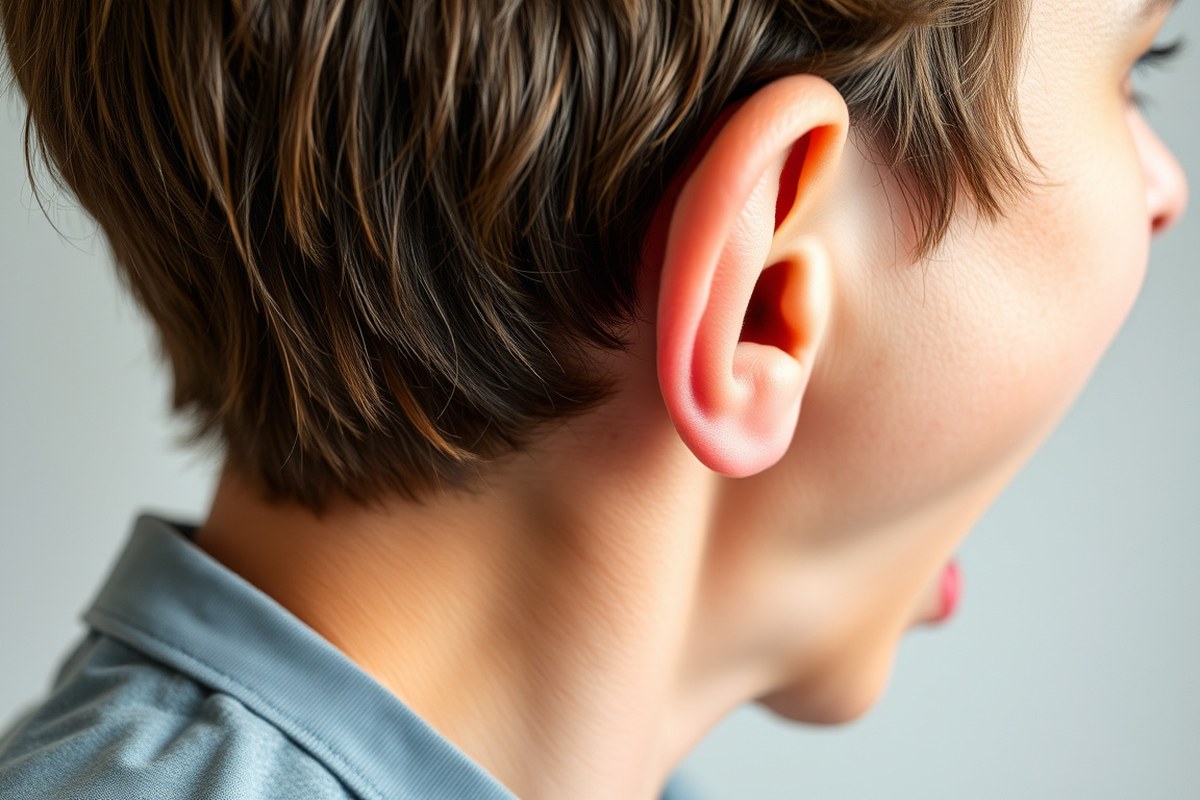
When you swallow, yawn, or move your jaw, crackling noises in your ear often stem from how your Eustachian tube operates. This tube links the middle ear to the throat area and plays a role in managing air pressure within the ear. It usually stays closed and opens only briefly during swallowing, yawning, or chewing, allowing air to flow and equalize pressure on both sides of the eardrum, which may cause crackling or popping sounds as air pockets adjust.
Inside the ear, the middle ear space is normally filled with air at the same pressure as the outside environment. The Eustachian tube acts like a small valve to keep the pressure equalized. When it opens, any trapped air bubbles or fluid built up in the middle ear can move or pop, causing the crackling sound you hear. This is a normal part of ear anatomy and pressure regulation but can become more noticeable with congestion or inflammation, such as during a cold or sinus infection.
To visualize this, picture a small tube opening between two chambers: the middle ear and the back of your throat. When you swallow or yawn, muscles pull on the Eustachian tube to open it, allowing air to flow through and equalize pressure. If this tube is partially blocked or not working correctly, pressure changes can cause more frequent or pronounced crackling sounds. For example, mild congestion from allergies can cause this tube to swell and restrict airflow, trapping air or fluid inside the middle ear until the tube opens again.
Jaw movements can also cause ear crackling. The temporomandibular joint (TMJ), which connects your jawbone near the ear canal, can create noises when the jaw moves, especially if you have tension or minor injury in this joint. Since the muscles and cartilage in and around the TMJ are close to the ear, their movement can cause clicking or crackling sounds that might seem like they come from inside the ear itself.
The crackling noise may range from a quiet pop during swallowing to persistent crackles that occur with every jaw movement or word you speak. This happens because the opening and closing of the Eustachian tube or the movement of nearby jaw structures cause shifts in air or fluid pressure. Such sounds are generally harmless but may become annoying when combined with ear fullness, pain, or hearing changes, indicating a possible dysfunction of the Eustachian tube or other issues that might need professional care.
2. How Earwax Buildup Causes Crackling and Safe Removal Steps
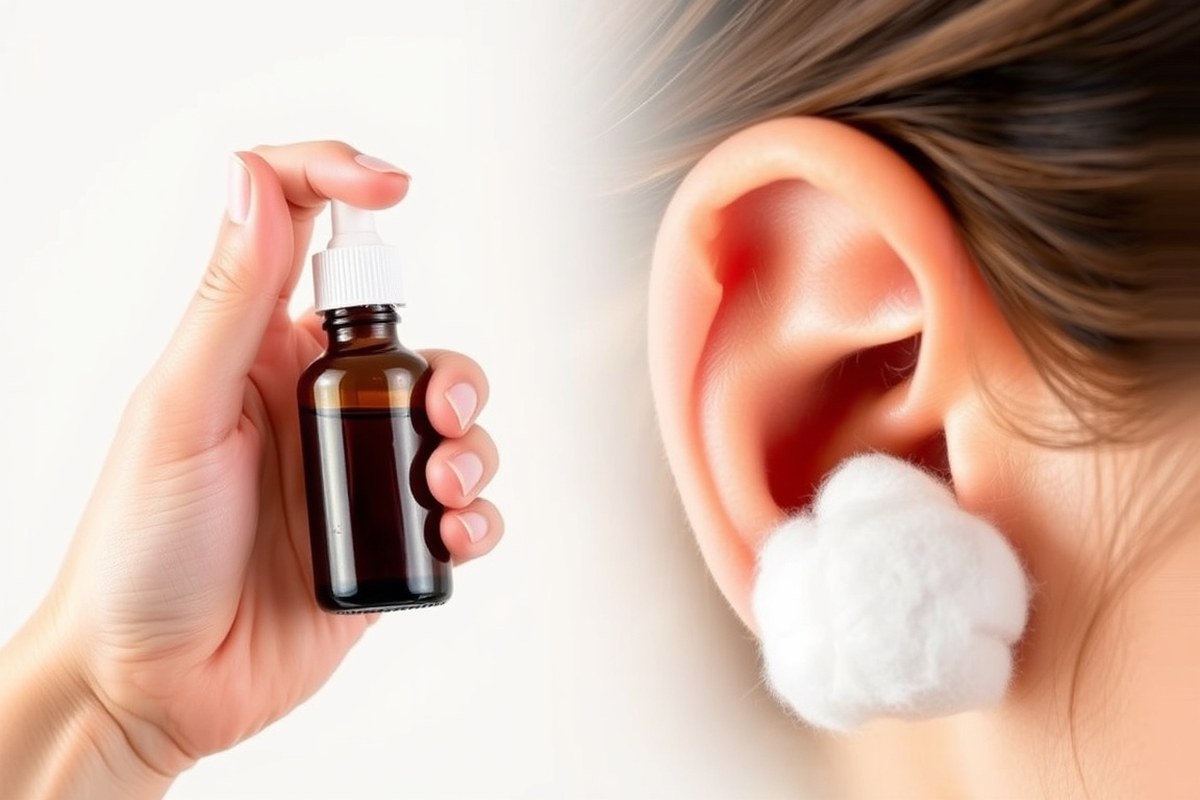
Earwax buildup can cause crackling sounds in your ear by trapping air or fluid that shifts when you move your jaw or swallow. Safely removing the wax at home involves softening it first, then gently flushing the ear canal with warm water or using over-the-counter drops. Avoid inserting cotton swabs or sharp objects, which can push wax deeper or cause injury.
Recognizing Earwax-Related Symptoms
Earwax buildup often leads to more than just crackling sounds. You might notice popping, a sensation of fullness, mild discomfort, or difficulty hearing. The crackling may sound like bubbling or dripping, especially when moving your jaw or swallowing. These symptoms often improve after wax removal but can worsen if the buildup blocks the ear canal completely.
Not all crackling is due to earwax. Persistent symptoms combined with pain, discharge, or dizziness suggest other causes that need professional evaluation. If your symptoms are mild and mostly involve crackling or popping without severe pain, earwax may be the culprit.
Safe Home Removal: Drops and Irrigation
Softening the earwax is the first step for home removal. Over-the-counter ear drops from pharmacies typically contain carbamide peroxide or similar agents that loosen hardened wax. Follow the product instructions carefully and avoid overdosing on drops. After a day or two of softening, gently rinsing the ear with warm water can help flush out the wax. Follow these steps for safe at-home earwax removal:
- Warm the ear drops to body temperature by holding the bottle in your hand for a few minutes to reduce dizziness.
- Tilt your head to the side and apply the recommended number of drops into the ear canal.
- Keep your head tilted for at least 5 minutes to allow drops to penetrate the wax.
- Use a clean cloth or tissue to catch any excess liquid draining out.
- Fill a bulb syringe with warm (not hot) water. The water should feel comfortable on your skin to avoid irritation.
- Gently flush the ear canal by squirting water into the ear while tilting your head sideways over a sink or basin.
- Let the water drain out naturally, then dry your outer ear with a towel or soft cloth.
Repeat irrigation once or twice a day for up to three days if needed, but stop if you experience pain, increased discomfort, or dizziness.
What to Avoid: Cotton Swabs and Sharp Objects
Do not use cotton swabs, hairpins, bobby pins, or any sharp objects to remove earwax. These tools can push wax deeper into your ear canal, cause painful impactions, or injure the delicate skin and eardrum. Pushing wax further can make crackling and hearing issues worse and may lead to infections or other complications.
Avoid aggressive cleaning or frequent irrigation if you have a history of ear problems like perforated eardrums, ear tubes, or chronic infections. In these cases, seek advice from a healthcare professional rather than attempting home removal.
Tip: Do not insert anything smaller than your elbow into your ear canal, stick to softening drops and gentle rinsing to keep your ears safe.
3. Understanding Eustachian Tube Dysfunction and Its Role in Ear Crackling
Eustachian tube dysfunction occurs when the tube that connects your middle ear to the throat fails to open or shut correctly. This causes unequal pressure in the ear, leading to crackling or popping sounds as your ear attempts to balance the pressure. Identifying causes and using techniques like massage to clear the blockage can help ease these noises.
What Causes Eustachian Tube Dysfunction?
The main role of the Eustachian tube is to equalize pressure between your middle ear and the outside air. It typically opens when you swallow, yawn, or chew. When it remains blocked or fails to open as expected, pressure builds up inside your middle ear. This imbalance makes the eardrum move in abnormal ways, often causing crackling sounds.
Common causes include mild infections that cause inflammation, allergies, or sudden changes in air pressure, such as during flights or scuba diving. These situations can cause swelling or blockage of the Eustachian tube, preventing proper ventilation of the ear.
Symptoms and When to Suspect Dysfunction
Crackling sounds in the ear often appear along with other symptoms that point to Eustachian tube dysfunction. These include:
| Symptom | Description |
|---|---|
| Ear crackling or popping | Occurs during swallowing, yawning, or pressure changes |
| Fullness or pressure in the ear | Feeling of blocked or clogged ear |
| Mild discomfort or ear pain | Often present during pressure changes |
| Hearing changes | Muffled sounds or slight hearing loss from pressure imbalance |
| Occasional dizziness | Rare but can happen if pressure affects the inner ear |
Persistent crackling, especially after flights or exposure to rapid pressure shifts, suggests possible dysfunction. When crackling occurs along with discomfort or hearing changes, the Eustachian tube may not be opening properly. Occasional popping is normal, but ongoing symptoms indicate dysfunction that requires attention.
How to Perform Eustachian Tube Massage Correctly
A simple self-massage technique can help open your Eustachian tubes and relieve pressure. Follow these safe, step-by-step instructions:
- Wash your hands thoroughly before touching your face.
- Place your index finger and thumb gently on the bony area just below your ear, near the angle of your jaw (this is where the Eustachian tube opens into the throat).
- Use your fingers to apply gentle pressure inward and slightly upward, pushing toward the back of your throat.
- Hold the pressure for 5 seconds, then release slowly.
- Repeat this motion 5 to 10 times, taking a short pause between each.
- To improve effectiveness, swallow or yawn during the massage to help open the tube further.
This massage usually takes less than 5 minutes and can be done several times a day to reduce pressure and crackling. Avoid pressing too hard, which could cause discomfort. Stop and consult a healthcare professional if you feel pain or worsening symptoms.
4. Other Common Causes of Ear Crackling: Infections, TMJ, and Fluid Buildup
Crackling sounds in the ear can stem from several causes beyond earwax and Eustachian tube issues. Infections such as otitis media, temporomandibular joint (TMJ) disorders, and fluid buildup in the middle ear are common contributors. Each cause impacts the ear differently and requires specific treatments to address the underlying problem.
Ear infections, especially middle ear infections, can cause fluid to accumulate in the middle ear. This fluid creates a crackling or popping sound, often accompanied by pain or discomfort. Infections often follow a cold, sinus infection, or allergy flare-up because these conditions block normal drainage. Children tend to have more ear infections due to their Eustachian tubes being more horizontal, which hinders fluid drainage.
TMJ disorders involve problems with the temporomandibular joint located just in front of the ear. When the joint or surrounding muscles become misaligned or inflamed, sounds like crackling can be transmitted to the ear. TMJ-related symptoms often include jaw pain, headaches, and trouble chewing. Physical therapy exercises can sometimes relieve these symptoms by improving joint function.
Fluid buildup related to infections or allergies occurs when the Eustachian tube fails to properly drain mucus and pressure from the middle ear. This trapped fluid can produce crackling sounds as it moves or shifts. Changes in air pressure or blowing the nose too hard can also worsen the sensation by causing more fluid retention or pressure imbalance. The following table compares these common causes by their typical symptoms and treatment approaches. This can help identify which cause might be behind your ear crackling and the next steps for management:
| Cause | Symptoms | Treatment | Warning Signs |
|---|---|---|---|
| Middle Ear Infection (Otitis Media) | Ear pain, crackling, possible fluid, fever, hearing loss | Antibiotics (if bacterial), pain relief, warm compress | Severe or worsening pain, fever over 101°F, hearing loss |
| TMJ Disorder | Ear crackling, jaw pain, headaches, difficulty chewing | Physical therapy, muscle relaxants, bite guards Stress reduction |
Persistent jaw pain, joint locking, clicking with pain |
| Middle Ear Fluid Buildup (Effusion) | Ear crackling, fullness, muffled hearing, often no pain | Decongestants, nasal steroids, time for fluid drainage | Persistent hearing issues beyond 3 months, infection signs |
Warning signs for ear infections include intense pain, fever above 101°F, discharge from the ear, or hearing loss that does not improve. For TMJ disorders, watch for ongoing jaw pain, difficulty opening or closing the mouth, or painful clicking sounds. Treatments for infections usually involve a healthcare provider prescribing antibiotics if bacterial infection is confirmed, while TMJ care may include physical therapy or dental appliances fitted by a specialist. Fluid buildup often resolves with nonprescription decongestants or nasal sprays but requires medical attention if symptoms persist beyond a few weeks.
5. Effective Home Remedies to Stop Ear Crackling Fast
Crackling sounds in your ear often come from pressure imbalances or congestion in the Eustachian tubes. You can reduce or stop the noise by using easy home remedies like nasal saline rinses, warm compresses, and managing pressure changes during altitude shifts. These methods help clear blockages and balance ear pressure quickly and safely.
Nasal Saline Rinse to Relieve Pressure
A nasal saline rinse can clear mucus and allergens from your nasal passages, helping your Eustachian tubes open properly to equalize ear pressure. This is especially useful if your crackling is related to allergies, colds, or sinus congestion. To perform a nasal saline rinse:
- Use a saline spray or prepare a saline solution with 1/2 teaspoon of salt dissolved in 8 ounces of warm distilled or boiled-cooled water.
- Lean over a sink, tilt your head sideways, and gently insert the tip of a neti pot or syringe into your top nostril.
- Allow the saline to flow into your nostril and out through the other nostril, flushing out mucus.
- Repeat on the other side.
- Perform the rinse once or twice daily until congestion eases.
- Keep nasal devices clean to avoid infections.
- Avoid rinses if you have a completely blocked nasal passage or ear pain.
Use only sterile or properly boiled water for nasal rinses to prevent infection risk.
Warm Compress for Soothing Discomfort
Applying a warm compress over your ear or sinus area can help relax ear muscles and reduce inflammation, which often contributes to that crackling noise. Warmth also encourages better blood flow, promoting quicker relief from pressure build-up. To apply a warm compress safely:
- Soak a clean cloth in warm (not hot) water, around 98°F to 105°F (37°C to 40.5°C).
- Wring out excess water so the cloth is damp but not dripping.
- Place the cloth gently over the affected ear or sinus region.
- Leave it on for 10 to 15 minutes.
- Repeat two to three times daily as needed.
Avoid using heating pads set too high to prevent burns or skin irritation.
Adjusting Environment During Altitude Changes
Rapid altitude shifts during air travel or mountain climbing can cause your ears to crackle due to uneven pressure on either side of your eardrum. Managing this pressure can reduce or stop crackling sounds quickly. Here’s how to care for your ears in altitude changes:
- Chew gum or suck on candy during takeoff and landing to stimulate swallowing, which helps open the Eustachian tubes.
- Yawning consciously several times also aids in equalizing ear pressure.
- Use the Valsalva maneuver by gently pinching your nose and blowing lightly with your mouth closed to open your Eustachian tubes.
- Stay hydrated to keep mucus thin and easier to drain.
- If you have allergies, take an appropriate nasal decongestant or allergy medication beforehand to reduce congestion.
- Avoid sleeping during descent if you experience ear pain or congestion, so you can actively manage your ear pressure.
Perform pressure-equalizing techniques gently to avoid damaging your ears or causing discomfort.
6. When to Seek Medical Care for Persistent or Painful Ear Crackling
Persistent crackling sounds in your ear, especially when limited to one ear, should raise concern if accompanied by other symptoms. Such ongoing noises could indicate underlying issues like ear infections, Eustachian tube dysfunction, or impacted earwax that might require professional treatment. Prompt evaluation is necessary to prevent complications such as hearing loss or chronic discomfort.
Seek urgent medical care if your ear crackling occurs alongside severe pain, dizziness, or sudden hearing loss. These can signal more serious conditions that need immediate attention. For less severe but persistent crackling without pain, a healthcare provider can assess and recommend safe interventions to resolve the symptoms effectively. Here’s a checklist to help determine when to prioritize a medical visit over self-care:
- Crackling sound persists for more than two weeks without improvement.
- Unilateral (one ear) crackling consistently present or worsening.
- Pain or discomfort develops in the affected ear.
- Noticeable hearing loss or muffled sounds accompany the crackling.
- Dizziness, vertigo, or balance issues arise along with the noise.
- History of frequent ear infections or ear surgery.
- Crackling occurs after head trauma or injury.
Your symptoms may not meet these criteria, so safely trying home remedies like gentle ear cleaning (avoiding cotton swabs) or nasal decongestants can help alleviate crackling caused by mild congestion or earwax. Observe how your symptoms change over several days. Should the crackling improve and no other symptoms develop, further medical evaluation might not be necessary.
Scheduling an appointment with an ear, nose, and throat specialist or your primary care provider is the best course when in doubt. The average visit cost varies widely depending on your healthcare plan but generally ranges from $100 to $250 without insurance. Timely professional care can prevent ongoing ear issues and improve your quality of life by resolving persistent crackling efficiently.
7. Medical Treatments for Ear Crackling: What to Expect
When home remedies don’t relieve ear crackling, medical treatments may be necessary to address underlying issues like infections, Eustachian tube dysfunction, or fluid buildup. Common options include ear drops to soften wax or treat infections, antibiotics when bacterial infection is suspected, and nasal sprays to reduce nasal congestion and inflammation affecting ear pressure. Knowing when to switch from self-care to medical help can prevent complications and ease symptoms effectively.
Below is a comparison table summarizing typical medical treatments for ear crackling, their indications, and potential side effects. This will help you understand what to expect and discuss with your healthcare provider.
| Treatment | Indications | Potential Side Effects | Typical Use |
|---|---|---|---|
| Ear Drops (wax softeners or antibiotic drops) | Earwax buildup, outer ear infections, mild inflammation | Irritation, allergic reactions, temporary discomfort | Apply 3-5 drops twice daily for up to 7 days, avoid if eardrum is perforated |
| Antibiotics (oral or drops) | Bacterial ear infections causing persistent symptoms | Gastrointestinal upset, allergic reactions, antibiotic resistance | Prescribed typically for 7 to 10 days, complete full course |
| Nasal Steroid Sprays | Allergic rhinitis, nasal inflammation affecting Eustachian tubes | Nasal dryness, irritation, occasional nosebleeds | One or two sprays per nostril daily, may take several days for full effect |
| Antihistamines | Allergy-related congestion contributing to ear pressure problems | Drowsiness, dry mouth, dizziness | As directed by a healthcare provider, often taken daily during allergy season |
| Surgical Procedures (e.g., myringotomy with tube insertion) | Chronic fluid buildup, persistent Eustachian tube dysfunction | Risk of infection, temporary hearing changes, tube blockage | Performed by ENT specialists in-office or outpatient setting |
Before using ear drops or nasal sprays, read and follow the instructions carefully. Avoid inserting anything deep into your ear canal. If you feel pain, severe irritation, or worsening symptoms, stop treatment and consult your doctor. Antibiotics should only be taken when prescribed, and completing the full course is essential to avoid resistance, even if symptoms improve sooner.
You should see an ENT specialist instead of a general doctor if ear crackling persists beyond a few weeks despite treatment, if you have recurrent infections, noticeable hearing loss, or pain suggesting a more serious problem like a ruptured eardrum. Specialists have tools to examine your ear thoroughly and offer advanced treatments like eustachian tube balloon dilation or tympanostomy tubes for lasting relief.
Medical care often requires an office visit, with costs varying from $100 to $300 per visit without insurance. Prescription medications also have varied pricing depending on your insurance and pharmacy. Timely treatment usually results in symptom improvement within days to weeks, but chronic or complex conditions may require ongoing monitoring.
8. Preventing Ear Crackling: Tips to Keep Your Ears Healthy
Preventing crackling sounds in your ears focuses mainly on avoiding common triggers like allergies, infections, altitude changes, and improper ear hygiene. These sounds often result from eustachian tube dysfunction, which can happen after respiratory infections such as COVID-19 or due to sinus pressure and allergies. Staying ahead of these conditions reduces the chance of ear crackling and related discomfort.
Practicing good ear hygiene is essential but should be done carefully. Avoid using cotton swabs inside your ear canal, as this can push wax deeper or irritate the ear, potentially leading to increased crackling and infections. Instead, gently clean the outer ear with a damp cloth and consider using over-the-counter ear drops to soften excessive wax if needed. After swimming or bathing, dry your ears thoroughly by tilting your head to each side and using a soft towel.
Seasonal changes affect your ears differently. Cold weather can trigger colds and flus that cause eustachian tube blockages. Pollen season increases allergy symptoms that may inflame your sinuses and ear tubes. When traveling to high altitudes, such as flying or hiking in the mountains, pressure changes challenge your ear’s pressure regulation, leading to crackling or popping.
- During allergy season, use antihistamines or nasal sprays as recommended by your doctor to reduce sinus swelling.
- For winter months, maintain strong immunity with proper hydration, balanced diet, and hand hygiene to lower infection risk.
- Before altitude changes, try swallowing, yawning, or chewing gum to keep your eustachian tubes open and equalize pressure.
- Avoid smoking and exposure to secondhand smoke, which can irritate your nasal passages and ear tubes.
- Limit use of earphones at high volumes to prevent additional ear stress.
- If you experience frequent respiratory infections, consult a healthcare provider for potential treatments to reduce recurrence.
Some common mistakes contribute to persistent ear crackling. Using cotton swabs inside the ear canal offers temporary wax removal but often causes more blockage or irritation. Relying solely on self-treatments like excessive nasal sprays can cause rebound congestion worsening ear tube function. Ignoring symptoms after a respiratory illness, including COVID-19, may lead to untreated eustachian tube dysfunction and longer-lasting ear issues.
Never insert objects into your ear canal to fix crackling; this can worsen symptoms or cause injury.
Monitoring your symptoms’ timing and triggers helps prevent worsening. For example, crackling after meals may indicate jaw joint issues requiring specific management. Noticing crackling after colds or flus suggests focusing on nasal and sinus care to reduce eustachian tube swelling. Always use medications exactly as directed, and reach out to an ear specialist if symptoms persist beyond a few weeks or worsen.
Step-by-Step Action Plan to Stop Ear Crackling
Follow this plan to identify the cause of your ear crackling, try safe home remedies, and decide when to get medical help.
- Day 1: Check for earwax buildup by gently inspecting your ear with a mirror or flashlight. Use an over-the-counter earwax softener if you see visible wax. Relief within a day or two means wax was likely the cause.
- Day 2, 3: Try simple home remedies like swallowing, yawning, or gently performing the Valsalva maneuver (pinch your nose and exhale softly). Crackling that decreases or stops suggests Eustachian tube issues.
- Day 4, 7: Apply warm compresses around the ear and stay hydrated to reduce any mild inflammation or fluid buildup. Notice less crackling or discomfort to confirm improvement.
- End of Week 1: Avoid inserting objects into your ear or exposing yourself to loud noises. Keep ears dry and clean. Ear crackling that lessens supports successful self-care.
- After 1 Week: If crackling persists alongside pain, hearing loss, or dizziness, schedule an appointment with an ENT specialist. Persistent symptoms often need medical evaluation and treatment.
- During Medical Visit: Share your symptom timeline and any prior treatments tried. Follow prescribed medical treatments such as medications, ear irrigation, or addressing TMJ problems as advised.
- Ongoing: Use preventive tips like managing allergies, keeping ears dry, and regular gentle cleaning to avoid recurrence of ear crackling.
Frequently Asked Questions
How Do You Massage an Eustachian Tube to Drain?
Gently pressing around the jaw and cheek area near your ear can help ease Eustachian tube drainage. This massage can relieve pressure and reduce crackling by encouraging fluid movement and opening the tube. Avoid aggressive pressure to prevent discomfort or injury.
How Long Does It Take for Ear Crackling to Go Away?
Ear crackling usually improves within a few days to a week as swelling or congestion reduces. Persistent crackling beyond this might indicate unresolved issues like Eustachian tube dysfunction or infection, which may require medical evaluation for proper treatment.
What Causes Crackling in One Ear?
Crackling in one ear often results from blockage or dysfunction of that ear’s Eustachian tube. Causes can include allergies, infections, fluid buildup, or jaw issues affecting ear pressure balance. Identifying the specific cause helps guide effective relief methods.
Why Do My Ears Sound Like Crackling Rice Krispies?
The crackling resembling Rice Krispies is common with Eustachian tube dysfunction causing air bubbles or fluid movement in the middle ear. This sound occurs due to the tube not opening or closing properly, producing repetitive popping or fizzing noises.
Why Are My Ears Crackling and What to Do About It?
Your ears crackle mainly due to pressure changes or fluid trapped by Eustachian tube issues. Home remedies like swallowing, yawning, or using a warm compress can help open the tubes. See a doctor if symptoms persist or worsen.
Can Sudden Head Movements Cause Ear Crackling?
Yes, quick head movements can shift fluid or ear pressure, triggering a temporary crackling sound. This usually isn’t a concern unless accompanied by pain or lasting symptoms, which then need medical attention.
The Bottom Line
Addressing the crackling sound in your ear starts with understanding its cause, whether it’s earwax buildup, Eustachian tube issues, or other factors. Start by gently clearing any suspected earwax with safe methods like softening drops rather than inserting objects. If the crackling persists or comes with pain, schedule an appointment with an ENT specialist to get a precise diagnosis and effective treatment. Taking this first step can help you find relief and protect your ear health moving forward.