How to Get Rid of a Boner Fast: 8 Proven Methods That Actually Work
Getting rid of a boner fast usually means waiting calmly for it to go away while using practical tricks like changing your posture, distracting your mind, or taking a cold shower. Erections aren’t fully under your control, but several methods can help speed up the process safely and discreetly when you need it most. Knowing what to do and what to avoid can make a big difference.
This article is for young men and teens dealing with unwanted erections who want quick, effective strategies. You’ll learn why erections happen, how long they typically last, physical and mental techniques to reduce them, mistakes that can prolong erections, and when to seek medical advice. It also covers how to handle erections discreetly in public settings.
Key Takeaways
- Unwanted erections occur naturally during puberty or due to physical and mental stimuli, usually resolving in 5 to 20 minutes.
- Changing your posture or sitting down can reduce pressure and help an erection subside faster in social situations.
- Mental distraction through non-sexual thinking or focusing on tasks helps shift blood flow and ease unwanted erections.
- Physical methods like visiting the bathroom, a brief cold shower, or 30 minutes of moderate exercise can speed erection loss.
- Avoid common mistakes such as touching the erection or prolonged focus on it, which can prolong rather than end it.
- Seek medical help immediately if an erection lasts longer than 4 hours or causes pain, as this may indicate priapism.
1. What an Unwanted Erection Is and Why It Happens

An unwanted erection happens when your body triggers an erection without a conscious desire or appropriate situation. Erections result from increased blood flow to the penis, which causes it to become firm and enlarge. This process starts when signals from the brain or spinal cord relax muscles in the penis, allowing blood to fill two chambers called the corpora cavernosa. The expansion traps blood inside until the muscles tighten again, which reduces blood flow and returns the penis to a flaccid state.
The biological mechanism behind erections involves a mix of nervous system, blood vessels, hormones, and psychological factors. Erections can occur due to sexual arousal, physical stimulation, or even non-sexual triggers like a full bladder or tight clothing. The nervous system sends messages that increase nitric oxide release, which relaxes smooth muscles and opens blood vessels in the penis. This is why erections are often involuntary and not fully under your control, especially during puberty or adolescence when hormone levels fluctuate.
Having an erection without wanting one is common and usually harmless. Most unwanted erections last a few minutes to about 20 minutes before going away on their own. They can happen at inconvenient times, such as during class, work, or social interactions, which can cause discomfort or embarrassment. Understanding that this is a normal physical response helps reduce anxiety in these moments.
Normal erections are temporary and resolve naturally without pain. They signal healthy blood flow and nerve function. However, abnormal erections may last longer than four hours or cause pain and require medical attention (a condition known as priapism). Frequent, prolonged, or painful erections that happen without sexual arousal differ from typical unwanted erections and might indicate an underlying health problem.
Since erections often come without your intention, learning why they occur and how the body controls them gives you a better perspective. This knowledge shows that trying to force an immediate stop might not work, but simple actions like mental distraction, relaxing your body, or changing your position can help the erection fade faster. Accepting erections as part of natural body function reduces stress, which in turn makes unwanted erections less likely to happen or last long.
2. How Fast Can I Get Rid of a Boner? Typical Duration Explained
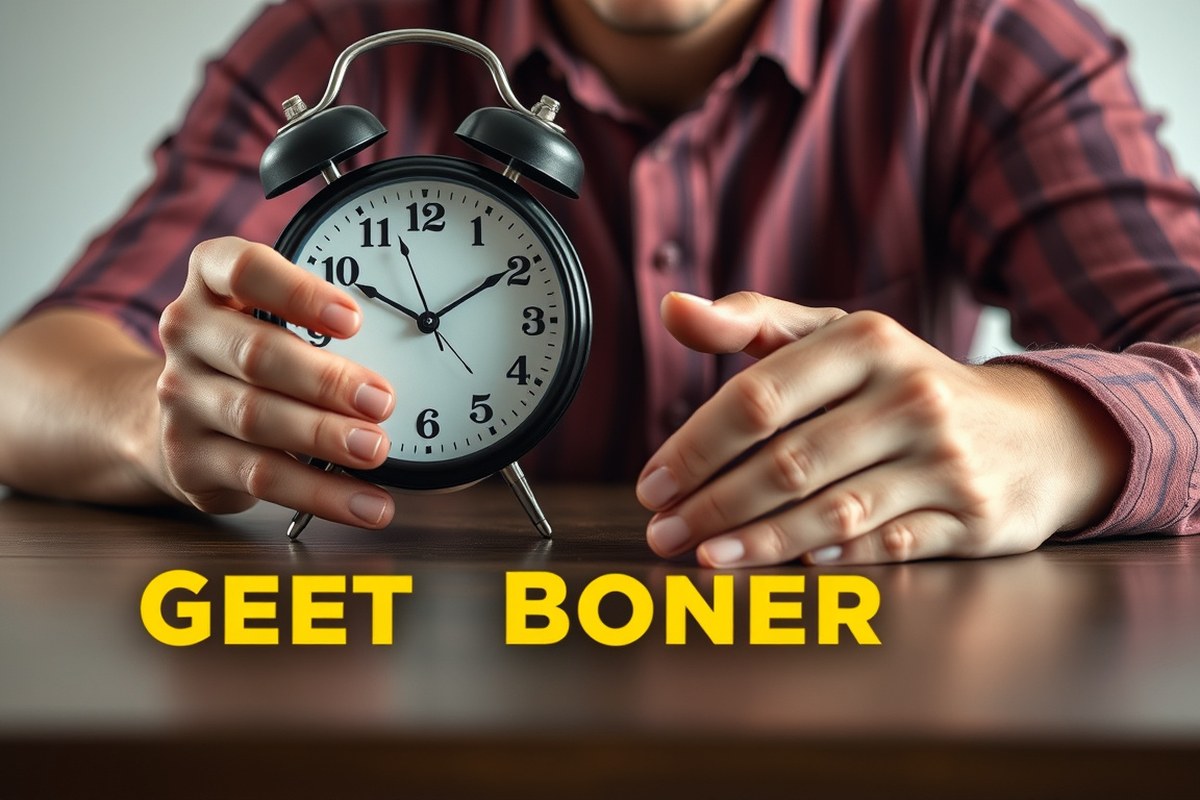
Unwanted erections usually last anywhere from a few minutes to about 30 minutes before naturally subsiding. This duration can vary depending on several internal and external factors. For example, spontaneous erections triggered by hormonal changes or blood flow typically fade as your body adjusts, often within 5 to 15 minutes. Psychological factors, like stress or anxiety, can extend the duration or increase how often these erections happen. Anxiety may cause your body to hold onto the erection longer by keeping your nervous system in a heightened state.
External factors such as alcohol, caffeine, and certain foods can also influence how long an erection lasts. Alcohol tends to suppress blood flow and can make erections less frequent or shorter. On the other hand, caffeine is a stimulant that sometimes causes increased heart rate and blood flow, which might prolong an erection. Foods with high sugar or heavy fats may indirectly affect erections by impacting your overall circulation and energy levels, but these effects usually develop over hours rather than immediately.
- Typical spontaneous erections last about 5 to 15 minutes.
- Stress and anxiety can increase frequency and duration.
- Alcohol may shorten or weaken erections.
- Caffeine can potentially prolong erections by raising alertness and blood flow.
- Heavy meals may indirectly affect duration via circulation changes.
- Physical activity helps redirect blood flow and reduce lasting erections.
- Wearing snug but comfortable clothing can help keep an erection less noticeable while it fades.
Internal factors such as hormone levels, particularly testosterone, play a central role in erection duration. If your hormone levels fluctuate during puberty or because of health conditions, your erections may last longer or start more frequently. External triggers like sexual thoughts or physical stimulation will naturally extend an erection. Your nervous system’s response to stress or relaxation signals also influences how quickly your body moves out of the erection phase.
Seek medical advice immediately if an erection lasts longer than 2 to 4 hours or causes pain, as this could indicate a serious condition called priapism.
Understanding these factors can help you anticipate how long an unwanted erection might last and choose the best way to manage it. Resolving stress and limiting stimulants like caffeine during times of potential embarrassment may help shorten the duration. Most erections will resolve on their own within a reasonable time without intervention.
3. Changing Position or Posture to Reduce an Erection
Changing your body position or posture can be an effective and discreet way to reduce an unwanted erection. Certain positions help by reducing physical stimulation or pressure on the genital area, which in turn decreases blood flow sustaining the erection. Altering how you sit or stand breaks the ongoing stimulation and can make the erection less visible, helping you feel more comfortable in public or private settings.
For adolescents, this technique is especially useful because erections may occur more frequently due to hormonal changes during puberty and increased sensitivity. Adults can use these adjustments just as easily, but they might focus more on hiding the erection. The basic principles remain the same: reposition to decrease direct contact and create less noticeable outlines under clothing. Here is a step-by-step checklist for posture adjustments depending on your situation:
- Sitting at school or work: Shift to sit with legs crossed tightly to apply gentle pressure that helps reduce the erection and keeps it concealed.
- Standing in public: Shift your weight to one leg and angle your body slightly to conceal any visible bulge.
- At home or alone: Lie down or change to a prone position to redistribute blood flow away from the pelvic region.
- While wearing loose clothing: Use your hand or a book as a cover to shield the area and avoid direct stimulation.
- In tight clothing: Stand with legs slightly apart and adjust your waistband or belt carefully to disguise any bulge.
These changes typically take a couple of minutes to help ease the erection. Shifting posture avoids the continued stimulation caused by your original position, which in some cases might be contributing to the erection’s persistence. For example, sitting cross-legged tightly can apply mild pressure to the base of the penis, helping reduce blood flow and size.
Keep in mind that simply changing your position won’t make the erection disappear instantly, but it can lessen the intensity and give you time to employ other methods if needed. Sometimes, the wrong posture can prolong an erection, especially if it keeps stimulating the pelvic area, so avoid sitting with legs wide apart or leaning forward for a long time. Combining posture shifts with relaxed breathing can also calm your body and mind, further helping the erection subside.
4. Mental Distraction and Thinking Techniques That Work
Mental distraction and calming your mind are practical ways to reduce an unwanted erection. Redirecting your thoughts away from sexual arousal can significantly lessen its intensity. Combining focused breathing with distraction techniques can quickly help the erection subside, especially in public or social settings.
Guided Breathing Meditation Script
Focused breathing calms your nervous system and helps prevent your mind from fixating on an erection. One effective technique is the “4-7-8” breathing exercise, which you can do discreetly almost anywhere. This method slows your breath and relaxes your body, lessening physical tension linked to erections.
- Find a comfortable seated position or sit upright.
- Close your eyes if possible or soften your gaze.
- Inhale quietly through your nose for a count of 4 seconds.
- Hold your breath for 7 seconds.
- Exhale slowly and completely through your mouth for 8 seconds, making a whooshing sound.
- Repeat this cycle 3 to 5 times, focusing your attention on the breath itself.
This technique reduces stress and shifts focus to something neutral. Doing breathing exercises for 1 to 2 minutes can make noticing or worrying about an erection less likely. With regular practice, meditation and breathing can help you gain better control over your body’s responses.
Effective Mental Distractions to Try
Engaging your mind with non-sexual thoughts stops arousal signals from building. Various mental distractions can work, based on what engages you most effectively. Thinking about boring or serious subjects helps reduce stimulation by blocking erotic thoughts.
- Choose a complex task such as mentally calculating monthly rent payments or adding up bills.
- Recall a funny or neutral childhood memory in detail.
- Visualize a calm, non-sexual place like a quiet library or a forest trail.
- Name objects around you, focusing on colors, textures, or shapes.
- Concentrate on any background noise such as a TV show, music, or household sounds.
Switching your focus to something neutral or even mildly stressful interrupts the sexual arousal process. Avoid trying to suppress thoughts forcefully, as this can backfire by increasing attention on the erection. Let your mind gently move to the distraction instead.
Staying Calm Without Fixating
Accepting that erections are natural and temporary helps you avoid panic, which otherwise intensifies the reaction. Calm patience can itself reduce the erection over time. Stress and anxiety heighten physical responses because your body stays on alert.
Practice a mindset of neutrality, remind yourself it’s normal and will pass soon. Resist checking or touching, which can prolong or worsen the situation. Instead, breathe slowly and let your mind rest on neutral or routine thoughts like what you’ll eat later or errands you need to run. This approach saves effort and reduces embarrassment.
5. Physical Methods: Bathroom Visits, Cold Showers, and Exercise
Urinating, cold showers, and light exercise can physically ease an unwanted erection by shifting blood flow or relaxing the body. Each method works best in different surroundings, so deciding what you can do based on privacy matters. Knowing practical steps and options helps you manage erections discreetly and effectively.
Using the Bathroom Discreetly
Going to the bathroom is one of the simplest ways to start reducing an erection. Urination causes your pelvic muscles to contract and can shift blood flow away from your penis. This method requires no special equipment and can be done quickly in most public or private settings.
At the restroom, try to focus on fully emptying your bladder. This can take about 20 to 30 seconds. Once you finish, standing quietly for a moment before leaving often helps the erection to subside. When immediate urination is not possible, sitting on the toilet and taking deep breaths might reduce tension.
When you’re in public, you can try to gently press the tip of your erection against your body inside your pocket to help it go away, making sure not to touch yourself in a way that increases arousal. Applying this kind of pressure reduces blood flow and can make the erection subside faster.
Cold Showers vs. Warm Baths
Cold water is generally more effective at reducing erections because it redirects blood towards your core and important organs, shrinking the penis as vessels constrict. Taking a cold shower ideally lasts about 2 to 3 minutes at a temperature around 60°F to 75°F (15°C to 24°C).
Warm baths, on the other hand, can help relax muscles and reduce stress. When cold showers feel uncomfortable, spending 10 to 15 minutes in a warm bath (around 98°F to 104°F or 37°C to 40°C) may also ease an erection by calming your body. Although less direct, warmth helps if your erection stems from anxiety or tension.
Cold water also works if you are outside or have limited privacy. Using a cold object like a bottle or ice pack held discreetly against your inner thigh can help. In contrast, baths require privacy and time but can fit situations where you can relax deeply.
| Method | Effectiveness | Typical Duration | Temperature | Best Setting | Additional Notes |
|---|---|---|---|---|---|
| Cold Shower | High | 2, 3 minutes | 60°F to 75°F (15°C to 24°C) | Private | Redirects blood flow to core |
| Warm Bath | Moderate | 10, 15 minutes | 98°F to 104°F (37°C to 40°C) | Private | Relaxes muscles and stress |
| Urinating | Moderate | About 30 seconds | Body temperature | Public or Private | Shifts blood flow, pelvic muscle contraction |
| Holding Cold Object | Moderate | 1, 2 minutes | Depends on object | Public | Discreet option when no shower available |
Choosing between these depends on access and comfort. Cold showers act faster but need privacy and willingness. Urinating can be done nearly anywhere and offers quick relief. Warm baths take longer but calm overall tension. Cold objects offer a discreet public option that can help in the moment.
Discreet Exercises to Try Anywhere
Light physical activity moves blood away from your penis and helps the erection go away. Exercises like subtle leg lifts, tightening and releasing your thigh muscles, or flexing your calf muscles can be done secretly while sitting or standing.
Try sliding your hands discreetly into your pockets and lightly squeezing or holding the base of your erection close to your body. This physical pressure restricts blood flow and can decrease the erection within a few minutes. When urination isn’t possible and you’re in a public place, splashing cold water on your face or doing jumping jacks for 20 to 30 seconds can reduce stimulation and anxiety, further helping the erection to fade.
Be cautious not to accidentally stimulate yourself when applying pressure; keep motions gentle and controlled.
6. Common Mistakes That Prolong Erections and How to Avoid Them
One common mistake is wearing tight or stretchy pants, which can increase friction and stimulate the area, making an erection last longer. Choosing looser clothing helps reduce this unintended stimulation. Another error is trying to forcibly stop an erection by applying excessive pressure or aggressive squeezing, which can cause pain or injury. Instead, gentle, calm approaches work best.
Some might try to hide an erection by pressing the penis firmly against the body, but this can increase discomfort and, in some cases, prolong the erection. Safe external pressure involves using the hand to apply light, controlled pressure on the area, not enough to cause pain. Doing so encourages blood to flow away naturally without trauma.
- Avoid tight jeans or pants to reduce stimulation from fabric rubbing
- Do not aggressively squeeze or twist the penis to stop an erection
- Use gentle pressure with your hand rather than forcing the erection down
- Avoid sitting for long periods in positions that press tightly against the groin
- Don’t resort to cold showers or ice directly on the skin for prolonged periods, which can cause discomfort
- Steer clear of focusing on the erection, which can inadvertently prolong it
- Recognize when erections last longer than four hours to seek immediate medical help
Using forceful methods to stop an erection can cause pain or injury, so instead, shift your focus away from arousing thoughts and adjust your posture or clothing to help it pass naturally. Applying gentle, steady pressure can encourage blood to leave the area without causing harm. If your erection becomes painful or lasts beyond four hours, you could have priapism, a serious condition requiring urgent medical care. Knowing what to avoid is just as important as using safe, effective techniques to end an erection.
7. When to Worry: Recognizing Abnormal Erections and Priapism
An erection lasting longer than four hours requires immediate medical attention. This condition, called priapism, can cause permanent damage if not treated quickly. Recognizing the warning signs and knowing a clear step-by-step response can protect your health.
What Is Priapism?
Priapism is an erection that continues beyond or without sexual stimulation and lasts longer than four hours. This happens because blood gets trapped in the penis and cannot flow out. Unlike normal erections, priapism does not go away on its own and can be painful.
It is a medical emergency because the trapped blood can damage tissue and cause permanent erectile dysfunction if left untreated. Priapism can occur spontaneously or as a side effect from certain medications, blood disorders like sickle cell anemia, drug use, or injury.
Danger Signs to Watch For
Knowing when an erection is dangerous is important. Several symptoms indicate you should seek urgent medical help:
- An erection lasting longer than four hours
- Painful or tender penis during the erection
- Rigid shaft with a soft tip (this can signal one type of priapism)
- No relief or reduction in size despite attempts to distract yourself or change position
- Swelling, discoloration, or unusual warmth in the penis
Any of these signs mean the erection is not normal and could cause serious complications. Ignoring them increases the risk of permanent damage.
How Long Is Too Long?
A normal erection typically lasts from a few minutes up to about thirty minutes during sexual activity. Unwanted erections usually go away within a few minutes after stopping stimulation or distraction techniques. Erections that last beyond four hours enter priapism territory and require immediate medical care.
Delaying treatment after four hours can lead to tissue death and long-term loss of function. Emergency rooms can provide interventions such as blood drainage or medication to relieve the erection safely. Here’s what to do if you suspect priapism:
- Stop any sexual activity or stimulation immediately.
- Try changing your position to ease pressure on blood vessels.
- Engage in gentle physical activity like walking to encourage blood flow away from the penis.
- Use cold compresses on the inner thighs or lower abdomen to reduce local blood flow if it’s comfortable.
- Should the erection last longer than four hours or become painful, call emergency services or go to the nearest emergency room.
- Inform medical staff about any medications or substances you have used that could affect erections.
- Follow all medical advice and attend any follow-up appointments to prevent recurrence.
8. Handling Erections Discreetly in Social and Public Settings
Managing unwanted erections discreetly in public, school, or work requires a mix of quick actions and thoughtful planning. You want to reduce attention and feel comfortable until the erection subsides naturally, which often takes just a few minutes. Wearing loose clothing, like baggy pants or longer shirts, can help mask an erection. Tying a sweatshirt or jacket around your waist is a common trick for school settings, especially for adolescents, to cover the front discreetly.
Physical positioning also matters. Sitting with legs slightly apart and placing a bag or backpack strategically on your lap offers additional privacy. At work or public places, shifting focus to a task, avoiding eye contact, and standing behind counters or desks briefly can buy you time. Knowing your environment helps; for example, a quick trip to the restroom can provide a private moment to adjust your clothing or try physical methods like changing posture or applying cold water to your wrists discreetly.
There are differences between adolescents and adults in handling these situations. Adolescents often experience random erections without sexual thoughts due to hormonal changes during puberty, so normalizing this and reducing anxiety helps. Adults may have erections influenced more by sexual stimuli or stress, and they might benefit from mental distractions and breathing techniques while ensuring professionalism. The key is understanding your body and testing which strategies you find most effective in different contexts.
Sexual release can sometimes help relieve persistent unwanted erections but deciding when to do this depends on timing and privacy. At home, masturbation might serve as a legitimate way to end discomfort, but it’s less practical or appropriate in public, work, or school settings. Consider these factors before seeking release:
- Are you in a private, safe space?
- Is managing the erection discreetly possible without sexual release?
- Do you risk interrupting work, school, or social interactions?
- Does the erection cause pain or persist longer than usual?
- Are frequent or prolonged erections affecting your daily life?
Experiment with different tactics to find what works best because managing erections is a personal process. Some quick tricks include adjusting your clothing, taking slow deep breaths, focusing on something mundane, or using cold water. Overreacting or rushing can make the erection harder to hide or prolong the duration.
Try to stay calm and avoid looking directly at the erection; anxiety often makes it more noticeable and difficult to control.
Handling erections discreetly also involves mental preparation. Remind yourself that spontaneous erections are normal, especially during puberty, and they don’t always indicate sexual arousal. Reducing stress and focusing on nonsexual thoughts can often defuse the situation. Most erections will go away on their own, and the goal is to keep them unnoticed until that happens.
Quick-Start Action Plan to Stop an Unwanted Erection
Follow these steps to reduce or get rid of an unwanted erection quickly and discreetly while knowing when to seek medical help.
- Immediate: Change your position or posture, sit down or shift to a less stimulating stance. You’ll notice the erection starting to soften within minutes.
- Within 5 minutes: Distract your mind by thinking about something non-sexual or focusing on a mental task. A visible reduction should follow as your attention shifts away.
- Within 10 minutes: Visit the bathroom to engage in urination or perform light physical activity like walking or stretching. Check if the erection eases during or shortly after these actions.
- Within 15 minutes: Apply a cold compress or splash cold water on your wrists or face if privacy allows. You should feel a cooling sensation that helps calm the erection.
- Ongoing: Avoid stimulating thoughts, avoid touching the area, and stay calm to prevent prolonging the erection. Notice if the erection decreases steadily without increasing.
- Watch for 2 hours: If the erection lasts beyond 2 hours or becomes painful, seek medical attention immediately to rule out priapism or other issues.
- In public or social settings: Use loose clothing to discreetly cover the area and adjust your posture to reduce visibility. Confirm you can carry on without drawing attention.
Frequently Asked Questions
Can I Force My Body to Stop an Erection Immediately?
You can’t directly control an erection; the best way is to wait calmly. Distracting your mind or changing your position can help it pass faster.
Does Drinking Cold Water Help Get Rid of a Boner?
Drinking cold water might slightly distract you but won’t instantly stop an erection. Cold showers work better by reducing blood flow locally.
Is It Harmful to Try to Suppress an Erection Frequently?
Suppressing erections is usually safe, but frequent stress about it can cause anxiety. Letting it pass naturally is best to avoid unnecessary tension.
Can Exercising Help to Shorten the Duration of an Erection?
Moderate exercise can redirect blood flow and distract your mind, helping an erection fade. Avoid intense workouts that raise arousal instead.
Should I Try to Ejaculate to Get Rid of an Unwanted Erection?
Ejaculation often ends erections but isn’t always practical or possible in public. Safe alternatives include mental distraction or relaxation techniques.
Is It Normal for Unwanted Erections to Happen Multiple Times a Day During Puberty?
Yes, frequent erections are typical during puberty and usually not a concern. They tend to become less frequent with age and hormonal changes.
Key Points to Remember
Getting rid of an unwanted erection takes a mix of patience and practical steps, like changing your posture or focusing your mind elsewhere. You can try shifting your position the next time it happens to see immediate relief. Keep a few discreet techniques in mind so you feel prepared whenever it occurs.