

How to Get Rid of COVID Cough: 8 Proven Ways for Fast Relief
To get rid of a COVID cough quickly, focus on gentle home remedies, stay hydrated, and use over-the-counter medicines wisely. A combination of rest, breathing exercises, and avoiding irritants helps soothe your airways and speed recovery. Knowing when to seek medical care is also essential to avoid complications.
This advice suits anyone recovering from COVID-19 struggling with cough symptoms or caregivers supporting them. You’ll learn safe remedies, how to tell if your cough is serious, ways to protect others, and insights on managing long-lasting coughs linked to long COVID. These proven steps are meant to help reduce your discomfort and aid your healing process.
Key Takeaways
- A COVID cough usually lasts 2 to 4 weeks but can persist up to 8 weeks or longer as airways heal.
- Use honey (for those over 1 year old) and stay hydrated to soothe and reduce coughing safely at home.
- Choose over-the-counter cough medicines approved for age and avoid those with ingredients that may worsen symptoms.
- Contact a healthcare provider if your cough persists more than 3 weeks, worsens, or is accompanied by difficulty breathing.
- Stay home and wear a mask around others for at least 5 days after a positive COVID test to prevent spreading the cough.
- Practice breathing exercises and avoid irritants like smoke to support respiratory recovery during and after COVID.
1. What Causes a COVID Cough and How Long Does It Last?
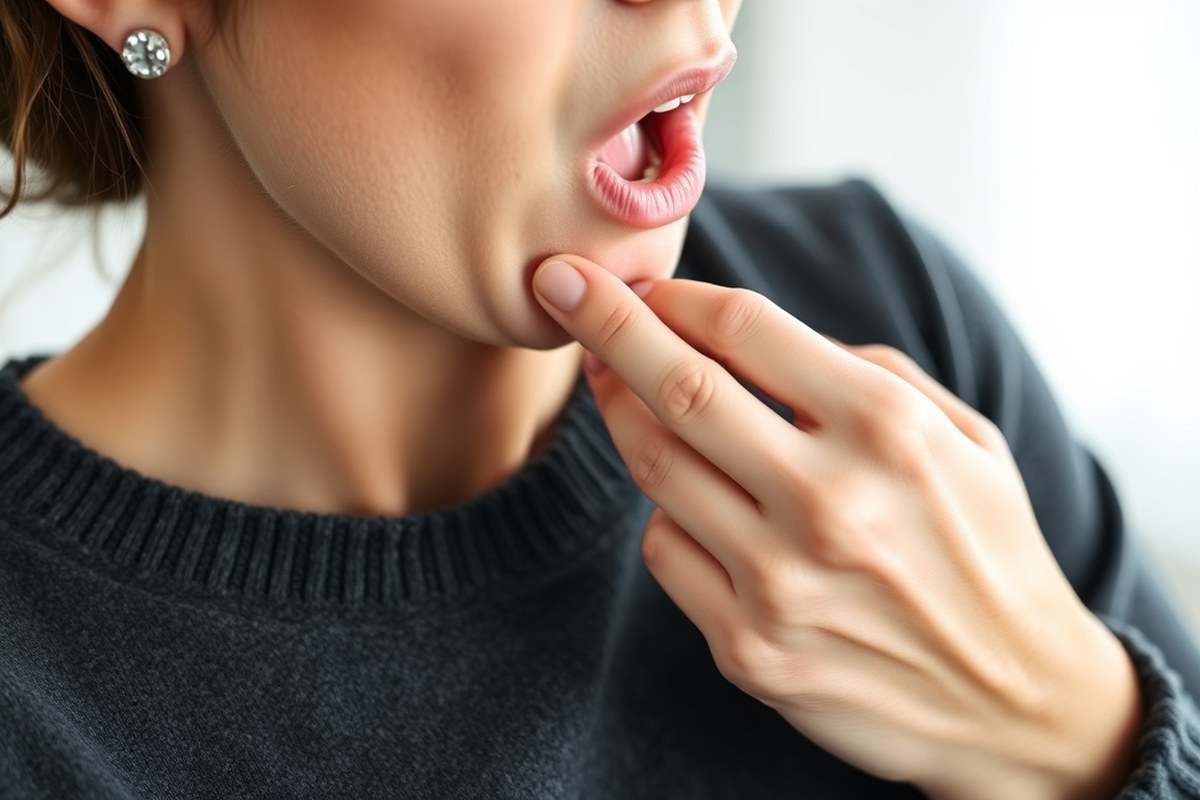
A COVID cough results from irritation and inflammation in the respiratory tract caused by the SARS-CoV-2 virus. This virus primarily targets the lungs and upper airway, triggering your body’s defense mechanisms such as coughing to clear mucus, irritants, or viruses from your airways. You might notice either a dry cough or a productive cough during your illness. A dry cough feels tickly or hacking and does not produce mucus, common in the early stages of infection. A productive cough brings up mucus or phlegm and often suggests that your body is trying to clear fluid or infection from your lungs.
The cough typical of COVID-19 often starts suddenly and can persist for two to four weeks during the acute phase. This timeframe varies due to individual factors like overall health, severity of infection, and whether any secondary infections develop. In some cases, the cough lasts longer as part of what medical experts call “Long COVID,” where symptoms continue beyond three months after initial infection. Around 10% of people with mild to moderate COVID-19 report cough lasting longer than four months, according to scientific studies.
One reason COVID cough lasts so long is ongoing inflammation, especially in the upper airways such as the epipharynx, the area behind your nose and throat. Research has shown more than 90% of Long COVID patients have moderate to severe inflammation there, which can trigger chronic coughing. Treatments like epipharyngeal abrasive therapy (EAT) that target this inflammation have shown promise in reducing persistent cough. Also, some patients use neuromodulators such as gabapentin or pregabalin when the cough becomes refractory, meaning it does not respond to usual treatments.
It’s important to understand that while COVID mainly causes an upper and lower respiratory tract irritation leading to cough, persistent coughing should not be assumed to be from COVID alone without medical evaluation. Other serious causes, including heart conditions, bacterial infections, or lung diseases, might present similarly and require different care. Healthcare providers can assess whether your cough is part of the post-COVID condition or stems from another issue.
Chronic COVID cough often differs in character and duration from the initial acute cough. During long COVID, coughs tend to be dry and intermittent but can sometimes be productive if airway secretions remain or secondary infections occur. Recovery depends on reducing airway inflammation and allowing your lungs and epipharynx time to heal, which could take weeks to months. Patience and proper medical guidance are key, especially if your cough is severe, worsening, or accompanied by other symptoms like fatigue or breathing difficulties.
2. Safe Home Remedies to Reduce Your COVID Cough

At-home remedies can help reduce your COVID cough by soothing irritated airways and controlling symptoms while your body fights the virus. Staying hydrated, using honey, inhaling steam, gargling with saltwater, and resting properly all support recovery. These are simple, safe methods you can try immediately.
Using Honey Safely and Effectively
Honey helps soothe the throat by forming a protective layer that reduces irritation and eases coughing. Research indicates that honey is as effective as some over-the-counter cough medicines in children aged 2 and up. Do not give honey to infants under 1 year old due to the risk of infant botulism.
For cough relief, take one teaspoon of honey straight or mixed into warm (not hot) tea or lemon water up to three times a day. Avoid heating honey above 140°F; high temperatures can reduce its beneficial properties.
How to Do Steam Inhalation Correctly
Steam inhalation adds moisture to your airways, which can loosen mucus and relieve coughing caused by irritation. Use this method carefully to avoid burns or scalds.
- Boil water and pour it into a sturdy bowl or basin placed on a stable surface.
- Allow the water to cool slightly for 1 to 2 minutes to reach a safe temperature around 110°F to 120°F.
- Lean over the bowl and cover your head and the bowl with a towel to trap steam.
- Inhale the steam deeply through your nose and mouth for 10 to 15 minutes.
- Take breaks if you feel dizzy or overheated during inhalation.
- Repeat this process 1 to 2 times daily to help ease your cough.
Never use boiling water directly for steam inhalation to prevent serious burns.
Preparing and Using Saltwater Gargles
Gargling with saltwater soothes throat irritation and can reduce coughing triggered by a sore throat. Saltwater helps clear mucus and reduces inflammation.
- Mix 1/2 teaspoon of non-iodized salt into 4 to 8 ounces of warm water (around 100°F to 110°F).
- Stir until the salt dissolves completely.
- Take a small sip and tilt your head back slightly to gargle for 15 to 30 seconds without swallowing.
- Spit out the water and repeat until you finish the entire glass.
- Gargle 3 to 4 times a day, especially after coughing episodes or before bedtime.
Hydration Tips for Faster Cough Relief
Drinking plenty of fluids keeps your throat moist and thins mucus, which helps reduce coughing. Hydration supports your immune system and speeds up recovery.
Aim for at least 8 cups (64 ounces) of fluids daily, including water, herbal teas, and broths. Avoid caffeine and alcohol since they can dehydrate you. Sip fluids throughout the day rather than drinking large amounts at once to stay consistently hydrated. If you find drinking water boring, add slices of lemon or cucumber for flavor or alternate with warm drinks like herbal tea with honey.
Rest and Sleep Strategies That Aid Recovery
Getting enough rest lowers inflammation and gives your body energy to heal respiratory tissues irritated by the virus. Poor sleep can worsen cough severity and delay recovery.
Establish a consistent sleep schedule aiming for 7 to 9 hours per night. Use extra pillows to keep your head improve, which can reduce coughing at night by preventing mucus buildup. Practice relaxation techniques before bed, like deep breathing or gentle stretching, to ease coughing fits triggered by anxiety or throat dryness. Limit screen time at least one hour before sleep to improve sleep quality, and keep your bedroom humidified with a cool-mist humidifier if the air is dry.
3. Over-the-Counter Cough Medicines: What to Use and Avoid
You can use over-the-counter cough medicines to relieve symptoms of a COVID cough, but the choice depends on the type of cough you have. Dry coughs respond well to cough suppressants, while productive coughs with mucus may require expectorants or other approaches. Avoid medications that could interfere with your overall COVID-19 treatment or complicate underlying health conditions.
Common OTC Cough Medicine Types
OTC cough medicines mainly fall into two categories: antitussives and expectorants. Antitussives like dextromethorphan (found in products such as Robitussin and Delsym) help suppress a dry, non-productive cough by acting on the cough reflex. Expectorants like guaifenesin thin mucus, making it easier to cough up phlegm from a productive cough. Some combination products contain both.
Other ingredients you might see include antihistamines and decongestants, but these address allergy or nasal symptoms rather than the cough itself. Since COVID can cause inflammation and mucus production, choosing the right medicine helps manage your symptoms more effectively.
Safety Notes Specific to COVID-19
Cough medicines do not eliminate the COVID-19 virus; they only help ease symptoms. If you test positive for COVID-19, carefully watch your symptoms and follow your healthcare provider’s advice. Avoid using cold and flu products with multiple ingredients, especially if you are taking medications for COVID-19 or other health issues, because they can lead to dangerous drug interactions.
Prolonged cough lasting more than three weeks after other COVID-19 symptoms clear should be evaluated by a healthcare provider. Persistent cough can indicate lung inflammation or other complications requiring medical attention rather than just OTC treatment.
Age and Symptom-Based Recommendations
OTC cough medicines are generally not recommended for children under 4 years old due to the risk of serious side effects. Children aged 4 to 12 should only use these medicines under a healthcare provider’s advice. For adults and older children, select a cough medicine based on your cough’s nature:
- Dry cough: Use antitussives like dextromethorphan to suppress coughing and ease throat irritation.
- Productive cough: Use expectorants such as guaifenesin to loosen mucus and help clear the airways.
Do not combine suppressants with expectorants without medical advice, as this can reduce your ability to clear mucus. The table below summarizes key OTC medicine types, their intended use, and age considerations for treating a COVID-related cough:
| Medicine Type | Common Ingredients | Use | Age Restrictions |
|---|---|---|---|
| Antitussive (Cough Suppressant) | Dextromethorphan (Robitussin, Delsym) | Dry, non-productive cough; suppress cough reflex | Not recommended for children under 4; use cautiously 4, 12 years old |
| Expectorant | Guaifenesin (Mucinex) | Productive cough with mucus; thins mucus for easier clearance | Generally safe for children over 4; follow dosing instructions |
| Combination Products | Dextromethorphan + Guaifenesin or other cold meds | Treats multiple symptoms but requires careful selection | Avoid in children under 4; consult provider for ages 4, 12 |
| Antihistamines / Decongestants | Diphenhydramine, pseudoephedrine | Relieve nasal congestion and allergies; no direct cough relief | Consult healthcare provider for children under 12 |
Selecting the right OTC medicine depends on your cough type and age. Always read labels for specific dosage instructions and warnings, especially if you have COVID-19 or other health concerns. When in doubt, consult a healthcare provider for personalized advice.
4. When to Seek Medical Care for a COVID Cough
A COVID cough can vary in severity and duration, so knowing when to seek medical care is key to preventing complications. Generally, if your cough lasts more than three weeks or gets worse, you should contact a healthcare provider. Prompt medical advice is especially important if your cough comes with difficulty breathing, chest pain, or a high fever above 100.4°F (38°C). These symptoms may signal a more serious infection or complication that requires professional evaluation. Emergency care is warranted if you experience any of the following warning signs alongside your COVID cough. They indicate potentially life-threatening situations that need immediate attention:
- Difficulty breathing or shortness of breath that feels severe or worsening
- Persistent chest pain or pressure
- New confusion, inability to stay awake, or difficulty arousing
- Bluish lips or face, indicating low oxygen levels
- High fever not responding to medication
- Severe coughing fits that cause vomiting or fainting
- Cough lasting longer than eight weeks, suggesting a chronic cough
Use this decision rule to choose between continuing home care and seeking medical help:
- Track your cough duration: If it persists beyond three weeks, schedule a doctor’s appointment.
- Assess symptom severity: Any chest pain, labored breathing, or confusion requires urgent medical evaluation.
- Monitor fever: Take your temperature regularly; a fever above 100.4°F (38°C) lasting more than a few days should prompt medical contact.
- Evaluate impact: If coughing disrupts sleep, daily activities, or causes distress, consult a provider.
Medical consultations might involve chest x-rays, oxygen level measurements, or testing for secondary infections. Costs vary depending on your insurance and location but addressing symptoms early can avoid more serious, expensive treatments later. Getting timely care improves recovery outcomes and reduces the risk of complications tied to persistent or severe COVID cough symptoms.
5. Protecting Others While You Have a COVID Cough
A cough caused by COVID-19 is contagious because it spreads respiratory droplets that carry the virus. The contagious period usually lasts as long as your symptoms are active, especially while you have a new, continuous cough or a fever. The CDC advises isolating yourself until your symptoms improve and you have been fever-free for at least 24 hours without using fever-reducing medication. Even when you start feeling better, continue practicing hygiene measures since the virus may still be present in respiratory secretions for a while.
Protecting others in your household begins with physical separation. Ideally, stay in a separate room and use a separate bathroom if possible. Limit close contact, such as hugging or sharing food or drinks, until you no longer have symptoms and have passed the fever-free period. When your living space doesn’t allow for full separation, consider wearing a well-fitting mask around others, especially when coughing or talking. Masks like N95 or KN95 respirators provide better protection than cloth masks, reducing the chance of transmitting the virus.
Good hand hygiene is essential. Wash your hands thoroughly with soap and warm water for at least 20 seconds after coughing, sneezing, blowing your nose, or touching respiratory secretions. Use hand sanitizer with 60% or more alcohol if soap and water aren’t available. Cleaning and disinfecting frequently touched surfaces daily, such as doorknobs, light switches, and phones, reduces the risk of spread. You can use regular household disinfectants that meet EPA criteria for COVID-19.
Cough etiquette helps too. Cover your mouth and nose with a tissue when you cough or sneeze, then immediately discard the tissue in a lined trash bin. When a tissue isn’t available, cough into the crook of your elbow instead of your hands. Avoid touching your face, especially your eyes, nose, and mouth, after coughing or sneezing to prevent transferring the virus to yourself or surfaces.
Household members should also take precautions, such as wearing masks when around you and ensuring good ventilation by opening windows or using air purifiers with HEPA filters. Avoid sharing personal items like towels, bedding, and utensils until the contagious period ends. Wash these items regularly with detergent and hot water. While isolating, stay hydrated and rest to help your recovery, so your cough and other symptoms resolve faster.
When your cough persists beyond three weeks or worsens, talk with a healthcare provider for guidance, as ongoing symptoms may require evaluation. Remember that coughs from COVID-19 are similar to those caused by other respiratory infections, but isolation and masking remain critical to protect others from transmission during the infectious period.
Keep a box of tissues handy and wash your hands immediately after coughing to minimize the risk of spreading COVID-19 in your home.
6. Breathing Exercises and Lifestyle Changes to Support Recovery
Breathing exercises and lifestyle changes can ease a post-COVID cough and support lung healing. Gentle breathing techniques improve lung capacity and help clear the airways, while proper sleep and positioning reduce coughing at night. Adjusting daily habits boosts your immune system and speeds recovery.
Effective Breathing Exercises for Lung Recovery
Breathing exercises help you gradually regain lung strength and clear out irritants causing cough. These exercises train your lungs to take in more air and promote relaxation in the respiratory muscles, which can reduce the urge to cough. Follow these steps to practice deep breathing and airway clearance:
- Find a comfortable seated or lying position with good posture to allow your lungs to expand fully.
- Inhale slowly through your nose for a count of four, feeling your abdomen rise as your lungs fill with air.
- Hold your breath gently for a count of four to let oxygen absorb into your bloodstream.
- Exhale slowly through pursed lips for a count of six, imagining you are blowing out a candle.
- Repeat this cycle 5 to 10 times, resting as needed between breaths.
- Practice coughing purposefully after each set to help clear mucus or dead cells; lean slightly forward, take a deep breath, and use your stomach muscles to cough deeply but not forcefully.
- Do these exercises two to three times daily, gradually increasing duration as your comfort improves.
Missing these exercises can slow your lung’s natural cleansing process, delaying recovery. Avoid overexertion that causes dizziness or chest pain. Consistent, gentle practice encourages healing and reduces persistent coughing.
Sleep and Positional Strategies to Reduce Cough
Quality sleep supports the immune system and tissue repair, helping manage a post-COVID cough. Coughing often worsens at night when mucus pools and irritates the airway. Elevating your head while sleeping can reduce coughing and improve sleep quality.
Use extra pillows or a wedge to keep your head and upper chest raised about 30 to 45 degrees. This positioning prevents mucus buildup and decreases the irritation that triggers coughing. Make sure your sleeping environment is quiet, dark, and at a comfortable temperature between 60 and 67 degrees Fahrenheit to promote restful sleep.
Try to maintain a consistent bedtime and avoid caffeine, heavy meals, or screen use for at least one hour before sleep. Persistent coughing can disrupt rest, but these habits help reduce nighttime symptoms and support healing.
Lifestyle Adjustments to Support Immune Healing
Recovery from a COVID cough requires more than resting in bed. Supporting your immune system with specific lifestyle choices can shorten illness duration and reduce symptoms.
Stay hydrated by drinking 8 to 10 cups of water daily to thin mucus secretions, making it easier to clear your airways. Avoid irritants like smoke, strong perfumes, and cold air, which can worsen cough.
A balanced diet rich in fruits, vegetables, and lean proteins provides nutrients your body needs for repair. Light activity such as short walks can improve lung function, but listen to your body and rest if you feel fatigued. Managing stress through meditation or deep relaxation techniques also helps your immune system perform optimally during recovery.
7. Differentiating COVID Cough from Flu, Allergies, and Postnasal Drip
Coughs caused by COVID-19, flu, allergies, and postnasal drip can feel similar but have differences you can use to tell them apart. A COVID cough often starts with other symptoms like fever, loss of taste or smell, and fatigue. Flu symptoms typically include sudden high fever, body aches, and chills along with cough. Allergies cause a cough mostly from throat irritation and usually come with sneezing, itchy eyes, and clear nasal discharge. Postnasal drip triggers a cough as mucus drains down the back of your throat, often making you cough more when lying down or at night.
Keeping your head improve about 15 degrees with extra pillows can help if your cough keeps you awake at night. This position helps open airways and may reduce mucus buildup that worsens postnasal drip. Using non-drowsy antihistamines like loratadine (Claritin) or cetirizine (Zyrtec) can reduce allergy symptoms causing the cough. Decongestants such as pseudoephedrine (Sudafed) may also help by shrinking swollen nasal passages and clearing mucus that leads to drip and cough. These treatments usually cost between $10 and $20 for a week’s supply at most drugstores.
Recognizing if postnasal drip is fueling your cough matters because treating it directly can reduce coughing sooner. As congestion clears, the mucus can irritate your throat and trigger coughing even after other symptoms improve. Drinking plenty of fluids helps thin mucus, making it easier to clear. Use a humidifier in your room to keep air moist, which can soothe irritated airways. Avoid irritants like smoke or strong odors that can worsen the cough too.
Coughs from flu or COVID often come with fever or body aches, while allergies rarely cause these symptoms. When your cough lasts beyond a few weeks or worsens without other viral symptoms, consider consulting your healthcare provider. They can check if other conditions like asthma or bacterial infections are involved. Patients with mild COVID symptoms might not need cough medicines, since some suppressants like dextromethorphan could affect viral replication according to early research, so check with a doctor before using them.
Tracking your symptoms over time helps tell what’s causing your cough. Allergies continue with exposure to triggers, flu symptoms appear suddenly and improve in about a week, and COVID cough can linger or fluctuate for weeks. Watching for additional signs like changes in mucus color, fever return, or shortness of breath can guide when professional care is necessary. Avoid close contact with others if you have cold, flu, or COVID symptoms to prevent spreading infections in your household.
8. Managing Long and Persistent COVID Coughs: Emerging Treatments and Considerations
A COVID-19 cough can turn persistent, sometimes lasting weeks or months after the infection clears. This long-lasting cough is often considered a symptom of long COVID, which may involve ongoing airway inflammation or increased cough reflex sensitivity rather than an active viral infection. Chronic cough in this context means a cough lasting more than eight weeks, which can significantly affect quality of life.
Treatments specifically targeting long COVID cough are emerging, focusing on reducing inflammation and modulating nerve sensitivity. One promising method is epipharyngeal abrasive therapy (EAT), developed in Japan and used mainly by ear, nose, and throat specialists. EAT aims to suppress inflammation caused by leftover viral RNA and the body’s overactive immune response, including cytokines like IL-6 and TNF-α, which are linked to long COVID symptoms. This therapy involves gently abrading the epipharynx, the upper part of the throat, to reduce inflammation and alleviate cough. Sessions typically require specialized equipment and must be done by trained professionals, so expect costs and accessibility to vary by location.
Anti-inflammatory drugs may help manage a persistent COVID cough. Corticosteroids, prescribed by a healthcare provider, can reduce airway inflammation if inflammation is clearly causing symptoms. Neuromodulators such as gabapentin or amitriptyline are sometimes used off-label to calm the nervous system’s role in chronic cough, especially when increased cough reflex sensitivity is suspected. These medications require careful medical supervision due to possible side effects and should be part of a tailored treatment plan after ruling out other causes.
Determining if a lingering cough results from lung damage involves medical evaluation. Lung function tests, chest X-rays, or CT scans can reveal if COVID-19 left scarring, fibrosis, or other damage affecting breathing. Persistent cough with additional symptoms like shortness of breath, chest pain, or fatigue warrants prompt medical review to rule out serious conditions such as heart failure or lung cancer, which can also cause chronic cough.
Consult your healthcare provider if your cough lasts more than eight weeks or worsens, especially if combined with chest discomfort or breathing difficulties.
Managing a long COVID cough requires patience and often multiple approaches. Treatments like EAT focus on reducing underlying inflammation, while anti-inflammatory or neuromodulator drugs can target symptoms. Tests to detect lung damage ensure dangerous conditions aren’t missed, guiding the right therapy. Cost and availability of emerging treatments vary, so discuss all options with your provider to find what suits your needs and health status best.
Step-by-Step Action Plan to Manage and Reduce Your COVID Cough
Follow these practical steps to soothe your COVID-related cough, support your recovery, and know when to get medical help.
- Day 1: Start safe home remedies like staying hydrated with warm fluids and using a humidifier. You’ll notice initial relief if your throat feels less irritated.
- Days 2, 4: Use over-the-counter cough medicines carefully; choose expectorants for chest congestion or suppressants for dry coughs as needed. Effectiveness shows if coughing frequency decreases or mucus clears.
- Day 5: Begin gentle breathing exercises daily to improve lung function and ease cough. Improvement comes as breathing feels less labored and coughing less intense.
- Week 1: Avoid irritants like smoke, strong perfumes, and allergens to prevent cough worsening. You’ll know this works if coughing episodes reduce in frequency or severity.
- After 2 weeks: Assess your cough’s duration and quality; if it persists beyond three weeks or worsens with symptoms like shortness of breath or chest pain, seek medical care.
- Throughout recovery: Continue to protect others by wearing masks around them and practicing good hand hygiene until your cough and other symptoms resolve.
- Beyond 4 weeks: If coughing remains persistent, discuss with a healthcare provider about emerging treatments or further evaluation for long COVID.
Frequently Asked Questions
What Is the Best Remedy for a COVID Cough?
The best remedy often includes staying hydrated, using a humidifier, and resting your voice to soothe irritated airways. Avoid irritants like smoke, and use over-the-counter cough medicines carefully depending on your symptoms and advice from your healthcare provider.
How Long Does the Cough Last from COVID?
A COVID cough typically lasts about 3 to 8 weeks as the airways heal, but some may experience coughs lasting several months, especially with Long COVID. Persistent coughs beyond this period should be evaluated by a healthcare professional.
Why Is a COVID Cough so Bad?
COVID coughs can be harsh because the virus causes inflammation in the respiratory tract, leading to irritation and increased mucus production. This inflammation can make coughing frequent and painful, worsening with activity or exposure to irritants.
How Long Does a Cough Last with COVID-19 In 2026?
The duration remains similar to earlier strains, generally lasting 3 to 8 weeks, though some cases of Long COVID coughs continue for months. New variants may vary in severity, but standard recovery times have not drastically changed.
Can COVID Cough Damage My Lungs Permanently?
Most COVID coughs do not cause permanent lung damage if properly managed, but severe or prolonged coughs can indicate lung issues needing medical attention. Monitoring symptoms and follow-up care help reduce long-term risks.
Should I Use Cough Syrup If I Have a COVID Cough?
Cough syrup may help relieve symptoms, but choose products based on your cough type, whether dry or productive, and avoid overuse. Consult your healthcare provider before using, especially if you have other health conditions.
Before You Go
Getting rid of a COVID cough often involves patiently combining safe home remedies with proper rest and hydration. Starting gentle breathing exercises today can help ease your symptoms and support lung recovery. Keep monitoring your cough, and reach out to a healthcare provider if it worsens or lasts beyond a few weeks for personalized care.





2 Comments