How to Get Rid of June Bugs: 8 Proven Ways for Complete Control
To get rid of June bugs effectively, start by trapping adults using a mix of half a cup of molasses with water in a narrow-necked container. You can reduce nighttime attraction by switching outdoor lights to LEDs or special bug lights. Addressing both adult bugs and their soil-dwelling grubs is essential for complete control.
This article is for homeowners and gardeners dealing with June bug infestations. You’ll learn how to identify these pests, recognize the damage they cause, and explore natural, biological, and chemical methods for removal. The article also covers prevention strategies and what to avoid when managing June bugs in your lawn and garden.
Key Takeaways
- Identify June bugs by their brown, oval bodies and active adult phase from late June through September after 2 to 3 years in soil.
- June bugs spend over two years as grubs underground, so targeting larvae early helps reduce their adult population later.
- Look for lawn damage like brown patches and thin grass caused by June bug grubs feeding on roots.
- Trap adult June bugs naturally using a container with equal parts molasses and water to reduce their numbers.
- Apply biological treatments or insecticides in September to kill up to 80% of grubs before they mature next year.
- Maintain your lawn at about 3 inches tall during June bug season to strengthen grass and deter grub infestations.
1. What Are June Bugs and How to Identify Them
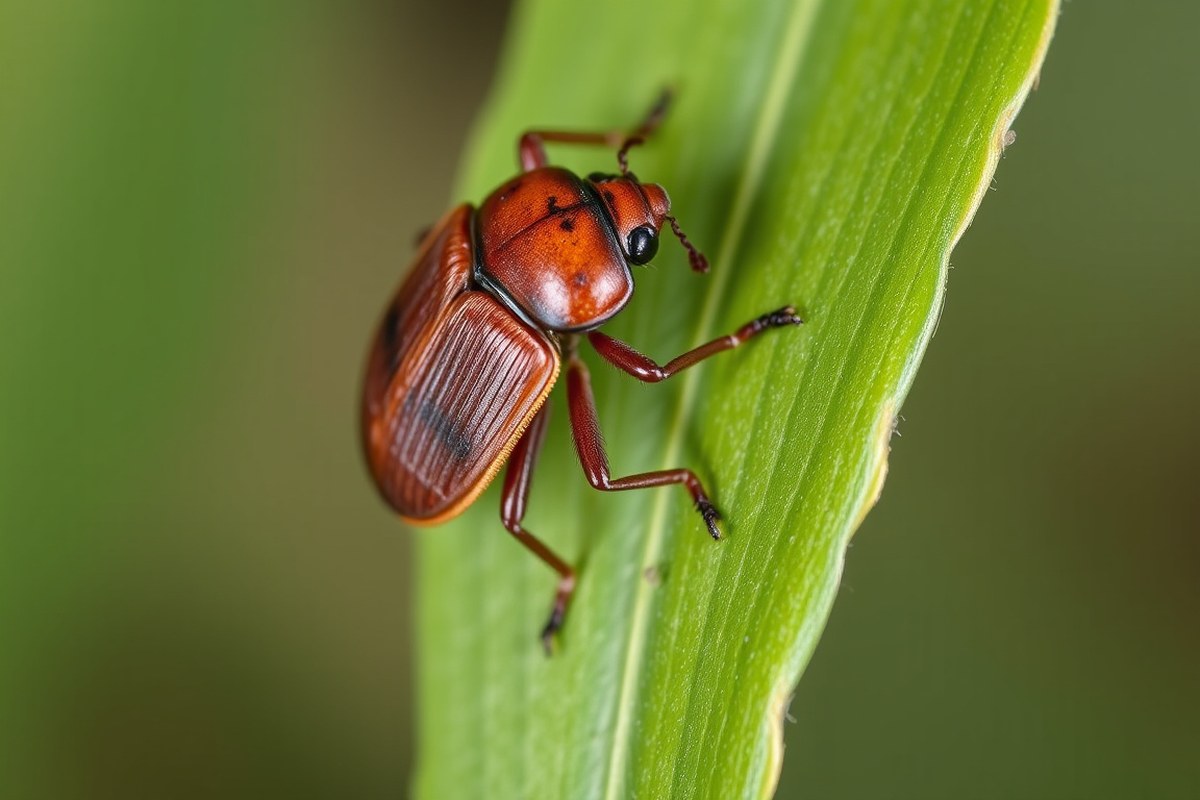
June bugs refer to various scarab beetles that are widely seen across North America, especially during late May and early June. These insects come from several species, prominently including those in the genus Phyllophaga. They measure between roughly 0.5 to 1.5 inches in length and have a glossy, tough exterior. Their appearance can differ by species, often showing brown or green tones, sometimes with metallic shine or unique markings like stripes. Key features to spot June bugs include their oval shapes, six legs, and short, club-shaped antennae that spread out when they detect movement.
Behaviorally, these beetles fly primarily at night and are strongly attracted to lights in the wavelength range of 300 to 650 nanometers. Using this information, if you notice beetles swarming your porch lights on warm evenings, you’re likely dealing with June bugs. Adult June bugs tend to appear clumsily in flight, often bumping into walls or screens, which is another common sign during their active months. Their flight is slow and they often cluster near light sources, making these spots effective places for monitoring or trapping them.
Gardeners should be aware that June bugs include several types that affect plants differently. For example, the Japanese beetle, a type of June bug, has a metallic green body with copper-brown wing covers and causes noticeable foliage damage. The green June bug (Cotinis mutabilis) tends to feed on fruits like grapes and berries. Knowing the exact species can guide your control efforts since some prefer certain plants, such as maize, cranberry, oak trees, and apricots. A close visual inspection during the early evening will help you identify these beetles accurately without confusion with other insects.
Spotting June bugs around your property helps you address them promptly. Shine a flashlight at dusk or night on outdoor light fixtures to find these insects. Check beneath porch lights and along window edges where they often gather. Inside the home, June bugs may enter by mistake, attracted to indoor lights. To prevent this, use LED bulbs or bug-specific lighting that produces less appealing light wavelengths for beetles. Set a trap by placing a mix of ½ cup molasses and ½ cup water in a narrow-neck jar near a light to catch adults during the night without resorting to chemicals.
Recognizing June bugs early supports targeted removal efforts that protect your lawn and garden while minimizing damage. You can tell these beetles apart from other insects by noting their size, shiny shells, clumsy night flight, and attraction to lights. Paying attention to these details helps you know exactly what you’re dealing with when you see the brown or green beetles on leaves or circling your lights during warm evenings.
2. Understanding the Life Cycle and Seasonal Activity of June Bugs

June bugs go through a multi-year life cycle with distinct stages. Knowing when adults, eggs, grubs, and pupae appear helps you apply treatments at the right time for best results. Treatments should focus on larvae in soil during early spring and adults from late spring to early summer, aligning with their active periods.
Egg and Larva Development Stages
Female June bugs lay eggs in the soil during the late spring and early summer months, usually from May through July. These eggs hatch into larvae, commonly known as grubs, which live underground feeding on roots. The larval stage is the longest phase, lasting anywhere from one to four years depending on the species and environmental conditions. During this time, grubs cause the most damage by feeding on lawn and garden roots. Targeting this stage with biological controls like nematodes or milky spore can take several years of repeated applications to be effective due to the long larval duration and overlapping generations.
Understanding this timeline allows you to apply soil treatments starting in early spring when grubs begin to emerge near the surface for feeding. Applying nematodes between 50°F and 85°F soil temperatures maximizes their activity and ability to infect grubs. Because the larval stage spans multiple years, persistence over multiple seasons is necessary for visible reduction.
Duration of Pupal and Adult Phases
Once larva reach maturity, they enter the pupal stage underground, which lasts a few weeks before emerging as adults. Adult June bugs typically appear in late June through September, with peak activity in June and July. The adult lifespan is shorter, roughly less than one year, during which they focus on mating and feeding on foliage mostly at night. Adults do not feed on roots but cause damage by eating leaves and flowers.
Because adults emerge over a relatively short window, treatments like traps or physical removal work best during these months. Applying insecticides or deploying traps in June or early July targets adults before they lay eggs, helping disrupt the life cycle for the next year. However, adult control alone will not eliminate larvae already in the soil.
Monthly Patterns of Increased Activity
June bugs are most active during the warmer months, particularly from May through August. In early spring (March to April), grubs start moving closer to the soil surface as temperatures rise, signaling a good time to apply soil treatments targeting larvae. Adult activity peaks from late June through July, with some species persisting into August or September depending on the region.
Treating in early spring targets grubs before they cause significant root damage. Adult-targeted methods, like pick-off or nighttime trapping, are best timed for late June to early July when beetles emerge and mate. Following this schedule across the seasons ensures you tackle all life stages and reduce future infestations.
Typical Nighttime Behavior and Feeding
Adult June bugs are nocturnal, resting during the day tucked into grass or under leaves. They become active at dusk and feed on the leaves, flowers, and sometimes fruits of trees and shrubs. This feeding can continue for several hours each night, making nighttime monitoring and handpicking effective, especially during peak months. Using outdoor lighting sparingly at night can help reduce beetle attraction around your home and garden.
Since adults mate and lay eggs at night, disrupting their activity with traps or hand removal during evening hours can reduce egg-laying and thus future grub populations. Applying treatments at night when adults are active increases contact with any control measure you use, making efforts more successful.
For best results, apply soil treatments targeting grubs in early spring and use nighttime handpicking or traps for adults in June and July to break the June bug life cycle.
3. How June Bugs Damage Your Lawn and Garden Signs to Watch For
June bugs damage your lawn and garden in two main stages: as larvae (grubs) and as adult beetles. The grubs live underground for more than two years, feeding on turfgrass roots and organic material in the soil, especially in thick, thatchy lawns. This root feeding causes grass to wilt, turn brown, and die in patches. Over time, you may notice sections of your lawn that look spongy or pull up easily, indicating that grubs have eaten the grass roots beneath. Since grubs thrive in thatch, lawns with heavy organic buildup provide an ideal environment for them to multiply and cause damage.
Adult June bugs emerge mostly in late spring and early summer and focus on eating leaves, fruit, and vegetable plants. Their chewing creates small holes and ragged edges on leaves, which can weaken plants and make them more vulnerable to other pests and diseases. When garden plants, shrubs, or tree leaves are riddled with tiny holes or show signs of defoliation, adult June bugs are likely the cause. Their presence can lead to severe damage as they feed on multiple plants throughout the night.
Recognizing signs of infestation early helps manage the problem before it spreads. A common indicator is spotting several June bugs outdoors during warm evenings in May or June, which is normal. However, finding large numbers may signal a heavy infestation. Check your lawn for uneven, thinning grass patches or areas where turf pulls up easily when you gently tug on it. Dig a small section of soil about 2 to 4 inches deep near these spots to look for white, C-shaped grubs. Finding more than 10 to 15 grubs per square foot usually means your lawn is infested and needs treatment.
In your garden, examine plant leaves for holes, particularly on vegetables, fruit trees, and shrubs. Look for leaves that appear chewed or skeletonized, especially after dusk when adult June bugs are most active. Damage may be more noticeable on tender, new growth. Regular monitoring during late spring and early summer helps catch infestations early, allowing you to take action before significant harm occurs.
Recognizing these signs and understanding how June bugs and their grubs attack your lawn and garden lets you act quickly to protect your plants. Thick thatch encourages grub growth, so maintaining your lawn by dethatching can reduce grub habitat and lower damage risk. Watching for leaf damage and grub presence enables timely and targeted pest control measures, preserving the health of your outdoor spaces.
4. Effective Natural and Homemade June Bug Control Methods
Natural methods to get rid of adult June bugs focus on using homemade traps, natural repellents, and encouraging non-chemical controls that reduce their presence on your porch or patio. These approaches avoid harsh chemicals while effectively lowering June bug numbers, especially during their peak activity in late spring and summer.
Recipe for Homemade June Bug Trap
A simple DIY trap uses molasses and water to attract and capture adult June bugs. These beetles are drawn to the sweet scent, making this recipe both inexpensive and easy to prepare with common household items.
- Mix half a cup of molasses with half a cup of water to create the bait solution.
- Pour the mixture into a container, such as a jar or plastic bottle.
- Insert a funnel-shaped paper or plastic neck into the container opening, wide side up, to let bugs enter but make escape difficult.
- Place the trap outdoors where you observe June bug activity, such as near porch lights or patio edges.
- Check the trap daily, emptying and refilling it as needed to maintain effectiveness.
How to Place and Maintain Traps
Placement of traps strongly influences how many June bugs you catch. Set traps near outdoor lights or dark corners where bugs commonly crash or rest during warm evenings. Avoid exposure to heavy rain, which can dilute or wash away the molasses mixture.
Maintenance involves refreshing the bait solution every few days to keep it attractive. Regular cleaning prevents mold or fermentation that might repel bugs instead. Traps placed at a height of 2 to 3 feet tend to perform best because June bugs often fly low to the ground.
Natural Repellents and Smells June Bugs Avoid
Several natural substances can repel June bugs without harming beneficial insects or the environment. Tomato plant leaves emit compounds that deter various beetles, including June bugs, making nearby tomato plants a natural barrier.
Other natural repellents include garlic sprays or neem oil applied lightly to patio plants or porch corners. Strong scents like garlic can confuse the June bugs’ sense of smell, keeping them away from human activity areas. Frequent mowing to about 3 inches also helps reduce thick thatch, making your lawn less attractive to these pests.
5. Controlling June Bug Grubs in Soil: Biological and Chemical Options
Controlling June bug grubs in your soil starts with understanding their vulnerable stage and then choosing a treatment that fits your lawn’s condition and your preference for natural or chemical solutions. Beneficial entomopathogenic nematodes are microscopic worms that infect and kill grubs in the soil and represent a safe, biological option. Applying nematodes in May or June is optimal because grub populations overlap with this timeline, increasing the chance of contact. Use about one billion nematodes per 1,000 square feet, applying them to moist soil either late in the day or on an overcast afternoon to avoid direct sunlight, which can kill them. You may need repeated applications each year for two or three years to reduce grub numbers effectively.
Milky spore is another biological control specifically targeting June bug larvae by infecting their digestive system with spores. It requires a single, well-timed application in your lawn’s grub activity area, often spring or early summer, but the spores can take up to two years to build up enough in the soil for significant grub reduction. While milky spore is very specific and safe for beneficial insects and pets, it works best as a preventive measure rather than a quick fix.
For a quicker reduction in grub populations, insecticides designed to be safe for lawns and non-target species can be applied. Products containing imidacloprid or chlorantraniliprole show good results when applied in early September after grub eggs have hatched but before they grow large. These insecticides may kill up to 80% of grubs when used properly. Follow the label instructions carefully for correct dosage and application method. Avoid applying them in summer or heavily fertilized lawns, as excessive pesticides can harm natural predators like birds and beneficial nematodes, making the problem worse over time.
When seeking an all-natural approach and able to manage a longer timeline, use nematodes or milky spore and repeat applications as recommended. In cases where faster grub reduction is needed before the next adult June bug emergence, select the appropriate grub insecticide in early fall. Combining these strategies with good lawn care prevents dense root systems that invite grub infestations.
Apply beneficial nematodes to moist soil in late afternoon or on cloudy days to protect them from sunlight and ensure they reach grubs effectively.
6. Preventing June Bug Infestations Through Lawn Care and Environmental Control
Maintaining a healthy lawn is one of the best ways to prevent June bug infestations. Healthy grass, free of stress and other pests, discourages June bugs from laying eggs and feeding. Keep your lawn mowed at a height of about 3 to 3.5 inches to promote strong roots and shade the soil. Cutting grass too short exposes soil and encourages grub development. Water your lawn deeply but infrequently, ideally providing about 1 inch of water per week, preferably in the early morning to minimize moisture loss and fungal diseases. Overwatering can create conditions favorable to grubs, which attract June bugs.
Reducing bright outdoor lights during the evening can significantly cut down on June bug attraction near your home. Since June bugs are drawn to porch, garage, or yard lights, switching to yellow “bug lights” or motion-activated lights limits their presence. Turning off unnecessary lights between dusk and dawn helps as well. Inspect and seal any small cracks, gaps, or holes around windows, doors, vents, and the foundation to prevent June bugs from entering your home at night. Weather stripping or caulking are cost-effective and easy ways to close these entry points.
- Maintain lawn height at 3 to 3.5 inches for stronger grass roots
- Water deeply once or twice a week, totaling 1 inch of moisture early in the day
- Replace bright white outdoor bulbs with yellow bug lights or motion sensors
- Turn off unnecessary outdoor lights from dusk until dawn
- Seal gaps, cracks, and small holes around doors and windows with caulk or weather stripping
- Apply diatomaceous earth around window exteriors and entryways to repel insects
- Encourage natural shelters and water sources in your yard to attract beneficial predators
For homes in warm climates, shedding outdoor lighting can reduce June bug numbers substantially since they rely on these light sources for navigation. Cooler regions might experience fewer bugs simply due to temperature limits on bug activity, but lawn care best practices remain effective. Taking simple steps does not generally cost more than a few dollars for caulking materials and specialized light bulbs, but the benefits include fewer nighttime pests and less damage to your landscape. Ignoring these controls can lead to repeated infestations and higher expenses related to pest removal and lawn repair.
7. Encouraging Natural Predators and Safe Pest Control Practices
Natural predators play a key role in controlling June bug populations in your garden. Birds such as robins and starlings feed on adult beetles, while bats catch them during their nocturnal flights. Toads, frogs, nonvenomous snakes, and lizards consume both adult bugs and larvae in the soil. Attracting these animals helps reduce June bugs without chemicals. To attract birds, install bird feeders and provide fresh water nearby. Creating a small pond or moist area can invite frogs and toads, while rock piles and brush heaps offer shelter for snakes and lizards. Planting native shrubs and trees also provides food and nesting spots for various wildlife.
Beneficial insects like ground beetles and parasitic wasps naturally prey on June bug larvae and eggs. You can encourage these beneficials by minimizing pesticide use, planting diverse native flowers for nectar, and avoiding tilling the soil excessively, which disturbs their habitat. Using nematodes, microscopic worms that attack June bug grubs, is another biological control method that is safe for pets and helpful insects. Apply nematodes in the evening or early morning when soil temperatures are between 50°F and 85°F to ensure effectiveness.
Chemical insecticides should be a last resort and used carefully to avoid harming helpful wildlife and pets. Products containing carbaryl, cyfluthrin, or lambda-cyhalothrin can effectively control adult June bugs. Apply these sprays in the early evening when June bugs are most active but beneficial insects are less so. Avoid spraying during bloom times to protect pollinators such as bees. Always follow label instructions for dosage and re-entry intervals. Keep pets and children off treated areas until surfaces are dry and residues have degraded, usually within 24 to 48 hours.
For homeowners concerned about safety or environmental impact, botanical insecticides or essential oil-based repellents offer a gentler approach. These products repel or kill June bugs without lasting chemical residues or toxicity to pets and beneficial insects. Use these sprays weekly in late spring and early summer for best results. Combining habitat modifications to attract natural predators with targeted, minimal pesticide use provides balanced June bug control that helps maintain a healthy garden ecosystem.
8. Common June Bug Control Mistakes and When to Call a Professional
Common challenges in controlling June bugs often stem from mistakes in timing, watering practices, and trap setups. When initial control efforts fail, understanding when to call a professional can save time and effort. Costs for expert pest control vary but generally fall within a predictable range based on service type and property size.
Top Mistakes Undermining June Bug Control
One frequent error is treating the infestation at the wrong time during the June bug life cycle, especially applying treatments too late when larvae have already caused damage. Another mistake includes overwatering your lawn immediately after applying beneficial nematodes to combat grubs, which can wash away these natural enemies and reduce their effectiveness. DIY traps made from fruit juice often fail due to improper placement or bait selection, which can attract fewer bugs than intended. To avoid these pitfalls, follow this list of best practices:
- Time treatments for late summer to early fall when grubs are active just below the soil surface.
- Water the lawn moderately before applying nematodes, but avoid heavy irrigation for at least 48 hours afterward.
- Place homemade traps near outdoor lights or garden edges where June bugs commonly gather.
- Inspect the lawn regularly to catch infestations early before damage spreads.
- Use targeted insecticides only as a last resort, following all label directions carefully.
- Mow grass at the recommended height to discourage adult beetle activity.
- Encourage natural predators like toads and snakes that help keep June bug populations in check.
Don’t water heavily right after applying nematodes; it significantly reduces their ability to control grub populations.
Signs It’s Time to Hire Experts
Results from treatments usually appear within 2 to 4 weeks, depending on the method and infestation severity. If you still see adult beetles or persistent grub damage after a month, professional intervention may be necessary. Large or hard-to-access lawns, or repeated infestations, indicate that specialist equipment and expertise might be needed for effective control. Hiring a professional makes sense if you notice any of the following:
- Continuous damage to lawn areas despite repeated home treatments.
- Difficulty in identifying the exact pest or life stage causing harm.
- Large property size that complicates thorough coverage with DIY methods.
- Concerns about safely applying insecticides or biological controls.
Typical Costs of Professional Treatments
Professional pest control for June bugs usually costs between $150 and $400 per treatment, depending on the property size and the method used. Most companies recommend 1 to 2 treatments per season, particularly focusing on grub control in late summer and adult beetle management in early summer. Some services offer combined packages that include lawn diagnostics and integrated pest management advice. Factors influencing costs include:
- Size of the lawn or garden area treated.
- Number of treatments needed based on infestation severity.
- Use of biological controls versus chemical insecticides.
- Local service rates and company reputation.
Step-by-Step Action Plan to Control June Bugs
Follow these practical steps to identify, eliminate, and prevent June bugs from damaging your lawn and garden. Each phase helps you stay on track and check your progress.
- Before June: Inspect your lawn and garden for signs of June bug grub activity, such as brown patches or plants showing stress. Early detection helps target grubs before they mature.
- Early June: Monitor adult June bugs at night using a flashlight. Confirm identification by their size (about 1 inch), reddish-brown wing covers, and nocturnal activity. Accurate ID ensures proper treatment.
- Week 1 of June: Apply beneficial nematodes or milky spore to soil where grub activity was detected. These natural biological controls reduce grub populations effectively over time.
- Week 2 of June: Treat lawn with appropriate insecticides if grub damage persists, following product instructions carefully. Check for reduced grub activity and healthier grass after 1 to 2 weeks.
- Mid-June: Remove adult June bugs indoors by vacuuming or trapping; seal points of entry to prevent more bugs coming inside. A decrease in indoor bugs shows success.
- Ongoing from June to Fall: Maintain a healthy lawn with regular watering, proper mowing height, and aeration to discourage grub survival and reduce June bug attraction.
- Summer Months: Encourage natural predators like birds and beneficial insects by providing a habitat with native plants. An increase in these predators can help control June bug populations naturally.
- End of Season: Review your lawn and garden for any new signs of damage, and plan for repeated biological treatments next spring to keep grub populations low before they become a problem.
Frequently Asked Questions
What Month Are June Bugs Most Active?
June bugs are most active during the late spring and early summer months, especially around June. This is when adult beetles emerge to mate and feed on plants.
What Smell Do June Bugs Hate?
June bugs dislike the smell of garlic and neem oil. Spraying affected plants with these repellents can help deter them naturally.
What Can I Spray to Get Rid of June Bugs?
You can spray insecticidal soap or neem oil on plants to get rid of June bugs. Be sure to treat both visible bugs and damaged plants for best results.
Where Do June Bugs Go During the Day?
June bugs hide in soil, under leaves, or in shaded areas during the day. They are nocturnal and are mostly active after dark.
Can Changing Outdoor Lighting Reduce June Bug Presence?
Yes, switching to LED or yellow bug lights can reduce June bug attraction to your porch or yard. These lights emit less UV light attracting fewer bugs.
Are June Bug Larvae Harmful to Garden Plants?
Yes, June bug grubs feed on roots and can damage lawns and garden plants by stunting growth or causing patches of dead grass.
Final Thoughts
Getting rid of June bugs takes a mix of careful identification, timely action, and ongoing prevention. Start by inspecting your lawn for grub damage and apply a targeted biological treatment to control larvae before they cause more harm. Taking this step today helps protect your yard and reduces the chance of a larger infestation later this season.