How to Get Rid of Tiny Ants: 8 Proven Methods That Work Fast and Safe
To get rid of tiny ants effectively, focus on locating their nests and entry points, use targeted ant baits, and maintain thorough cleaning to block their access. Spraying a natural mixture of dish soap, cooking oil, and water on visible ants and entry spots can also provide quick relief while you work on permanent control. Killing just the ants you see won’t solve the problem because the colony remains hidden.
This guide is for anyone dealing with tiny ants in their home who wants safe and proven solutions. You’ll learn how to identify the ants invading your space, find where they hide, apply natural and bait-based treatments, avoid common mistakes, and know when it’s time to call professional pest control services for lasting results.
Key Takeaways
- Tiny ants indoors are often light-colored and about 1/16 inch long, such as odorous house ants or pharaoh ants.
- Tiny ants enter homes searching for food and water, hiding in cracks, wall voids, and near kitchen sinks or windows.
- Locate ant nests by following visible trails to entry points, focusing on foundation cracks and spaces behind appliances.
- Use liquid borate baits of 0.5-1% concentration in refillable stations for at least 5 to 8 weeks for effective colony elimination.
- Natural remedies like vinegar or lemon juice can repel ants but need regular application to maintain effectiveness.
- Keep kitchen surfaces clean, remove food crumbs daily, seal trash, and maintain dry conditions to prevent ant invasions.
1. What Are Tiny Ants in Homes and How to Identify Them

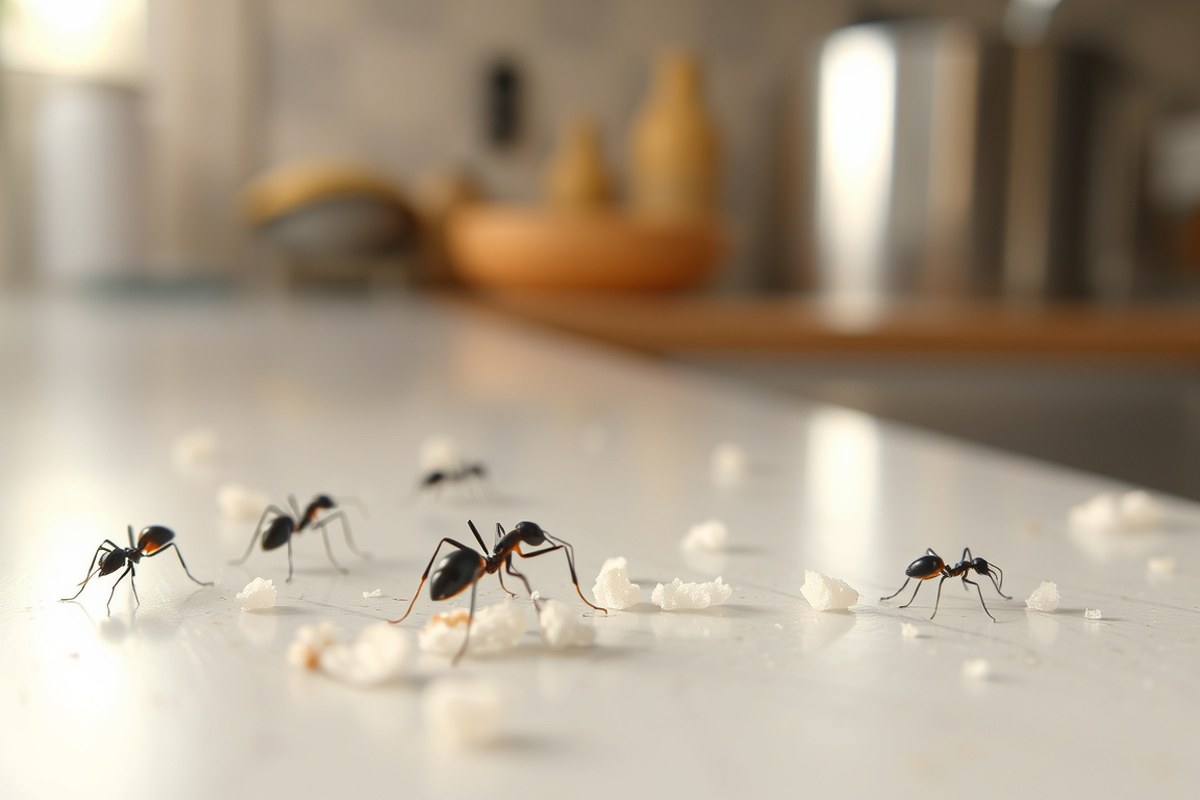
Tiny ants inside homes most often belong to a few key species known for invading indoor spaces. Identifying the species is important because each type of ant has different habits and responds best to specific treatment methods. Common tiny ants include odorous house ants, pharaoh ants, ghost ants, pavement ants, and sugar ants. These species vary in size but typically measure around 1/16 to 1/8 inch long.
Look for distinct features to identify the ants. Odorous house ants are about 1/16 inch long and emit a noticeable sweet or rotten coconut smell when crushed. Pharaoh ants are even smaller, pale yellow to light brown, and form large, complex colonies, which can make them difficult to control. Ghost ants have a dark head and thorax with a pale, almost translucent abdomen. Pavement ants are dark brown to black with parallel lines on their heads and thoraxes, often found near sidewalks or foundations. Sugar ants do not refer to a specific species but include several types like Argentine ants and odorous house ants, which are attracted to sugary foods.
Indoor ants tend to differ by region, but in Southern California, these five species dominate. Wet or damp places attract species like carpenter ants and odorous house ants, so check kitchens, bathrooms, and near leaks. The behaviors and preferences of each species affect what bait or spray you should use and where to place control products.
- Odorous house ants: Around 1/16 inch, dark brown, smell sweet or rotten when squashed.
- Pharaoh ants: Tiny (1/16 inch), yellow to light brown, large colonies make elimination slow.
- Ghost ants: Small with dark heads and pale bodies, common around kitchens.
- Pavement ants: Dark with linear markings, often nesting outside but foraging indoors.
- Sugar ants: A common name for several species attracted to sweets, including Argentine and odorous house ants.
Confirming the ant species speeds up control because each ant reacts differently to baits and sprays. For example, Amdro Ant Killer granules address many species, including sugar ants, while some baits work better specifically on pharaoh ants. Knowing your pest’s habits and appearance means you can avoid wasting time and money on ineffective treatments. Visual identification involves catching a few ants and observing size, color, and behavior or using guides like the “Key to Identifying Common Household Ants.”
Different species also have different colony sizes and structures, which impacts how long treatments take to work. Odorous house ant trails may disappear within 5 to 14 days of proper baiting, while pharaoh ants require longer, consistent baiting over 4 to 8 weeks. Proper identification avoids guesswork, guides correct product selection, and improves chances of successfully getting rid of tiny ants for good.
2. Why Tiny Ants Invade Indoors and Where They Hide
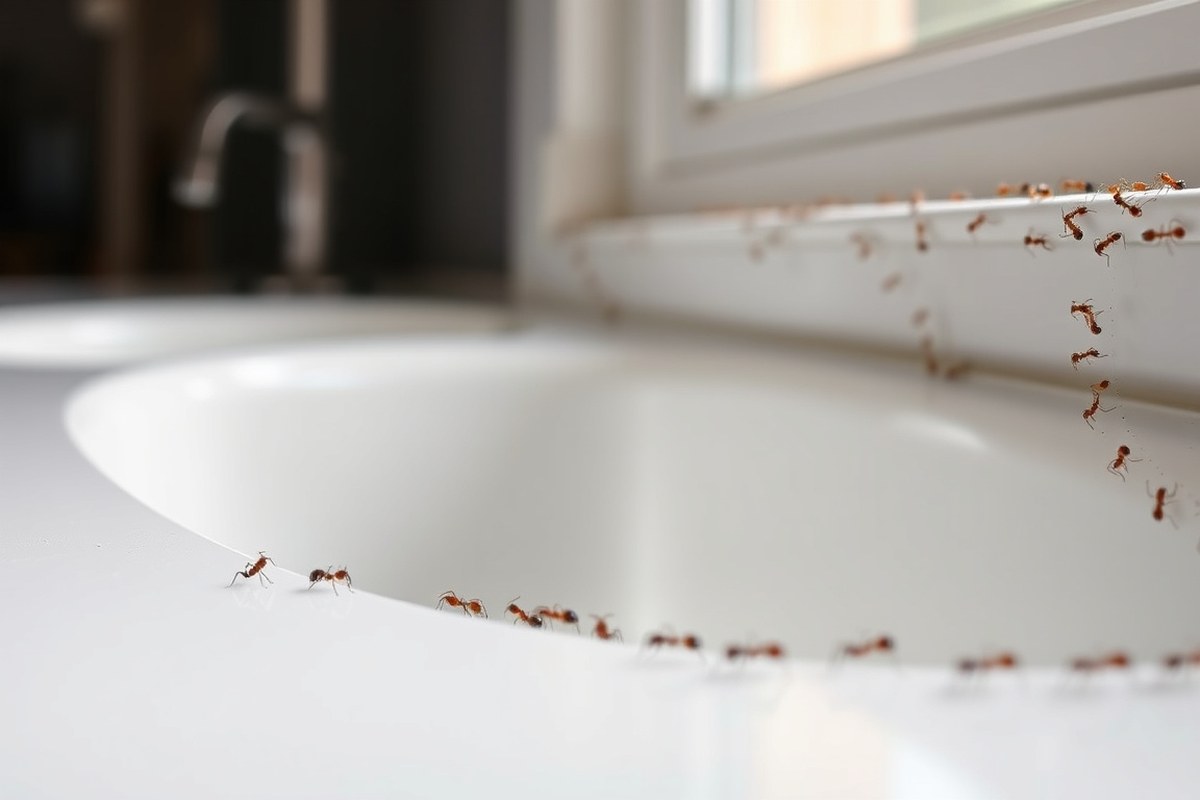
Tiny ants enter your home mainly because they have found a reliable source of food, water, or shelter. Kitchens and bathrooms attract them the most due to easy access to sugary foods, syrupy residues, and plumbing that provides moisture. These ants follow scent trails laid by scout workers, which lead them from their nest to whichever spot inside your home offers the best resources.
Food crumbs, sticky spills, or even unopened pantry items can lure ants inside, especially those known as “sugar ants.” These ants prefer sweet foods but can also be attracted to grease or protein. Plumbing penetrations, such as gaps around sinks and pipes, often serve as entry points. Similarly, cracks around windows, door frames, and cabinet joints allow tiny ants to slip indoors unnoticed.
Once inside, tiny ants tend to hide or nest in places that provide warmth and moisture. Common hiding spots include wall voids near leaking pipes, beneath kitchen cabinets, behind appliances, or inside baseboards where humidity collects. Bathrooms with slow leaks or condensation on windows are also typical areas for establishing nests. Outdoor nests often exist nearby in protected spots along your home’s perimeter, under rocks, or within mulch beds.
The problem with tiny ants is that simply killing the ones you see doesn’t remove the source if their nest remains intact. Ants leave pheromone trails that persistent workers follow day after day. To disrupt this, you need to identify likely entry points and inspect usual hiding places. Sealing gaps around plumbing and structural entryways reduces new ant traffic. Checking outdoors for nest mounds and treating these according to label instructions helps stop the ants before they enter.
Seal cracks near sinks and pipes promptly, these are the most common entry points for tiny ants seeking water and food.
Ant species affect where they prefer to nest: some live entirely indoors, while others only come inside to feed. Understanding which type you have lets you target treatments effectively. For example, ants nesting indoors around plumbing might require extra attention to leaks, whereas ants that nest outside respond better to perimeter treatments. Keeping food sealed and cleaning up spills immediately reduces indoor attractants.
Weather changes can also influence ant invasions. Warmer temperatures often drive ants indoors searching for new water or food sources. Monitoring both inside and outside conditions helps anticipate potential infestations and focus prevention efforts.
3. How to Locate Ant Nests and Entry Points for Effective Control
Finding the nests and entry points where tiny ants invade your home lets you target your control efforts precisely, stopping the ants at their source. Identifying these locations reduces the chance of ongoing problems by blocking their access and eliminating their habitat. You can trace ant trails, inspect common entry zones, and use food as bait to locate nests before sealing any cracks or gaps.
Following Ant Trails to Nests
Ants leave scent trails from their nests to food sources, which you can follow to find where they live. These trails often run along baseboards, window sills, and corners. Tracking these paths back to their origin helps you pinpoint hidden nests indoors or outside near your foundation.
Start by observing where you see most ants during the day or evening. In kitchens and bathrooms, watch near sinks, cabinets, or along countertops. Outside, check yards and garden beds near your home’s foundation.
Inspecting Typical Entry Zones
Ants enter through very small openings, sometimes as narrow as 1/16th of an inch. Regularly inspect common access points around your home for these gaps. Key spots include areas where walls meet floors, around windows and doors, vents, and where pipes penetrate walls.
Look closely at cracks in baseboards, along window frames, and in the seams between wall and ceiling. Outside inspection includes the foundation, gaps around utility lines, and spaces near vents or exhaust fans.
Using Food to Attract and Track Ants
Using a small amount of sweet food like honey or syrup can help you spot new ant trails and find nests. Place the bait in likely ant activity areas and watch where the ants come from and go. You can use this method to locate entry points you might have missed otherwise.
This bait should be placed on a piece of paper or plate where ants can easily find it. Check frequently to track their movement and adjust bait location as you follow the trail.
Sealing Cracks and Gaps Properly
Once you find the entry points and nests, sealing is critical to stop more ants from entering. Use caulk or a suitable sealant to fill in cracks and gaps around windows, doors, plumbing, and foundation crevices. Proper sealing blocks those tiny access routes ants exploit repeatedly.
Sealing prevents ants from re-entering but does not kill those already inside or remove the nests outside. You’ll want to combine sealing with other control methods like baiting for the best results. Here are clear steps to follow when locating ant nests and entry points:
- Observe your home at different times to spot where ants are most active indoors and outside.
- Follow visible ant trails slowly back to their origin points, checking along baseboards and corners.
- Use a sweet bait like honey on a plate near ant activity to attract and guide you to nests or unseen trails.
- Inspect common entry areas such as gaps around windows, doors, vents, and pipes, both inside and outside.
- Mark all cracks and openings where ants enter or travel frequently for treatment.
- Seal these openings carefully with caulk, silicone, or another weatherproof sealant.
- Apply diatomaceous earth along ant trails and near sealed points to discourage reinfestation.
- Monitor these areas and repeat inspections periodically, especially during warmer months when ants are active.
4. Using Ant Baits Correctly to Kill Tiny Ants Permanently
Ant baits work by attracting tiny ants to feed on a poisoned bait, which they then carry back to their colony. This approach targets the entire nest, not just the ants you see, making it one of the most effective ways to kill tiny ants permanently. Successful use depends on choosing the right bait, placing it correctly near ant activity, and allowing several days to weeks for the colony to be eliminated.
Choosing the Right Type of Bait
For tiny ants, especially sugar ants and ghost ants, gel baits with borate-based ingredients work best because their consistency is easy for ants to transport back to the nest. Liquid baits containing 0.5 to 1 percent borate in a sugar water solution are effective for severe infestations like Argentine ants. Protein-based baits with active ingredients such as abamectin attract ants that prefer greasy or protein foods but are less effective on some species like grease ants or carpenter ants.
Products like Terro Liquid Ant Baits or Drax SF Ant Gel are designed to appeal directly to tiny ants’ preferred food types. Avoid using general ant sprays or powders as primary control since these often kill ants on contact but don’t impact the colony itself. Matching bait to the ant species and their food preference improves the chances they will carry poison back to the queen and nestmates, ensuring permanent control.
Proper Bait Placement Tips
Place bait stations or gel bait drops where you see trails or galleries, such as along baseboards, near water sources, and close to entry points. The ants need direct access to the bait to carry it back to their colony. Use small amounts of bait and spread it out in multiple stations to avoid bait overconsumption or ants avoiding crowded areas.
Keep baits dry and protected from pets or children, and don’t apply insecticide sprays around bait areas, as this can repel ants from the bait. Refill or replace bait stations as needed, generally once the bait is consumed or after one to two weeks of use. Continuous access to fresh bait is important until the colony is eliminated.
How Long to Leave Baits in Place
Baits must remain in place for at least one to two weeks for tiny ants, and in some cases, up to three to four weeks for complete colony elimination. Because workers carry the poison back to the nest slowly, visible reduction in ant activity may not appear for several days after placing bait. Do not remove bait prematurely even if ant numbers drop quickly.
In heavy infestations, maintaining bait stations throughout the entire period ensures all foraging ants have a chance to feed and spread the poison within the colony. Longer treatment may be necessary if reinfestation occurs or if multiple colonies are present in the vicinity.
Monitoring Bait Effectiveness
Check bait stations daily in the first week to confirm that ants are feeding on the bait. If you notice ants are avoiding bait or bait remains untouched, switch to a different bait formulation matching the ants’ current food preferences. It may take 5 to 10 days for significant decreases in ant activity, with full colony collapse after 2 to 4 weeks.
Follow up by wiping away dead ants and cleaning up trails after the colony is controlled. Persistent or returning ants after a month of bait use could mean untreated nests, requiring a reassessment of entry points and bait placement. Patience and consistent monitoring increase the likelihood of successful, permanent elimination of tiny ants.
5. Natural DIY Remedies That Actually Work Against Tiny Ants
Natural remedies can effectively reduce tiny ant infestations without harsh chemicals. Homemade borax baits attract and kill ants, while vinegar and dish soap sprays kill ants on contact. Essential oils like peppermint and tea tree disrupt ant trails and discourage their return.
Preparing Borax and Sugar Homemade Bait
Borax combined with sugar creates a bait that attracts ants and eventually kills their colony. The sugar lures the ants, and the borax acts as a slow-acting poison that worker ants carry back to the nest. This bait is effective for sugar-loving ants but requires patience, as the colony dies off over days or weeks. Follow these steps to make and use a homemade borax bait safely around your home:
- Mix 1/2 cup sugar, 1 1/2 tablespoons borax powder, and 1 1/2 cups warm water in a container until the borax dissolves.
- Soak cotton balls or small pieces of cloth in the mixture to absorb the bait.
- Place cotton balls in shallow containers or lids near ant trails or suspected entry points, out of reach of children and pets.
- Check baits daily and replace cotton balls with fresh bait as needed for up to two weeks.
- Clean up any spilled bait to avoid attracting other pests.
Keep borax bait away from children and pets, and store unused mixtures securely.
Using Vinegar and Dish Soap Sprays Safely
Sprays made from vinegar or dish soap kill ants on contact by breaking down their protective outer coating. These sprays also remove scent trails that ants use to navigate. Vinegar mixed with water is useful for spraying ant paths on counters, baseboards, or pantry shelves, while soapy water spots and kills visible ants quickly. To prepare and apply these sprays:
- Combine white vinegar and water in a spray bottle using a 1:1 ratio.
- Add a few drops of dish soap to increase effectiveness if desired.
- Spray directly on ants when you see them and on trails along baseboards, doorways, and windowsills.
- Wipe surfaces afterward to remove dead ants and residue.
- Repeat daily until ant activity stops.
Use this spray mainly for spot treatments. Vinegar’s strong smell fades within hours and can help discourage ants from returning.
Test vinegar sprays on small surface areas first to avoid damage to sensitive finishes.
Applying Essential Oils as Repellents
Essential oils such as peppermint, tea tree, lemon eucalyptus, and eucalyptus act as natural ant repellents. These oils interfere with ants’ trail pheromones, making it harder for ants to follow each other and return to entry points. Spraying diluted essential oils around windows, doors, and other access points can reduce ant invasions. Here’s how to prepare and apply an effective essential oil spray:
- Pour 2 cups of water into a clean plastic spray bottle, then include 10 to 20 drops of peppermint essential oil or 5 to 10 drops of tea tree oil.
- Shake well before each use to mix the oil and water.
- Spray around windowsills, door frames, baseboards, and other ant entry spots.
- Reapply every few days, especially after cleaning or heavy rain.
- Use additional lemon eucalyptus oil if mixing essential oils, adding 10 to 15 drops to water for varied effects.
Essential oil sprays work best as preventative measures or to discourage ants after initial control. Oils can be costly, typically $5, $15 per small bottle, but a little goes a long way.
Store essential oils away from children and pets to prevent accidental ingestion or skin irritation.
Other Natural Repellents to Try
Besides borax baits, vinegar, and essential oils, several other natural remedies can help repel tiny ants. Food-grade diatomaceous earth can be sprinkled along baseboards or in ant entry points to physically disrupt ants by damaging their exoskeletons. Citrus peels, cinnamon, and coffee grounds also have limited repellent effects if placed where ants are entering or traveling.
These natural options offer non-toxic ways to reduce ant activity but usually work best combined with other control methods. Regular reapplication is essential, especially after cleaning or rain.
6. Daily Cleaning and Maintenance to Prevent Tiny Ants
Cleaning and maintaining your kitchen, bathroom, and entry areas consistently is the most effective way to prevent tiny ants from invading your home. Ants are attracted to food crumbs, sugary residues, damp environments, and even soap films, so removing these attractants stops them from scouting and setting up trails inside. A daily routine focused on wiping surfaces and eliminating moisture will cut off the cues ants rely on to find food and shelter.
In the kitchen, clean countertops, stove tops, and sinks every day using a mild detergent or a vinegar-water solution (mix 1 part vinegar with 3 parts water). This not only removes crumbs and spills but also disrupts the chemical scent trails ants follow. Each week, pull out appliances like the toaster and microwave to sweep or vacuum crumbs and grease that collect underneath. Store all food, including pet food, in sealed containers. Check for sticky spots on the floor and baseboards and clean those regularly.
Bathrooms offer ants easy access to water and organic matter. Wipe down sinks, bathtubs, and tile grout daily to remove soap scum and excess moisture. Avoid leaving damp towels on racks or floors, and hang them to dry after use. Keep toiletries in closed cabinets and fix any leaks promptly to prevent water pooling. These actions reduce the moisture ants seek and remove food residue they feed on.
- Wipe kitchen and bathroom counters daily with a vinegar-water mix or mild soap
- Store food and pet food in airtight containers to block access
- Dry towels after use and fix leaks to eliminate water sources
- Vacuum or sweep under appliances weekly to remove hidden crumbs
- Clean sticky residues on floors and baseboards at least twice a week
- Seal garbage bins and empty them regularly to remove scent attractants
- Apply natural repellent sprays weekly along entry points and problem areas
After establishing a cleaning routine, applying natural or chemical treatments should follow a schedule aligned with the product instructions for best results. Most natural repellents and ant baits work well if applied once a week, but heavy infestations may require treatments every three to four days at first. Pay attention to areas where ants reappear, and reapply as needed. Chemical treatments usually give stronger, longer-lasting effects but use them sparingly and always according to label guidelines.
Maintaining cleanliness and moisture control in entry areas like door thresholds, window sills, and baseboards also helps stop tiny ants from entering. Use a weekly wipe-down with soapy water or an essential oil-based spray such as peppermint or citrus, both known to repel ants. Check these areas frequently for ant activity and clean up any debris or sticky spots that might invite ants in.
7. Common Ant Control Mistakes and How to Troubleshoot Them
One common mistake homeowners make when trying to get rid of tiny ants is focusing only on killing the ants you see instead of eliminating their source. Ants keep coming back when the colony or nest remains untouched. You might spray visible ants with an insecticide, but without finding and targeting the nest, this only offers a temporary fix. Ants build trails and nests near reliable food and water sources, so ignoring these basics means repeated encounters.
When ants continue to return after treatment, first check whether you located the colony or main entry points. Missing these allows workers to keep invading. Look for concentrated activity areas and bait trails. Using ant baits properly takes time because worker ants need to carry poison to the nest, feeding the whole colony. Expect to see a noticeable decline in ant activity within 1 to 2 weeks after placing baits. Not seeing this decline may mean the colony is out of reach or you may need to try a different bait type or placement.
Improper use of ant baits is another frequent error. Baits must be placed where ants are active but away from other food sources that compete with the bait. Avoid spraying insecticides directly on bait spots, as this can repel ants. Also, keep your kitchen and bathroom dry and clean to reduce competing food and water, which helps ants prefer the bait.
To troubleshoot persistent infestations, follow a specific routine. First, identify the infestation zones: check indoors and outside foundation areas. Clean all food crumbs and spills daily, store food in sealed containers, and fix leaks to remove moisture. Next, set up bait stations near active trails but not in direct sunlight or wet areas. Monitor bait intake regularly for at least two weeks. When ants don’t collect the bait or activity doesn’t decline, reposition bait or switch bait formulas targeting the specific ant species.
For small, isolated problems, these steps can be enough. For more extensive or multiple ant species infestations, professional pest control is often the best solution. Experts conduct thorough inspections, including exterior nests you’re unlikely to find. They apply specialized treatments around your home’s perimeter and in hard-to-reach nesting sites that conventional DIY methods miss. Expect professional service costs to vary but typically range from $150 to $300 depending on infestation size and treatment plan.
You can tell an ant treatment is working if ant numbers visibly drop within 7 to 14 days, and trails become less obvious. Continued ant activity after this period means the nest might still be active or reinfestation sources remain. Persistent activity could also result from environmental conditions like moisture or food availability that continue attracting ants. Keep sanitation strict, remove lingering attractants, and maintain treatment consistency to prevent gaps that allow ants to recover.
8. When to Consider Professional Pest Control for Tiny Ants
Calling a professional pest control service for tiny ant infestations becomes necessary when you notice large numbers of ants repeatedly appearing despite using baits and maintaining strict cleanliness for at least two weeks. Recurring trails or multiple colonies near your home’s foundation also signal that DIY methods may not be enough. Especially with species like pharaoh ants, which have multiple queens and complex colonies, professional treatment is usually the most effective solution, as home remedies and over-the-counter products often fail to fully eliminate the infestation.
Professionals bring specialized knowledge and equipment that target ant colonies at their source. They often follow integrated pest management strategies, including thorough inspection, targeted treatment of nests, and seasonal exterior barrier applications. This approach reduces not only the visible ants but also prevents their return by cutting off the colony’s food and water supply around your home. Licensed pest technicians also recognize signs of other pest activity, since ants sometimes follow or feed on insects like silverfish, requiring a broader response.
Safety is a key concern when using any ant control method. Substances like borax and diatomaceous earth can be effective but must be used carefully. Food grade diatomaceous earth is safe for household use against crawling insects but should be applied sparingly to avoid respiratory irritation from dust. Borax-containing baits should be placed out of reach of children and pets because ingestion can be harmful. Commercial sprays, especially those labeled for professional use only, present greater risks of toxicity and require strict adherence to label instructions to avoid exposure. Persistent ant problems after a week or two of safe DIY treatments mean it’s time to call a professional, both for effectiveness and safety.
Seasonal and regional variations affect both when ants are most active and how well treatments work. In warmer months, ants tend to forage more intensely, making spring and summer the peak time for infestations. Professional pest control programs often include seasonal monitoring and treatments to manage these cycles effectively, especially in regions with milder winters where ants can survive year-round indoors. Homeowners in areas with specific ant species or climates should consider local experts’ advice, as timing and specific pest control techniques vary.
Costs for professional ant control vary depending on infestation size and treatment complexity. A typical initial inspection and treatment might range from $150 to $300 or more. Follow-up visits, especially in severe cases, may be needed to ensure full eradication. Professionals can provide a free or low-cost quote by phone or online. Investing in licensed technicians often leads to faster, more permanent results and fewer repeated attempts with ineffective DIY methods.
Persistent ant trails despite DIY baiting and cleaning for two weeks usually mean professional treatment is needed to fully eliminate the colony and prevent re-infestation.
Step-by-Step Action Plan to Get Rid of Tiny Ants
Follow these clear steps to identify, eliminate, and prevent tiny ants in your home safely and effectively.
- Day 1: Identify the type of tiny ants by observing their size, color, and behavior to confirm you’re dealing with household ants. You’ll know this step worked when you can describe their appearance and habits.
- Day 2: Inspect your home’s common ant entry points and areas where ants hide, such as behind appliances or near water sources. Mark these spots to focus your control efforts. This is done when you see ant trails or small piles of debris indicating nest activity.
- Day 3: Place ant bait stations near the nests and entry points using the correct bait type for your ant species. Check daily for bait consumption to ensure ants are attracted and feeding.
- Day 4 to Day 7: Monitor bait stations and clean all food crumbs, spills, and trash to remove attractants. Ant activity should decrease as more ants carry the poison back to the colony.
- Week 2: Use natural remedies like a vinegar-water spray on trails and entry points while maintaining rigorous cleaning routines. Ant sightings should drop noticeably by now.
- Week 3: Evaluate if ant activity has stopped by checking treated areas and bait stations; reapply bait or remedies if ants persist. Effective control means little to no ant presence around your home.
- Ongoing: Keep up daily cleaning, seal entry points with caulk, and remove moisture sources to prevent future infestations. Your success shows by not seeing any new ant trails or nests indoors.
- If ant problems continue after 3 weeks: Contact a licensed pest control professional to assess and treat the infestation safely and thoroughly.
Frequently Asked Questions
Why Do I Suddenly Have Tiny Ants?
Tiny ants usually appear suddenly because scout workers have found food, water, or favorable conditions in your kitchen. Eliminating these attractants and sealing entry points helps prevent more ants from invading.
What Keeps Small Ants Away?
Vinegar spray and natural deterrents like peppermint oil can keep small ants away by masking their scent trails. Regular cleaning and quick food disposal also discourage their return.
Does Dawn Dish Soap Really Kill Ants?
Yes, Dawn dish soap kills ants on contact by breaking their surface tension, trapping and suffocating them. Spray directly on ants and wipe them away for best results.
What Are Those Tiny Tiny Ants Called?
Those tiny ants are often ghost ants, which measure about 1.3-1.5 mm long and are hard to spot initially. Knowing their type helps target control methods effectively.
Can Ants Come Back After I Kill Them?
Yes, ants can return if you only kill visible ants without eliminating the colony or food sources. Using bait helps stop the colony permanently.
Will Peppermint Oil or Vinegar Stop Ants Permanently?
Peppermint oil and vinegar repel ants but don’t kill colonies, so they’re best used as temporary barriers along entry points.
Before You Go
Getting rid of tiny ants requires patience and persistence, especially with proper bait placement and keeping your home clean. Start by inspecting your kitchen and wiping down surfaces to remove food trails that attract them. Taking this step today can significantly reduce ant activity and help keep your home ant-free.