How to Get Rid of Lice Fast: A Complete Guide with Proven Treatments
To get rid of lice fast, use an effective treatment that targets both live lice and their eggs, combined with thorough combing and cleaning to break the cycle. Avoid relying on weak home remedies or repeated incomplete steps that only prolong the problem. Quick success comes from a clear, step-by-step approach that tackles all parts of the lice infestation at once.
This guide is for parents and caregivers dealing with head lice in children aged 3 to 12 who need reliable solutions to remove lice quickly and prevent reinfestation. You’ll find proven treatment options, instructions for removing lice and nits, advice on cleaning your home, and tips on when to seek professional help.
Key Takeaways
- Treat head lice quickly within 24 hours using effective products like permethrin shampoos or 4% dimethicone lotion to kill live adults fast.
- You might notice itching around the neck or back of the head, which usually starts between one and four weeks after lice have infested the hair.
- Use one treatment of Nix Ultra products followed by a recheck at 7 days, repeating if lice or nits remain.
- Wet combing step-by-step can remove lice and nits effectively when done thoroughly and regularly.
- Freeze personal items at 5°F or lower for 10 hours to kill lice and eggs on belongings safely.
- Contact your child’s healthcare provider if lice persist after two weeks, scalp infection occurs, or treatment questions arise.
How to Get Rid of Lice Fast and Break the Cycle

Getting rid of head lice fast requires a treatment strategy that kills both live lice and eggs, since untreated eggs hatch into new lice within 7 to 10 days. No overnight treatment fully destroys the entire lice life cycle because eggs are sealed with a strong coating that resists most topical products and home remedies. Using a method that targets both lice and eggs reduces the total time needed and prevents reinfestation.
The fastest effective treatments combine chemical or mechanical approaches designed to kill live lice and reach eggs. For example, the FDA-cleared AirAllé device kills lice and eggs with controlled heat and airflow, achieving 99.2% efficacy in clinical trials. Prescription options like 0.9% spinosad topical suspension also kill both lice and eggs, while many over-the-counter products and home remedies mainly kill only live lice. This is why you need to repeat treatments 7 to 10 days after the first, to catch lice hatched from eggs that survived the initial treatment.
Combing is critical in any treatment plan for removing lice and visible eggs, which no chemical treatment can fully dissolve. Combing on day 1 and day 2 after treatment helps remove live lice and nits and improves results. Repeating the process removes new lice emerging from any eggs that survived. Replicating this cycle for at least 7 to 10 days breaks the lice life cycle, preventing reinfestation.
The fastest approach involves treating the head thoroughly on day 1 with a product or method that kills lice and eggs, followed by combing, then repeating treatment and combing 7 to 10 days later. Rushing treatment into a single overnight application ignores the biology of the lice life cycle and egg resistance, which makes a true 8-hour cure unrealistic. Follow these steps for the fastest effective lice removal:
- Apply a lice treatment that kills both lice and eggs. Use an FDA-approved product like spinosad 0.9% suspension or consider specialized devices like AirAllé if available.
- Comb the hair thoroughly on day 1. Use a fine-toothed lice comb to remove live lice and as many eggs as possible.
- Repeat combing on day 2. This helps catch lice missed on the first attempt and removes more eggs.
- Clean hair and scalp according to product instructions. Follow specific timing and rinsing details closely to maximize efficacy.
- Schedule a second treatment 7 to 10 days after the first. This targets lice that have hatched from eggs that survived the initial treatment.
- Continue combing daily or every other day during the retreatment period. Removing nits physically reduces the chance of new infestations.
- Maintain awareness of symptoms and lice presence. Persistent lice after two treatments may require professional consultation.
Failing to retreat after 7 to 10 days leaves viable eggs that hatch into new adult lice, extending infestation duration. Home remedies and many OTC treatments rarely penetrate egg shells, so relying on a single application can prolong the problem. Investing in a treatment that breaks both stages of the life cycle allows you to end infestations faster and with less hassle.
Recognizing Head Lice: Symptoms, Signs, and Diagnosis
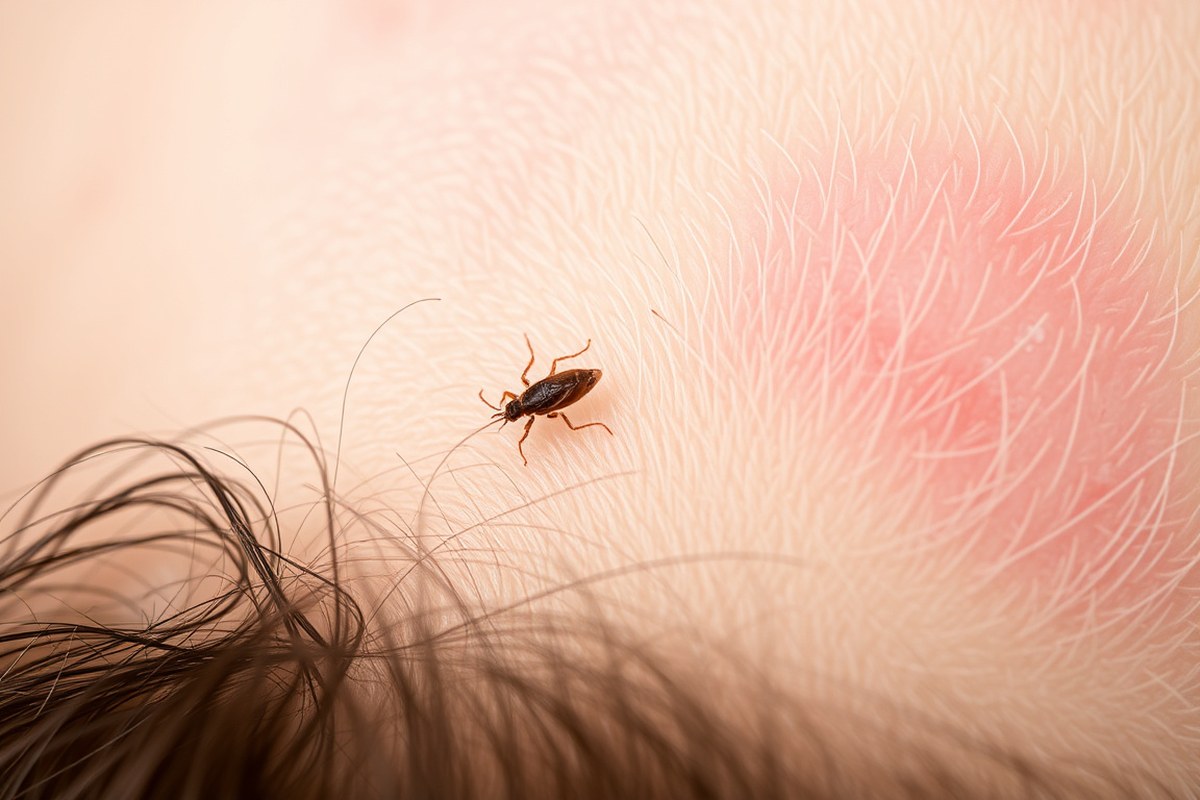
Identifying head lice early depends on spotting key symptoms like itching and seeing the lice or their eggs (nits) in the hair. Most people first notice lice due to itching that starts a week or more after infestation. Recognizing what lice and nits look like helps confirm an infestation so treatment can begin quickly.
Common Symptoms of a Lice Infestation
Itching on the scalp, especially at the back of the head and around the neck, is the most common sign of lice. This itch results from an allergic reaction to lice bites and usually appears one to four weeks after the first lice attach. In young children, scratching might lead to small red bumps or sores, especially if the skin becomes irritated.
Some children don’t show itching right away, so it’s possible to have lice without early symptoms. Pay attention also to a tickling feeling or the sensation of something moving in the hair. These signs can appear before itching starts and help catch an infestation sooner.
Differentiating Lice Bites from Other Irritations
Lice bites often cause small, red bumps with occasional crusting from scratching, but these can look similar to other skin conditions like eczema or insect bites. Unlike mosquito bites, lice bites usually cluster around the scalp, particularly around the ears and neckline. Itching that occurs without bumps or that spreads beyond the head may not be caused by lice.
Figuring out if itching is from lice matters because treatment targets live lice and their eggs rather than just relieving itchiness. When uncertain, the best way to confirm lice is by searching for live lice or nits itself rather than relying solely on skin symptoms.
Visual Identification of Live Lice and Nits
Live head lice are small insects about the size of a sesame seed (2 to 3 millimeters), tan to grayish-white, and move quickly. You might see them crawling near the scalp or behind ears. Nits are lice eggs stuck firmly to hair shafts and look like tiny oval-shaped specks, usually yellow, white, or brown. Nits are close to the scalp because they rely on warmth to hatch.
Different from dandruff or hair spray droplets, nits stick firmly to the hair and are not easily removed by brushing. Finding nits more than half an inch away from the scalp could indicate an old infestation or a mistaken detection. Checking the scalp behind the ears and at the neck’s base will help locate nits or lice more effectively.
Effective Home Screening Techniques
Using a fine-toothed lice comb on wet or dry hair is the most reliable method to find live lice or nits. Pour water or conditioner through the hair to immobilize lice, then comb from scalp to ends in sections, wiping the comb on a white paper towel to check for lice. This process takes 30 to 60 minutes for a thorough search, especially for children with longer hair.
Screen family members regularly after exposure, especially school-aged children, since head lice spread through close contact. Use good lighting and magnification tools if available to improve detection. A negative combing result after a careful 30-minute session strongly suggests no active infestation.
Regular combing at home every 2 to 3 days during an infestation helps catch new lice early and stop spread.
When to Consult a Healthcare Professional
Consult a healthcare provider if lice persist after two weeks of treatment or if you notice redness, swelling, or sores on the scalp that may indicate infection. Professionals can confirm an active infestation by finding live lice and recommend prescription treatments if over-the-counter options aren’t effective. They also provide guidance if your child is younger than 2 years or has health conditions that limit treatment choices.
Getting professional advice is important when multiple family members are infected or if this is a repeated problem. Medical professionals can also help identify lice that might have resistance to common treatments, ensuring you avoid ineffective methods.
Choosing the Most Effective Lice Treatments: OTC vs. Prescription
Choosing between over-the-counter (OTC) and prescription lice treatments depends on factors like effectiveness, cost, and resistance. OTC treatments often contain pyrethroids but face resistance issues, while prescription options tend to work better against resistant lice. Using the right product following label instructions and timing follow-up treatments are key to fast, effective results.
Top OTC Lice Treatments and Usage
Most OTC lice treatments use pyrethrin or permethrin as active ingredients. These products are widely available, generally cost between $10 and $30, and can be used for children ages 2 and up. However, many lice populations have developed resistance to these chemicals, limiting their kill rates.
To use these products, apply to dry hair, let sit for 10 minutes as instructed, then rinse and comb out nits. A second treatment 7 to 10 days later is often necessary to kill newly hatched lice. Avoid repeating treatments too soon, which can increase resistance risk and cause scalp irritation.
| Treatment | Active Ingredient | Kill Rate | Age Restrictions | Cost Range |
|---|---|---|---|---|
| Nix® | Permethrin 1% | Varies; many resistant lice | 2 years and older | $15, $25 |
| RID® | Pyrethrins, Piperonyl Butoxide | Varies; reduced due to resistance | 2 years and older | $10, $20 |
| Dawn Dish Soap (home remedy) | Surfactant (kills lice physically) | Higher kill rate than OTC chemicals | No age limit; use with care | Under $5 |
Some families try home remedies like Dawn dish soap, which acts by suffocating lice but requires careful application. Regularly combing wet hair with a fine-toothed comb remains essential for removing lice and nits regardless of treatment choice.
Prescription Options and Their Benefits
Prescription lice treatments come into play when OTC products fail or lice show resistance. Malathion lotion (0.5%) and spinosad topical suspension are two of the most effective options, capable of killing both lice and eggs in one application. They’re usually prescribed for children aged 6 months and older, depending on the treatment.
These products cost more, often between $50 and $150, but reduce the need for repeated treatments and laborious combing. Applying malathion requires letting it dry on hair naturally and avoiding washing for 8 to 12 hours for optimal effect. Spinosad usually needs to sit for 10 minutes before rinsing.
Prescription medications carry higher risks for skin irritation and allergic reactions, so they should be used under medical supervision. Only use them if recommended by a healthcare provider, especially for young children or sensitive scalps.
Understanding Treatment Resistance
Resistance occurs when lice survive exposure to commonly used chemicals. In 2015, mutant head lice resistant to pyrethroids were reported across many U.S. States. Research shows 98% of lice have some level of resistance to standard OTC pesticides like permethrin, reducing their effectiveness and slowing eradication.
Resistance means repeated use of the same treatment rarely succeeds alone. Switching to products with different active ingredients after an initial treatment helps prevent lice from adapting further. The CDC advises seeing a health care provider if OTC treatments fail, so professionals can recommend prescription options.
Effective lice control balances treatment type, accurate application, and follow-up care. Combining these methods with wet combing and cleaning steps helps break the infestation cycle and avoid reinfestation without relying solely on pesticides.
Wet Combing Technique: Step-by-Step Lice and Nit Removal
Wet combing is an effective way to physically remove head lice and their eggs (nits) from hair when done carefully and consistently. This method increases your chances of eliminating lice by manually extracting live bugs and firmly attached nits, which are often missed by treatments alone. It requires a fine-toothed metal nit comb, conditioner, and patience to work through the hair thoroughly.
Preparing the Hair and Tools
Start with clean, wet hair because damp hair helps slow down lice movement and opens the cuticle to make nit removal easier. Apply a generous amount of conditioner or a detangler to the hair to lubricate strands and help the comb glide through without snagging. Using a metal nit comb with very fine teeth designed specifically for lice removal improves the likelihood of removing both lice and nits because its teeth can get closer to the scalp and roots where eggs attach.
Remove any tangles gently before combing by using your fingers or a regular wide-tooth comb. Make sure your work area has good lighting and a plain surface where you can spot any lice or nits that fall during combing. Avoid hair dye before wet combing since dye can colour lice and nits like the hair, making detection harder.
Proper Combing Technique for Lice and Nits
Follow this step-by-step approach to comb through the hair thoroughly and maximize lice and nit removal:
- Saturate the hair with water and apply conditioner evenly, covering every strand from roots to tips.
- Divide the hair into small sections using clips. Smaller sections help you catch lice hiding in thick hair.
- Hold a section taut and place the nit comb close to the scalp at the roots.
- Slowly pull the comb through the hair to the ends in one smooth stroke, checking the comb for lice or nits after each pass.
- Wipe off any lice or eggs from the comb onto a white paper towel or tissue for easy spotting and disposal.
- Repeat multiple passes on each section, typically 4 to 5 times, until no lice or nits appear on the comb.
- Work your way through every section, combing the entire head to ensure thorough coverage.
When done properly, wet combing can remove both live lice and nits. Removing nits is important since they hatch after about 7 to 10 days, causing reinfestation. This method often complements other treatments, but alone may not always guarantee full eradication without repeated sessions.
Cleaning the Comb and Repeating Sessions
After each combing pass, clean the comb carefully in hot, soapy water to kill any lice caught on it. Soaking the comb in a disinfectant or rubbing alcohol for 10 minutes helps prevent spreading. Always dispose of any lice or nits you remove to avoid reinfestation.
Repeat wet combing every 2 to 3 days for at least 2 weeks. This persistence covers the full life cycle of lice and ensures newly hatched nits are caught early. Some recommend daily combing for even faster results. If using any lice treatment products alongside, wet combing remains essential to physically remove the eggs those products may not kill.
Watch for signs of irritation from frequent combing and condition the hair well to minimize discomfort or damage. Consider professional lice removal services when infestations persist despite repeated wet combing and treatment, as they combine precise combing with other advanced techniques. For a visual guide on the correct wet combing technique, videos available from reputable health sources like the CDC or lice treatment clinics demonstrate step-by-step procedures effectively.
Natural and Home Remedies: Which Ones Actually Work?
Natural remedies like tea tree oil show the most promise for killing lice quickly, especially when mixed with other oils such as lavender or coconut oil. Studies have found that tea tree oil and lavender oil mixtures can eliminate more than 97% of lice and their eggs, likely due to their combined insecticidal properties. Applying a diluted tea tree oil mixture directly to the scalp can be effective but requires caution to avoid irritation. Use about 10 drops of tea tree oil mixed with 2 tablespoons of carrier oil, like coconut oil. Massage it into the scalp, leave it on for at least 30 minutes, then comb through the hair to remove lice and nits.
Other popular home remedies like mayonnaise, olive oil, and vinegar are often used to suffocate lice by coating the hair and scalp. The standard method involves applying a thick layer of one of these substances, such as mayonnaise or olive oil, and covering the head with a shower cap for 6 to 8 hours. This strategy aims to seal the spiracles (breathing holes) of lice, potentially suffocating them. While some people report success, clinical evidence supporting their effectiveness is weak and inconsistent. These treatments typically require overnight application and can be messy, creating a longer process with no guarantee of rapid results.
Vinegar alone does not reliably kill lice but may help loosen the glue that holds nits to hair shafts, making combing easier. Adding essential oils like tea tree oil or lemon rind oil to vinegar can improve its lice-fighting abilities. Mouthwash has no proven effect in killing lice and is not recommended.
Neem oil is another natural product sometimes used for lice, thanks to its insecticidal components. However, solid scientific evidence for neem oil’s lice-killing speed is limited. Its use as a supplementary treatment might provide some benefit when combined with other methods, but avoid relying on it as the sole remedy.
When using any essential oil, always perform a small skin patch test to check for allergic reactions, especially on children. Essential oils should be diluted in carrier oils to prevent irritation. Applying neat (undiluted) tea tree or lavender oil directly to the scalp can cause redness or discomfort.
Do not rely solely on mayonnaise or olive oil to get rid of lice quickly; these methods often require long, messy applications and lack consistent proof of effectiveness.
Parents trying natural remedies as a first step should still plan for follow-up combing with a fine-tooth nit comb. This step is important because killing lice does not remove the eggs, which can hatch and restart the infestation. For faster results, combining essential oil treatments with thorough wet combing offers a more reliable approach.
Natural remedies may complement medical treatments, but proved insecticidal products remain the most effective for fast lice removal. Persistent infestations or symptoms that last more than two weeks warrant seeing a healthcare provider for prescription options.
Cleaning Your Home and Personal Items to Prevent Reinfestation
Head lice do not survive long off the scalp, usually less than 1 to 2 days without a blood meal. Their eggs also require the warmth of the scalp to hatch. This means thorough home cleaning helps prevent reinfestation but doesn’t have to be extreme. Focus on items and surfaces that have had recent direct contact with your child’s hair to remove any stray lice or nits.
Wash all bedding, clothing, and towels used within 2 days before treatment in hot water at a minimum of 130°F. Follow up by drying these items on the highest heat setting for at least 20 minutes. This temperature and duration effectively kills lice and nits. Items that cannot be washed, like stuffed animals or pillows, should be sealed in a plastic bag for 2 full days to ensure any lice die off naturally.
Combs, brushes, and hair clips need careful cleaning. Submerging these tools in water heated to at least 130°F for 15 minutes will kill lice and their eggs. Avoid using strong chemicals like bleach on hair items or the scalp. Also, vacuum places the affected person has been, such as car seats and furniture, to clear any lice that may have fallen off.
- Wash bedding, clothes, and towels in water at least 130°F and dry on high heat for 20 minutes
- Seal non-washable items like stuffed toys in plastic bags for 48 hours
- Soak combs, brushes, and hair accessories in hot water (130°F+) for 15 minutes
- Vacuum floors, upholstered furniture, and car seats thoroughly
- Keep hats, helmets, and scarves off for at least 48 hours after treatment
Lice generally do not live on furniture or hats for long because they need to feed on the scalp regularly. However, keeping these items off-limits for 48 hours can reduce the chances of reinfestation. Direct contact is the main way lice spread, so thorough combing combined with cleaning these personal items is most effective.
Cleaning your home and belongings on the same day as lice treatment will complement your efforts and help stop lice from returning. Persistent reinfestation often happens when eggs or lice on personal items are overlooked. Follow these temperature and time guidelines and repeat cleaning daily if you continue to find live lice or newly hatched nits close to the scalp to fully break the cycle.
Troubleshooting Persistent Lice: When and How to Seek Professional Help
If lice persist after following recommended treatment steps, it is time to consider professional help. Persistent lice often mean the infestation is resistant to over-the-counter treatments or that eggs (nits) survived the initial efforts. When you still see live lice or nits more than a week after treatment, or after two treatments spaced a week apart, professional intervention can increase your chances of success.
Professional lice clinics offer a reliable solution, particularly locations that use the Lice Clinics of America’s Signature AirAllé Treatment. This FDA-cleared device kills both lice and eggs in a single 45- to 90-minute session, combining heat technology with expert manual nit removal. This method differs from typical home treatments that often require multiple applications over several weeks and suffer from resistance issues. A single professional session aims to break the lice life cycle fast, reducing the risk of reinfestation.
Costs for professional lice treatment vary but typically range from $150 to $300 per session. Clinics usually provide a thorough head examination, heat-based treatment with the AirAllé device, and meticulous nit combing, ensuring a complete approach. The investment may seem higher than retail products, but it is often worth it when you encounter ongoing lice problems or when treatments at home have failed. Clinics report high success rates, backed by over a million treatments nationwide, making this a trusted option.
Expect a professional visit to focus on comfort and safety, with staff trained to handle children aged 3 and older gently yet effectively. The AirAllé system uses controlled heated air to desiccate lice and eggs without harsh chemicals. Since allergic reactions to lice treatments are rare but possible, professional clinics also monitor for any adverse responses during the procedure. This method avoids repeated chemical applications, reducing irritation.
Seek professional help especially if your child continues to show signs of live lice beyond one month or after two proper treatments. Ongoing infestations can be costly in time and emotional stress, and professional solutions can save you from extended cycles of combing and retreatment home chores. If your child experiences persistent itching or if you spot movement in the hair despite no recent exposures, a clinic visit offers a clear path to resolution.
A good rule of thumb: if you fail to eliminate lice with two different treatments spaced a week apart, contact a licensed lice clinic. Waiting too long increases the chance of the lice spreading to others and making eradication harder. Booking a professional treatment within 10 to 14 days of persistent infestation strikes the right balance between giving home methods a chance and preventing prolonged discomfort and social stigma.
Preventing Future Lice Infestations: Safety and Myth Busting
Preventing lice from returning after treatment involves careful and consistent practices. The best way to avoid re-infestation is to check your child’s scalp and hair daily for at least two weeks after treatment. Use a fine-toothed metal lice comb with good lighting to part the hair and look closely for live lice or nits. Removing lice eggs (nits) by hand helps stop them from hatching and causing the problem again. Ideally, spend 30 to 45 minutes combing through each section of hair by working from scalp to ends thoroughly, especially if the hair is shoulder length or longer.
It’s important to focus treatment on the scalp, not just the hair. Lice live and lay eggs close to the scalp where they can access warmth and blood meals. Most treatments instruct to massage the product into the scalp, leave it in for around 20 minutes, then rinse. Failure to saturate the scalp may cause the treatment to fail, leading to a quick return of lice. Continuing to check and comb every few days for up to three weeks prevents small missed nests from growing into a larger infestation.
Some common mistakes include cutting hair instead of using proper treatment, which is ineffective unless hair is shaved completely to the scalp, and relying on home remedies like mayonnaise or kerosene. Kerosene is extremely unsafe and should never be used. Mayonnaise may temporarily immobilize lice, but 90% can “come back” after it is rinsed off. Avoid these unsafe or ineffective methods and follow instructions on proven treatments carefully. Overusing or misapplying treatments raises the risk of scalp irritation or chemical burns, so never leave products on longer than directed or use multiple treatments in one day.
Concerning social concerns, it’s best to notify your child’s school or daycare as soon as lice are found. Many schools require notification to help prevent an outbreak. Trying to hide the treatment or infestation can lead to repeated exposure for your child and others, extending the problem. Some parents worry about stigma, but head lice infestations are common in children ages 3 to 12 and do not reflect poor hygiene.
The success of lice treatment is closely tied to thoroughness and timing. If lice return quickly, it’s usually due to incomplete removal of eggs or inadequate scalp coverage during treatment. Checking your child’s hair regularly for several weeks after treatment and removing any nits manually is essential. Tying long hair back reduces the chance of lice transfer and spreading to others. Keep a small supply of a metal lice comb on hand and use it after any known exposure to kids with lice.
Check your child’s scalp every night using a metal lice comb under bright light for at least two weeks to catch and remove any missed lice or eggs early.
Step-by-Step Action Plan to Get Rid of Lice Fast
Follow these clear steps to eliminate head lice quickly, prevent reinfestation, and confirm treatment success. Keep track of timing to stay ahead of the lice lifecycle.
- Before you start: Carefully inspect all family members’ scalps for lice and nits to confirm infestation. Successful diagnosis means you can confidently begin treatment without unnecessary steps.
- Day 1: Apply the chosen lice treatment according to the product instructions, over-the-counter or prescription. Effectiveness shows when no live lice can be seen after 8-12 hours following treatment.
- Day 2: Perform the wet combing technique thoroughly on all affected individuals to remove live lice and nits. You’ll know it’s working when combs come out clean or nearly clean without lice or eggs.
- Day 7: Repeat wet combing every 2-3 days during the first week post-treatment. This catches any lice that hatched after the initial treatment. Clear combs signal progress.
- Day 9-10: Apply a second lice treatment if live lice persist, following label guidelines. Persistent lice after this point may require professional help.
- Day 1 to Day 14: Clean household items like bedding, hats, and hairbrushes by washing them in hot water or sealing in plastic bags for 2 weeks. This prevents reinfestation by removing lice from your environment.
- After 2 weeks: Conduct a final thorough scalp inspection and wet combing to confirm no lice or nits remain. Absence of lice indicates treatment success and breaks the cycle permanently.
- Ongoing: Educate everyone in the household about lice prevention and avoid head-to-head contact. This reduces chances of future outbreaks and keeps your home lice-free.
Frequently Asked Questions
What Kills Head Lice Faster?
Over-the-counter and prescription treatments with proven ingredients like isopropyl myristate tend to kill lice faster than home remedies. Prompt treatment and thorough combing also help speed up removing live lice and eggs.
What Do Lice Hate the Most?
Lice dislike treatments with neem oil, coconut oil, and isopropyl myristate. These substances interfere with their ability to survive and lay eggs, making them useful in lice treatment routines.
What Kills Lice in 10 Minutes?
Neem leaf juice applied for 10-15 minutes can kill lice effectively. Leaving it on the scalp before washing helps break the lice’s life cycle faster.
What Gets Rid of Lice 100%?
No method guarantees 100% lice removal instantly due to egg resistance, but consistent use of prescription treatments plus combing greatly improves success. Proper cleaning of personal items also prevents reinfestation.
Can Lice Survive on Furniture or Car Seats?
Lice survive less than 2 days off the scalp; they cannot live on furniture for long. Cleaning and vacuuming these areas reduce chances of reinfestation.
How Often Should I Comb Hair to Remove Lice?
Wet combing every 2-3 days for at least 2 weeks helps remove lice and nits after treatment. Regular combing ensures any missed lice get captured and prevents a new infestation.
The Bottom Line
Getting rid of lice quickly requires a focused approach combining effective treatment and thorough combing. Start by carefully checking everyone in your household and begin treatment immediately on anyone affected. Taking this step today helps stop lice from spreading further and gets your family back to normal faster.