How to Get Rid of Pneumonia Fast: Clear Steps for Safe, Quick Recovery
To get rid of pneumonia fast, start antibiotics as prescribed, rest well, stay hydrated, and use breathing exercises to clear your lungs. Monitor symptoms carefully and seek medical care if breathing worsens or fever persists beyond 72 hours. Effective home care combined with timely treatment helps speed up recovery safely.
These clear steps are essential for parents, older adults, and anyone managing mild to moderate pneumonia symptoms at home. You will learn how to recognize different pneumonia types, manage symptoms, know when to get urgent medical help, and protect yourself and others from future infections.
Key Takeaways
- Start antibiotics promptly and expect signs of pneumonia improvement, like reduced fever and easier breathing, within 72 hours.
- Use breathing exercises and controlled coughing to clear mucus and improve lung function during pneumonia recovery.
- Rest well, stay hydrated, and manage fever carefully; avoid ibuprofen for dehydrated children or under 6 months without medical advice.
- Seek immediate medical care if symptoms worsen, breathing becomes difficult, or in high-risk groups like children under 2 or adults over 65.
- Recognize symptoms early and note pneumonia type differences: bacterial, viral, or walking pneumonia need distinct treatment approaches.
- Practice good hygiene and vaccination to reduce pneumonia spread and protect vulnerable people, including young children and older adults.
How to Treat Pneumonia Quickly and Safely at Home

Pneumonia can start to improve within 72 hours after beginning antibiotic treatment, though full recovery often takes one to three weeks depending on your overall health and the pneumonia type. Antibiotics such as amoxicillin or azithromycin are commonly prescribed, especially for bacterial pneumonia like walking pneumonia. It’s important to take the full course of antibiotics as directed, even if symptoms lessen, to prevent resistance and relapse.
While antibiotics target the infection, home remedies can make you more comfortable and support healing. Using a cool mist humidifier keeps your airway moist, which can ease coughing and chest discomfort. Saline nasal rinses clear mucus and reduce congestion. For those over one year old, honey can soothe a sore throat and calm coughs. However, these remedies don’t cure pneumonia but help manage symptoms alongside medical treatment.
Over-the-counter medications like acetaminophen or ibuprofen are safe for most people to reduce fever and relieve body aches caused by pneumonia. Follow the recommended dosage on the label and consider any personal health conditions or medications you’re taking. If you have concerns, consult a healthcare provider before using these medicines. A practical checklist to help you treat pneumonia safely at home includes:
- Start antibiotics promptly and complete the entire prescribed course.
- Use a cool mist humidifier regularly to soothe your airways.
- Perform saline nasal rinses to ease nasal congestion.
- Take fever reducers like acetaminophen or ibuprofen as needed, following dosage instructions.
- Rest sufficiently to allow your lungs to heal.
- Stay well hydrated with water, broth, and clear fluids.
- Monitor symptoms and seek medical care if breathing worsens or fever persists beyond three days.
Start your antibiotic treatment as soon as pneumonia is diagnosed. Symptom improvement, such as less fever and easier breathing, typically begins within three days. Using symptom-relieving home remedies during this time improves comfort without replacing medical treatment. Consistent monitoring ensures any complications are caught early, increasing your chances of a speedy and safe recovery.
Recognizing Pneumonia Symptoms Early and Differentiating Types
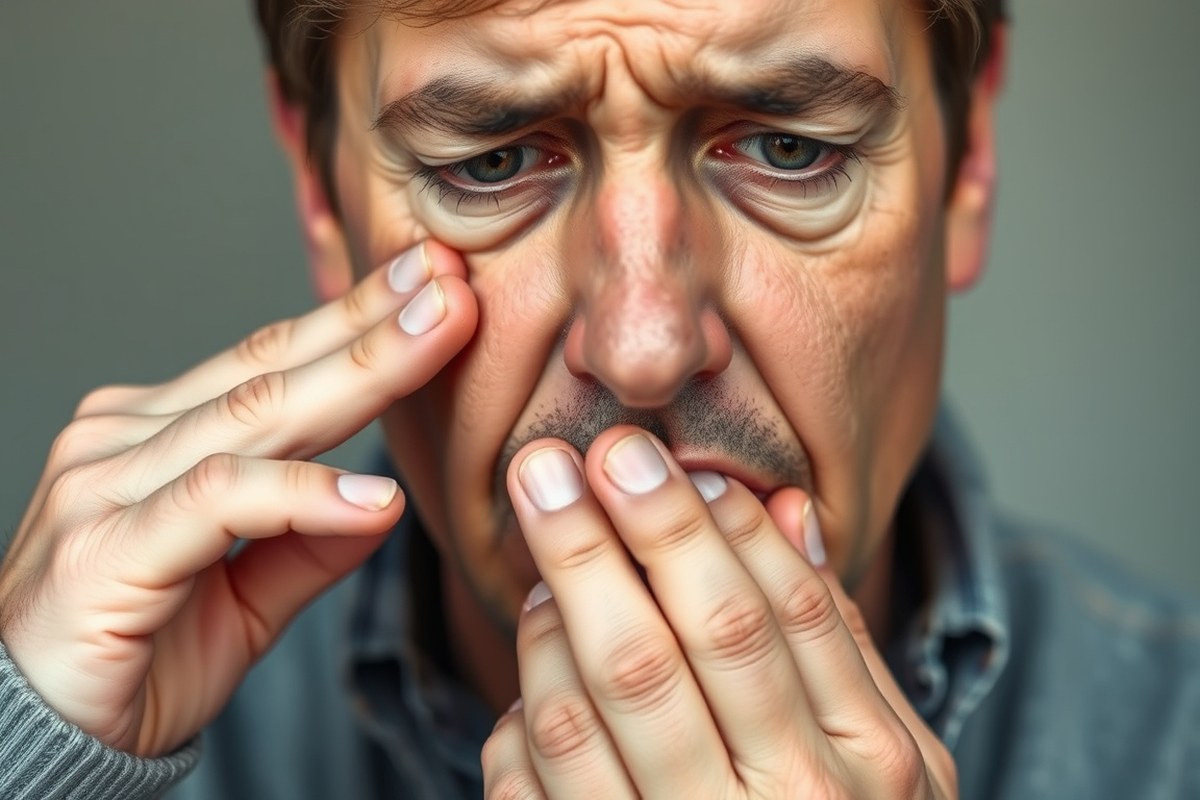
Early recognition of pneumonia is key to getting treatment quickly. Look for sudden fever, cough, shortness of breath, and chest pain. To tell if pneumonia is bacterial, viral, or walking pneumonia, check specific symptoms, how severe they are, and consider your age and health.
Common Early Symptoms to Watch For
Watch for fever above 100.4°F, chills, cough with mucus, chest discomfort, and trouble breathing. Fatigue and sweating often appear early. A cough may start dry and then produce phlegm over a couple of days. Some people feel confused or weak, especially older adults.
Children may refuse food, have fast breathing or grunting, and be unusually sleepy. Adults with weakened immune systems can have lower than normal temperatures instead of a fever. Early symptoms may be mild but worsen quickly within 48 hours without treatment.
Differences Between Bacterial, Viral, and Walking Pneumonia
The type of pneumonia changes symptoms, treatment, and contagiousness. Bacterial pneumonia often hits hard with high fever and thick, colored mucus. Viral pneumonia, caused by flu or COVID-19 viruses, starts with cold-like symptoms that worsen over days.
Walking pneumonia is milder and sometimes called atypical pneumonia. Its symptoms often mimic a cold or mild respiratory infection, including a lingering cough that lasts weeks, mild fatigue, and low-grade fever. Walking pneumonia is less severe but still requires care, especially in vulnerable people.
| Type of Pneumonia | Cause | Symptoms | Contagiousness |
|---|---|---|---|
| Bacterial Pneumonia | Common bacteria (e.g., Streptococcus) | High fever, chills, productive cough, chest pain | Usually not contagious |
| Viral Pneumonia | Influenza, COVID-19, RSV viruses | Fever, dry cough, fatigue, muscle aches | Highly contagious |
| Walking Pneumonia | Atypical bacteria (e.g., Mycoplasma pneumoniae) | Mild cough, low fever, headache, lingering cough | Contagious but less severe |
Knowing the differences helps direct treatment. Antibiotics target bacterial types but are not effective for viral pneumonia. Viral infections require symptom management and sometimes antiviral medications. Walking pneumonia may only need rest and fluids unless symptoms worsen.
Symptom Variations by Age and Health Status
Children under 5 and adults over 65 can show different signs. Young children may breathe faster or grunt and might not have a strong cough. Older adults sometimes have subtle symptoms like confusion or a low body temperature instead of a fever.
People with chronic conditions such as diabetes, heart failure, or COPD face higher risks. For them, symptoms may escalate quickly, and recovery could take longer. A lingering cough in these groups should not be ignored, as walking pneumonia can lead to complications despite its milder label.
Pay close attention to breathing changes and mental alertness in older adults; seek medical care immediately if breathing is difficult or confusion appears.
Effective Breathing Exercises and Cough Techniques to Clear Lungs
Effective breathing exercises and targeted coughing techniques can clear mucus from your lungs, reopen airways, and strengthen your breathing muscles during pneumonia recovery. Controlled breathing expands your lungs and reduces discomfort, while natural coughing helps remove mucus that might trap bacteria. Using cough medicine without a doctor’s advice can interfere with this process.
Deep Breathing Exercises to Open Airways
Deep breathing helps expand your lungs and reopen the tiny air sacs that may have collapsed due to pneumonia. This improves oxygen exchange and supports lung muscle recovery. Practicing these exercises several times a day can speed up your healing and reduce the feeling of breathlessness. Follow these steps for effective deep breathing:
- Sit or lie down comfortably in a quiet place.
- Put one hand on your chest and the other just beneath your ribs to sense the movement of your diaphragm.
- Inhale slowly through your nose, filling your belly with air while keeping your chest still.
- Hold your breath for 2 to 3 seconds.
- Exhale slowly through pursed lips, feeling your belly fall.
- Repeat this cycle 5 to 10 times, resting briefly if dizzy or tired.
- Do these exercises 3 to 4 times daily to gradually improve lung capacity and flexibility.
Controlled Coughing to Remove Mucus
Coughing helps clear mucus trapped in your airways, reducing infection risk and easing lung congestion. Using controlled coughing techniques makes this process more effective and less tiring. It’s preferable to avoid suppressing coughs unless prescribed by a healthcare provider because coughing naturally clears mucus that delays recovery. To practice controlled coughing, use these steps:
- Start by taking a deep, slow breath through your nose.
- Hold your breath for 2 to 3 seconds.
- Cough sharply two to three times in a row from your diaphragm to loosen mucus.
- Take another deep breath and swallow to clear your throat.
- Repeat if needed but avoid excessive coughing that causes chest pain.
- Use a tissue or cough into your elbow to prevent spreading germs.
- Practice this technique 3 to 4 times daily, especially after breathing exercises.
When to Use Expectorants or Avoid Cough Suppressants
Expectorants can thin mucus, making it easier to cough up and clear from your lungs. These are often helpful during pneumonia recovery when mucus is thick or difficult to expel. Always follow package directions and check with your doctor before starting any medication, especially if you have other health conditions.
Strong cough suppressants are generally avoided because they limit your body’s ability to clear mucus and can prolong infection. Your doctor might recommend suppressants only if coughing is severe and interrupts sleep or daily activities.
Remember to keep away from smoke, strong odors, and pollution, which can worsen lung irritation and slow recovery. Gentle lung exercises combined with careful use of expectorants when advised can improve your breathing and lung health as you get over pneumonia.
Home Care Tips for Rest, Hydration, and Fever Management
Getting enough rest is essential for a faster recovery from pneumonia. Your body needs time to fight the infection and repair lung tissue. For mild cases like walking pneumonia, adequate rest means avoiding strenuous activities and aiming for at least 7 to 9 hours of sleep each night. During the day, take short naps as needed and limit physical exertion until symptoms improve. Overdoing it can prolong illness or worsen symptoms.
Drinking plenty of fluids helps thin mucus and prevents dehydration, which is common when you have a fever. Warm fluids such as ginger tea or fenugreek tea can soothe your throat and may ease chest discomfort. Water is the best choice, aim for at least 8 to 10 cups daily unless otherwise directed by your healthcare provider. Avoid caffeine and alcohol, as these can dehydrate you. Taking small sips frequently throughout the day keeps you hydrated and helps clear mucus from your lungs.
A hot shower or steam inhalation can be beneficial, especially if you have chest congestion. The warm, moist air helps loosen mucus and makes coughing more productive. Spend 10 to 15 minutes in a warm shower or breathe in steam from a bowl of hot water covered with a towel a few times daily. Make sure the water isn’t too hot to avoid burns, and sit comfortably to prevent lightheadedness. People with low blood pressure or heart problems should check with a healthcare provider before using steam therapy.
For managing fever and pain, over-the-counter medicines like acetaminophen (Tylenol) or ibuprofen (Advil) are generally safe and effective. Acetaminophen can reduce both fever and mild pain, while ibuprofen also reduces inflammation. Follow dosing instructions on the package, and avoid giving aspirin to children or teens due to the risk of Reye’s syndrome. Take these medications only if you have no contraindications and consult your doctor if you have liver, kidney, or stomach issues. Using these pain relievers can make you more comfortable and promote better sleep, aiding your recovery.
Specific situations may require adjustments. Older adults or those with weakened immune systems may need longer rest periods and closer hydration monitoring. Parents should ensure children drink fluids frequently and avoid fever reducers containing aspirin. Those with high fever or severe pain might need further medical evaluation before using OTC medicines. Always read medication labels carefully and consult with a healthcare professional if you are unsure about dosing or interactions with other drugs. Proper rest, hydration, and safe fever management together contribute to easing pneumonia symptoms and supporting your body’s healing process.
When to Seek Medical Care or Emergency Help for Pneumonia
Seek medical care immediately if you develop pneumonia symptoms such as a high fever over 102°F (39°C), rapid breathing above 30 breaths per minute, chest pain when breathing or coughing, or confusion. These signs indicate the infection may be severe or advancing, requiring professional evaluation to prevent complications like respiratory failure or sepsis. For people with underlying health problems or weakened immune systems, faster intervention is especially important.
After starting antibiotics for bacterial pneumonia, you should see improvement within one to two days. If symptoms like fever, cough, or shortness of breath do not improve or get worse after three days of treatment, contact your healthcare provider. Lack of response may mean the pneumonia is caused by resistant bacteria, a virus, or a complication requiring a different treatment approach. Urgent medical attention is necessary if any of the following conditions arise alongside pneumonia symptoms:
- Difficulty speaking or severe breathlessness when at rest
- Blue or pale lips or face indicating low oxygen
- Chest pain that is sharp, persistent, or worsening
- Persistent vomiting or inability to keep fluids down
- Sudden confusion, drowsiness, or difficulty waking up
- Signs of dehydration such as lightheadedness or very dry mouth
- Rapid heartbeat over 130 beats per minute or abnormal heart rhythms
Don’t delay seeking care if your breathing becomes harder or your fever spikes after starting treatment; these are warning signs of complications.
Even if you’re generally healthy, pneumonia can worsen quickly, so prompt evaluation ensures timely treatment to avoid severe illness or hospitalization. A healthcare provider may need to adjust medications, order tests, or provide oxygen therapy based on clinical findings. For children, older adults, or people with chronic illnesses, contacting a medical professional at the earliest sign of pneumonia can prevent serious issues.
Comparing Treatments and Recovery Timelines by Pneumonia Type
Treatment and recovery for pneumonia depend largely on the type you have: bacterial, viral, or walking pneumonia. Bacterial pneumonia typically requires antibiotics, with most people starting to feel better within 24 to 72 hours after beginning treatment. Viral pneumonia does not respond to antibiotics, and recovery depends on the body’s ability to fight the virus, sometimes aided by antiviral medication. Walking pneumonia, often caused by Mycoplasma pneumoniae, is usually milder and may resolve on its own, though antibiotics might be given if bacteria are involved.
Recovery time differs. Many with bacterial pneumonia see signs of getting better in a few days, but a full return to normal, including the end of cough and tiredness, may take 10 to 14 days. Those with viral pneumonia can spread the infection until they’ve been without a fever for several days and might take longer to feel completely recovered. Symptoms of walking pneumonia can last for weeks and often overlap with common cold signs, which can delay recognizing the illness. While walking pneumonia often improves on its own without treatment, using antibiotics can help you recover faster if the bacteria are confirmed or symptoms become worse.
| Type of Pneumonia | Treatment Approach | Medication Needs | Expected Improvement Timeline | Full Recovery Time | Contagious Period |
|---|---|---|---|---|---|
| Bacterial Pneumonia | Antibiotics essential | Azithromycin, doxycycline, or other antibiotics | Improvement 1, 3 days after antibiotics | 10, 14 days to full recovery | Usually not contagious after starting antibiotics |
| Viral Pneumonia | Supportive care with possible antivirals | Antiviral medication if prescribed | Varies; symptoms often last a week or more | Can take several weeks | Contagious until fever-free for several days |
| Walking Pneumonia | Often mild; antibiotics if bacterial cause confirmed | Azithromycin or doxycycline if bacterial | Symptoms may linger; mild improvement over days | Several weeks for complete symptom resolution | Similar to bacterial pneumonia if bacterial cause |
Effective treatment with antibiotics can shorten the duration of bacterial pneumonia symptoms, typically seen within the first few days, though lingering cough and tiredness can take up to two weeks to resolve completely. Walking pneumonia differs as its mild symptoms can cause delays in diagnosis and treatment, and without antibiotics, symptoms may last longer, but often still clear without severe complications. Viral pneumonia requires patience and symptom management, with antiviral drugs only prescribed in certain cases. Recognizing the type through medical advice is key since treatments and recovery times vary widely depending on whether bacteria or viruses cause your pneumonia.
Preventing Pneumonia Spread and Future Infections Safely
Pneumonia can be contagious, especially when caused by viruses or bacteria that spread through respiratory droplets. You can pass these germs by coughing, sneezing, or close contact with others. To prevent spreading pneumonia, avoid close contact with family members and friends while you are sick. Use tissues to cover your mouth and nose whenever you cough or sneeze, then throw the tissues away immediately. Wash your hands thoroughly with soap and warm water for at least 20 seconds regularly, especially after coughing, sneezing, or touching your face. Disinfect commonly touched surfaces like doorknobs, faucets, and phones daily to reduce the chance of passing germs.
Sharing personal items such as utensils, towels, or drinking glasses can also spread pneumonia-causing germs, so keep these items separate until you have fully recovered. Wearing a disposable mask in close environments can also help reduce transmission, especially around people who have weakened immune systems or chronic lung conditions. Staying home from work, school, or public places while contagious minimizes the risk of infecting others.
Vaccination is an effective way to prevent pneumonia and reduce the risk of recurring infections. Several vaccines protect against the bacteria and viruses most commonly linked to pneumonia, including pneumococcal vaccines and influenza vaccines. Childhood immunizations include vaccines against diseases like Haemophilus influenzae type b (Hib) and pneumococcus, which are important because children are particularly vulnerable to pneumonia. Adults, especially those over 65 or with chronic health problems, should keep up with pneumococcal and flu shots as recommended by healthcare providers.
Cost varies by location and insurance coverage but many vaccines are available at low or no cost through public health programs. Routine vaccination not only protects you but also helps prevent community outbreaks. Along with vaccines, managing chronic health conditions such as asthma, diabetes, and heart disease lowers the risk of pneumonia returning.
Stopping treatment courses too early or incorrect antibiotic use can cause pneumonia to come back. When bacterial pneumonia isn’t fully treated, the infection may flare up again. If pneumonia does return, it could mean the initial cause wasn’t targeted correctly or that your immune system needs extra support. Maintaining good hygiene, avoiding smoking, and ensuring adequate rest and nutrition help your lungs recover and strengthen their defenses.
Good respiratory health habits and regular check-ups can help you avoid future respiratory infections. Vaccinations combined with daily practices like handwashing, avoiding tobacco smoke, and staying clear of others when symptomatic create a safer environment to reduce the chance of pneumonia recurrence or spread.
Caring for Vulnerable Groups with Pneumonia at Home
Caring for children, older adults, and immunocompromised individuals with pneumonia requires close attention to their unique symptoms and risks. Recognizing subtle signs early and providing safe, tailored care at home can improve recovery and prevent complications. Communication with healthcare providers is key to managing symptoms effectively and knowing when to seek help.
Recognizing Pneumonia in Children and Infants
Children with pneumonia might act differently than adults. They often show cold-like symptoms and cough, but younger children or infants may have less obvious signs. For children under 2 years, watch for difficulty breathing, rapid breathing (more than 50 breaths per minute for infants under 12 months, or over 40 for toddlers), chest retractions, or grunting sounds. Infants may also be unusually irritable, lethargic, or feeding poorly, which can indicate worsening illness.
Because infants under 6 months may not display typical pneumonia symptoms, steady monitoring is critical. Fever may be absent, so pay close attention to breathing patterns and alertness. Promptly contacting a healthcare provider if your child shows any unusual signs such as bluish lips or face, persistent vomiting, or inability to drink fluids helps avoid dangerous delays in treatment.
Special Steps for Elderly or Immunocompromised Care
Older adults, especially those 65 and older, often experience different symptom patterns. Instead of a cough or fever, they might show confusion, weakness, or decreased kidney function that lasts beyond the infection. Pneumonia in this group can contribute to long-term problems like cognitive decline or heart issues, so effective management at home includes vigilant symptom tracking and maintaining hydration.
People with weakened immune systems require extra caution because their bodies may not fight pneumonia strongly. Keep the home environment clean, avoid exposure to others with respiratory infections, and monitor for worsening symptoms such as increased breathlessness, chest pain, or fatigue. Fluid intake and medication adherence recommended by a doctor make a significant difference in recovery speed and safety.
Do not ignore confusion or sudden behavior changes in the elderly with pneumonia; these can indicate serious complications requiring emergency care.
Communication Tips When Talking to Healthcare Providers
Having a clear, organized way to report your observations helps healthcare providers make timely decisions. Keep a daily log of symptoms including temperature, breathing rate, cough severity, appetite, and energy level. Share specific details like when symptoms started and any changes you notice, especially if your child or loved one acts differently than usual.
Use this script to prepare for calls or visits: “My [child/parent] has pneumonia and started coughing on [date]. They have a temperature of [number]°F, and I noticed [breathing difficulty, lethargy, poor feeding]. Their symptoms have [improved/worsened] since [event]. Are there any specific signs I should watch for that indicate we need urgent care?” This approach helps ensure you provide relevant information quickly, speeding up guidance or treatment adjustments.
Your Step-by-Step Plan to Treat Pneumonia Quickly and Safely at Home
Follow this clear plan to address pneumonia symptoms effectively, support your recovery, and know when to get professional help.
- At First Signs: Monitor symptoms closely, noting fever, cough, or difficulty breathing. Early recognition helps start treatment promptly.
- Day 1, 3: Begin prescribed antibiotics if bacterial pneumonia is diagnosed, or focus on rest and hydration if viral. Improvement means reduced fever and easier breathing.
- Daily: Practice gentle breathing exercises and controlled coughing to clear lung congestion. You’ll notice less chest tightness and easier airflow.
- Throughout Recovery: Get plenty of rest and drink fluids regularly to stay hydrated. Signs you’re on track include stable energy levels and decreased cough severity.
- Watch Closely: Track your temperature and breathing. Seek medical care immediately if you develop persistent high fever, rapid breathing, chest pain, or confusion.
- Week 1, 2: Follow up with your healthcare provider to assess recovery or adjust treatment. You should feel progressively better with fewer symptoms.
- Ongoing: Prevent spread by practicing good hygiene, avoiding close contact with others, and properly covering your mouth when coughing. Prevention helps protect you and others.
- For Vulnerable Individuals: Provide extra monitoring and support at home, and consult a healthcare professional early. Quick attention reduces risk of complications.
Frequently Asked Questions
How to Clear Out Lungs from Pneumonia?
Clearing your lungs involves deep breathing exercises and coughing techniques that help remove mucus. This can improve breathing and lung function during recovery.
What Kills Pneumonia Bacteria?
Antibiotics like azithromycin or doxycycline are used to kill bacteria causing pneumonia. These work best when prescribed based on the specific type of bacteria involved.
What Can I Drink to Reduce Pneumonia?
Drinking plenty of fluids like water and herbal teas helps thin mucus and keeps you hydrated, aiding recovery. Avoid excessive caffeine as it can dehydrate you.
Is a Hot Shower Good for Pneumonia?
A hot shower can loosen mucus in your lungs and ease breathing, but avoid very hot water to prevent dehydration or dizziness.
How Long Does Pneumonia Recovery Usually Take?
Recovery varies, but mild cases may improve within 1 to 3 weeks; walking pneumonia often lasts 4 to 6 weeks.
Can Pneumonia Be Prevented with Vaccines?
Vaccines against flu and COVID-19 reduce pneumonia risk by preventing infections that can lead to it.
Final Thoughts
Getting rid of pneumonia fast means starting proper care as soon as you notice symptoms. Taking prescribed antibiotics or antivirals if given, resting well, and staying hydrated all help speed up recovery. Today, check your home for a reliable thermometer and keep it handy to monitor your temperature, this simple step can guide you on when to seek urgent medical care if needed.