How to Get Rid of School Sores: Effective Treatments and Prevention Tips
To get rid of school sores, also known as impetigo, start treatment promptly with antibiotics and keep the sores covered to prevent spreading. Children should stay home from school or daycare for at least 24 hours after starting antibiotic treatment and only return once sores are no longer weeping and fully covered. Proper hygiene and isolation are key to stopping the infection from passing to others.
This information is for parents, caregivers, and school staff managing school sores in children. You’ll find clear advice on spotting early symptoms, choosing effective treatments, home care steps to speed healing, and prevention tips to stop recurrence and protect other kids.
Key Takeaways
- Keep your child home from school or daycare for at least 24 hours after starting antibiotic treatment to prevent spreading school sores.
- Ensure sores are fully covered with dressings before sending your child back to school to reduce infection risks to others.
- Use topical or oral antibiotics as prescribed, avoiding common treatment mistakes like incomplete courses for faster healing.
- Apply a cloth soaked in a vinegar and warm water mix to sores for 10 minutes, three times daily, to soothe and assist healing.
- Watch for early signs such as red sores that ooze fluid, and begin treatment promptly to limit spread and severity.
- Avoid school-related exposure during the contagious phase, which may last up to two days after starting treatment, by isolating your child at home.
What Are School Sores and How Do They Develop?
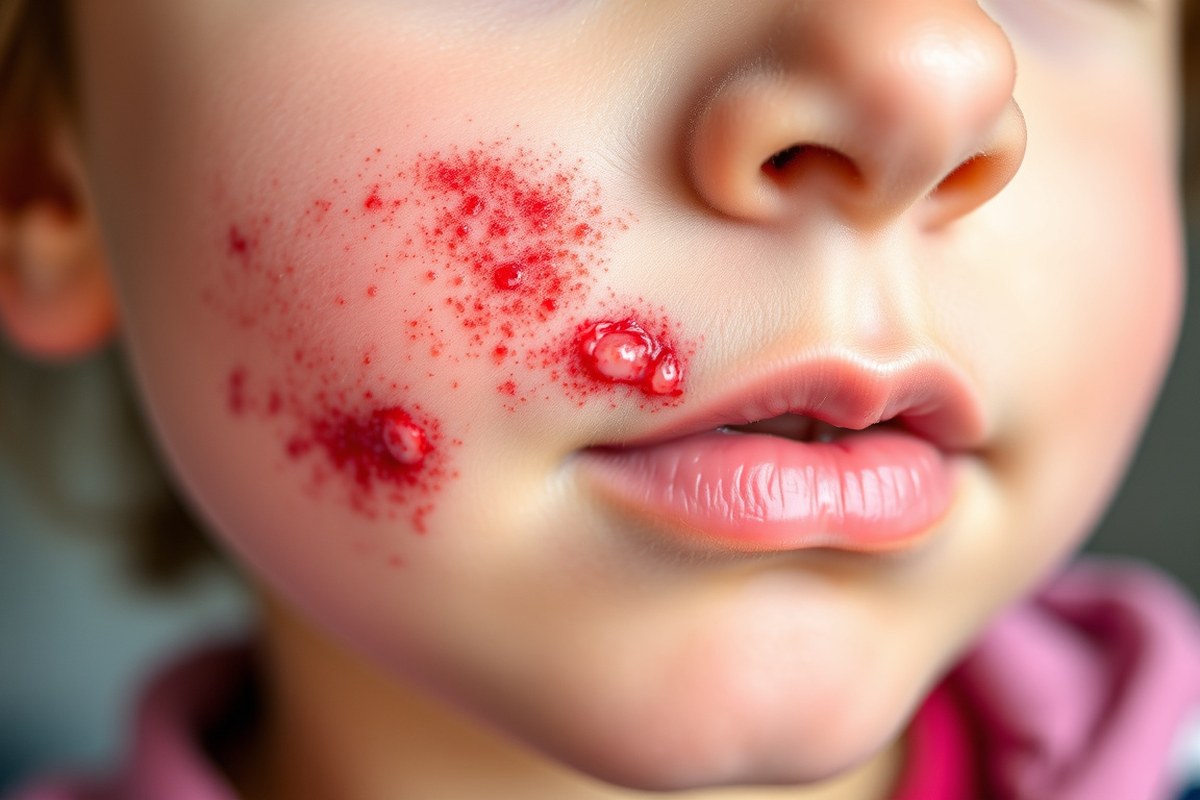
School sores, medically known as impetigo, are a common and highly contagious skin infection. They mainly affect school-age children and appear as red sores or blisters on the skin. These sores often burst and form a yellowish crust or scab. While unsightly, school sores usually do not cause lasting skin damage or serious health issues if treated properly.
The infection is caused by bacteria, most commonly Staphylococcus aureus (staph) and Streptococcus pyogenes (strep). These bacteria can live harmlessly on the skin, inside the nose, or in the throat. However, when they gain entry through a break in the skin, such as a scratch, cut, insect bite, or an area affected by eczema or chickenpox, they can lead to impetigo.
The process begins when the bacteria settle on damaged or vulnerable skin. They multiply and cause inflammation, leading to the formation of small blisters filled with fluid. These blisters can quickly burst, releasing fluid that spreads the bacteria to nearby skin or other people. The fluid then dries to form the characteristic honey-colored crusts that are a hallmark of school sores.
The incubation period, the time from first contact with the bacteria to the appearance of sores, typically ranges from 4 to 10 days. This means a child could be exposed to the bacteria and not show any signs for days afterward. The sores develop most often on the face, hands, and around the nose and mouth, but can appear anywhere on the body.
School sores are particularly contagious because the bacteria are easily passed through close contact, shared towels, or items like clothing and toys. Any time the skin is damaged, the risk of infection increases, making children with cuts or existing skin conditions more vulnerable. Prompt recognition and treatment reduce the risk of spreading and speed healing.
How School Sores Spread and Early Signs to Watch For

School sores are highly contagious skin infections caused by bacteria, usually Staphylococcus aureus or Streptococcus pyogenes. They spread easily through direct skin-to-skin contact or by touching items contaminated with the fluid from the blisters. Because children share toys, towels, and clothing, the infection often spreads quickly among groups in schools or daycare settings.
The incubation period, the time between exposure to the bacteria and the appearance of symptoms, varies depending on the type of bacteria involved. For streptococcal infections, symptoms typically appear within 1 to 3 days. For staphylococcal infections, it can take from 4 to 10 days. Early recognition of signs is key to controlling spread.
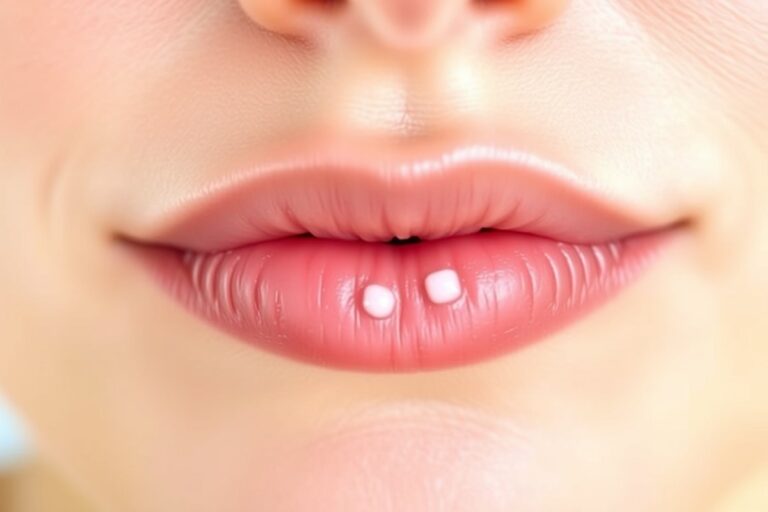
Symptoms usually start with red, itchy spots that turn into fluid-filled blisters. These blisters soon burst, leaking a yellowish fluid that easily spreads the infection to nearby skin and other people. The sores often form crusty, honey-coloured scabs, especially around the mouth, nose, hands, or other exposed areas. Kids might feel mild discomfort or itchiness around the sores but generally do not have fever in uncomplicated cases.
Keep all sores completely covered with dressings and avoid touching them to reduce contagiousness.
To track early signs and manage contagiousness effectively, watch for the following checklist of symptoms and contagiousness factors:
- Appearance of small red spots or blisters around the nose or mouth
- Blisters bursting within 1 to 3 days after exposure for streptococcal infections
- Crusting or honey-coloured scabs forming soon after blister rupture
- Fluid from blisters highly contagious when they burst
- Direct contact or touching contaminated surfaces spreads infection
- Child remains contagious until 24 hours after starting antibiotics and sores are covered
- Incubation period can last up to 10 days for some bacterial strains
Keep children out of school or daycare until they’ve had at least 24 hours of antibiotics and all sores are fully covered. This helps lower the chance of spreading bacteria to others. Because the rash can spread before symptoms show, watching for suspicious blisters and covering them quickly is key to avoiding outbreaks.
Choosing the Right Treatment: Topical vs. Oral Antibiotics and Natural Remedies
School sores usually clear up well with treatment. Applying antibiotic creams often works for mild cases, but widespread or stubborn sores may need oral antibiotics. Some parents look to natural remedies, but their safety and effectiveness are less certain and should be approached cautiously.
Topical Antibiotics: Usage and Effectiveness
Topical antibiotic creams are the first line of treatment for school sores in most children. Applying the cream directly to the sores helps kill the bacteria causing the infection and usually leads to quick healing without scarring. Most sores start improving within 24 to 48 hours after beginning treatment, which also reduces infectiousness.
For best results, clean the affected skin gently with warm water and mild soap before applying a thin layer of antibiotic ointment two to three times daily. Covering the sores with a waterproof dressing after applying the cream helps prevent spreading the infection to others, especially if they are on exposed areas like the face or hands.
Pharmacists can recommend effective over-the-counter options or direct you to a doctor for prescription ointments. Children should stay home from school or daycare until 24 hours after starting treatment and while sores remain uncovered on exposed skin.
When Oral Antibiotics Are Recommended
Oral antibiotics are needed when school sores are widespread, don’t get better with creams, or if the infection spreads under the skin. Doctors often recommend medications like dicloxacillin or cephalexin, usually given once or twice daily with food for up to 10 days.
Always complete the full antibiotic treatment even if sores seem healed to avoid the infection coming back or creating drug resistance. Kids usually stop being contagious around 24 hours after starting oral antibiotics, so they can return to school after that time if their sores are covered properly. Doctors avoid oral antibiotics unless necessary due to the growing concern about antibiotic resistance, so topical treatments are tried first if possible.
Evidence and Risks of Popular Natural Remedies
Several natural remedies, such as aloe vera, honey, tea tree oil, neem, and turmeric, have been explored for managing school sores and supporting skin health. Aloe vera gel may soothe inflammation and promote healing. Honey, especially medical-grade types, has mild antibacterial properties. Tea tree oil can be used in diluted form (below 25%) for topical application.
However, medical evidence supporting the use of these natural options against impetigo is limited and inconclusive. Some reports caution against remedies like garlic for impetigo treatment due to a lack of confirmed effectiveness. Natural products can sometimes cause allergic reactions or skin irritation, so they should be used carefully and avoided on broken or sensitive skin unless advised by a healthcare provider. Natural treatments may serve as complementary care but should not replace prescribed antibiotics in treating school sores, particularly in moderate to severe cases. Below is a comparison table summarizing key treatment options for school sores.
| Treatment Type | When Used | How to Use | Duration | Effectiveness | Return to School |
|---|---|---|---|---|---|
| Topical Antibiotics | Mild or localized sores | Apply cream 2-3 times/day; cover with waterproof dressing if exposed | Until sores heal, usually 5-7 days | High for mild cases | After 24 hours of treatment, sores covered |
| Oral Antibiotics | Widespread sores, cellulitis, or resistant infection | Oral capsules/liquid once or twice daily with food | Typically 7-10 days; complete full course | High for extensive infections | After 24 hours of treatment, sores covered |
| Natural Remedies (Aloe Vera, Honey, Tea Tree Oil, etc.) | Complementary treatment or mild symptoms | Apply topical natural products carefully; do not rely solely on these | Varies; no set duration | Limited and inconclusive evidence | Not a substitute for antibiotics; follow medical advice |
You can discuss with a pharmacist or doctor to choose the best option for your child’s specific situation. Monitoring progress carefully ensures the chosen treatment is working and that complications are avoided.
Step-by-Step Home Care to Comfort and Speed Healing
To care for school sores at home, focus on gentle cleaning, applying antibiotic treatments properly, covering sores with dressings, and practicing thorough hygiene. These steps help healing, reduce discomfort, and prevent the infection from spreading to others or other parts of the body.
Cleaning and Soaking the Sores
Cleaning the sores carefully removes crusts and bacteria so treatments work better. Soaking helps loosen dried pus and scabs, which makes wiping the sores less painful and more effective.
Use warm, soapy water at a comfortable temperature around 90°F (32°C). Avoid hot water as it can irritate the skin. Soak the affected areas for about 10 to 15 minutes once or twice daily to soften crusts. After soaking, gently wipe the sores with a clean, wet cloth to remove loosened debris. Pat the skin dry with a clean towel, do not rub, as this can worsen irritation.
Applying Antibiotic Cream and Dressings
Applying antibiotic ointment stops bacteria from multiplying and speeds healing. Dressings protect sores from scratching and reduce the chance of infecting others. Follow these steps to apply treatment and dressings effectively:
- Wash your hands thoroughly with soap and dry them before touching sores.
- Apply a thin layer of prescribed or over-the-counter antibiotic cream 2 to 3 times a day to all affected areas.
- Allow the cream to absorb before covering the sores.
- If the sores are itchy or the child scratches frequently, trim fingernails short to prevent skin damage.
- Cover each sore with a waterproof dressing, changing the dressing every day or whenever it becomes wet or dirty.
- Dispose of used dressings carefully and wash your hands afterward.
- Continue treatment for about 7 days or as directed by the healthcare provider, completing the full course to avoid antibiotic resistance.
Maintaining Hygiene to Prevent Spread
Good hygiene practices help stop school sores from spreading to others and other parts of your child’s body. The infectious stage lasts until sores are fully healed or no longer oozing.
Have your child wash hands with soap and water thoroughly and frequently, especially after touching the sores. Keep towels, bedding, and clothing separate and clean them in hot water regularly. Avoid sharing personal items like towels, clothing, or bedding with others during this time. After treating sores or changing dressings, always wash your hands carefully.
Managing Discomfort and Itching
Itching from school sores can tempt a child to scratch, increasing the chance of spreading infection or scarring. Managing this discomfort helps promote healing.
Keep fingernails trimmed short and consider covering sores with firm, waterproof dressings to prevent scratching. Applying cool compresses or gently rinsing sore areas with cool water may help soothe itching. Avoid using harsh soaps or irritants on the sores. Consult with your healthcare provider if itching remains severe, as they might recommend safe topical options to reduce irritation.
Preventing Spread and Recurrence: Hygiene, Isolation, and School Guidelines
You can prevent school sores from spreading at home and school by focusing on hygiene, isolation, and following school rules. School sores are highly contagious, especially when kids scratch the itchy sores. Keep fingernails trimmed short to reduce scratching and quickly cover sores with clean bandages or clothing to block contact with other kids or surfaces.
Children with school sores should stay home from school or daycare until they’ve been on antibiotic treatment for at least 24 to 48 hours and sores are drying up. This isolation helps limit contact with other children and reduces the risk of spreading the infection. Check with your child’s school for any additional policies they might have about returning after skin infections.
- Wash hands frequently with soap and water, especially after touching sores or applying ointment.
- Use separate towels, bedding, and clothing to avoid sharing germs.
- Keep sores covered with waterproof dressings during bathing and swimming activities.
- Launder clothes, towels, and bedding in hot water (at least 130°F) and dry on high heat.
- Encourage your child not to scratch or touch sores, explaining the importance in simple terms.
- Clean and disinfect common surfaces like doorknobs, toys, and bathroom fixtures daily.
- Consult your healthcare provider if sores worsen, spread after treatment, or new sores appear.
Good hygiene habits not only help clear the current infection but also reduce the chance school sores come back. Sometimes the bacteria live inside the nose, so regular handwashing and avoiding nose-picking can lower the risk of reinfection. Persistent or repeated cases might require your doctor to check for this and possibly recommend a nasal ointment.
Preventing your child from scratching the sores is key; trim nails short and consider using mittens for younger kids, especially at night, to reduce accidental scratching.
When to Seek Medical Help and Recognizing Warning Signs
You should see a doctor if your child’s school sores do not start to improve within 24 to 48 hours of beginning treatment. Proper treatment with topical ointments or oral antibiotics typically leads to noticeable healing in this timeframe. When there is no reduction in redness, swelling, or pus, it may require a different medication or further diagnosis.
It is also essential to seek immediate medical attention upon noticing any signs of complications. School sores that develop into ecthyma, characterized by deep, painful sores filled with pus and surrounded by inflamed skin, require professional care. Untreated infections can lead to cellulitis, a serious bacterial skin infection that causes redness, warmth, swelling, and pain spreading around the sores. Cellulitis can cause fever and requires urgent medical treatment.
- Sores still worsening or not improving after 2 days of treatment
- Development of deep, painful pus-filled sores (ecthyma)
- Spreading redness or swelling around the sores suggesting cellulitis
- High fever accompanying skin symptoms
- Dark or decreased urine output indicating possible kidney involvement
- New or worsening symptoms such as fatigue or swelling of limbs
- Signs of scarring forming from sores, especially ecthyma
Follow the full prescribed course of treatment even when the sores seem to clear up quickly. Stopping too soon can cause a relapse or antibiotic resistance. When the sores appear crusted and have been present for several days without improvement, or new sores keep appearing, a healthcare provider needs to reassess the condition. A doctor can confirm if the rash is indeed impetigo and recommend stronger or alternative medications.
Cost for a doctor visit can vary widely but expect around $100 to $200 without insurance. Prescription antibiotic ointments typically cost $10 to $30. Oral antibiotic prices vary depending on the drug prescribed. Prompt medical care reduces the risk of scarring and long-term skin problems. Always contact a healthcare professional if you observe any warning signs or if the infection does not respond to initial treatment.
Safe Use of Bleach Baths and Other Special Care for Sensitive Skin
Bleach baths can be a safe and effective way to reduce the bacteria that cause school sores, especially when the skin is sensitive or eczema-prone. Using a carefully diluted bleach solution helps disinfect the skin and loosen crusts without causing irritation. It’s essential to follow precise steps and take extra precautions to protect your child’s delicate skin during treatment.
Preparing a Safe Diluted Bleach Bath
To make a bleach bath safe for a child’s skin, use regular household bleach that contains 4% chlorine, such as White King Bleach. Dilution is critical to avoid irritation or chemical burns. The recommended amount is 12 milliliters (about 2.5 teaspoons) of bleach for every 10 liters (about 2.6 gallons) of lukewarm bathwater. Follow these steps to prepare the bath properly:
- Fill the bathtub or a suitable basin with 10 liters (about 2.6 gallons) of lukewarm water, around 92°F (33°C), comfortable to the touch but not hot.
- Measure out 12 milliliters (2.5 teaspoons) of 4% chlorine bleach.
- Add the bleach to the water and stir gently to mix fully.
- Help your child step into the bath, ensuring the affected skin areas are submerged.
- Supervise the child closely during the bath to prevent swallowing water or rubbing eyes.
- Limit soaking time to 10 minutes, which is enough to reduce skin bacteria without drying the skin.
- Rinse your child with fresh, lukewarm water after the bath if guided by a healthcare provider.
- Pat the skin dry gently with a clean towel and apply any prescribed moisturizers or topical medicines immediately to lock in moisture.
Frequency and Duration of Bleach Baths
The typical recommendation is to give bleach baths two to three times per week. This frequency helps keep bacteria levels low on the skin without disrupting the natural protective barrier. Each session should last about 10 minutes or less.
Some children may notice improvement in signs like reduced crusting or fewer new sores within a week. Continuing the baths for several weeks may be needed to fully clear up persistent infections. Consult your doctor to adjust the duration based on your child’s response and skin condition.
Special Care for Eczema or Sensitive Skin
Children with eczema or sensitive skin require extra care during bleach baths because their skin barrier is already fragile and prone to dryness or irritation. Using a bleach bath can still be helpful to control infection but must be paired with supportive skin care.
After the bath, apply thick, fragrance-free moisturizers promptly to soothe and protect the skin. Avoid harsh soaps or scrubbing during the bath, as these can worsen eczema. Seek advice from your pediatrician or dermatologist before combining bleach baths with other treatments like topical steroids or antibiotics to ensure safety and effectiveness.
Precautions and What to Avoid
It is important not to share the bath or towels with other family members to prevent the spread of school sores. Never use undiluted bleach or add more bleach than recommended; this can cause chemical burns or severe irritation. Avoid using bleach baths if your child’s skin is broken open and painful unless your doctor advises it.
Avoid combining bleach baths with other harsh skin treatments simultaneously unless directed by a healthcare professional, as this may increase irritation or reduce the benefits of each treatment. Always monitor your child for any signs of redness, increased itching, or discomfort during or after the bath, and stop the bleach baths if these occur. Contact your doctor for guidance if unsure.
Common Treatment Mistakes and How to Avoid Them for Faster Healing
Delaying effective treatment or mishandling school sores can prolong healing and increase the chance of spreading the infection. A common mistake is not washing hands thoroughly before and after applying ointment or touching affected skin. This mistake allows the bacteria to transfer to other areas or people. Use soap and warm water for at least 20 seconds each time and dry hands completely.
Another frequent error is letting children return to school too soon. School sores remain contagious until 24 to 48 hours after starting antibiotics or until sores fully heal and crust over. Sending a child back too early risks infecting classmates and staff. Keep them home during this contagious period and follow your healthcare provider’s advice on timing.
Trying natural remedies without guidance can cause irritation or worsen sores. Some essential oils and home treatments may inflame sensitive skin or interact with prescribed antibiotics. Stop any natural treatment if redness, swelling, or burning increases. Inform your doctor to adjust the care plan safely.
- Clean sores gently with mild soap and lukewarm water twice daily.
- Apply prescribed antibiotic ointment according to the label, usually three times daily.
- Keep fingernails trimmed short to prevent scratching and spreading bacteria.
- Use clean towels and bedding daily to reduce bacterial buildup.
- Avoid sharing towels, clothing, or personal items to limit spreading.
- Cover sores with dry, breathable bandages until healed.
- Discourage children from touching or picking at sores.
Neglecting hygiene measures or skipping treatment doses can cause sores to worsen or develop resistance. Consistency is key: follow the exact medication schedule and proper skin care every day. Healing usually happens within 7 to 10 days with correct treatment, showing skin improvement and less crusting. If sores grow larger, multiply, or new ones appear, seek medical advice promptly to reassess the treatment plan.
Always consult your child’s healthcare provider before starting any home remedies to avoid irritation or unexpected interactions with prescribed treatments.
Step-by-Step Action Plan for Managing School Sores
Follow these clear steps to treat school sores effectively, prevent them from spreading, and know when to get medical help.
- Before you start: Identify sores early by checking for red, itchy blisters that ooze and form a yellow crust. Early detection helps limit spread and speeds treatment.
- Day 1: Clean the affected area gently with mild soap and water, then apply prescribed topical antibiotics or use an oral antibiotic if directed by a doctor. Successful treatment usually shows improvement within 2 to 3 days.
- Days 1, 7: Keep the sores covered with a clean, non-stick bandage to prevent spreading. Change bandages daily or if they become wet or dirty. You’ll know this works when no new sores appear on your child or family members.
- Throughout treatment: Practice strict hygiene by washing hands frequently, avoiding sharing towels or clothing, and washing bedding and clothes in hot water. This reduces risk of reinfection and protects others.
- After 1 week: Continue treatment until sores have fully healed and crusts have fallen off. Healing is clear when skin looks normal without redness or scabs.
- During care: Avoid bleach baths unless advised by your healthcare provider, as they can irritate sensitive skin if used improperly.
- If sores worsen or spread after 5 days: Seek medical help promptly. Signs include swelling, fever, or sore spreading beyond initial sites, indicating possible complications.
- After healing: Maintain good hygiene and monitor your child for new sores to prevent recurrence. Never share personal items at school or home to keep school sores from returning.
Frequently Asked Questions
How Do I Know When My Child Is No Longer Contagious with School Sores?
Your child is usually no longer contagious after 24 hours of antibiotic treatment and when all sores are fully covered by dressings. Keep sores covered during this time to prevent spread at school or daycare.
Can School Sores Come Back After Treatment?
School sores can recur, especially if hygiene practices slip or sores are not fully healed before returning to group settings. Maintaining clean skin and covering sores helps reduce the chance of recurrence.
How Long Should Sores Be Covered at School?
Sores should stay covered at all times in school until fully healed to prevent spreading. Use watertight dressings and replace them regularly to keep wounds protected and dry.
Are There Any Home Remedies That Speed Up Healing of School Sores?
Some mild home care like gentle cleaning and keeping the area dry can help, but don’t rely on home remedies alone. Antibiotics remain necessary for effective healing.
Can Itching from School Sores Be Relieved Safely at Home?
You can soothe itching by applying cool compresses and keeping the child’s nails short to prevent scratching, which can cause more infections. Avoid harsh creams unless prescribed.
Should Siblings of a Child with School Sores Be Treated or Checked?
Siblings should be observed closely for symptoms but don’t require antibiotics unless sores or symptoms appear. Early detection helps prevent spreading within the household.
Before You Go
Getting rid of school sores takes consistent care and attention to early signs. Start today by making sure your child’s sores are covered with clean dressings whenever they interact with others. This simple step helps protect both your child and those around them while supporting faster healing.