How to Get Rid of No See Ums: 8 Effective Strategies That Actually Work
To get rid of no see ums effectively, focus on eliminating their breeding areas, using traps that mimic carbon dioxide, and applying suitable natural or chemical controls. Physical barriers and rapid treatment of bites also help reduce their impact around your home. Combining these strategies provides the best results without relying on temporary fixes like foggers alone.
This advice is meant for homeowners, renters, and gardeners struggling with these tiny biting flies near water or damp soil. You’ll learn how no see ums live and breed, which yard conditions encourage them, and how to protect yourself and your property using proven methods that actually work.
Key Takeaways
- Identify no-see-ums by their tiny size (1-3 mm) and presence near fresh or stagnant water bodies.
- Target breeding sites in moist environments as no-see-ums take 2 to 6 weeks to mature through aquatic stages.
- Reduce yard moisture and standing water to limit no-see-um populations, as environmental conditions directly affect their growth.
- Use natural repellents and traps for small infestations; choose EPA-registered chemical options like PF Harris for heavier issues.
- Employ DIY or commercial light and CO2 traps to effectively capture no-see-ums outdoors.
- Install fine mesh screens and seal entry points to physically block no-see-ums from entering your home.
1. How to Identify and Understand No-See-Ums

No-see-ums are tiny biting midges measuring roughly 1 to 3 millimeters long, belonging to the Ceratopogonidae family, most commonly the genus Culicoides. These insects are much smaller than mosquitoes, which range from 6 to 12 millimeters. Their minute size often makes them barely visible to the naked eye, especially when flying. Because they can pass through standard window screens that block mosquitoes, no-see-ums easily enter homes and outdoor spaces, causing problems.
Recognizing no-see-ums can be tricky due to their size and resemblance to other small biting insects. Unlike mosquitoes that are more visible in flight, no-see-ums are rarely seen moving. They tend to be most active around dawn and dusk during calm weather. No-see-ums feed by biting exposed skin, especially around the ankles, wrists, and near the hairline, where their bites leave a sharp, burning sting rather than the mild prick associated with mosquitoes. Their bites often cause more severe itching that can linger for several days.
No-see-um bites differ from mosquito and flea bites in both appearance and reaction. While mosquito bites usually cause mild itching and a raised bump, no-see-um bites feel like a sharp sting initially and produce raised, red welts that are frequently more painful and persistent. Flea bites often appear in clusters around the ankles but tend to itch less intensely than no-see-um bites. The duration and severity of itching from no-see-um bites often lead to scratching that may increase the risk of skin irritation or infection.
No-see-ums differ from mosquitoes not only in size but also in behavior and breeding. Unlike mosquitoes, which require standing water for their larvae, no-see-ums breed in moist soil and decaying organic material near water sources. Their flight range is about half a mile to one mile, shorter than the up to three-mile range common to mosquitoes. They also fly at different times and are active on calm mornings and evenings rather than primarily at night. These differences affect how you might control them compared to other biting insects.
Identifying no-see-ums accurately helps you choose the right prevention and control methods. For example, standard mosquito window screens won’t block no-see-ums, so you may need finer mesh screens or other physical barriers. Wearing insect repellents with DEET or picaridin can provide up to eight hours of protection from their bites. Since no-see-ums are not known to transmit diseases to humans in many regions, including Massachusetts, the main issue is comfort and preventing their irritating bites. Paying attention to their peak activity times and preventing exposure during dawn and dusk can significantly reduce bite incidents.
2. Where No-See-Ums Breed and Their Life Cycle Details

No-see-ums breed primarily in damp soil and areas with moist vegetation around your home. They are attracted to standing water found in places like bird baths, clogged gutters, drain pipes, and even water caught in leaves or garden plants. These tiny biting midges can also use aquatic environments such as marshes or wet lawns. Reducing these breeding sites is essential since the females need moist conditions to lay their eggs.
The life cycle of no-see-ums follows four main stages: egg, larva, pupa, and adult. The eggs are laid in wet or damp areas and hatch within a few days. Larvae and pupae develop in these moist soils or shallow water and typically require 5 to 14 days to mature. After about 28 days from the initial egg-laying, adults emerge, ready to seek hosts for blood meals and reproduce. The entire cycle generally lasts around six weeks, but factors like temperature and moisture can speed up or slow this process.
Adult no-see-ums are very small, between 1 to 4 millimeters long, often less than 1/16 inch, and gray in color. Their tiny size allows them to easily pass through ordinary window screens, which is why special no-see-um mesh with openings around 0.6 millimeters is necessary to keep them out. Once they emerge, these adults tend to stay within a few hundred yards of their breeding sites, rarely traveling more than 300 yards. Their limited range means controlling breeding grounds close to your home significantly reduces their presence.
- Remove standing water from bird baths, plant saucers, and gutters weekly
- Keep soil in garden beds well-drained and avoid excessive watering
- Clear debris and leaves where water can collect and create damp habitats
- Use no-see-um mesh on screened porches, windows, and tents to block adults
- Regularly inspect and empty clogged drainpipes and rain barrels
- Consider carbon dioxide traps placed near breeding sites to attract and capture adults
Avoid letting dampness persist for more than a week around the property, as this allows larvae and pupae to complete their development uninterrupted. Interrupting their life cycle with regular maintenance reduces the need for strong chemical controls and keeps biting midges far from your living spaces.
Targeting breeding areas by removing any standing water and reducing wet soil conditions is the most effective way to break the no-see-um life cycle and control their population near your home.
3. How Environmental Factors and Yard Conditions Affect No-See-Um Populations
No-see-ums thrive in environments where moisture is abundant, making standing water and damp soil prime breeding grounds. To reduce their population, focus on eliminating any sources of stagnant water around your yard. This includes regularly emptying bird baths, cleaning clogged gutters, and fixing areas with poor drainage. Standing water as small as puddles can support no-see-um larvae, so thorough inspection and removal are key. Removing these wet spots disrupts their life cycle, which generally lasts from two to six weeks depending on conditions.
Mulch and rich organic debris also contribute to no-see-um attraction. These pests prefer damp, organically rich soil to lay eggs, meaning yard areas with thick mulch or persistent garden ooze can harbor them. Maintaining your landscaping to avoid overly moist conditions helps create a less inviting environment. For example, thinning mulch layers to improve air circulation or replacing soggy organic layers with drier alternatives cuts down suitable breeding space. Wet mulch that stays damp for more than a few days is especially problematic.
Climate plays a significant role in no-see-um populations. Regions with warm, humid conditions, like parts of Florida, see heightened activity from early spring through late fall. These pests are less active in cooler, drier climates. In warm areas, the combination of moisture and temperature accelerates their development and increases the frequency of their biting. Managing yard moisture is even more important in such climates to mitigate their numbers effectively.
Routine yard maintenance impacts no-see-um attraction by reducing moisture and potential shelters. Regularly clearing fallen leaves, debris, and fixing irrigation leaks prevents moisture buildup. Avoid overwatering lawns and garden beds, which can create continuous damp environments that support their breeding. For yards under 5,000 square feet, targeted treatments combined with environmental management can keep no-see-um populations manageable.
Some homeowners find it helpful to use insecticides like Bithor or Cyonara to treat areas prone to infestation. For liquid treatments, mix approximately 1 ounce per 5 gallons of water to cover up to 5,000 square feet, applying twice a week initially. This approach works best alongside efforts to reduce standing water and moist soil, as chemical treatment alone rarely solves the problem if breeding sites remain. Costs for these insecticides vary, but environmental modification is usually the most cost-efficient and long-lasting strategy.
4. Choosing Between Natural and Chemical Control Methods for No-See-Ums
Choosing the right way to deal with no-see-ums depends on the balance between safety, effectiveness, and convenience. Natural remedies like essential oils offer a safer, eco-friendly option, while chemical pesticides and repellents often provide longer-lasting control. Knowing when to use each method can help reduce bites without unnecessary health risks.
Essential oils such as lemon eucalyptus (Eucalyptus maculata var. Citriodora) and Melaleuca ericifolia have shown high repellency against no-see-ums. For example, lemon eucalyptus oil repels up to 100% of Culicoides obsoletus midges, outperforming DEET, which offers around 75% repellency. Mixing essential oils like citronella, peppermint, and lavender can amplify protection while being gentle on the skin and environment. Applying these oils as sprays or lotions, typically diluted, a common ratio is 2 ounces of essential oil per gallon of water, covers about 5,000 square feet when applied with a hose-end sprayer. Their effect usually lasts a few hours and may require reapplication, especially in humid or wet conditions.
| Method | Effectiveness | Duration | Safety | Cost Range | Application Notes |
|---|---|---|---|---|---|
| Essential Oils (Lemon Eucalyptus, Melaleuca) | High (up to 100% repellency) | Up to 3 hours | Safe for skin and environment | $10, $30 per bottle | Dilute before spraying; reapply every few hours |
| DEET-Based Repellents | Moderate to High (around 75%) | 4 to 8 hours | Safe if used per label; avoid on sensitive skin | $5, $15 per bottle | Apply to exposed skin; avoid eyes and mouth |
| Chemical Pesticides (Residual Sprays) | High; kills and repels | Days to weeks | Requires caution; not for direct skin contact | $20, $50 per treatment | Apply to breeding grounds; follow label instructions |
| Vinegar | Low | Minimal to none | Generally safe but ineffective | Under $5 per bottle | Not recommended as primary repellent |
Vinegar lacks scientific support as an effective repellent or killer of no-see-ums and should not be relied upon. Instead, essential oils present a natural and proven option. For example, products like ESSENTRIA IC use plant-derived oils to provide federal exemption under pesticide regulations and deliver safe, effective control around sensitive areas like waterways. On the other hand, chemical pesticides are well-suited for treating no-see-um breeding sites, offering longer control periods but must be handled carefully to avoid health hazards.
Choosing between natural and chemical methods depends on your setting and sensitivity. Use natural essential oil repellents when you want safe, short-term protection on your skin or around family areas. Opt for DEET-based repellents if you need longer-lasting protection during extended outdoor exposure. Resort to chemical pesticides only for outdoor breeding site treatments or heavy infestations, and always follow label directions strictly to protect yourself and the environment. Combining these approaches can offer a practical balance: treat breeding grounds with pesticides while using natural repellents on yourself.
5. DIY and Commercial Traps That Catch No-See-Ums Effectively
DIY traps and commercial devices like CO2 traps and repellent systems can catch no-see-ums effectively, especially when combined with other control efforts. Sticky traps capture these tiny pests by adhesion, while CO2 traps attract them by mimicking human breath. Repellent devices such as the Thermacell LIV 2.0 provide ongoing protection by releasing EPA-registered zone repellents, making them useful for outdoor activities or residential use.
How to Make a DIY No-See-Um Sticky Trap
A sticky trap works by attracting no-see-ums with light or color and then trapping them on a sticky surface. These traps are affordable and easy to set up but tend to work best in small, controlled areas or as a monitoring tool rather than a full control method. You can make your own sticky trap using simple household materials.
- Cut a piece of yellow or white cardboard about 8 by 10 inches.
- Apply a thin layer of non-toxic adhesive or sticky glue over the surface. A mix of natural resins or commercially available glue boards can work.
- Place the trap near areas where no-see-ums gather, such as near damp soil or shaded shrubs.
- Improve the trap 2 to 3 feet off the ground, as no-see-ums tend to fly at low to mid-height.
- Replace the sticky surface every 7 to 14 days or as it fills with insects.
- Use it early in the morning or late afternoon when no-see-ums are most active.
Sticky traps won’t eliminate no-see-ums alone but can reduce local numbers; avoid placing traps in windy, open areas where they won’t catch effectively.
Overview of Commercial CO2 Traps and Their Use
Commercial CO2 traps attract no-see-ums by releasing carbon dioxide that mimics human and animal breath. This lure draws the insects close to a fan or sticky surface inside the trap, where they become trapped or eliminated. These traps are rated moderately effective to highly effective for no-see-ums, especially in humid, heavily infested areas.
On the downside, commercial CO2 traps can be expensive, ranging from $100 to over $300 depending on the model, and require periodic refills of CO2 canisters or other attractants. They also consume electricity and need maintenance. Proper placement matters for best results: near breeding sites but away from areas where people gather to prevent drawing pests closer to you.
Expect to leave these traps running continuously during peak no-see-um seasons, which can last weeks since no-see-ums take 2, 6 weeks to reach adulthood. Results typically emerge after several days to a couple of weeks.
Place CO2 traps away from your outdoor seating or play areas, as they attract no-see-ums and other biting insects toward the device’s location.
Tips for Using Repellent Devices Outdoors and Indoors
Repellent devices such as the Thermacell LIV 2.0 provide a zone of protection by releasing a continuous, EPA-registered repellent targeting no-see-ums and mosquitoes. Thermacell devices are popular among homeowners in regions like Eastern Massachusetts and create a protective barrier that reduces bites without the need for sprays.
Installation involves mounting the unit outdoors where you spend most of your time, such as patios or decks. The device uses heat to volatilize repellent mats and usually covers a zone about 15 feet in diameter. Costs typically run between $70 to $120 for starter units plus periodic replacement mats at around $10 each.
This system works best for social gatherings and everyday backyard use, offering bite-free zones for 4-6 hours per mat. Indoor use is less common but possible in well-ventilated rooms. Combining repellent devices with physical barriers and traps improves overall pest control effectiveness.
Start using the Thermacell device about 15 minutes before going outdoors for full repellent activation and check mat replacement intervals to maintain consistent protection.
6. Physical Barriers and Homeproofing Against No-See-Ums
Standard window and door screens do not keep no-see-ums out because their mesh openings are too large. To prevent these tiny biting midges from entering your home, you need a screen mesh with openings no larger than 1 mm. Sealing gaps in frames, around doors, and other entry points is important since even small tears or unsealed edges allow no-see-ums to slip indoors, where they can become a nuisance.
Choosing the Right Mesh Size for No-See-Ums
No-see-ums are very small, about 1 mm or less in size. Most standard screens have mesh openings between 1.1 to 1.5 mm, large enough for these pests to enter. The best option is a biting midge screen or no-see-um mesh, which has openings around 1 mm or smaller. This tightly woven mesh completely blocks no-see-ums while still allowing air flow.
Materials for fine mesh screens include fiberglass and stainless steel. Fiberglass is more affordable, costing approximately $1 to $3 per square foot installed, while stainless steel offers greater durability and may cost $5 or more per square foot. Retractable screens with no-see-um mesh provide the flexibility to open doors or windows without inviting insects inside. Motorized or retractable versions are recommended for patios and doors.
Sealing Common Entry Points Indoors
Screening alone is not enough if gaps remain around doors, windows, or wall penetrations. You should carefully inspect the following areas for cracks or gaps: window and door edges, corners of screens, door sweeps, and ventilation openings. Use weather stripping, door sweeps, or silicone caulk to seal these entry points.
- Press a light behind your screen in the dark to spot small holes or gaps.
- Install a tight-fitting door sweep on exterior doors.
- Apply silicone or acrylic latex caulk around window frames and wall penetrations.
- Use weather stripping around movable window parts and sliding doors.
- Repair or replace torn or damaged screen fabric immediately.
Ensuring that all screens fit securely into their frames and that corner joints are sealed tightly reduces the chances no-see-ums can enter. Routine maintenance helps keep these tiny pests from exploiting unnoticed breaches.
Indoor Controls for No-See-Um Prevention
No-see-ums can enter living spaces but do not typically breed indoors. If you notice them inside, ceiling or standing fans can reduce their presence by disrupting their weak flight capabilities. High fan speeds create airflow zones no-see-ums cannot handle.
Placing fine mesh pet nets over sleeping areas prevents bites while resting. These nets must have tight enough weaves to block all small insects. Vacuuming and promptly removing any attracted lights or sugary residues indoors also discourages no-see-um activity inside your home.
7. Fast Relief and Treatment for No-See-Um Bites
Relieving the itching and irritation from no-see-um bites quickly depends on cleaning the skin, reducing inflammation, and calming the itch. Applying cold and using over-the-counter anti-itch creams like 1% hydrocortisone can provide noticeable relief within minutes. Avoid scratching to prevent further irritation or infection.
Cleaning and Cooling the Bite Area
Cleaning the bite area gently with soap and water removes irritants that worsen itchiness. After cleaning, applying a cold compress helps reduce inflammation and numbs the skin to stop itching temporarily. Follow these steps to prepare the bite for treatment and ease symptoms:
- Wash your hands thoroughly with soap and water to avoid infection.
- Gently clean the no-see-um bite area with mild soap and lukewarm water.
- Pat the area dry with a clean towel, avoiding rubbing.
- Apply a clean cold compress or an ice pack wrapped in cloth to the bite for 10 to 15 minutes.
- Remove the cold compress and let the skin return to normal temperature.
- Repeat the cold compress application as needed every hour to reduce swelling and itching.
Over-the-Counter Topical Treatments
After cooling the bite, using a topical anti-itch treatment can cut down redness and irritation. Products containing 1% hydrocortisone cream are effective for most mild to moderate no-see-um bites. Calamine lotion and aloe vera gel also soothe itching and promote healing.
Apply these treatments sparingly, following package directions. Do not use hydrocortisone cream on broken skin or for more than seven days without a doctor’s advice. Prices for these products generally range from $5 to $15 at pharmacies.
For extremely itchy bites, some people find relief from sting relief swabs, which temporarily numb the skin. Avoid scratching the bites during treatment to prevent secondary infections, which may require medical care.
When to Seek Medical Advice for Severe Reactions
Most no-see-um bites improve with home care, but severe allergic reactions require urgent medical attention. Signs include difficulty breathing, swallowing, rapid swelling beyond the bite area, widespread rash, or intense pain.
If the bite looks infected, showing increasing redness, warmth, swelling, pus, or worsening pain, contact a healthcare provider promptly. Severe allergies or worsening symptoms may need prescription medication or professional treatment to prevent complications.
8. Common Mistakes and When to Seek Professional Pest Control Help
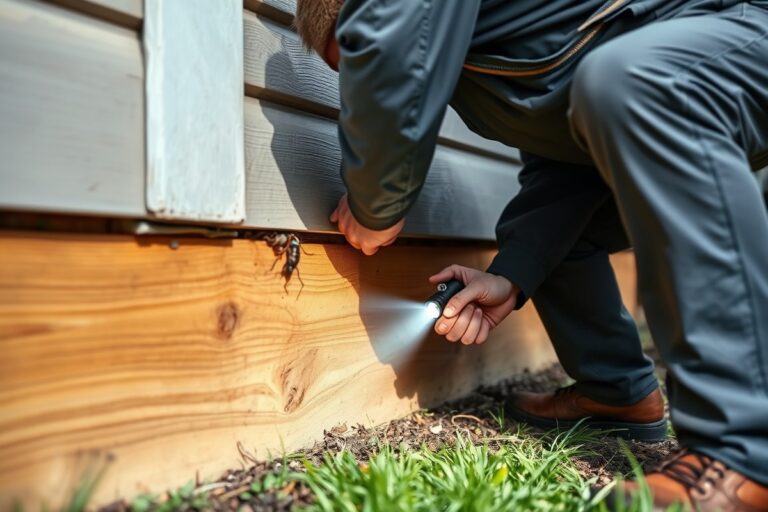
One common mistake people make when trying to get rid of no-see-ums is relying solely on basic spraying inside the home or on surfaces where these pests are not actively breeding or resting. For example, simply spraying floors, as some try, often fails because no-see-ums primarily breed in damp soil or marshy areas outside, making targeted outdoor treatments necessary. Fix this by identifying and treating breeding grounds with approved insecticides or professional fogging treatments that reach those habitats.
Another frequent error is expecting quick results after one treatment. No-see-um populations can rebound if conditions remain favorable. Monitoring effectiveness involves checking for new bites or visible pest activity daily or weekly after treatment. Set a decision rule: if no reduction in bites or midge numbers happens within 7 to 10 days, or if populations return strongly after initial decline, it’s time to reassess treatment methods or seek professional help. Using traps or light traps before and after treatment can give a measurable idea of success.
Cost varies widely depending on your control strategy. DIY solutions like dehumidifiers or commercial traps may cost between $30 and $150, while insecticides range from $10 to $50 per product. Professional pest control typically includes property assessment and directed fogging or barrier sprays, usually running from $150 to $500 depending on property size and severity of infestation. Persistent or severe cases that require repeated treatments or complete approaches will be at the higher end of this range. The investment pays off by reducing biting incidents and allowing you to use your outdoor spaces comfortability again.
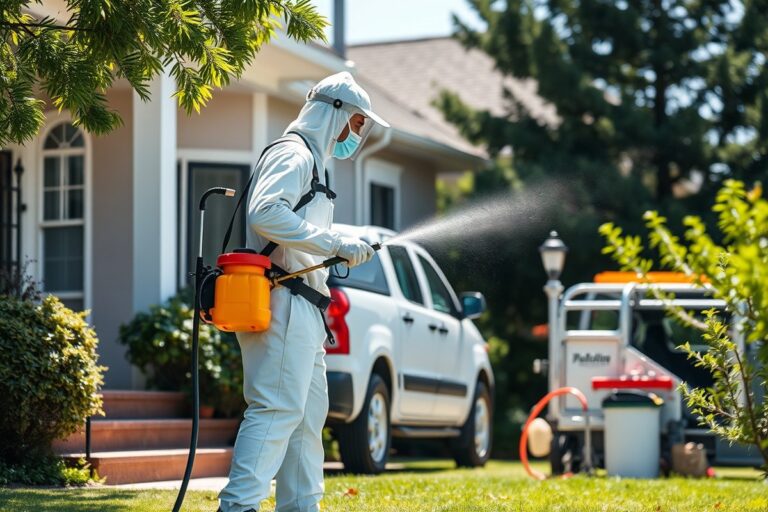
Professional treatments become necessary when DIY methods fail over multiple weeks or if the no-see-um population is widespread across your property. Licensed pest control technicians have access to EPA-registered pyrethroid sprays and specialized equipment that cover breeding sites and resting spots more effectively. Also, they can advise on environmental modifications like eliminating standing water or installing barriers that most individual efforts overlook. A pest control service can provide targeted fogging combined with strategic advice to lower no-see-um pressure long term.
To track progress, maintain a simple checklist: record the number of bites or pest sightings before treatment, one week after, and two weeks after. Note environmental changes, such as recent rains or humidity, that may influence results. This ongoing record helps you decide whether to continue current measures or escalate to professional intervention.
Don’t assume a single spray inside your home will fix no-see-um problems; focus on outdoor breeding areas and consistently monitor for improvements over at least two weeks.
Step-by-Step Action Plan to Get Rid of No-See-Ums
Follow these clear steps to identify, reduce, and treat no-see-um problems quickly and effectively around your home and yard.
- Day 1: Identify No-See-Ums, Use a fine mesh net or trap near your skin outdoors to catch and confirm the presence of no-see-ums. You’ll know they are there if you see tiny, mosquito-like flies biting and causing itchy red bumps.
- Day 2: Inspect Breeding Sites, Check damp soil, standing water, or shaded moist areas in your yard where larvae develop. Mark these spots for treatment if you notice more midges flying nearby.
- Week 1: Reduce Moisture and Modify Habitat, Drain standing water and improve drainage around your property to disrupt the no-see-um life cycle. A visible drop in biting activity after seven days indicates success.
- Week 1: Choose Control Methods, Apply either approved insecticides to breeding spots or set up natural traps like carbon dioxide or light traps near outdoor living spaces. Fewer no-see-ums caught or seen means your method is working.
- Week 2: Install Physical Barriers, Fit screens or fine mesh on windows, doors, and outdoor seating areas to keep no-see-ums out indoors. Absence of bites and insects inside your home confirms effectiveness.
- Ongoing: Treat Bites Promptly, Use over-the-counter anti-itch creams or cold compresses to relieve symptoms and prevent infection. When bites heal without worsening, treatment is adequate.
- After 2 Weeks: Monitor and Adjust, Track no-see-um activities and bite frequency. Persistent or worsening problems despite these steps call for contacting a professional pest controller for specialized help.
Frequently Asked Questions
What Kills Noseeums Instantly?
Insecticides containing pyrethroids can kill noseeums on contact. Spray in areas where they rest, but avoid direct exposure to people or pets for safety.
How Do I Stop Being Bitten by Noseeums?
Use insect repellents with DEET or picaridin and wear long sleeves. Avoid peak biting times at dawn and dusk when noseeums are most active.
What Smell Do Noseeums Hate?
Noseeums dislike strong citrus or garlic odors. Using citronella candles or garlic sprays outdoors can help repel them.
Does Vinegar Get Rid of Noseeums?
Vinegar alone won’t get rid of noseeums effectively. Adding fruit to vinegar may attract and trap some, but it’s not a reliable control method.
Can Noseeums Pass Through Regular Window Screens?
Yes, noseeums are small enough to pass through ordinary mesh screens. Use fine mesh or specialized screens to keep them out of your home.
Are Noseeums Attracted to Light?
Noseeums are somewhat attracted to light but not strongly, so light traps can help but may not be fully effective.
The Bottom Line
Getting rid of no-see-ums starts with reducing their breeding sites and protecting yourself during peak activity times. Today, focus on eliminating standing water and damp areas around your yard, as these spots attract and nurture their larvae. Taking this simple step can significantly lower their numbers and provide you with noticeable relief from bites.