How to Get Rid of Scar Tissue: 8 Effective Methods That Really Work
To get rid of scar tissue effectively, combining gentle massage, proper at-home care, and professional treatments is key. Starting scar massage once your wound has fully closed, usually 2 to 3 weeks after surgery, helps improve flexibility and reduce tightness. Addressing scar tissue early and consistently can limit pain and prevent movement restrictions caused by tightening and contractures.
This information is for anyone dealing with scars from surgery, injuries, or skin conditions who wants practical ways to improve their appearance and comfort. You’ll find clear steps to manage scar tissue, avoid common mistakes, and learn when professional care might be necessary to support better healing and movement.
Key Takeaways
- Start scar massage gently two to three weeks after your wound fully closes to improve flexibility and prevent tightening contractures.
- Perform scar massage with a water-based cream for 10 minutes twice daily over six months for best results in reducing stiffness.
- Apply 100% silicone gel pads to scars to lock in moisture, reduce redness, and improve texture for better healing.
- Keep scars protected from sunlight with clothing or sunscreen for up to two years to avoid discoloration and promote even healing.
- Be aware scar tissue tightens continuously for up to a year, so early and consistent treatment helps minimize pain and movement limits.
- Seek medical advice if scars remain painful, restrict movement, or show no improvement after 18 months for possible professional treatments.
1. What Is Scar Tissue and How Does It Form?
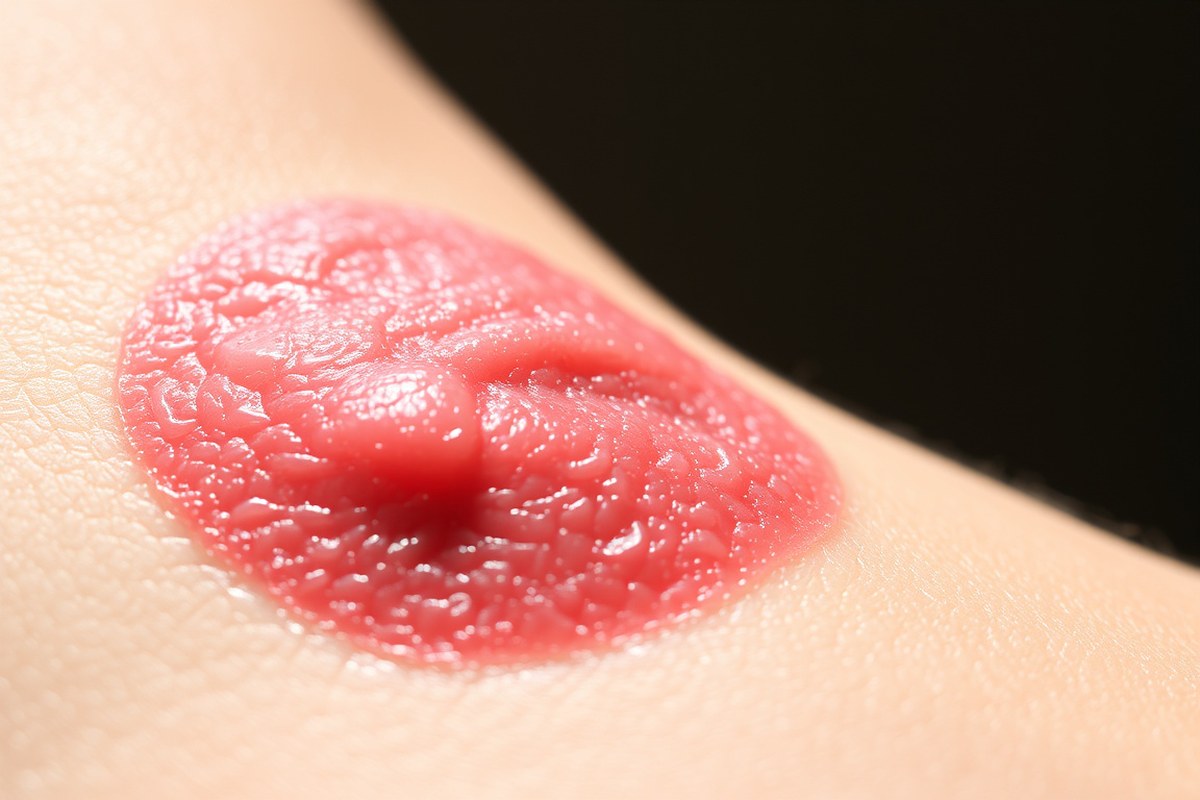
Scar tissue is a natural part of your body’s healing process after an injury or surgery. It forms when collagen, a structural protein, overproduces at the site of damage to close and repair the wound. This process starts within 24 hours after injury. Initially, your body creates new collagen fibers to knit the skin and underlying tissues together. Over time, this tissue thickens and contracts as it matures, which can sometimes cause discomfort or limit movement if the scar is extensive or located near joints.
Scar tissue develops in your body based on the kind of injury and personal factors unique to you. Younger individuals often produce more scar tissue since their bodies react more actively to surgery or injury compared to older adults. Genetics can affect scar formation; having relatives with keloid scars increases your chances of developing raised scars that grow beyond the wound area. The amount of scarring also depends on your health as well as the size and site of the injury.
There are several types of scars you might notice from surgery or injury. Hypertrophic scars are raised and thick but stay within the boundary of the original wound. Keloid scars are similar but expand beyond that boundary and can be more difficult to treat. Another type is adhesion, which is internal scar tissue that forms bands connecting tissues or organs not normally attached, often causing pain or restricted movement. Unlike surface scars, adhesions develop inside your body, typically after surgery involving internal organs or tissues.
Understanding how scar tissue forms is important when considering treatment options. The collagen buildup that forms scar tissue is generally less flexible and lacks the normal skin structure, which is why scar tissue may feel tighter or less elastic than surrounding skin. Healing scars follow a timeline where the tissue contracts and tightens for about six months to a year and may feel dry or irritated during this phase. It usually takes up to two years for scar tissue to fully mature.
Because scar tissue is your body’s way of protecting and repairing damaged areas, it cannot be prevented entirely once an injury or surgery occurs. However, early care including proper wound management and massage therapy after the wound fully closes (usually two to three weeks post-surgery) can improve how the scar tissue forms. Massage helps break down collagen fibers and increase flexibility in the area. Always check with your healthcare provider before starting massage to ensure the wound has healed enough.
2. Typical Scar Tissue Maturation Timeline and Its Impact

Scar tissue generally takes between 6 and 18 months to fully mature. During this time, the scar undergoes several changes in texture, color, and flexibility. Although older scars are often more difficult to treat, it is usually not too late to improve their function and appearance with consistent care.
Phases of Scar Healing over Time
The healing of scar tissue occurs in three main phases: inflammation, proliferation, and remodeling. The inflammation phase starts immediately after injury, lasting a few days as the body clears damaged cells. Next, the proliferation phase builds new collagen and blood vessels, creating the bulk of the scar, which can last several weeks. The remodeling phase is the longest, stretching from 6 months to over a year, when collagen reorganizes and strengthens the scar tissue into its matured form.
During remodeling, scar tissue gradually becomes denser and less red. This phase is critical because the collagen fibers align more uniformly, improving strength and durability. However, scar tissue never regains the same elasticity as normal skin, making this period essential for therapies aimed at maintaining motion and flexibility.
Visual and Textural Changes in Scars
At first, scars tend to look red or pink and feel raised or firm. Over months, color fades to a lighter shade, and scars become flatter and softer. The texture may shift from bumpy or lumpy to smoother, although some thickening or hardness can remain. Fully mature scars often feel tight and dense because scar tissue is less elastic than surrounding healthy skin.
Visible improvements in scars happen slowly. For example, a surgical scar may show noticeable fading and reduced thickness after a year, but some firmness may persist. Good results include increased softness, less redness, and improved pliability, which can help with comfort and mobility around the scar.
Factors Influencing Scar Maturation Speed
Several variables affect how long a scar takes to mature. Age plays a role; younger people tend to heal faster but sometimes form thicker scars. The location and size of the wound matter because areas under more tension or movement heal differently. For instance, scars on joints may stay raised or tight longer due to constant stretching.
The initial wound care and any complications like infection also impact healing time. Poor nutrition, smoking, or certain medical conditions can slow scar maturation. Consistent gentle movement and treatments like massage during the remodeling phase can support better outcomes by encouraging collagen alignment and preventing excessive stiffness.
Differences Between Normal and Hypertrophic Scars
Normal scars typically flatten and fade as they mature within 6 to 18 months. Hypertrophic scars, however, are raised and thicker because the body produces too much collagen. These scars often remain red and can be itchy or painful. They may improve over years but sometimes require additional treatments such as corticosteroid injections to reduce inflammation and thickness.
Keloid scars are a more severe form of hypertrophic scars that grow beyond the original wound boundary. These are less common and more challenging to treat, often needing professional intervention. While normal scars respond well to home care during maturation, hypertrophic scars benefit from early treatment focused on reducing collagen buildup and managing symptoms.
Do not massage scar tissue that is still healing or open; wait until the scar has fully closed before starting any pressure-based treatments.
3. Step-by-Step Guide to Scar Massage and At-Home Treatments
Scar massage and at-home treatments are effective for reducing scar tissue when done properly and at the right time. Starting scar massage too soon can disrupt healing, but once your wound is closed and healed, massaging can soften and realign collagen fibers. Adding silicone gel sheets and sun protection improve scar appearance and supports better healing.
When to Begin Scar Massage Safely
Wait until your surgical or injury wound has fully closed and any stitches or staples are removed before starting scar massage. This usually means beginning 4 to 6 weeks after surgery, depending on your doctor’s advice. Massaging too early risks reopening the wound or causing irritation.
For scars from minor injuries or skin conditions, start massage once the area is no longer tender or inflamed, typically 2 to 4 weeks after the injury. Always check with your healthcare provider to confirm the timing is safe for your specific situation.
Correct Massage Techniques and Duration
Scar massage helps break down tough scar tissue, improves blood flow, and reduces adhesions that limit movement. Use gentle but firm pressure to avoid pain or damage to delicate skin. Techniques include circular motions, cross-friction (rubbing across the scar line), and pressing into the tissue with the fingertips or thumbs to loosen fiber buildup. Follow these steps for an effective routine, spending 5 to 10 minutes per session. Aim to massage your scar 2 to 3 times daily to support remodeling and flexibility:
- Wash your hands and clean the scar area gently with soap and water.
- Apply a small amount of recommended cream or lotion to reduce friction.
- Use your fingertips to make small circular motions over the entire scar.
- Perform cross-friction massage by moving your fingers perpendicular across the scar line for 1 to 2 minutes.
- Press gently with your thumbs or fingertips into the thicker scar tissue sections, holding each press for 10 to 15 seconds.
- Repeat the massage motions to cover the full scar area, not just the raised or hard parts.
- Finish by smoothing the skin along the scar in the direction of natural skin folds to improve elasticity.
Watch for any pain or increased redness during or after massage. Reduce pressure if discomfort arises, and pause if skin becomes irritated. Consistent, moderate pressure works best to realign collagen fibers over time.
Choosing the Right Creams and Silicone Options
Use creams or lotions designed for scar care to keep tissue hydrated and help massage glide smoothly. Silicone-based gels or sheets are shown to be among the most effective topical treatments for scars. They maintain moisture, reduce scar thickness and discoloration, and promote softer skin texture.
Apply silicone gel thinly over the scar twice daily, or wear silicone sheets for 12 to 24 hours a day, replacing sheets every 3 to 4 days. Consistent use for at least 8 to 12 weeks is needed to see noticeable improvements. Pair these treatments with massage to boost results.
Choose creams with moisturizing ingredients like vitamin E, aloe vera, or hydrating agents free of harsh chemicals or fragrances. Avoid products with irritants that can worsen scar redness or swelling. Use broad-spectrum sunscreen SPF 30 or higher on scars exposed to sunlight to prevent darkening and support even healing.
4. How Scar Tissue Can Cause Pain and Limit Movement
Scar tissue can cause pain and limit your movement because it often forms stiff, less flexible layers compared to normal tissue. This stiffness can pull on surrounding muscles, tendons, or nerves, leading to discomfort or restricted range of motion. Physical therapy, including specific stretching and strengthening exercises, can help soften and realign scar tissue to restore mobility and reduce pain.
Mechanisms Behind Scar-Related Pain
Pain from scar tissue results mainly from its reduced elasticity and the way it binds to nearby tissues. Scar tissue does not stretch like regular muscle fibers, which may cause a pulling or tight feeling when you move. Also, scar tissue can trap or irritate nerves, causing sensations such as numbness, tingling, or sharp pain. Noticing pain or stiffness near a scar during daily activities or stretching likely signals that the scar tissue is affecting your normal movement.
When scar tissue forms near joints, tendons, or ligaments, these effects become more pronounced. Scar tissue can adhere to these structures, limiting their natural glide and causing ongoing discomfort or limited function. Inflammation accompanying scar formation can also contribute to sensations of pain or stiffness, making it harder to move freely until healing progresses.
Common Areas Affected by Scar Stiffness
Scar stiffness and pain are often seen around the body’s larger joints, such as the knees, shoulders, and wrists. These areas naturally require a wide range of movement, so scar tissue limits are more noticeable and problematic here. After surgeries involving joints, like knee replacements, scar tissue commonly causes stiffness, and physical therapy usually starts shortly after surgery to reduce these effects.
Scars from injuries on tendons and ligaments are also common sources of movement restriction and pain. In these cases, scar tissue can form adhesions that stick layers of tissue together, further limiting flexibility. Scar tissue anywhere else on the body can cause discomfort, but areas that move frequently are more likely to affect your daily function.
Role of Stretching and Strengthening Exercises
Targeted stretching and strengthening exercises help maintain and improve the elasticity of scar tissue. These exercises gently pull on the scar and surrounding tissues to soften adhesions, encourage proper alignment, and prevent further tightening. Starting these exercises early, especially during the active phase of scar maturation, is when they are most effective at minimizing stiffness and pain.
Exercises are generally prescribed by a physical therapist who can customize your routine to include stretching motions that safely increase range of motion without causing excessive pain. Strengthening the muscles around the scar can support joint stability and reduce the strain on healing tissues. The goal is to gradually increase movement and function over weeks to months, depending on scar size and location.
Begin physical therapy or prescribed exercises as soon as your healthcare provider clears the area to tolerate gentle movement, often soon after surgery or injury. Avoid forcing painful movements but aim for consistent daily activity to keep the scar tissue pliable.
Benefits of Manual Therapy Techniques
Manual therapy involves hands-on techniques performed by physical therapists or trained professionals. It includes methods like massage, joint mobilization, and soft tissue mobilization designed to break down scar adhesions and improve tissue mobility. This approach complements exercises by directly targeting restricted areas and increasing blood flow to promote healing.
Massage therapy has been identified as a highly effective non-surgical treatment for improving scar quality by improving pliability and reducing thickening and vascularity. Therapists use precise pressure and movement patterns to carefully remodel the scar tissue, which can reduce pain and increase your range of motion. These treatments usually require multiple sessions over several weeks and can be combined with home exercise for best results.
Manual therapy is particularly helpful when scar tissue affects muscles, tendons, or ligaments, especially near joints. Persistent pain, pulling sensations, or stiffness despite home care call for a physical therapist’s assessment and tailored manual therapy to improve recovery outcomes and return you to daily activities more comfortably.
5. Professional Treatments for Scar Tissue: Options and Comparisons
Professional treatments for scar tissue include laser therapy, injectable medications, and surgery. These options differ in how they target scar tissue, recovery time, cost, and effectiveness. Laser therapy uses focused light to break down dense scar tissue and encourages new collagen growth. This method suits deep scars and those wanting a non-surgical approach, often combined with corticosteroid or 5-FU injections to reduce side effects.
Injection treatments typically involve corticosteroids or the chemotherapy drug 5-FU, which reduce inflammation and soften thick scars. These injections are less invasive and have shorter recovery times but may require multiple sessions for noticeable improvements. Surgery to remove scar tissue is the most direct method but involves higher risk, longer recovery, and potential for new scarring. Surgery usually requires local or general anesthesia and careful post-operative care to prevent complications such as infection or adhesion reformation.
The choice among these treatments depends on the scar’s size, location, depth, and how much it impairs movement or causes pain. For example, scars around joints like knees, hips, and elbows may need surgical intervention if they limit motion significantly. Less severe or flat scars respond well to laser therapy or injections. The table below compares key factors of these treatments.
| Treatment | What It Is | Pros | Cons | Cost Range | Recovery Time | Effectiveness |
|---|---|---|---|---|---|---|
| Laser Therapy | Focused light breaking down scar tissue, stimulating collagen | Non-invasive, good for deep scars, can reduce scar thickness | May need multiple sessions; risk of skin color changes | $200, $1,000 per session | Minimal downtime, some redness/swelling for few days | Moderate to high for raised or deep scars |
| Injections (Corticosteroids, 5-FU) | Medicines injected to soften and reduce inflammation | Minimally invasive, quick procedure, low cost | Multiple treatments required; possible skin thinning or discoloration | $100, $500 per injection | Minimal downtime, occasional bruising or discomfort | Good for keloids, hypertrophic scars |
| Surgical Removal | Cutting away scar tissue, sometimes with skin grafting | Direct removal; effective for thick, restrictive scars | Risk of infection, new scar formation, longer healing | $1,000, $5,000+ | Weeks to months, depending on extent | High for scar tissue restricting function |
Choosing professional treatment requires weighing potential benefits and side effects. Laser and injection therapies are less risky and have shorter recovery but might not fully restore movement or appearance for severe scars. Surgery is more invasive but often necessary for improving function in cases like joint restriction or deep internal adhesions. Post-treatment care is critical to achieving good results. Following your healthcare provider’s advice can reduce risks such as infection or new scar build-up.
Always discuss expected outcomes, risks, and number of sessions before starting any scar treatment with your healthcare provider to make an informed decision.
6. Deciding When to Seek Medical Help for Scar Tissue Problems
Seek professional care when your scar tissue causes persistent pain, restricts movement, or shows signs of abnormal changes. Home treatments often address surface symptoms but may not improve deeper issues within the scar tissue. When your scar feels hard or limits how you use muscles or joints nearby, you could have excessive scarring potentially leading to ossification, where the scar tissue calcifies and hardens. Early medical evaluation can prevent worsening and improve outcomes.
Stop self-treatment and consult a doctor upon noticing increasing redness, swelling, or warmth around the scar, which could indicate infection. Also, monitor scars that continue growing beyond the expected healing timeframe of up to 12-18 months or scars that suddenly cause numbness, tingling, or sharp pain. These changes may signal complications needing professional assessment, such as keloids, hypertrophic scars, or nerve involvement.
Track your scar’s progress over weeks to see if it becomes softer, less raised, and more flexible with gentle massage and stretching. Signs of improvement include decreased tightness, improved joint motion, and lower discomfort during movement. When these positive results plateau or worsen despite consistent home care, a doctor’s intervention could introduce therapies like targeted physical therapy, injections, or laser treatments that home remedies cannot provide.
- Pain or discomfort lasting more than 3 months after initial healing
- Visible or palpable hardening, bulging, or uneven texture
- Reduced range of motion or difficulty using nearby joints
- Signs of infection: redness, heat, swelling, or drainage
- Rapidly enlarging or thickening scar tissue
- Numbness, tingling, or sharp pain around the scar
- Lack of progress after 6 to 8 weeks of consistent self-care
Medical evaluation typically involves a physical exam, assessment of movement limitations, and discussion of your symptoms. Treatments can include specialized scar massage guided by therapists, stretching protocols focused on improving flexibility, and interventions to address strength imbalances contributing to poor scar mechanics. These approaches aim to improve scar tissue pliability without forcing aggressive techniques that can worsen scarring. Costs vary widely, with initial consultations ranging from $100 to $300 and therapy sessions from $50 to $150 each, depending on your provider and location.
Knowing when to get professional help prevents long-term problems like persistent stiffness or pain. Prompt treatment maximizes recovery and limits the need for invasive procedures. Keep records of your scar’s appearance and function, and follow your healthcare professional’s advice closely to support your body’s natural healing and remodeling processes.
7. Common Mistakes When Treating Scar Tissue at Home and How to Avoid Them
Massaging scar tissue too early can cause pain and even worsen the scar. Scar tissue begins forming immediately after skin injury, but the healing process, including collagen remodeling, takes several weeks. Starting massage before the wound fully closes or the scar reaches the maturation phase (about 6 to 12 weeks post-injury) may irritate the tissue or cause reopening. Wait until your healthcare provider confirms it’s safe to begin massage or until the skin is fully closed, dry, and no longer scabbing.
Using harsh products on scars can also cause problems. Ingredients like strong acids or alcohol can inflame sensitive scar tissue, delaying healing and increasing redness or sensitivity. Instead, choose gentle, fragrance-free moisturizers or silicone gel sheets recommended for scar care. These products help keep the scar hydrated and provide a protective barrier without irritation.
Exposing scar tissue to the sun without protection darkens the scar, making it more noticeable and sometimes causing permanent pigmentation changes. Apply a broad-spectrum sunscreen with at least SPF 30 to the scar every day once the skin has healed. For fresh scars, wait until any scabs have fallen off before applying sunscreen to avoid trapping moisture and bacteria.
- Start massage only after the wound is fully closed and the scar is no longer fragile.
- Use gentle pressure during massage, increasing intensity gradually to prevent pain.
- Avoid products with alcohol, fragrances, or strong chemicals on scar tissue.
- Apply silicone gel sheets or recommended moisturizers to improve scar softness.
- Always use sunscreen SPF 30 or higher on scars when exposed to sunlight.
- For keloid scars, consult a dermatologist before massaging to avoid stimulating growth.
- Stop any home treatment causing increased redness, swelling, or pain and seek medical advice.
When you do notice pain or increased scar thickness after massage, reduce or pause the treatment and switch to gentler care like moisturizing and sun protection. Persistent issues might indicate the need for professional care such as physical therapy or dermatology consultation. Managing these mistakes promptly avoids worsening pain or cosmetic concerns and supports optimal scar healing over time.
8. Nutrition, Habits, and Lifestyle Tips to Support Scar Healing
Nutrition plays an essential role in how well your body repairs scar tissue. Collagen, the main protein in scar tissue, requires adequate building blocks from your diet. Eating foods rich in vitamin C, zinc, and protein can support collagen production and help with tissue remodeling. For example, consuming citrus fruits, lean meats, nuts, and leafy greens daily provides these nutrients. Without proper nutrition, your body may produce weaker scar tissue, increasing the risk of stiffness or poor healing.
Hydration is equally important. Keeping your skin hydrated helps maintain its elasticity and promotes optimal scar remodeling. Drink at least 8 cups of water daily to support cellular repair processes. Applying a moisturizer can also protect the healing skin, improving texture and potentially reducing scar stiffness. Dry, flaky skin around a scar can hinder movement and make the scar more noticeable.
Sleep is a important factor often overlooked in scar healing. During deep sleep stages, your body increases blood flow and releases growth factors that promote tissue repair. Aim for 7 to 9 hours of quality sleep each night to give your body the best chance to remodel scar tissue effectively. Poor sleep can delay healing, increase inflammation, and negatively impact how well the scar tissue forms and adjusts over time.
Certain lifestyle habits can either support or hinder scar healing. Smoking and excessive alcohol consumption reduce oxygen delivery to tissues and impair the body’s ability to remodel scar tissue. Quitting smoking and limiting alcohol can significantly improve scar outcomes. Gentle movement and physical therapy following surgery or injury also encourage proper scar tissue alignment and reduce the chances of adhesions forming, which restrict motion.
Consistently protecting scars from excessive sun exposure prevents further damage and discoloration, aiding better appearance over time. Using sunscreen with at least SPF 30 on healing scars is recommended, especially in the first year. Avoiding unnecessary pressure or trauma on the scar area allows your body to complete its natural repair process properly.
Stay hydrated and apply a gentle moisturizer daily to keep scar tissue flexible and support its remodeling during healing.
Step-by-Step Action Plan to Reduce Scar Tissue
Follow this plan to support healing, improve scar appearance, and address any pain or limitation caused by scar tissue. Adjust based on your scar’s age and severity.
- Immediately after injury or surgery: Keep the wound clean and follow your healthcare provider’s instructions to minimize scar formation. Watch for signs of infection to ensure proper healing.
- Week 1 to Week 3: Begin gentle scar massage once the wound has fully closed, using a moisturizing lotion or recommended topical. Healthy improvement shows as reduced tightness and itchiness.
- Week 4 to Month 3: Apply silicone gel sheets or silicone-based creams daily to the scar area. Noticeable softening and flattening of the scar indicates effectiveness.
- Ongoing after Month 3: Perform regular scar massage and maintain moisturization to prevent stiffness and promote pliability. Increased range of motion and less discomfort signal progress.
- Months 3 to 6: Evaluate the scar’s impact on movement and pain. Consult a licensed physical therapist or dermatologist if you experience persistent tightness, pain, or restriction.
- Anytime you see abnormal changes: Seek medical advice if the scar becomes unusually red, swollen, painful, or if you notice thickened tissue that limits function. Early professional treatment can prevent worsening.
- Throughout the healing process: Support scar improvement with a balanced diet rich in vitamins C and E, avoid smoking, and protect the scar from sun exposure. Positive changes include better skin texture and color blending with surrounding skin.
Frequently Asked Questions
Can You Break Up Scar Tissue Naturally?
Yes, gentle massage after wounds fully close can help break up scar tissue naturally, improving flexibility. Always wait until at least 2 to 3 weeks post-surgery and get your healthcare provider’s approval before starting massage.
How Do You Get Rid of a Lump of Scar Tissue?
A lump of scar tissue may require professional treatments like tissue mobilization or laser therapy for effective breakdown and smoothing. At-home massage can aid smaller lumps but deeper adhesions often need specialist care.
Does Rubbing Scar Tissue Make It Go Away?
Rubbing scar tissue gently can help soften and improve flexibility but harsh rubbing can irritate and worsen scar tightness. Only massage scars once fully healed, and follow guidance to avoid damage.
What Breaks Down Scar Tissue in the Body?
Scar tissue breaks down through collagen remodeling supported by massage, professional therapies like Graston Technique, and sometimes laser treatment. These methods help realign fibers and reduce tightness and pain.
Can Scar Tissue Cause Pain Years After Surgery?
Yes, scar tissue can cause pain and restrict movement even years later if it tightens or forms adhesions with surrounding tissues. Monitoring and treatment become important if discomfort arises.
Is It Safe to Use Oils or Creams on Fresh Scar Tissue?
Oils and creams can hydrate scar tissue but applying them before the wound fully heals risks infection. Consult your healthcare provider to determine the right timing and product.
The Bottom Line
Reducing scar tissue takes patience and consistent care, combining the right treatments with healthy habits. You can start today by gently massaging your scar with a recommended technique to improve flexibility and reduce discomfort. Keep track of any changes and consult a healthcare professional if pain or movement issues persist.