How to Get Rid of Burnt Smell in House: 8 Proven Methods That Work
To get rid of burnt smell in house fast, remove the burnt item right away and take out the trash. Open windows and use fans to circulate fresh air quickly. Next, clean affected surfaces and use natural deodorizers like baking soda or vinegar to neutralize lingering odors.
This advice works well for anyone dealing with smells from burnt food, minor fires, or appliance mishaps. You’ll learn practical steps from immediate removal to long-term prevention, including when to call professionals and avoid common mistakes. These methods can help restore fresh air and comfort to your living space efficiently.
Key Takeaways
- Remove burnt food and trash immediately, then open all windows and doors to reduce indoor smoke VOC levels by about 74%.
- Clean walls, floors, and fabrics promptly, as dusting and mopping 40% of the home can cut airborne smoke VOCs by nearly 40%.
- Use natural deodorizers like baking soda, vinegar, charcoal, or coffee grounds to absorb odors and speed up burnt smell removal.
- Run a kitchen exhaust fan during and after cooking to eliminate up to 90% of pollutants and odors effectively.
- Replace furnace air filters every 30 to 90 days with MERV 13-14 filters to reduce indoor particulate matter and improve air quality.
- For extreme burnt smoke odors after a minor fire, consider professional cleaning to address deep contamination and long-lasting smells.
1. Immediate Steps to Remove Burnt Smell Fast

To quickly reduce burnt smell in your home, the key is removing the source of the smell and ventilating the space thoroughly. Burnt odors come from particles and gases that cling to surfaces and hang in the air. Removing the burnt food or debris immediately stops more odor from developing, while airing out the house helps push smoke and smell particles outside. Proper ventilation speeds up dissipation and prevents the scent from settling in fabrics and walls.
The fastest way to get rid of burnt smell is a step-by-step process that starts with source removal and ends with fresh air circulation. This process takes about 30 to 60 minutes initially, depending on your home’s layout and weather conditions. For best results, keep windows and doors open during and after clean-up to create cross-breezes that push the odor outdoors. Using fans can also help move air if natural airflow is limited.
- Remove burnt food and debris: Take out any burnt items immediately and place them in a sealed bag. Then take the bag outside to the trash. This stops the smell from continuing to release into your home’s air.
- Dispose of trash properly: Don’t leave smelly garbage inside the house. Trash containing burnt food or ashes should be removed from your living space quickly.
- Open all windows and doors: Open windows and doors on opposite sides of the house to create cross-ventilation. This moves smoke and odor particles outside faster.
- Turn on fans: Use box fans or ceiling fans to improve airflow. Position fans near windows or doors to push indoor air out while drawing fresh air in.
- Ventilate kitchen appliances: For burnt food stuck in ovens or stovetops, run the range hood or vent fan if available. This removes lingering smoke and vapors from the kitchen.
- Keep air moving for at least 30 minutes: Continue ventilation for half an hour or longer, depending on the intensity of the burnt smell. Stale air harbors more odor molecules needing removal.
- Check HVAC settings: If you have central air, set the system to fan mode and change the filters if dirty, as filters can trap odors or recirculate them.
This approach costs nothing besides your time and possibly a fan if you don’t already own one. The result should be noticeably fresher air and reduced burnt scent within an hour. Not ventilating fast enough or leaving burnt debris inside allows odor particles to settle on surfaces, making the smell harder to remove later. Ventilation works best with the source removed first; just airing out without cleaning won’t eliminate the persistent odor.
2. Cleaning Walls, Floors, and Fabrics to Eliminate Odors
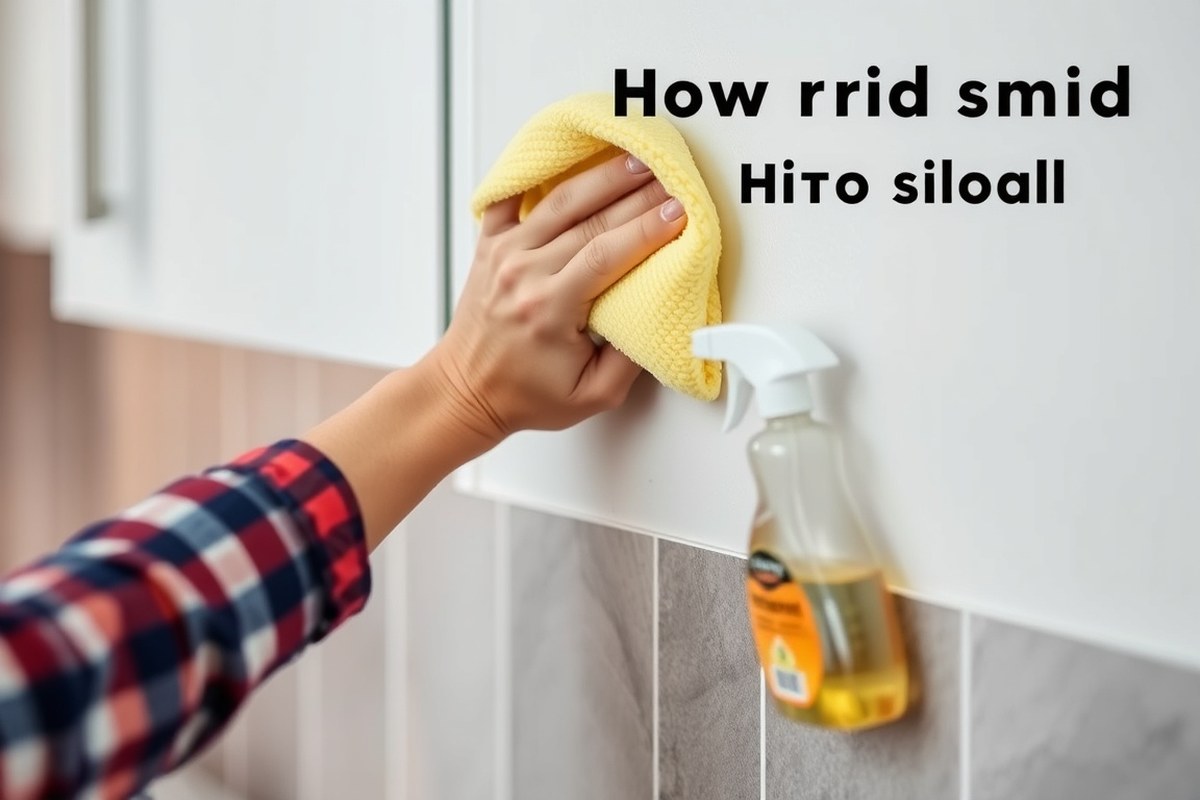
To remove burnt smell residues from different surfaces, thorough cleaning is essential. Each surface type, walls, floors, fabrics, and appliances, needs a specific approach to physically eliminate smoke particles and oils that hold odors. Quick washing of fabrics is best, while appliances require careful cleaning to avoid damage and persistent smells.
Cleaning and Deodorizing Hard Surfaces
Burnt smells cling to walls, floors, doors, and baseboards because smoke particles settle and bond with these surfaces. Start by wiping down all hard surfaces with a mixture of equal parts white vinegar and water using a sponge or soft cloth. Vinegar helps neutralize odors without harsh chemicals. For floors, mop with mild detergent or a vinegar solution if the material is sealed. Avoid soaking wood floors; instead, use a damp mop.
After cleaning, rinse surfaces with a clean, damp cloth to remove residue, then allow them to dry completely. Pay special attention to kitchen cabinets and windowsills, where smoke residue can accumulate unnoticed. In tougher cases, like thick soot, a trisodium phosphate (TSP) solution may be necessary but always follow label instructions and test in an inconspicuous area first.
- Use vinegar-water solution for walls and hard floors
- Mop sealed floors with mild detergent; do not oversaturate wood floors
- Clean baseboards and inside cabinet shelves thoroughly
- Rinse and dry surfaces completely after cleaning
- Consider TSP solution for stubborn soot stains
Do not mix vinegar with bleach or ammonia-based cleaners; toxic fumes can form.
Washing and Treating Fabrics and Upholstery
Fabrics absorb burnt smells quickly and must be cleaned as soon as possible to prevent odor setting. Wash curtains, clothes, and removable slipcovers in warm water with laundry detergent plus a cup of baking soda to neutralize odors. Avoid hot water on delicate fabrics as it may set the smell.
For upholstery and carpets, vacuum first to remove surface residue, then sprinkle baking soda evenly and let it sit for several hours or overnight before vacuuming it out. Steam cleaning upholstery or carpets helps break down odor molecules deeply embedded in fibers but may require professional equipment for best results. Avoid DIY steamers on delicate furniture.
- Wash washable fabrics promptly with detergent and baking soda
- Vacuum upholstery and carpets before deodorizing
- Apply baking soda on carpets and upholstery, leave overnight
- Use steam cleaning for deeply embedded smells
- Test fabric cleaners on hidden spots before full treatment
Delaying fabric cleaning can allow smells to become permanent and harder to remove.
Removing Burnt Smells from Microwave and Oven Interiors
Burnt smells inside microwaves and ovens result from overheated food residues that release volatile compounds. Start by removing all food debris and wiping interior surfaces with a mild dish soap solution. For microwaves, a simple steam treatment works well: heat a microwave-safe bowl filled halfway with water and a few tablespoons of vinegar or lemon juice for about 5 minutes. This loosens residues and neutralizes odors.
After steaming, wipe down the interior with a soft cloth and mild detergent, then rinse and dry. For ovens, clean spills immediately by covering them with salt while the oven cools, then scrub with baking soda paste (baking soda mixed with water to form a thick paste) and wipe clean. Repeat if necessary to fully remove smell. Note that complete odor removal in appliances can take from 10 minutes to 24 hours depending on smoke intensity and cleaning thoroughness.
- Remove food debris promptly
- Use a bowl of water with vinegar or lemon juice, steam microwave for 5 minutes
- Wipe microwave or oven interiors with mild detergent after steaming
- Use salt on oven spills right after cooking to prevent residue buildup
- Apply baking soda paste to scrub tough burnt spots inside ovens
Never use abrasive cleaners or metal scrubbers inside microwaves to avoid damage and further odors.
3. Using Natural Deodorizers: Baking Soda, Vinegar, Charcoal, and Coffee Grounds
Natural deodorizers like baking soda, vinegar, charcoal, and coffee grounds can help reduce burnt smells in your house efficiently and affordably. Baking soda is especially effective because it absorbs odors instead of just covering them up. You can sprinkle it on countertops, carpets, or inside appliances like microwaves, then let it sit for several hours or overnight before vacuuming or wiping away. This works best on dry surfaces and cost pennies per application.
White vinegar neutralizes burnt odors through its acidic nature. Place bowls of vinegar around the room or wipe surfaces with a diluted vinegar solution (about one part vinegar to one part water). Don’t rinse immediately; letting the vinegar air out can speed up odor removal within 30 minutes to an hour. It leaves a mild vinegar smell that dissipates quickly.
Charcoal, particularly activated charcoal, absorbs odors effectively but takes longer to show results, usually several hours to a day. Place 1 cup of activated charcoal in an open container in the affected rooms. It is reusable after drying but costs more upfront than baking soda or vinegar. Coffee grounds also absorb odors by trapping smell molecules, and using bowls of fresh or dried coffee grounds can reduce burnt food smells. Coffee tends to leave a pleasant scent behind but might not be as strong at neutralizing as baking soda or charcoal. The table below compares these popular natural remedies based on their pros, cons, usage tips, and typical costs to help you decide what fits your situation:
| Natural Deodorizer | Pros | Cons | Usage Tips | Typical Cost |
|---|---|---|---|---|
| Baking Soda | Absorbs odors well; inexpensive; versatile on surfaces and fabrics | Needs several hours to overnight; messy if not cleaned properly | Sprinkle on surfaces or in appliances; leave 6-12 hours; vacuum or wipe clean | Less than $0.10 per cup |
| White Vinegar | Neutralizes odors quickly; works as a surface cleaner; easy to use | Strong initial smell; can’t be used on natural stone surfaces | Place open bowls in room; or wipe surfaces with 1:1 vinegar-water; air dry | Under $0.20 per cup |
| Activated Charcoal | Strong odor absorber; reusable after drying; no residue | Higher upfront cost; slow to work (hours to a day) | Place 1 cup in open container; leave 12-24 hours; dry before reusing | $10-$15 per pound, 1 cup costs about $1 |
| Coffee Grounds | Leaves pleasant scent; affordable; absorbs mild odors | Less effective on strong burnt smells; can be messy | Set bowls of fresh or dried grounds around room; replace every 2-3 days | Less than $0.50 per cup of grounds |
Use these natural options alone or combined for better results. For example, sprinkle baking soda on carpets and set bowls of vinegar nearby to tackle stubborn burnt food smells. Keep bowls out of reach of children or pets, and ventilate the area to help odors fade faster. Remember, these remedies help most with kitchen-related burnt smells from food or minor cooking accidents and might take a few sessions for strong odors to lift completely. Practicing good ventilation and cleaning all affected surfaces first will improve their effectiveness.
4. Air Purifiers and HVAC: Devices and Maintenance to Clear Burnt Smell
Air purifiers with both HEPA and activated carbon filters work best to clear burnt smells from your home by trapping smoke particles and neutralizing odor-causing gases. Changing furnace filters regularly prevents unpleasant furnace-related burnt odors while ensuring good airflow. If burnt smells come with electrical sparks, burning plastic, or a tingling sensation around outlets, have a professional inspect your wiring immediately.
Types of Air Purifiers for Smoke Removal
A combination of HEPA and activated carbon filtration makes air purifiers most effective for removing burnt smells and smoke particles. HEPA filters capture tiny smoke particles that cause respiratory irritation, while activated carbon neutralizes volatile organic compounds (VOCs) responsible for odors. Look for air purifiers specifically marketed for smoke or VOC removal, as they typically include both filter types in at least a three-stage filtration process.
Models designed for smoke often have larger activated carbon filter areas to boost odor absorption. Units like the Alen BreatheSmart series feature replaceable activated carbon layers targeting VOCs. Running these purifiers continuously for several days after a burnt smell incident can reduce airborne odor molecules by up to 99%, depending on room size and airflow.
Smaller rooms benefit from compact units, but larger or open-plan areas may need two purifiers or a higher-capacity model rated for 300 square feet or more. Proper placement near the source of the burnt odor speeds up removal. Set them on a stable surface away from windows or vents that might interfere with clean air circulation.
Replacing and Cleaning HVAC Filters
Furnace and HVAC filters trap dust and airborne contaminants, including smoke particles and burnt food odors, preventing them from recirculating in your home. Replace standard fiberglass or pleated filters every 1 to 3 months, with more frequent changes after cooking accidents or smoke exposure. Allergy or HEPA-type furnace filters might need replacement or cleaning every 30 to 60 days for optimal performance.
Some high-efficiency filters are washable but verify manufacturer guidelines to avoid damage. Dirty filters restrict airflow, reducing furnace efficiency and potentially causing overheating that leads to a burnt smell inside the system. Inspect your furnace filter monthly during heavy-use seasons and replace it immediately if you notice discoloration, a persistent odor, or visible smoke particles caught on the filter.
Set calendar reminders to change HVAC filters promptly, especially if you cook frequently or have smokers at home. Using high-quality MERV-13 or better filters in your HVAC system improves removal of fine smoke particles and VOCs, which typical filters may not capture.
Using Activated Carbon in Purifiers
Activated carbon filters trap smoke gases and VOCs by adsorption, where odor molecules adhere to the porous carbon surface. They can remove up to 99% of burnt food smells and chemical odors when paired with HEPA filters in air purifiers. The effectiveness depends on the amount and quality of activated carbon; thicker layers with more surface area provide better odor control.
Replace activated carbon filters every 3 to 6 months or sooner if the burnt smell lingers despite running the purifier. Most units have indicator lights or timers to remind you. Some carbon filters come impregnated with additives that improve absorption efficiency for smoke odors.
Keep the purifier running on its highest setting just after noticing burnt smells. Combined with fresh air ventilation, activated carbon filters help clear persistent odors faster than HEPA-only filters. Avoid using purifiers without carbon layers alone for smoke as they will only trap particles, not neutralize smells.
Regular Furnace Inspection Benefits
Routine furnace inspections can detect issues that cause burnt odors, such as dust buildup on heating elements or malfunctioning burners. Annual professional maintenance ensures your heating system operates safely, maintains proper combustion, and avoids producing burnt smells inside your home. Neglecting furnace care risks fire hazards and higher energy bills.
Signs you need urgent furnace inspection include recurring burnt smells when the furnace turns on, electrical burning smells, or unexplained system shutdowns. These may indicate wiring problems, cracked heat exchangers, or failing motors that require licensed HVAC technicians to fix. Do not ignore smells resembling burning plastic, rubber, or insulation near your furnace or vents.
Basic inspections include filter changes, cleaning blower fans, checking ductwork for leaks, and verifying vent safety. A clean, well-maintained furnace contributes to better indoor air quality by minimizing smoke and burnt odors circulating through your HVAC system.
Optimizing Airflow to Reduce Odors
Good airflow helps remove burnt odors by expelling contaminated air and bringing in fresh air. Keep HVAC vents unobstructed and use exhaust fans in kitchens when cooking to reduce smoke accumulation. Running ceiling fans or standalone fans encourages air circulation, preventing odor buildup in stagnant rooms.
Ventilation supplements air purifier use by diluting odor concentration and removing airborne smoke particles. Opening windows for at least 15 to 30 minutes following a burnt smell incident can significantly decrease indoor VOC levels. Pay attention to rooms where burnt food smells may linger longer, such as kitchens with closed doors or rooms without windows, and use purifiers or fans to improve air exchange there.
Duct cleaning every 3 to 5 years by professionals also helps remove trapped particles or residue causing persistent burnt smells. Avoid sealing ducts improperly or covering vents, which reduces effectiveness and can concentrate odors. Proper airflow combined with filtration prevents the burnt smell from spreading through your home’s HVAC system.
5. Long-Term Odor Prevention and When to Call Professionals
Burnt smells can often be eliminated from your home without professional help by addressing their source and maintaining good ventilation. Preventative habits include promptly removing burnt food from your kitchen and disposing of it outside to stop the odor from spreading. Running your exhaust fans while cooking and opening windows to circulate fresh air directly helps carry away smoke and airborne particles responsible for lingering smells. Regular cleaning of surfaces, fabrics, and appliances reduces residue buildup that can trap odors long term. Using odor absorbers like baking soda or charcoal bags in frequently used areas can also neutralize hidden burnt scents.
Preventing burnt odors involves good kitchen practices and appliance care. Avoid overheating fats and oils since their oxidation creates persistent smells. Check cooking timers and stay attentive when frying or broiling to stop food from burning. Clean your oven and microwave regularly, focusing on spilled food and splatters because they can char and release smell when reheated. Inspect and maintain your HVAC or ventilation system by changing filters and cleaning ducts yearly, which prevents smoke particles from recirculating inside.
Knowing when a burnt smell signals an electrical or furnace problem can protect your home and family. Strong burnt plastic or wiring odors might indicate malfunctioning appliances such as refrigerators, toaster ovens, or clothes dryers. If the smell comes and goes or intensifies near these devices, unplug them and avoid use until a licensed electrician inspects the wiring. Signs like flickering lights, tripped breakers, sparking, or unusual heat near outlets or cords are warnings that immediate professional evaluation is needed to reduce fire risk.
Never ignore a persistent burnt smell that returns after cleaning and ventilating; have it checked by a professional, especially if it resembles an electrical burning odor.
In cases where burnt smell lingers despite thorough home cleaning and air circulation efforts, professional help may be necessary. Specialists can identify hidden residues or damage in HVAC systems, walls, or wiring that typical cleaning won’t find. They also have access to industrial-grade equipment to remove deeply embedded odors. While professional services typically cost several hundred dollars depending on the scope, they provide a safer and more effective resolution for stubborn burnt smells, especially those from minor fires or appliance failures.
Adopting a checklist for ongoing odor prevention, such as timely food removal, regular kitchen appliance checks, running exhaust fans, cleaning HVAC systems annually, and monitoring your home for electrical signs, can reduce the chance of future burnt smell episodes. This approach not only keeps your living environment pleasant but also lowers potential health risks linked to inhaling smoke particles or toxic fumes. Staying vigilant about your household appliances and maintaining airflow after cooking are the most practical steps you can take to prevent these odors from becoming permanent.
6. Handling Extreme Burnt Smoke Odors from Minor Fire Incidents
Extreme burnt smoke odors after a minor fire need a quick and structured cleanup to stop the smell from settling deep into your home. Begin immediately with ventilation and removing all burnt materials. Follow up with thorough cleaning and repeated deodorizing over the next few days. Mistakes like incomplete cleaning or delaying action make the smell linger much longer.
Immediate Actions After Fire Smoke Exposure
Right after a minor fire, open all windows and doors to flush out the smoke as quickly as possible. Turn on fans to circulate fresh air outward rather than inward. Remove any burnt items or debris to reduce ongoing smoke sources. Avoid using fragrances or sprays at this stage since they only mask odors temporarily and can interfere with thorough cleaning later.
Begin surface cleaning within 24 hours to prevent smoke particles from settling. Prompt removal of ash and soot greatly reduces lingering odors. Wear gloves and masks to protect yourself from irritants during this initial cleanup.
Short-Term Cleaning and Deodorizing Remedies
Focus on repeated cleaning of all exposed surfaces including walls, ceilings, floors, and fabrics. Use a vacuum with a HEPA filter to remove soot from upholstery and carpets. Wipe down hard surfaces with a mixture of mild detergent and warm water, or specially formulated smoke enzyme cleaners that break down burnt residues chemically.
Deodorize by sprinkling baking soda on carpets and fabric surfaces, letting it sit 3 to 4 hours before vacuuming. Place bowls of vinegar or activated charcoal in rooms to absorb odors over several days. Clean HVAC filters and vents to prevent smoke residue from recirculating through your home’s air system.
Repeat this cleaning cycle every 2 to 3 days for at least one week until noticeable odor reduction occurs. Avoid rushing the process or using scented cleaners too early, as this traps smoke particles and prolongs smells.
Scheduling Follow-Up Cleaning for Complete Odor Removal
Set regular times for ongoing cleaning and inspection as smoke odor removal can take from several days to weeks depending on fire severity. After the initial week, reassess all surfaces for lingering residue and repeat treatments as necessary. Consider deeper carpet cleaning, repainting, or replacing severely contaminated drywall if odors persist.
If the smoke has traveled through air ducts or the HVAC system, professional duct cleaning or whole-home ozone treatments may be needed. These advanced steps help remove smoke trapped in hard-to-reach places and improve air quality. Plan to monitor and clean your HVAC system filters monthly for at least three months following the fire.
Common mistakes include delaying cleanup, using harsh chemicals that seal in smoke, and neglecting upholstery or ductwork. Correct these by acting fast, choosing appropriate cleaners, and maintaining repeated interventions for thorough odor elimination.
- Ventilate: Open windows and use fans to push smoke outside within the first few hours.
- Remove burnt debris: Clear out ashes and damaged items immediately.
- Protect yourself: Wear gloves and masks when handling soot and ash.
- Clean surfaces: Wash walls, floors, and ceilings with soap and water or enzyme cleaners within 24 hours.
- Vacuum fabrics: Use a HEPA vacuum on carpets and upholstery to remove soot particles.
- Apply deodorizing agents: Sprinkle baking soda; place vinegar or charcoal bowls to absorb smells.
- Clean HVAC system: Replace filters and clean ducts to prevent odor recirculation.
- Repeat cleaning: Reapply cleaning and deodorizing every 2-3 days for at least one week until odor dissipates.
7. Seasonal and Climate Considerations for Odor Removal
Seasonal and climate factors affect how efficiently you can remove burnt smells from your house, especially if ventilation is limited. In warmer months, opening windows and doors to create cross-ventilation quickly dilutes lingering odors. Aim for at least 15 to 30 minutes of fresh air circulation to help push out smoky air. Using ceiling or portable fans during this time can further speed up odor removal by moving air and preventing pockets of stale smell. This approach works well in spring, summer, and early fall when temperatures are mild, but might not be practical during cold or very hot weather.
Winter presents a challenge because opening windows causes heat loss and higher energy bills. In cold climates, try ventilating in short bursts of 5 to 10 minutes several times a day rather than leaving windows open for long periods. Use kitchen and bathroom exhaust fans to vent smoky air outside without letting cold air inside. A low-cost trick is to open windows partially at the top or bottom to allow airflow while minimizing drafts. Placing a thick curtain or weather stripping around windows and doors helps keep cold air out when you ventilate. Keep indoor humidity in mind; winter air tends to be dry, so running a humidifier after ventilating can make your home more comfortable.
In humid climates, burnt smells can linger longer because moisture allows smoke particles to stick to surfaces and fabrics. Focus on thorough cleaning of walls, furniture, and textiles to remove odor-trapping residues. After cleaning, use natural deodorizers like baking soda or activated charcoal on carpets or upholstery to absorb remaining smells. Ventilate during cooler hours of the day, such as early morning or evening, when outdoor humidity might drop slightly. Avoid running air conditioning immediately after ventilating to reduce moisture buildup inside.
Regions with frequent rain or wind may see limited opportunities for window ventilation. In these cases, air purifiers equipped with HEPA and activated carbon filters become more important for removing burnt odors indoors. Keep filters clean and replaced according to manufacturer guidelines, usually every 6 to 12 months, to maintain efficiency. Running exhaust fans in the kitchen and bathroom continuously during and after cooking or if smoke odors arise also helps maintain better air quality without opening windows.
Adapting your approach to the season and climate not only improves burnt smell removal but also balances indoor comfort and energy use. Ventilate rapidly when possible but avoid excessive heat loss in winter by controlling how long and how much air you let in. In humid environments, pair ventilation with deep cleaning and moisture control to speed up odor elimination. When outside conditions limit airflow, rely more on mechanical ventilation and air purification devices to keep the air fresh. These steps will make your home feel cleaner and help prevent burnt smells from settling in.
8. Common Mistakes and Misconceptions in Removing Burnt Smells
Masking burnt smells with scented candles or sprays is a common mistake that can actually worsen the odor. These products don’t eliminate the burnt particles but cover them up temporarily. The scent often mixes with the burnt smell, producing an unpleasant combination that makes the problem more noticeable. Instead, focus on thorough cleaning and air circulation to truly get rid of the smell.
Incorrect cleaning of fabrics is another frequent error. Burnt odors cling to soft surfaces like curtains, upholstered furniture, and carpets. Simply spraying fabric fresheners or using low-temperature washing will not remove deeply embedded fumes. Washing fabrics in hot water according to care labels or using specialized odor eliminators helps break down the burnt residues.
It’s important to recognize the difference between masking and removing odor. You can test this by ventilating the room fully, then closing windows and doors for several hours. If the burnt smell returns persistently, it has not been eliminated but probably covered up. True removal means the odor fades over time without reinstalling any fragrances.
- Relying on air fresheners or scented products to cover burnt smell
- Not washing or treating fabrics and upholstery properly
- Neglecting hidden sources like vents, ceiling fans, or inside cabinets
- Cleaning only surfaces but missing walls or ceilings where smoke residues settle
- Using low heat or short cycles when laundering textiles
- Not airing out the house enough, slowing odor dissipation
Finding all odor harboring spots includes checking behind appliances and inside HVAC filters, since smoke odors can linger in these areas and reignite the burnt smell over time. Removing soot and smoke residues with suitable cleaning agents and laundering fabrics at temperatures above 120°F helps neutralize the smell more effectively.
Don’t mistake a fresh scent for actual odor removal; true elimination requires cleaning or airing out until the burnt smell no longer returns after a few hours.
Scented candles can help if the burnt odor is faint, but once the smell is strong, they should not be your first line of defense. Instead, opt for natural deodorizers like baking soda or vinegar followed by focused cleaning. Persistent burnt smells often need repeated cleaning and ventilation over several days for full resolution.
Step-by-Step Action Plan to Remove Burnt Smell from Your Home
Follow these steps in order to quickly and effectively clear burnt odors and keep your home smelling fresh over time.
- Immediately after the incident: Open all windows and doors to ventilate the space and use fans to push smoky air outside. Check if the burnt smell noticeably decreases within an hour.
- Within the first day: Clean all walls, floors, and fabrics exposed to smoke using appropriate cleaners like mild detergent or vinegar solutions. Confirm odors fade after drying and air circulation.
- Day 2: Spread natural deodorizers such as baking soda on carpets and upholstery, place bowls of vinegar or coffee grounds around the room, or use activated charcoal in closed containers. Smells should lessen after a few hours to overnight.
- Days 3 to 5: Run air purifiers with HEPA and activated carbon filters continuously and replace or clean HVAC filters to trap lingering particles. Noticeable improvement in air freshness should occur within these days.
- By one week: Repeat fabric and surface cleaning if odors persist. Check carpets, curtains, and furniture closely for hidden residues.
- After 2 weeks: Monitor for any returning smells and maintain ventilation. If strong odors remain despite cleaning and deodorizing, schedule a professional odor remediation service.
- Long-term maintenance: Regularly clean kitchen appliances and filters, ventilate while cooking, and keep natural deodorizers handy to prevent future burnt smells from settling.
Frequently Asked Questions
How Long Does It Take to Get Burnt Smell Out of House?
It can take from a few hours to several days depending on ventilation and cleaning. Increasing airflow by opening windows speeds up the process.
How Long Does It Take for a Burning Smell to Go Away?
The smell usually fades within hours if you remove the source and ventilate well. Persistent odors may require deeper cleaning.
How Do I Get the Smoke Smell Out of My House Asap?
Remove the burnt item, open windows, and use fans to circulate air immediately. Using natural deodorizers can help speed odor removal.
Why Does My House Smell Burnt but Nothing Is Burning?
Hidden electrical issues or overheated appliances can cause burnt odors without visible fire. Check devices and wiring for safety.
Can Candles Remove Burnt Odors from a Room?
Candles can mask the smell temporarily but don’t eliminate burnt odors. Use air purifiers or natural deodorizers instead.
Is It Safe to Stay Inside While Removing Burnt Smells?
Yes, staying inside is safe if you ventilate well and remove smoke sources promptly. Call professionals for heavy smoke or fire incidents.
The Bottom Line
Removing burnt smells from your home takes prompt action and the right cleaning techniques to ensure the odor doesn’t linger. Start by airing out your space and using baking soda on carpets or upholstery to absorb odors today. Taking this simple step helps you control the smell before it settles deeper into your home’s fabrics and surfaces.