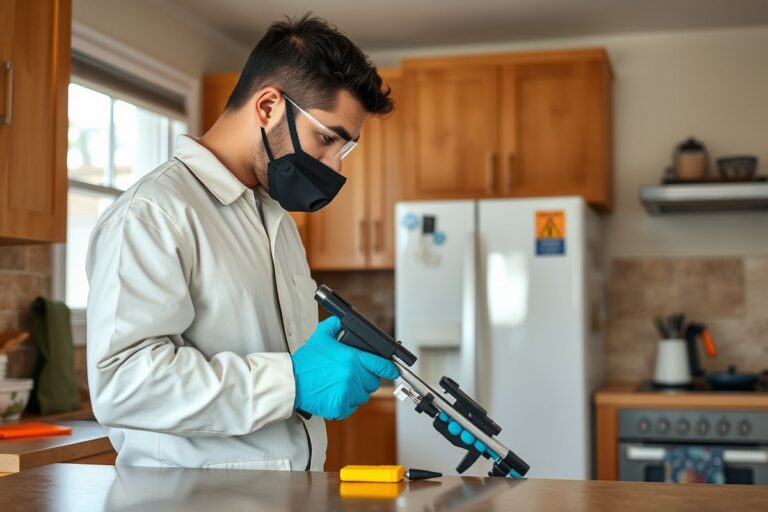
What Happens When Pest Control Comes: A Complete Guide for Homeowners
What happens when pest control comes is a process where a trained technician inspects your home, applies targeted treatments, and provides guidelines for safety and follow-up. You’ll need to prepare by removing clutter and sometimes keeping pets away for 1 to 2 hours, especially with interior treatments. The entire process can take up to six weeks to fully eliminate pests, depending on the issue. Understanding these steps helps you protect your home effectively and know what to expect during and after the visit.
This information suits homeowners, renters, and property managers preparing for pest control or managing ongoing issues. It covers what technicians check, how to prepare, timing for reentry and cleaning, treatment types, and handling special situations like pets or allergies. Clear instructions help you avoid common mistakes and ensure the service meets your expectations safely and efficiently.
Key Takeaways
- Clear furniture 2-3 feet from walls before treatment to expose pest hiding spots and improve chemical effectiveness.
- Keep pets and children away from treated areas for 1-2 hours or longer if allergic to chemicals or fumes.
- Wait 2-4 hours after pest control before re-entering your home to reduce exposure to toxic substances.
- Professional pest treatments often take up to 6 weeks to completely eliminate infestations, especially of rodents and roaches.
- Post-treatment cleaning varies; follow your provider’s instructions to avoid disrupting residual pest control chemicals.
- Schedule follow-up visits and use monitoring to detect recurring pests and ensure long-term pest management success.
What Happens When a Pest Control Technician Arrives
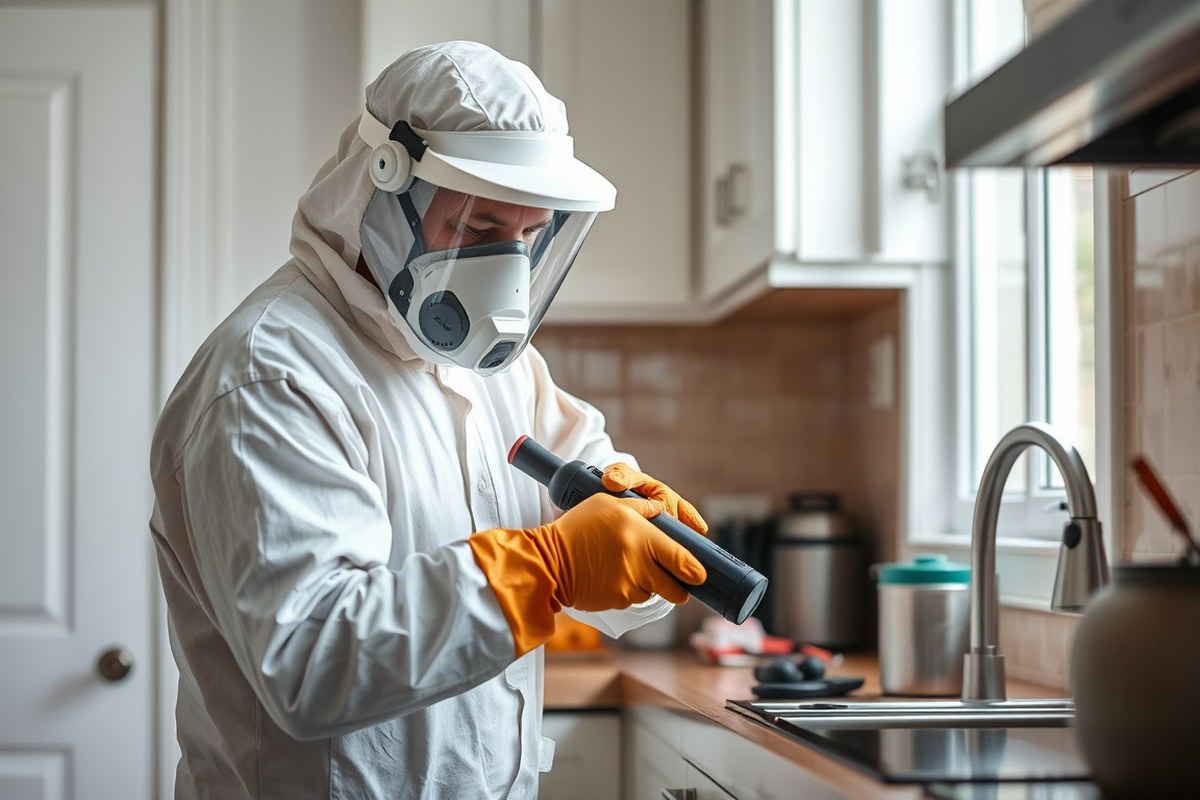
A pest control technician starts by thoroughly inspecting your home to identify the type and extent of the infestation. They then explain their findings and treatment plan, tailoring methods to your home’s specific needs. Finally, the technician applies targeted treatments to key areas inside and outside your property to address the pest issue effectively.
Initial Inspection and Pest Identification
The technician begins with a detailed inspection of both your home’s interior and exterior. They check common pest hotspots such as kitchens, bathrooms, pantries, closets, under sinks, storage areas, garages, and even recycling bins. This helps determine not just which pests are present but also how deeply they have infested your home. Inspecting exterior areas includes looking around your foundation, door frames, window sills, and yard or garden where pests often enter or hide.
Walking through your home with the technician allows you to share any pest sightings or problem spots you’ve noticed. That collaboration can reveal hidden issues that might not be obvious during a visual scan alone. Identifying the pest species and infestation severity is necessary to select the appropriate treatment, since some pests require different chemicals or control strategies. Inspection may take 30 minutes to over an hour depending on your home’s size and complexity.
Explaining the Treatment Plan to the Homeowner
After completing the inspection, the technician explains their findings and recommended course of action clearly. This discussion includes what type of treatment will be used, why it fits your pest problem, and any preparatory steps or precautions you should follow. Technicians will describe how the treatment targets the pests’ main entry points, nesting sites, or food sources. They may also outline follow-up visits if needed and provide approximate timelines for results.
If you have pets, children, or allergies, the technician will tailor the treatment plan to minimize risks. They also tell you how long to stay away from treated areas, generally between 2 to 4 hours depending on the chemicals and methods used. This upfront explanation helps set expectations to avoid surprises and ensures you know how to keep your household safe during and after treatment.
Application of Pest Control Treatments
Using the inspection results and your home’s layout, the technician applies treatment precisely where it’s needed. Treatment methods vary by pest but often include spraying residual insecticides in cracks, crevices, baseboards, and around doors and windows. For outdoor applications, they may treat soil near the foundation, door thresholds, and other pest entry points. In some cases, bait stations or traps are strategically placed inside or outside to control specific pests like ants or rodents.
The goal is to reach hidden pest habitats that are hard to detect or access, ensuring the treatment has maximum effect. Technicians carefully adjust application amounts and areas depending on weather conditions, such as avoiding spraying outdoors just before heavy rain, which could wash away treatments. In more severe infestations, they might use fumigation or other intensive methods, which usually require you to leave the home for several hours or overnight.
Following the treatment, your technician will provide instructions on when it’s safe to return and any cleaning or monitoring steps you should take. Knowing exactly what was applied and where can help you track treatment effectiveness and plan for potential follow-ups, especially if pests persist or reappear.
How to Prepare Your Home and Family Before Pest Control Service

Preparing your home before a pest control service involves securing your family and pets, protecting food and kitchen items, covering or moving furniture, and clearing paths for the technician. These steps help make the treatment more effective, ensure safety, and speed up the process.
Securing or Relocating Pets and Children
You should remove pets from the home during the treatment to avoid any exposure to pesticides. Taking pets to a neighbor’s house, friend’s home, or a boarding facility is the safest choice. When that is not possible, keep pets in a single room away from treated areas and remove their toys, bedding, and food. Young children should also be kept out of the house during the service and for the recommended reentry time afterward, usually a few hours depending on the product used.
Pets and children have more sensitive respiratory and skin systems than adults, so even if the products are labeled safe, staying away reduces any risk. It also helps the technician work faster and more effectively if there are no animals running around.
- Arrange pet care outside the home during the treatment and reentry period
- Keep children out for at least the duration the technician specifies
- Remove pet food, toys, and bedding from treated rooms
- Seal off unused rooms where pets will stay if they cannot leave
- Communicate any concerns or pet sensitivities to the technician
Keep pets away from treated areas until the products have dried and the technician confirms it’s safe to return.
Handling Food, Dishes, and Kitchen Items
Protecting any food, dishes, and utensils during pest control service is critical. Remove all food from countertops, cabinets, and floors before treatment. Pack away open food in sealed containers or move it to a room not being treated. Similarly, cover or store dishes, cooking utensils, and pet bowls to prevent contamination.
Some pest control methods involve spraying baseboards and cracks near where food is handled, so any exposed food or utensils could come into contact with residue. This is a health risk and might require costly replacements or extra cleaning. To address food safety concerns, consider storing food in the refrigerator or a sealed cooler during treatment.
- Remove or tightly seal all food and spices in the kitchen
- Cover or put away dishes, pots, pans, and utensils
- Store pet food in airtight containers outside or in sealed bins
- Clear counters, tables, and floors of any crumbs or spills
- Ask the technician about food safety for specific treatments being used
Preparing Furniture and Household Items for Treatment
Moving furniture away from walls or covering it during pest control creates better access to pests’ hiding spots. You don’t have to move everything, but clearing large pieces like couches, beds, dressers, and appliances from baseboards and corners gives the technician space to inspect and treat cracks and crevices where pests live.
Covering items with sheets or plastic can protect them from dust or spray drift, especially fabrics and electronics. However, over-covering can trap pests inside or block the technician’s view. Strike a balance by removing delicate items from treatment zones or asking the technician which furniture to move.
- Move sofas, chairs, and beds at least 6 inches from walls
- Pull appliances and large furniture away from kitchen and bathroom baseboards
- Cover or remove items sensitive to spray or dust
- Clear clutter and piles that prevent access to corners and baseboards
- Label or set aside fragile or valuable items to avoid accidental damage
Ensuring Technician Access to Targeted Areas
Clearing the way for the pest control professional speeds up treatment and makes it more thorough. Open access to entry points like door thresholds, windows, foundation cracks, and crawl spaces so the technician can apply treatments precisely where pests enter or harbor. You can help by pointing out where you’ve seen pests or signs of activity.
Keep pets and children out of the way but be available for a brief walkthrough before treatment. This helps the expert target hotspots instead of applying pesticides randomly, which might waste time and reduce effectiveness. Double-check that closets, cabinets, and storage under sinks are accessible if they are treated areas.
- Keep basements, attics, crawl spaces, and exterior foundation areas clear
- Unlock doors and cabinets where pests may hide
- Move clutter away from walls
- Show the technician where you spot pest activity on the property
- Ensure parking or equipment placement for the technician is safe and close to your home
Safety and Timing: When to Leave, Return, and Clean After Treatment
You generally need to leave your home during pest control treatments based on the type of pesticide used and the product label instructions. Most treatment areas require you to stay out until sprayed surfaces are dry, which usually takes a few hours, but more intensive treatments or sensitive situations can call for longer re-entry times. Avoid cleaning treated areas right after application to preserve pesticide residues that continue controlling pests over days or weeks.
Typical Re-Entry Times by Treatment Type
Most pest control sprays and liquid applications require you to leave your home during the process and avoid the treated zones until surfaces are dry, which usually takes between 2 and 4 hours. Treatments applied to small areas like gels or spot-specific sprays might let you stay in untreated spaces, provided you steer clear of the treated spots. Full fumigation or tenting methods demand that everyone vacates the residence completely for 24 to 72 hours, based on the chemical involved. The re-entry period on the product label must be followed since these durations are set by regulatory bodies to ensure both safety and effectiveness.
Residual pesticides can remain active on treated surfaces for up to several weeks, gradually eliminating pests that come into contact with those areas. Professional pest control services often use a combination of products, including dust, baits, and sprays, each with different safety intervals. Longer residuals mean you should avoid heavy cleaning or wiping treated surfaces too soon to maintain treatment effectiveness.
Cleaning Restrictions Post-Treatment
Refrain from washing floors, walls, or counters immediately after treatment because cleaning too soon can remove chemical residues that keep killing pests over time. A good rule of thumb is to wait at least 24 to 48 hours before doing any thorough cleaning, with some labels recommending up to a week depending on the product. Certain areas, like kitchens where food prep occurs, might require specific cleaning schedules advised by your pest control technician to ensure safety while maintaining pest control action.
Ventilate your home after treatment by opening windows and running fans to reduce odors and allow pesticide residues to settle. While airing out, avoid scrubbing or mopping treated spots. Light dusting or gentle wiping can be acceptable if your technician confirms it won’t interfere with the treatment. Keeping treated surfaces dry and undisturbed supports longer-lasting pest control and reduces the chance for pests to recover.
Managing Sensitivity in Family Members
Households with infants, elderly people, pets, or individuals with respiratory or chemical sensitivities should follow stricter re-entry guidelines. Extending the waiting period beyond the label minimum, sometimes 24 hours or more, helps minimize exposure to airborne particles or residues. Discuss any special concerns with your pest control professional beforehand so they can tailor treatment plans or suggest less toxic or low-exposure options.
When small children or pets live in the home, you should also confirm which areas were treated and keep these off-limits until the surfaces are fully dry and any odors dissipate. Some treatments leave residues that pets might ingest if they lick surfaces too soon, so containment or extra cleaning might be necessary once the safe re-entry window has passed.
What to Do If Immediate Re-Entry Is Required
If staying out of your home for the recommended time isn’t feasible, ventilate the space vigorously by opening windows and using fans to clear airborne chemicals quickly. Avoid touching treated surfaces and keep children and pets out of treated zones. Use gloves and wear shoes if you must enter before full dryness to reduce skin contact. Contact your pest control provider for product-specific advice on shortening re-entry time safely.
In cases of urgent re-entry, such as emergencies or caretaking needs, covering treated surfaces temporarily with plastic sheets can reduce direct contact. However, this can also reduce pesticide effectiveness, so weigh the need carefully. Rescheduling the treatment or requesting low-toxicity options may be better if you cannot follow standard time frames without risk.
Common Post-Treatment Instructions and Monitoring Effectiveness
After a pest control treatment, you might notice changes in pest activity that indicate whether the treatment is working. Some pests may appear more active initially, but over the following weeks, a decline usually signals success. Monitoring pest behavior and following care instructions helps ensure the treatment’s effectiveness.
Expected Pest Activity Changes
Right after treatment, it’s normal to see an increase in pest activity, especially with ants and cockroaches. These pests often scatter when disturbed by the chemicals, causing more sightings before their numbers start to drop. This phase typically lasts two to four weeks as the treatment targets them and their nests.
Over time, you should notice fewer pests around your home. The pest population declines because the treatment either kills them directly or disrupts their breeding. Patience is key during this period, as premature assumptions that the treatment failed could lead to unnecessary additional sprays or DIY attempts that reduce the treatment’s residual effect.
Visual and Behavioral Signs of Effectiveness
Signs that the treatment is working include fewer pest sightings and less damage or droppings in previously affected areas. Live pests may appear sluggish or disoriented as the chemicals take effect. You might also see dead pests around baseboards, under sinks, or near entry points.
Other indicators come from pest behavior changes. For example, ants may trail less frequently or look for food outside your home instead of inside. Cockroaches may avoid previously infested areas. Noticing these subtle shifts suggests the pests are reacting to the treatment appropriately.
How to Track Pests After Treatment
Effective pest monitoring involves regular inspection and keeping a detailed record of any sightings or damage. Open doors between rooms, cabinets, and closets to let air circulate and allow inspection access during follow-ups. Pull appliances away from walls to check behind them for signs like dead insects, droppings, or shed skins. Use the following checklist to monitor pest activity:
- Check common hiding spots weekly such as under sinks, behind appliances, and in closets
- Look for fresh droppings, chewed materials, or damaged food packaging
- Note any live or dead pests observed and the locations
- Keep doors and drawers open if instructed, to allow inspection and chemical access
- Avoid using DIY pesticides during this period, as they can interfere with professional treatments
- Record dates of pest sightings and describe the activity to share with your pest control provider
This kind of tracking helps you and the pest control technician evaluate treatment success and decide if further action is needed. Maintaining a clean environment by removing food crumbs and fixing leaks also supports the treatment.
When to Contact the Pest Control Company
Contact your pest control professional if pest activity fails to decrease after the initial four weeks or if you notice an increase beyond the expected scatter phase. Persistent or worsening infestations may require additional treatment or a different approach.
Calling the company is particularly important if you spot pests in new areas, or if treatment instructions such as appliance positioning and door openings weren’t followed. Provide the technician with your monitoring records to help diagnose issues faster and tailor follow-up visits effectively.
Comparison of Common Pest Control Treatment Types and Their Effects
Spray, bait, and fumigation treatments differ significantly in safety, re-entry time, and how long they stay effective. Sprays usually take 30 minutes to an hour to apply and target surfaces like baseboards, under furniture, and entry points. These sprays are generally safe for children and pets once dry because modern formulas are low-toxicity, but pets should avoid treated areas until the spray has settled and dried, typically a few hours.
Baits work by attracting pests to poison them slowly. Application often involves setting bait stations in key locations, which can take 15 to 30 minutes. Baits pose minimal risk to children and pets since they are enclosed to prevent accidental ingestion, though pet owners should inform pest control about concerns so they can place baits safely. Baits continue to work as pests carry poison back to their nests, keeping effectiveness up for weeks.
Fumigation is the most intensive treatment and requires everyone and all pets evacuate the home. It typically involves sealing the property and filling it with a gas that kills pests throughout the structure. This process usually takes several hours, plus an additional 4 to 6 hours for the gas to clear before re-entry is allowed. Its safety depends on keeping all occupants out and waiting the exact advised time before returning. Fumigation has a strong immediate effect but no long residual protection after airing out the home.
| Treatment Type | Application Time | Areas Treated | Safety for Children and Pets | Re-Entry Time | Effectiveness Duration |
|---|---|---|---|---|---|
| Spray | 30, 60 minutes | Baseboards, cracks, under furniture, entry points | Low-toxicity once dry; avoid direct contact while wet | Typically 2, 4 hours | Several weeks, depending on pest and product |
| Baits | 15, 30 minutes | Near pest pathways, nests, cabinets, behind appliances | Enclosed stations reduce risk; notify pest control if pets present | Immediate re-entry allowed | Up to several weeks as pests consume and spread poison |
| Fumigation | Several hours | Entire structure sealed and treated | Requires full evacuation of people and pets | 4, 6 hours after treatment before returning | Immediate pest elimination; no long residual effects |
Treatments like sprays and baits usually occur room by room or in key pest areas. Pest control technicians often move or lift furniture gently to reach hidden spots, ensuring thorough coverage. Depending on the pest and product, rain can reduce spray effectiveness; treatments near windows and doors may need repeat applications if washed away.
Always ask your pest control professional about precautions for your specific pets and any toys or plants that need protection or removal before treatment.
Choosing the right treatment depends on the pest type, infestation severity, and your household’s sensitivity. Communicating openly with your pest control service helps ensure they apply the safest and most effective method for your situation and schedule. Following post-treatment instructions like waiting the advised re-entry period and maintaining a dry environment afterward supports longer-lasting pest control results.
Follow-Up Visits, Ongoing Monitoring, and Handling Recurring Pests
Follow-up visits are commonly necessary in pest control, especially for persistent infestations. These visits help maintain control and address any pests that return after the initial treatment. Scheduling usually happens every three months, but adjustments depend on the pest type and infestation severity.
Reasons for Follow-Up Treatments
Follow-ups allow pest control professionals to check if treatments have effectively reduced pest populations and to treat any survivors. Some pests, like German cockroaches, are tough to eliminate because they reproduce quickly and hide in hard-to-reach places. Follow-up visits help catch these survivors before they multiply again.
Many pest control methods rely on baiting and insect growth regulators, which work over time to disrupt pest life cycles. This delayed effect means you often won’t see the full impact after a single treatment. Follow-up visits let technicians reapply treatments or use different approaches if needed.
Scheduling and What to Expect at Returns
Most professionals recommend scheduling follow-up visits about one week after the initial treatment to monitor immediate results and apply additional treatment if necessary. After that, quarterly visits, every three months, are common to maintain control year-round, since pest pressure varies by season and environmental factors.
During follow-ups, the technician will inspect common pest hiding places like weep holes, roof voids, cabinet edges, and around faucets. They may apply fine dust or bait dust in these areas for pests such as ants and cockroaches. Homeowners usually don’t need to empty cabinets unless the infestation is severe, and technicians will advise you beforehand if that’s necessary.
Follow-up visits are often included in the initial service agreement, especially if the pest returns. For example, companies like All Things Pest Control offer no-charge returns if bugs come back shortly after treatment. This ongoing service ensures pests don’t reestablish themselves in your home.
Specific Treatment Adaptations per Pest Type
Treatment strategies differ among pest types due to their unique behaviors and biology. For instance, cockroaches need targeted baiting and insect growth regulators placed in dark, moist areas. Rodents require traps or bait stations placed along their known travel paths near walls and entry points.
Ants often get spot treatments near their foraging areas, such as around faucets or in kitchen cupboards. Dust application in inaccessible voids prevents their return. Some pests like ground spiders don’t respond to general pest treatments and need specialized approaches, so professionals will identify pest species before choosing the right method.
Persistent pests like fleas or bed bugs may require multiple treatments spaced out over weeks to months. This staged schedule breaks the pest reproduction cycle and fully eradicates the infestation.
Actions Homeowners Can Take for Prevention
After pest control treatment, maintaining good sanitation and reducing moisture in your home supports lasting pest control. Clean up food crumbs, fix leaks, and remove clutter where pests can hide. These measures limit food and shelter, reducing the chances pests will return.
If pests reappear despite treatment, contact your pest control provider immediately rather than trying DIY fixes. Professionals will reassess the situation, identify missed hotspots, and adjust treatments accordingly. Reporting returning pests promptly helps stop the infestation before it worsens.
Regular quarterly pest control visits combined with homeowner routine maintenance create the best defense against infestations. Staying proactive reduces the need for costly emergency treatments and keeps your home pest-free longer.
Avoiding Common Mistakes Before and After Pest Control
Common mistakes that reduce pest control effectiveness include poor home preparation, not following technician instructions, neglecting to seal entry points, and relying solely on natural treatments without professional guidance. Correcting these errors helps ensure treatment works well and pests don’t return quickly.
Improper Home Prep and How to Correct It
Insufficient preparation often means the pest control product can’t reach pests hiding in typical cluttered spots. Areas like under sinks, floors of closets, or near trash provide shelter and may block access to insecticides or baits. Clearing these spots allows the technician to apply treatment directly where pests reside.
Make a simple checklist to prepare: move boxes and furniture away from walls, clear out clutter under sinks and in closets, vacuum floors thoroughly to remove crumbs and debris, and allow access to crawl spaces or basements. This can take a few hours, depending on your home’s condition, but it improves treatment penetration significantly.
- Remove boxes and items from floor areas near walls
- Empty under-sink cabinets and clean them
- Vacuum and mop floors before treatment day
- Trim tree branches away from the home exterior
- Ensure technician can access exterior foundation and siding
These steps help deliver treatment where it’s needed most. Skipping them often leads to persistent pests that treatment misses.
Ignoring Manufacturer and Technician Instructions
Every pest control product has specific instructions on applying, timing, and when to reenter the treated area. Disregarding these can lower effectiveness or cause health risks. For example, reentering too soon might expose you to chemical fumes, whereas entering late might allow pests to regroup.
Technicians usually instruct you to leave your home for several hours and ventilate well afterward by opening windows and running fans. Following this advice contributes to safety and better results. You should also avoid washing treated surfaces until the specified time passes, often 24 to 48 hours, to prevent washing away treatment.
Written instructions often come with the service. Carefully read and keep them handy. Asking questions before and after treatment clarifies doubts and supports a successful outcome.
Failing to Seal Pest Entry Points
Sealing cracks, gaps, and leaks in your home’s exterior is important for long-term pest control success. Pests often enter through gaps around pipes, cracked foundations, damaged siding, or openings near windows and doors. The National Pest Management Association advises filling these with appropriate materials like silicone caulk or expanding foam to reduce future infestations.
This task is best done after treatment because the technician will inspect and identify vulnerable spots. Repairing these not only keeps pests out but also protects your home from moisture and air leaks. If handled promptly, sealing reduces the need for frequent treatments, saving money and inconvenience.
Costs vary depending on the scope; minor caulking may cost under $100 for DIY, while extensive repairs might require a contractor. Homeowners should inspect entry points regularly and fix new cracks without delay.
Myths About Natural Pest Control Solutions
Many homeowners wonder if eco-friendly or natural pest control is effective. Botanical products and natural options exist, especially for pet owners concerned about chemicals, but they usually work best as part of an integrated approach rather than standalone solutions.
Natural treatments often have shorter residual effects than conventional products, so pests can return quickly if entry points remain open and proper sanitation isn’t maintained. Using natural options without professional inspection and treatment might delay pest control rather than solve it.
Discuss any preference for green products with your technician. They can tailor treatment plans that balance safety and effectiveness. Combining natural repellents, improved home maintenance, and professional pest control treatments offers the best chance for long-lasting results.
Adjusting Pest Control for Pets, Children, Allergies, and Special Situations
Pest control products can be used safely around children, pets, and people with sensitivities when proper precautions are taken. You should keep vulnerable family members away during application and follow specific steps to minimize exposure to chemical residues. Managing pets carefully before, during, and after treatment helps prevent accidental contact with pesticides.
Chemical Safety Around Children and Pets
Many pest control products are EPA-registered and considered low-toxicity, but children and pets are more sensitive due to their close contact with floors, carpets, and furniture where residues may linger. The risk comes primarily from ingestion or direct contact with treated surfaces shortly after application. The safest approach is to clear the home of children and pets during the treatment and for about 1.5 hours afterward, allowing any residues to settle and dry.
Products used indoors vary by company and treatment type. Some companies prioritize non-toxic, pet-safe solutions that minimize risk, but others might use stronger chemicals. Always ask the technician about the specific products and confirm they are appropriate for your home environment. Avoid exposing children and pets to bait stations or traps left out, as some baits can be toxic if touched or swallowed.
Keep children and pets away from any rooms that have been treated until the pest control professional confirms it’s safe to come back, generally after about one or two hours.
Preparing Sensitive or Allergic Household Members
Individuals with allergies, respiratory conditions, or chemical sensitivities face greater risks from pesticide fumes or residues. Even low-toxicity chemicals can trigger reactions. You should notify your pest control provider ahead of time about any sensitivities so they can adjust products or methods accordingly. In some cases, relocating sensitive individuals during treatment for several hours or until adequate ventilation is achieved is advisable.
Closely follow pre-treatment instructions, such as covering food and removing children’s toys, to reduce airborne or dust exposure. Consider running fans or opening windows after treatment to improve air circulation. If you or others in your household have a history of allergic reactions or asthma, consult your doctor before scheduling service and discuss options with your pest control professional.
Best Practices for Pet Safety During Treatment
Keeping pets indoors during the application can increase their risk if they walk on or lick treated surfaces. It is often better to temporarily house pets outside the home, with a friend, relative, or at a kennel, especially if they are anxious around strangers or if you expect the treatment to take several hours. At minimum, confine pets to a single untreated room away from entry points during application.
After treatment, follow the technician’s instructions about re-entry times for pets. Clean floors and pet bedding according to guidelines, especially if sprays or powders were applied. Avoid letting pets access bait traps or other devices. Post-treatment monitoring helps you spot any signs of distress in pets so you can seek veterinary care promptly if necessary.
Step-by-Step Action Plan for Your Pest Control Service
Follow these steps to prepare for pest control, stay safe during treatment, and ensure the service is effective over time. Each phase includes clear actions and signs to check that treatment is working.
- Before the Technician Arrives: Clear clutter and vacuum floors and carpets to remove food crumbs and pests hiding spots. This helps the technician see all areas and improves treatment reach. Confirm pets and children will be out or safely confined during treatment to avoid exposure.
- Day of Treatment, Before Service: Remove or cover all food, dishes, and utensils in the treatment areas. This prevents contamination and ensures insecticides only contact targeted pests. Check that windows and vents near treated spots can be closed during application to contain chemicals.
- During Treatment: Follow the technician’s instructions about leaving the home and timing. Typically, vacate for 2-4 hours depending on the product used. Staying away reduces inhalation risks and lets the treatment settle without disturbance.
- Immediately After Service: Open windows and ventilate rooms for at least 30 minutes once you return. Wipe down any surfaces you or your family may touch, especially counters and tables, to avoid chemical residues. Confirm the technician provides post-treatment guidelines specific to the method used.
- First Week After Treatment: Monitor pest activity using sticky traps or visual checks. A decrease in sightings shows effectiveness. Avoid cleaning treated areas extensively unless directed; this ensures insecticides remain active on surfaces.
- Two to Four Weeks Later: Schedule or attend follow-up inspection if recommended. Recurring pests or new sightings mean additional treatment or adjustments might be necessary. Keep a log of pest activity and any changes in your home environment (humidity, food stores).
- Ongoing Monitoring and Maintenance: Maintain sanitation by removing food and water sources regularly. Seal cracks and gaps to reduce pest entry. Pest control treatments alone won’t last without addressing these underlying conditions.
- Adjusting for Special Cases: Communicate allergies or sensitivities to the technician beforehand so products with lower toxicity or alternative methods are used. Keep pets and children away longer if advised, and follow specific clean-up instructions carefully for their safety.
Frequently Asked Questions
Can I Be in the House When Pest Control Comes?
You can usually be home during pest control, but the technician may ask you to leave for a few hours after treatment to avoid exposure. Staying outside during application helps ensure your safety, especially if strong chemicals are used inside.
Do I Have to Wash Everything After Pest Control?
Not all items need washing; it depends on the pesticide used. Generally, food surfaces and children’s toys should be cleaned after treatment, but furniture or walls typically do not require washing unless the technician advises it.
How Do I Prepare My House for Pest Control?
Preparation often involves clearing clutter, moving furniture, and securing food away from treatment areas. These steps give the technician better access and prevent contamination, leading to more effective pest control results.
What Will Pest Control Do on Your First Visit?
The first visit includes a thorough inspection of your home inside and out, identifying pest activity, and recommending treatment. This helps target current problems and plan for prevention to protect your property long term.
What Happens During a Pest Inspection?
A pest inspection involves checking common hiding spots for signs of pests, structural damage, and entry points. The technician looks for evidence like droppings or nests to understand the extent of infestation and customize the treatment plan.
Can Pest Control Treatments Damage My Belongings?
Most professional pest treatments don’t damage furniture or personal items if applied correctly. The technician typically avoids sensitive areas and uses products suitable for household settings, minimizing any risk to your property during the process.
Wrapping Up
Effective pest control depends on your careful preparation and following specific post-treatment steps, which helps ensure the chemicals work as intended and reduces health risks. You should schedule a follow-up visit within 7 to 14 days to check if pests have returned and to adjust treatments if necessary, especially for stubborn infestations like termites or bed bugs. Start today by reviewing the post-treatment instructions provided by your technician and setting calendar reminders for follow-up visits and ongoing monitoring to avoid recurring problems. This proactive approach saves time and money by catching issues early instead of dealing with repeated or worsening infestations.