How Often Should Pest Control Be Done for Ants: A Complete Guide for Effective Prevention
How often should pest control be done for ants depends on the species involved, the severity of the infestation, and your property’s conditions. Generally, treatments every three to four months work for most homeowners. More frequent visits may be necessary if you notice persistent ant activity or deal with resilient species like carpenter ants. You’ll want to act before ants establish large colonies that become harder to remove.
This information is important for homeowners, renters, and property managers facing ant problems. You’ll learn how treatment frequency changes based on ant species, environmental factors, and your level of do-it-yourself control. Understanding the signs that signal pest control and the role of sanitation can help you plan effective treatments and reduce repeat visits, saving time and money.
Key Takeaways
- Schedule professional ant pest control every 3 to 6 months depending on infestation severity and ant species present on your property.
- Common species like odorous house ants may require more frequent treatments than carpenter ants due to their nesting and foraging behaviors.
- Call pest control when you see persistent ant trails, increasing activity indoors, or damaged wood indicating carpenter ant presence.
- DIY ant control can prolong intervals but often misses nests, so combine it with professional service for effective long-term results.
- Expect each professional treatment to last several weeks, with visible reduction in ant activity within 5 to 10 days post-application.
- In warmer months or humid climates, increase treatment frequency since ant activity typically rises with temperature and moisture levels.
How Often Should Pest Control Be Done for Ants? Typical Intervals Explained

Ant pest control treatments generally need to be scheduled based on the level of infestation, ranging from occasional preventative visits to more frequent interventions. For light or initial infestations, treatments every three to six months usually suffice because ants have not fully established. Moderate infestations require treatments every one to three months to break the reproductive cycle and reduce colonies. Severe infestations often demand monthly or even biweekly visits until the problem is under control to target multiple colonies and treat nest sites effectively. Timing matters because ants reproduce quickly and can rebuild colonies rapidly if treatments are too far apart, reducing long-term control.
| Infestation Severity | Recommended Treatment Interval | Reason for Interval |
|---|---|---|
| Light (few ants seen, early signs) | Every 3 to 6 months | Prevent colony growth and new nests |
| Moderate (ants inside regularly, trails visible) | Every 1 to 3 months | Interrupt colony reproduction and food trails |
| Severe (large numbers, multiple colonies) | Every 2 to 4 weeks | Target multiple nests and repeated reinfestation |
Effective ant control depends on maintaining a schedule that disrupts ant life cycles. Most species reach maturity and begin producing new ants within a few weeks to a couple of months. Treatments spaced too far apart allow queens to lay eggs and build new workers, restoring the colony quickly. Consistent intervals reduce the chance of reinfesting and keep bait and residual insecticides effective. The timing also affects costs; more frequent treatments increase expenses but can reduce total time to eradication.
When you schedule ant pest control, ask the technician about their plan for follow-ups so the treatment sustains effects over time. Some treatments include residual insecticides that last 30 to 90 days, while bait stations need periodic replacement every 1 to 3 months. Confirm these details and adapt intervals if ants return sooner. Avoid long gaps that let ants recolonize and spread, which makes control harder and more expensive.
Timing can also vary by property conditions. Homes with poor sanitation or outdoor ant sources might require more frequent visits. Seasonal changes influence ant activity too, with spring and summer often needing tighter schedules as colonies expand. If your property has persistent ant problems despite regular treatments, push for an interval closer to 30 days and incorporate sanitation and exclusion methods to aid control.
Which Ant Species Affect Treatment Frequency and Why?
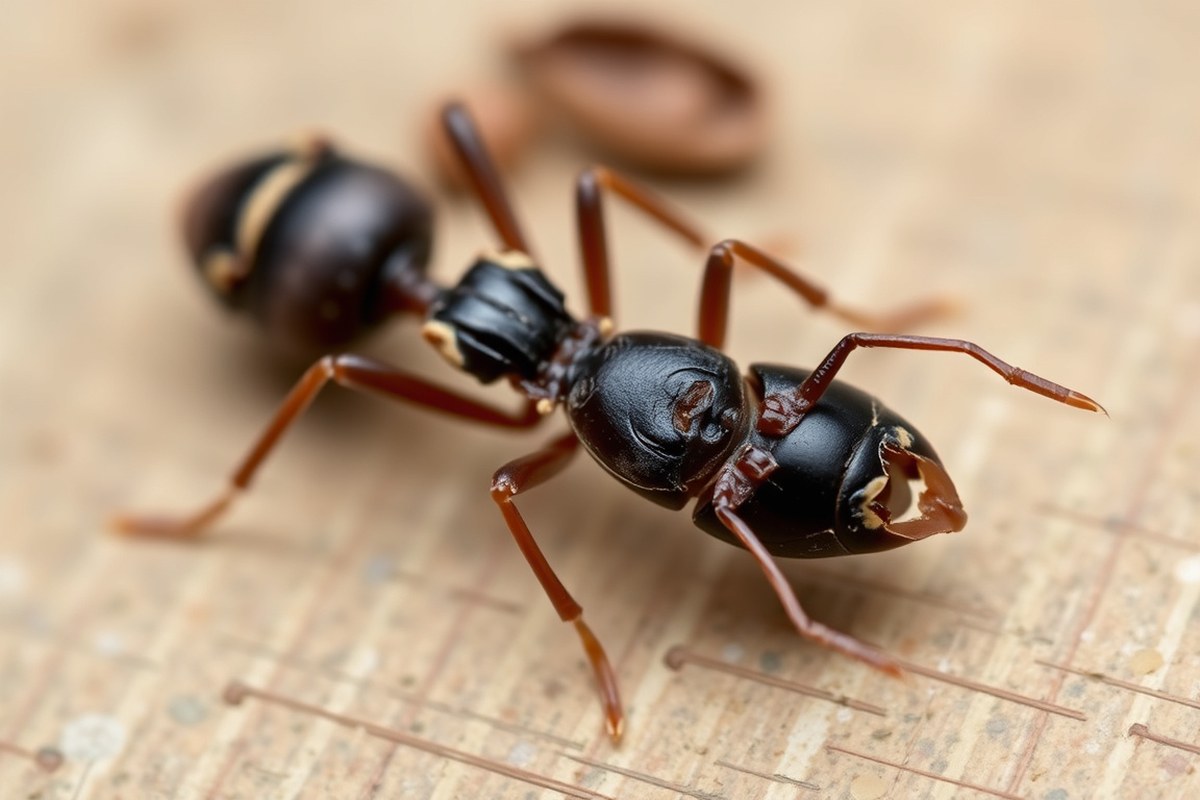
The type of ant species and their nesting habits directly influence how often pest control treatments should be scheduled. Species that nest outdoors but forage indoors usually need less frequent treatments than those nesting inside walls or structures. Understanding these details helps tailor treatment intervals for effective control.
Common Ant Species and Behavior
Different ant species behave in ways that impact how quickly infestations return after treatment. For example, Argentine ants form large, interconnected colonies that spread over wide areas, requiring more frequent attention to prevent reinfestation. Carpenter ants, known for nesting inside wood structures, often need regular monitoring because their colonies can persist undetected inside walls. Pavement ants typically nest in soil around sidewalks or driveways but may come indoors; these usually call for seasonal treatments during warmer months when they are active.
Species like odorous house ants establish smaller colonies mostly outdoors but venture indoors for food and water. These ants often respond well to less frequent treatments focused on perimeter barriers. Understanding each species’ foraging patterns and colony size helps decide if quarterly, biannual, or other intervals are best for your property.
Nesting Locations Impacting Treatment
The location of an ant colony is critical for setting treatment schedules. Ants nesting within building structures typically require more frequent treatments because interior nests allow populations to grow without exposure to natural threats. These infestations might need monthly or quarterly visits until control is achieved. Outdoor nests in soil or under debris are often easier to treat by targeting colony entrances and applying residual barriers, allowing longer intervals between treatments unless conditions favor rapid colony expansion.
Nests inside walls, hollow doors, or under floorboards pose special challenges. Treatments must reach these hidden spots, which sometimes means repeated visits over several months. In contrast, ants nesting in tree stumps or mulch beds might only need seasonal treatments focusing on zones around the building. Matching treatment frequency to nesting location prevents either overtreatment or gaps where ants reestablish.
Adjusting Frequency by Species
| Ant Species | Common Nesting Locations | Recommended Treatment Frequency |
|---|---|---|
| Argentine Ant | Outdoor soil, under stones, mulch; can form satellite nests indoors | Every 2 to 3 months; more frequent during warm seasons |
| Carpenter Ant | Inside wood structures, wall voids, tree stumps | Monthly or quarterly until infestation is controlled; then biannual monitoring |
| Pavement Ant | Soil under pavements and driveways | Seasonal treatment in spring and summer; less frequent in fall/winter |
| Odorous House Ant | Outdoor nests under rocks or mulch; foraging indoors | Quarterly treatments; increasing frequency if nesting indoors is detected |
| Fire Ant | Soil mounds outdoors | Treatment after mound discovery; follow-up treatment monthly if new mounds appear |
Adjusting treatment schedules means paying close attention to how ants behave on your property. For instance, Argentine ants may require more frequent treatments during wet seasons due to faster colony expansion. If carpenter ants’ nests are confirmed indoors, expect the need for ongoing monthly treatments to fully eliminate them. Pavement ants usually do not require year-round service but benefit from focused spring and summer treatments.
Monitor your property for signs of new nests, especially after rain or seasonal changes, to avoid unnecessary frequent treatments or missing fast-growing infestations.
Signs That Indicate It’s Time for Ant Pest Control
Ant infestations usually need pest control when you start noticing persistent and spreading signs around your property. Early detection matters because ants multiply quickly and establish multiple nests, making treatment harder if delayed.
Inspect entry points such as window sills, door frames, and cracks near plumbing where ants often enter. Spotting a single ant is less urgent, but multiple ants moving in a trail or inside food storage areas usually signals you should act soon. The urgency increases if the ants invade kitchens, pantries, or areas where food is prepared and stored, as this raises health concerns. You can use the following checklist to identify how urgent your ant problem is and decide if you can start with a DIY approach or if you should schedule professional pest control quickly:
- Occasional single ants near windows or doors, Low urgency: Monitor and try sealing entry points.
- Small trails of ants inside kitchen or bathroom areas, Medium urgency: Clean surfaces thoroughly and use bait traps.
- Large, persistent ant trails inside living spaces or food storage, High urgency: Begin professional treatment within days.
- Visible nests close to or inside your home structure, Very high urgency: Call a licensed pest control service immediately for inspection and containment.
- Signs of damage to wood, insulation, or wiring, Emergency urgency: Engage professionals promptly to prevent costly repairs.
- Recurring ant issues after prior treatment, Medium to high urgency: Consult with a pest control specialist to revise your control plan.
Monitoring is key. Check common ant pathways at least weekly during warmer months when ants are active. If you find new trails or nests despite good sanitation, schedule pest control within one to two weeks. Waiting longer often allows the colony to grow or relocate, increasing treatment complexity and cost.
Professional pest control typically involves inspecting affected and surrounding areas, applying targeted baits, or using treatments safe for your specific ant species. It costs more than do-it-yourself methods, usually starting around $150 to $300 per visit, depending on the infestation size and location. DIY treatments can help at low urgency but often don’t reach nests hidden in walls or deep soil.
Effectiveness depends on timely action, proper identification of the ant type, and thorough follow-up. Neglecting signs or delaying treatment can cause repeated infestations, increased property damage, and health risks from contamination. Checking your property regularly and acting on the checklist can save money and avoid frustration.
How DIY Ant Control Can Influence Treatment Frequency
DIY ant control can reduce the frequency of professional pest control treatments when performed correctly and consistently. However, the effectiveness depends on the ant species, the severity of the infestation, and how well you maintain control measures. Proper DIY steps can delay or minimize visits from professionals but not always replace them entirely.
Effective DIY Techniques
Baiting is one of the most effective DIY techniques for controlling ants. Use commercially available ant baits containing slow-acting insecticides like boric acid or hydramethylnon. Place the bait stations along ant trails, near entry points, and in concealed spaces. The ants carry the bait back to the colony, which can reduce the nest population over days to weeks. Keep bait fresh and avoid spraying insecticides near it, or ants will avoid it. This method requires patience and regular monitoring every 3 to 7 days to replenish baits until ants disappear.
Sealing entry points helps prevent re-infestation by stopping ants from entering your home. Use silicone caulk or expanding foam to fill cracks in walls, gaps around doors, window frames, and utility pipes. This physical barrier reduces ants’ access and helps maintain the gains from other control efforts. Check and reseal openings periodically, especially during warmer months when ants are more active.
Maintaining cleanliness limits ant attraction and food sources. Clean up crumbs, spills, and food residues immediately. Store food in airtight containers and remove garbage daily. Fix leaks and reduce moisture as some ant species are drawn to damp environments. This upkeep reduces the need for frequent professional treatments by lowering the chances of ant colonies developing indoors.
When to Rely on Professional Help
A professional pest control treatment becomes necessary when the infestation is extensive, affects multiple areas, or involves more aggressive ant species like carpenter ants or fire ants. Professionals can identify the species and nest locations more accurately with specialized tools. They typically use stronger insecticides or bait formulations registered for commercial use, delivering faster and often longer-lasting results.
Use professional services when DIY attempts fail to reduce the ant population or when ants repeatedly reappear despite good sanitation and sealing efforts. Professionals will apply treatments strategically to access hidden nests in walls, under slabs, or in landscaping, which DIY methods often miss. For example, they might use perimeter sprays or foam treatments inside wall voids, which are not user-friendly for most homeowners.
Seasonal treatments from professionals can be timed well for local ant activity peaks. Noticing ants invading your home every spring or summer signals that a preventive professional application just before these periods might reduce your need for constant DIY efforts. Professionals can also advise on the right timing and type of treatment for your situation, which saves money and effort.
DIY Limitations and Safety
DIY ant control has limits in its effectiveness, especially when dealing with large nests or certain ant species. Baits rely on ants finding and feeding on them, so if baits are poorly placed or the ants prefer other food sources, results may be slow or negligible. Overusing sprays or insecticides without understanding their target can drive ants to relocate or increase resistance.
Safety concerns arise when homeowners use non-labeled products or combine different insecticides improperly. Reading and following label instructions is important. Products like boric acid are low toxicity but must not be accessible to children or pets. Avoid sprays indoors if sensitive individuals live in the home, and always ventilate treated areas.
In some cases, DIY methods delay professional intervention and allow the infestation to worsen. Ants that cause structural damage, such as carpenter ants hollowing wood, or stinging species that threaten health, require stopping DIY attempts and hiring a licensed professional promptly for safety and effectiveness.
Duration of Ant Treatments and When You’ll See Results
An ant pest control treatment typically lasts from a few weeks up to three months, depending on the product used and the situation. You can expect to see a noticeable reduction in ant activity within a few days to a week after treatment, although total elimination might take longer.
Initial Effectiveness
Most professional ant treatments start showing results within 2 to 5 days. This initial period is when the poison or bait begins to affect foraging ants, stopping their movement and reducing visible trails. Baits work by having worker ants carry the poison back to the nest, which eventually impacts the queen and other colony members. This process can take several days because it depends on how quickly the ants find and distribute the bait. Spray treatments applied directly to nests or trails can kill ants on contact and reduce numbers immediately, but they often won’t destroy the entire colony by themselves.
It is common for homeowners to see some ants returning briefly within the first week after a treatment until the full colony is affected. That is why patience and follow-up monitoring are important. Some treatments may require reapplication or additional control methods if ants persist beyond two weeks.
Residual Protection Period
Once a treatment has taken effect, the residual protection phase begins. This phase refers to how long the active ingredient continues to kill ants that come into contact with treated surfaces or baits. Residual times vary by product type: liquid insecticides often provide protection for 2 to 6 weeks, while bait stations can remain effective for 4 to 8 weeks or more if checked and maintained.
During this period, treated areas will deter or kill ants attempting to enter or re-infest the property. If you have a regular treatment schedule, this residual effect helps bridge the gap between services and prevents new colonies from establishing. However, outdoor conditions like rain, sun exposure, and soil type can reduce how long a treatment lasts outside, sometimes shortening the protection to a few weeks.
Factors Influencing Longevity
The length of protection and visibility of results depends on several factors including the ant species, colony size, and environment. Species like carpenter ants may require longer or repeated treatments because they nest inside wood structures and can be harder to reach with sprays or baits. Small sugar ants may be controlled faster because their colonies are smaller and rely more on surface foraging.
Environmental conditions dramatically affect treatment duration. Heavy rain or irrigation can wash away residual insecticides outdoors within days. High humidity and temperature can also break down chemical treatments more quickly. Indoor treatments generally last longer because they are protected from weather. The cleanliness of the property and removal of food and water sources also play a role; untreated conditions with abundant food may encourage reinfestation sooner.
Keep bait stations clean and replaced every 4 to 6 weeks to maintain continuous control without giving ants a chance to build resistance or avoid treated areas.
Seasonal and Environmental Factors Affecting Treatment Schedules
Ant activity changes with the seasons, weather, and local climate, which affects when you should schedule pest control. Planning treatment around peak activity times helps catch ants early and reduces the chance of reinfestation. Regional climate differences and specific weather events also shift ant behavior, so pest control schedules must adapt accordingly.
Spring and Summer Peak Activity
Most ant species become more active in spring as temperatures rise, triggering foraging and colony expansion. Pest control during early spring addresses ants before colonies grow large. Summer maintains high ant activity, especially in warm, dry areas, so treatments spaced 4 to 6 weeks apart can help keep populations down throughout these months.
Applying treatments too early in winter wastes resources because ants stay dormant, but waiting until late summer risks larger colonies harder to control. A practical schedule is to start pest control in March or April and continue through August or September, adjusting frequency based on visible ant activity and local weather.
Rain and Flooding Effects
Heavy rain and flooding often force ants to leave nests, increasing indoor encounters and spreading colonies. After prolonged wet weather or flooding, it’s wise to schedule an inspection and possible treatment within a week to stop migration indoors. Moisture attracts certain species like carpenter ants, so addressing dampness around the home reduces treatment frequency long-term.
On properties prone to flooding, regular monitoring through spring and summer helps catch outbreaks triggered by weather. Treatment immediately after these events may cost more due to increased labor, but it prevents larger infestations that cause structural damage, which is more expensive to repair.
Regional Climate Differences
Warmer climates like the southern US support year-round ant activity, requiring pest control every 6 to 8 weeks through all seasons. Cooler northern regions see shorter active seasons, so treatments focus on spring through early fall. For example, in zones with harsh winters, ants may be inactive December through February, letting you pause treatments without risk.
Dry desert areas often have species active primarily during monsoon months, so aligning services around those periods optimizes results. Coastal regions with mild, humid weather might need more frequent inspections to catch ants that thrive in moist conditions. Tailoring your pest control calendar means factoring local temperature ranges, rainfall patterns, and typical ant species.
Indoor vs Outdoor Treatment Frequencies and Best Practices
Indoor and outdoor ant treatments differ notably in recommended frequency and approach due to variations in environment and infestation sources. Indoor treatments generally require more frequent attention to prevent colonies from establishing inside living spaces, while outdoor treatments focus on perimeter control and habitat modification to reduce ant entry. Both matter because untreated outdoor colonies often lead to recurring indoor problems.
Indoor Ant Control Challenges
Indoors, ant control needs to happen frequently, often every one to three months, because ants can exploit even small gaps or food crumbs to establish nests. Ants inside the home present a direct nuisance and food contamination risk, so treatments emphasize fast elimination and ongoing monitoring. Typical indoor methods include baits, spot treatments, and residual insecticides applied along baseboards or near entry points.
Indoor environments can be less exposed to elements, which means insecticides last longer than they do outdoors. However, ants may develop bait aversion if treatments are irregular, so maintaining a consistent schedule helps prevent this issue. Indoor treatments often cost more per visit due to the need for targeted application and careful safety considerations around people and pets.
Outdoor Ant Control Strategies
Outdoor ant control generally occurs quarterly or biannually, depending on climate and ant species. The goal outdoors is to reduce colony populations near structures and disrupt trails that ants use to forage inside. Treatments often involve perimeter perimeter barrier sprays, granular insecticides around foundations, and removing wood or other debris that provide nesting sites.
Environmental conditions like rain, sunlight, and temperature reduce the residual effect of outdoor treatments, so more frequent reapplications may be needed during wet or hot seasons. Outdoor treatments tend to cover larger, less-defined areas and cost less per square foot than indoor work but require a broader approach including habitat management. Failing to treat outdoors regularly can lead to constant re-infestations indoors.
Coordinating Indoor and Outdoor Treatments
Effective ant management combines indoor and outdoor treatments on a schedule adapted to your property’s specific conditions. You should treat outdoors first to reduce the source colonies, then follow with indoor treatments targeting any ants that have entered. Coordinating treatments every three months offers a good balance for most homes, with outdoor treatments aligned to seasonal pest activity.
Neglecting outdoor treatment while focusing only indoors often leads to repeat infestations, resulting in more frequent indoor treatments and higher long-term costs. Conversely, treating outdoors without addressing existing indoor nests leaves ants inside uncontrolled. You can reduce treatment frequency over time by improving sanitation, sealing entry points, and removing outdoor food and moisture sources that attract ants.
How Property Maintenance and Sanitation Can Reduce Treatment Needs
Regular property maintenance and sanitation play a critical role in reducing how often you need ant pest control treatments. Ants search for food and water, so keeping your property clean and well-repaired removes their incentives to settle there. The less accessible food and moisture they find, the lower their population growth and activity, which slows reinfestations and extends the time between professional treatments.
Sanitation targets the basic attractants for ants. It means removing crumbs, spills, and standing water daily or as soon as possible. Properly sealing food packages and cleaning pet feeding areas reduces easy meals for ants. Property maintenance involves repairing leaks, sealing cracks in walls and foundations, fixing torn screens, and clearing debris that could serve as nesting spots. These repairs cut off entry points and hideaways, making your home less hospitable.
- Clean kitchen counters, sinks, and floors daily to remove food residues
- Store dry goods in airtight containers to prevent ant access
- Fix leaky faucets and pipes to eliminate water sources
- Seal gaps around windows, doors, and foundation with caulk or weather stripping
- Remove leaf piles, wood stacks, and clutter near the building perimeter
- Empty trash regularly and keep outdoor bins sealed
- Maintain drains and gutters to prevent standing water buildup
Following this checklist reduces the chance ants find resources that sustain colonies, which means professional pest control treatments don’t need to be repeated as often. This approach can lower treatment frequency from quarterly or monthly visits to twice a year in many cases. However, properties near wooded areas or with heavy moisture may require more frequent sanitation and repairs to keep ant pressure low.
Water leaks often fuel ant problems even when food is controlled, so fix plumbing issues promptly to avoid hidden ant attractants.
Good sanitation and maintenance also help treatments last longer. Pesticides degrade faster if ants continue to find food or access undisrupted entry points. On the other hand, neglecting these basic steps often leads to quick re-infestations and more frequent treatments, increasing costs and inconvenience. The upfront effort in maintenance can save time and money over the year while improving your comfort and hygiene.
Monitoring Treatment Effectiveness and Knowing When to Re-Treat
Tracking ant activity after treatment is essential for confirming effectiveness and deciding if more pest control is needed. You should inspect regularly, especially in the first two weeks, to see if ant numbers drop and trails disappear. Follow-up treatment depends on what you observe in this monitoring period.
Signs of Successful Treatment
Successful treatment usually shows a noticeable decline in ant sightings within a few days. Check common entry points, food sources, and previously active trails. No ants crossing or foraging indicates the colony is affected. Bait stations emptying over time also signal that ants are carrying poison back to the nest.
Another sign is a reduction in fresh ant trails, especially near kitchens, bathrooms, or outdoor foundations. You can keep a simple log for about two weeks, noting the exact location and number of ants seen each day. A steady or sharp drop of 80% or more in activity suggests treatment is working well. This monitoring takes about 10 to 15 minutes per day and doesn’t require special tools.
Identifying Persistent or Resistant Ants
Persistence of ants after two weeks often points to incomplete treatment or resistant colonies. Reappearance of ants in the same spots or formation of new trails suggests the colony may have survived the initial treatment or relocated nearby. Resistant ants tend to ignore baits or sprays, which is a key sign to call a professional for more targeted treatment.
Another indicator is seeing worker ants active while no bait stations show any reduction. This behavior means they avoid the poison or that the colony uses alternative food sources. Also look for signs of multiple colonies or satellite nests around your property, which can complicate control and require additional steps to identify and eliminate all nests totally.
When to Schedule Follow-Up Services
Plan a follow-up treatment if ant activity is detected after two weeks, especially if trails remain persistent or increase. For most residential treatments, pest control providers recommend a follow-up visit about 10 to 14 days after the first application to check and retreat if needed. This timing allows initial poison effects and colony reduction while catching survivors early.
You don’t need follow-up services if ant activity has disappeared and no new signs appear within 14 days. However, seasonal factors like warm temperatures or heavy rain can cause delayed surges, so monitor ant presence for up to a month. Signs appearing later mean additional service should be scheduled as soon as possible to prevent re-infestation.
Persistent infestations or resistant colonies may require more frequent treatments, sometimes monthly for a few cycles. Costs vary but a typical follow-up visit is about 30 to 60 minutes and priced at 30 to 50 percent of the original treatment. Always discuss this with your pest control provider to tailor the schedule for your situation and balance cost with effectiveness.
Cost Considerations and Safety of Frequent Ant Treatments
Recurring ant treatments can add up in cost, especially if done monthly, but spreading out treatments saves money while still maintaining control. Families and pet owners should follow safety guidelines to avoid exposure to pesticides, as frequent applications raise the risk of harm if not handled properly.
Typical Treatment Costs
Most pest control companies charge between $75 and $200 per ant treatment visit, depending on home size, infestation severity, and geographic location. An initial treatment often costs more, followed by discounted return visits for monitoring or follow-up. Outdoor-only treatments tend to be less expensive, around $75 to $125, while indoor or combined treatments can reach $150 to $200 per visit.
Some providers offer service contracts with quarterly or monthly visits. For example, a quarterly contract might charge $100 per visit, totaling $400 annually. Monthly visits might be priced at $75 each, which adds to $900 per year. Prices fluctuate by state due to labor costs and pesticide regulations.
Cost-Benefit Analysis of Treatment Frequency
Treatment frequency directly impacts the annual cost, requiring you to balance expense with control results. For light ant problems, quarterly treatments often suffice, costing roughly $300 to $600 annually. This schedule reduces costs without sacrificing effectiveness in most cases.
More frequent treatments, such as monthly applications, increase spending to $900 or more per year but may improve results for severe infestations or properties near ant-prone environments. However, overly frequent treatments can lead to pesticide resistance or unnecessary chemical use, which adds expense without assured better control.
Consider this example: paying $100 per quarterly treatment results in $400 a year, while monthly visits at $75 raise total costs to $900 annually. Because monthly treatments only marginally improve control in some cases, the extra $500 may not be justified. Following monitoring advice during off months and applying targeted spot treatments can cut costs and reduce chemical use.
Safety Guidelines for Families and Pets
Repeated exposure to chemical pesticides can pose health risks for children, pets, and sensitive individuals. Professional pest control operators use products labeled safe for homes and follow strict guidelines to reduce risk, such as applying bait stations rather than broad sprays indoors.
After treatment, allow adequate drying and airing out time before permitting children and pets back into treated areas. Follow the label instructions for re-entry times, which can range from a few hours to overnight. Inform your pest control provider about any allergies, asthma, or pet species to adjust product choice and application methods accordingly.
Avoid DIY over-application of pesticides, which can increase health risks. For frequent treatments, communicating with your pest control professional about product safety and treatment intervals will help minimize risks. Using integrated pest management practices, like sanitation and sealing entry points, can reduce the need for chemical applications and protect household safety.
Step-by-Step Action Plan for Scheduling Ant Pest Control
Start by identifying the type of ants and signs of infestation, then plan treatments based on those factors and your property’s conditions. Follow this schedule to effectively reduce ant problems while avoiding unnecessary costs or risks.
- Day 1: Identify Ant Species and Inspect Property. Look for trails, nests, or food sources inside and outside your home to determine which ant species you have, as some, like carpenter ants, require more frequent treatments than others. Accurate ID helps tailor the treatment frequency and method effectively.
- Day 2: Perform Initial DIY Control and Sanitation. Clean up food crumbs, seal waste bins, and eliminate standing water to remove attractants. Proper sanitation reduces the need for frequent chemical treatments and can weaken the ant colony before professional steps.
- Week 1: Schedule a Professional Pest Control Treatment. Arrange for a licensed technician to apply targeted baits or sprays, especially for hardy species or large infestations. Professional treatment often takes 1 to 2 weeks to show results, so plan accordingly.
- After 2 Weeks: Monitor Effectiveness and Check for Remaining Ant Activity. Note any new ant sightings indoors or outdoors. A significant reduction in activity signals treatment success; persistent ants may require a follow-up application.
- Month 1: Depending on Ant Species and Environment, Plan Follow-Up Treatments. For common pavement ants, repeat treatments every 3 to 4 months may suffice, while more aggressive species need quarterly visits. Wetter or warmer seasons usually increase ant activity, demanding closer intervals.
- Seasonal Review Every 3 to 4 Months: Inspect and Adjust Treatment Frequency. Evaluate if your property’s condition or weather changes warrant more frequent pest control. For example, maintain outdoor treatments during spring and summer when ants are most active.
- Maintain Year-Round Property Care. Continue good sanitation, seal entry points, and keep vegetation trimmed away from building foundations to minimize ant problems and lower treatment needs over time.
- Consider Costs and Safety Before Increasing Treatment Frequency. Frequent chemical use can increase expenses and exposure risks. Rely on regular monitoring and only apply treatments when signs of activity return, unless dealing with species that require constant control.
Frequently Asked Questions
Can Repeating Pest Control Treatments Cause Ants to Become Resistant?
Ants do not develop resistance to common pest control chemicals as bacteria do with antibiotics. However, improper use like underdosing or skipping treatments can reduce effectiveness, making thorough, scheduled treatments important to fully eliminate the colony and prevent re-infestation.
How Does Ant Behavior Change After an Initial Treatment?
Ant activity usually decreases sharply after treatment but may temporarily increase as surviving ants relocate nests. This requires continued monitoring and sometimes additional treatments to target hidden colonies until no new trails or foraging ants appear.
Are Certain Home Construction Types More Prone to Frequent Ant Treatments?
Homes with foundation cracks, wood-to-soil contact, or poor sealing around utility lines often need more frequent treatments. These entry points provide easy access for ants, so improving structural barriers reduces the need for repeated chemical applications.
Can Pets Affect the Frequency of Ant Control Treatments?
Pets can limit treatment options, often requiring pet-safe products that may act slower, increasing treatment frequency. Always disclose pets present to your pest control service to adjust the plan safely and effectively while protecting your animals.
Does Landscaping Type Impact How Often Ant Treatments Are Needed?
Dense, moist vegetation close to a home encourages ant colonies and may demand more frequent treatments. Keeping plants pruned and mulch layers thin near foundations reduces harborage and cuts down how often pest control is necessary.
What Role Do Food Storage Habits Play in Preventing Ant Re-Infestations?
Storing food in sealed containers and promptly cleaning spills reduces ant attraction, helping to lower treatment frequency. Ants drawn by accessible food often cause repeated visits, so good kitchen hygiene supports longer intervals between control efforts.
Before You Go
Regular pest control for ants typically ranges from every three to six months, depending on the species and your property’s conditions, because persistent infestations or species like carpenter ants may need more frequent service to keep them under control. You can start by inspecting your property today for fresh ant trails or nests, especially near food sources and moisture, which signals it’s time to act before the problem grows. Scheduling a professional assessment tailored to the specific ant type and environment on your property will help set the right treatment schedule and reduce unnecessary treatments. Keeping up with proper sanitation and sealing entry points after treatment will stretch the time between needed interventions and improve your overall results.